Norway Travel Guide: A Realistic 10-Day Route
Norway rewards travelers who choose one region well and leave breathing room for weather. For a first trip, pair Oslo and Bergen with one fjord corridor, then add the north only if you have several extra days and genuinely want another flight.
The Best First Norway Trip at a Glance
Give Norway 8 to 10 nights if you want cities, mountains, and water without changing beds every morning. A strong route is two nights in Oslo, one scenic travel day, two nights around Flåm or Aurland, and three nights in Bergen.
With 12 to 14 nights, add Stavanger, Ålesund, or a northern base such as Tromsø, but not all three. Norway looks compact on a map until mountains, ferries, tunnels, weather, and limited rural departures start setting the pace.
- Best for a first visit: Oslo, the Bergen Railway, a Sognefjord branch, and Bergen
- Best for dramatic road scenery: a focused western fjord loop with at least four nights
- Best for northern lights: a winter trip based well north of the Arctic Circle
- Best for midnight sun: Northern Norway around late spring and summer
- Best mistake to avoid: treating Oslo, Lofoten, Bergen, and Geiranger as neighboring stops
When to Visit Norway
May and June
Late spring brings long days, waterfalls fed by snowmelt, and a landscape waking up after winter. Some high mountain roads, hikes, and seasonal visitor services may still be closed, so never let a bright valley forecast answer a mountain-access question.
July and August
Summer gives you the broadest selection of ferries, tours, hikes, and long daylight, along with peak demand. Reserve the scarce pieces first, especially small fjord lodging, popular rail departures, car rentals, and one-way transport connections.
September and October
Early fall can be beautiful for color and city travel, but daylight and seasonal schedules contract quickly. Build each rural day from current transportation and attraction calendars rather than assuming summer frequency continues.
November Through April
Winter is a distinct trip built around snow, short daylight, city culture, and northern-lights chances, not a cheaper copy of July. Aurora sightings are never guaranteed, and winter driving or independent mountain travel requires skills that a normal summer road trip does not teach.
If Norway is one part of a longer sailing, this breakdown of cruise timing by region helps you weigh port season against land conditions. A coastal itinerary can be wonderful, but it does not automatically include the same experiences as a rail-and-fjord stay.
A Realistic 10-Day, 9-Night Norway Itinerary
Count nights 1 and 2 in Oslo, nights 3 through 5 in Flåm, and nights 6 through 9 in Bergen. Day 10 is departure day; if you must fly from Oslo, use Day 9 to reposition there and sleep near that departure gateway.
Days 1 and 2: Oslo
Use arrival day for the waterfront, a neighborhood walk, and an early night rather than booking a timed attraction after an overnight flight. Stay near Oslo Central Station for the cleanest onward departure, or choose another transit-connected neighborhood for more evening character.
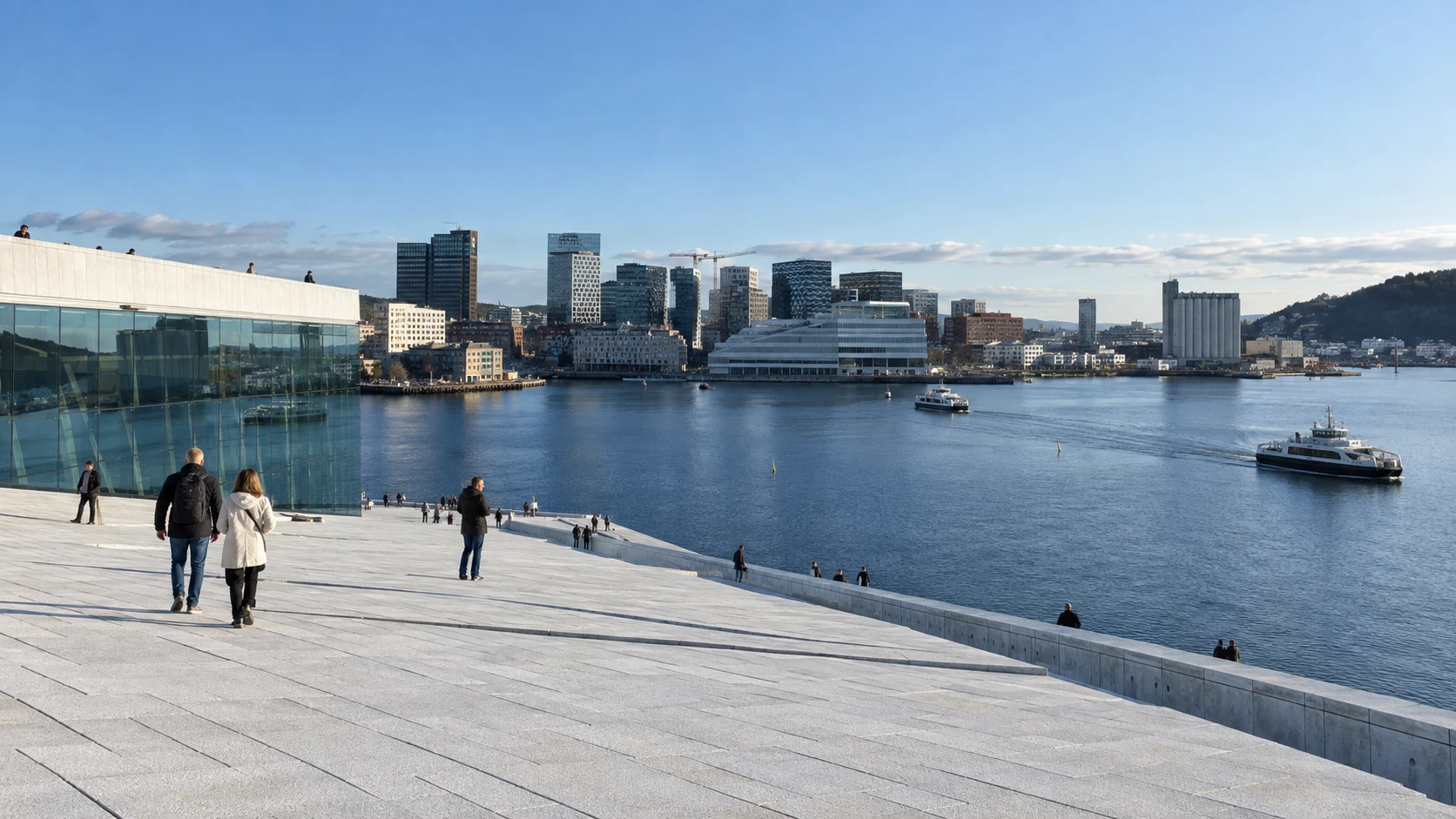
On the full day, pick one museum cluster and one city area. The National Museum, MUNCH, the Opera House roof, Akershus Fortress, Vigeland installation, and Bygdøy museums cannot all receive thoughtful visits before dinner.
Reserve ticketed priorities, then use ferries, trams, metro, and walking to connect them. Confirm which transit zone and operator your ticket covers because an airport train, local train, city pass, and ordinary public-transport ticket are not interchangeable by default.
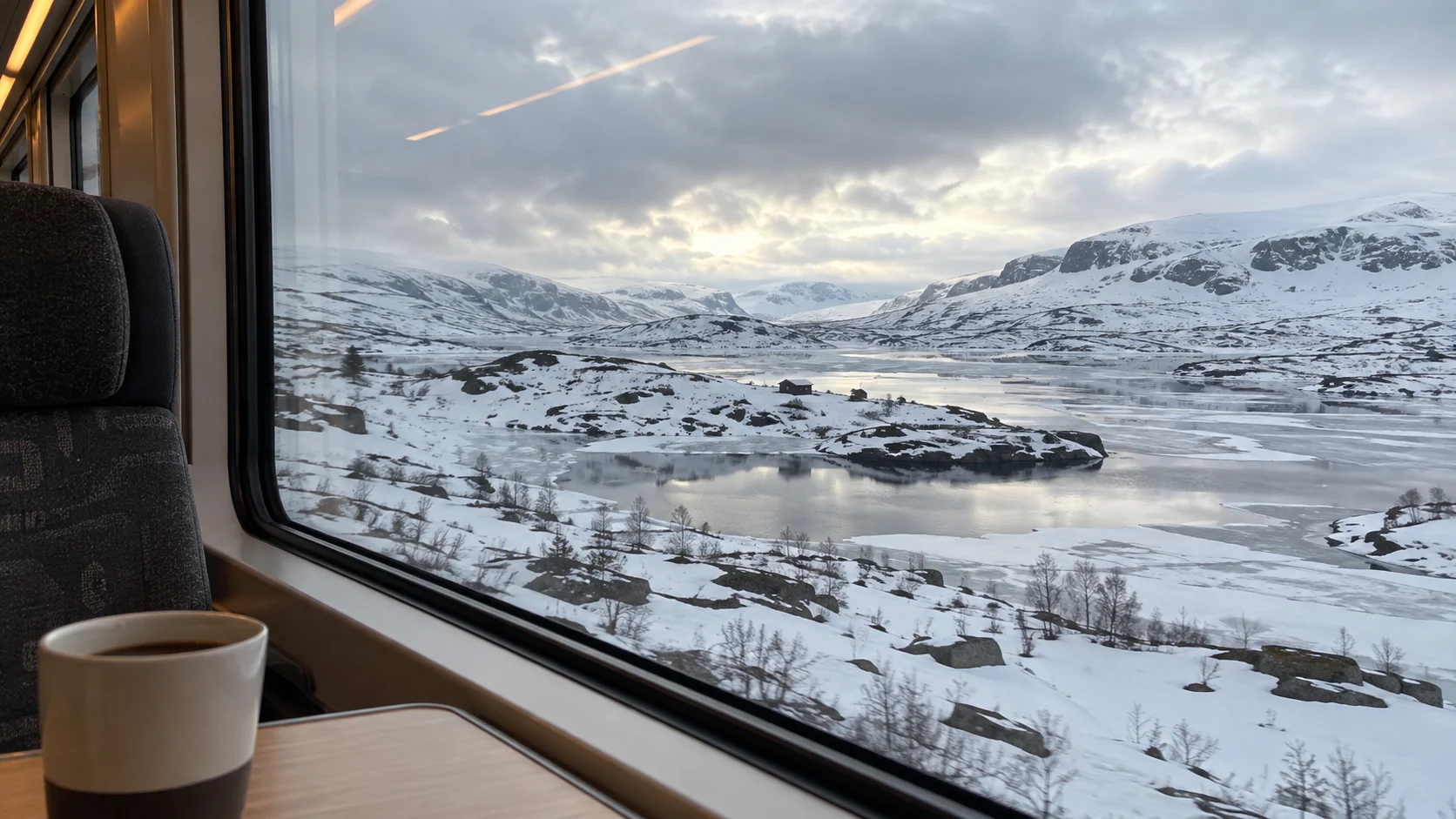
Day 3: Oslo to the Fjords
Take the Bergen Line toward Myrdal, then connect to the Flåm Railway if that is your chosen corridor. The scenery is the day, so a slower daylight departure is often more valuable than saving a hotel night on a route you came to see.
Do not book separate segments with a heroic transfer unless you understand the protection attached to each ticket. Entur’s official route and ticket portal sells train journeys across Norway without an added fee, while the operating carrier’s conditions still govern the trip.
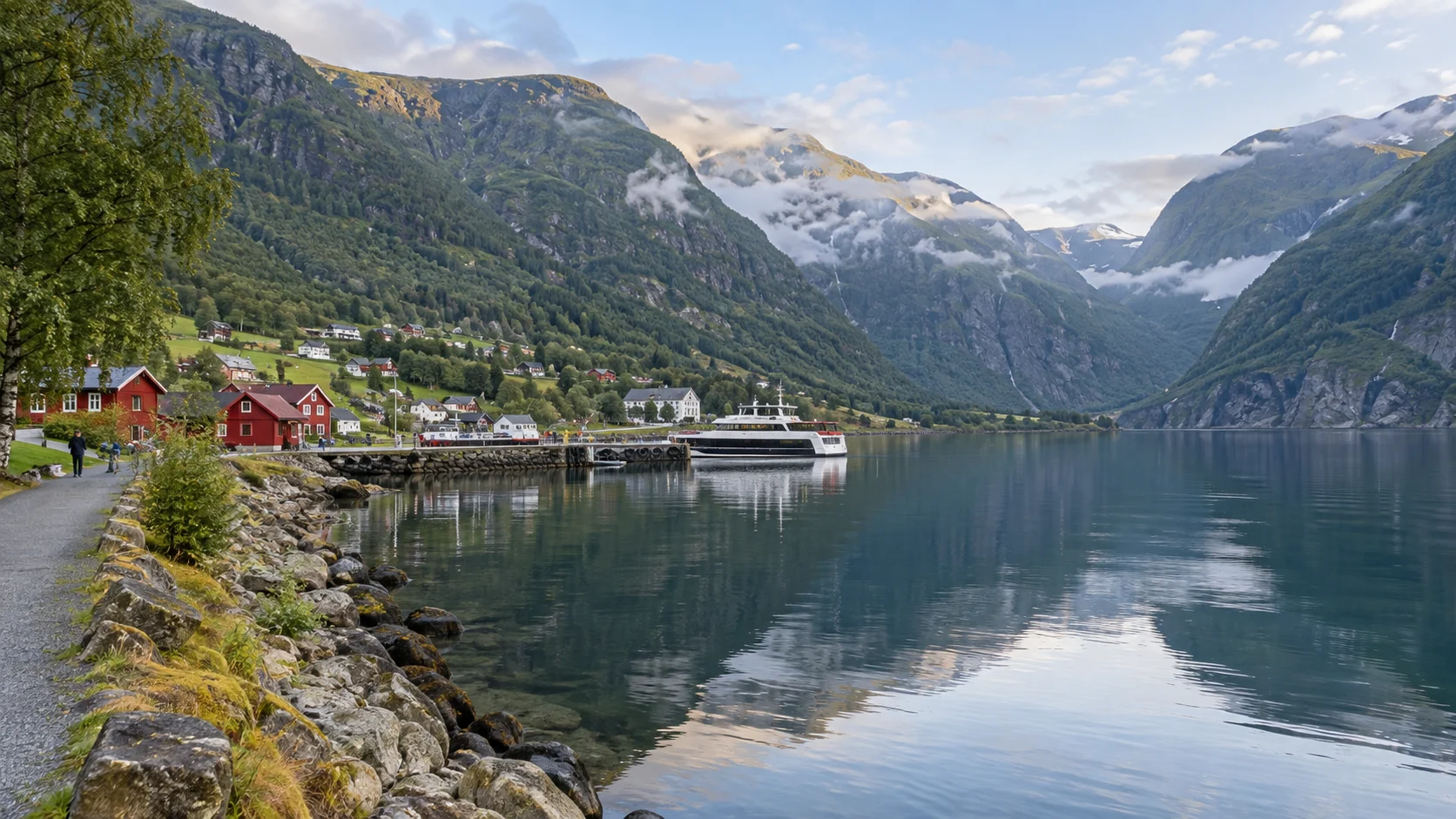
Days 4 and 5: use Flåm as your fjord base
Flåm is convenient for rail, boats, tours, and travelers avoiding a car, but it becomes busy around ship calls. Aurland can feel calmer, while Balestrand, Voss, Ulvik, and other bases work better for different fjord branches and activities.
Choose the base after choosing the experience: a Nærøyfjord boat trip, kayaking, a guided hike, a scenic bus, cycling, or simply time beside the water. The official tourism board publishes several fjord routes using rail, bus, and boat, which is useful for testing whether your connections form a real itinerary.
Give weather permission to change the order. Keep one main outdoor commitment per day, bring a waterproof layer, and avoid pairing the last boat with the last train when separate reservations leave no recovery time.
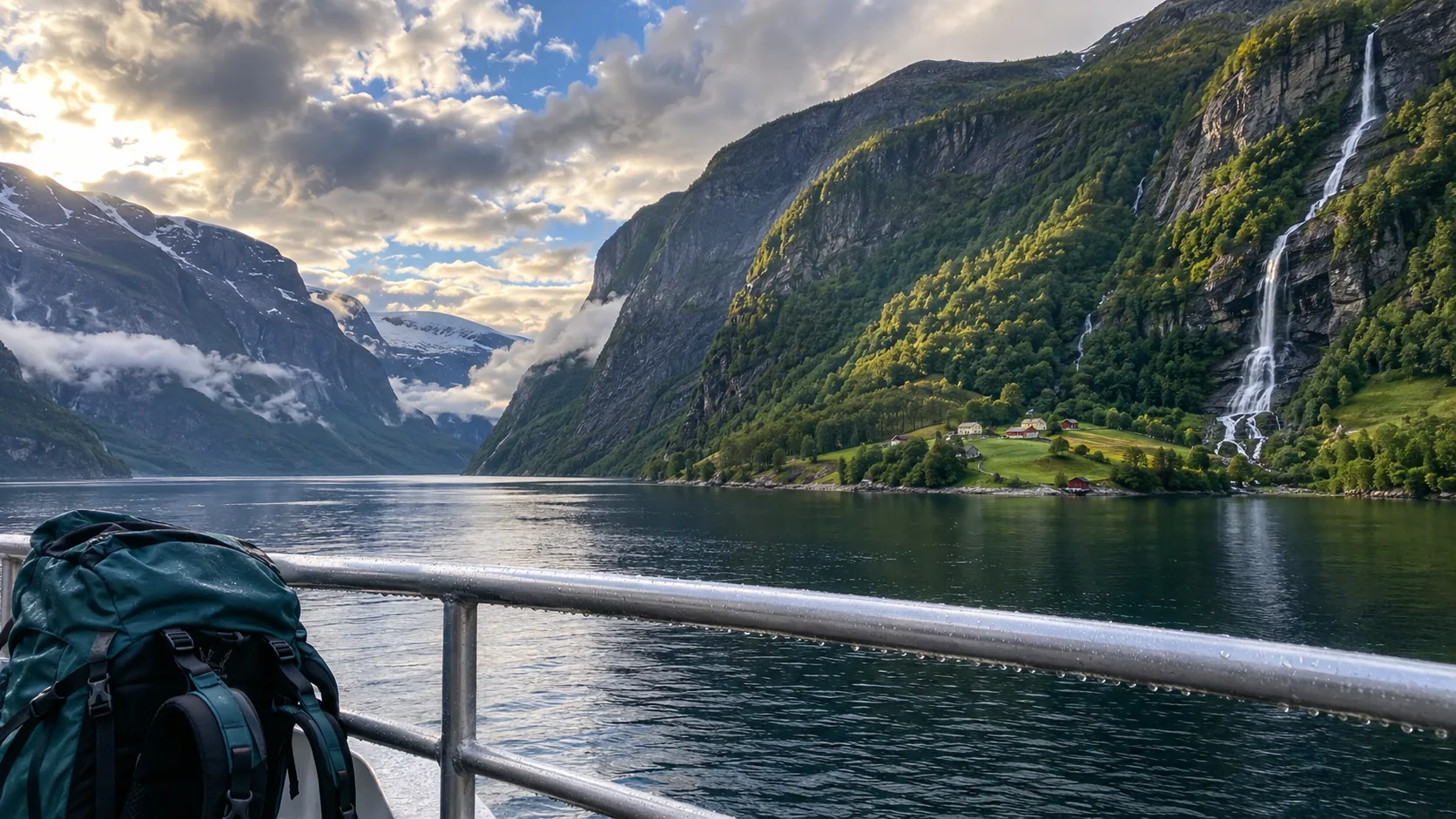
Day 6: Continue to Bergen
From Flåm harbor, take the two-hour Nærøyfjord cruise to Gudvangen, then the Gudvangen harbor-to-Voss station bus, advertised at one to two hours. Finish with a Voss-to-Bergen train, allowing roughly 1.25 to 1.5 hours for that rail leg and at least 30 minutes at independently booked connections; I would set aside six to seven hours overall including lunch and waiting.
Arrive with enough daylight to learn the route between your lodging, the harbor, and the station. Bergen’s rain is not a trip failure, but wet stone and luggage make a well-located room unusually valuable.
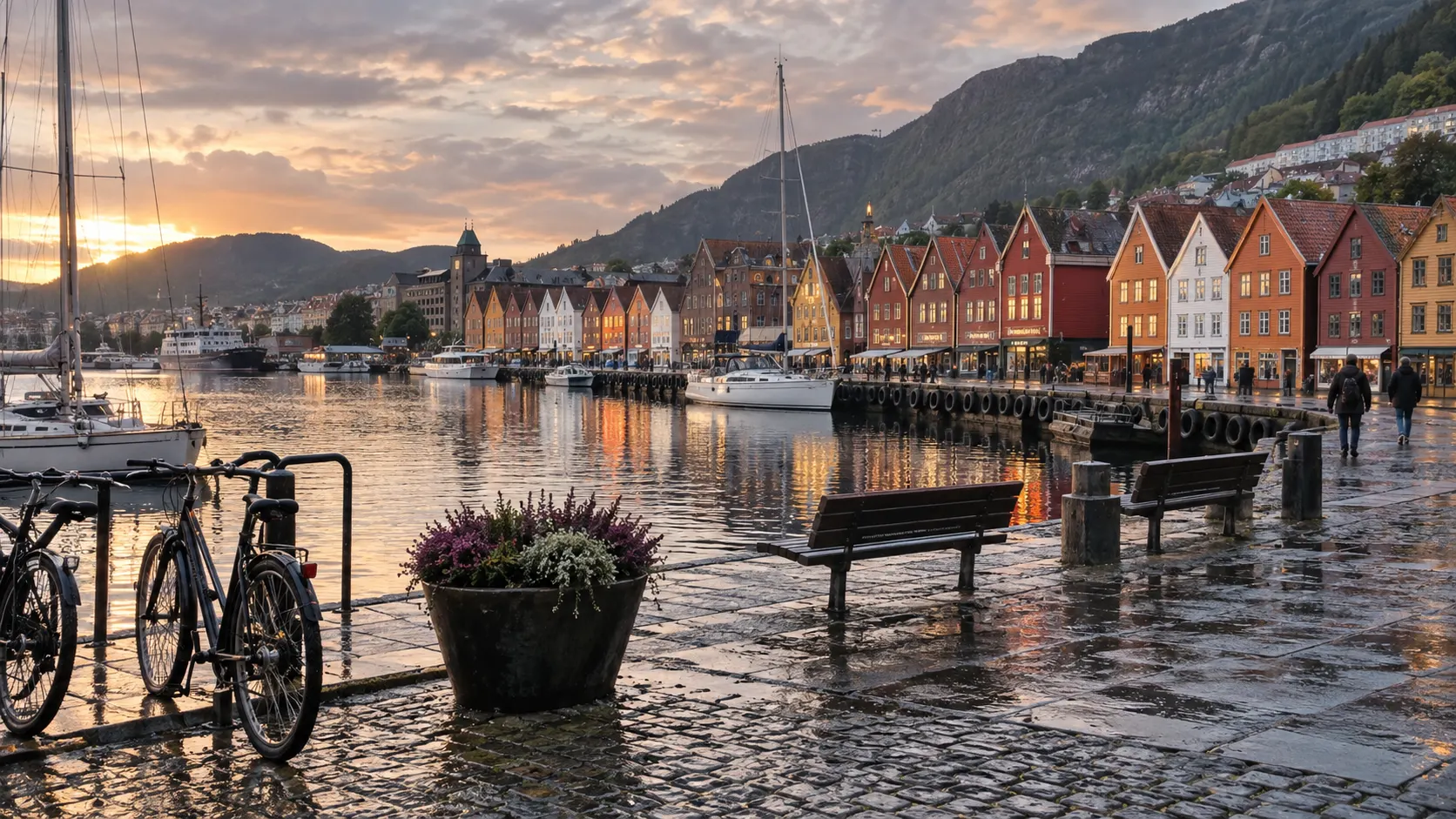
Days 7 and 8: Bergen
Spend one day around Bryggen, the harbor, museums, and neighborhoods, and use the clearest window for a viewpoint. Fløibanen is convenient, while a walk up or down should match trail conditions, daylight, footwear, and your knees.
Keep the second day flexible for a fjord outing, a hike, or more city time. If the first half of the trip already included a strong fjord experience, you do not need another long boat ride simply because Bergen sells one.
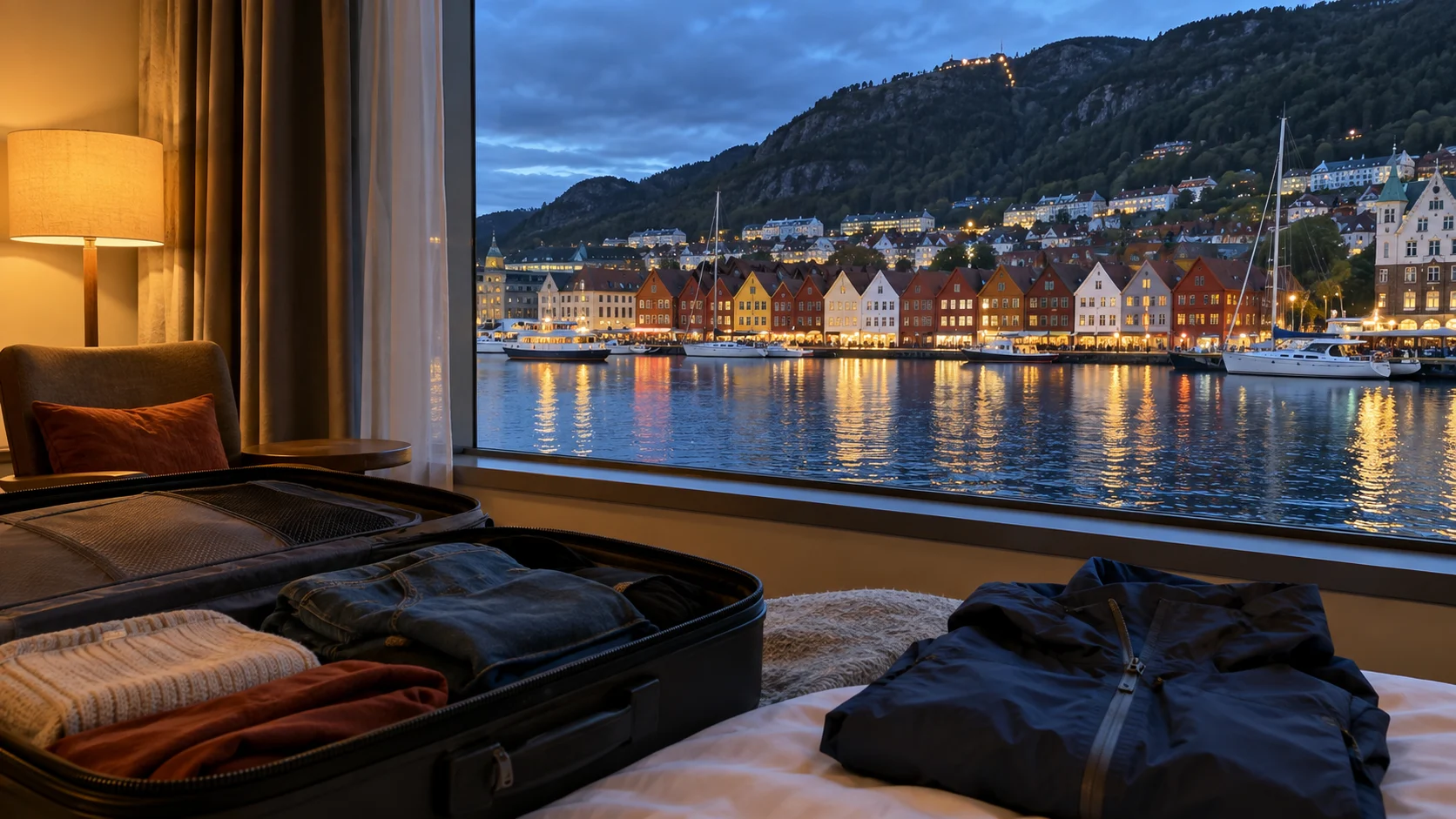
Day 9: buffer and final overnight
Use the final night in the city from which your international flight leaves. A same-day rural ferry, long-distance train, and overseas departure is a brittle plan even when the timetable looks elegant.
Should You Add Northern Norway?
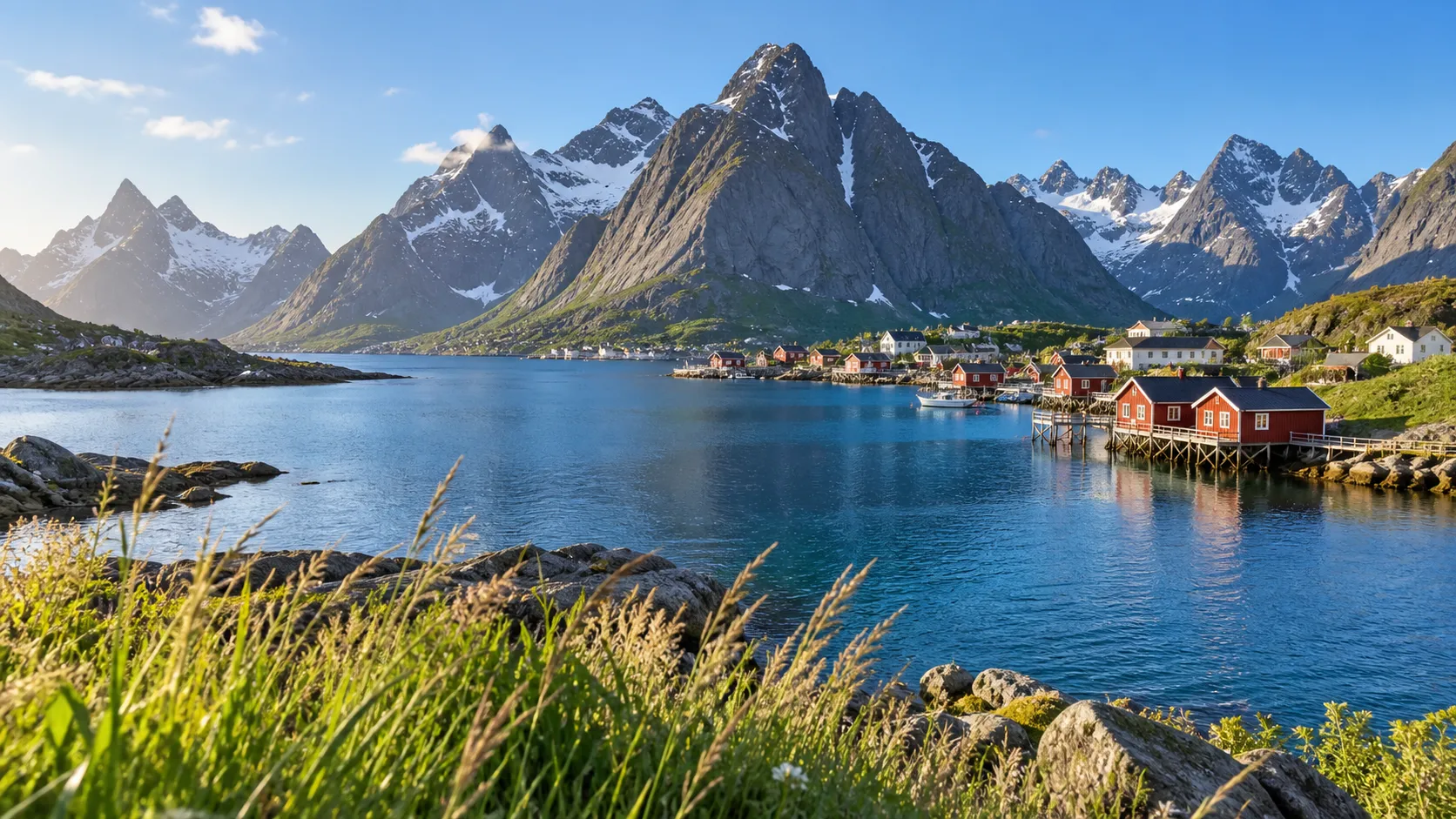
Add Tromsø for winter activities and aurora infrastructure, or Lofoten and Vesterålen for summer landscapes and fishing villages. Both require their own transport logic, weather margin, and several nights, so they should replace part of southern Norway rather than become a rushed side trip.
Northern Norway has no rail network linking all the famous coastal places. Flights, buses, express boats, ferries, and rental cars can work beautifully, but the last segment often determines whether an itinerary is relaxed or fragile.
Train, Ferry, or Rental Car?
Choose Public Transportation When
Use trains and boats for an Oslo-to-Bergen route, a city-focused trip, or a fjord corridor with coordinated services. Norway’s national journey planner combines bus, train, boat, tram, metro, and flight options, but always open the individual leg and read connection notes.
Choose a Car When
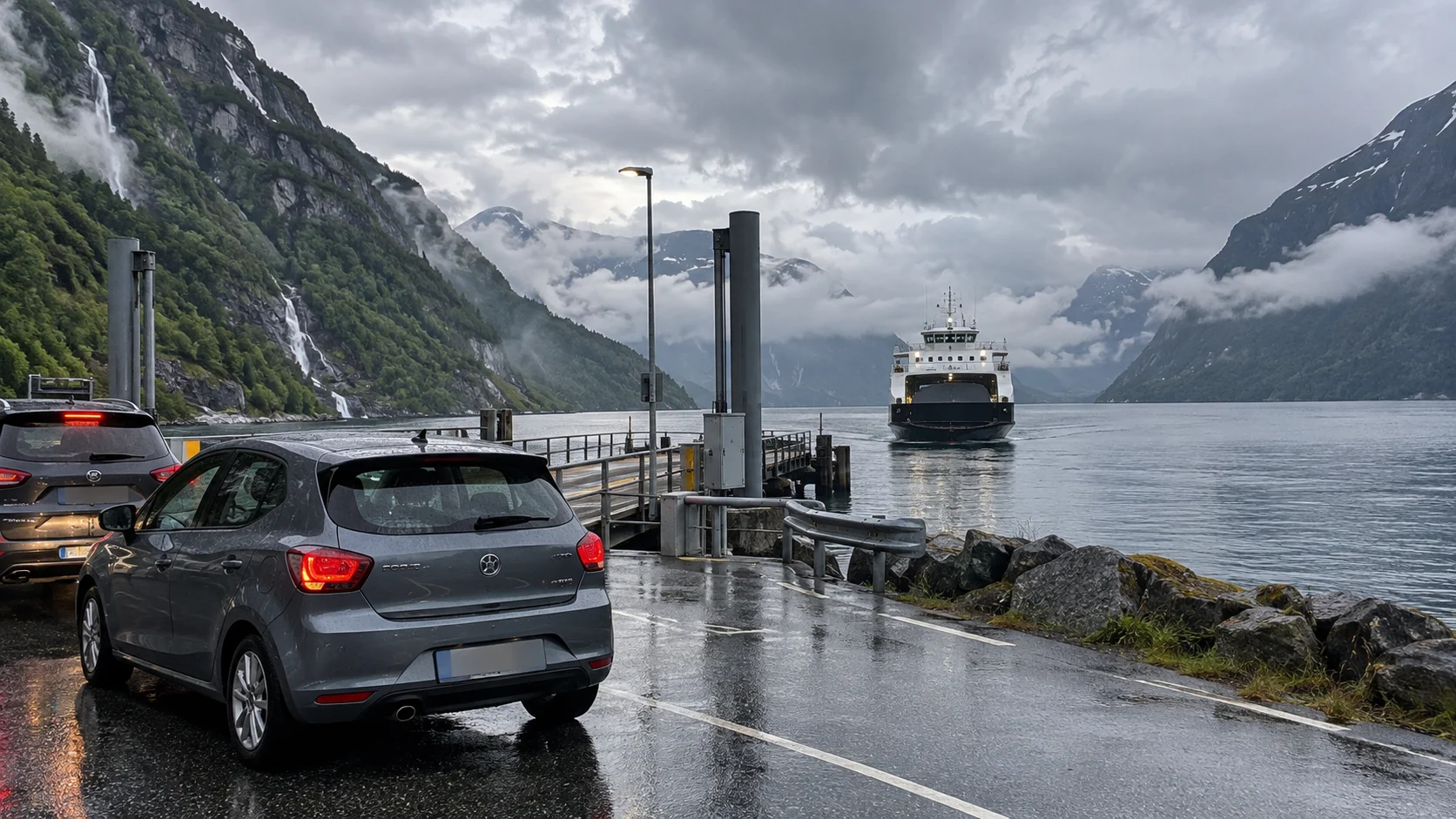
Rent a car for dispersed trailheads, smaller villages, photography stops, or a loop whose best hours fall outside transit schedules. Price tolls, ferries, fuel, parking, one-way fees, and extra insurance before deciding that four wheels are cheaper.
Distances in miles hide the real workload because roads curve around water and climb through changing conditions. Check the Norwegian Public Roads Administration’s live traffic, mountain-pass, and ferry information before every driving day.
Do Not Build a Hybrid Day Carelessly
A one-way boat plus rental car can be excellent only when the car collection, office hours, luggage rules, and return location all align. Confirm every provider rather than assuming a national journey search includes a guaranteed handoff.
Norway Budget Advice That Actually Helps
Save by reducing geographic ambition, not by stripping every good experience from the trip. Fewer hotel changes mean fewer transfers, easier grocery stops, and more chances to use one carefully chosen boat ride or museum ticket well.
Book refundable lodging early in small fjord communities, compare breakfast inclusions, and choose at least some rooms with a kitchenette. Grocery lunches and refillable water bottles create budget room for the dinner or guided activity you will remember.
Never convert a price once and keep using that number for months. Norwegian krone exchange rates move, card-provider fees vary, and dynamic transport or lodging prices can make an old dollar estimate useless.
Hiking and Outdoor Safety
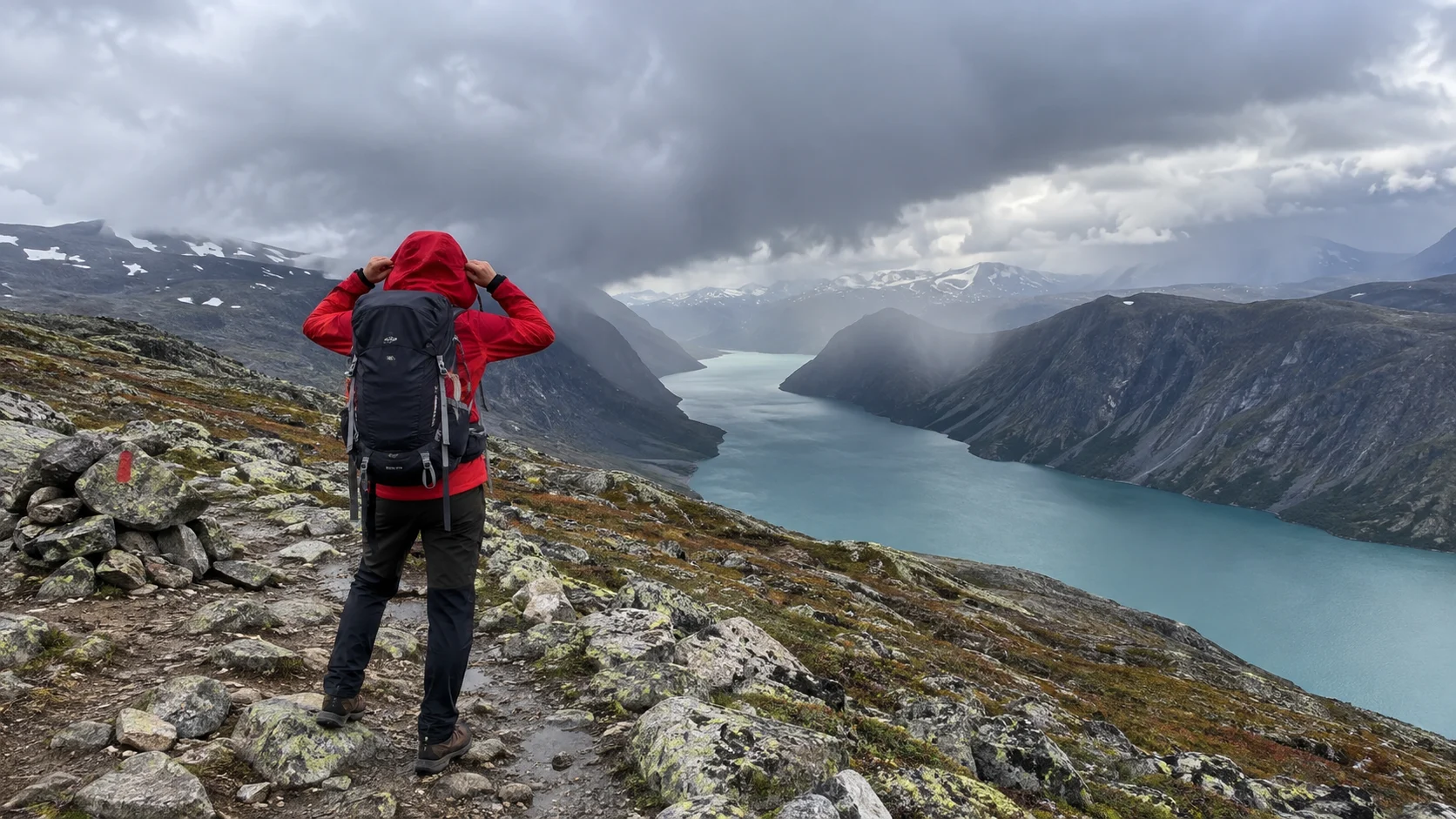
Norway’s famous viewpoints are real mountain outings, not scenery props. The official Norwegian Mountain Code says to match the route to ability and conditions, check weather and avalanche information, carry proper equipment, and be willing to turn around.
A dry forecast in Bergen does not establish conditions at elevation, and summer dates do not guarantee a snow-free trail. Hire a qualified local guide when conditions, route-finding, exposure, winter terrain, or your experience make independent travel questionable.
The right to roam comes with duties toward landowners, wildlife, fire safety, and waste. Campsites and marked facilities may be the kinder, safer choice even where dispersed access is technically possible.
Entry, Money, and Everyday Logistics
Norway participates in the Schengen area, so time spent elsewhere in Schengen affects your allowance. U.S. travelers should verify passport and entry rules for their own circumstances on Norway’s official immigration portal, which currently describes visa-free visits of up to 90 days subject to additional conditions.
Cards are widely practical, but carry a backup card and know its PIN. Keep medication, charging gear, rain protection, and one warm layer in your day bag, using this travel essentials checklist as a starting point rather than packing for every possible climate at once.
Tap water is generally the easy choice where local authorities say it is potable. Alcohol rules, Sunday hours, holiday closures, and rural dining schedules can surprise visitors, so buy needed groceries before a late arrival.
Common Norway Planning Mistakes
- Adding Lofoten as a one-night detour from Bergen
- Counting every transfer as guaranteed
- Driving the mileage estimate without ferry or weather margin
- Scheduling a major hike immediately before an international flight
- Assuming midnight sun and northern lights happen in the same season
- Booking multiple fjord cruises that repeat the same kind of day
- Ignoring cruise-call crowds in small villages

The rail alternative and departure morning
If the boat does not fit your date or you already cruised Nærøyfjord, take the Flåm Railway to Myrdal and change for Bergen. Allow about one hour to Myrdal and roughly two hours onward, then add the actual connection shown in Vy’s timetable; this avoids moving luggage from boat to bus but repeats some rail scenery.
On Day 10, check out and travel directly to the airport with the airline’s recommended margin. I would keep that morning free of booked sightseeing, especially if yesterday became the weather recovery day.
My Norway Recommendation
For a first trip, choose Oslo, one Sognefjord corridor, and Bergen, then protect the route with a weather buffer. That gives you urban Norway, a great railway, mountain scenery, and time on the water without spending the vacation chasing connections.
If cruising is the main goal, use this list of distinctive European cruise ports to judge what a ship adds and what it skips. Norway is at its best when the transportation becomes part of the experience, not an obstacle course between famous names.