Scuba Diving in the Maldives: Choose the Right Atoll and Season
Maldives scuba diving can mean a calm house reef, a fast channel full of sharks, a pinnacle wrapped in fish, or a week on a liveaboard. The right trip depends less on the prettiest resort photo and more on your certification, recent dives, comfort in current, chosen atoll, and month.
Is the Maldives good for beginner divers?
Yes, if the operator chooses sheltered lagoons, protected reefs, and gentle conditions. No, if a new diver is placed into a strong-current channel simply because that site is famous.
A beginner-friendly resort with a usable house reef can be a much better first Maldives experience than an ambitious central-atoll liveaboard. Ask for the actual dive profiles, entry methods, normal current, and guide ratio before treating “all levels welcome” as proof.
Certified Open Water divers are generally trained to a maximum of 60 feet, while Advanced Open Water training can extend to 100 feet, subject to agency rules and the depth reached in training. PADI’s current depth explanation is a limit, not a promise that certification alone prepares someone for blue-water entries or strong drifts.
The best Maldives dive regions by traveler
North Male and South Male Atolls: best for access and variety
The Male atolls are practical for shorter trips because many resorts and liveaboards connect through Velana International Airport by speedboat. Their mix can include house reefs, walls, wrecks, pinnacles, and current-swept channels, so proximity does not mean every site is easy.
Choose this area when you want a broad first look at Maldives diving without adding a domestic flight. Ask whether airport boat transfers run after dark or only at fixed times, because a late international arrival can still require a hotel night.
Best fit: Divers with five to seven days, mixed-skill couples, and travelers who want simpler transfers.
North Ari and South Ari Atolls: best all-around big-animal search
Ari is known for thilas, channels, manta cleaning areas, reef sharks, and whale shark possibilities along the outer reef of South Ari. Current can be strong at exposed sites, and the animal you traveled to see may be absent on your dive.
The general PADI Maldives guide highlights January through April for drier weather and visibility, with August through November often promoted for manta and whale shark opportunities. Treat those as broad patterns because plankton, wind, tide, moon, and local movement matter at the scale of one dive.
Best fit: Certified divers who want variety and can accept wildlife as a possibility rather than a reservation.
Baa Atoll: best for manta-focused travel, with one crucial limit
Baa Atoll is a UNESCO Biosphere Reserve where reef manta rays gather to feed under favorable conditions. The famous Hanifaru Bay is regulated, and scuba diving inside the protected bay is prohibited, so the signature experience there is guided snorkeling rather than a tank dive.
That distinction gets blurred constantly in vacation marketing. You can scuba elsewhere in Baa Atoll and visit Hanifaru under its current permit, guide, entry, and wildlife rules, but no ethical operator can guarantee a mass aggregation.
UNESCO describes Hanifaru’s manta gatherings as a plankton-feeding phenomenon within the reserve. The southwest-monsoon period is the usual planning window, yet tide and plankton concentration determine what happens on a specific day.
Best fit: Divers who are equally happy to snorkel and can stay several days for more than one possible wildlife window.
Vaavu Atoll: best for confident current divers
Vaavu’s channels can deliver exciting drift dives with sharks and schooling fish when conditions align. They can also include negative entries, blue-water positioning, reef hooks where locally permitted, and rapid changes that are inappropriate for an inexperienced or rusty diver.
Night encounters with nurse sharks around Alimatha are heavily marketed, but crowding, animal behavior, and feeding practices deserve scrutiny. Ask how the operator avoids surrounding or touching animals and whether the plan changes when too many boats converge.
Best fit: Recently active Advanced divers who can descend promptly, maintain buoyancy without damaging reef, and deploy a surface marker buoy.
Fuvahmulah: best for experienced shark divers
Fuvahmulah is an isolated island in the deep south with oceanic conditions and renowned shark encounters, including tiger sharks. Its reputation should not be translated into a casual “bucket-list dive” for anyone whose last dive was a shallow vacation reef years ago.
Operator protocols, baiting practices, current, surface conditions, entry, group control, and required logged experience all need direct questions. Choose Fuvahmulah because you want advanced blue-water shark diving, not because it was the most dramatic video in your feed.
Best fit: Experienced, current divers who understand the encounter protocol and are comfortable with open-ocean exposure.
Addu Atoll: best for southern reefs and a slower pace
Addu offers southern channels, reefs, manta possibilities, and the British Loyalty wreck, with a different geographic feel from the central circuit. Reaching it normally adds a domestic flight, which makes the area better for a dedicated stay than a quick extension.
The wreck’s depth, penetration limits, current, and marine growth require a site-specific briefing. An exterior recreational dive and technical penetration are not the same activity, even when both use the same wreck name.
Best fit: Repeat Maldives visitors, wreck-interested divers, and travelers willing to spend more time and money on internal transport.
Understand thilas, kandus, giris, and house reefs
A thila is a submerged pinnacle, while a kandu is a channel connecting atoll lagoon and open ocean. A giri is generally a shallower reef feature, and a house reef is the reef directly accessible from or immediately associated with an island resort or dive base.
Those labels hint at a site but do not set its difficulty. A shallow pinnacle can have ripping current, while a carefully chosen house-reef entry can give a beginner a calm, colorful hour.
Best time to scuba dive in the Maldives
The Maldives Meteorological Service says the southwest monsoon, normally the wetter season, extends from mid-May through November. The northeast dry monsoon runs from January through March, with December and April considered transition months in its official climate summary.
January through March is the easiest starting point for travelers prioritizing lower rainfall risk, calmer vacation logistics, and clearer water in many central areas. It is also a popular period, so liveaboards, specialist rooms, and domestic transfers can cost more or sell earlier.
Mid-May through November often brings more plankton, reduced visibility in some places, changing atoll-side conditions, wind, showers, and rougher crossings. Those nutrients can support memorable manta activity, but “manta season” does not cancel the weather or guarantee a sighting.
The archipelago stretches hundreds of miles north to south, and monsoon effects are not identical across every atoll. Choose the animal or dive style first, then ask a local dive center which side of that atoll is normally favored in your month.
Resort, local island, or liveaboard?
Resort diving
A resort is strongest when one partner dives and the other does not, or when you want flexible mornings around a good house reef. The weakness is geographic range, since distant sites may require paid boat supplements or never appear on the week’s schedule.
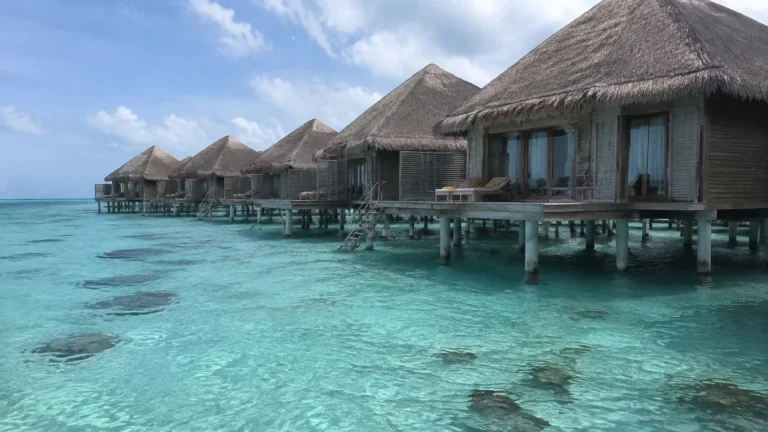
Ask how many dives run daily, whether house-reef dives require a guide, what happens on arrival day, and which sites are realistic in your season. If the room matters as much as the reef, compare the total costs in this guide to Maldives overwater villas without assuming a villa sits near the best entry.
Local-island dive stay
A guesthouse on an inhabited island can lower accommodation and meal costs while directing more spending into a local community. Alcohol laws, modest dress away from designated tourist beaches, boat schedules, and a smaller pool of dive sites create a different vacation from a private resort.
Compare the dive center and island separately, then add airport transfer, equipment, tax, service, meals, and any mandatory boat fees. A low nightly room rate is not automatically the cheapest dive package.
Liveaboard diving
A liveaboard moves between sites and can deliver three or four dives per day without repeating long resort commutes. It also removes your ability to change hotel, skip rough crossings, or access full hospital care quickly.
Central-atoll “best of Maldives” routes suit many first-time visitors, while deep-south, northern, shark, and manta itineraries can demand more experience or a specific season. Use this small-ship planning framework to compare cabin, deck, medical, transfer, and cancellation questions before treating the boat as floating lodging.
Certification, recent experience, and checkout dives
Bring your certification card, logbook or digital record, nitrox proof when applicable, and medical clearance if your answers require it. Liveaboards and advanced sites may impose a minimum certification or logged-dive count above the training agency’s baseline.
If you have not dived for six to twelve months, ask for a refresher and calm checkout dive before a channel. The right interval depends on your experience, comfort, health, and operator policy, so do not argue with a conservative assessment simply because your card never expires.
A Discover Scuba experience is supervised introductory diving, not certification. It can be a lovely resort activity in controlled water, but it does not qualify you for independent diving or advanced Maldives sites afterward.
How to choose a Maldives dive operator
A recognizable training-agency logo is only the first filter. Ask the questions that reveal what happens when the current is stronger than forecast or a diver needs oxygen.
- What certifications and recent logged experience does this itinerary require?
- What is the maximum diver-to-guide ratio?
- Are groups divided by skill and air consumption?
- Is emergency oxygen sufficient for the return time from the farthest site?
- Are first aid, VHF or satellite communication, and a written emergency plan onboard?
- Where is the nearest suitable medical facility and recompression chamber?
- How are lost-diver procedures and surface marker buoys handled?
- Does the crew analyze and label each nitrox cylinder with the diver?
- Which dives involve negative entry, reef hooks, deep profiles, or blue-water ascents?
- What weather or current conditions cancel or relocate a dive?
For a liveaboard, also ask whether the diving dhoni carries oxygen and communications or only the mother ship does. A chamber shown on a national map can still be many hours from an outer atoll.
Wildlife etiquette is part of dive skill
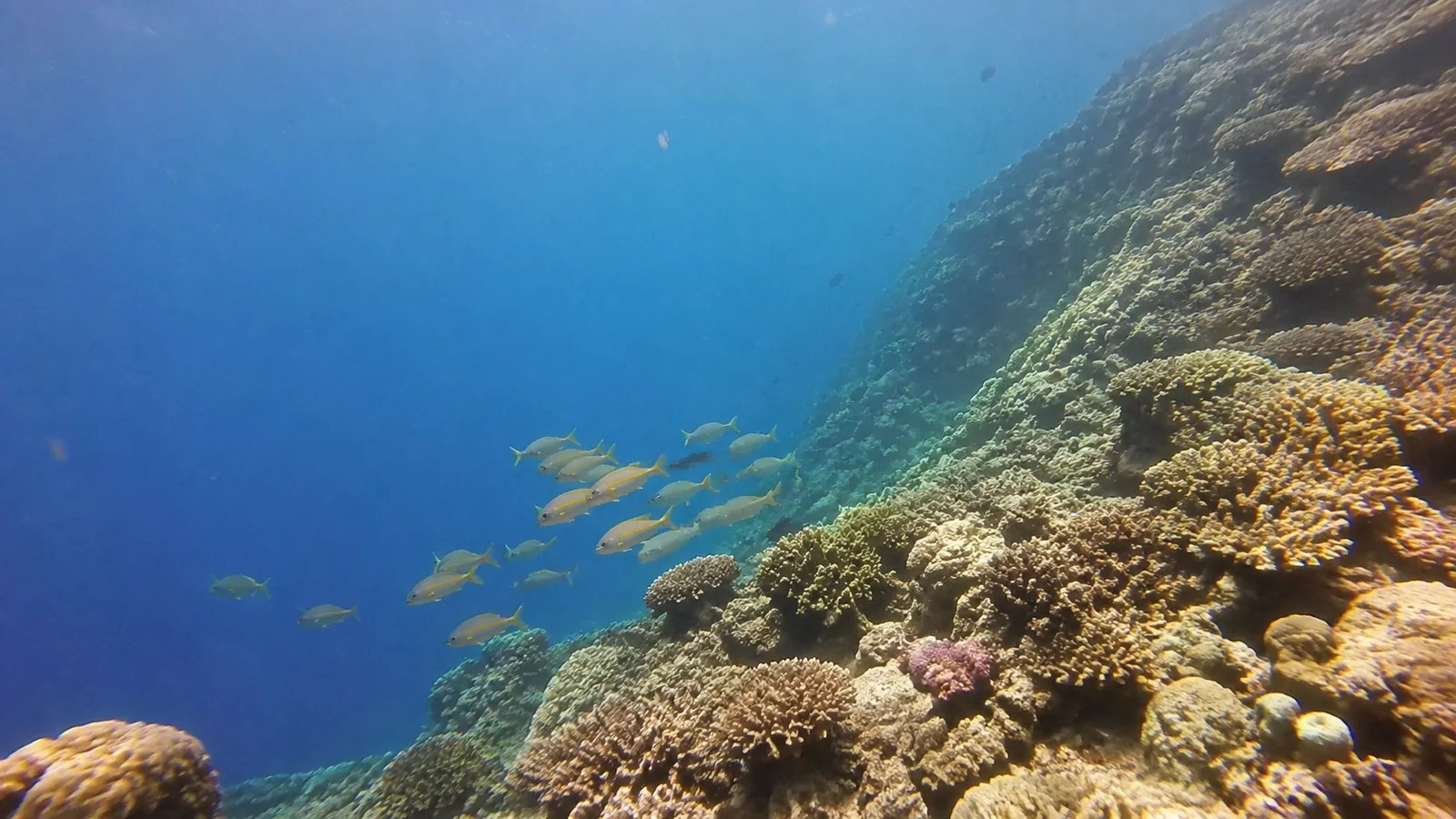
Never touch, ride, feed, chase, block, or crowd mantas, whale sharks, turtles, sharks, or rays. Stay out of cleaning stations, control fins and gauges, and let the animal decide whether the encounter becomes close.
At Hanifaru Bay, follow the protected-area guide and snorkeling rules rather than arriving in scuba gear. Elsewhere, ask whether shark or ray encounters use feeding and decide whether the operator’s practice fits your ethics before boarding.
Good buoyancy matters as much as animal distance. If you cannot hover without contacting coral, spend the first dive rebuilding control and leave the large camera rig on the boat.
Flying and seaplanes after diving
Maldives itineraries often end with a seaplane or domestic flight, so the no-fly interval must be built before the final dive. Divers Alert Network recommends at least 12 hours after one no-decompression dive and at least 18 hours after multiple dives in a day or diving over several days.
DAN’s flying-after-diving guidance calls for substantially longer after dives requiring decompression, and individual factors may warrant more time. Many cautious schedules leave 24 hours, so use the strictest applicable operator, agency, medical, airline, or insurance rule.
This applies to seaplanes and altitude exposure, not only the international jet home. Send the dive center your complete transfer itinerary and identify the time wheels leave the ground.
Insurance and medical planning
Ordinary travel insurance may exclude scuba, depth, liveaboards, search and rescue, or evacuation between remote islands. Confirm coverage in writing for your certification, maximum planned depth, destination, charter type, and medical evacuation.
Complete the current diver medical questionnaire honestly and consult a dive-medicine professional when an answer triggers review. Congestion, ear trouble, respiratory symptoms, pregnancy, recent surgery, medication changes, and certain heart or lung conditions are reasons to pause, not problems to hide at check-in.
What to pack for Maldives diving
- Certification card and logbook access
- Dive-computer charging cable and spare compatible battery if allowed
- Surface marker buoy and reel, if trained to use them
- Reef-safe exposure protection for sun, stings, and repeated dives
- Mask that fits, plus prescription option if needed
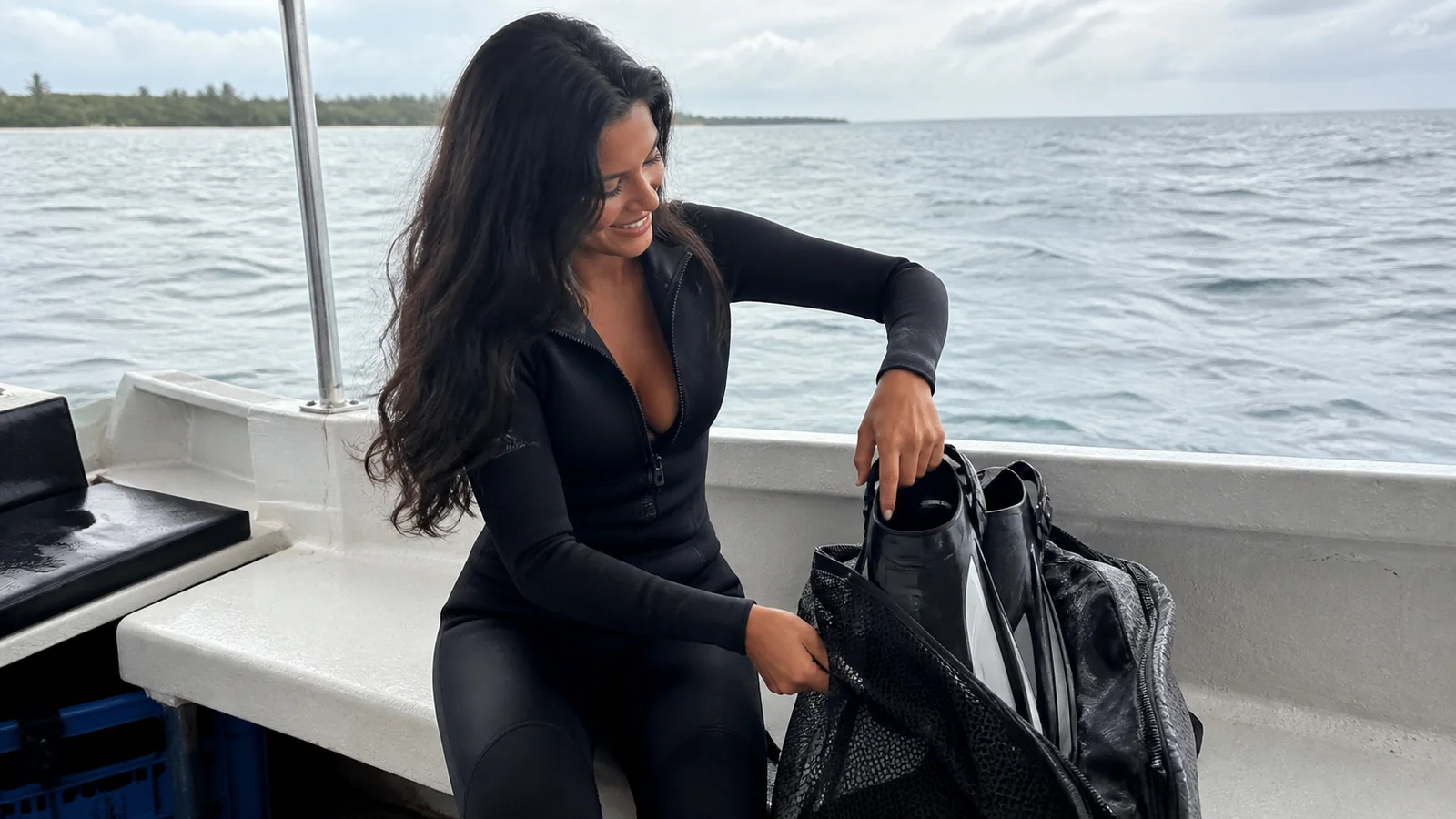
- Secure fins appropriate to the operator and current
- Reusable water bottle and electrolyte plan
- Swimsuit and dry clothing suitable for local-island customs
- Small save-a-dive kit that complies with flight restrictions
- Personal medication in carry-on baggage
Do not pack cylinders, weights, or unfamiliar accessories merely to feel prepared. Confirm valve type, tank material and size, DIN adapter availability, rental-computer model, nitrox access, and baggage allowances first.
Budget beyond the room or boat
Add dive packages, required guided-house-reef charges, boat supplements, equipment rental, nitrox, marine or fuel fees, taxes, service charges, domestic flights, speedboats, seaplanes, tips, insurance, and a buffer hotel. A cheap island stay with an expensive transfer can cost more than the resort that initially looked indulgent.
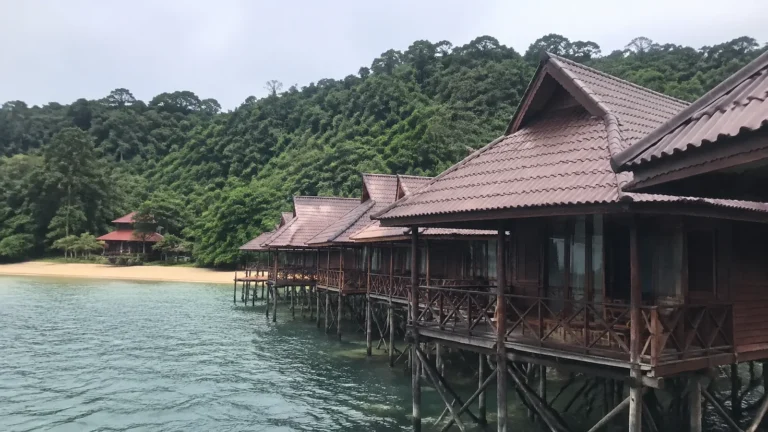
Photographers should ask about camera fees, charging, rinse tanks, workstations, and baggage weight on domestic transfers. Couples comparing other dive-resort regions can also inspect how lodging and dive logistics interact in this Malaysia overwater-stay guide.
My Maldives diving recommendation
For a first certified trip, choose a reputable North or South Male resort with a strong house reef, or a conservative Ari itinerary that separates groups by experience. For mantas, build a Baa trip that embraces snorkeling at Hanifaru, and for Vaavu, Fuvahmulah, or advanced liveaboards, arrive with recent current-diving skills rather than confidence borrowed from a certification card.
Then leave room for weather, current, and wildlife to rewrite the day. The Maldives is extraordinary without guarantees, and the safest divers are the ones willing to skip a famous site when the conditions or their own readiness say no.