Travel Essentials for Women: The Useful Packing List
The best travel essentials for women are not 100 tiny products in matching pouches. They are the few things that protect your identity, health, money, communication, sleep, and comfort, followed by clothing and toiletries chosen for the actual trip.
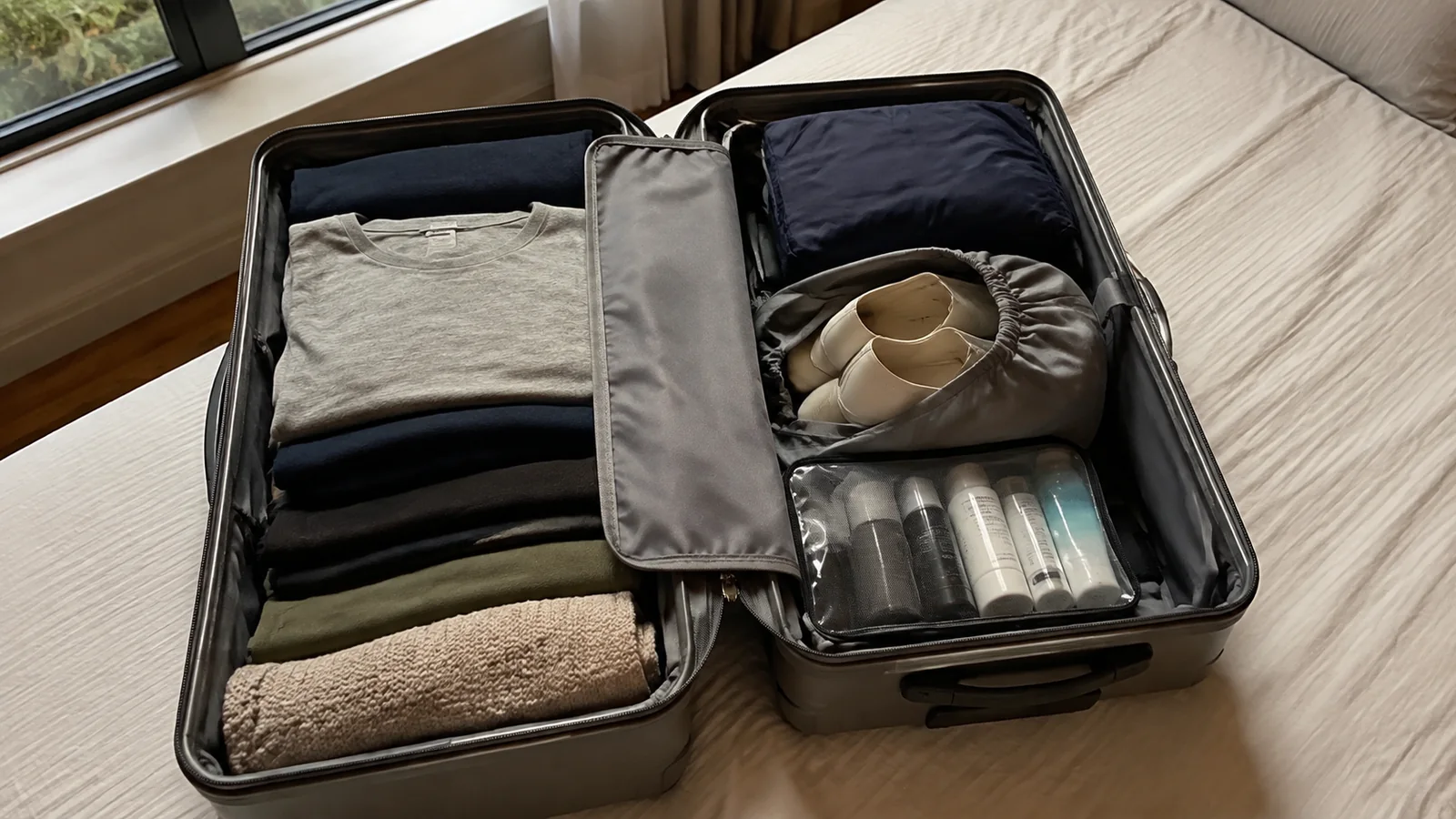
The Real Essentials, Before Anything Cute
Start with the items that would be difficult, expensive, or impossible to replace after departure. Keep these in the personal item that stays with you, not in an overhead bag that might be gate-checked.
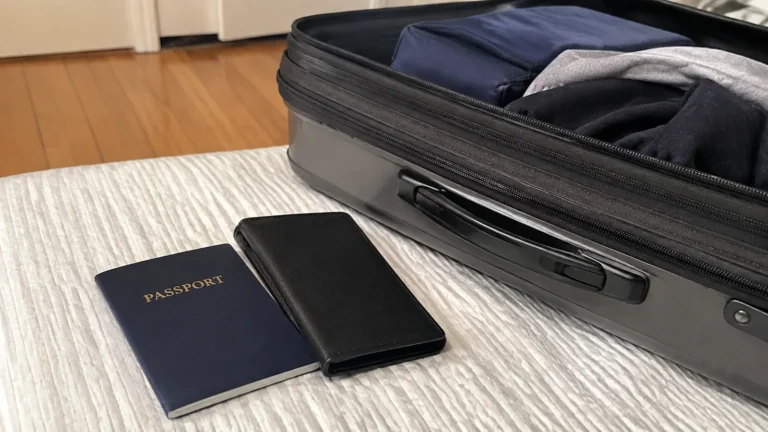
- Passport or acceptable identification, required visas, and boarding documents
- Prescription medication, necessary medical devices, and health information
- Phone, charging cable, wall plug, and destination-appropriate adapter
- Primary payment card, backup card stored separately, and a little local cash
- Keys, glasses or contacts, valuables, and one basic change of clothes
- Trip insurance details and emergency contact information, if applicable
Download tickets, reservations, insurance details, and a copy of your passport for offline access, then leave another copy with someone you trust. A photocopy cannot replace a passport, but it can make the details easier to retrieve if the original disappears.
Build Your List Around the Trip
A three-night city break and a two-week expedition do not deserve the same suitcase. Check the forecast, planned activities, local clothing norms, laundry access, accommodations, airline limits, and the longest stretch between reliable stores.
Write each day as an outfit or activity, then find the pieces that can cover several days. The broader travel tips checklist can help with planning and transit details, while this list stays focused on what earns space in your bag.
Pack for your body and routines, not for somebody else’s idea of what women need. Menstrual supplies, bras, shapewear, makeup, a head covering, hair tools, nursing equipment, or nothing from that list can all be the right answer.
What Belongs in Your Personal Item
Your under-seat bag is the survival layer for a delay, missed connection, or separated suitcase. Choose one with a secure closure, comfortable strap, and room to reach documents without emptying everything at the gate.
Documents and Money
Carry the identification required for every part of the itinerary, including any cruise, train, or car-rental requirements beyond the flight. Check names and expiration dates now, because a perfect packing cube cannot rescue the wrong document.
Use at least two payment methods and keep them apart. Before international travel, review the destination’s current entry rules, laws, and advisory, and consider the State Department’s free STEP alerts as part of the agency’s guidance for women travelers.
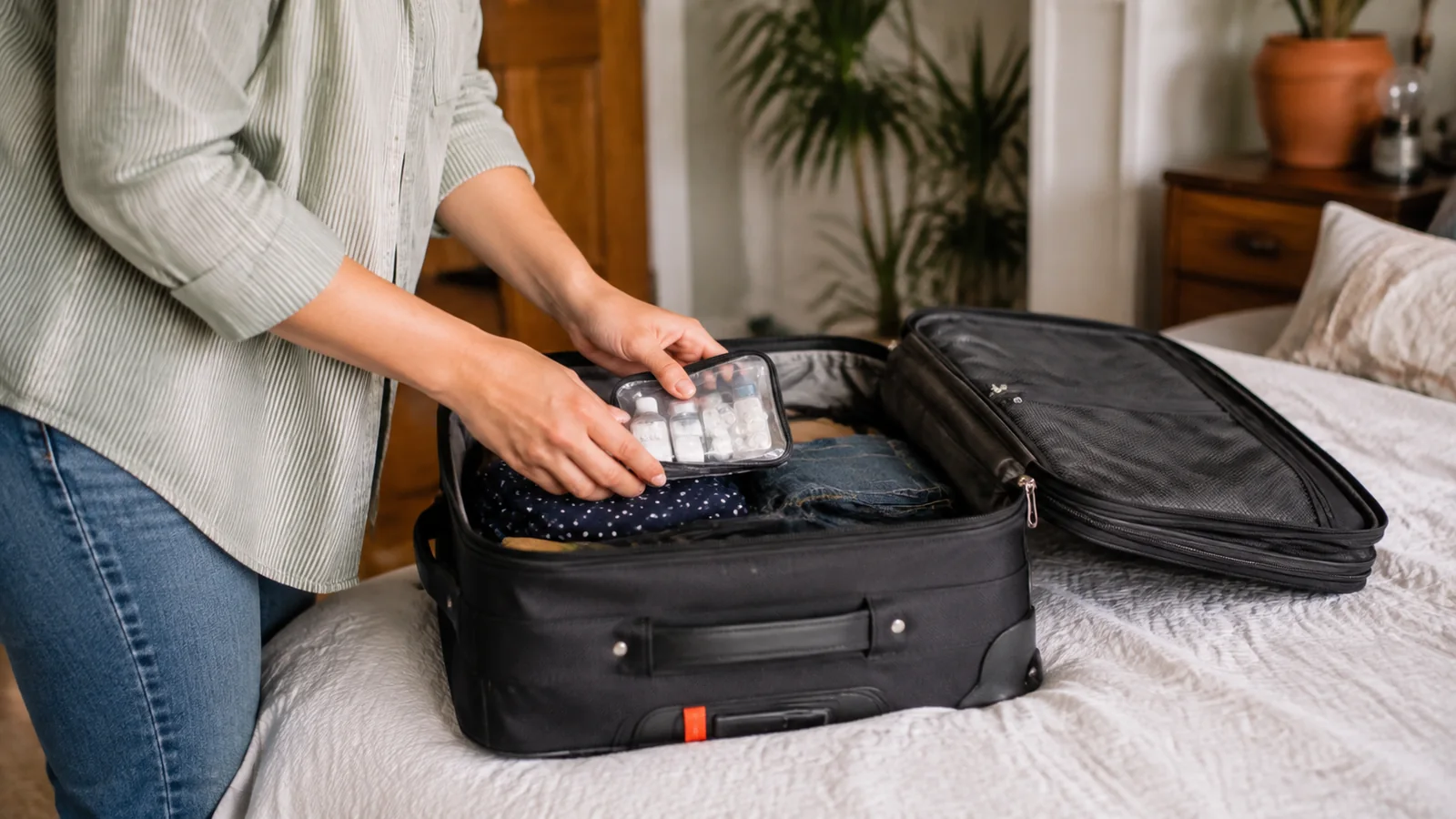
Medication and Health Supplies
Pack enough medicine for the trip plus a reasonable delay buffer, along with copies of written prescriptions that use generic names. The CDC advises keeping medicines in original labeled containers and checking whether the destination restricts them in its traveling abroad with medicine guidance.
Keep medication, injectors, diabetes supplies, mobility necessities, hearing-aid batteries, and other critical health items with you. If a product needs refrigeration or special screening, contact the airline and airport screening service before travel instead of improvising at security.
A compact health pouch might include a few adhesive bandages, pain relief you already tolerate, motion-sickness treatment you know is appropriate for you, oral rehydration packets, and any destination-specific supplies recommended by a clinician. This is preparation, not an invitation to start unfamiliar medication on the road.
Phone, Power, and Offline Information
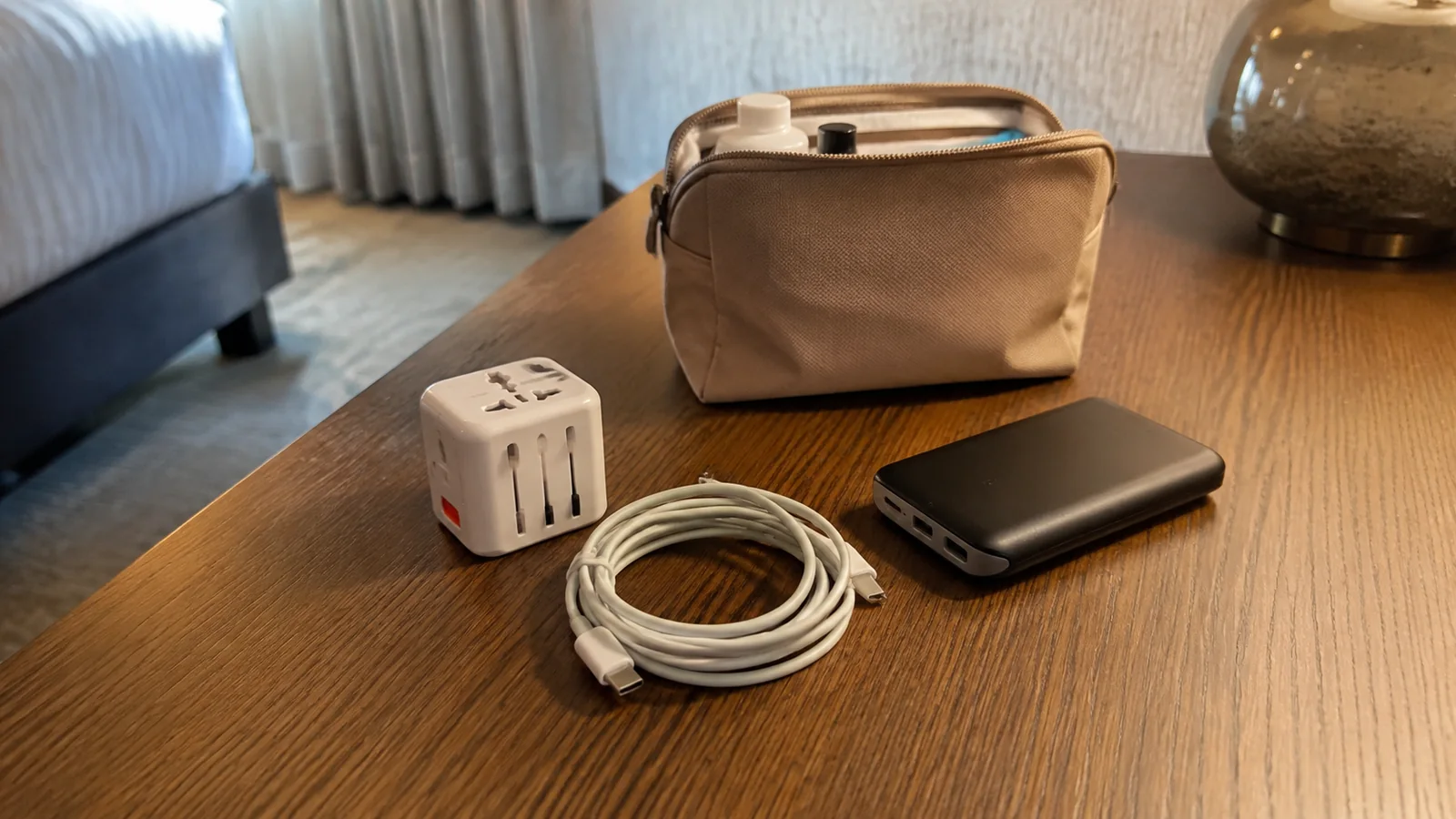
Bring one dependable charging cable, a wall charger with enough ports, and the correct plug adapter. A plug adapter changes the shape of a plug, not voltage, so verify that hair tools and other devices accept the destination’s electrical standard.
Power banks and spare lithium batteries belong in the cabin, protected from damage and short circuits. The FAA’s current lithium battery rules generally limit ordinary lithium-ion batteries to 100 watt-hours, with airline approval required for certain larger batteries from 101 to 160 watt-hours.
Download an offline map, translation data, airline app, accommodation address, and emergency numbers. Keep a paper card with your lodging address and one trusted contact in case your phone is lost, dead, or inaccessible.
Clothing That Works Hard
Build a small color-compatible capsule around a comfortable bottom, breathable tops, a warm layer, weather protection, and one outfit that meets the nicest planned venue. Rewearing is normal, and a sink wash can do more for luggage space than another organizer.
- One outfit per two or three days, adjusted for heat and laundry
- Underwear and socks for the trip or until the next wash
- Sleepwear that also works for a hotel hallway emergency
- A light layer for cold planes, aggressive air-conditioning, and evenings
- A rain shell, sun layer, or insulating coat based on conditions
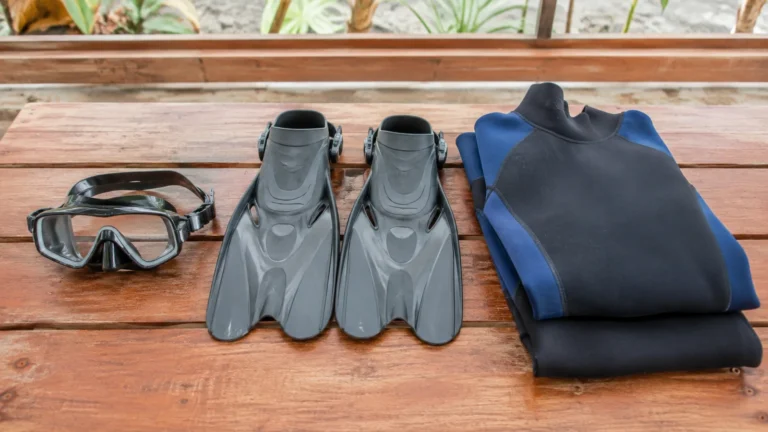
- Swimwear, workout gear, or dress clothing only when the itinerary calls for it
Fabric matters more than quantity. Quick-drying, opaque, non-chafing pieces are especially useful in humid places, while cold destinations demand real insulation, wind protection, and room for layers rather than one photogenic sweater.
Try every combination before packing, including bras and undergarments. A dress that only works with one fussy bra or shoes that only match one dinner are using premium suitcase space.
Shoes: Usually Two Pairs Are Enough
Wear the bulky pair in transit and pack one lighter alternative. For most trips, that means broken-in walking shoes plus sandals, flats, boots, or dress shoes selected for the weather and plans.
New shoes are not travel essentials. Test them on a walk similar to your longest planned day, and pack blister care if your feet are prone to trouble.
Toiletries Without the Bathroom Cabinet
Pack the products your skin, hair, dental care, and comfort actually depend on, then decant ordinary items or buy them after arrival. Hotel shampoo may be perfectly adequate, while a specific contact-lens solution or allergy-safe product may be worth carrying from home.
For U.S. airport screening, ordinary carry-on liquids, aerosols, gels, creams, and pastes must generally be in containers of 3.4 ounces or less inside one quart-size bag under the TSA 3-1-1 liquids rule. The container size counts even if a larger bottle is nearly empty.
- Toothbrush, toothpaste, floss, deodorant, and a small hairbrush or comb
- Sunscreen and lip protection suitable for the destination
- Face cleanser, moisturizer, and the few cosmetics you regularly use
- Hair products and tools that work with local voltage
- Razor, nail file, tweezers, and other allowed grooming basics
- Menstrual products, contraception, and personal-care items as needed
Period products vary in availability, absorbency, applicator style, and disposal options around the world. Bring a buffer of the product you trust, especially for remote travel, then add a discreet zip pouch and a few disposal bags.
Breast Milk, Formula, and Pumping Gear
Formula, breast milk, and toddler drinks may exceed 3.4 ounces in carry-on baggage under U.S. screening rules, and they do not have to fit in the quart-size bag. Review the TSA’s breast milk screening instructions, tell the officer at the start, and check different rules for every country and connection.
Bring the pump parts, power setup, cleaning plan, storage containers, labels, and cooling method your itinerary requires. Confirm airline, hotel, cruise line, and destination arrangements directly because freezer access and power availability should never be assumed.
Safety Essentials Without Fear-Based Shopping
No alarm, lock, tracking tag, or hidden pouch guarantees safety. Destination research, reliable transport, a charged phone, boundaries, situational awareness, and a plan for getting back to lodging matter more than a pile of tactical gadgets.
Share the itinerary with a trusted person, decide how often you will check in, and keep accommodation details private in public posts. Use officially licensed transportation where recommended, know the local emergency number, and move to a staffed public place if something feels wrong.
A crossbody bag with closable compartments can deter casual access, but do not make one bag the home of every card, document, and key. Leave valuables you do not need at home and use the accommodation safe only after judging its security and access.
Personal-defense sprays, knives, stun devices, and alarms can be restricted by airports, airlines, cruise lines, venues, or local law. Check every jurisdiction and carrier before packing one, and do not assume a product marketed to travelers is legal or safe to use.
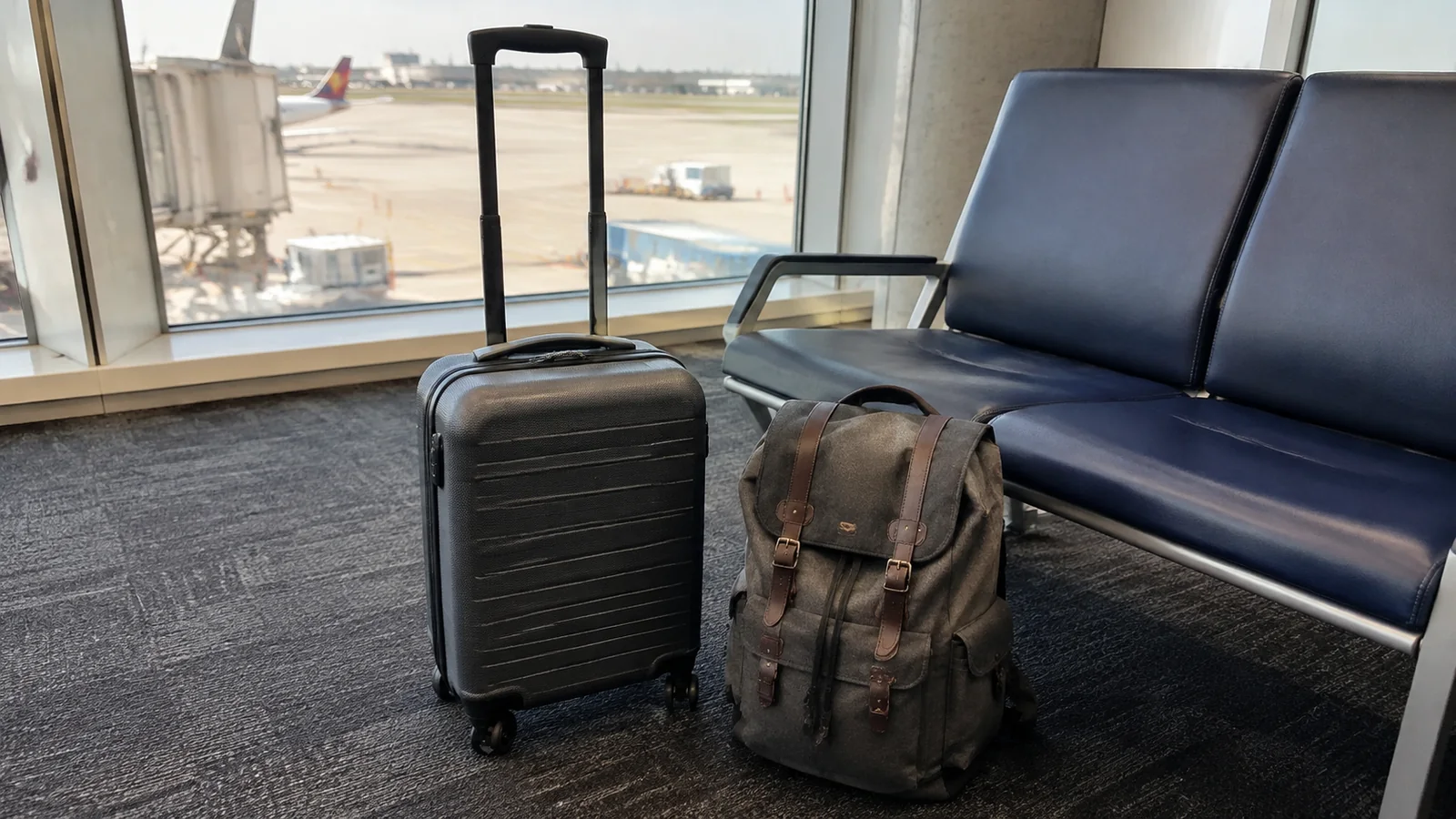
Comfort Items That Earn the Space
For a long flight or train ride, consider an empty refillable bottle, eye mask, earplugs, compression socks if appropriate for you, lip balm, tissues, a snack, and one warm layer. A neck pillow earns its bulk only if you already know it helps you sleep.
A small scarf or wrap can handle chilly cabins, sun, modesty expectations, and an unexpected dressier moment. It is useful because it solves real problems, not because every woman supposedly needs one.
Pack a fold-flat tote or light day bag only if the trip needs it, plus a reusable laundry bag. For a ship itinerary, the cruise packing list adds embarkation-day, cabin, pool, port, and dinner details that ordinary flight lists miss.
Adjust the Essentials by Travel Style
City Trip
Prioritize walking shoes, rain protection, a secure everyday bag, a transit-ready payment method, and a layer for indoor temperature swings. Skip specialized gear that will never leave the hotel.
Beach or Resort
Add two swimsuits if drying time is slow, a cover-up that meets property rules, a sun hat, sunglasses, and water-resistant sandals. Sunscreen still belongs on the list even when it is available onsite, where selection may be limited and prices higher.
Cold or Outdoor Trip
Pack by the coldest realistic conditions, not the prettiest forecast screenshot. Base layers, insulation, shell, gloves, hat, wool or synthetic socks, traction, insect protection, or sun protection should follow the activity and local guidance.
Business Travel
Carry the meeting-critical outfit, presentation access, charger, and a compact grooming kit. Choose wrinkle-resistant pieces that make multiple outfits, then photograph the final combinations so mornings require less thought.
Cruise
Keep documents, medication, valuables, swimwear, and dinner clothes for the first night in the bag you board with, since checked luggage may arrive later. Compare the ship’s dress schedule and prohibited-items policy with these cruise packing strategies before buying cabin accessories.
What to Leave Home
- Full-size duplicates available at the destination
- Uncomfortable clothing saved for an imaginary occasion
- More than one backup for ordinary, replaceable items
- Expensive jewelry with no clear purpose on the trip
- Unverified supplements, medicines, or self-defense devices
- Single-use gadgets that solve no problem on your itinerary
Lay everything out and remove the items you packed from anxiety rather than evidence. Keep the medically necessary and hard-to-replace pieces, but let convenience stores handle ordinary emergencies.
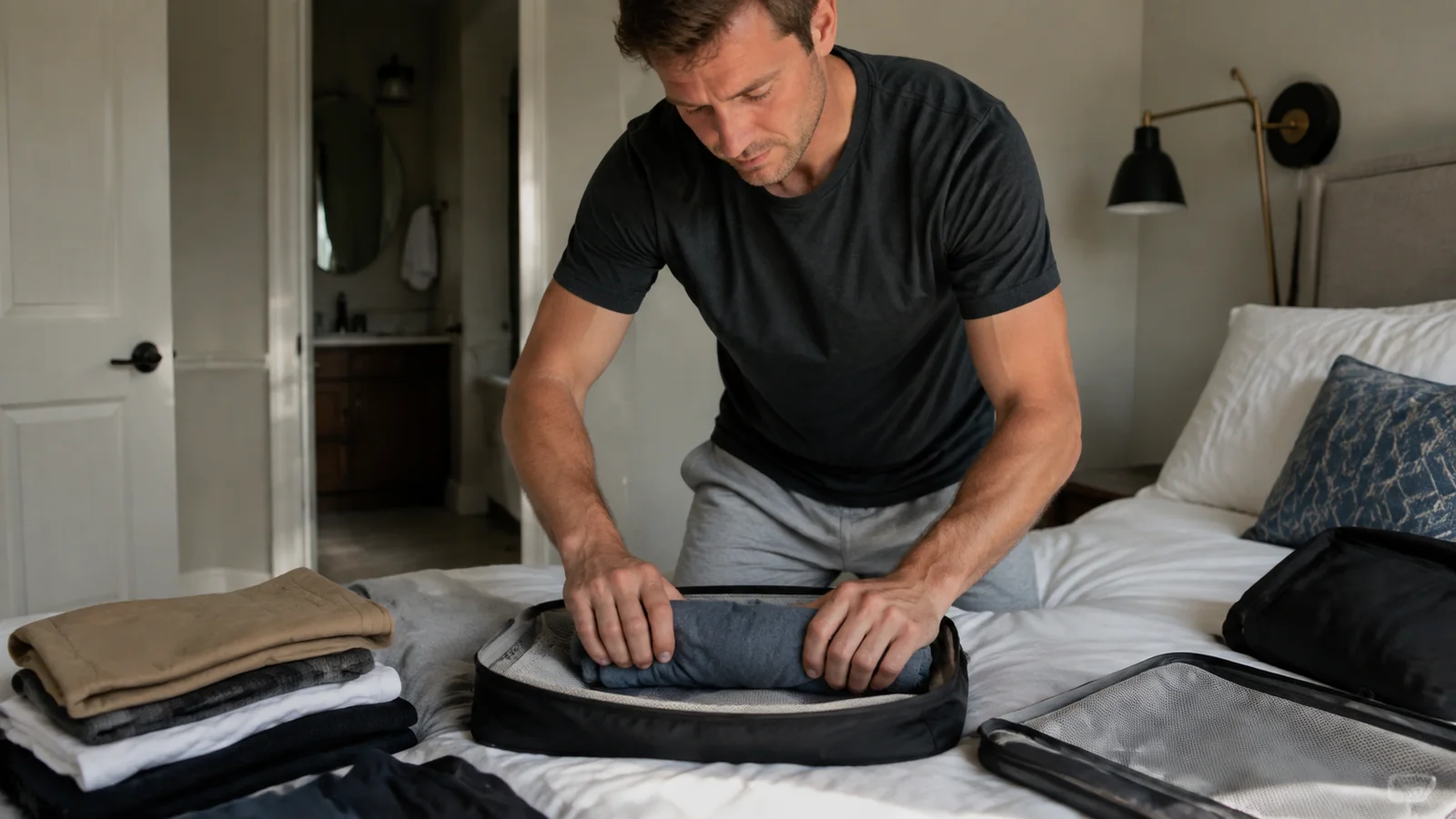
The Final Ten-Minute Check
Confirm documents, medication, wallet, phone, chargers, keys, glasses, and the first-night outfit first. Then check weather, baggage measurements, liquid sizes, battery placement, reservations, local rules, and how you will get from the arrival point to the door.
The best women’s travel essentials list should feel personal, compact, and boringly reliable. If every item supports your health, comfort, plans, or a known risk, you are packed and ready to go.