Lake Michigan Scuba Diving Sites: Wreck Guide
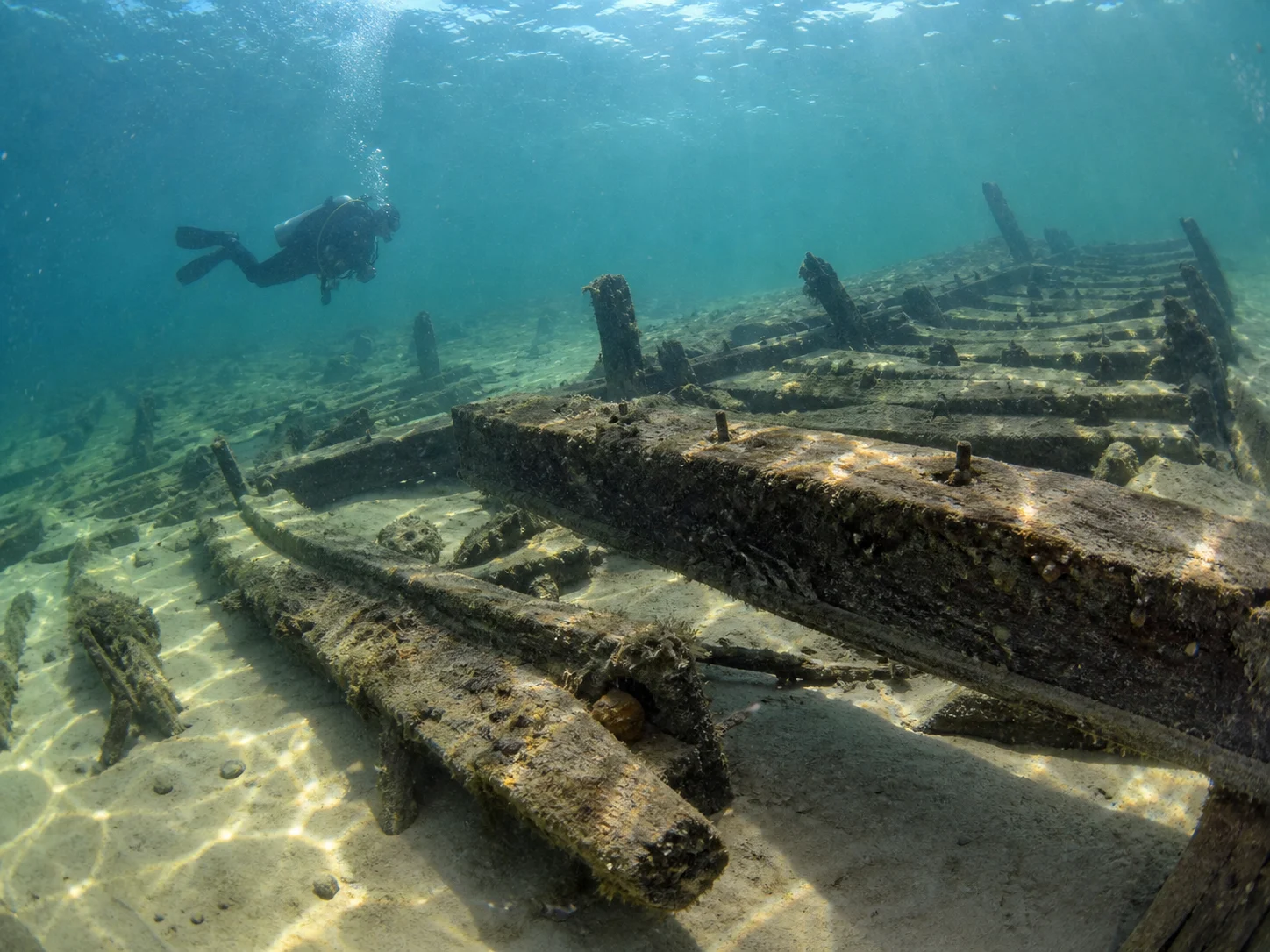
Lake Michigan scuba diving is less about colorful reefs and more about cold, clear water holding an extraordinary transportation history. The right wreck depends on depth, conditions, training, thermal protection, charter access, and local rules, so choose a gateway and honest skill range before falling in love with a ship’s story.
Before You Pick a Lake Michigan Dive Site
Depth alone does not determine difficulty. Cold, waves, current, visibility, surface traffic, entanglement, overhead spaces, descent-line procedures, and distance from emergency care can turn a familiar profile into a demanding Great Lakes dive.
Bring proof of certification and an accurate log, then tell the operator about recent cold-water, boat, deep, and wreck experience. A card earned years ago is not a substitute for current buoyancy, gas management, emergency, and drysuit skills.
Many signature wrecks require a charter or private boat, and mooring buoys are seasonal aids rather than guaranteed appointments. Confirm the exact wreck, planned depth, departure harbor, cylinder and gas options, rental gear, minimum experience, cancellation policy, and weather decision with the operator.
Lake Michigan’s Best Scuba Regions
Milwaukee, Wisconsin: Best Variety From One Harbor
Milwaukee gives divers a useful progression from shallow wreckage to deep, intact ships. The Wisconsin Historical Society’s Lower Lake Michigan shipwreck directory identifies depths, history, access notes, and seasonal mooring sites, but conditions and charter offerings still need a fresh check.
Appomattox, About 15 to 20 Feet
The wooden steamer Appomattox lies off Atwater Beach in water shallow enough for qualified newer divers and, under suitable conditions, snorkelers. The long stairway and offshore swim make it less casual as a shore dive than the depth suggests, so local guidance is smart.
Shallow water does not eliminate surf, boat traffic, low visibility, cold, or navigation problems. Check access rules and carry the flag required for the jurisdiction and dive plan.
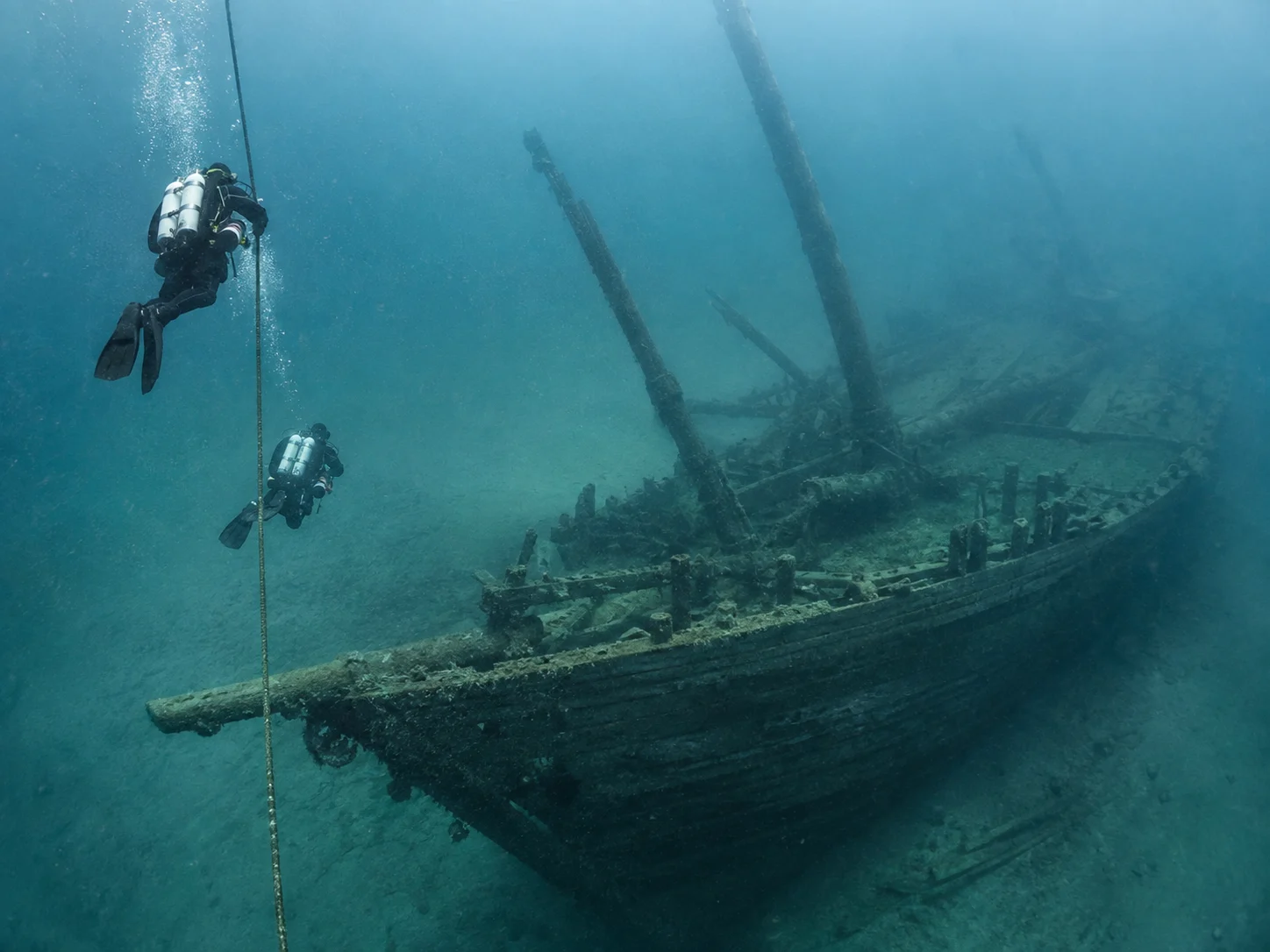
Lumberman, About 60 Feet
The three-masted schooner Lumberman rests roughly 4 miles offshore and remains one of Milwaukee’s approachable boat wrecks. Its depth can fit many trained recreational divers, while the cold bottom time and offshore setting make competent buddy and ascent-line procedures essential.
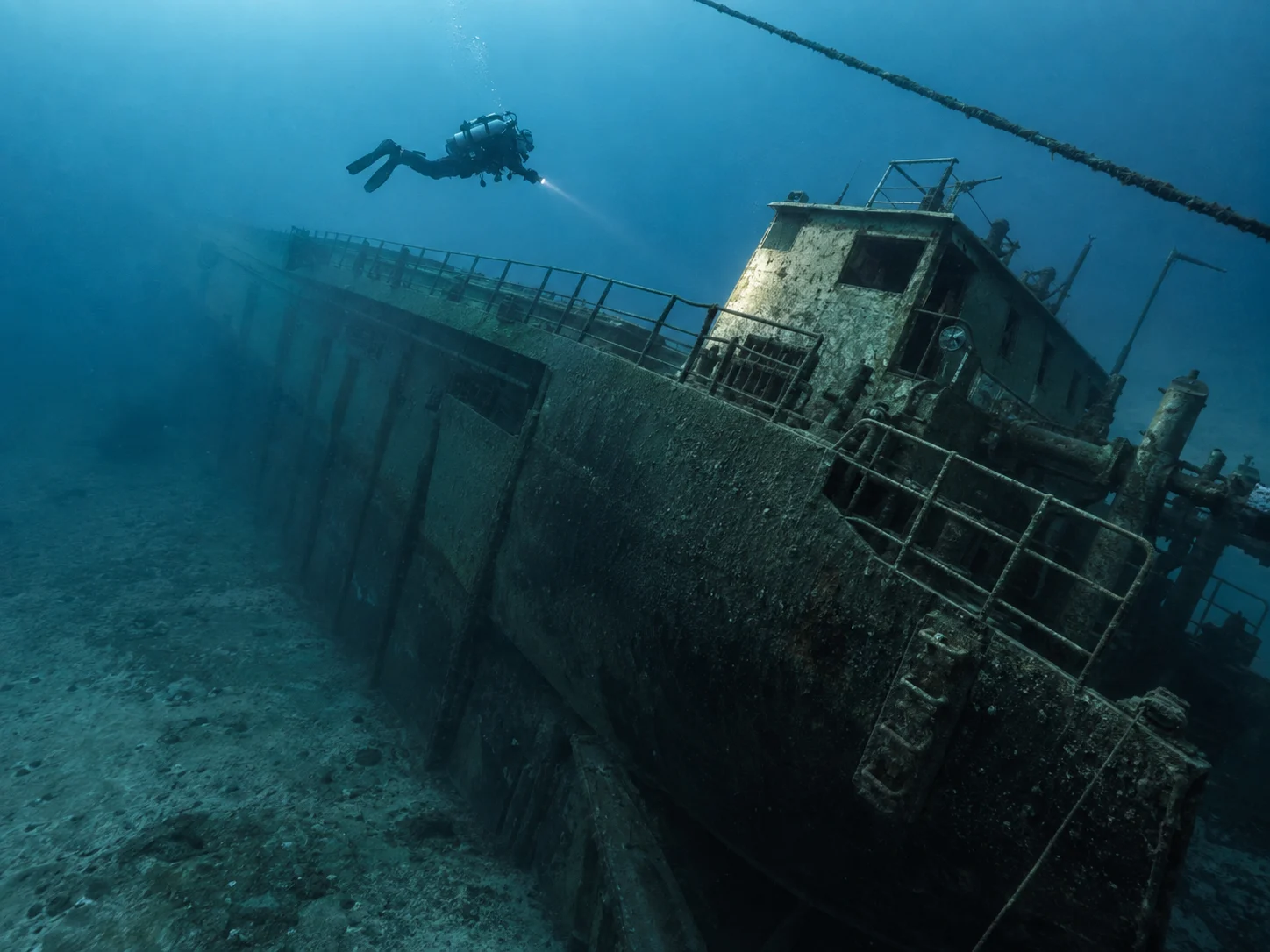
Prins Willem V, About 85 Feet
This intact Dutch freighter is a memorable intermediate-depth target with substantial structure to examine from outside. Openings do not grant permission to enter, and any penetration changes the dive into an overhead-environment problem requiring specific training, configuration, redundancy, and a suitable team.
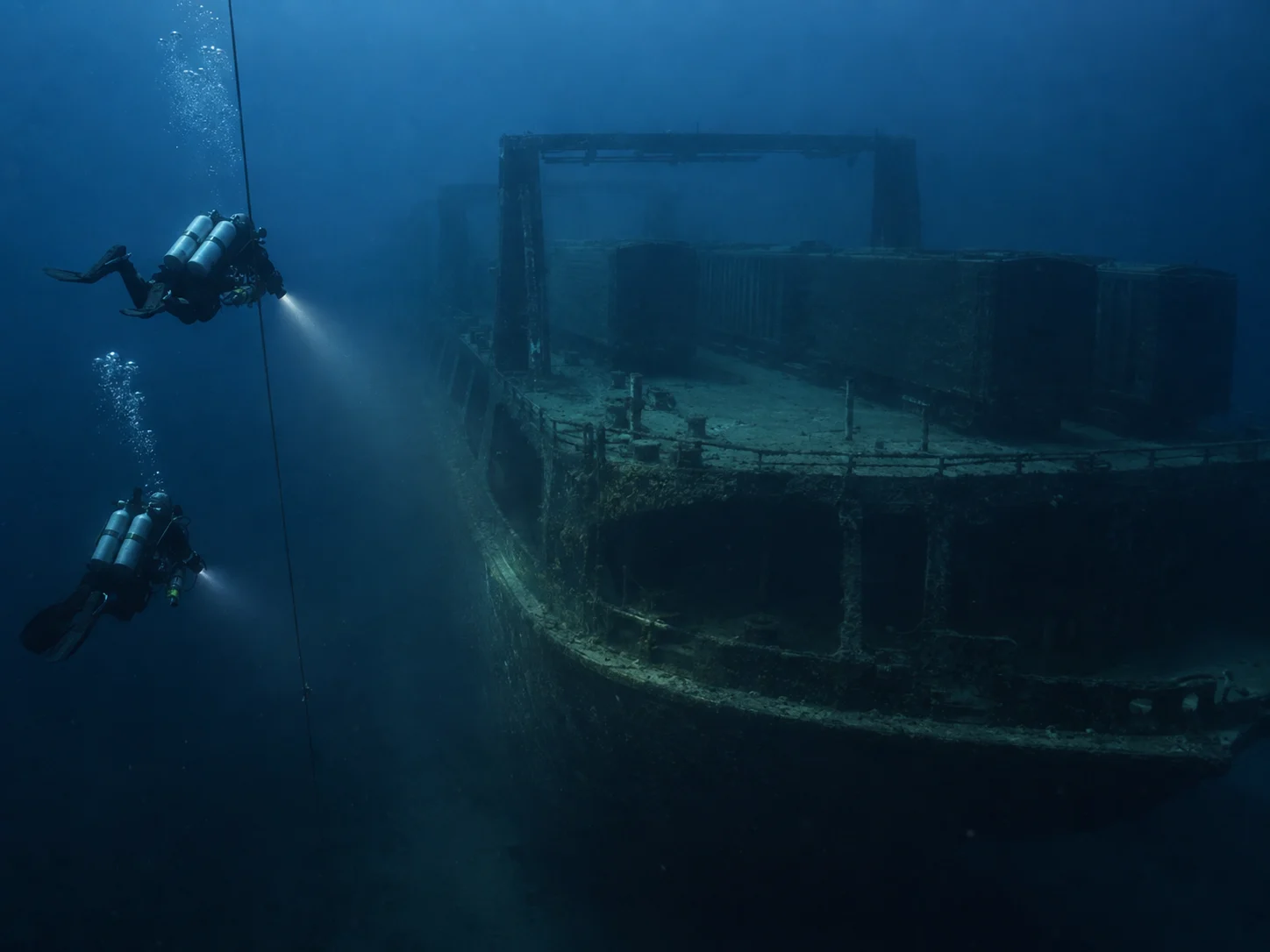
SS Milwaukee, About 130 Feet
The railroad car ferry Milwaukee sits near the edge of ordinary recreational depth, with rail cars still associated with the wreck. Treat it as an advanced or technical objective chosen with a qualified operator, not the automatic second dive after a 60-foot morning wreck.
Gas density, narcosis, no-decompression time, cold, task loading, and a potentially long ascent all matter. Training agency limits, personal experience, equipment, breathing gas, and the charter’s plan must agree.
Door County, Wisconsin: Best for Maritime Scenery Above and Below
Door County combines wreck diving with lighthouse and shoreline travel, but ports sit on both Green Bay and Lake Michigan. Verify the actual departure harbor because driving around the peninsula after boarding time is not a recovery plan.
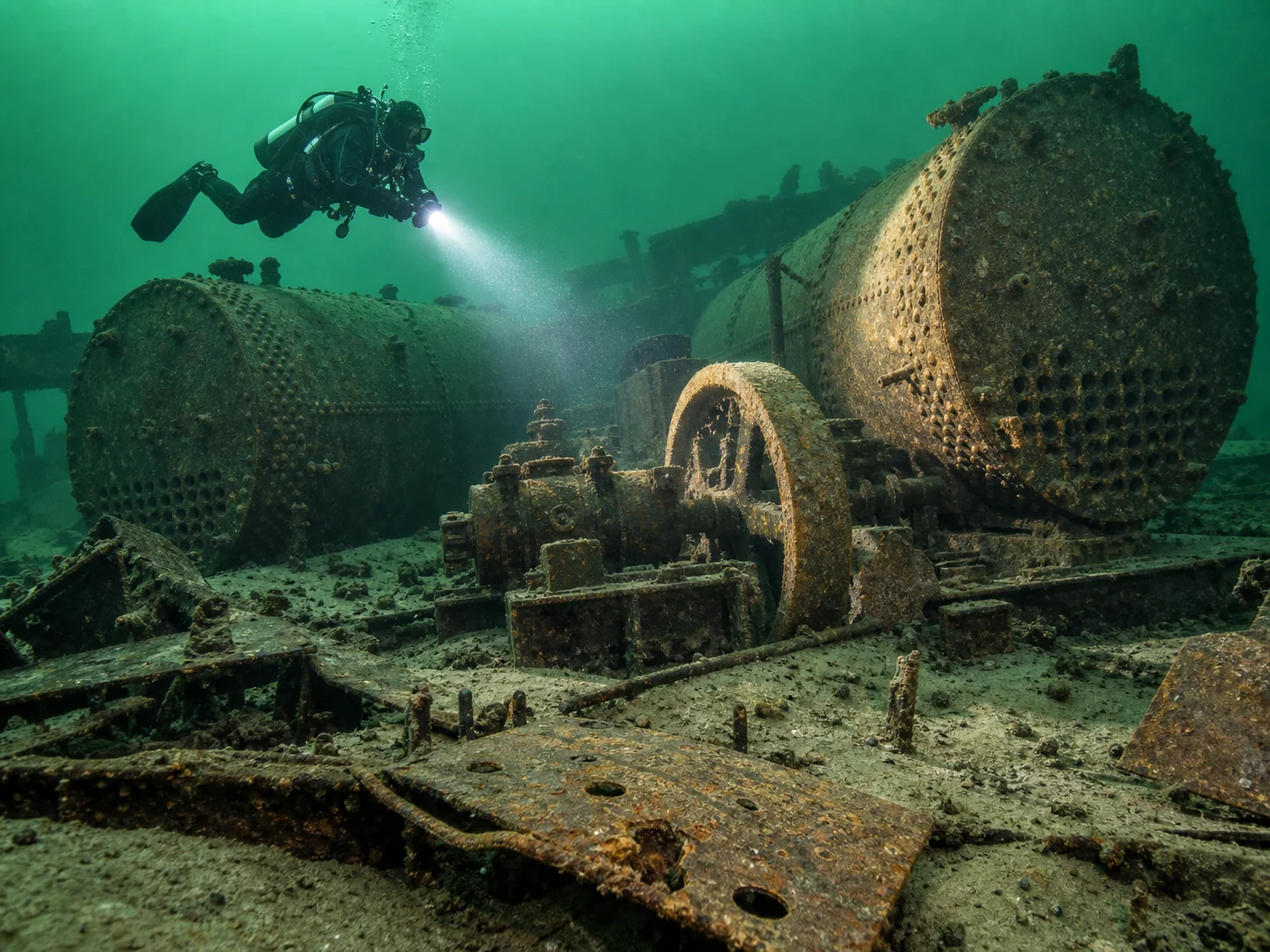
Frank O’Connor, About 65 to 70 Feet
The steel bulk carrier Frank O’Connor lies off Cana Island with boilers, machinery, and a broad wreck field. This can be a strong step beyond shallow sites for divers who have the cold-water comfort and navigation discipline to match the day.
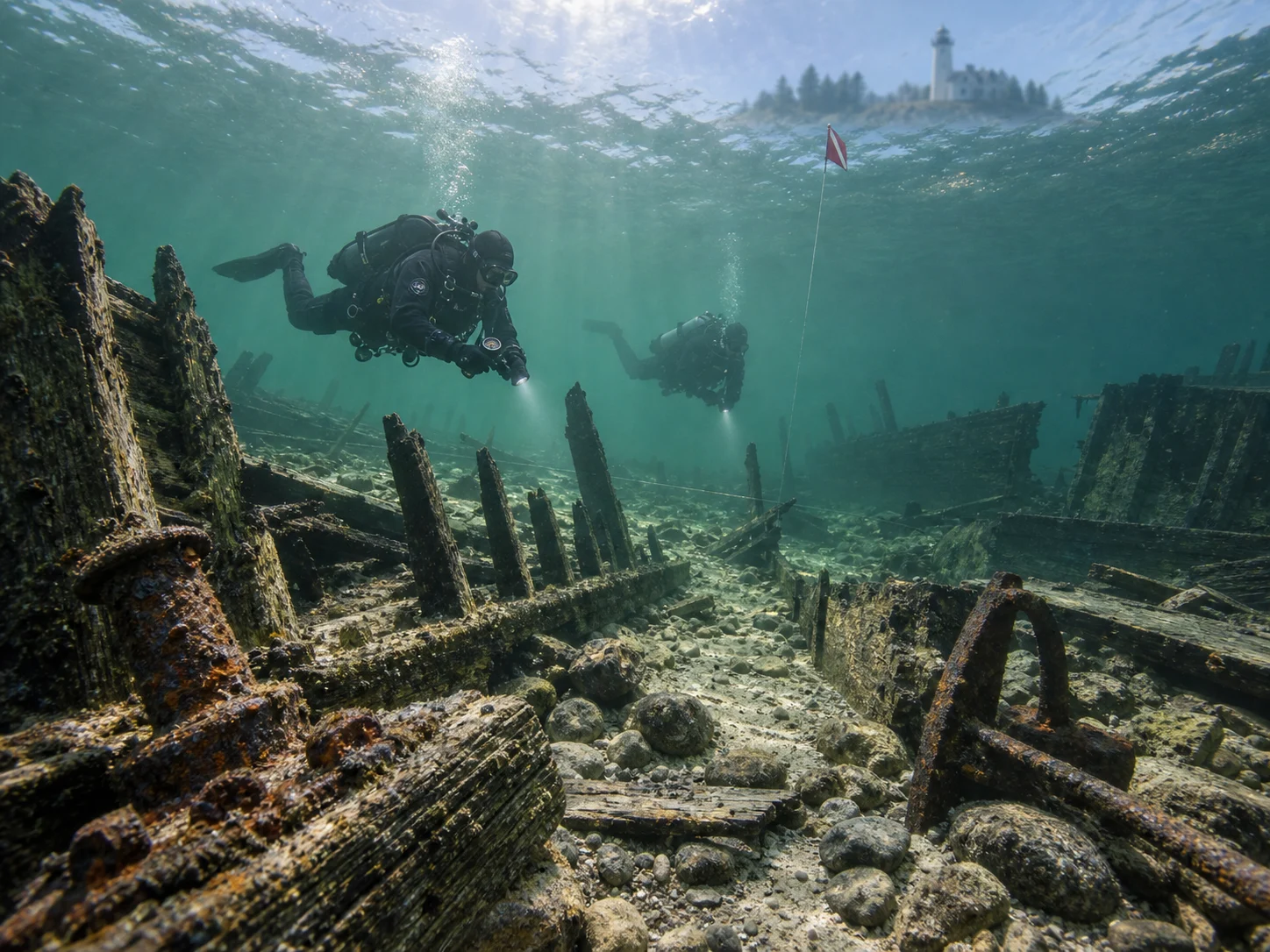
Pilot Island Wrecks, Roughly 20 to 50 Feet
Remains of the JE Gilmore, AP Nichols, and Forest create a shallow maritime cluster near Pilot Island. Shallow wreckage can still include sharp metal, changing visibility, surface exposure, and scattered features that demand careful orientation.
Do not confuse an official mooring description with guaranteed access around an island, lighthouse, or protected shore. Boat handling, weather, nesting areas, and land-entry rules are separate questions.
West Michigan: Best for a Broader Skill Progression
The eastern shore offers wrecks and geological dives from Muskegon north toward Ludington and the Manitou Passage. Choose one local charter region instead of treating the entire Michigan coast as a single morning departure point.
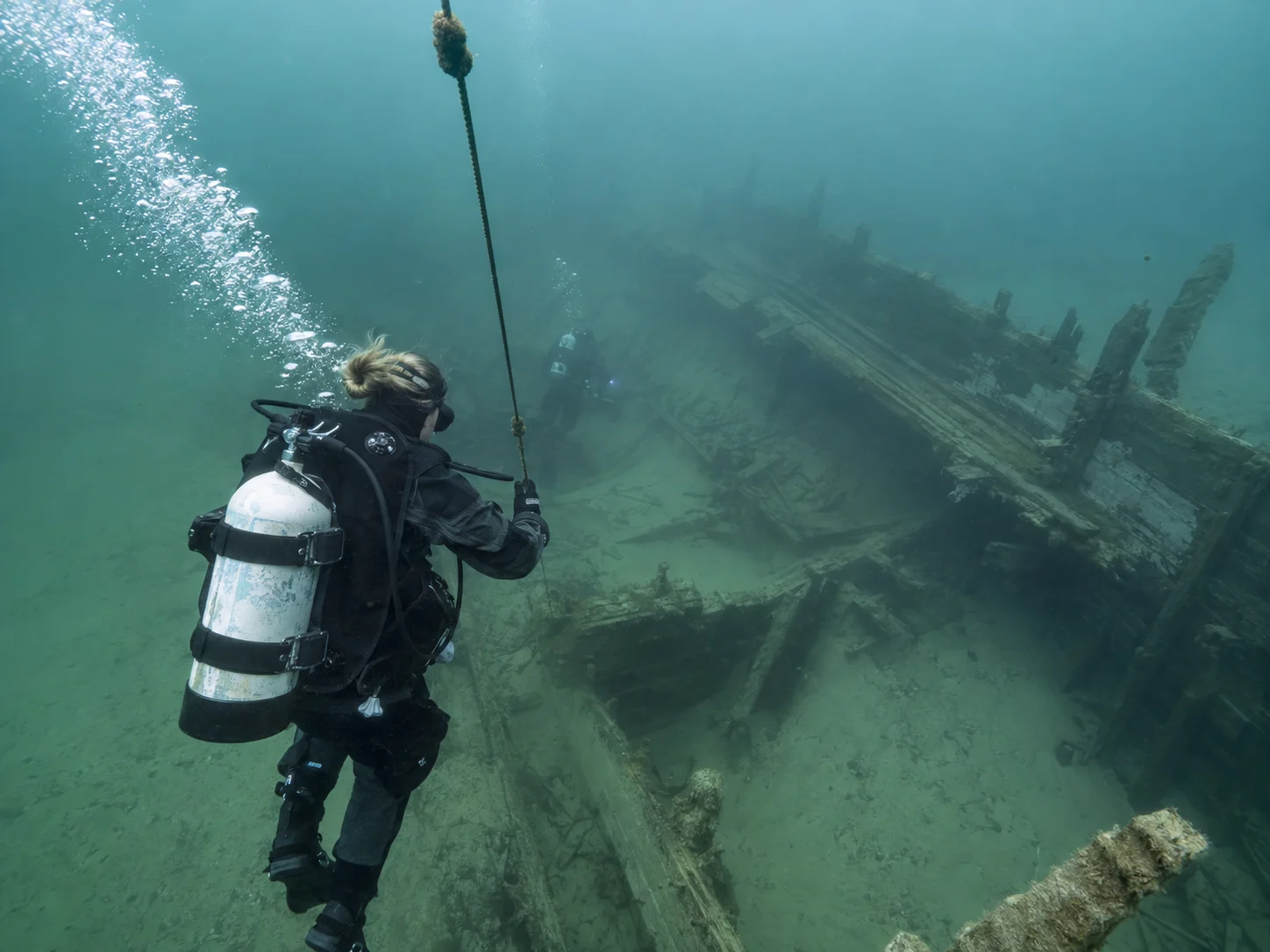
State of Michigan, About 75 Feet
This wreck near White Lake is a useful mid-depth charter target when the operator, conditions, and diver experience align. Ask what remains recognizable, where the line is placed, and whether the planned profile includes another wreck.
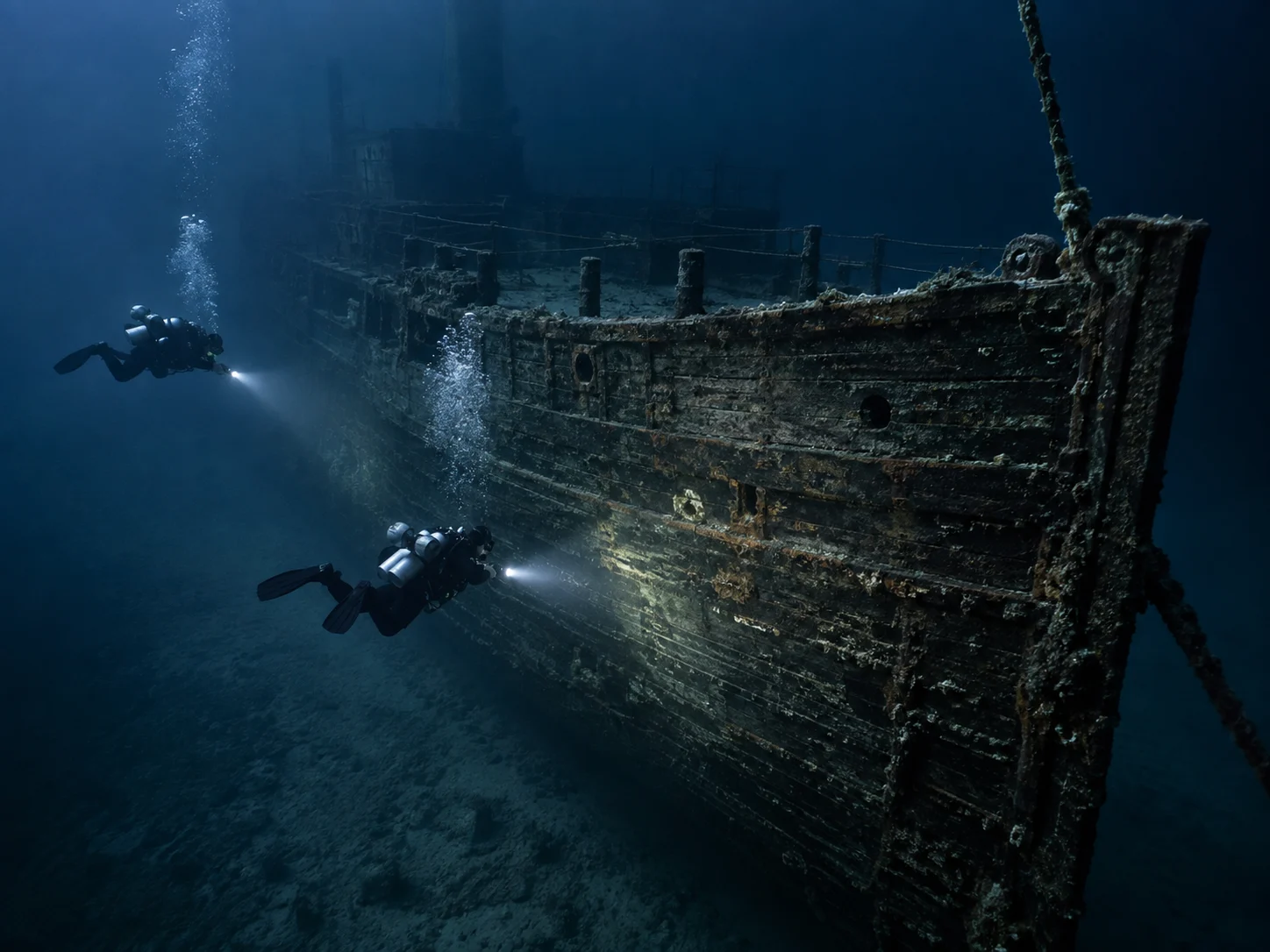
Ironsides, About 120 Feet
The passenger and freight steamer Ironsides lies in deep water off Grand Haven and belongs on an advanced plan. It is not a beginner wreck merely because it appears on a regional recreation list.
Book it after discussing recent deep dives, redundant gas expectations, ascent protocol, and the coldest part of the water column. A conservative diver can enjoy excellent Lake Michigan history without ever descending to 120 feet.
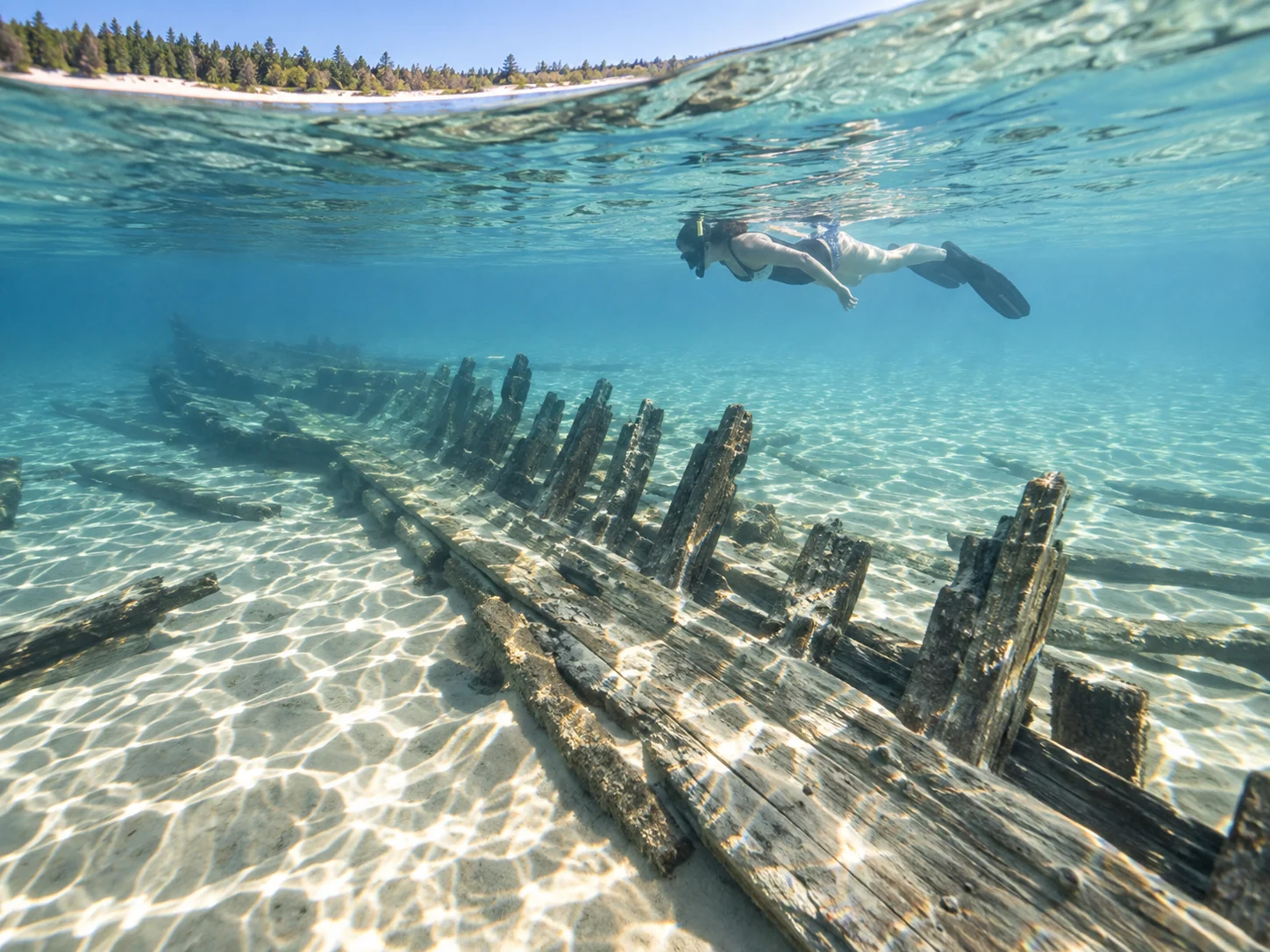
Three Brothers, About 5 to 45 Feet
The wooden steamer Three Brothers lies off South Manitou Island with sections exposed or buried as sand shifts. The shallow range is attractive, but reaching the island and site requires transportation, park, weather, and surface-support planning.
Do not promise visibility or a fixed amount of exposed structure because Lake Michigan moves sand and changes shore conditions. Divers pairing this region with a driving vacation can use Ellie’s Great Lakes road-trip framework to keep non-dive travel realistic.
Indiana: Best Shallow Wreck-Preserve Introduction
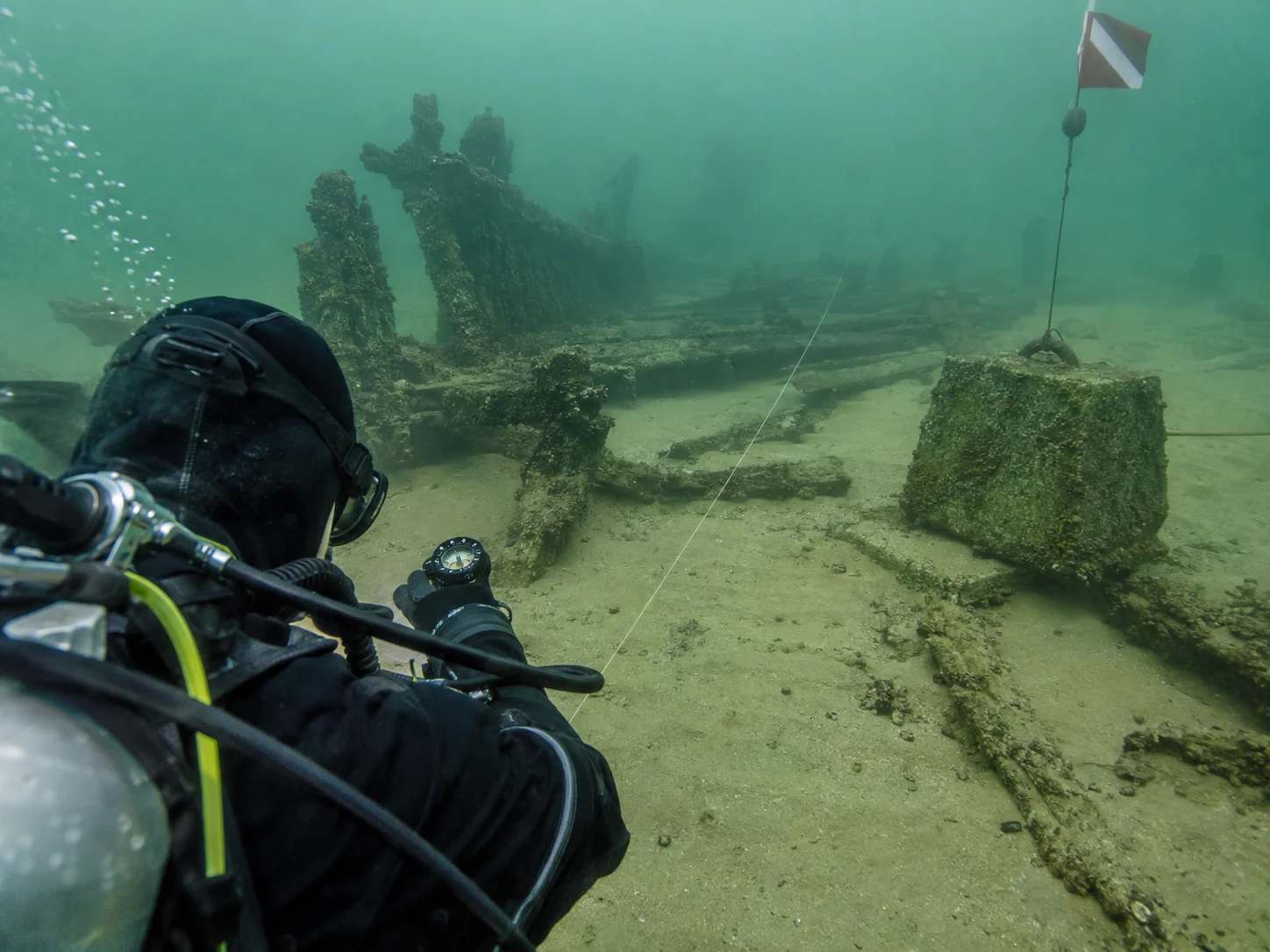
JD Marshall, About 29 Feet
The JD Marshall rests offshore from Indiana Dunes State Park inside Indiana’s first underwater nature preserve. Its modest depth can suit newer certified divers under instruction or experienced supervision, but Lake Michigan conditions and boat traffic still control the day.
Indiana’s official shipwreck-diving instructions require compliance with federal and state law, including dive-flag rules, and direct each dive team to use and remove its own temporary travel line from the mooring block to the wreck. Review the preserve-specific procedure before departure.
Protected Wrecks Are Not Souvenir Shops
Look, photograph, and leave the site as found. Do not remove a porthole, bottle, tool, cargo, anchor, fragment, or unidentified object, and do not move artifacts to improve a picture.
Michigan states that wrecks inside and outside designated preserves receive protection and that removing or disturbing Great Lakes bottomland artifacts is a felony. Its underwater-preserve rules allow diving and photography while keeping artifacts in place.
Other Lake Michigan states and federal law have their own submerged-cultural-resource requirements, and salvage is not recreational diving. Ask the responsible agency before attaching anything, collecting anything, conducting research, or using a site commercially.
Use established moorings when directed and never anchor into a wreck. Good buoyancy, fin control, and restrained lighting protect both fragile structure and visibility for the divers behind you.
Cold-Water Skills Matter More Than a Thick Suit
Lake Michigan can be cold at depth even when the beach feels summery, and a thermocline can make temperature change abruptly. Choose exposure protection from measured conditions, dive length, repetition, personal cold tolerance, and training rather than the calendar alone.
Divers Alert Network warns that hypothermia can develop during deeper, longer, repeated, or unfamiliar cold dives. Its cold-water safety guidance explains why recognizing chill early is part of planning, not a toughness test.
A drysuit requires training and practice with buoyancy, valves, undergarments, weighting, inversion recovery, and emergency procedures. Thick gloves or dry gloves also change dexterity, so rehearse clips, backup gas, mask replacement, and line handling before a demanding wreck.
End the dive when cold, breathing workload, visibility, equipment, separation, or conditions move outside the plan. No shipwreck is worth using the last reserve of judgment.
Certification and Experience by Site Type
- Shallow open-water wreck: Current open-water skills, local orientation, solid buoyancy, flag knowledge, and exposure protection appropriate to conditions.
- Mid-depth boat wreck: Recent cold-water and boat experience, comfortable descents and ascents on a line, dependable gas checks, and useful navigation skills.
- Deep recreational wreck: Training and recent experience for the planned depth, conservative gas and no-decompression planning, redundant equipment as required, and comfort with cold task loading.
- Technical or decompression profile: Relevant technical certification, gases, equipment, team procedures, and surface support for that exact plan.
- Wreck penetration: Appropriate overhead training and configuration, continuous guideline, gas rules, team discipline, and a structure suitable for entry.
Labels such as beginner, intermediate, and advanced describe a rough site category, not permission. Conditions, diver readiness, and operator judgment can move the same wreck into a different category on another day.
Ellie’s scuba equipment checklist can help with packing, but use the charter’s required-equipment list as the controlling document. Ask about cylinders, weights, fills, analyzers, save-a-dive parts, surface signaling, and redundant gas well before check-in.
How to Choose a Lake Michigan Dive Charter
- Ask which wrecks are realistic for your dates and recent experience.
- Confirm captain credentials, vessel capacity, emergency oxygen, communications, recall procedures, and weather policy.
- Ask whether a divemaster enters the water or the charter provides surface support only.
- Confirm ladders, entries, exits, seating, marine toilet, shade, and accessibility needs.
- Clarify buddy policy, minimum gas on return, lost-line procedure, maximum runtime, and required surface marker buoy.
- Verify whether tanks, weights, gases, rentals, gratuity, parking, and marine-park fees are included.
Book a local refresher or checkout dive when your last cold-water dive is distant. If a shop minimizes your questions, guarantees a specific wreck despite weather, or treats required training as a sales obstacle, choose another operator.
Build a Weather-Proof Weekend
Arrive the day before the charter and avoid a flight soon after diving according to your training agency and computer guidance. Keep the departure morning free of long drives, alcohol, dehydration, and late-night plans.
Add a maritime museum, lighthouse, shoreline trail, or harbor town as the weather backup. Ellie’s Wisconsin city guide can help turn a blown-out Milwaukee or Door County dive day into a good lakefront trip.
Save site notes, charter contacts, medical information, emergency numbers, and directions offline. Cell service onshore does not guarantee communication offshore.
My Lake Michigan Scuba Shortlist
Choose Appomattox or JD Marshall for a shallow introduction with qualified local support, Lumberman for a classic Milwaukee recreational wreck, Frank O’Connor for Door County history, and Prins Willem V for a substantial intact ship at intermediate depth. Save Milwaukee and Ironsides for a properly trained, recently experienced deep team.
The best Lake Michigan wreck is not the deepest or most intact one. It is the site that matches the day’s lake, your team’s current skills, and a plan that leaves the history exactly where you found it.