First-Time Cruise Guide: What to Know Before You Sail
Your first cruise should feel exciting, not like a floating list of rules. The secret is to make a handful of smart choices before you book, then leave enough space in the schedule to enjoy the ship.
This guide covers the decisions that matter, the extra costs people miss, and exactly what to do from booking day through disembarkation.
Choose the itinerary before the ship
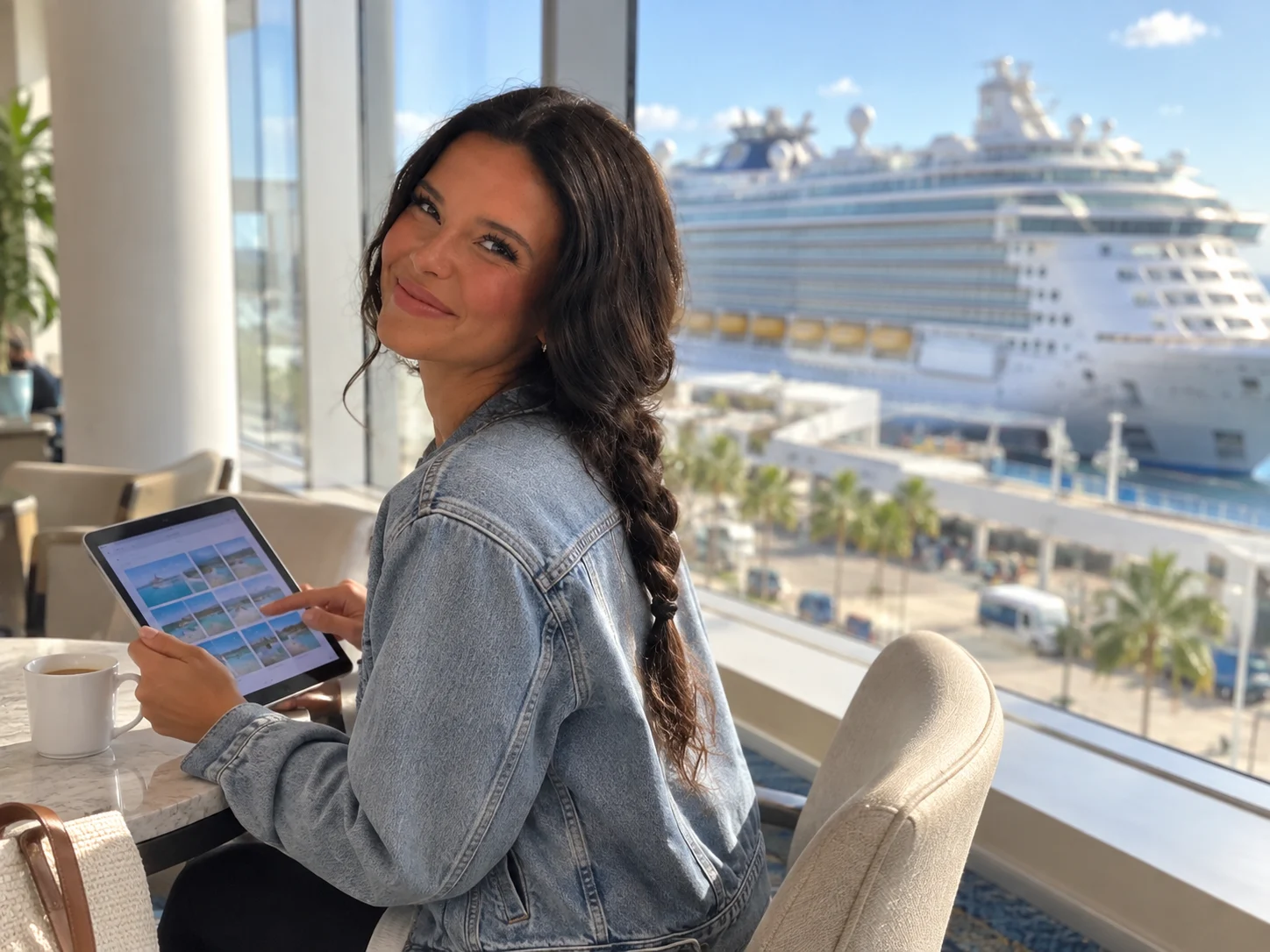
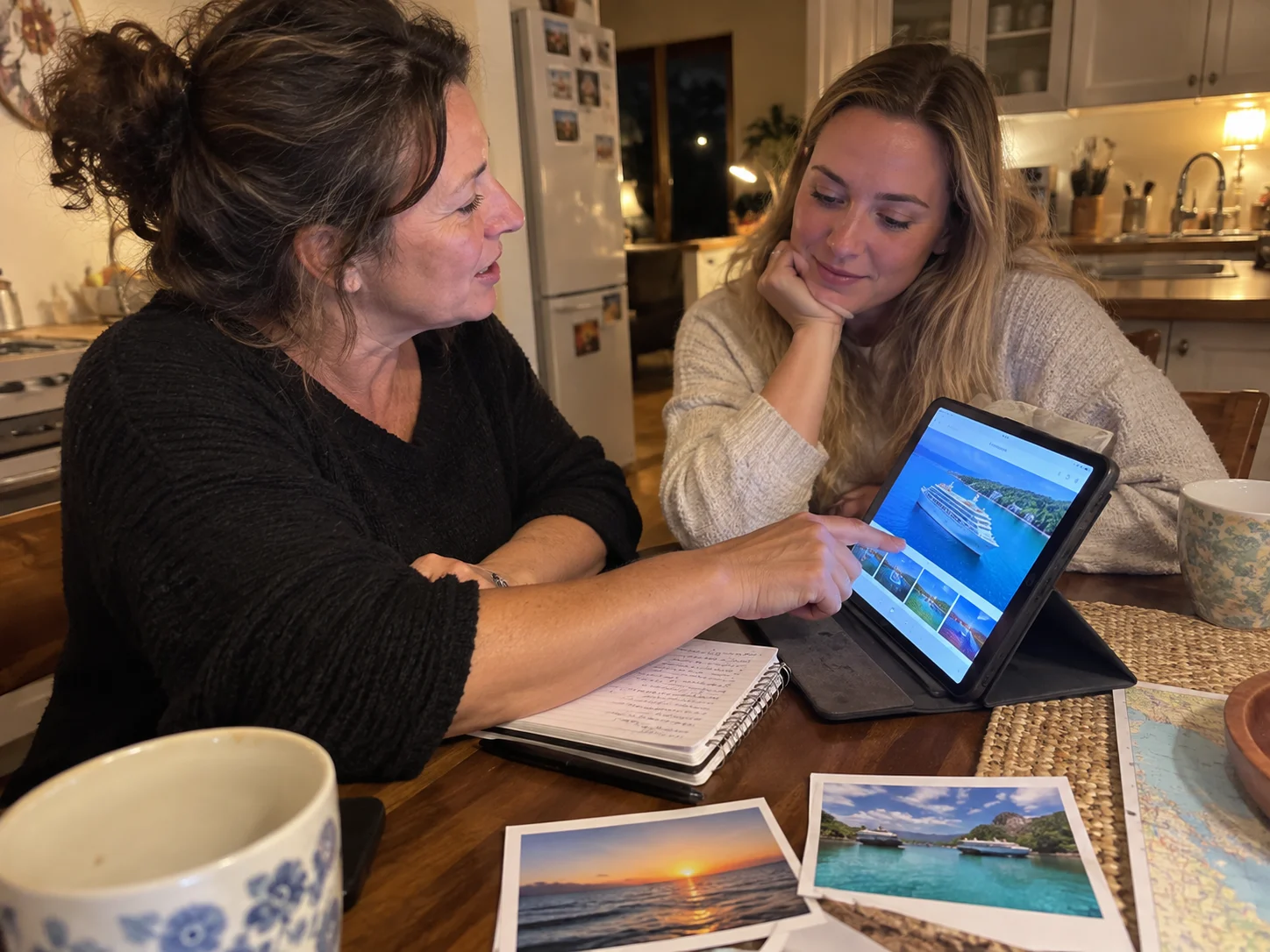
Start with the places you want to visit, the weather you enjoy, and how much flying you can tolerate. A spectacular ship cannot rescue an itinerary you never wanted.
For a first cruise, five to seven nights is usually the sweet spot. It gives you time to learn the ship and settle into the rhythm without committing two weeks to a vacation style you have not tested.
Look at the number of sea days, port hours, and whether any stop uses tender boats. Tendering adds time and can be less convenient for travelers with limited mobility.
Pick a cruise line that matches your vacation style
Cruise lines are not interchangeable. Some lean toward waterslides, family programming, and busy pool decks, while others focus on quieter spaces, food, nightlife, destination time, or adults-only travel.
Then compare ships within the line because a new mega-ship and a 20-year-old midsize ship can feel like different brands. Bigger ships offer more attractions, but they also require more reservations and walking.
Use my cruise planning guides to narrow the field by destination and cruise style. Do not book only because one advertisement shows a low starting fare.

Price the whole trip, not just the cruise fare
A cruise fare usually includes your cabin, many meals, basic entertainment, and much of the ship’s programming. Celebrity’s first-time cruiser page is a useful example of how a line separates included dining and entertainment from optional extras, but every brand’s inclusions differ.
Build a realistic total before paying a deposit. Add taxes and port fees, daily gratuities, drinks, Wi-Fi, specialty dining, excursions, airfare, airport transfers, parking, a pre-cruise hotel, travel insurance, and onboard shopping.

Choose your cabin by location, not just category
An inside cabin is usually the budget winner and can be wonderfully dark for sleeping. An ocean-view cabin adds daylight, while a balcony gives you private outdoor space and is especially appealing for Alaska, scenic routes, and quiet mornings.
If you are concerned about motion, start low and near the middle of the ship. High cabins at the bow or stern generally move more when seas build.
For better sleep, look for passenger cabins directly above and below. Avoid a room under the pool deck, buffet, gym, or nightclub if scraping chairs, footsteps, or late music will bother you.
Check for connecting doors, obstructed views, laundry rooms, crew access, and elevator lobbies on the official deck plan. My cruise floor plan walkthrough explains how to trace the same position across decks instead of guessing from a cabin number.
Handle passports and entry rules early
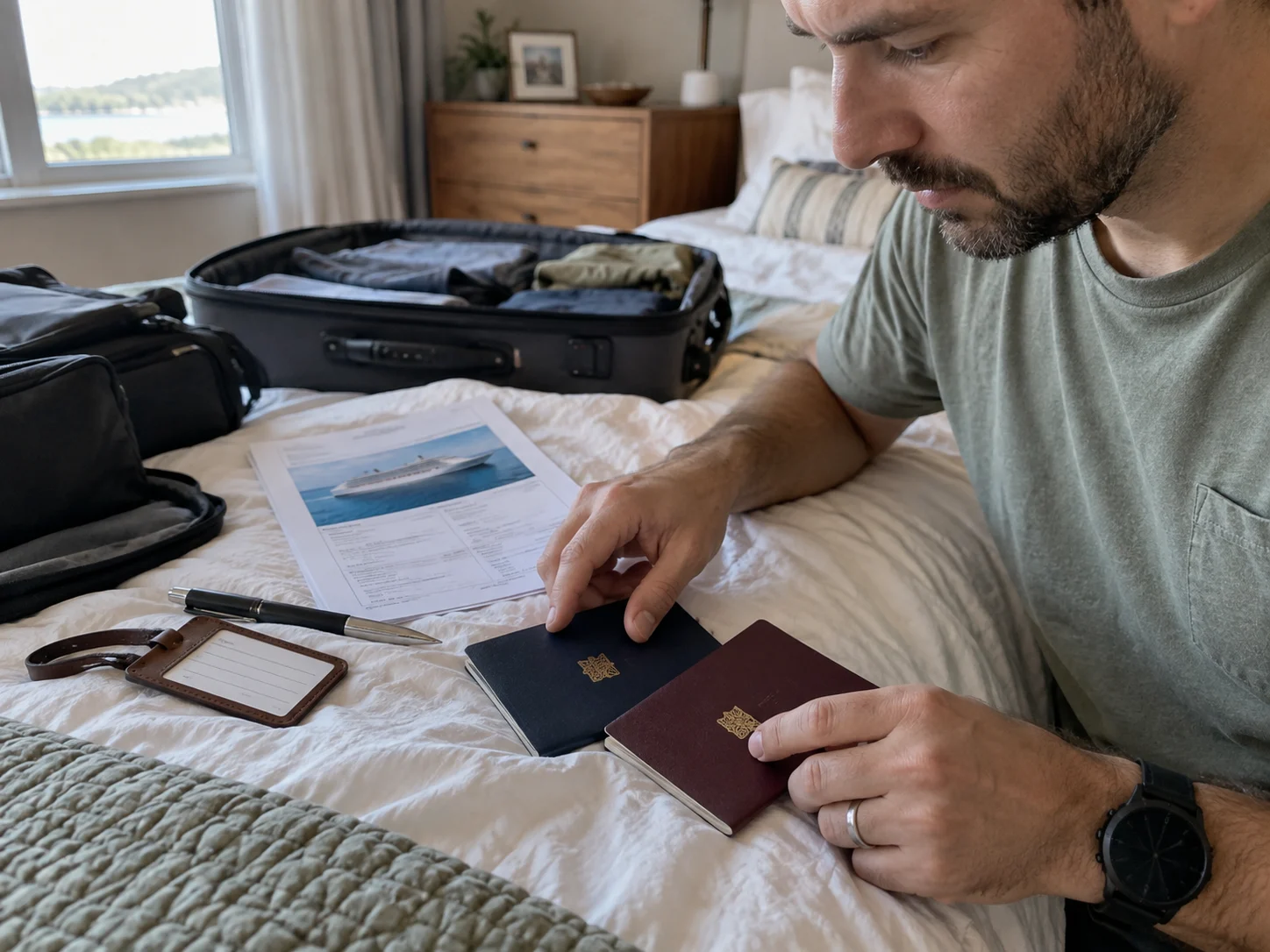
Document rules depend on citizenship, itinerary, departure port, and the countries visited. Your name on the reservation should match your travel document exactly, including the spelling and order requested by the cruise line.
U.S. citizens on some closed-loop cruises that begin and end at the same U.S. port may use approved citizenship and identity documents instead of a passport. U.S. Customs and Border Protection explains the closed-loop cruise exception, but a destination or cruise line may impose stricter requirements.
I still prefer a valid passport book for international cruising because it gives you better options if you must fly home from a foreign port. Check every country on the itinerary, including transit stops, and confirm visa and passport-validity rules before the final payment date.
Parents traveling with children should check consent-letter and custody-document requirements, especially when only one parent is sailing. My overview of cruises without a passport helps identify possible routes, but it does not replace the rules for your exact booking.
Consider insurance before the cancellation penalty grows
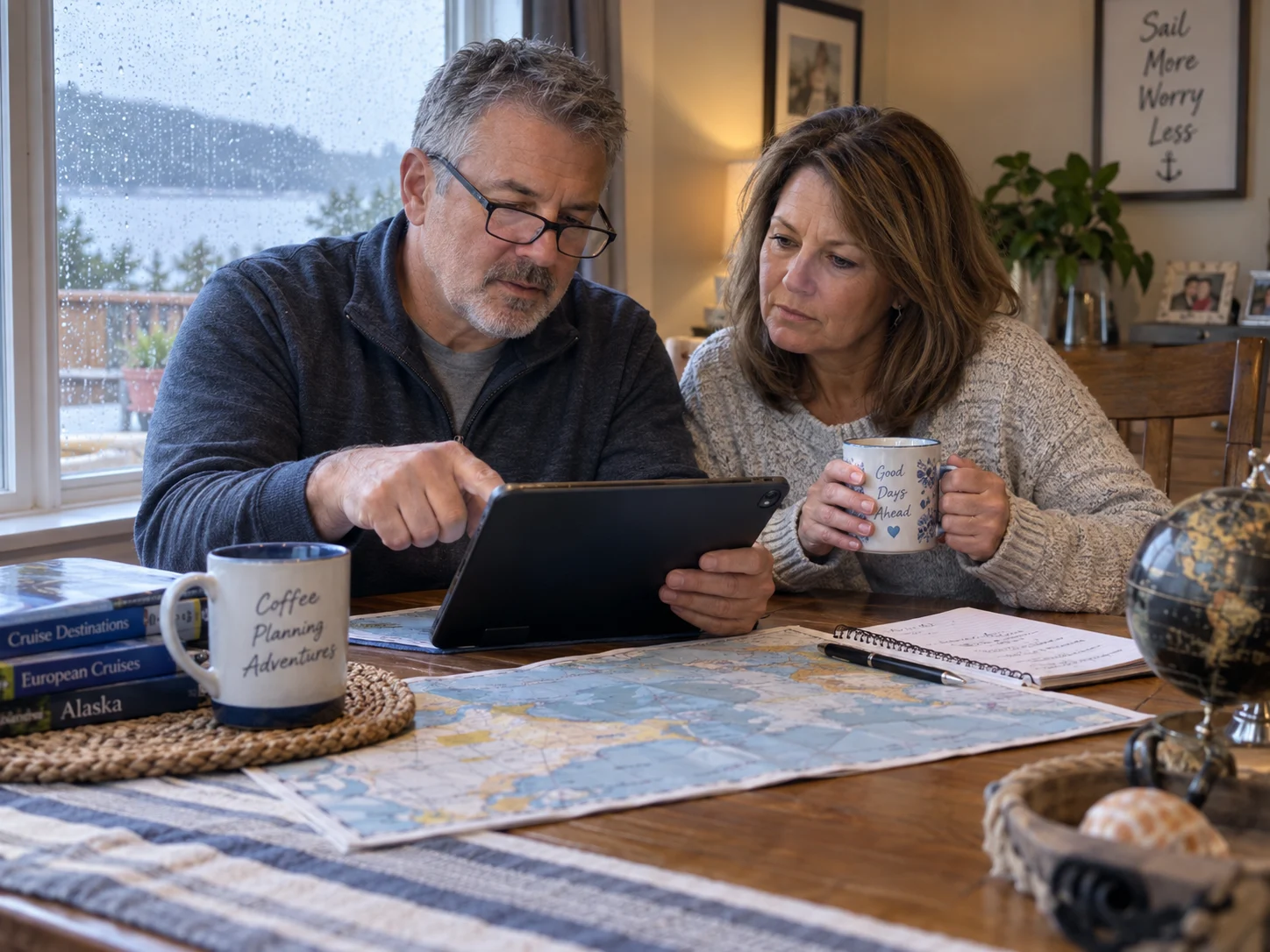
Cruise cancellation schedules become less forgiving as departure approaches. Compare coverage for trip cancellation, interruption, delay, missed connection, baggage, medical care, and emergency evacuation rather than choosing a policy by price alone.
The U.S. State Department’s cruise travel guidance recommends medical and emergency evacuation coverage. Medicare generally excludes care abroad, with limited foreign-hospital exceptions and some covered shipboard services when the ship is in a U.S. port or within six hours of one.
I would check my own Medicare, supplemental, or other health plan before buying travel coverage, because those exceptions do not amount to worldwide protection. Preexisting-condition coverage and purchase deadlines vary by policy, so read the certificate instead of relying on a sales summary.

Arrive at the port city one day early
If you must fly, arrive at least one day before embarkation. A hotel night costs money, but missing the ship because of a delayed morning flight costs far more.
Keep your passport, medications, wallet, phone, and cruise paperwork with you during every transfer. Never put the documents needed to board inside a bag that an airline or porter takes away.
Complete online check-in as soon as it opens
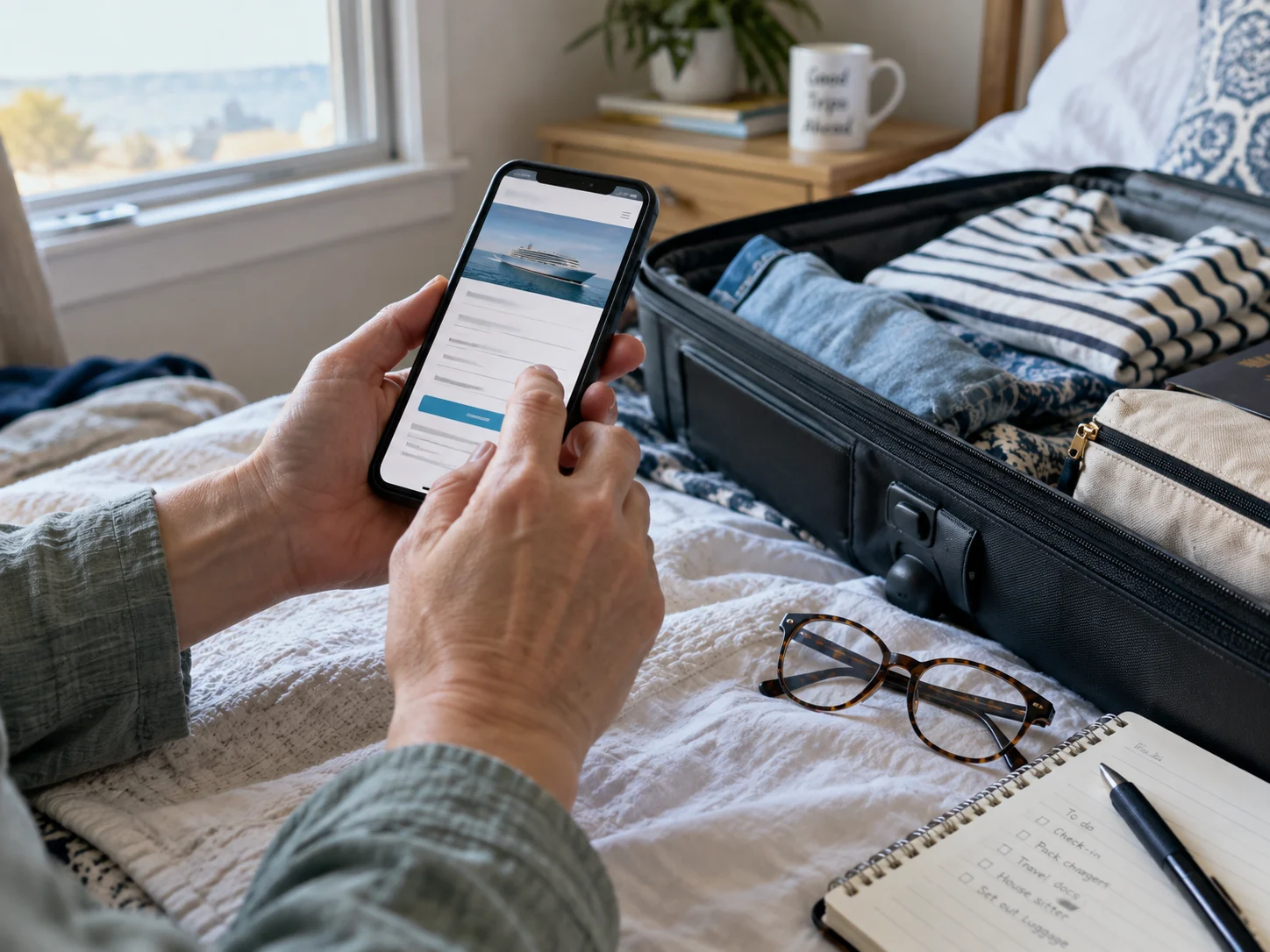
Download the cruise line’s official app, enter the required traveler information, add an onboard payment method, and select an arrival window. Check-in timing and app features vary, so use the instructions attached to your reservation.
Print or download offline copies of boarding passes, confirmations, insurance details, and your hotel address. Port Wi-Fi is not the place to discover that the only copy lives inside an app that will not load.
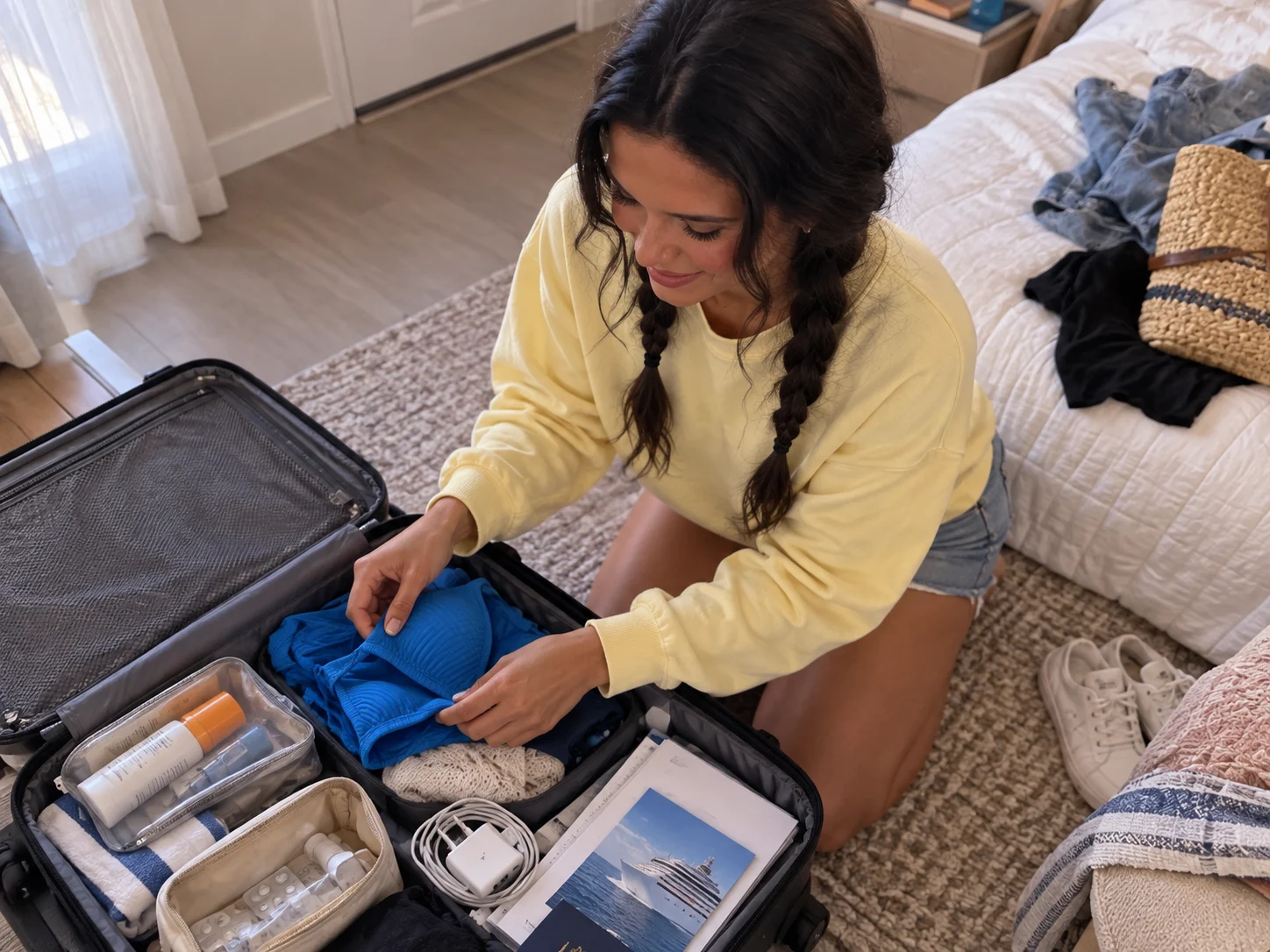
Pack a carry-on for the first afternoon
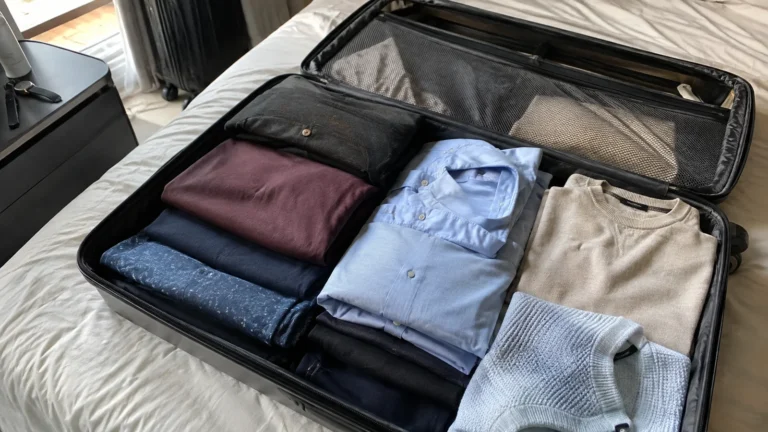
Checked cruise luggage may not reach your cabin until later in the day. Your small carry-on should hold documents, medications, valuables, a swimsuit, sunscreen, a change of clothes, and anything needed before dinner.
Bring prescription medicine in your personal bag with extra supply for delays. Pack chargers, but check your line’s electrical policy before adding an extension cord or power strip.
For example, Royal Caribbean’s current prohibited-items policy bans irons, garment steamers, extension cords, power strips, and multi-plug outlets. Alcohol, bottled drinks, fans, heating appliances, and outlet adapters are also line-specific, so never copy a packing list without checking your own carrier.
A light sweater is useful even in the Caribbean because theaters and dining rooms can feel chilly. My cruise essentials list focuses on useful items without turning your cabin into a supply closet.
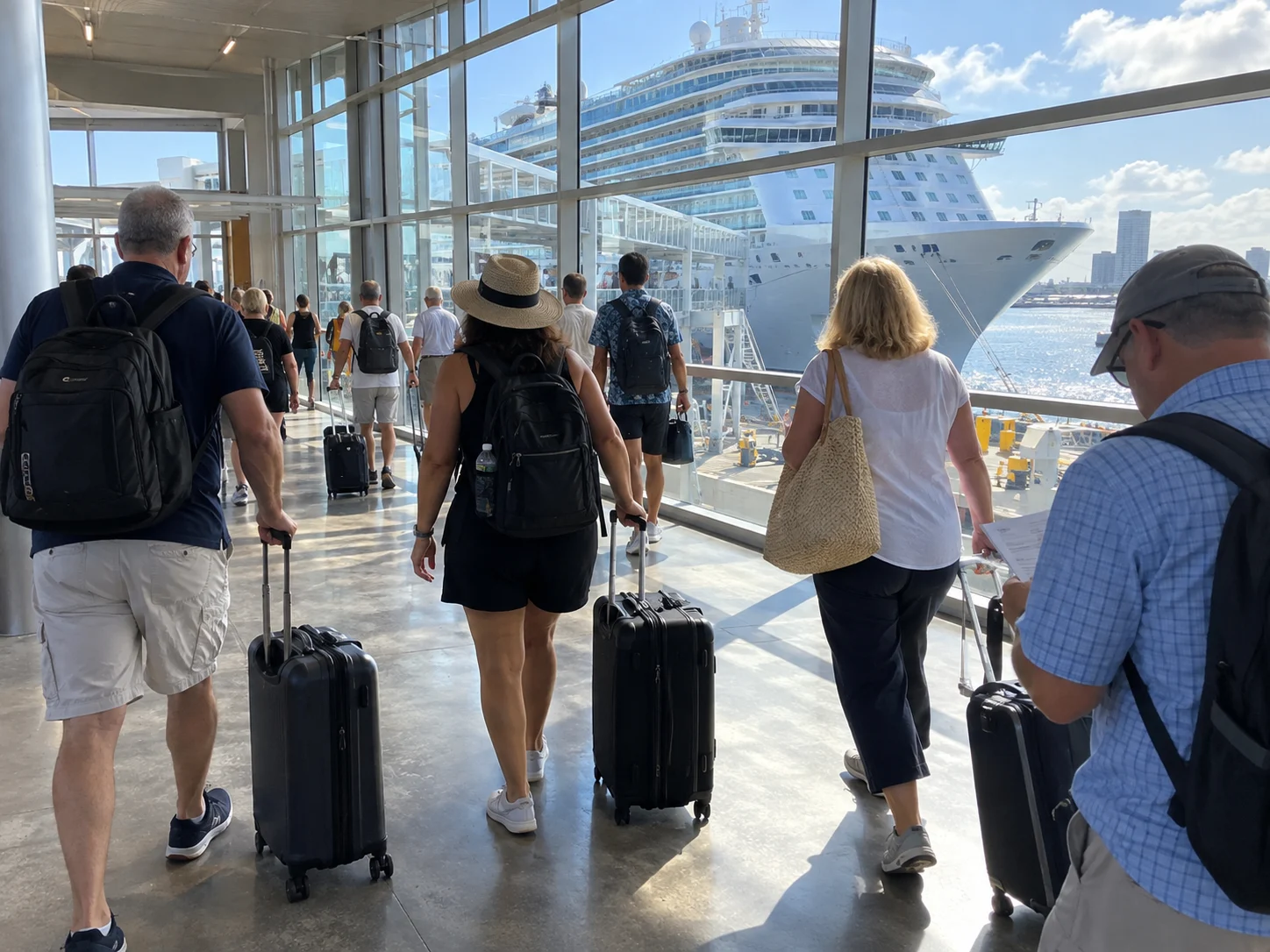
Make embarkation day easy
Arrive during your assigned window unless the cruise line tells you otherwise. At the terminal, keep your boarding pass and identification ready, then follow staff directions through security and document checks.
Once onboard, connect to the ship’s Wi-Fi network for app functions, find your muster station, and complete the required safety drill promptly. The drill format varies, but participation is mandatory.
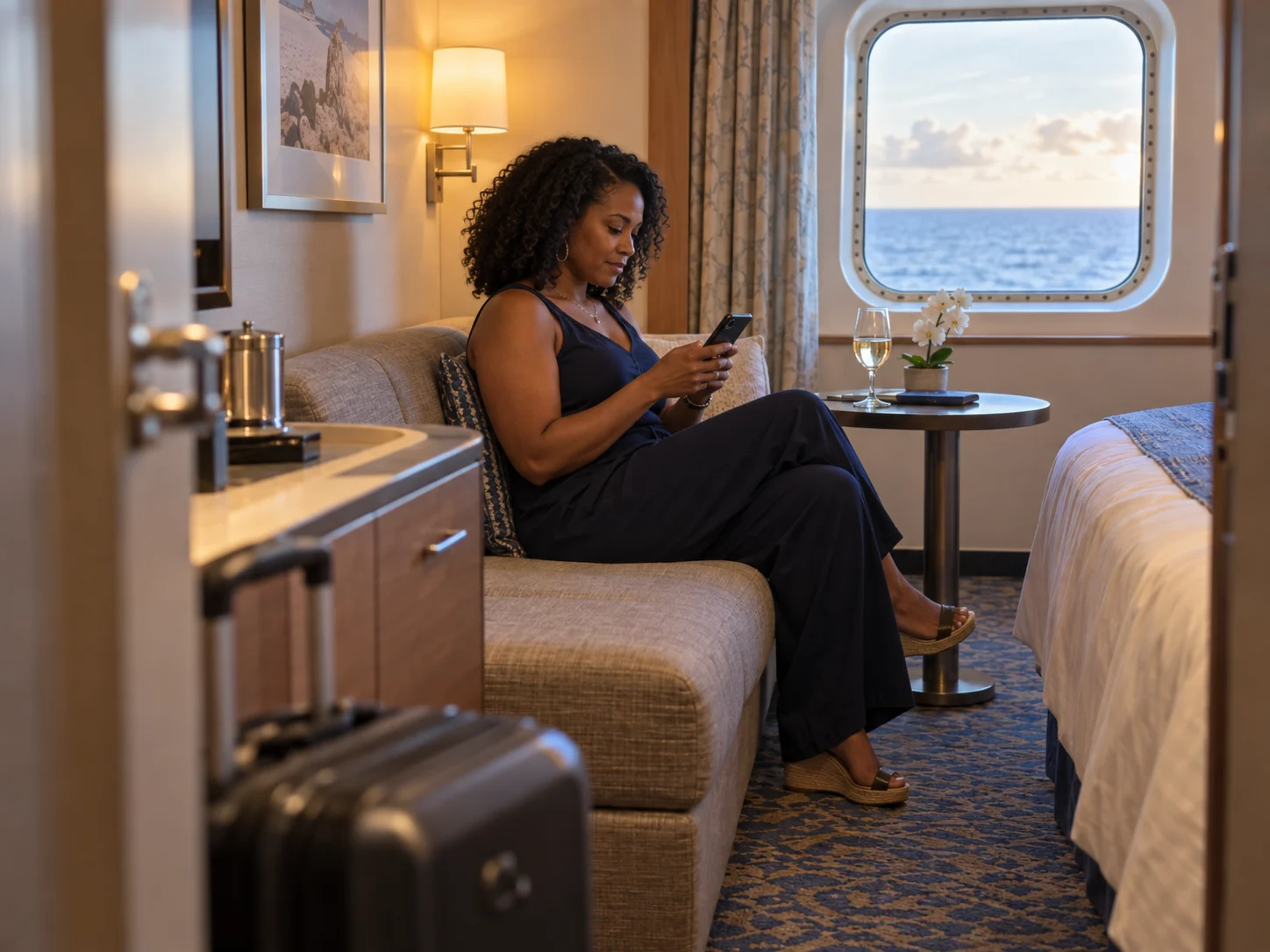
Your cabin may not be ready immediately, which is why the carry-on matters. Eat somewhere other than the first buffet you see if the line’s app shows another included venue open.
Understand dining before the first dinner
Main dining rooms, buffets, and selected casual venues are commonly included, while specialty restaurants charge extra. Some menu items and room service deliveries can also carry fees even when the venue itself is complimentary.
Traditional dining gives you the same table time each evening, while flexible dining lets you choose from available times. Large groups and travelers who prefer early dinners should reserve rather than assuming a table will appear at 6 p.m.
Tell the cruise line about allergies and medically necessary diets before sailing, then confirm with the dining team onboard. Do not assume every buffet label captures cross-contact risk.
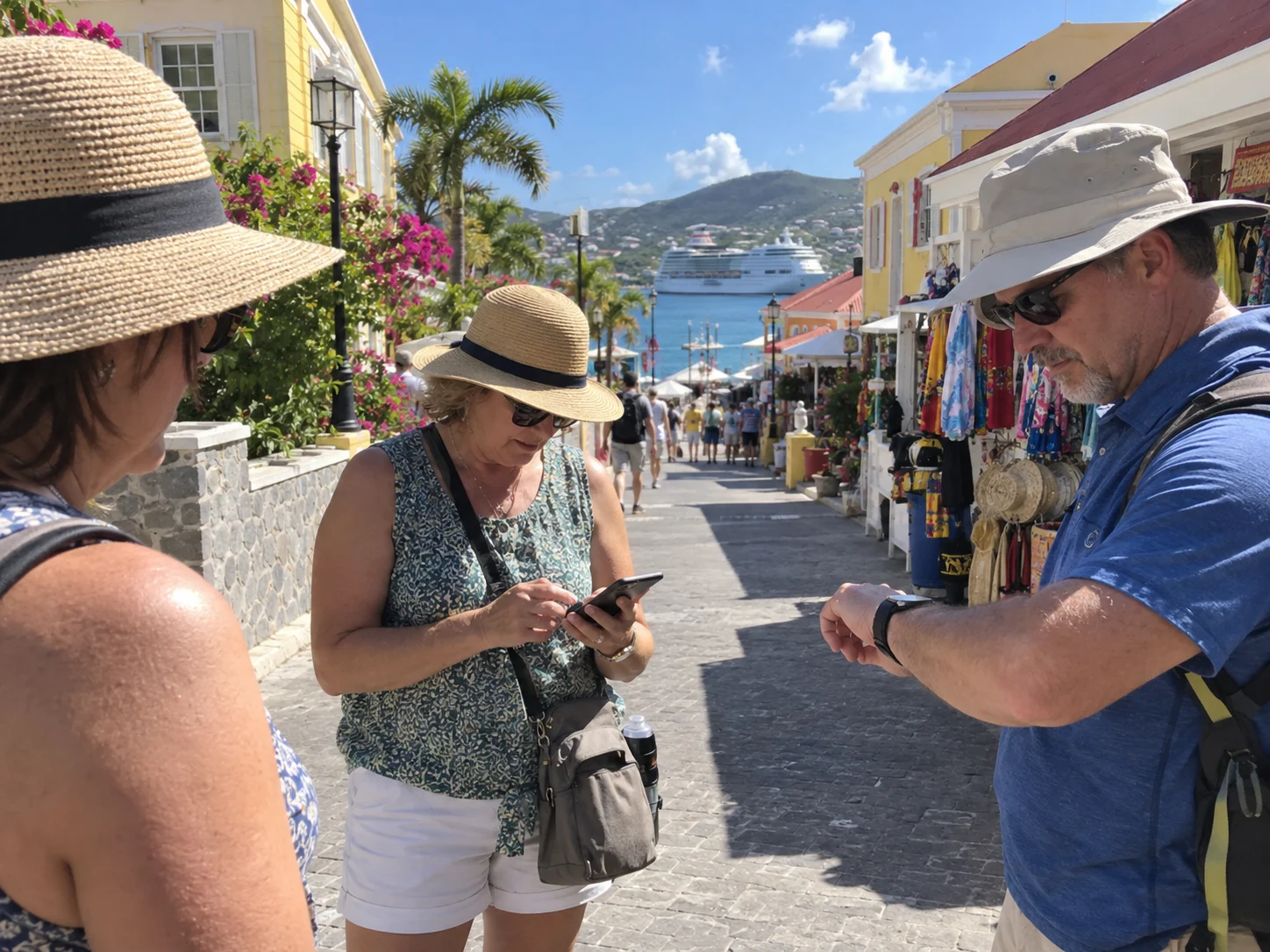
Use port days without watching the clock panic
The ship operates on ship time, which may not match local time. Photograph the daily schedule or gangway sign showing the all-aboard deadline, then keep your phone or watch set correctly.
I would plan to be back near the ship 60 to 90 minutes early when exploring independently. Traffic, tender lines, weather, and a wrong turn can erase a comfortable buffer quickly.
Ship excursions cost more in many ports but simplify transportation and schedule coordination. Independent tours can offer smaller groups or better prices, but confirm pickup details, cancellation terms, and return timing before paying.
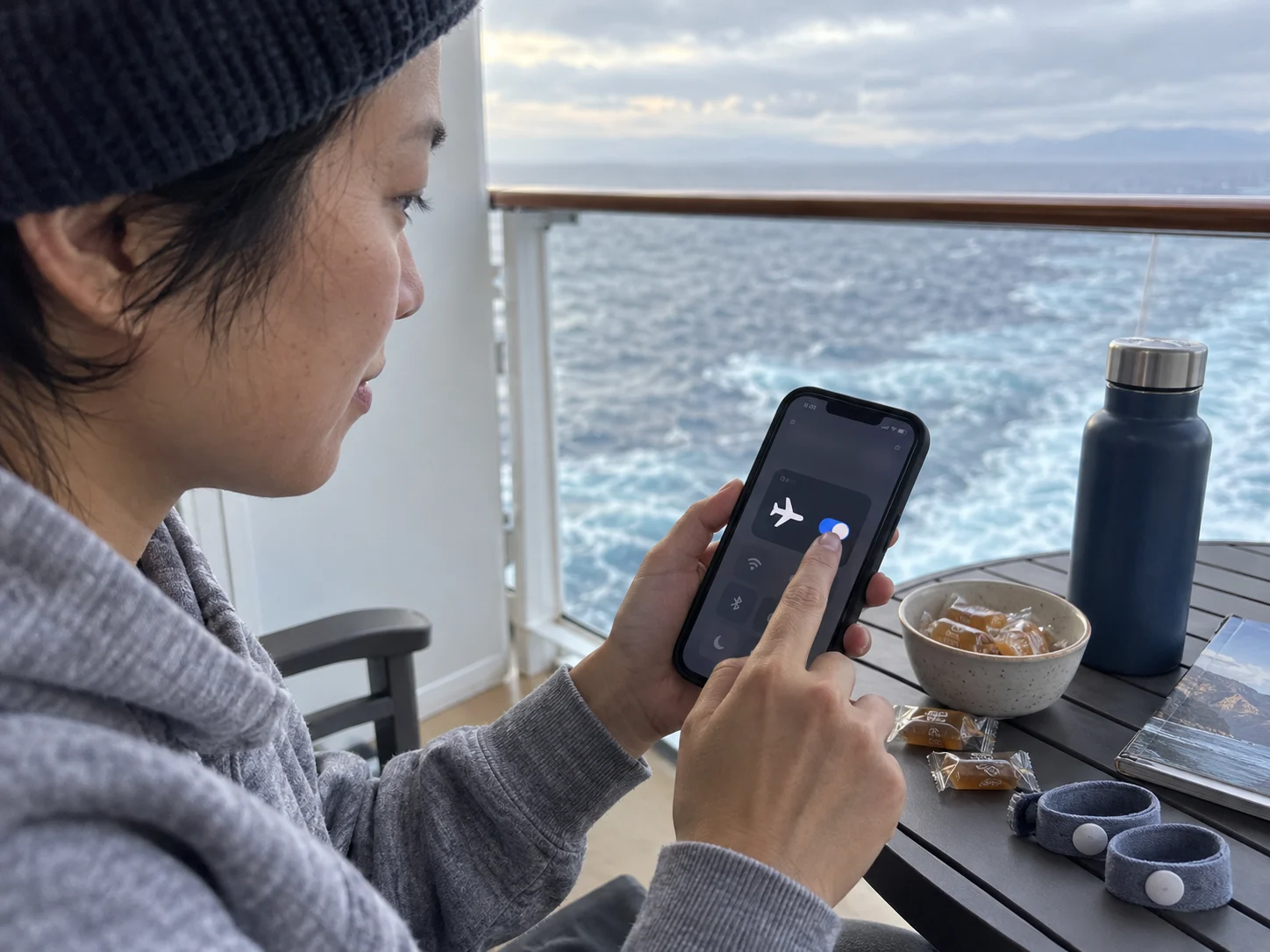
Prevent phone bills and seasickness surprises
Cellular service at sea is not the same as your normal domestic network. Put your phone in airplane mode before the ship leaves port, then turn Wi-Fi back on if you purchased a package or need the ship app.
For motion sensitivity, choose a lower midship cabin, eat lightly, stay hydrated, and spend time where you can see the horizon. Ask a clinician or pharmacist about medication before the trip, especially if you are pregnant, have a medical condition, or take other prescriptions.
The CDC’s cruise health advice recommends washing with soap and water before eating and after using the bathroom or touching high-contact surfaces. Report vomiting or diarrhea to the medical center promptly rather than trying to hide it to protect your vacation.
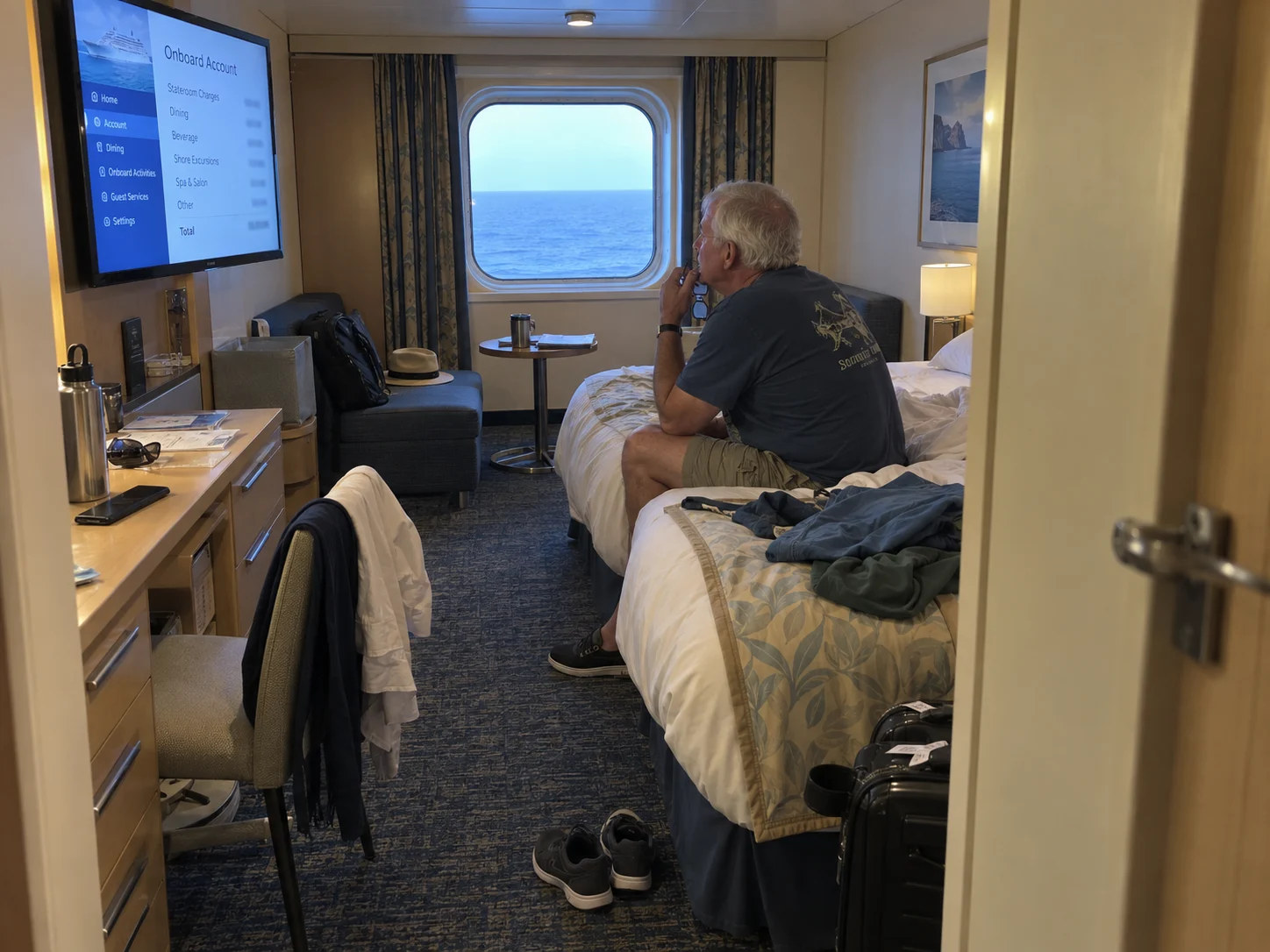
Watch the onboard account
Use the app or cabin television to review charges every day. Fixing a mistaken drink, restaurant, or excursion charge is easier before the final morning.
Know which gratuities were prepaid and which purchases add a service charge. Keep a small cash reserve for independent guides, porters, and extra tips, but do not feel pressured to tip twice when a service charge is already included.
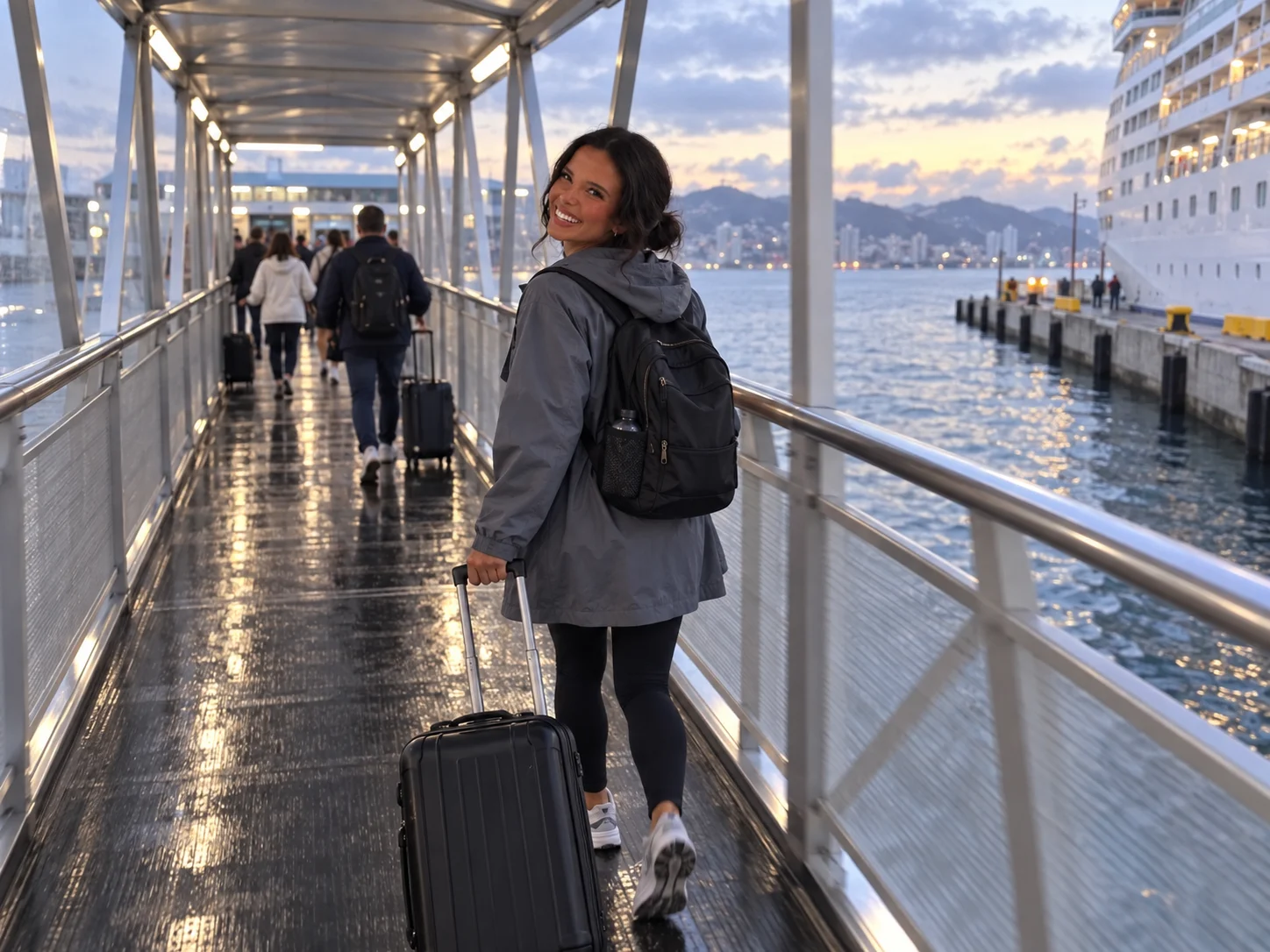
Do not overlook disembarkation
The cruise line will explain luggage tags, departure groups, customs procedures, and the deadline to leave your cabin. If you place luggage outside on the final night, keep clothes, documents, medicine, toiletries, and shoes for the morning.
Self-assist departure can be faster, but you must carry every bag through corridors, elevators, ramps, and the terminal. Choose it only if everyone in your group can manage the luggage without help.
Avoid a very early flight after the cruise. Ship clearance, lines, traffic, and airport security all sit between your cabin and the gate.
First-time cruise mistakes worth avoiding
- Booking the cheapest sailing without comparing the ship, route, and total trip cost.
- Flying into the port on embarkation morning.
- Putting passports or daily medications in checked luggage.
- Assuming every meal, drink, activity, and gratuity is included.
- Ignoring the cabin’s location above, below, and beside public spaces.
- Leaving cellular data active after sailing.
- Returning to the pier at the exact all-aboard time.
- Packing prohibited electrical items because an old blog called them cruise-safe.
- Waiting until the last night to review the onboard account.
Frequently asked questions
How long should a first cruise be?
Five to seven nights suits most first-timers because it includes enough time to experience both port and sea days. Choose three or four nights if budget or vacation time matters more than a relaxed pace.
Is a balcony worth it for a first cruise?
A balcony is worth considering for scenic itineraries, private quiet time, or travelers who dislike windowless rooms. An inside cabin is the smarter buy when you plan to spend little time in the room and want to redirect money toward the destination.
The simple first-cruise plan
Choose the itinerary, match the ship to your travel style, price every likely extra, and select a cabin with the right location. Then verify documents, arrive a day early, and carry the essentials yourself.
Once onboard, finish the safety drill, learn the app, and stop trying to do everything. A good first cruise leaves you with favorite moments, not proof that you visited every deck.