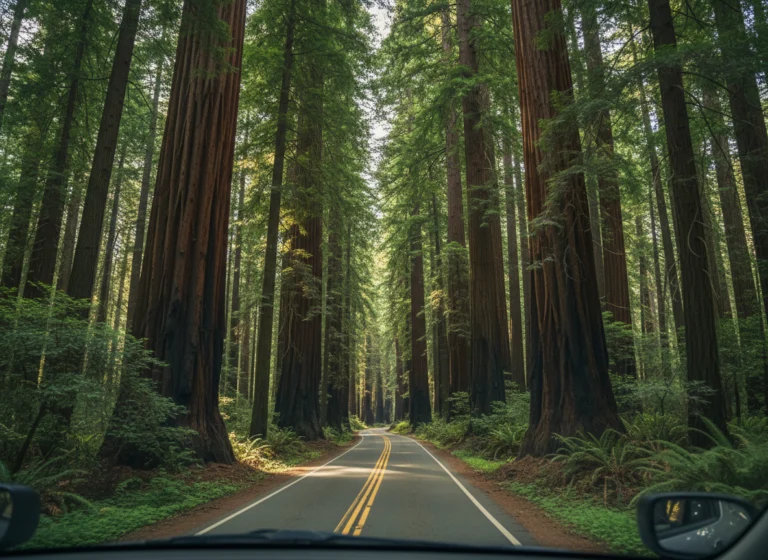
Scenic U.S. Road Trips for People Who Do Not Want to Hike
You do not need hiking boots, a hydration vest, or a suspiciously cheerful 5 a.m. trailhead plan to have a road trip filled with enormous scenery.
These are the U.S. routes I would choose when the goal is mountain views, coastlines, wildlife, waterfalls, charming towns, and national parks with most of the experience available from scenic roads, short walks, boats, overlooks, or places where sitting down is encouraged.
What I Mean by a No-Hiking Road Trip
I am not promising zero walking. Most viewpoints, towns, museums, beaches, and visitor centers still involve some time on your feet, and accessibility varies dramatically from stop to stop.
What I am avoiding is the kind of itinerary where the best part only appears after six miles and 2,000 feet of elevation gain. Each route below is worthwhile even if your longest “hike” is a paved overlook path or walk through town.
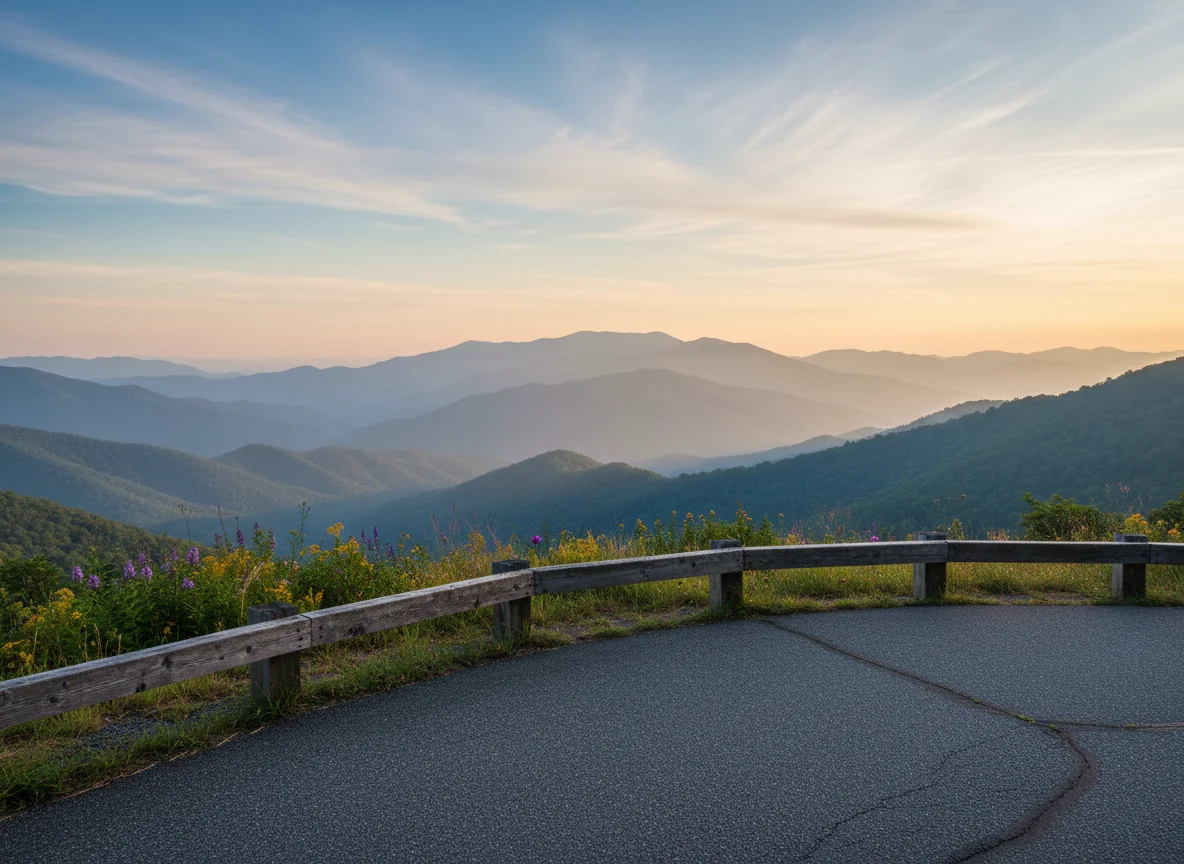
1. Blue Ridge Parkway, Virginia and North Carolina
The Blue Ridge Parkway is almost designed for people who want mountain scenery without earning every view on foot. Overlooks line the road, mountain towns break up the driving, and short nature walks are optional rather than the price of admission.
Why it works without hiking
You can spend a full day moving among overlooks, visitor centers, historic sites, and towns like Roanoke, Blowing Rock, Boone, and Asheville. Even when you never leave sight of the car for long, the elevation and landscape keep changing.
My Blue Ridge Parkway road trip is especially useful right now because ongoing recovery and construction mean you should build the route around the live National Park Service closure map rather than one fixed mile-by-mile plan.
Check the official parkway road status shortly before your trip. A scenic drive only works when the scenic road is actually open.
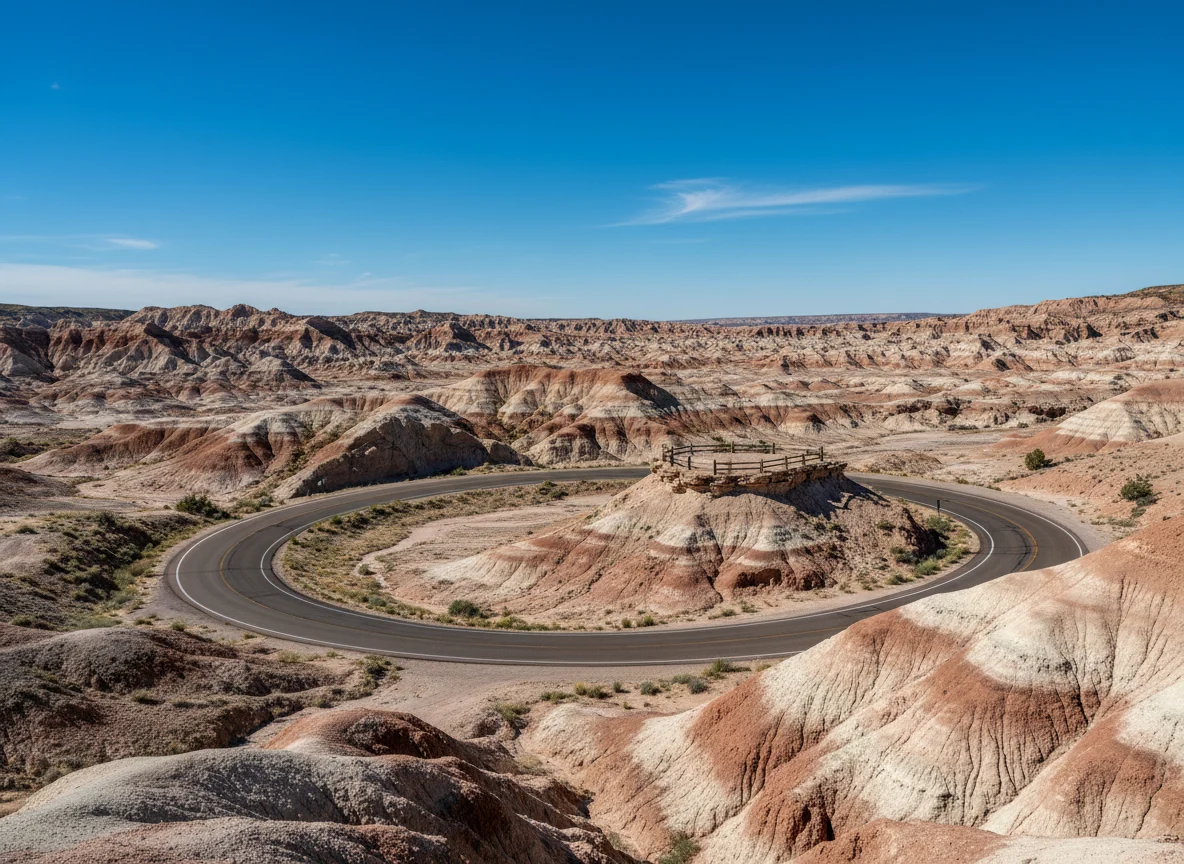
2. Badlands and Black Hills, South Dakota
South Dakota gives you one of the best scenery-per-step ratios in the country. Badlands Loop Road, Wildlife Loop Road in Custer State Park, Mount Rushmore, Needles Highway, and Iron Mountain Road can fill several days without a serious trail.
Why it works without hiking
Badlands National Park says its paved Loop Road is appropriate for all motor vehicles, with overlooks throughout the route. Custer State Park’s famous wildlife drive can deliver bison, pronghorn, prairie dogs, and rolling Black Hills scenery from the car.
My Badlands and Black Hills itinerary gives the region a full week. Simply skip the longer trail suggestions and spend that time on overlooks, wildlife, towns, and scenic roads.
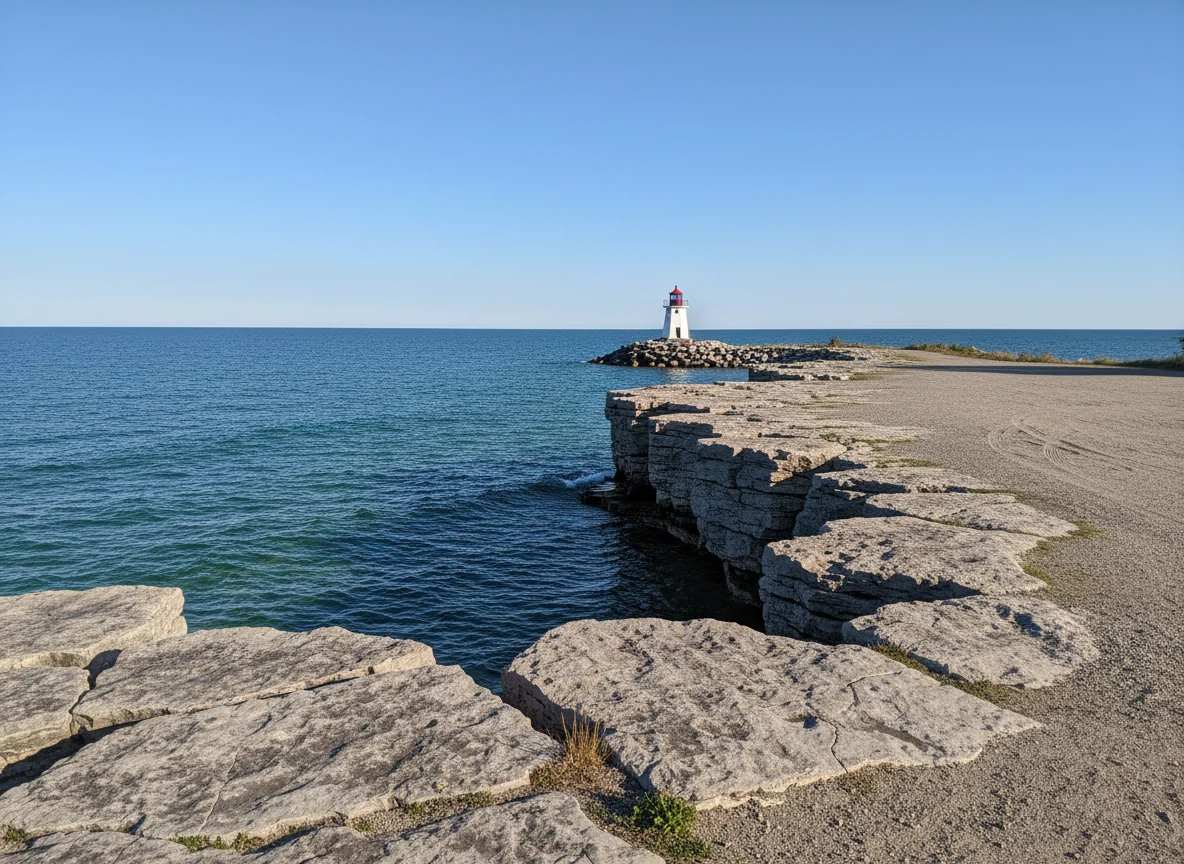
3. Door County, Wisconsin
Door County is my Midwest pick when you want pretty scenery but also want restaurants, waterfront villages, shops, lighthouses, and comfortable hotels. It never demands that the vacation become an outdoor endurance challenge.
Why it works without hiking
The 66-mile Door County Coastal Byway connects much of the peninsula’s best village and shoreline scenery. You can drive between Fish Creek, Ephraim, Sister Bay, Ellison Bay, Baileys Harbor, and Sturgeon Bay while using parks for overlooks and short walks.
Use my four-day Door County route and substitute longer trail time with more village, harbor, boat, and scenic-drive time. This is one of the easiest routes to customize for mixed-mobility groups.
4. Oregon Coast
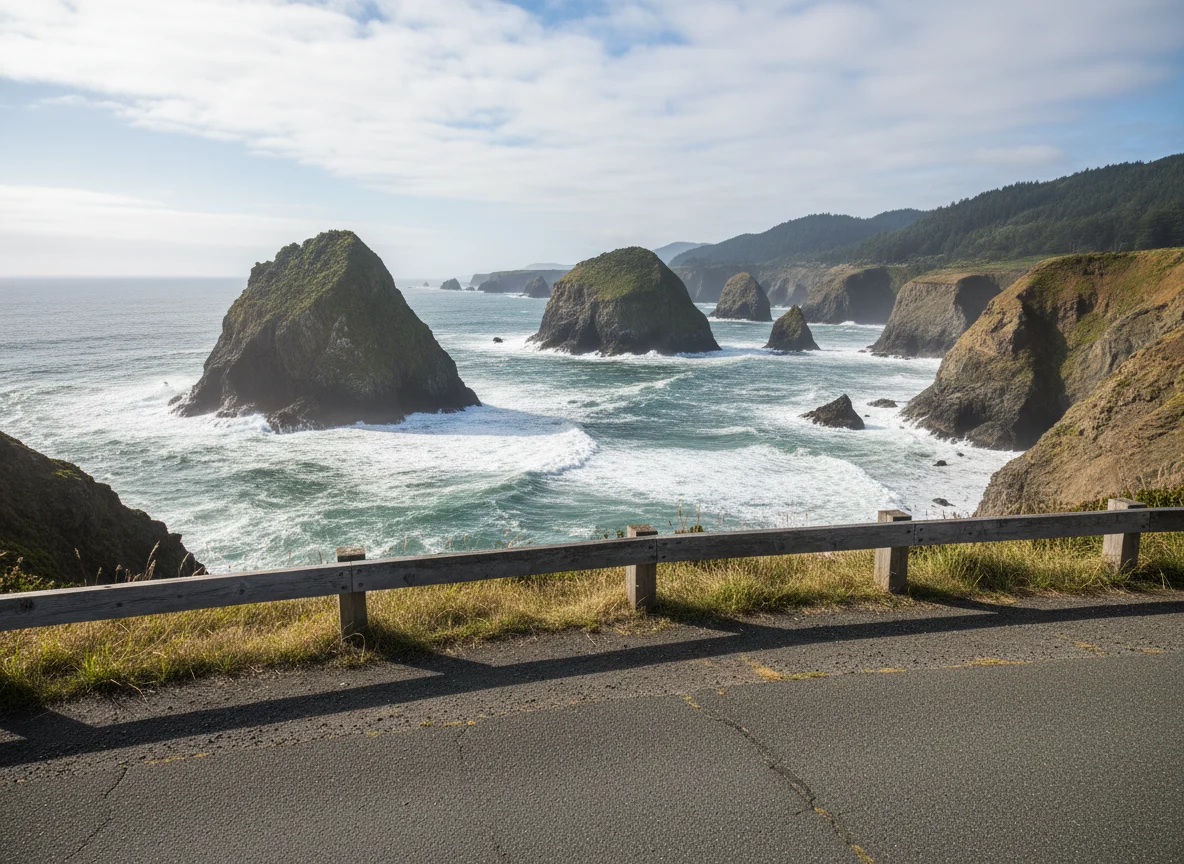
Oregon’s coast gives you beaches, sea stacks, lighthouses, cliff views, harbors, dunes, and small towns almost continuously along Highway 101. You can walk for miles if you want, but you absolutely do not need to.
Why it works without hiking
Many of the iconic views are reached from beaches, roadside overlooks, parks, and towns. Cannon Beach, Depoe Bay, Newport, Bandon, and the southern scenic corridor can all be enjoyed through short walks and repeated scenic stops.
My seven-day Oregon Coast road trip keeps daily mileage deliberately low. That makes it easy to trade a trail for a longer seafood lunch or another hour watching waves.
5. Great River Road, Wisconsin
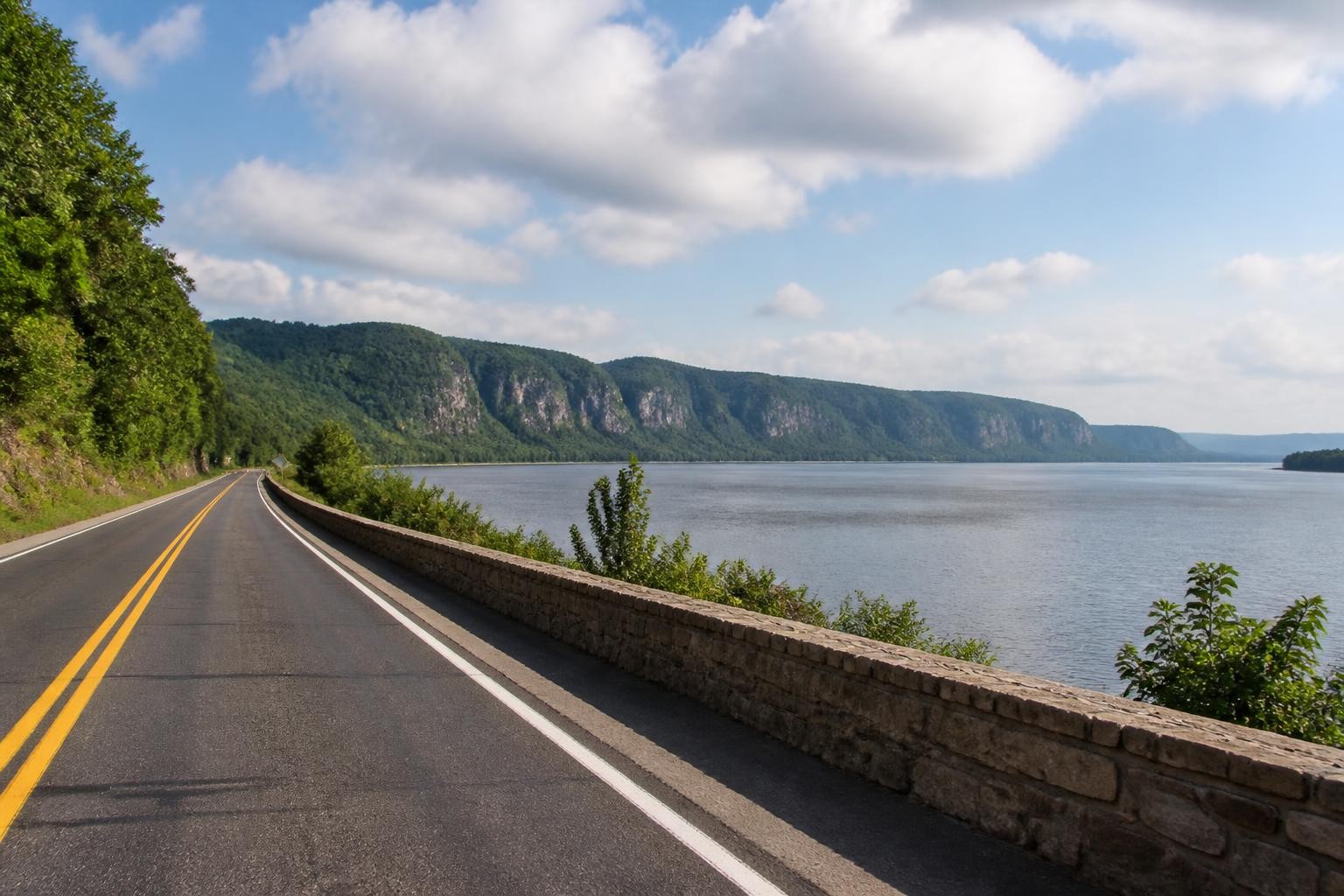
The Mississippi bluffs are an excellent choice when you want scenery that unfolds through the windshield. Highway 35 follows the river past Lake Pepin, Alma, Trempealeau, La Crosse, and Prairie du Chien with plenty of towns and overlooks between them.
Why it works without hiking
You can enjoy most of the route through riverfront walks, bluff overlooks, wildlife watching, bakeries, small-town stops, and scenic driving. State parks add optional trails, but the road trip is still complete without them.
My Wisconsin Great River Road guide is built around stops worth lingering over rather than hiking mileage. It is also one of the easiest scenic weekends from Madison.
6. Maine Coast from Portland to Acadia
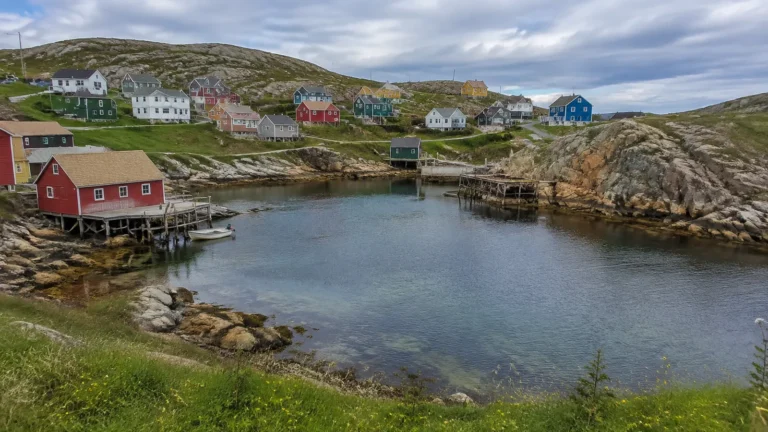
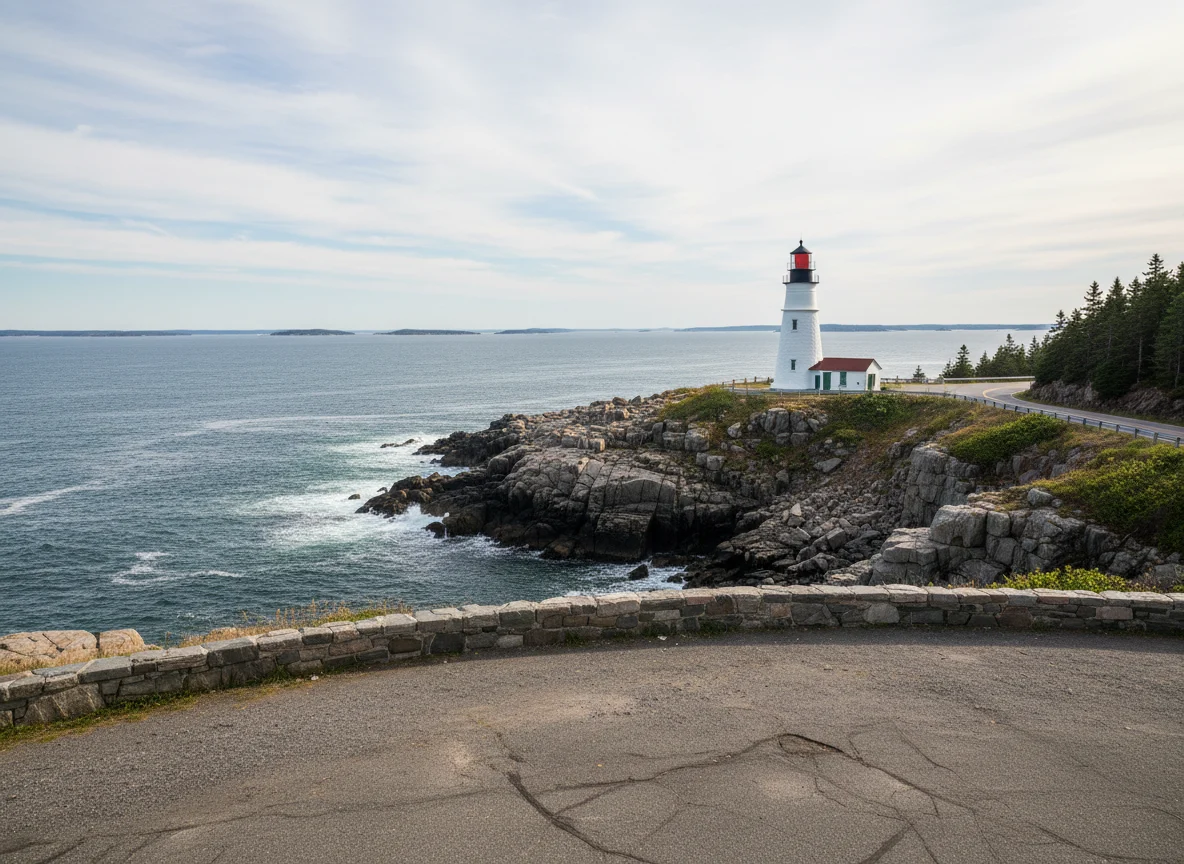
Maine is a great scenic road trip for travelers who want the scenery mixed with food and towns. Harbors, lighthouses, seafood, historic streets, rocky shoreline, and Acadia National Park give you plenty to do without a trail-heavy schedule.
Why it works without hiking
Acadia’s Park Loop Road, seasonal transportation, carriage roads, shoreline stops, and Cadillac Mountain access provide several ways to see the park without a strenuous hike. Outside the park, Portland, Camden, Rockland, and the Midcoast are mostly about wandering, eating, and looking at the water.
Use my Maine coast road trip and give the extra trail time to the towns. I would happily trade a second hike for a two-hour harbor lunch on this route.
7. Florida Keys
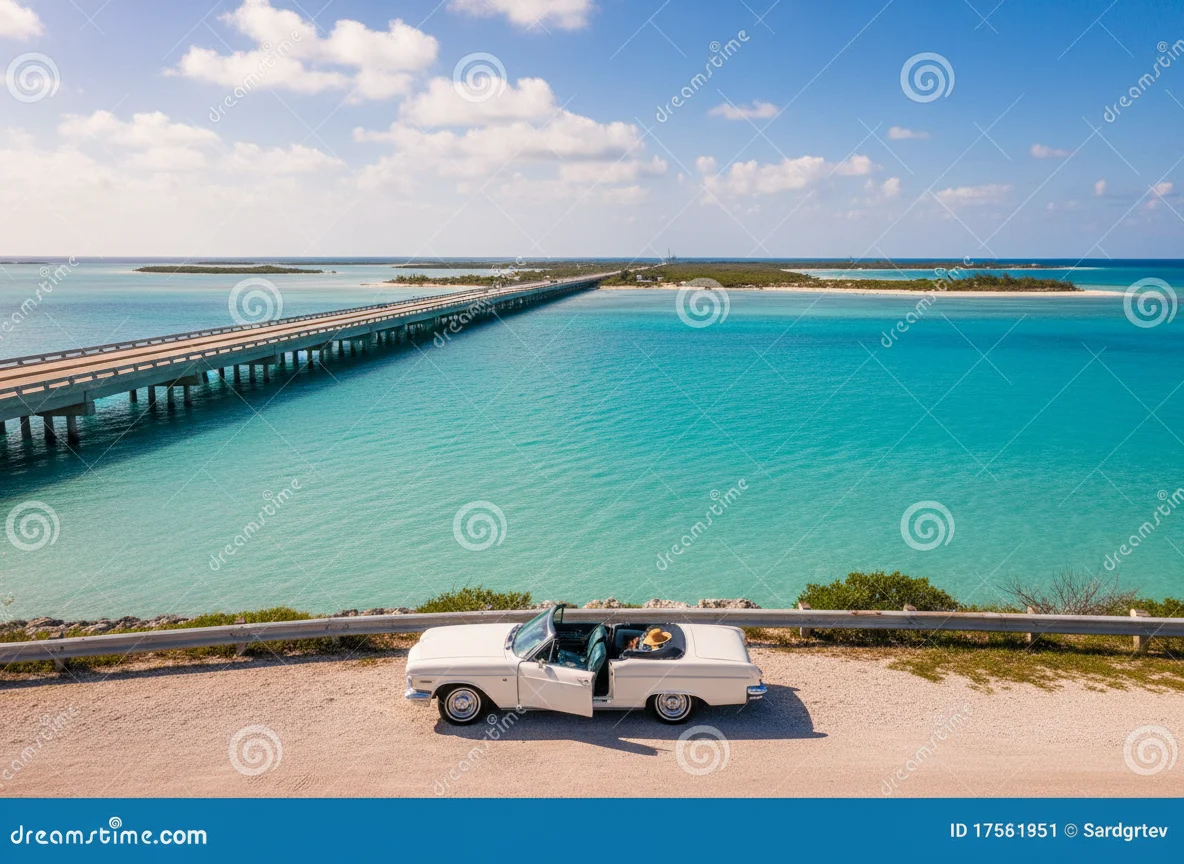
The Overseas Highway is one long reminder that a road trip can be scenic without involving mountains at all. Turquoise water, bridges, marinas, tropical vegetation, small islands, and sunsets carry this route from Key Largo to Key West.
Why it works without hiking
The best activities are often boat trips, beaches, short nature walks, restaurants, wildlife stops, and time in Key West. You could have an excellent five-day trip without putting on hiking shoes once.
My Florida Keys road trip is designed around short driving days. That gives you more time for snorkeling, boat trips, waterfront lunches, and doing absolutely nothing beside the water.
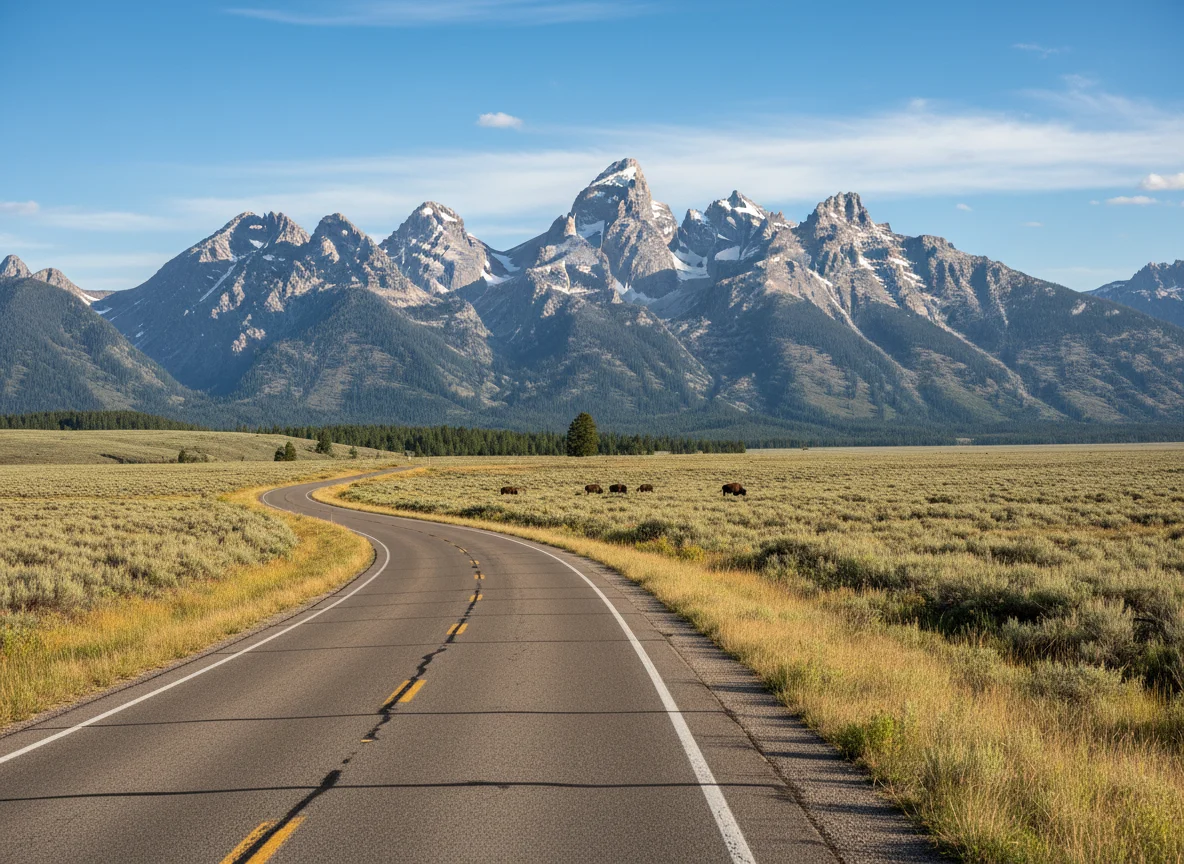
8. Yellowstone and Grand Teton
These parks may be famous for hiking, but they are also extraordinary places for scenic driving, wildlife watching, boardwalks, lake views, and roadside overlooks. You can see geysers, bison, canyon walls, mountains, and lakes without planning a major trail.
Why it works without hiking
Old Faithful and several thermal areas use boardwalk systems, Yellowstone’s valleys are excellent for wildlife viewing from safe pullouts, and Grand Teton’s mountain wall dominates the landscape from numerous roads and lake areas. Accessibility and current closures vary, so check the individual park before departure.
My Yellowstone and Grand Teton route can be adapted easily by replacing hikes with more wildlife, scenic drives, boat outings, and visitor-center time.
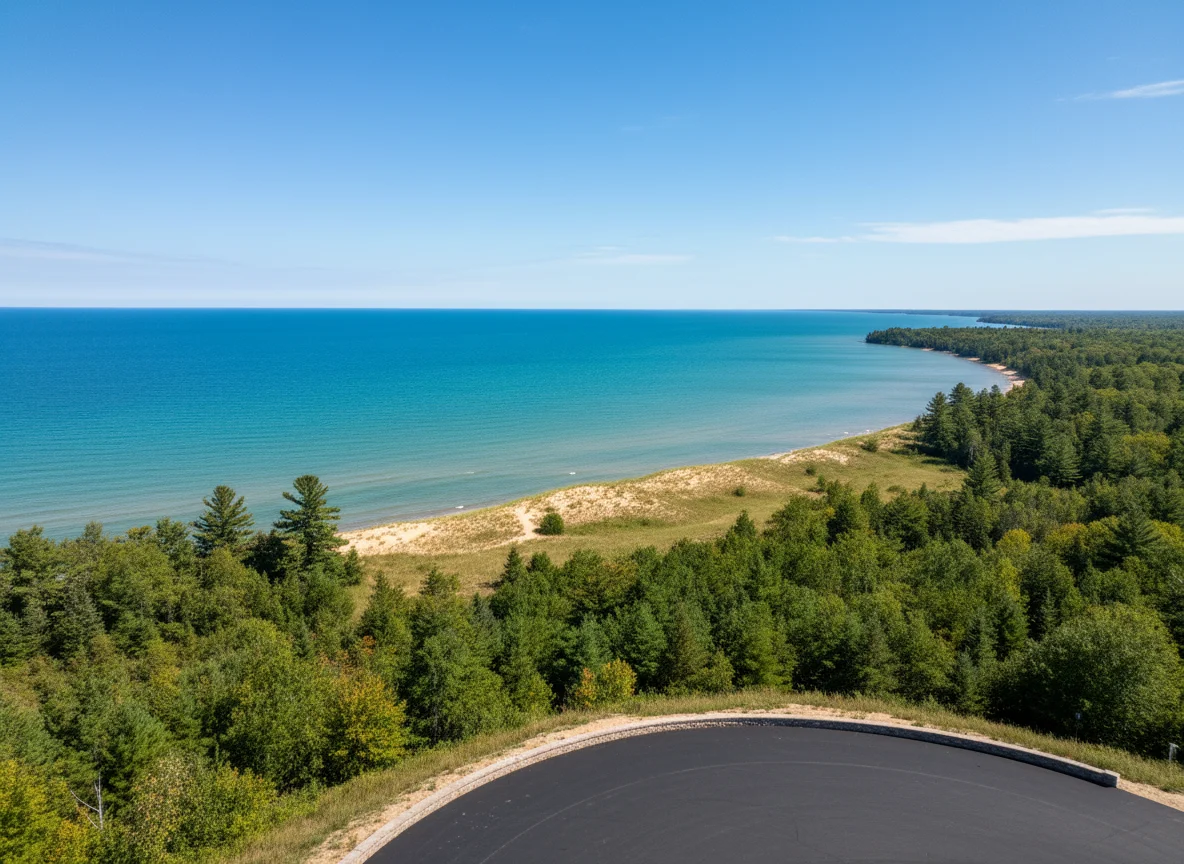
9. Northern Michigan
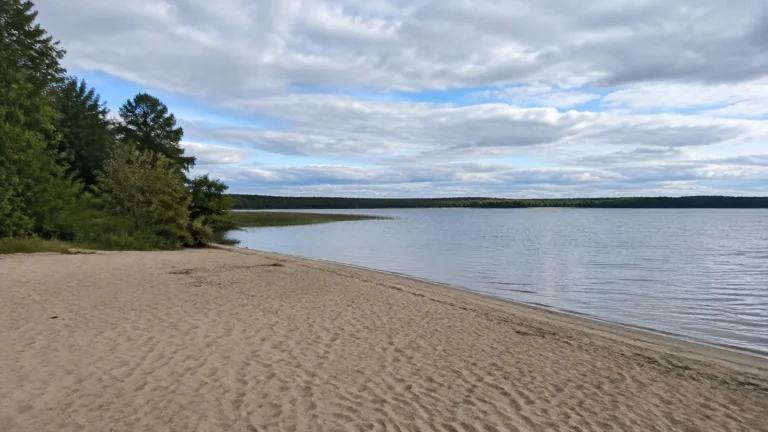
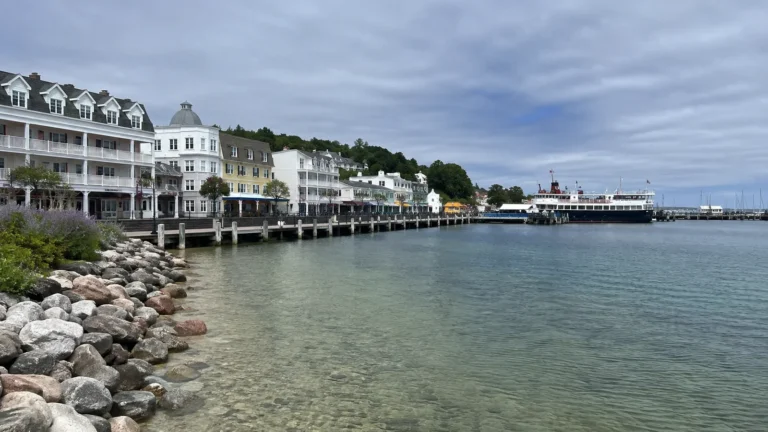
Traverse City, Leelanau Peninsula, Sleeping Bear Dunes, Charlevoix, and Petoskey make a road trip that balances Lake Michigan scenery with food, wineries, towns, beaches, and overlooks. Hiking can be as minor or major as you want.
Why it works without hiking
Sleeping Bear Dunes has scenic driving and overlooks, while the rest of the route is built around lake towns and shorelines. A tasting room, beach afternoon, boat outing, or sunset can replace any trail without leaving a hole in the itinerary.
My northern Michigan road trip is especially good for couples or friends who want scenic days with restaurant-quality evenings.
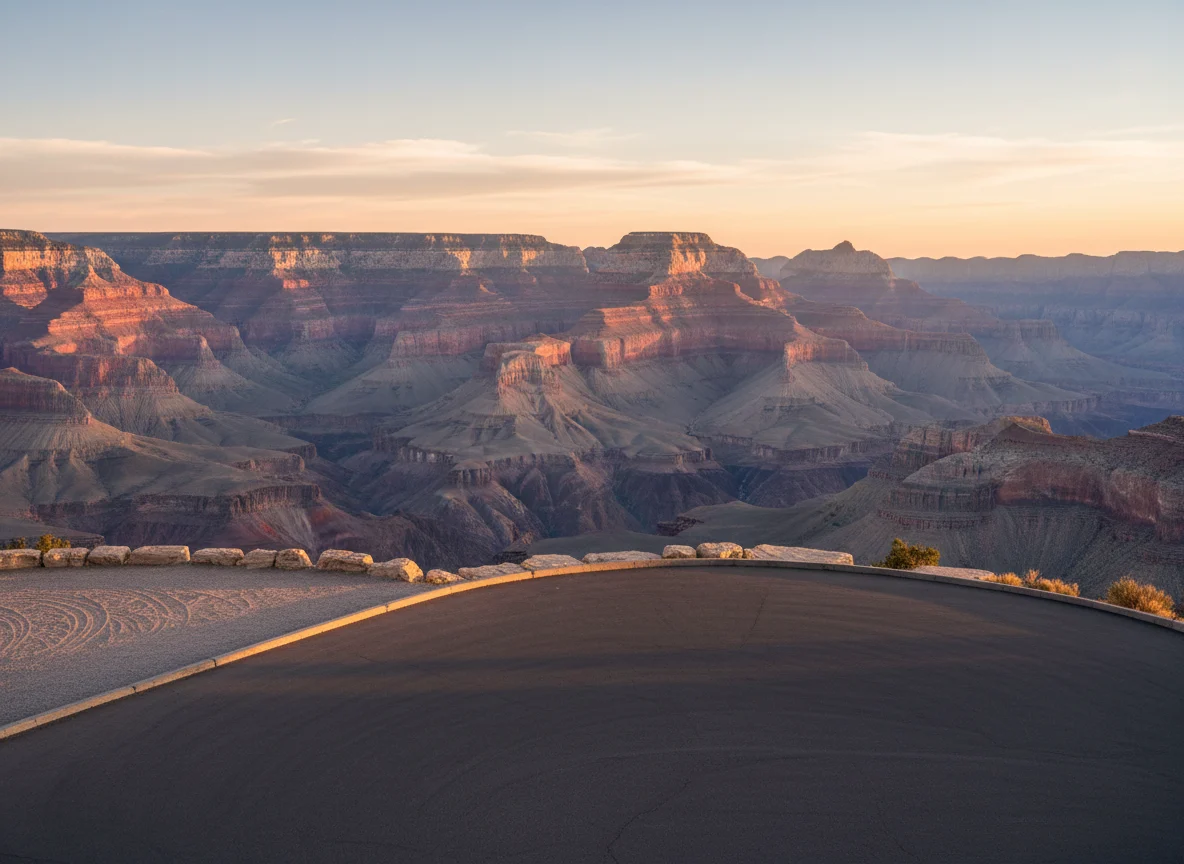
10. Sedona to the Grand Canyon
Sedona and the Grand Canyon get marketed heavily through hiking photos, but neither requires a strenuous trail to be spectacular. Scenic drives, viewpoints, shuttle routes, short walks, galleries, restaurants, and the Grand Canyon Rim Trail make this route accessible to many non-hikers.
Why it works without hiking
The South Rim’s scale is obvious from developed viewpoints, while Desert View Drive connects additional overlooks by road. In Sedona, you can build the day around red-rock drives, galleries, food, and shorter walks rather than an exposed mountain trail.
My Sedona to Grand Canyon itinerary specifically keeps hiking optional. I would choose it when you want huge desert scenery with comfortable hotel bases.
How I Plan Scenic Stops Without Overwalking
I check the actual distance from parking to viewpoint instead of trusting phrases like “easy access.” A stop can be technically short and still involve stairs, sand, uneven terrain, elevation, heat, or a steep grade.
Official park pages usually provide accessibility and trail information for major overlooks. Use those details to build the day around the people actually traveling with you rather than an average visitor who does not exist.
Boat Trips Are the Secret Weapon
On routes like Maine, the Florida Keys, Lake Superior, and the Oregon Coast, a boat can deliver scenery that otherwise requires substantial walking. Cruises also give tired legs a break without making the day feel like you stopped sightseeing.
Keep boat days weather-flexible and check accessibility directly with the operator. Docks, boarding ramps, vessel layouts, and sea conditions vary.
Scenic Trains, Shuttles, and Gondolas Count Too
There is no medal for seeing a mountain only after walking up it. Scenic railways, national-park shuttles, gondolas, chairlifts, and boat transportation can create memorable views while letting different mobility levels enjoy the same trip.
I would rather choose a route everybody can participate in than build a vacation around splitting up at trailheads. Road trips are especially good for that kind of flexibility.
Accessibility Information Is Worth Checking Directly
For national-park stops, the National Park Service accessibility resources can help you confirm paved routes, mobility access, and facility details before the trip. For scenic-road inspiration, the Federal Highway Administration’s America’s Byways program is another useful official resource.
My First Choice
For pure scenery with minimal walking, I would choose the Badlands and Black Hills. For the best mix of scenery, food, towns, and comfortable pacing, I would choose Door County or the Maine coast.
Not wanting to hike does not make you a less adventurous traveler. It just means the road, overlook, boat, town, and dinner get to carry more of the trip.