Yellowstone and Grand Teton Road Trip: One Week, Two Very Different Parks
I would happily pair a morning watching geysers with an afternoon beside a mountain lake, and Yellowstone and Grand Teton make that a very tempting vacation.
I would give the pair a full week, change hotels as little as possible, and leave enough unscheduled time for bison traffic because Yellowstone has absolutely no interest in your dinner reservation.
The Seven-Day Route
- Day 1: arrive in Jackson or Grand Teton and settle in
- Day 2: Grand Teton scenic day
- Day 3: Grand Teton morning, then move north into Yellowstone
- Day 4: Old Faithful and the geyser basins
- Day 5: Yellowstone Canyon and Hayden Valley
- Day 6: Mammoth, Lamar Valley, or the northern park
- Day 7: flexible wildlife morning and departure
Use two Grand Teton nights and four Yellowstone nights for this seven-day route, with the move north on day three. Split the Yellowstone stay between two bases when availability makes that practical, so the geyser basins and northern wildlife areas do not require repeated long drives.
If you are looking for another western park trip with a calmer hotel rhythm, my Badlands and Black Hills road trip has the same one-region-at-a-time philosophy. This Wyoming route simply requires more respect for distance and wildlife delays.
Day 1: Arrive in Jackson or Grand Teton
Use the first day to reach Jackson Hole, get groceries, and settle into the elevation rather than attempting a major hike. If you arrive early, choose a roadside viewpoint or a short walk around the southern park.
Check current construction before choosing your first drive
Grand Teton has significant road and visitor-facility construction in 2026, and individual roads can close or develop long delays. Check the Grand Teton current-conditions page rather than assuming the route you saved months ago still works.
Construction will change over time, which is why I would keep the first afternoon geographically simple. An hour spent staring at the Tetons from a turnout is a much better arrival than an hour idling behind a closure you did not check.
Day 2: Grand Teton National Park
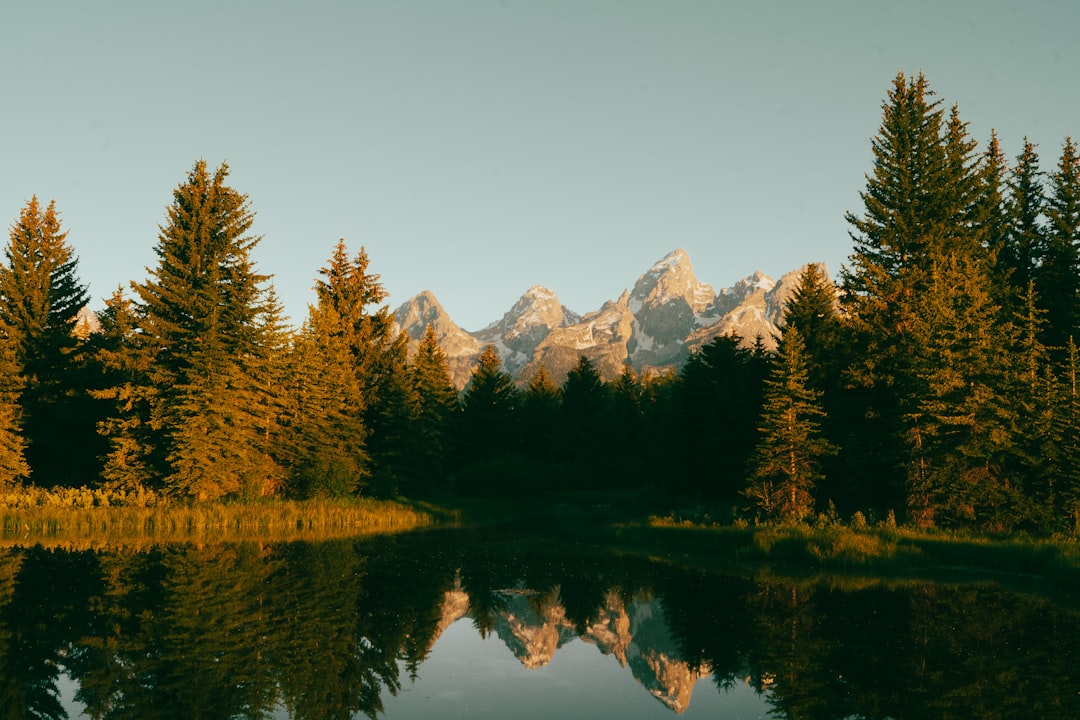
Make today about lakes, mountain views, and one outdoor activity you genuinely want to do. Grand Teton is easier to understand geographically than Yellowstone, so there is no need to spend the day bouncing among every named pullout.
Start early for mountain reflections and wildlife
Morning light and calmer conditions can make lake viewpoints especially beautiful. Drive slowly because elk, moose, bison, bears, and other wildlife can appear close to roads.
Choose one hike or lake outing
Pick a trail, boat outing, or lakeshore walk based on current access and your ability. In 2026, some trailheads and roads are affected by construction, so the best hike is the good one that is actually open.
Bear safety is part of the plan
Grand Teton currently requires visitors to stay at least 100 yards from bears, and bears remain active throughout much of the year. Carry bear spray on hikes where recommended, know how to use it, and follow food-storage guidance.
Day 3: Grand Teton to Yellowstone
Give Grand Teton one final morning, then drive north through the John D. Rockefeller, Jr. Memorial Parkway into Yellowstone when the South Entrance road is open. Seasonal road openings vary with snow and weather, so this route is not guaranteed year-round.
Check the Yellowstone road-status page that morning. Yellowstone publishes projected opening and closing dates, but weather can change them.
Do not schedule Old Faithful immediately after the drive
Your first Yellowstone afternoon should be flexible enough for wildlife, construction, or an irresistible thermal area. Reach your lodging, get oriented, and save the full geyser-basin day for tomorrow.
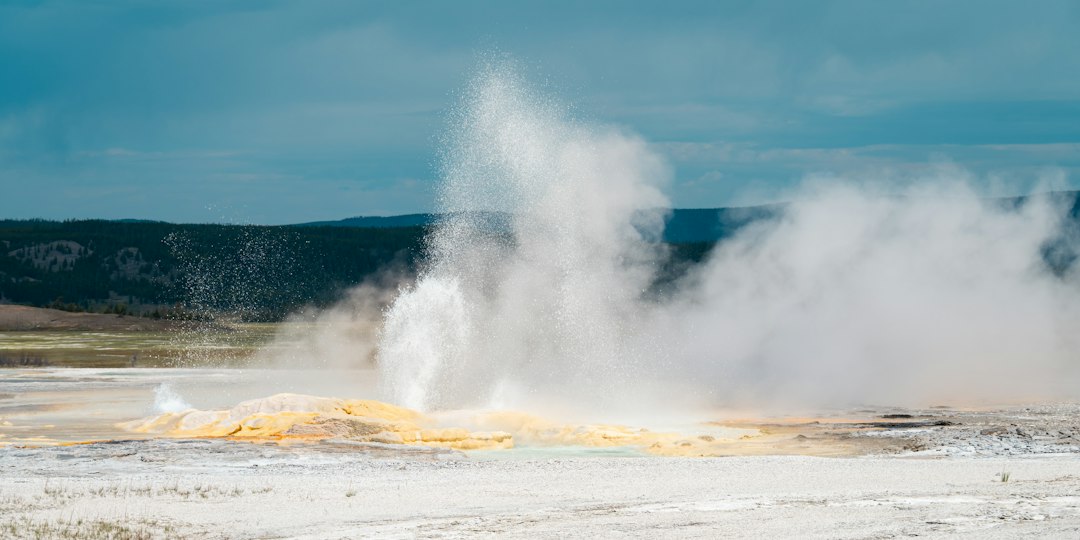
Day 4: Old Faithful and the Geyser Basins
Today belongs to hydrothermal Yellowstone. Start around Old Faithful, but do not let the famous geyser convince you that the rest of the Upper Geyser Basin is just waiting-room scenery.
Walk beyond Old Faithful
Prediction times help you decide when to be near major predictable geysers, while boardwalks connect many other features. Stay on designated paths because thin crust and boiling water make thermal areas far more dangerous than they look.
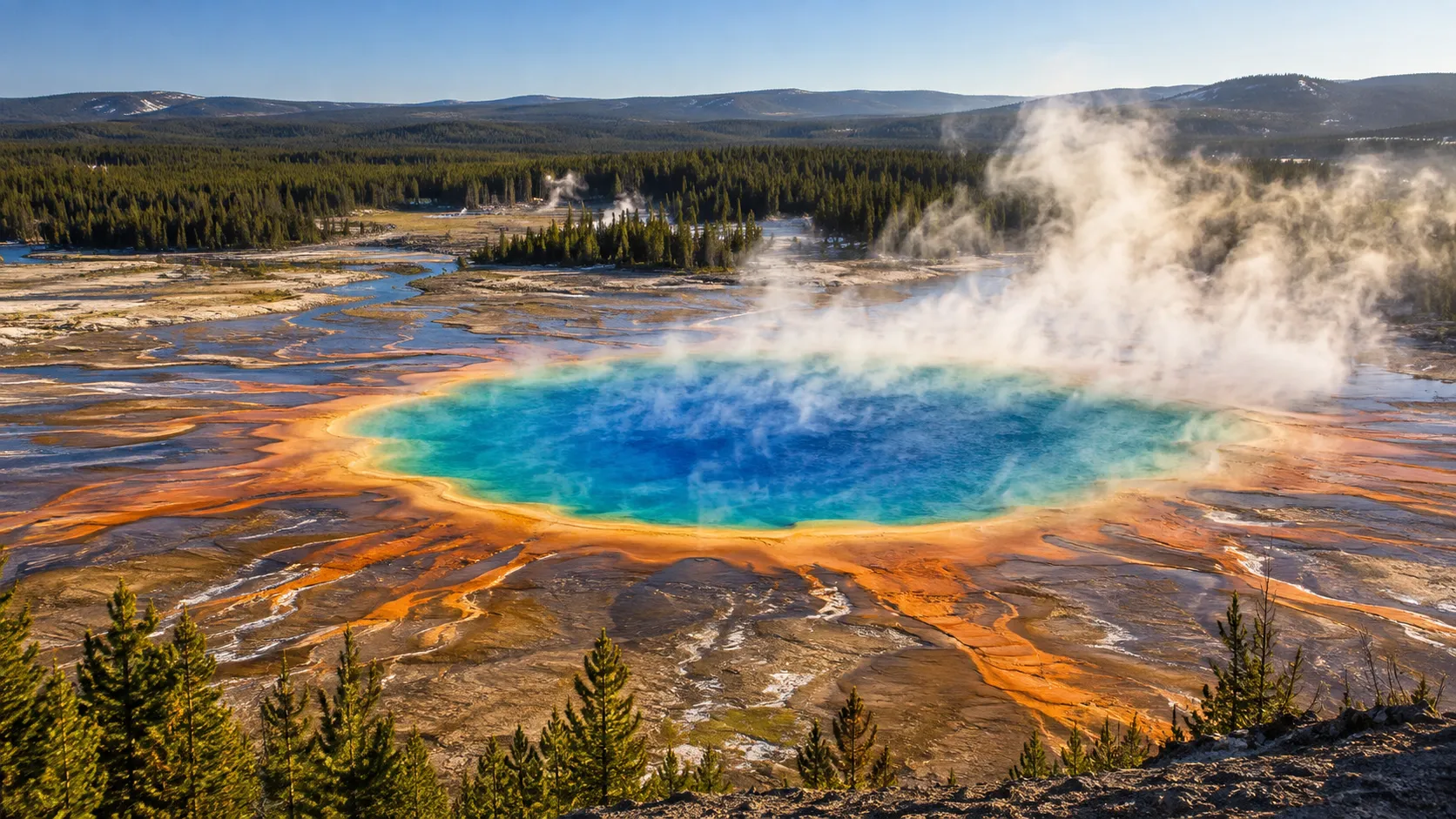
Add one additional basin
Choose another thermal area based on parking and road conditions rather than trying to visit every basin in one day. Yellowstone’s thermal features are more memorable when they stop blurring together.
Wildlife also travels through developed areas, so never assume a boardwalk or parking lot makes an animal safe to approach. Rangers close areas when animals or thermal hazards require it.
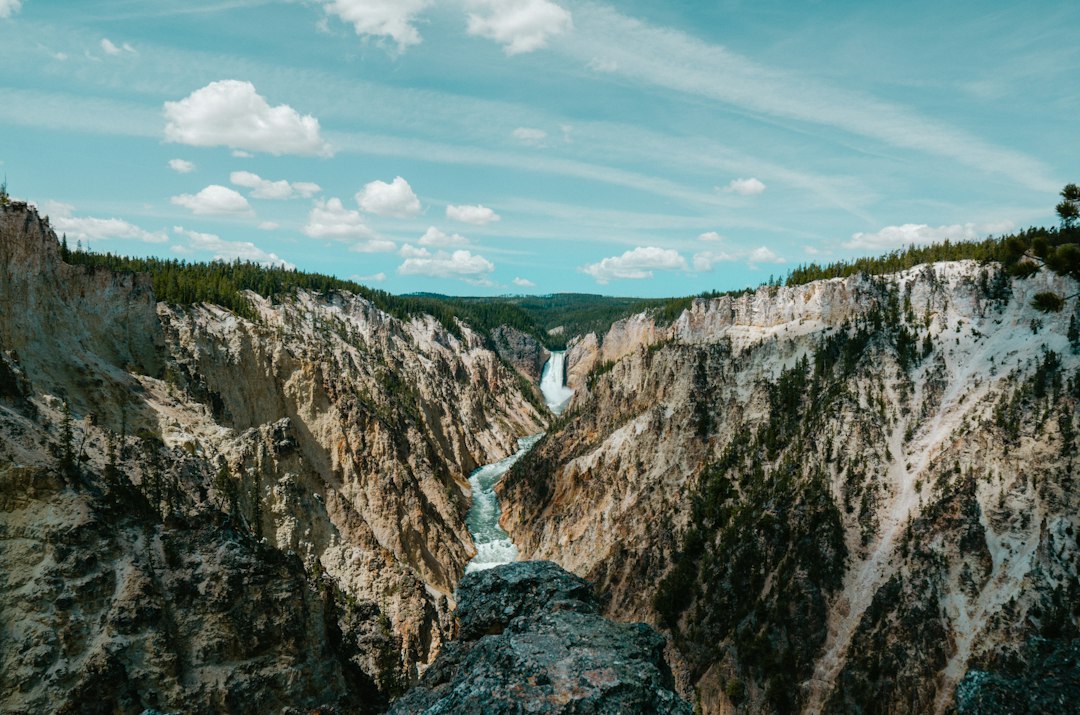
Day 5: Grand Canyon of the Yellowstone and Hayden Valley
The canyon is the scenic anchor today, with overlooks and trails showing the Yellowstone River dropping through colorful canyon walls. Pick viewpoints on both sides only if road and parking conditions make that easy.
Give the canyon a real half day
Choose one trail or a set of overlooks instead of driving continuously between parking lots. Elevation and steep grades can make short canyon walks more demanding than they appear.
Use Hayden Valley for wildlife time
Drive slowly through Hayden Valley and use legal pullouts when animals appear. Bison jams can add significant time, and I treat that as Yellowstone doing Yellowstone rather than an itinerary problem.
Stay at least 25 yards from most large wildlife and at least 100 yards from bears and wolves. If an animal changes behavior because of you, you are too close even if the minimum distance looks technically satisfied.
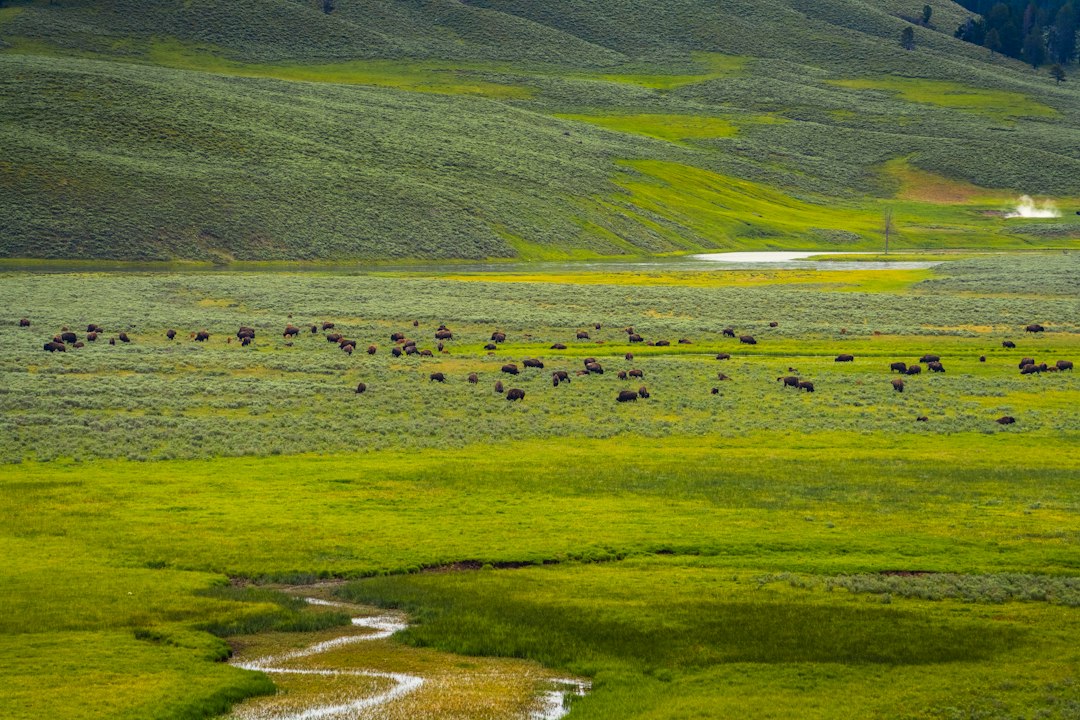
Day 6: Northern Yellowstone
Use today for Mammoth Hot Springs, Lamar Valley, or another northern area based on where you slept and current roads. Yellowstone is too large for a perfect universal loop, so this is where your lodging location should influence the plan.
Mammoth Hot Springs
The terraces look completely different from Old Faithful’s geyser landscape and make a useful change of pace. Walk only designated boardwalks and follow current closures.
Lamar Valley
If wildlife is your priority, spend a substantial block of time in Lamar rather than making it a quick drive-through. Binoculars or a spotting scope turn distant animals into a much better experience and help keep everyone safely away from them.
The road from the North Entrance through the northern park toward Cooke City is typically Yellowstone’s main year-round road, weather permitting. Other park roads are far more seasonal.
Day 7: Leave the Morning Open
Use the final morning for wildlife, a thermal stop you missed, or simply breakfast without an alarm. A flexible block is useful because Yellowstone regularly rearranges itineraries with traffic, wildlife, road work, and weather.
If you need to reach an airport several hours away, be conservative with your departure timing. A bison has no concept of boarding groups.
Where to Stay in Grand Teton
Jackson: best for restaurants, shops, and broader hotel choices. The tradeoff is additional driving into the park each morning.
Inside or immediately near the park: better if sunrise, wildlife, and reducing daily driving are priorities. Book early because convenient rooms disappear quickly.
Colter Bay or the northern park: useful if your next move is Yellowstone. Current lake levels and marina services can change, so check specific facilities if boating matters.
Where to Stay in Yellowstone
Old Faithful area: ideal for the geyser-basin day and evening boardwalk walks. It is not centrally convenient for every part of the park.
Canyon area: one of the better central bases for the canyon, Hayden Valley, and access in several directions. I like it for the middle of a week-long itinerary.
Mammoth or Gardiner: useful for the northern park and Lamar Valley. This can be a strong final base if you are leaving through Montana.
Yellowstone Road Closures Can Change Everything
Most Yellowstone roads close to regular vehicles during winter and reopen in stages in spring. In 2026, projected seasonal road dates extend from April into May for openings, with several high-elevation routes closing again in October.
Always check current road status rather than building your trip around a generic month. Even in summer, construction, wildlife, fires, snow, or accidents can create major delays.
Best Time for This Road Trip
Late spring
Wildlife can be excellent, but road openings and snow remain important variables. Do not assume every Yellowstone entrance or scenic road is available simply because a calendar says May.
Summer
Summer has the broadest access and the heaviest visitation. Start early, stay patient, and expect popular parking areas to fill.
September
September can bring cooler temperatures and fewer families, while wildlife activity remains excellent. Snow is still possible at elevation, and daylight shortens quickly.
What to Pack
- Warm layers even in summer
- Rain shell
- Binoculars
- Bear spray for appropriate hikes
- Plenty of water
- Offline maps
- Small cooler
- Sun protection
My road trip tips cover normal driving prep. Yellowstone is where I add binoculars to the front-seat essentials because seeing wildlife from a safe distance is infinitely better than joining a roadside crowd that keeps creeping closer.
One More Resource I Would Use Before the Trip
My road trip packing list covers the car basics, layers, and wildlife-viewing extras that are useful across both parks. For safe wildlife distances and behavior, I also review the National Park Service wildlife guidance before entering the parks.
My Favorite One-Week Split
For seven days and six nights, I would spend two nights in the Grand Teton area and four in Yellowstone, moving north on day three. A third Grand Teton night is a worthwhile eight-day extension, not part of this seven-day schedule.
The two parks belong together geographically, but they do not need to compete for your attention. Give the Tetons time to feel calm and Yellowstone time to be wonderfully unpredictable.