Wisconsin Great River Road: The Stops Worth Slowing Down For
Give me a river road with bluff views, a pie stop, and a town small enough to wander without a plan, and I am already reaching for the car keys.
Wisconsin’s Great River Road delivers all three, but the best version leaves time to get out of the car rather than collecting river towns through the windshield.
Four Days From Prescott to Wyalusing
This itinerary follows a selected northern and central stretch of Wisconsin’s Great River Road, starting in Prescott and finishing around Prairie du Chien and Wyalusing State Park. The full Wisconsin byway continues south through Grant County, including Cassville, Potosi, and the Kieler area; finishing this itinerary does not mean you have driven every mile.
- Day 1: Prescott, Stockholm, and Pepin; sleep near Lake Pepin or Alma.
- Day 2: Alma, Trempealeau, and Perrot State Park; sleep in La Crosse.
- Day 3: La Crosse and the southern river towns; sleep in Prairie du Chien.
- Day 4: Wyalusing State Park, then your journey home or a Grant County extension.
That is four days and three nights, with one substantial outdoor stop each day rather than an exhausting string of brief visits. The official byway guide is useful for the complete route and smaller communities between these anchors.
My Wisconsin road trips guide compares this region with other parts of the state. Choose the river when you want villages, bluff scenery, and short walks to be the trip itself, not just the spaces between big attractions.
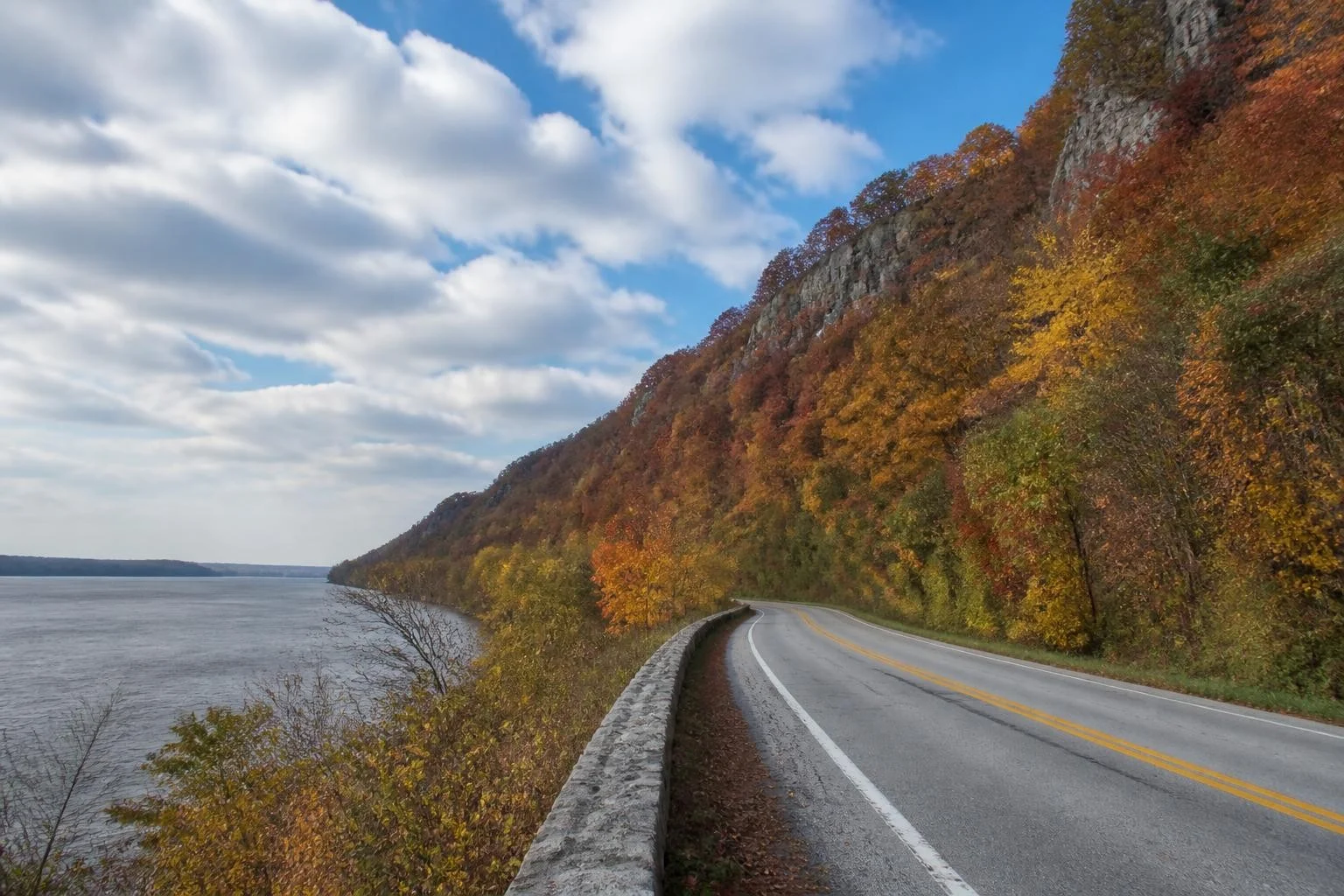
Day 1: Prescott, Stockholm, and Lake Pepin
Begin at Freedom Park and the Great River Road Visitor and Learning Center in Prescott. It gives you a useful introduction to the river corridor before you start following it south, with grounds and interpretive material rather than another anonymous roadside viewpoint.
Plan about an hour here as a starting allowance, then drive toward Stockholm with room for a safe, signed overlook stop. Keep your morning modest when you are also arriving from somewhere farther away; the approach drive still counts as part of the day.
Stockholm is the food stop to protect: Stockholm Pie offers pie and lunch, so you can make it more than a dessert pickup. Check the location and day’s menu, and preorder a whole pie when that is the reason for your stop rather than assuming your favorite will remain in the case.
Give the village another half hour for its small shops or a walk before continuing to Pepin. Tiny towns are enjoyable precisely because they do not require you to manufacture three hours of sightseeing.
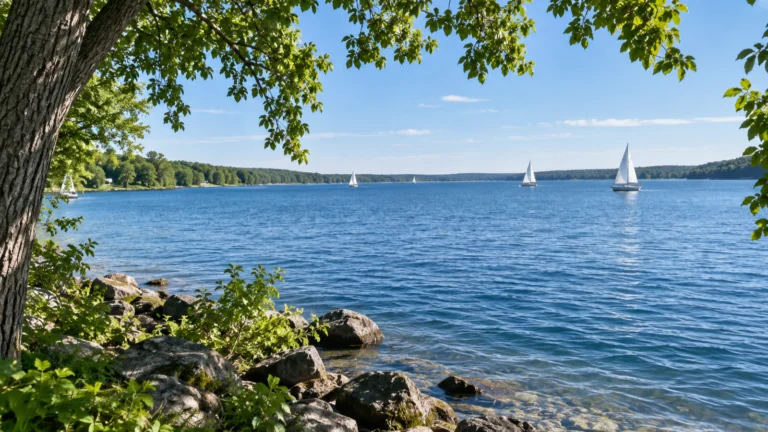
Finish beside Lake Pepin, the broad natural widening of the Mississippi. Choose lodging near Pepin or Alma based on where you can comfortably eat dinner and begin tomorrow, not on a promise that every room along the river has the same view.
Day 2: Alma’s Bluff View and Perrot State Park
Make Buena Vista Park the specific Alma stop, rather than simply asking your navigation app for an overlook. The bluff-top perspective is the reason to climb above town, and it works well as a shorter scenic pause before your main park visit.
Use the designated parking and paths, and save this stop for daylight and reasonable visibility. Give it roughly thirty to forty-five minutes in your plan, with more time only when the view earns it.
Continue toward Trempealeau and spend the main part of the afternoon at Perrot State Park. This is the day to choose between a real bluff climb and an easier riverside outing, not to discover halfway up a staircase that your group wanted the second option.
For the climb, Brady’s Bluff East starts at the Mounds parking lot near park headquarters and is listed as 0.7 miles one way. It is narrow and steep with steps; allow for the descent, wear shoes with traction, and leave a comfortable margin instead of treating that distance as the entire outing.
For less climbing, choose a short out-and-back on Riverview Trail or the half-mile Black Walnut nature loop. The Perrot trail descriptions distinguish the relatively flat routes from the bluff trails, while the current map helps you choose the correct starting lot.
Reserve two to three hours for one chosen walk, breaks, and park arrival, rather than promising every trail in a half day. Arrange the required vehicle admission before settling into sightseeing, and check closures after heavy rain or high water.
Stay in La Crosse, Then Give It a Morning
La Crosse is the practical second overnight, with a broader choice of food and lodging than the smaller river villages. A downtown location makes dinner and an evening walk easier after a park day.
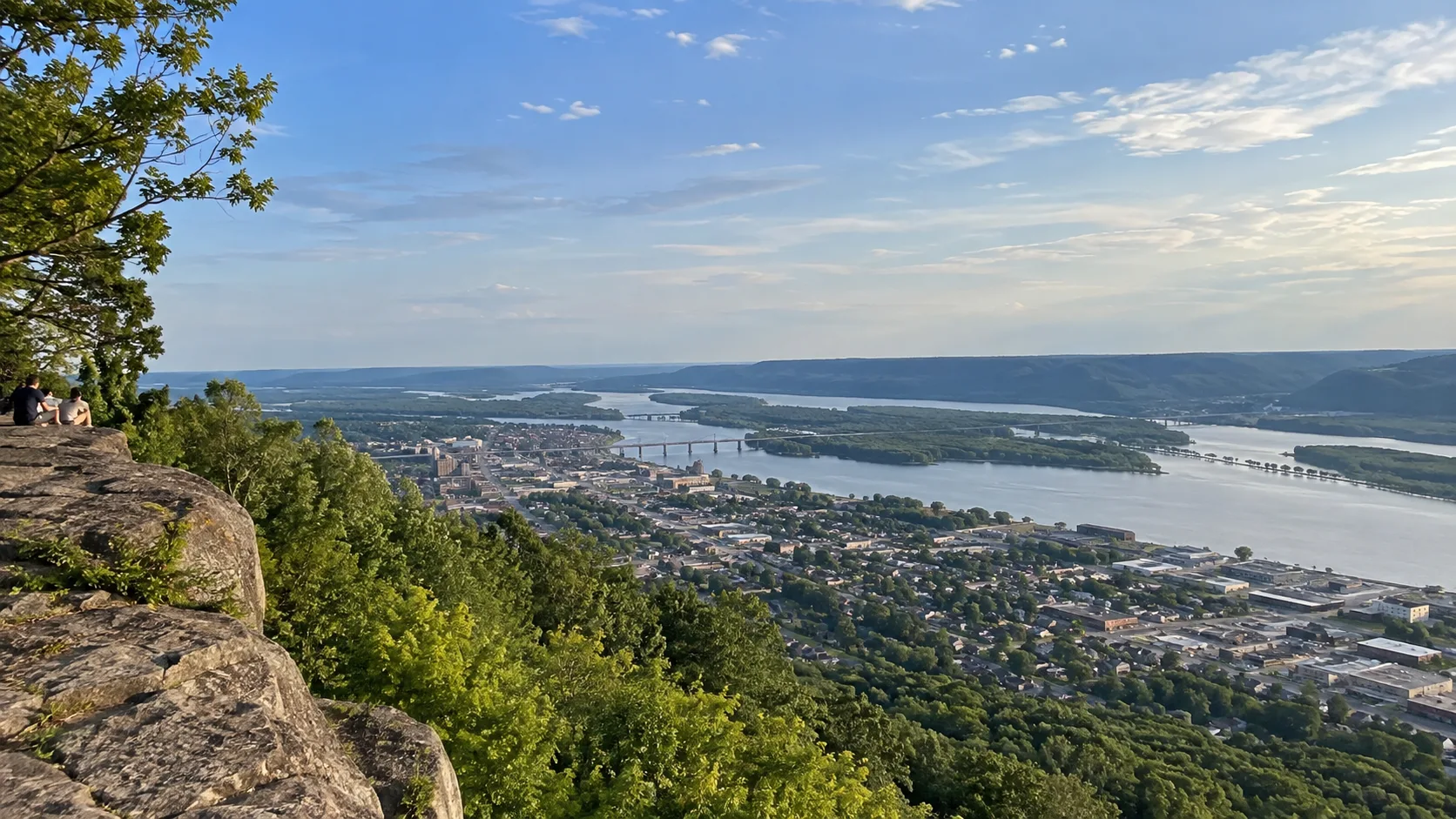
Choose Riverside Park for a river-level walk and Grandad Bluff for the wider valley view. They are different experiences, so doing both is worthwhile when the weather cooperates, but neither requires turning the morning into a frantic city tour.
Start day three with whichever view you missed the previous evening, then have breakfast before heading south. This is also a sensible place to replenish water, picnic supplies, or anything you need for the quieter section ahead.
Keep a reserved dinner in La Crosse separate from an ambitious sunset plan at an out-of-town overlook. A hotel you can walk back to is worth considering when the evening includes alcohol; choose a sober driver or arranged transportation for any meal that requires a drive.
Day 3: River Towns to Prairie du Chien
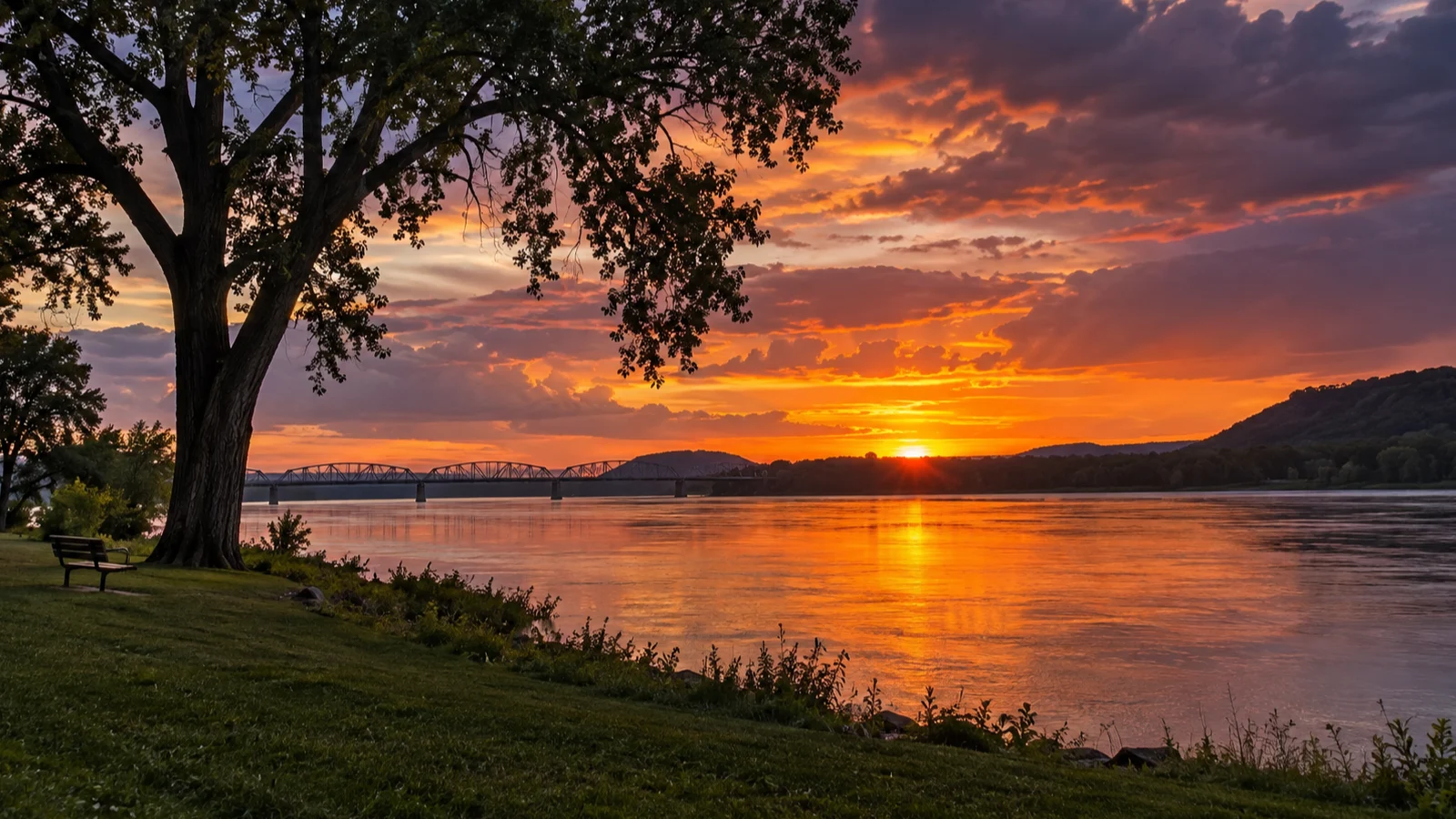
Continue south through the river corridor without trying to turn every town into a mandatory stop. Ferryville’s observation deck is a specific place to break up the drive and enjoy the river before reaching Prairie du Chien.
Choose a short waterfront pause plus one substantial history visit rather than several tiny museum stops. Villa Louis is the house-and-estate choice, while Fort Crawford Museum is a better match for a military and regional-history interest; verify the chosen property’s visitor schedule before committing the afternoon.
A history visit is optional, not a requirement that competes with the scenery. On a beautiful afternoon, a river walk and unhurried meal can be a better fit for someone who has already had a full day outside.
Sleep in Prairie du Chien tonight so Wyalusing is tomorrow’s main event rather than a last-minute stop before a long drive home. Confirm breakfast and checkout arrangements when an early trail start matters.
Day 4: Wyalusing Before the Drive Home
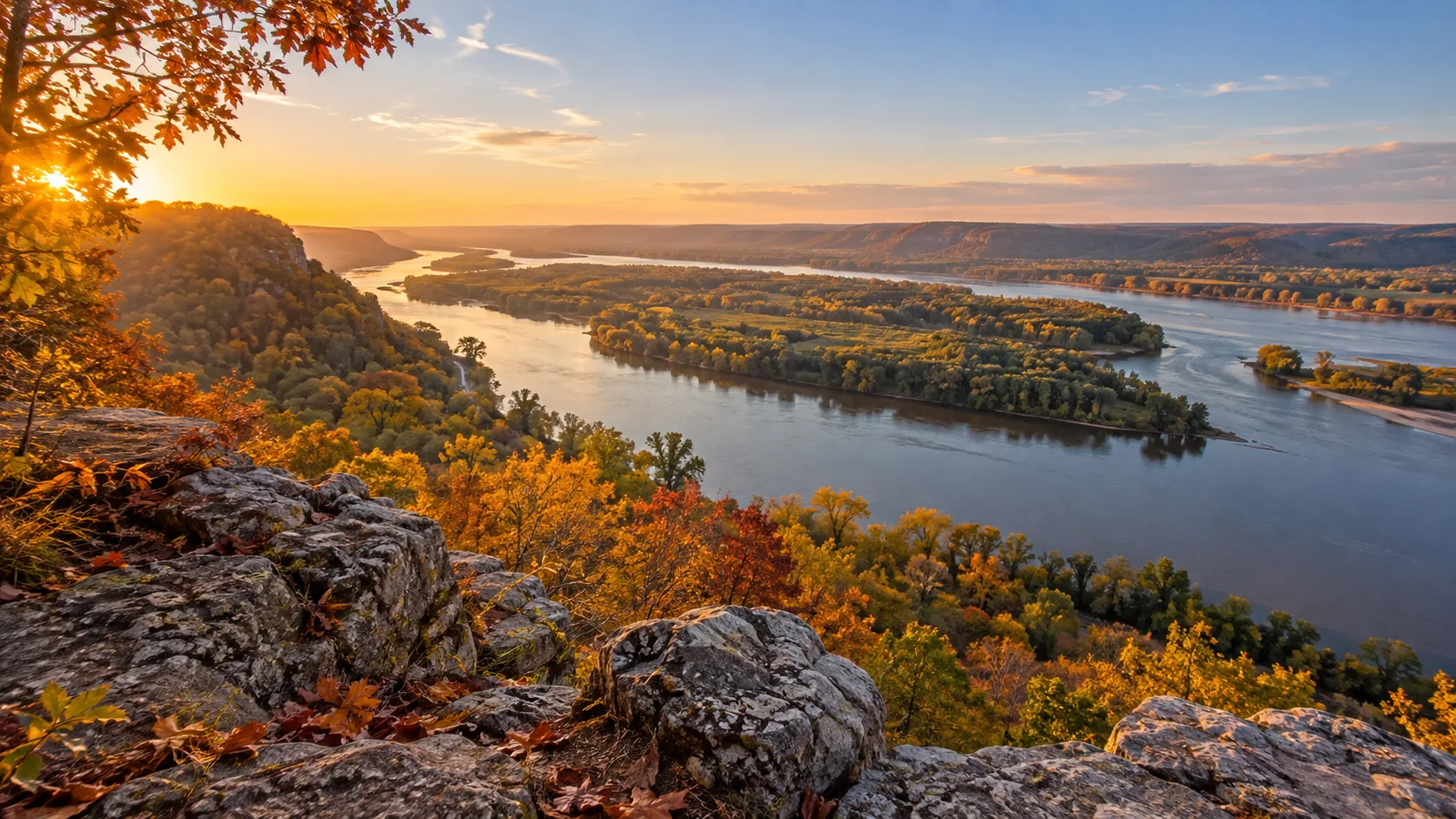
Wyalusing provides a satisfying finish above the Wisconsin and Mississippi rivers. Start with the viewpoint area, then choose your walk from the actual terrain rather than assuming a short mileage means an easy trail.
The Sugar Maple Trail is a listed 1.5-mile loop, while the Sentinel Ridge system includes a wide, level upper loop and a much steeper descent toward the river. Use the Wyalusing trail guide to distinguish those options before setting out.
Give the park a morning when possible, with enough time left for your real onward journey. Wet leaves, loose gravel, and exposed bluff edges deserve care, and staying behind barriers matters more than improving the angle of a photograph.
Driving Time: Plan the Legs, Not Just the Miles
As planning allowances rather than live traffic estimates, budget roughly one to two hours of driving from Prescott through Stockholm to Pepin or Alma, around two hours for the Alma-to-La Crosse day with the Perrot approach, and about one and a half to two hours from La Crosse to Prairie du Chien. The short trip from Prairie du Chien to Wyalusing needs its own allowance for the park road and parking.
Those windows do not include walks, meals, viewpoints, bridge detours, or construction waits. Check the exact roads and conditions through Wisconsin 511, then add your departure-day drive before deciding when to leave the park.
My road trip tips explain the difference between a realistic driving day and a list of optimistic map estimates. On this route, the nice problem is how often you will find a reason to stop.
Three-Day and Five-Day Alternatives
For three days and two nights, keep the Lake Pepin and La Crosse overnights, then choose either Prairie du Chien town time or a shorter Wyalusing visit on the final day. Do not promise the full history-and-hiking version plus a lengthy drive home in the same afternoon.
For five days, add an overnight farther south and explore the Grant County continuation, or keep the original bases and add a cross-river visit. That is more enjoyable than inventing another hotel move solely because the trip is a day longer.
Wabasha is the natural Minnesota detour for an eagle-focused visit, but decide on that before booking your first night. A border crossing between these states is simple; the time for a museum program and a return drive still belongs in your itinerary.
Season, Packing, and the Small Details
Build spring trips around current water levels and open trails, summer trips around outdoor stops and comfortable overnight bases, and fall trips around the actual color rather than one supposedly perfect weekend. A winter version should favor shorter driving days and town-based stops instead of assuming the same trails and small businesses operate normally.
Pack layers, comfortable shoes, binoculars, a small cooler, and downloaded directions. My car packing list covers the practical essentials without filling the trunk with equipment you will never use.
Choose lodging by the evening you want and the next morning’s destination, and confirm parking, stairs, and meal options before booking a historic property. The best room is not always the one with the most dramatic description; it is the one that makes the trip easy to enjoy.
This is a river road, not a completion challenge. Give the bluff walk, the pie stop, and the unexpected view enough room, and the four-day plan becomes something much better than a drive from one end of a map to another.