One Day in Dubuque, Iowa: A Mississippi River Itinerary
Dubuque announces itself vertically: riverfront warehouses below, blufftop streets above, and a tiny cable car connecting the two.
This Mississippi River itinerary starts with that signature view, then pairs it with local food and one substantial museum or outdoor experience so the day feels complete instead of overfilled.
Is one day enough for Dubuque?
Yes, as long as you arrive early and make one deliberate choice for the afternoon. Plan to spend at least eight active hours in Dubuque so the river views, downtown, lunch, and a major museum or outdoor area do not feel squeezed together.
Dubuque is roughly 90 miles from Madison, or about 1 hour 40 minutes by car in normal conditions, which makes this a long but manageable day trip from the city. If you are already staying in Dubuque, use that extra time for a slower breakfast, a second neighborhood, or an earlier start at the museum.
The payoff is a destination that feels different from southern Wisconsin without requiring an overnight stay. River views, steep bluffs, historic neighborhoods, industrial architecture, public art, and a strong museum give you several distinct versions of Dubuque in one compact trip.
This itinerary is more substantial than several places in my Wisconsin day-trip guide. Travelers arriving from farther away should allow a full day including transportation, while overnight visitors can follow the same order at a more relaxed pace.

Who this Dubuque itinerary is best for
Dubuque is a particularly good fit for couples, friends, families with school-age children, river-history fans, and travelers who like pairing one ticketed attraction with an outdoor walk. It also gives mixed-interest groups a useful choice between an aquarium and museum or trails and bluff views.
I would not choose this day for someone who dislikes early starts, long drives, hills, or making one hard afternoon choice. Travelers who want nightlife or a leisurely dinner should stay overnight and use Dubuque as part of a broader Upper Midwest road trip.
What to know before starting this itinerary
Aim to reach downtown Dubuque by about 8:45 a.m. if you want the full plan without rushing dinner. Check the local forecast because fog, storms, snow, and riverfront wind can change a pleasant overlook day into one that needs a museum-first backup.
Carry small bills for the Fenelon Place Elevator because the operator does not accept debit or credit cards. Download or screenshot parking and trail information before you go, then confirm seasonal attraction hours on the morning of the trip.
The city has steep terrain, and two places that look close on a flat map may be separated by a demanding hill. Treat downtown walking, the riverfront, and the bluff-top attractions as separate zones instead of assuming you can casually stroll between all of them.
Where to park in Dubuque
For the elevator and downtown morning, use a legal street space or a city parking ramp and check the posted rules. The city’s official parking page lists meter enforcement and ramp locations, including options near Bluff Street and the downtown core.
City ramp rates are generally easier to understand than circling for the perfect curb space, and a ramp removes the pressure of a short meter when your morning runs long. Save the address or entrance you used because downtown hills can make the return route look surprisingly different.
The National Mississippi River Museum and Aquarium has its own riverfront setting, while Mines of Spain and Eagle Point Park require separate drives. Group each zone’s activities together and move the car only when the itinerary actually changes neighborhoods.
The perfect one-day Dubuque itinerary
8:45 a.m.: Arrive near the Fenelon Place Elevator
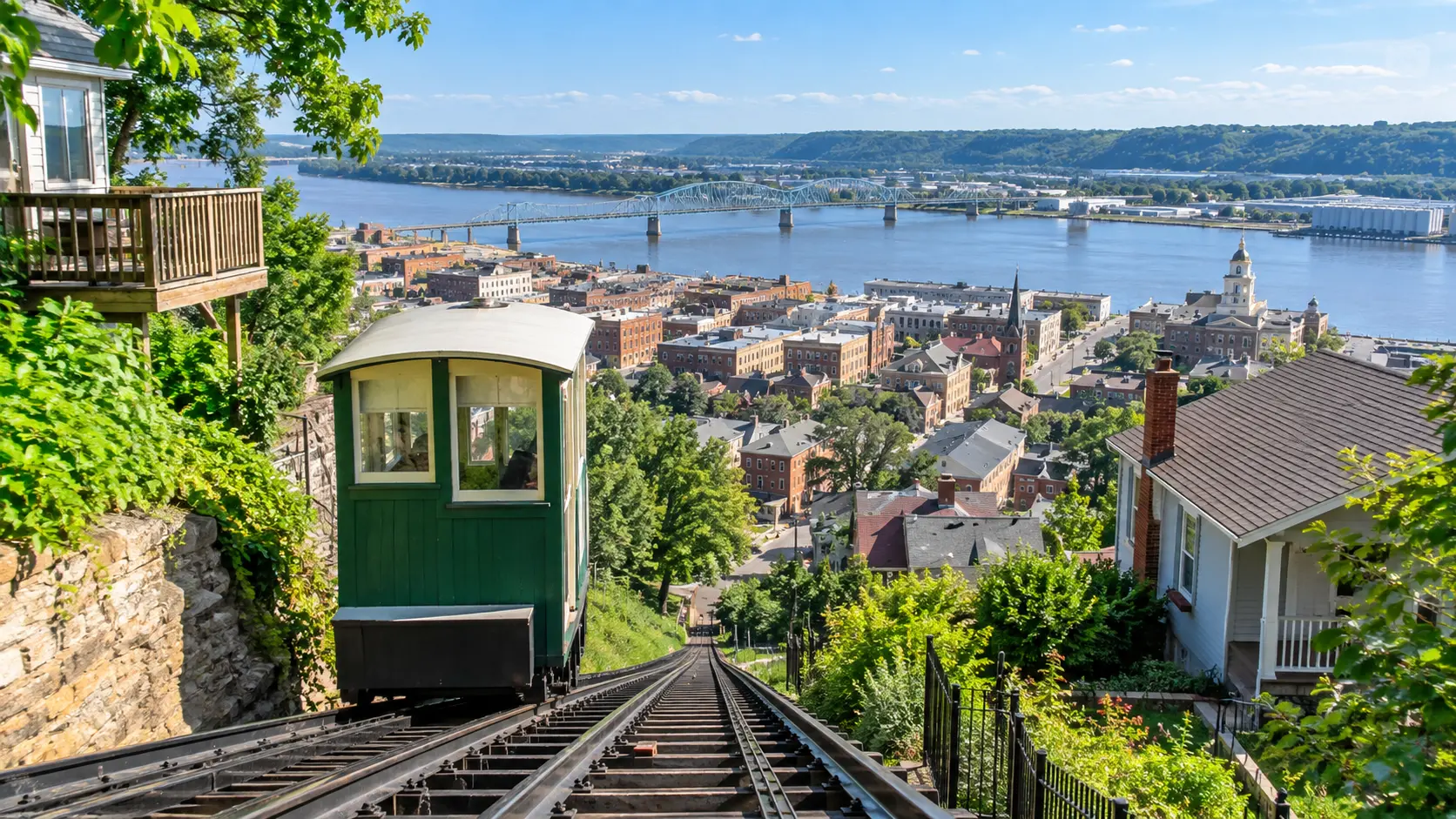
Begin at the Fenelon Place Elevator, also called the Fourth Street Elevator. Its short cable-car ride links the lower Fourth Street area with a bluff-top neighborhood and delivers an immediate view over downtown, the Mississippi River, and the surrounding tri-state landscape.
The official site currently lists seasonal operation from spring through late fall, with adult round-trip fares of $4 and payment collected in cash at the top. Confirm those details before the trip because weather, maintenance, and seasonal schedules can override a normal operating day.
Allow about 45 minutes for the ride, views, and photos, even though the actual trip is brief. The elevator is a signature Dubuque experience, but it is not a half-day attraction.
If it is closed, use that time for an unhurried downtown walk and plan on Eagle Point Park later for the elevated river view. Do not wait outside for an uncertain reopening when the rest of the city is ready to explore.
9:45 a.m.: Walk downtown and look for murals
Spend the next hour around Main Street and nearby blocks, using public art as a loose route rather than a scavenger hunt. Murals, historic facades, small businesses, and the transition toward the Historic Millwork District show that Dubuque is more than a scenic river overlook.
Keep looking up because much of the architectural detail sits above modern storefronts. At the same time, watch the pavement and grades, especially in wet or icy weather.
A coffee, bakery item, or piece of local candy can fit here, but avoid turning the morning into several snack stops. The afternoon’s main attraction needs at least two to three hours, and Dubuque rewards travelers who protect that time.
One friend and I once turned a “quick” mural loop into a full hour because we kept spotting another flash of color at the next intersection. It was one of the best parts of the day, but it also taught me to treat public art as the morning activity instead of pretending it takes no time.
11:30 a.m.: Have an early lunch downtown or in the Millwork District
On Saturday or Sunday, L.May Eatery on the historic 1000 block of Main Street is my first choice for locally sourced comfort food, with plenty of gluten-free, vegetarian, and vegan options. On a weekday, River Rock Kitchen & Tap at 450 Main is a convenient stop before the riverfront, with seasonal American dishes and local draft beer.
L.May currently limits lunch to the weekend, while River Rock covers weekday lunch, so they make useful backups for each other across the week. Anyone with a serious allergy should still speak with the restaurant directly about preparation and cross-contact.
I would budget about an hour and skip alcohol until the day’s driving is finished. Anyone getting behind the wheel later deserves an easy afternoon and evening, regardless of how far away the hotel or home may be.

12:45 p.m.: Choose the River Museum or Mines of Spain
This is the decision that makes the itinerary realistic. The museum gives you climate-controlled exhibits and family-friendly depth, while Mines of Spain gives you trails, geology, and broad river views.
Trying to do both properly in one afternoon usually creates an expensive museum sprint followed by a rushed hike. Choose one as the main event, then add a short riverwalk or overlook if energy and daylight remain.
My sister and I once tried to squeeze both choices into the same afternoon, and we spent more time checking the clock than looking at the river. The museum deserved our attention and the trail deserved daylight, so I have been firmly on team “pick one” ever since.
Option A: National Mississippi River Museum and Aquarium
The National Mississippi River Museum and Aquarium is the better choice for families, cold or rainy days, and travelers who want both natural and human river history. Its campus includes aquariums, live-animal displays, vessels, and exhibits about the Mississippi River system, so two to three hours is a reasonable minimum.
This is the day’s largest expense, and the museum sells multi-day admission even when you only have one day. Check current ticket options before arriving, then decide whether the breadth of the campus justifies the price for your group.
Do not save the museum for its final admission window. A late arrival leaves too little time to understand the exhibits and can make the ticket feel poor value even though the problem was the schedule.
Option B: Mines of Spain Recreation Area
The Mines of Spain State Recreation Area is the better choice for hikers, photographers, and anyone who has already spent the morning indoors. Iowa DNR lists more than 15 miles of trails through bluff, woodland, prairie, and historic landscapes.
For a day trip, choose one zone instead of driving to every trailhead. The Julien Dubuque Monument provides the classic river overlook, while Horseshoe Bluff emphasizes dramatic geology and the interpretive-center area offers gardens, information, and accessible trail options.
Iowa DNR identifies the John and Alice Butler Trail and the Horseshoe Bluff area as accessible options, but conditions can still affect outdoor surfaces. Contact the recreation area when step-free access, trail width, restrooms, or hunting activity will determine whether the outing works for you.
Wear real walking shoes, carry water, stay on marked paths, and respect any seasonal closure. Hunting occurs in parts of the recreation area, so review posted notices rather than treating this as an urban park.
4:00 p.m.: Walk the Mississippi Riverfront
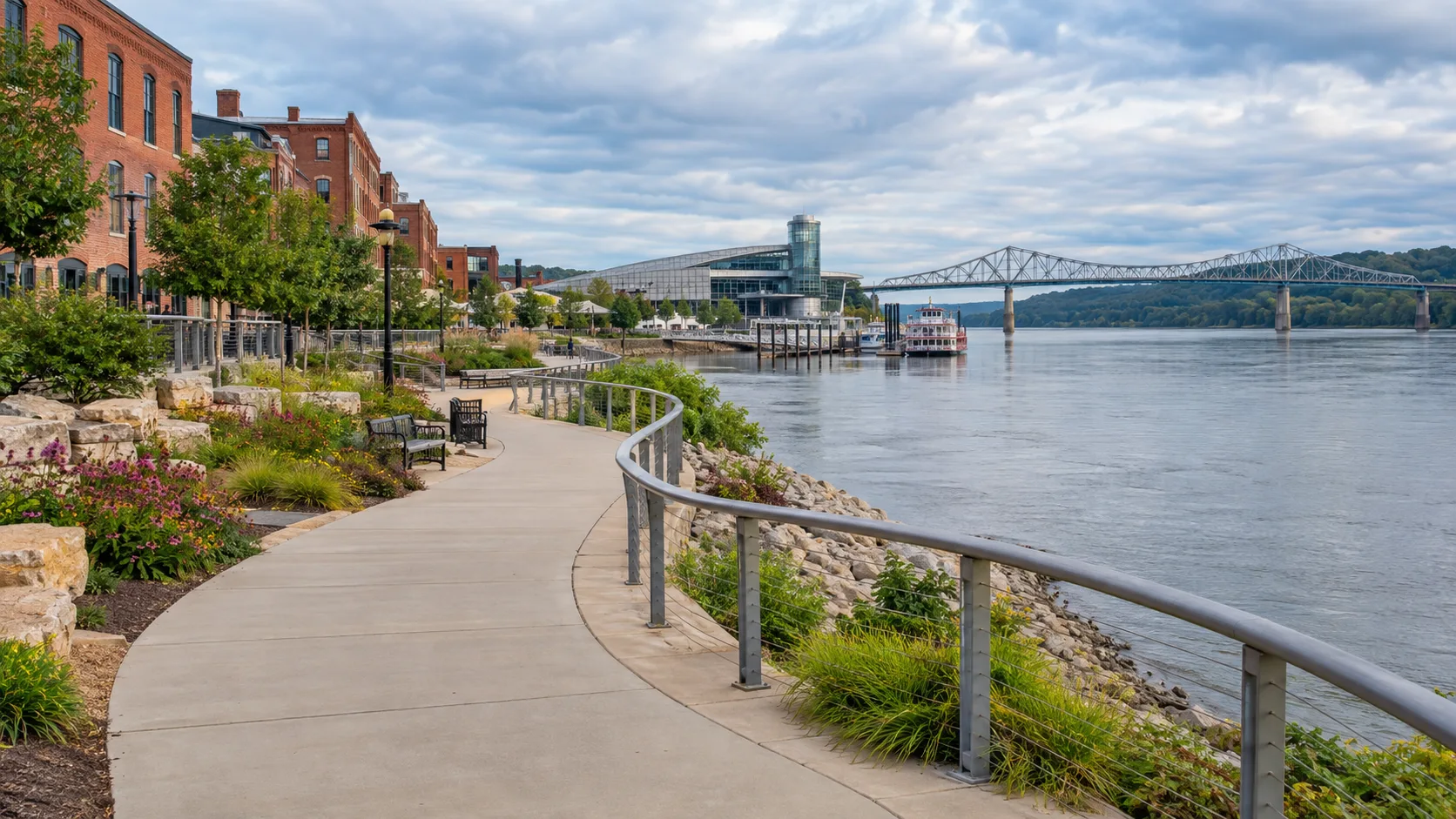
After the museum, walk a section of the riverfront near the Port of Dubuque and enjoy the open view at ground level. After Mines of Spain, treat this as optional because you have already spent the afternoon outside and may prefer a direct dinner stop.
The riverwalk is valuable precisely because it does not need a ticket or a long time commitment. Twenty to 40 minutes is enough to reset before dinner and see how the city’s public spaces meet the river.
On a breezy evening with friends, the river wind grabbed a paper napkin from our snack bag and sent four adults shuffling after it like a very slow relay team. The open water can feel much cooler than downtown, so the light layer in my bag finally earned its place.

5:00 p.m.: Add Eagle Point Park only if time allows
Eagle Point Park overlooks the Mississippi River and Lock and Dam No. 11 from the north side of the city. The city lists a small per-car admission charge and seasonal or posted hours, so check the gate status before making the drive.
Add the park when skies are clear, daylight is generous, and your group still wants another overlook. Skip it after a long museum visit, in poor visibility, or when it would push dinner too late for an enjoyable finish.
This is also a strong substitute for the elevator if the cable cars are closed. You do not need both elevated views for the day to feel complete.
6:00 p.m.: Eat dinner and wrap up the day
If you stay for dinner, Brazen Open Kitchen in the Millwork District is the destination meal, with a locally sourced scratch menu that changes with the season. L.May is the cozier comfort-food alternative, while tired travelers should save the meal for their next stop instead of forcing a late reservation.
Before leaving downtown, refill water, use a restroom, and check the route to your lodging or next destination for weather or construction. Rural darkness and wildlife demand more attention than the same roads do in daylight.
What I would skip with only one day
Skip trying to complete both the River Museum and Mines of Spain in the same afternoon. Each is more rewarding when it gets the time the other would steal.
I would also choose either the Fenelon Place Elevator or Eagle Point Park if the schedule tightens, since both provide an elevated river view. The day needs one memorable overlook, not a race between every high point in town.
- Both major afternoon options: Choose the River Museum or Mines of Spain, not a rushed version of each.
- A full city mural checklist: A focused downtown loop shows the character without consuming the morning.
- Multiple bluff viewpoints: The elevator, Julien Dubuque Monument, and Eagle Point Park overlap enough that you do not need all three.
- A distant Field of Dreams detour: It belongs on a separate regional itinerary, not a focused one-day Dubuque plan.
- A late start in Dubuque: Attraction hours will squeeze out the parts that justify the trip.
Accessibility, children, and dogs
The River Museum is the simplest anchor for many travelers who need predictable indoor access, though you should review its current accessibility information for specific sensory, mobility, or service-animal needs. City ramps can also reduce the stress of searching for curb parking downtown.
The Fenelon Place Elevator is historic infrastructure with physical constraints, and steep neighborhood streets surround it. Contact the operator before the trip if boarding, steps, seating, or a mobility device will determine whether you can ride.
Children usually get the most from the elevator plus the River Museum, while teens who like hiking may prefer Mines of Spain. Bring snacks and avoid promising several attractions when the museum alone can hold a family’s attention for much of the afternoon.
A dog-friendly version should favor Mines of Spain, outdoor downtown walking, and confirmed pet-friendly patios. Museums and some attractions will not admit pets, so my pet-friendly travel planning guide can help you judge whether leaving the dog at home creates the better day.
Off the Beaten Path: Local Finds Most Visitors Miss
Dubuque Shot Tower: The 1856 tower rises more than 120 feet near Commercial Street and the Mississippi River, where lead shot was once manufactured by dropping molten material through its tall shaft. Treat it as a short exterior stop from the riverfront, use legal Port of Dubuque parking, and do not expect interior access or try to cross barriers around the structure.
Dubuque Arboretum and Botanical Gardens: This volunteer-built, 56-acre garden holds more than 60 types of gardens and is free to enter, making it an excellent quiet alternative to another ticketed attraction. Most garden areas are wheelchair accessible, but the visitor center has separate hours, pets are prohibited except service animals, and on-site events can make parking busier than the peaceful setting suggests.
I once added the arboretum after a loud, crowded morning with friends, and ten minutes beside the Japanese garden changed the entire mood of the day. It is my preference for plant lovers and anyone who needs breathing room, but it sits away from downtown and deserves at least an hour rather than a frantic photo stop.
Mathias Ham Historic Site: Near Eagle Point Park, this seasonal property groups a historic home with several structures connected to early Dubuque life. Guided tours run on a narrow seasonal calendar with a last-tour cutoff, so verify the schedule before driving north and choose it instead of, not in addition to, a full River Museum visit.
St. Luke’s Tiffany windows: St. Luke’s United Methodist Church at 1199 Main Street preserves a remarkable collection of Tiffany stained-glass windows in a still-active place of worship. Visit only during a posted tour, open-house period, or a time confirmed with the church, use a nearby legal downtown space, and never interrupt worship or assume the sanctuary is open because the front door is visible.
The Shot Tower fits naturally after the riverwalk, while the other three require a deliberate swap in the itinerary. Pick the arboretum for gardens and calm, Mathias Ham for a focused history tour, or St. Luke’s when its access window happens to align.
How much does a day in Dubuque cost?
The low-cost version includes fuel, parking, the inexpensive elevator fare, meals, and a free outdoor afternoon at Mines of Spain. The museum version costs substantially more because admission is the main paid attraction, especially for a family.
Check official prices before leaving and budget separately for candy, souvenirs, or an extra coffee. A clear plan keeps small purchases from quietly costing more than the attraction you came to see.
Frequently asked questions
Can you do Dubuque without a car?
You can explore downtown and the riverfront without moving a car, but visits to Mines of Spain or Eagle Point Park are much easier with one. The city’s hills also make walking time a poor measure of effort.
Should you choose the River Museum or Mines of Spain?
Choose the River Museum for families, bad weather, live-animal exhibits, and deeper Mississippi River interpretation. Choose Mines of Spain for hiking, geology, bluff scenery, a smaller budget, and a day that feels primarily outdoors.
When is the best time for a Dubuque day trip?
Late spring through fall gives you the easiest combination of elevator operation, open parks, riverfront walking, and long daylight. Winter can still support a museum-centered trip, but outdoor access and transportation plans require more flexibility.
What should you bring?
Bring cash for the elevator, walking shoes, water, a weather layer, sun protection, and a phone charger. Add trail shoes, insect repellent, and a downloaded map when choosing Mines of Spain.
My final one-day Dubuque recommendation
For a first visit, ride the elevator, walk downtown, eat an early lunch, then devote the afternoon to either the River Museum or Mines of Spain. Add the riverwalk or Eagle Point Park only when it naturally fits the weather and your energy.
That plan captures the city’s defining river, bluff, history, and downtown elements without making the day feel like a race. Dubuque earns its place among the most distinctive regional city getaways, even when you cross the state line for only a few hours.