Governor Dodge State Park from Madison: Hikes, Lakes and Visitor Guide
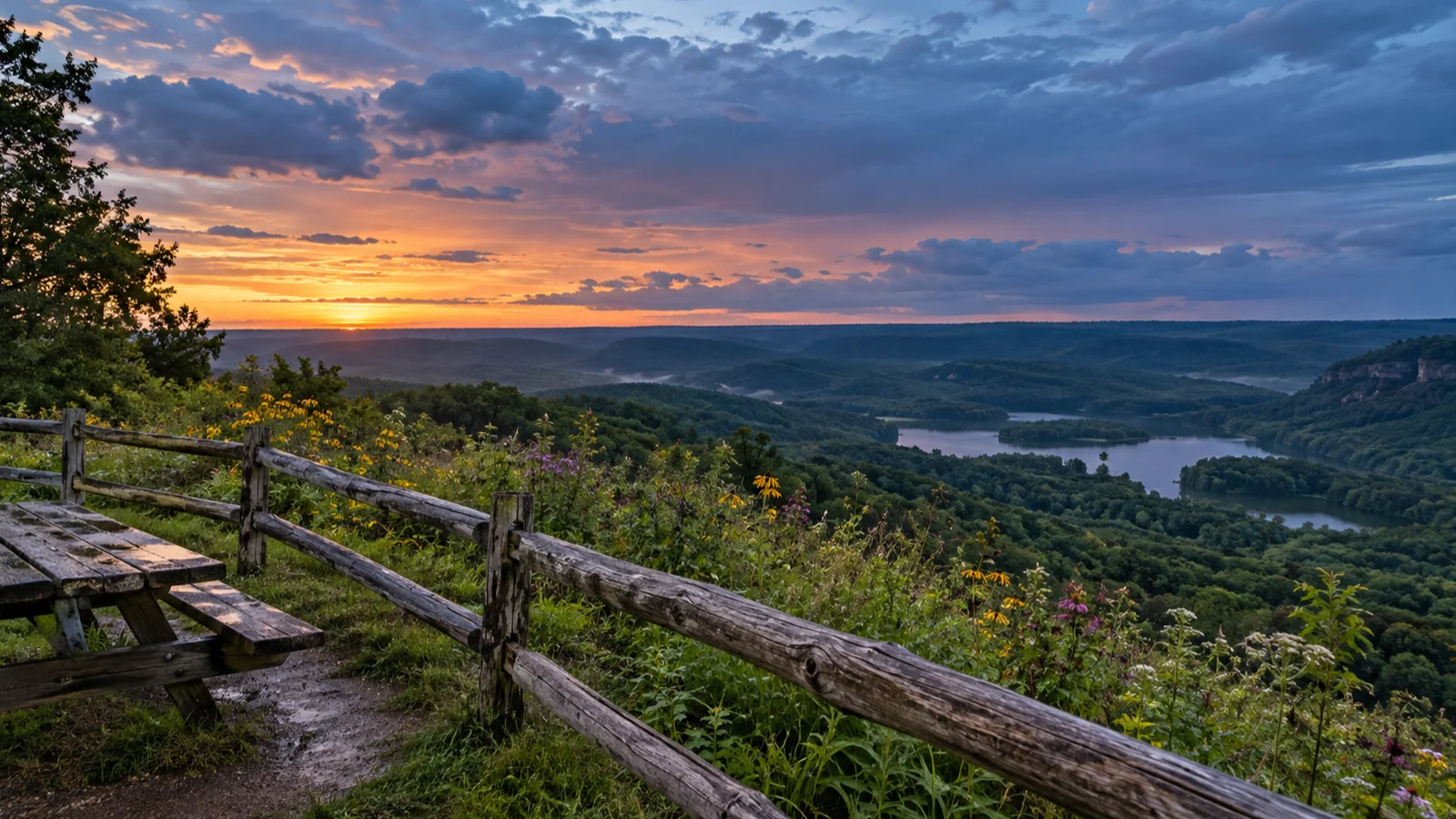
Governor Dodge is the rare state park where a waterfall, two lakes, open prairie, and shaded canyon trails can all compete for your afternoon.
I would plan around one real hike and one lake, and this guide will help you choose both without spending the day zigzagging across the park.
Is Governor Dodge State Park worth visiting?
Yes, especially when you want more space and trail variety than a city park can offer without committing to a full wilderness weekend. The park sits just north of Dodgeville in Wisconsin’s Driftless landscape, and most visitors should allow six to eight hours to experience it without rushing.
From Madison, the drive takes roughly an hour in normal conditions, so the park works especially well as a day trip. Travelers staying in Dodgeville or elsewhere nearby can use the same plan with a later arrival or a slower finish.
Governor Dodge State Park covers more than 5,000 acres, with steep hills, wooded valleys, two lakes, and a waterfall. That size is the main reason to come, but it is also the reason visitors waste time trying to see too much.
The ideal visit has three anchors: Stephens’ Falls, one hike matched to your ability, and either Cox Hollow Lake or Twin Valley Lake. Dodgeville then gives you a practical meal and a small-town finish before you continue to your lodging or next stop.
If hiking is the entire point of your trip, compare the trail options here with my guide to southern Wisconsin hikes. Governor Dodge is the better choice when your group wants several possible activities instead of one famous trail.
Who will love this park?
The park is a strong fit for hikers, paddlers, families who like beaches and picnics, couples looking for an active day, and dog owners willing to follow park restrictions. Mixed-ability groups also benefit from being able to separate for a harder trail and reunite at a lake or picnic area.
I would pick another outing for anyone who wants a completely step-free waterfall experience, guaranteed food service, or a day built around indoor attractions. The overlook above Stephens’ Falls is accessible by a paved route, but reaching the lower falls involves stone steps and uneven ground.
This is also not the day to break in new shoes or discover that your group has very different definitions of a “short hike.” Choose the route before arriving and agree on a backup for heat, storms, mud, or tired legs.
Admission, hours, and preparation
The park is open year-round from 6:00 a.m. to 11:00 p.m., but facilities, concessions, rentals, beaches, and trail uses vary by season. Check property notices and conditions shortly before leaving rather than assuming a normal summer setup.
A Wisconsin state park vehicle admission pass is required. The DNR admission page explains daily and 12-month options, different rates for Wisconsin and out-of-state plates, and ways to buy a pass online or at participating properties.
Buying before arrival can simplify the morning, but keep proof of purchase as directed. Vehicle admission does not automatically cover separate rentals, concessions, camping, or any activity that requires its own trail pass or license.
Download the park map, pack more water than you expect to drink, and bring lunch unless you have confirmed food service. Cell coverage and on-site hours should never be the only things standing between your group and a safe, comfortable day.
Where to park inside the park
Governor Dodge is too large for one central parking space to serve every activity. Use the signed lot at each area, beginning with Stephens’ Falls if it is one of your priorities, then move to the trailhead or lake you have chosen.
Save your parking location on your phone or photograph the nearest sign before hiking. Several roads, picnic areas, trail crossings, and lake lots can look similar when you return tired.
Popular lots can fill on warm weekends and peak fall days, so an early start is useful even when the park itself opens long before most visitors arrive. Never create a roadside space or block a gate when a trailhead lot is full.
How to build your Governor Dodge State Park visit
Start at Stephens’ Falls
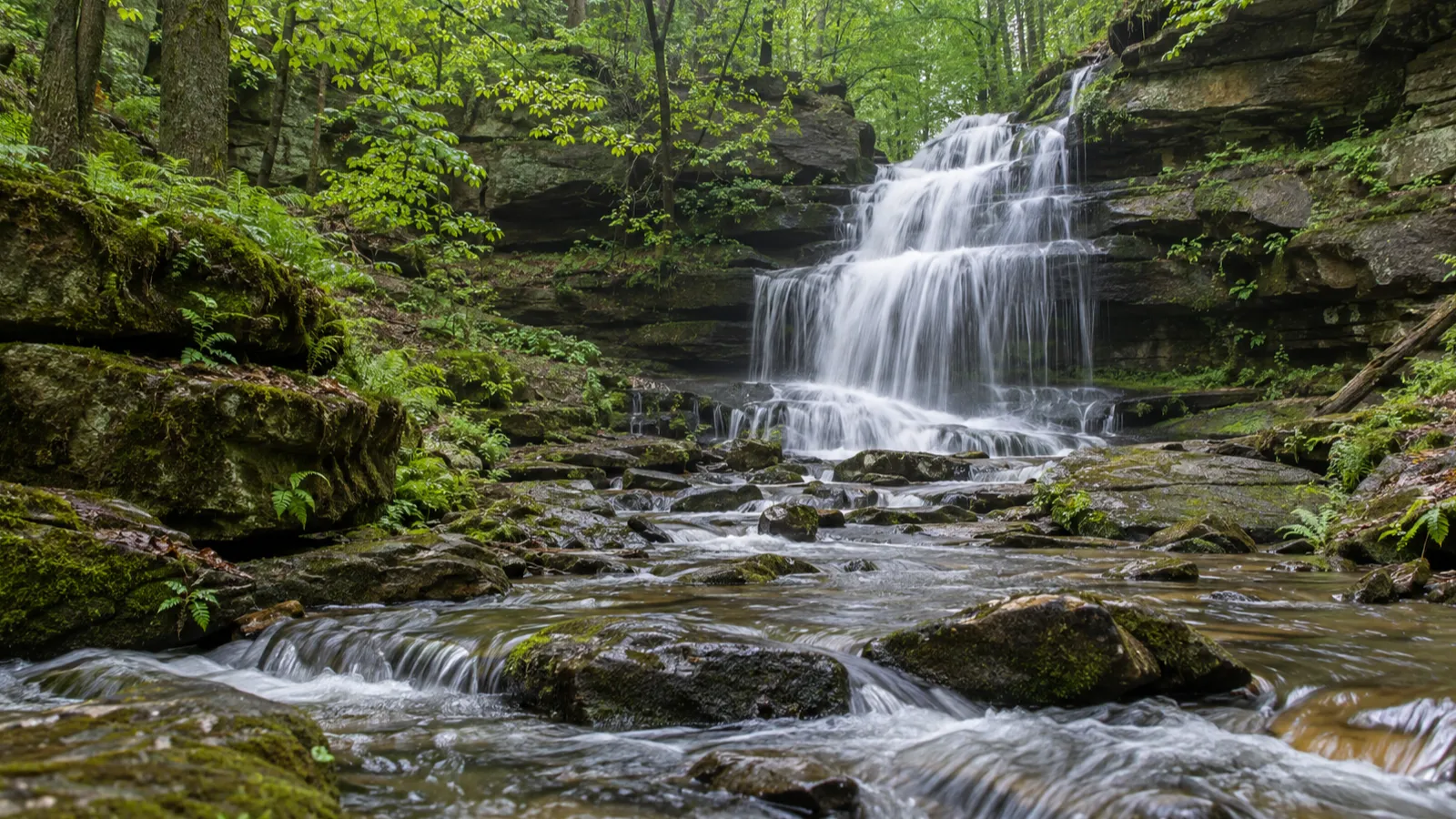
Go to Stephens’ Falls first because the small area feels more peaceful before the busiest part of the day. The DNR’s official trail descriptions identify a half-mile route past the falls, rock outcrops, ferns, and a stream.
A 10-foot-wide paved path runs about a quarter mile to an overlook above the waterfall, with accessible parking at the trailhead. Reaching the lower falls and continuing on the trail requires stone steps and uneven terrain, so the two experiences are not physically equivalent.
Water volume changes with recent precipitation, and the falls may look gentler during dry periods. Enjoy the shaded rock setting for what it is that day rather than expecting the same flow shown in a dramatic spring photo.
Stay on the trail and keep children away from slippery edges and moving water. A waterfall stop is never improved by climbing onto wet rock for a closer photograph.
My sister and I visited after a wet spell when the ferns looked almost fluorescent and the lower path was slick enough to slow us down. The waterfall was beautiful, but the muddy knees in our first photo are a better reminder than any map to wear shoes with real traction.
Choose one real hike
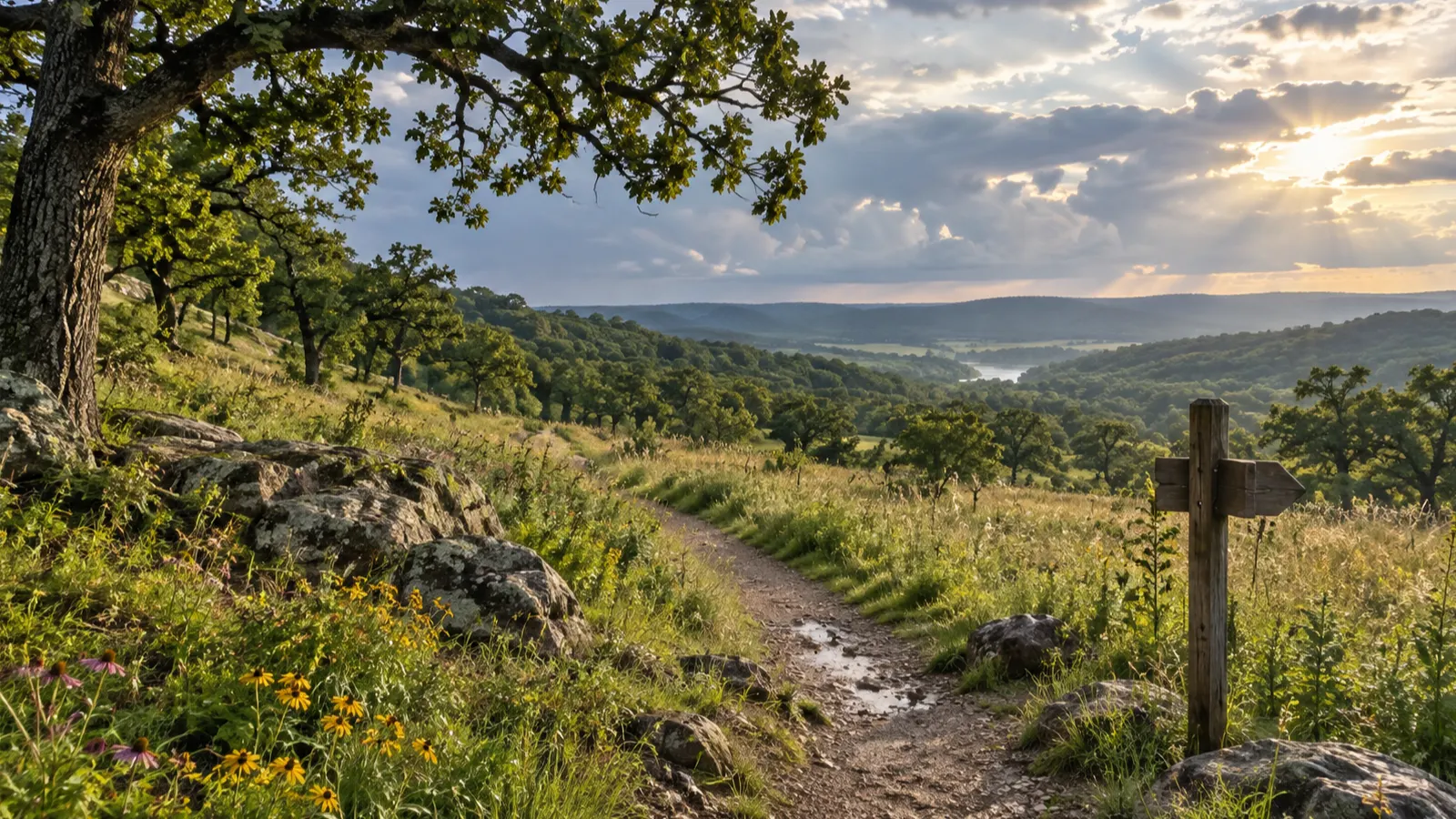
After the falls, select a trail that matches your group’s actual energy. Governor Dodge maintains nearly 40 miles of trails, and the official descriptions are useful because mileage alone does not reveal steep grades, steps, rocks, or shared-use sections.
Choose Lost Canyon Trail for the classic wooded hike. This three-mile loop begins near the Stephens’ Falls area, includes several steep grades, and enters the scenic canyon fed by the falls.
Choose Lakeview Trail for a shorter lake-centered loop. The 1.25-mile route starts near Cox Hollow Beach and includes woods, hills, a secluded valley, and a view of Cox Hollow Lake.
Choose Mill Creek Trail when you want more distance and two-lake scenery. Its 3.3-mile loop includes several steep grades but has many level sections, with views toward both Cox Hollow and Twin Valley Lakes.
Choose Pine Cliff Trail only if steps, rocks, and steep grades sound appealing. The main trail is 2.5 miles, and an additional interpretive loop can extend the outing, so it is not the easy scenic choice its name may suggest.
I would not combine two substantial loops on a first visit unless everyone specifically came to hike and trained for the distance. One well-chosen trail leaves room for lunch, the lakes, and Dodgeville without making the afternoon feel like recovery.
My brother and I once chose Lost Canyon because three miles sounded easy, then reached the steepest stretch while debating who had eaten the last trail snack. We finished laughing, but it permanently cured me of judging a Driftless hike by mileage alone.

Plan a picnic in the park
A packed lunch is the most efficient choice because leaving the park at midday interrupts the visit and can mean another admission check when you return. Bring food that survives a warm car only when stored safely in a cooler, plus extra water and a bag for trash.
Choose a designated picnic area near the lake you plan to use next. If your group needs a guaranteed hot meal, skip the lake return after lunch and make Dodgeville the afternoon base instead.
Seasonal concessions can be convenient, but do not depend on them without checking current operations. Weather, staffing, and time of year can all change whether rentals or food are available.
Pick Cox Hollow or Twin Valley Lake
Both lakes have swimming beaches, bathhouses, and boat launches, and neither beach has a lifeguard. The DNR’s water-recreation page also notes that only electric motors are permitted.
Choose Cox Hollow Lake for the more conventional beach-and-concession afternoon. It connects naturally with Lakeview Trail and includes a designated pet swim and pet picnic area near the human swimming beach.
Choose Twin Valley Lake for the accessible kayak launch. The universal launch includes an accessible route, transfer bench, handrails, and guides that help move a boat into the water.
Rentals are seasonal and most reliable in the main summer period, with more limited availability in spring and fall. Call ahead when paddling is central to the trip, or bring your own legal, properly equipped craft and required personal flotation devices.
Swimmers should stay within their abilities and supervise children continuously because no lifeguard is present. Check posted water conditions, beach notices, and weather before entering either lake.
Add a short walk only if it still sounds fun
If the group still has energy, use a brief signed path near your lake rather than driving across the park for another headline trail. The half-mile Gold Mine connector is relatively flat, but parts are shared with horses and it makes sense only when it fits your existing route.
Leaving after the lake is often the smarter choice, particularly with children or after Lost Canyon. A good park visit should end before sore feet, hunger, or heat turn the final hour into a test of patience.
Use Dodgeville as a practical add-on
Dodgeville sits only a few miles south of the park and gives you the meal that is difficult to guarantee inside it. The Dodgeville Area Chamber of Commerce maintains current business and dining information, which is more reliable than choosing from an old restaurant list.
Look around North Iowa Street and the historic downtown area for casual dining, pubs, local shops, and a cheese stop, then verify the individual business’s hours. Small-town kitchens can close earlier or take midweek breaks, so keep a backup near your lodging or along the route to your next stop.
A 30-minute downtown walk is enough if you already spent most of the day on your feet. Dodgeville is the practical finishing note, not a second full destination squeezed into the evening.
After one fall hike, a friend and I reached Dodgeville with leaves stuck to our socks and absolutely no interest in pretending dinner was optional. That warm meal did more for the day than another rushed viewpoint would have, which is why I now protect time for the town instead of treating it as an afterthought.
What to skip on a day visit
- Both lakes: They offer similar core activities, so choose the one that best matches your trail, pet, or access needs.
- Several long trails: The park’s size makes mileage add up quickly, and steep grades cost more time than the map suggests.
- Leaving for lunch and returning: Pack a picnic or make the park portion end when you drive to Dodgeville.
- Waterfall rock scrambling: Slippery stone and changing flow make the photo opportunity a poor trade.
- A full Dodgeville sightseeing plan: Save deeper local history and extra shopping for a separate small-town outing.
Accessibility at Governor Dodge
The paved quarter-mile route to the overlook above Stephens’ Falls and accessible trailhead parking create a useful waterfall option, but the lower falls trail includes steps and uneven terrain. Describe the route accurately to your group so nobody expects the paved overlook to continue to the base.
Twin Valley’s universal kayak launch can make paddling more approachable for some visitors. Bathhouses and designated accessible facilities still vary in location, so contact the park for the best current parking and restroom plan when access will determine the day.
Natural-surface trails change with rain, snow, erosion, roots, and seasonal maintenance. A route described as relatively flat is not necessarily smooth, paved, or wheelchair accessible.
Can you bring a dog?
Dogs can join you in permitted outdoor areas when leashed and managed under Wisconsin State Park rules, but they are not allowed everywhere people can go. Cox Hollow has a designated pet swim and picnic area, which makes it the easier lake choice for a dog-centered day.
At Cox Hollow’s pet swim, one of my Aussiedoodles charged into the lake while the other planted all four paws and stared at me as if water had never been part of our agreement. That split decision is why I plan dog days around the least enthusiastic swimmer.
Carry waste bags, extra water, and a towel, then check posted restrictions at beaches, buildings, and trails. My pet-friendly trip planning guide can help you decide whether the temperature, hike, and meal plan make bringing a dog fair to everyone.
Off the Beaten Path: Local Finds Most Visitors Miss
Cave Trail and Thomas’ Cave: This hilly, gray-marked trail is a one-mile extension of Meadow Valley Trail, with Twin Valley Lake views and a route near the large rock shelter locals call Thomas’ Cave. Use the official map to calculate the full distance from your chosen trailhead, stay on the marked path, and ignore suggestions to climb through rock openings or enter closed areas.
Uplands Trail: Beginning about a quarter mile northeast of the park office, this 2.5-mile loop moves through rolling prairie, woods, and the edge of an agricultural field. It suits hikers who want quieter variety more than a waterfall payoff, and my preference is a cool morning because the open sections can feel much warmer than the shaded canyon trails.
A friend and I once heard wild turkeys before we saw another hiker on Uplands, then spent the next mile whispering as if the birds had requested library rules. Wildlife is never guaranteed, but the trail’s mix of open and wooded habitat gives patient walkers a different park experience from the busy lake areas.
The Military Ridge connector: A surfaced access trail links Governor Dodge with the 40-mile Military Ridge State Trail just east of County Highway Z. It is useful for experienced cyclists or walkers who want a short rail-trail segment, but check whether your activity requires a state trail pass, park only in a legal designated area, and do not attempt a long out-and-back late in the day.
Dodge Mining Camp Cabin: At 205 East Fountain Street in Dodgeville, this small 1827 cabin connects Henry Dodge and the area’s lead-mining beginnings to the name on the park entrance. The interior is open by appointment through the Iowa County Historical Society, so arrange access ahead, respect the residential setting, and treat an exterior look as a brief history stop rather than permission to wander around private neighboring property.
Choose one of these finds, not all four. Cave Trail adds geology, Uplands adds quiet habitat, Military Ridge suits wheels or a level change of pace, and the cabin works for travelers who want the park’s name to mean more than a sign.
Best season to visit Governor Dodge
Late spring through early fall offers the fullest combination of hiking, picnicking, swimming, and possible rentals. Summer weekends are also busiest, so arrive early and build the day around shade, hydration, and water safety.
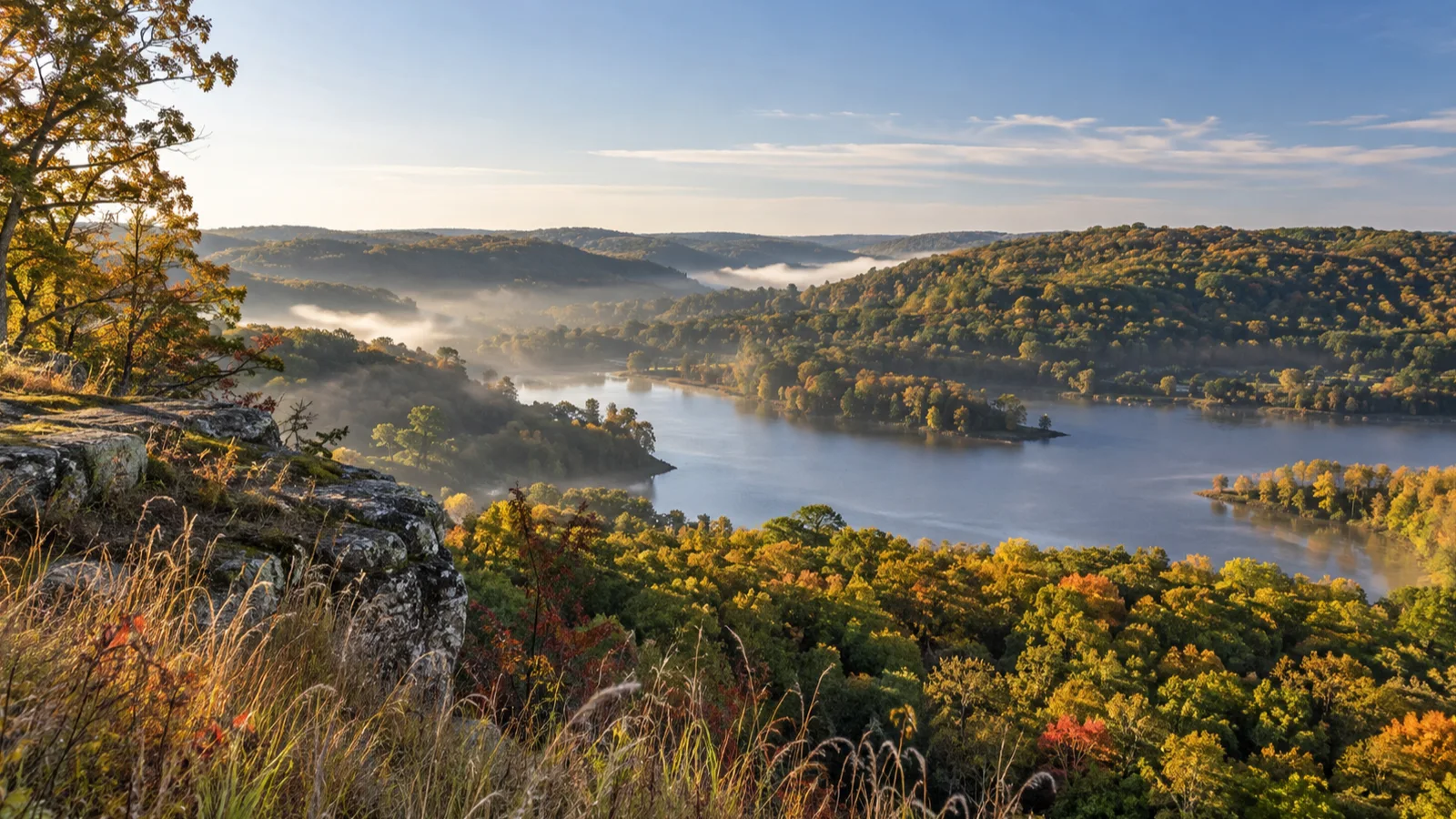
Fall is excellent for hiking and color, but leaf season can fill parking areas and shorten daylight. Winter supports hiking, snowshoeing, skiing, and other seasonal recreation, though snow-covered ski trails are closed to hiking and require a different plan from this warm-weather guide.
Spring can bring strong waterfall flow and fresh green scenery, along with mud and slick trails. Check conditions instead of assuming every path is ready because the road and parking lot are clear.
What to bring
- Downloaded park map and proof of vehicle admission
- Supportive trail shoes with traction
- Water for every person and pet
- Picnic lunch in a cooler plus snacks
- Sun protection and insect repellent
- Swimsuit, towel, and dry clothes if using a beach
- Personal flotation devices and required gear if bringing a boat
- Rain layer and an extra warm layer outside midsummer
- Waste bags and a leash for dogs
- Phone charger and a basic first-aid kit
Frequently asked questions
How much time do you need at Governor Dodge?
Plan on six to eight hours for Stephens’ Falls, one hike, a picnic, and one lake. Four hours can cover the waterfall and a short trail, but it will not deliver the full park-and-Dodgeville day promised here.
Which trail is best for a first visit?
Lost Canyon is the strongest choice for hikers comfortable with a three-mile loop and steep grades. Lakeview is better for a shorter outing tied to Cox Hollow, while the paved Stephens’ Falls overlook serves travelers who need a more accessible, limited-distance option.
Can you swim at Governor Dodge?
Yes, designated beaches sit on Cox Hollow and Twin Valley Lakes, with bathhouses nearby. There are no lifeguards, so check posted conditions and supervise children closely.
Should you eat in Dodgeville before or after the park?
Eat afterward when possible because an early park arrival improves parking and trail conditions, and a restaurant dinner gives everyone something to look forward to after hiking. If you need a substantial breakfast, eat before entering but still carry a picnic lunch.
My final Governor Dodge recommendation
For a first visit, arrive early, see Stephens’ Falls, hike Lost Canyon or Lakeview, eat a picnic, and spend the afternoon at the lake connected most naturally to your route. Finish with a casual meal and short downtown walk in Dodgeville.
That combination gives you the park’s defining waterfall, wooded terrain, and water without pretending one day can cover 5,000 acres. It is an easy addition to the active, scenic options in my best Wisconsin day trips and a much better day when you leave two-thirds of the trail map for next time.