14 Australia Landmarks: A Regional Trip-Planning Guide
Australia’s headline landmarks sit across a continent, not along one convenient sightseeing loop. Choose one or two regions, fly between distant bases when time is tight, and use this list to build a trip that includes actual mornings and meals rather than an impressive relationship with airport security.
How to choose your Australia landmarks
A first trip often works best with Sydney and the Blue Mountains, Melbourne and the Great Ocean Road, or Cairns and the northern Great Barrier Reef. Uluru, Kakadu, Western Australia, and Tasmania each require a separate flight or a much longer overland plan.
One week belongs to one region, while two weeks can combine two well-connected areas with a domestic flight. Three or four weeks opens more possibilities, but it still does not make the Kimberley, Tasmania, tropical Queensland, and the Red Centre neighbors.
Except for Australian and New Zealand passport holders, travelers generally need the correct visa before arrival. Check nationality-specific requirements through the Australian government’s official entry page before buying nonrefundable plans.
New South Wales and the Australian Capital Territory
1. Sydney Opera House and Harbour Bridge
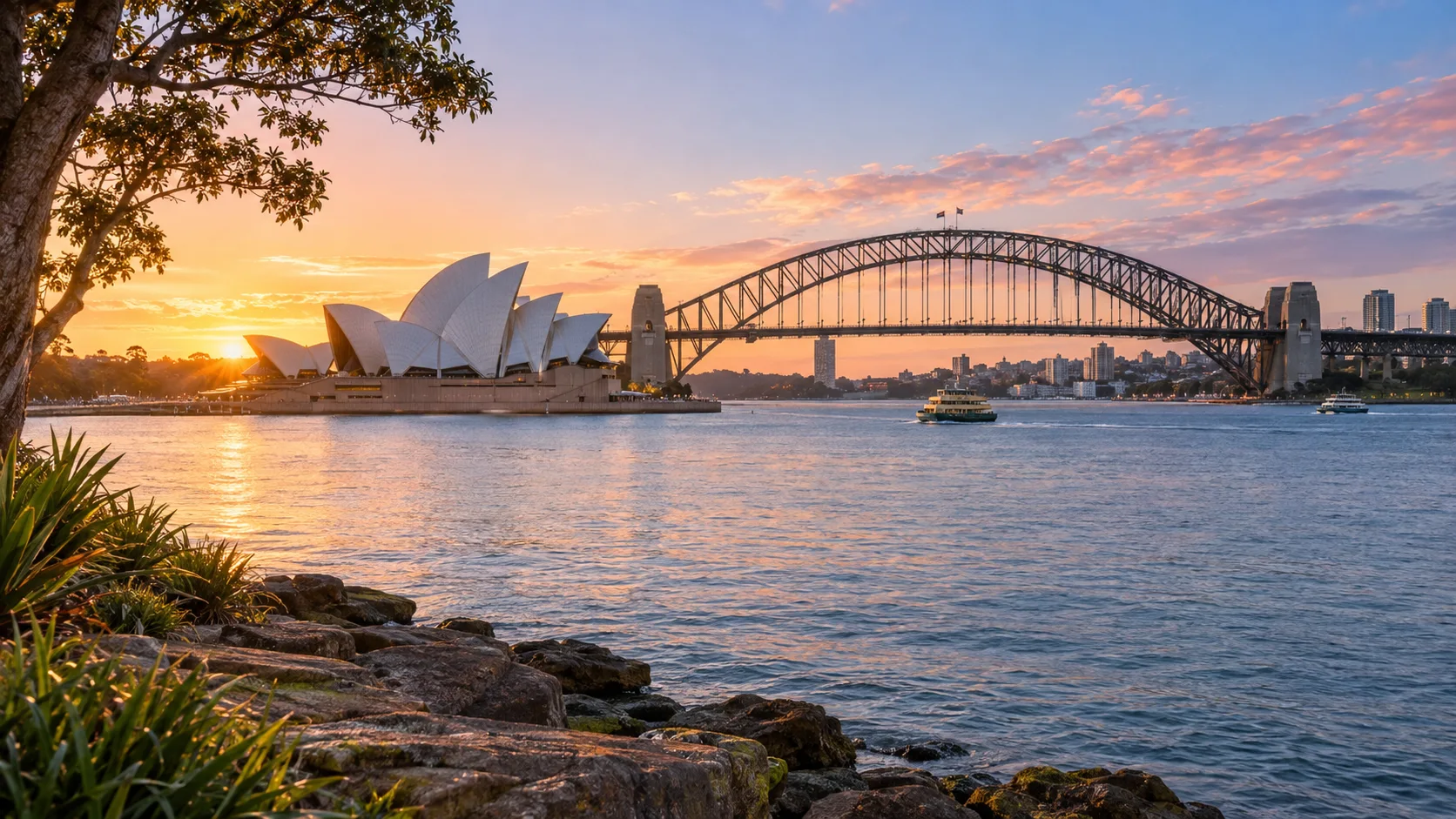
The Sydney Opera House, Harbour Bridge, Circular Quay, and harbor ferries form Australia’s most recognizable urban scene. Walk from the Rocks around Circular Quay to the Opera House, then see the skyline from a public ferry for a fuller experience than a hurried photograph of two rooflines.
A performance or Opera House tour needs advance booking, while a bridge climb is a separate commercial activity with its own clothing, weather, age, and health rules. Travelers arriving by ship can compare Sydney with other gateways in our Carnival cruise-port overview, but must confirm the terminal shown on their own itinerary.
2. Blue Mountains
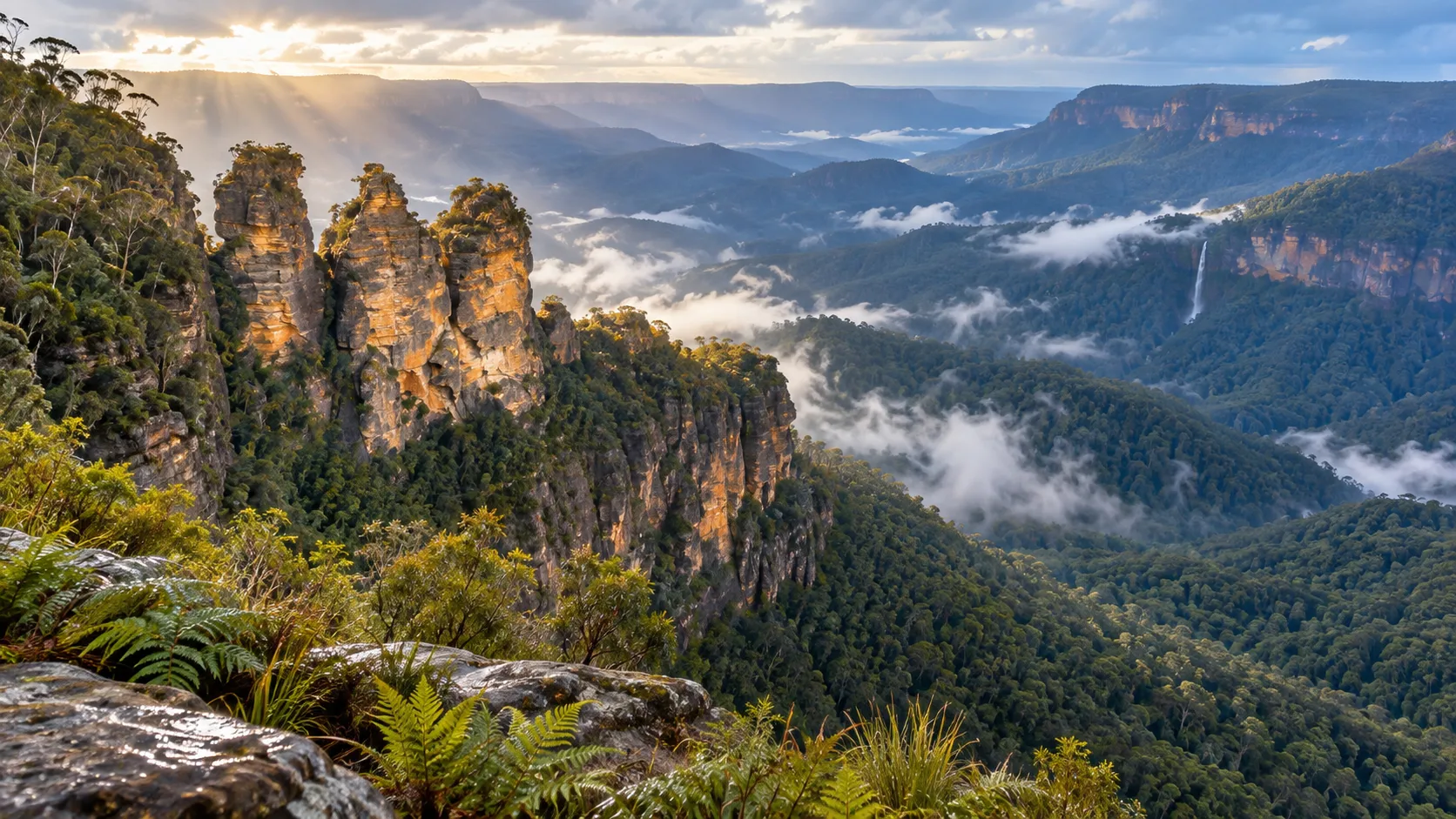
West of Sydney, the Blue Mountains combine sandstone cliffs, deep valleys, waterfalls, eucalyptus forest, and towns such as Katoomba, Leura, and Blackheath. Echo Point and the Three Sisters are the familiar introduction, but one well-chosen walk gives the landscape more meaning than seven lookout car parks.
Trains make Katoomba possible without a car, although reaching dispersed trailheads then requires local buses, tours, taxis, or substantial walking. As checked September 4, 2026, several roads and tracks remain affected by repairs and damage, so use the current NSW Parks alerts before choosing a hike.
Mist, heat, fire danger, wind, and wet-weather damage can change the day, and cliffs need proper barriers rather than creative posing. Stay overnight if hiking matters because the mountains are much more than Sydney’s unusually large backyard.

3. Parliament House, Canberra
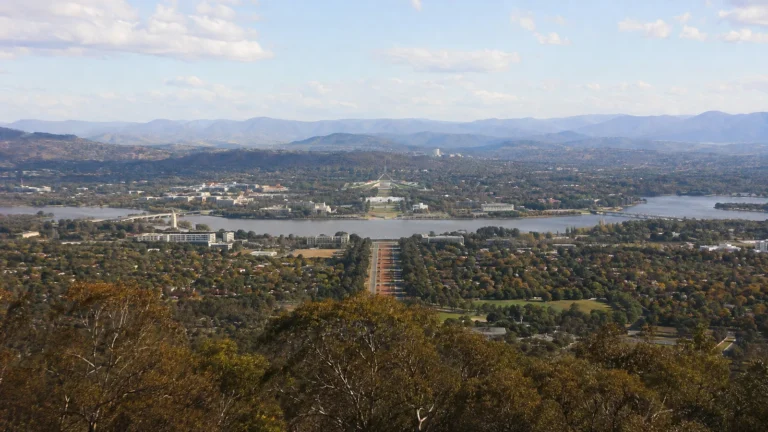
Canberra’s Parliament House sits beneath a broad grass-covered roof on Capital Hill, aligned with Old Parliament House and the Australian War Memorial. Public areas, art, architecture, and parliamentary proceedings offer a built-landmark counterpoint to the country’s famous coastlines.
Opening hours, security screening, sitting days, tours, and access can change with official business. Pair it with the national museums and Lake Burley Griffin using this Canberra trip planner instead of treating the capital as a roadside restroom between Sydney and Melbourne.
Victoria
4. Great Ocean Road and the Twelve Apostles
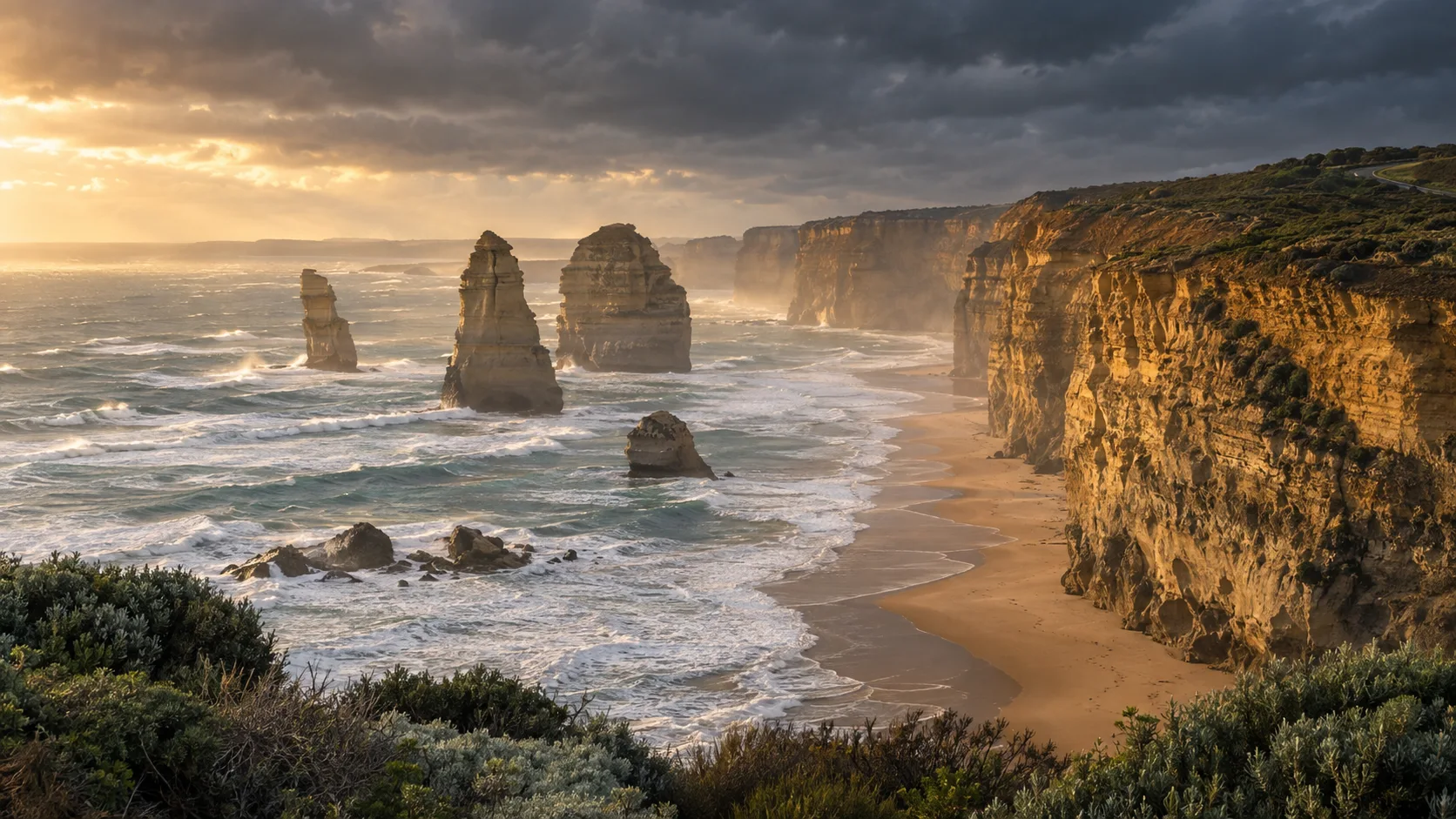
The Great Ocean Road runs about 151 miles from Torquay to Allansford through surf towns, forest, farmland, and a dramatic limestone coast. The Twelve Apostles are the best-known sea stacks, but Loch Ard Gorge, London Bridge, and coastal walking keep the journey from becoming one crowded platform.
A same-day round trip from Melbourne is possible, yet it creates a long day and very little room for stops. Spend one or two nights around Apollo Bay or Port Campbell, drive left, pull over only in designated areas, and keep your attention on the road rather than the ocean performing beside it.
Ocean weather can bring wind, rain, spray, and sudden visibility changes in any season. Check park and road notices before departure, especially after storms or during periods of fire danger.
Queensland
5. Great Barrier Reef
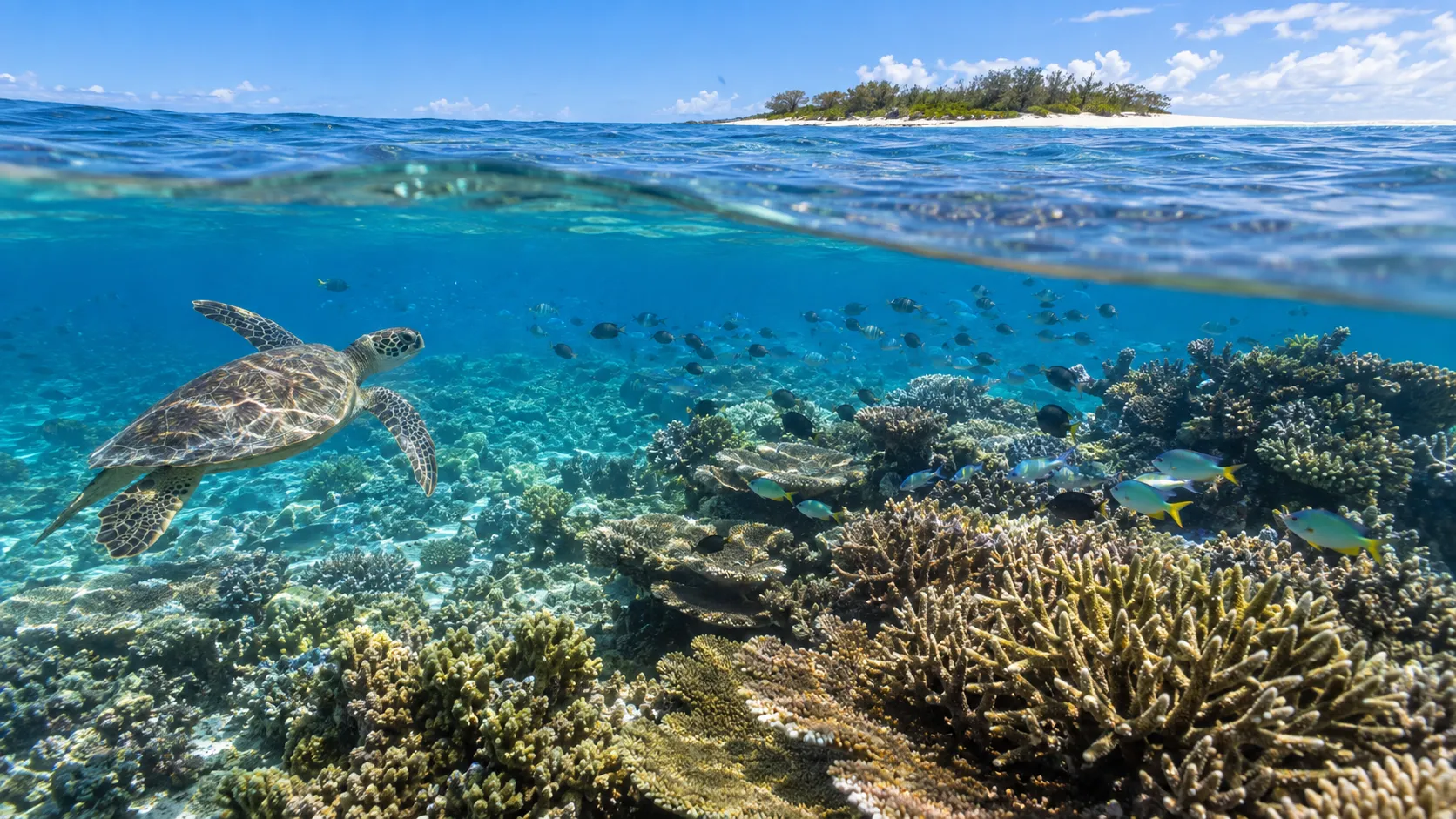
The Great Barrier Reef stretches for more than 1,400 miles along Queensland, so it has no single gateway or universal best excursion. Cairns and Port Douglas serve many northern trips, Townsville reaches central sections, Airlie Beach serves the Whitsundays, and several southern islands offer different reef styles.
Compare operators by departure point, boat time, exact site, group size, in-water support, accessibility, and cancellation policy. Snorkeling and diving are not the only choices, since some vessels offer pontoons, glass-bottom boats, semi-submersibles, or scenic flights.
Coral and marine life must not be touched, stood on, collected, fed, or chased. The Great Barrier Reef Marine Park Authority explains responsible reef practices and zoning, including the rule against taking coral without a permit.
Wind, visibility, currents, heat, marine stingers, and individual reef condition vary by location and day. Follow the operator’s suit and safety guidance, and never treat a specific turtle, whale, or rainbow wall of fish as part of the ticket.
6. Wet Tropics and Daintree rainforest
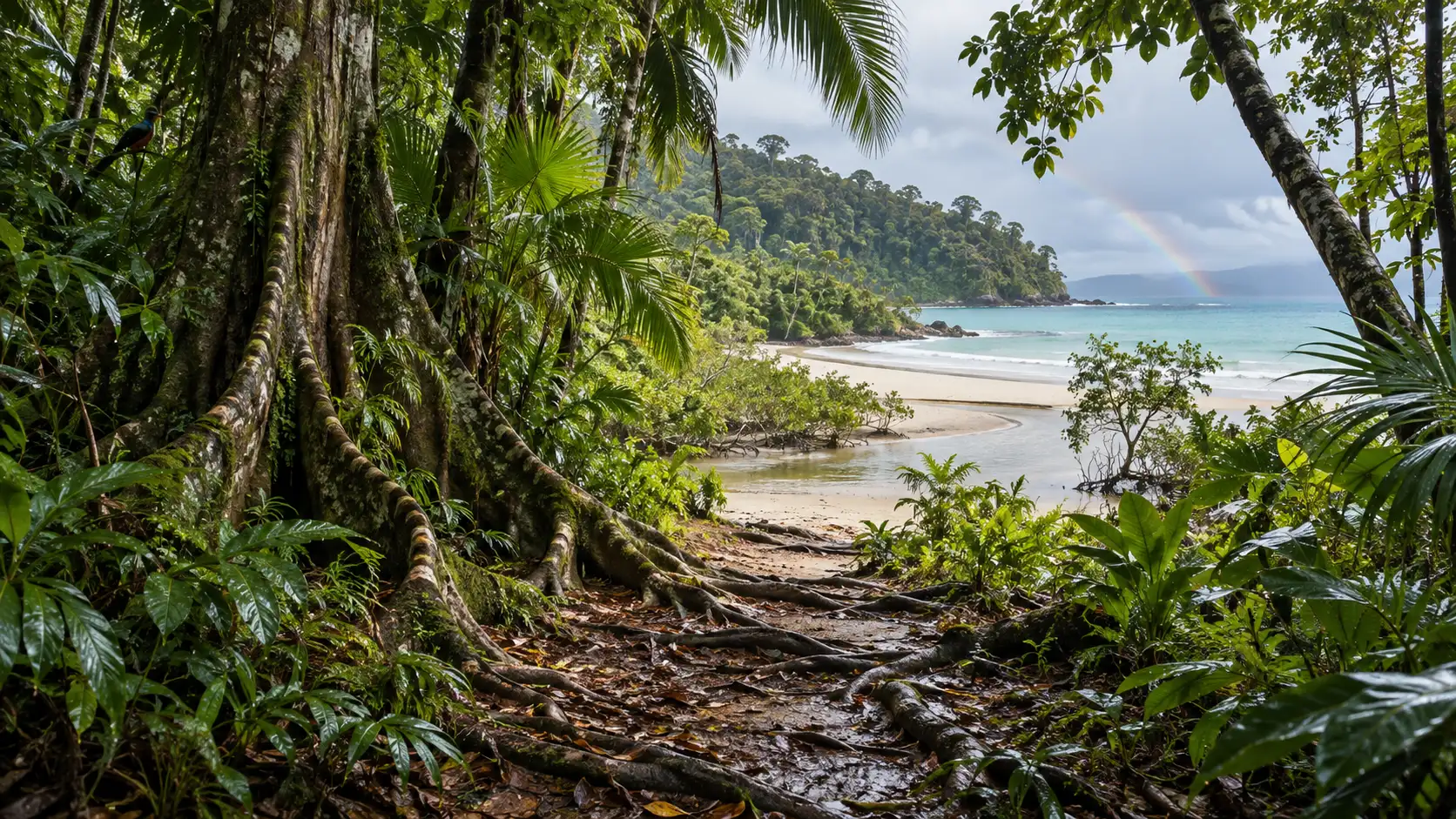
North of Cairns, the Wet Tropics World Heritage Area protects ancient rainforest across a much wider region than the Daintree tourism label suggests. Mossman Gorge, Cape Tribulation, boardwalks, beaches, and guided Indigenous experiences can fill several days when approached from Port Douglas or the Daintree area.
The Daintree River ferry, narrow roads, creek conditions, seasonal rain, and limited nighttime services affect plans north of the river. Swim only where local authorities explicitly say it is safe because crocodiles, currents, and marine stingers make improvisation a particularly poor souvenir.
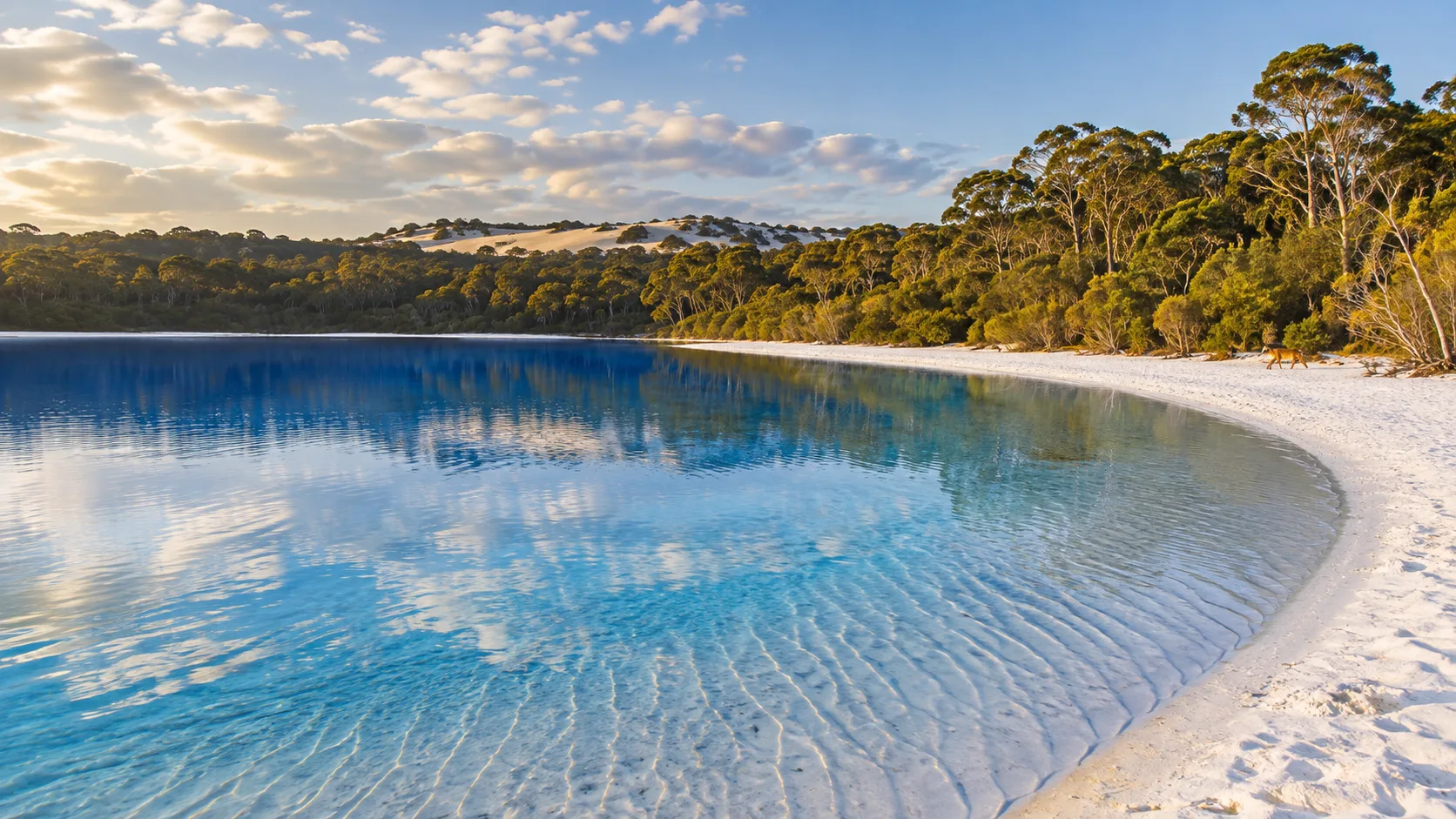
7. K’gari
K’gari, formerly called Fraser Island, is a World Heritage sand island off Queensland’s coast with freshwater lakes, tall rainforest, dunes, and long ocean beaches. It is Butchulla Country, and using the current name is a simple start toward treating the place as more than a four-wheel-drive playground.
Independent drivers need a suitable four-wheel-drive vehicle, a vehicle access permit, tide planning, recovery knowledge, and camping reservations where applicable. First-time visitors may prefer an organized tour because beach driving combines traffic rules, aircraft landing zones, changing sand, creek crossings, and the ocean’s complete lack of sympathy.
Never feed dingoes, keep food and children close, and follow every ranger warning. Lake and beach conditions vary, so choose designated visitor areas and check Queensland Parks notices before boarding the ferry.
Northern Territory
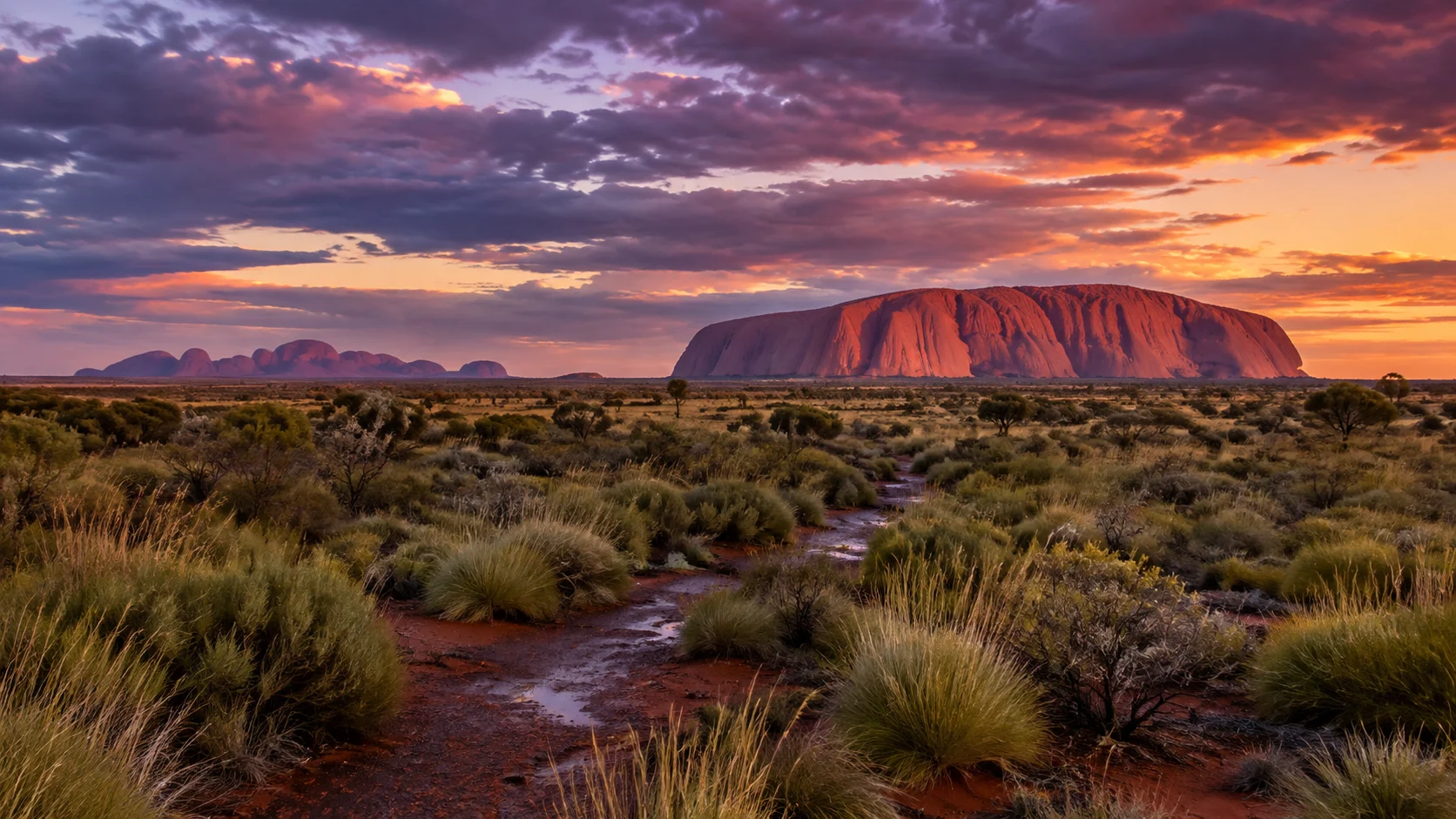
8. Uluru and Kata Tjuta
Uluṟu and the domes of Kata Tjuṯa stand within an Aṉangu living cultural landscape, not an empty desert assembled for sunset photography. Begin at the Cultural Centre, join a ranger or Aṉangu-led experience when available, and obey requests around sacred sites and photography.
The Uluṟu climb closed permanently in 2019, while the roughly 6.2-mile base walk remains a respectful way to experience the rock from the ground. Parks Australia publishes current passes, opening hours, walks, heat guidance, and cultural information.
Allow at least two full days for the base area, sunrise or sunset, and Kata Tjuṯa walks without gambling everything on one weather window. Start longer walks early, carry abundant water, and take heat closures seriously because the desert is not impressed by a tightly timed flight home.
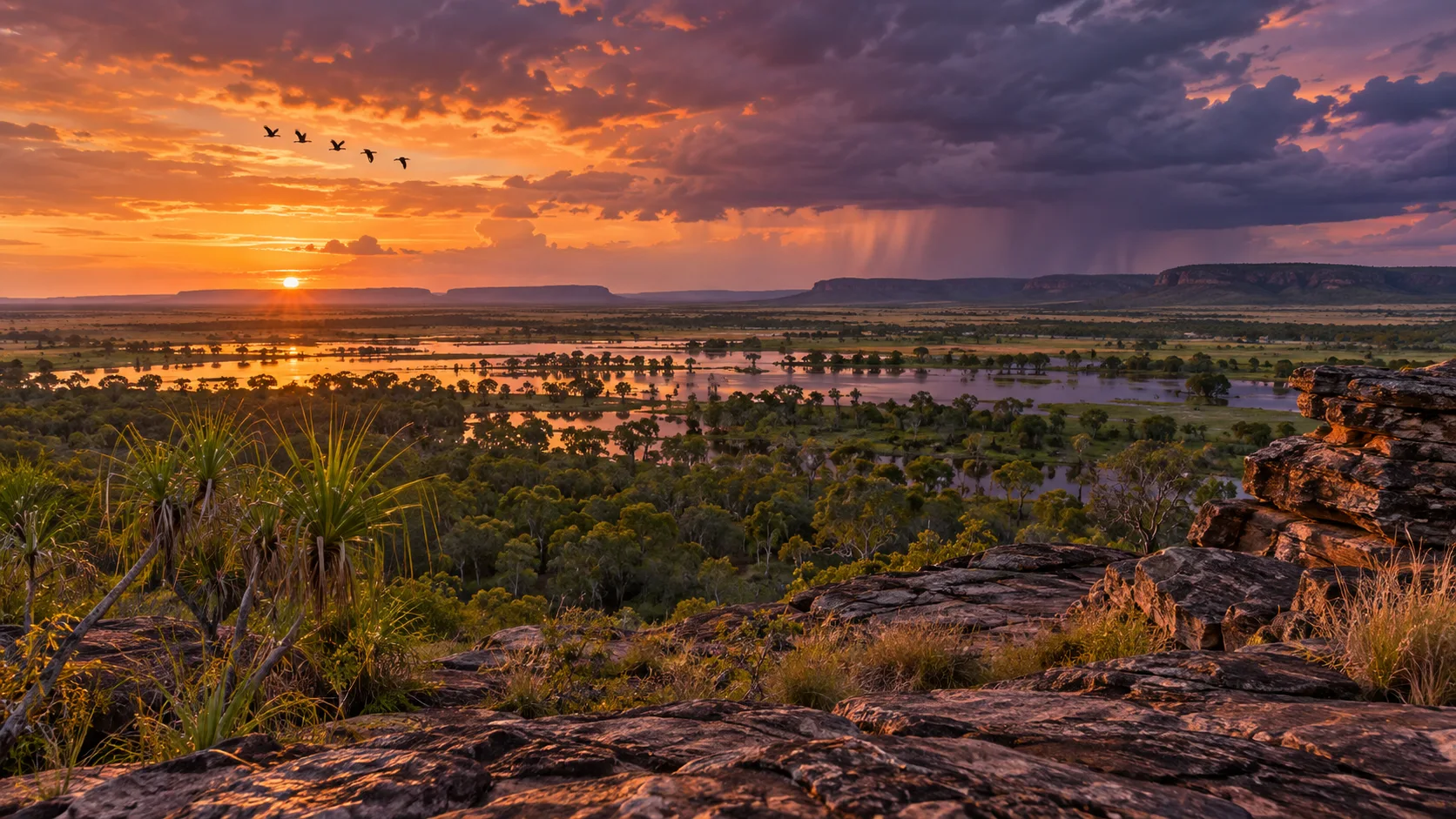
9. Kakadu National Park
Kakadu is a vast cultural landscape jointly managed with its Aboriginal traditional owners, with rock-art sites, stone escarpments, floodplains, wetlands, and monsoon forest. Ubirr, Burrungkuy, Yellow Water, and different habitat zones deserve several nights from a base such as Jabiru or Cooinda.
Access shifts dramatically between tropical summer and the drier months, and individual roads or sites can close for flooding, works, fire, or cultural reasons. As of September 4, 2026, the Jim Jim and Twin Falls area is closed for the full year, a detail confirmed in Kakadu’s daily access report.
Stay behind crocodile warning signs, never assume water is safe because it looks calm, and carry more water and fuel than an urban drive would require. A two-wheel-drive itinerary can cover important sites, but remote tracks need vehicle-specific checks and the right experience.
South Australia
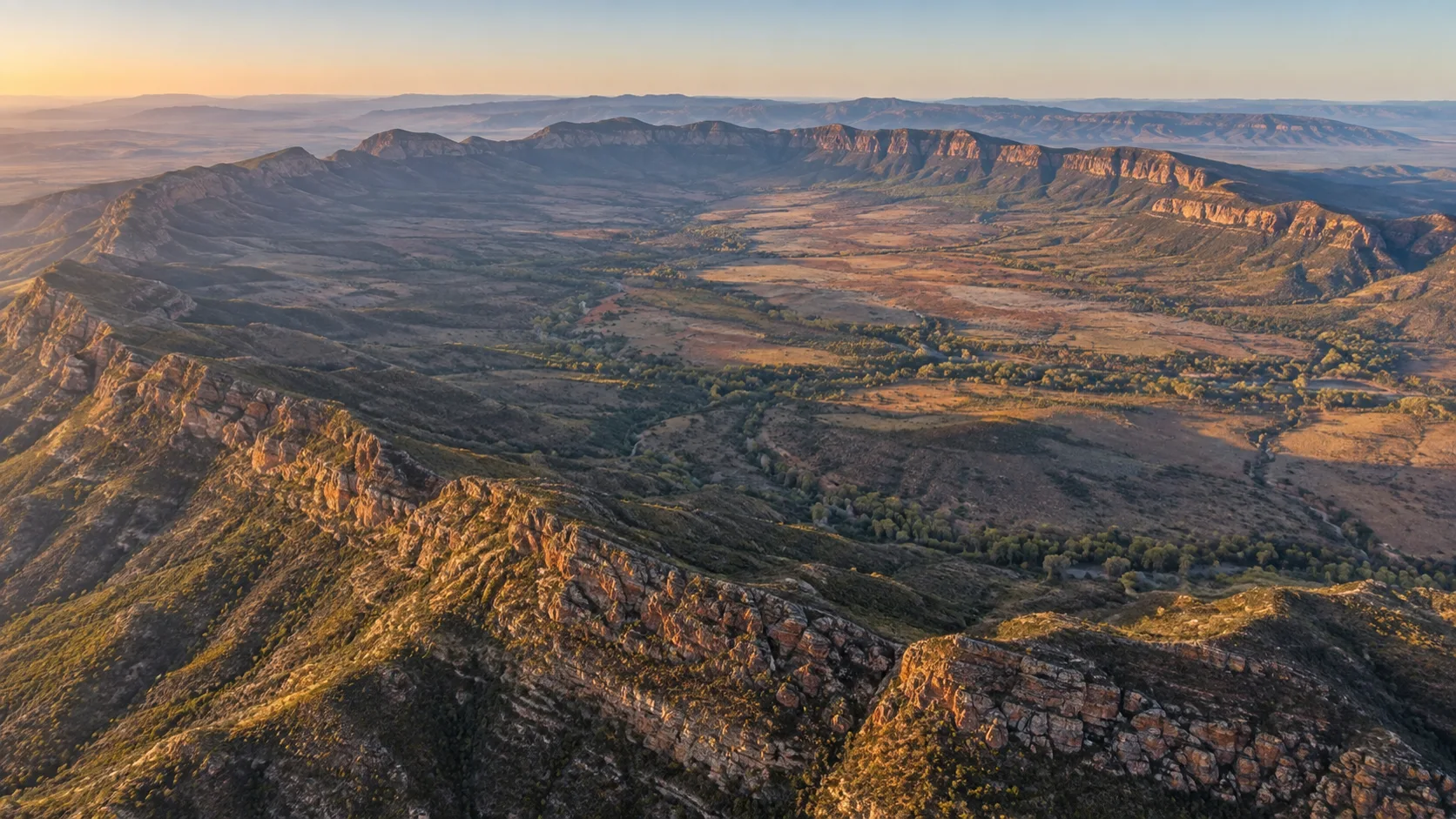
10. Ikara and the Flinders Ranges
Ikara, widely known as Wilpena Pound, is a great ring of mountain ridges in Ikara-Flinders Ranges National Park on Adnyamathanha Country. It is not a meteor crater, and its cultural meaning is as important as the aerial shape that makes it famous.
Walks range from short valley routes to exposed climbs, while scenic flights reveal the overall formation. Allow several nights north of Adelaide, plan fuel and water, and check heat, fire, road, and trail status before choosing an outback route.
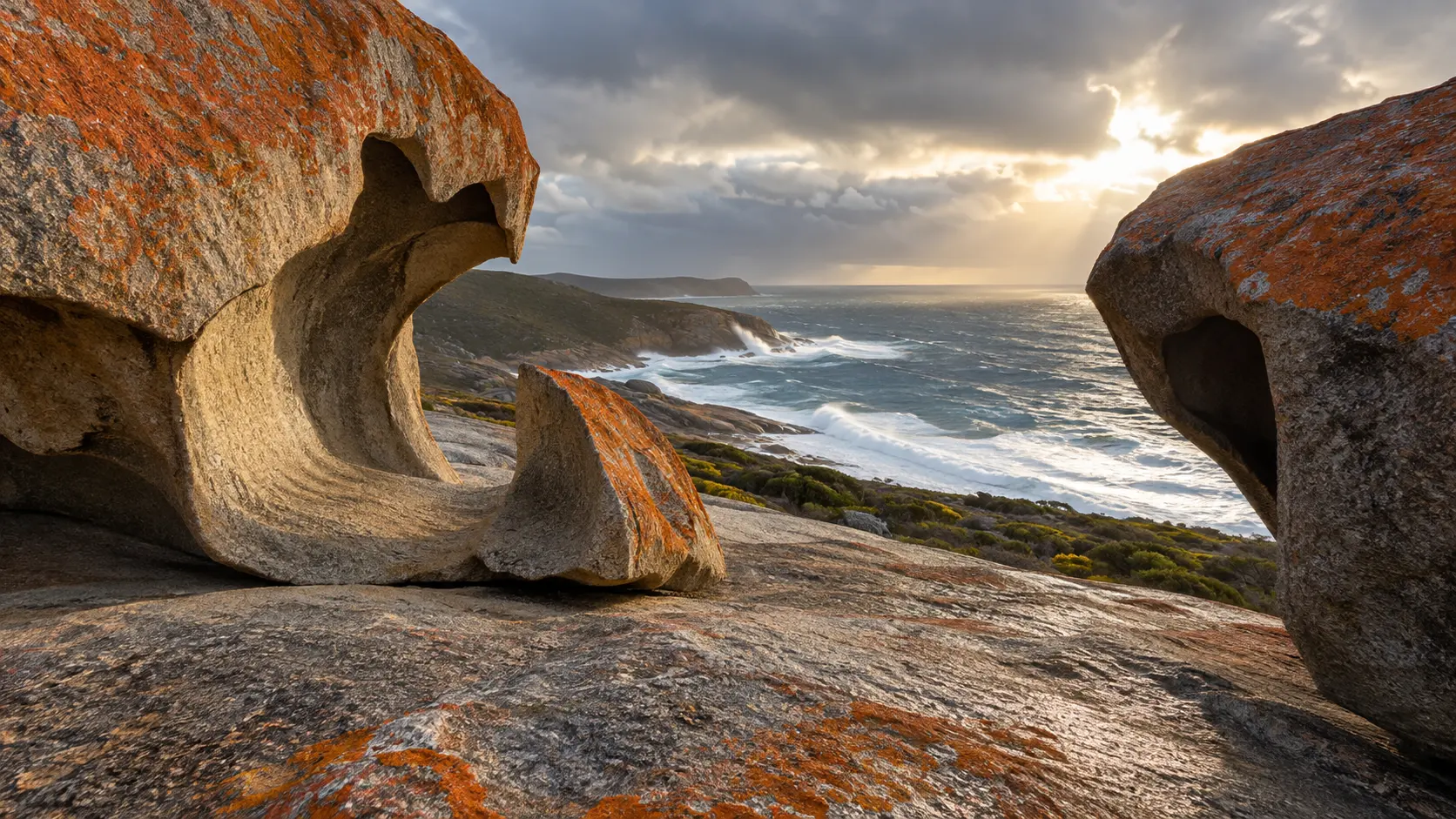
11. Kangaroo Island and Remarkable Rocks
Remarkable Rocks and Admirals Arch anchor the western end of Kangaroo Island in Flinders Chase National Park. The sculpted granite, open sea, wildlife, beaches, and long island roads make this a regional stay, not one clever afternoon between ferry sailings.
Book ferry space and a rental vehicle permitted on the island, then allow at least three nights if the western park is a priority. Slow down at dawn and dusk for wildlife, keep back from cliff edges and seals, and check post-fire or storm closures.
Western Australia
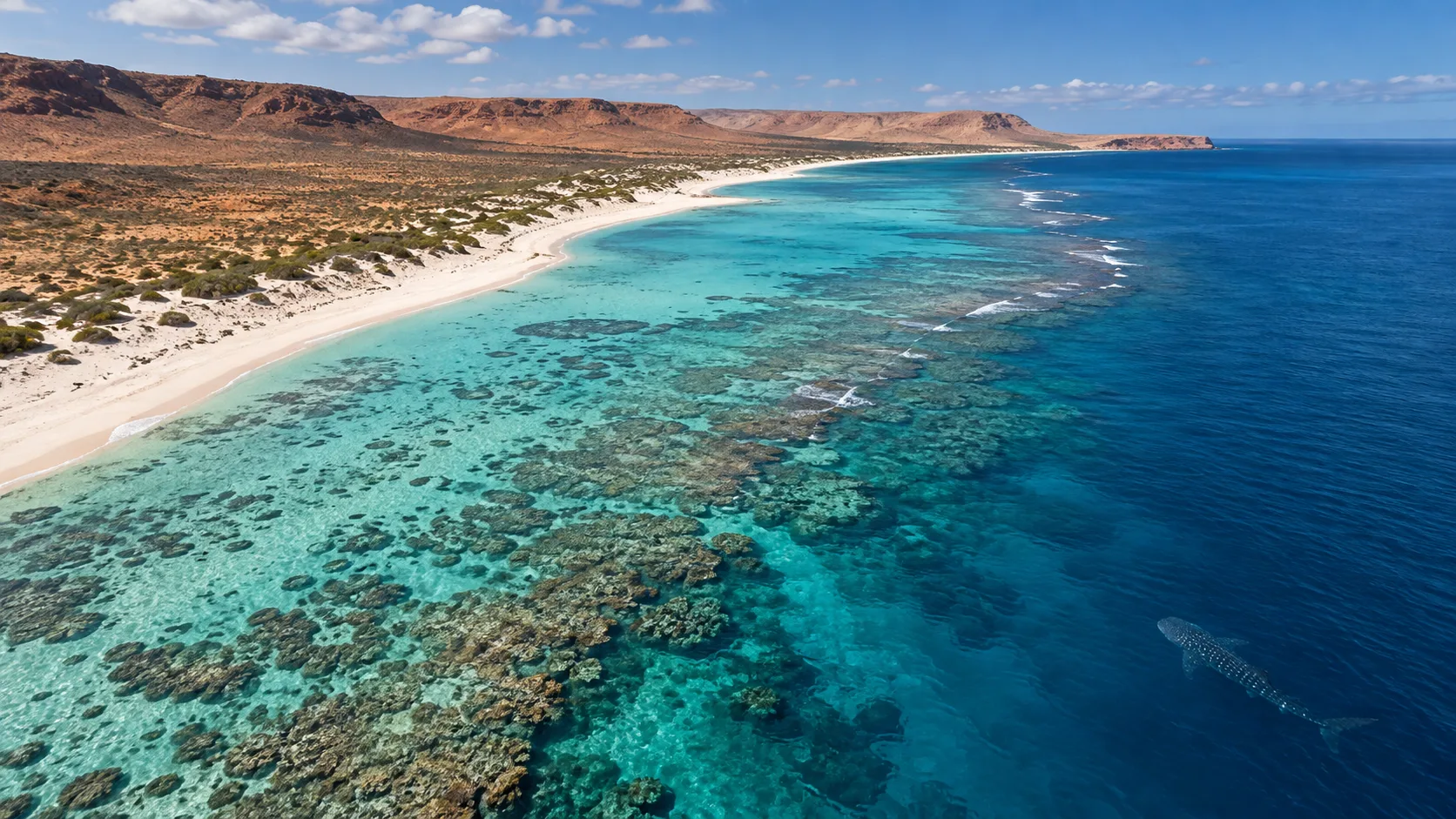
12. Ningaloo Coast
Ningaloo Reef runs close to shore along Western Australia’s remote Coral Coast, with Exmouth and Coral Bay as the main visitor bases. Shore snorkeling, boat trips, canyons, and seasonal wildlife experiences create a different trip from the offshore reef excursions common in Queensland.
Whale-shark, manta-ray, and humpback experiences operate in seasons and under regulated procedures, but wildlife sightings remain conditional. Book licensed operators, understand the swim requirements, and protect enough days for wind or marine cancellations.
Exmouth is more than 750 road miles north of Perth, and Coral Bay has limited services, so flying and renting locally can save time. Carry water, confirm fuel stops, and never arrive at a remote coast with city-sized assumptions about store hours.
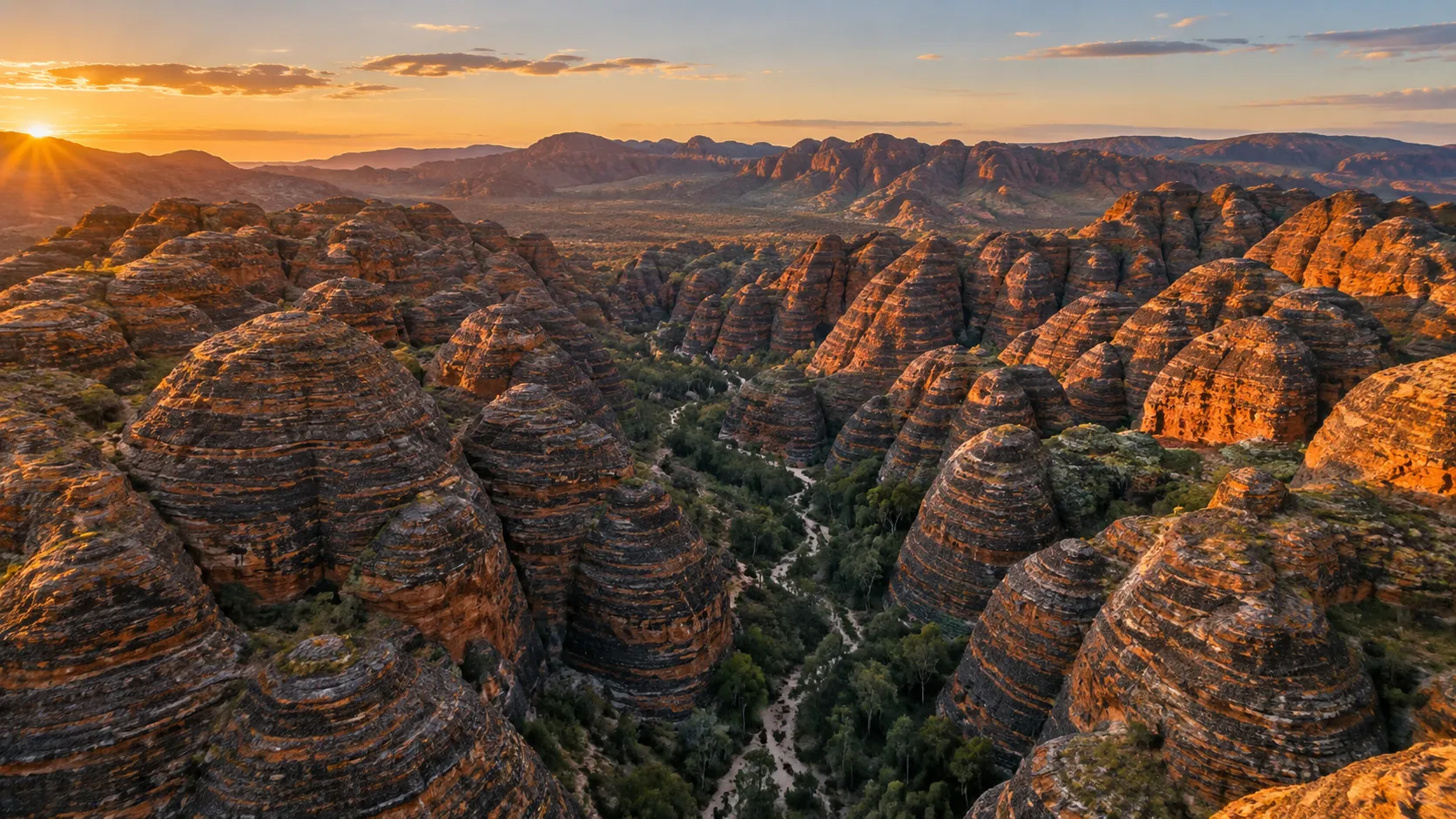
13. Purnululu National Park
Purnululu’s striped sandstone domes, narrow chasms, and rugged ranges form one of the Kimberley’s defining landscapes. The park is remote, and road entry uses a long unsealed track restricted to high-clearance four-wheel-drive vehicles and suitable single-axle trailers.
Visitor access is normally seasonal and always subject to road and weather conditions, with the park commonly closed through the wet months. Carry food, water, fuel, offline navigation, and emergency margin, or choose a scenic flight from a regional gateway if the overland demands do not suit you.
Tasmania
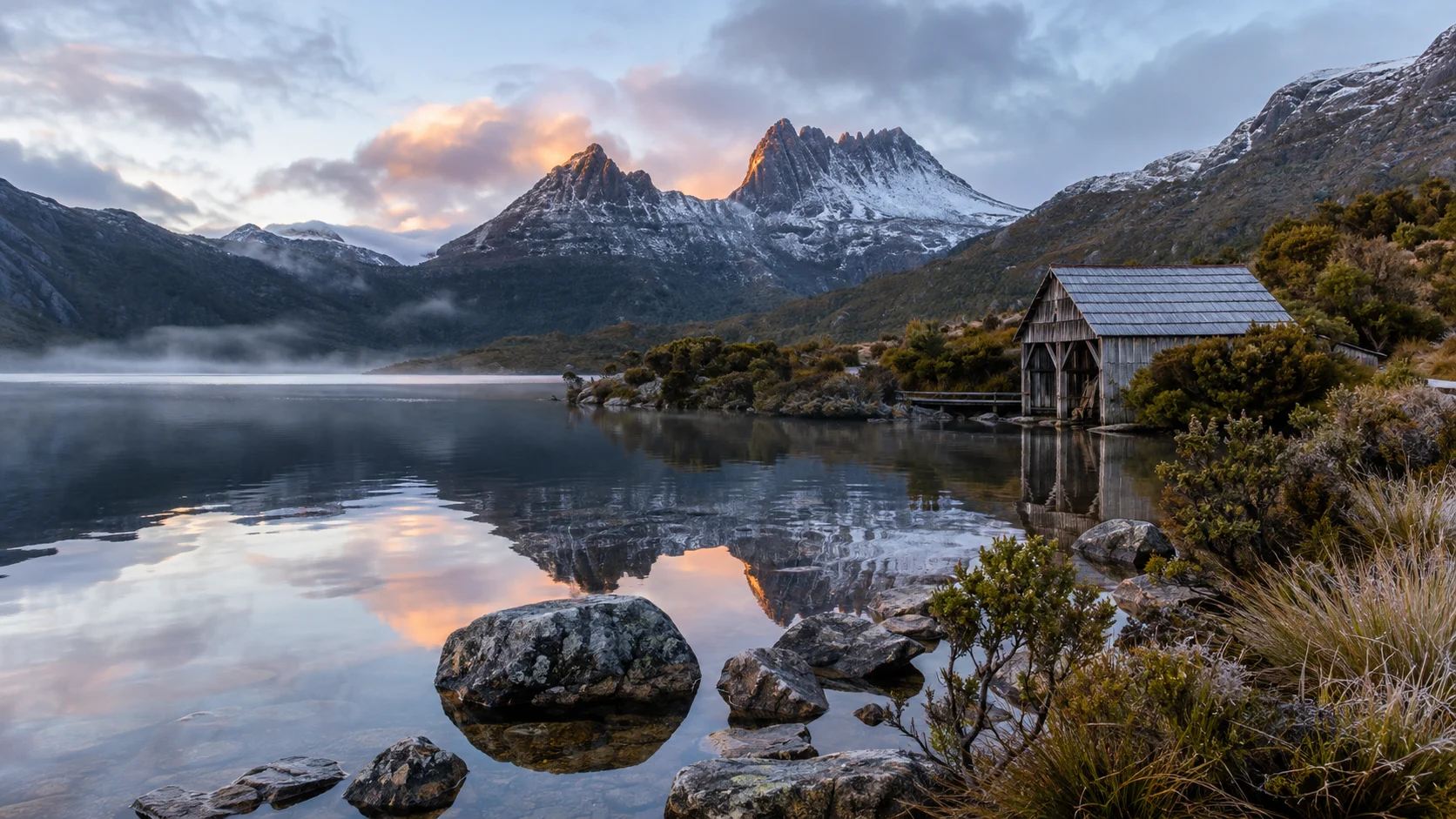
14. Cradle Mountain and Dove Lake
Cradle Mountain and Dove Lake sit within the Tasmanian Wilderness World Heritage Area, where alpine weather, glacial landforms, rainforest, and button-grass country meet. The Dove Lake circuit is the classic day walk, while summit and multi-day routes require greater experience and preparation.
A park pass is required, and a shuttle generally carries visitors between the visitor center and Dove Lake during operating hours. Private vehicle access is tightly limited, so confirm the current shuttle, parking, weather, and track notices rather than treating the trailhead like a suburban lake.
Rain, sleet, strong wind, and cold can arrive even when the forecast elsewhere in Tasmania looks friendly. Pack real waterproofs and layers, and see how Dove Lake compares with other beautiful lakes worth planning around.
Best seasons for an Australia landmarks trip
There is no nationwide best month because northern Australia is tropical, the center is arid, southern coasts are temperate, and alpine areas receive snow. Pick the priority landmark first, then check its heat, rain, fire, cyclone, marine, and road season.
May through October is generally the more practical period for Kakadu and the Kimberley, although exact opening dates follow local conditions. Cooler months also suit desert walking, while winter nights around Uluṟu can be surprisingly cold.
Southern cities and the Great Ocean Road can work year-round with layers and flexibility, while Tasmania is famous for rapid weather changes in every season. Queensland reef trips operate across the year, but wind, tropical storms, marine-stinger precautions, and school holidays influence the choice.
Three realistic landmark itineraries
Seven days: Sydney and the Blue Mountains
Give Sydney four or five nights and the Blue Mountains two, using the train or a rental car for the regional leg. Canberra can replace a city day if politics, museums, and architecture matter more than beaches.
Two weeks: Melbourne, Sydney, and one nature region
Combine Melbourne and the Great Ocean Road with Sydney and the Blue Mountains, then stop there or fly to Uluṟu for a short Red Centre stay. Adding Cairns as well is possible, but every extra flight removes a day that could respond to weather.
Two to three weeks: Queensland coast
Link the Daintree and a northern reef gateway, then fly or drive south for the Whitsundays or K’gari according to your pace. Our east coast Australia road-trip route helps expose the distances before a string of beach names seduces the calendar.
Booking and safety checklist
- Confirm visa, passport, transit, and driving-license requirements.
- Book domestic flights before fixed-capacity tours and remote lodging.
- Buy park passes, vehicle permits, ferries, and campsites through official channels.
- Check weather, fire danger, cyclone information, roads, tracks, and marine conditions.
- Download maps and bookings before leaving reliable cell coverage.
- Carry water, sun protection, insect repellent, layers, and a basic first-aid kit.
- Follow Indigenous cultural guidance and never enter a closed or sacred area.
- Keep distance from wildlife and obey rangers, lifeguards, and tour staff.
Australia rewards travelers who let one region become a place instead of a sequence of famous nouns. Choose the landmark that matters most, build a logical cluster around it, and keep enough flexibility for the country’s weather, wildlife, and wonderfully inconvenient scale.