Backpacking Quotes: Verified Classics and Fresh Captions
A good backpacking quote should feel true after the view disappears and the pack still weighs too much. This collection uses short, verified lines from public-domain books, followed by original captions you can use without passing off a modern internet slogan as someone else’s wisdom.
Quick Backpacking Quotes
- “Afoot and light-hearted I take to the open road,” Walt Whitman
- “The great affair is to move,” Robert Louis Stevenson
- “All good things are wild and free,” Henry David Thoreau
- “Going to the mountains is like going home,” John Muir
- “The earth, that is sufficient,” Walt Whitman
These are genuine excerpts, not unattributed graphics that have been copied until nobody remembers the source. The shorter wording also makes them better captions than an entire borrowed paragraph.
What Makes These Quotes Different?
Every attributed line below was checked against a digitized public-domain text. I have kept excerpts brief, named the work, and avoided the usual doubtful sayings assigned to Mark Twain, John Muir, or “Native American proverb” without evidence.
Public domain is not the same as anonymous. The author still deserves credit, and a translation may carry its own copyright even when the original poem is centuries old.
If you want general trip inspiration rather than trail-specific lines, the separate collection of travel quotes covers a wider range of journeys. Here, the focus stays on walking, carrying a home on your back, sharing hard miles, and returning changed.
Backpacking Quotes About Starting
1. Walt Whitman
“Afoot and light-hearted I take to the open road.”
Whitman opens “Song of the Open Road” with momentum rather than a destination, and the line appears in Leaves of Grass. It fits the first trail photo, the packed car, or the moment a long-planned trip finally becomes real.
2. Robert Louis Stevenson
“I travel not to go anywhere, but to go.”
Stevenson wrote this in Travels with a Donkey in the Cévennes, an account of a walking journey published in 1879. Use it when the movement itself mattered more than checking off a landmark.
3. Robert Louis Stevenson
“The great affair is to move.”
This second short line comes from the same passage and works beautifully for a first step or muddy-boot photo. It is punchy enough for a caption without pretending every backpacking day feels graceful.
Backpacking Quotes About Wildness
4. Henry David Thoreau
“All good things are wild and free.”
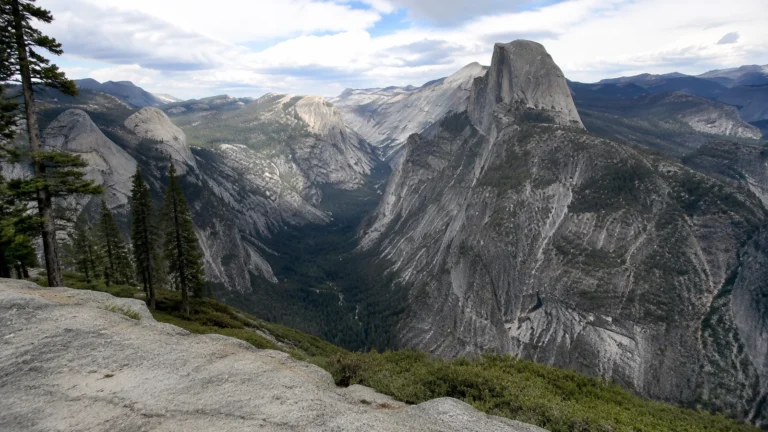
Thoreau’s line appears in his essay “Walking”, surrounded by a much longer argument about wild nature. I would pair it with a wide landscape, where the words have room to breathe.
5. Henry David Thoreau
“In Wildness is the preservation of the World.”
This famous sentence comes from the same essay, with “Wildness” and “World” capitalized in the source. It is a fitting caption for conservation, restoration, or the decision to leave a fragile place untagged.
6. Ralph Waldo Emerson
“The aspect of nature is devout.”
Emerson’s compact observation appears in Nature. It works for quiet morning light, an old forest, or any scene that made the group lower its voices without being asked.
You do not need to borrow Emerson’s spiritual framework to understand the mood. The strongest caption simply names the humility of being small in a much larger place.
Backpacking Quotes About Mountains
7. John Muir
“The mountains are calling.”
Muir used these words in a longer invitation quoted in Our National Parks. The familiar shortened line is accurate, but the original passage continues with a specific suggestion to run away on a camping trip.
8. John Muir
“Going to the mountains is like going home.”
This line appears in Muir’s The Mountains of California as he describes familiarity within an alpine landscape. It fits a return to a favorite range, a trail tradition, or the relieved expression at camp after a hard climb.
9. John Muir
“How glorious a greeting the sun gives the mountains!”
Muir’s sunrise sentence appears in The Mountains of California. It is a lovely match for the first warm light on a ridge or a sleepy breakfast outside the tent.
Sunrise photos hide the colder details: condensation, stiff fingers, wet shoes, and the need to eat before moving. Those details often make a caption more memorable than another claim that the view left you speechless.
Backpacking Quotes About Enough
10. Walt Whitman
“The earth, that is sufficient.”
Whitman’s line arrives later in “Song of the Open Road” and sounds almost made for a simple campsite. It works best with an uncluttered image and a caption that does not turn minimalism into a competition.
Original Backpacking Captions for Trail Photos
Captions for Camp and Small Moments
- The best part of today happened after we stopped walking.
- Two mugs, one stove, and nowhere else we needed to be.
- Our evening plans depended entirely on how long the light lasted.
- The campsite was simple; the conversation deserved another hour.
- I will remember this breakfast longer than the mileage.
- Somewhere between the last climb and the first cup of tea, I relaxed.
- We carried dinner uphill and called it a celebration.
- Nothing dramatic happened here, which is exactly why I loved it.
Captions for Coming Home
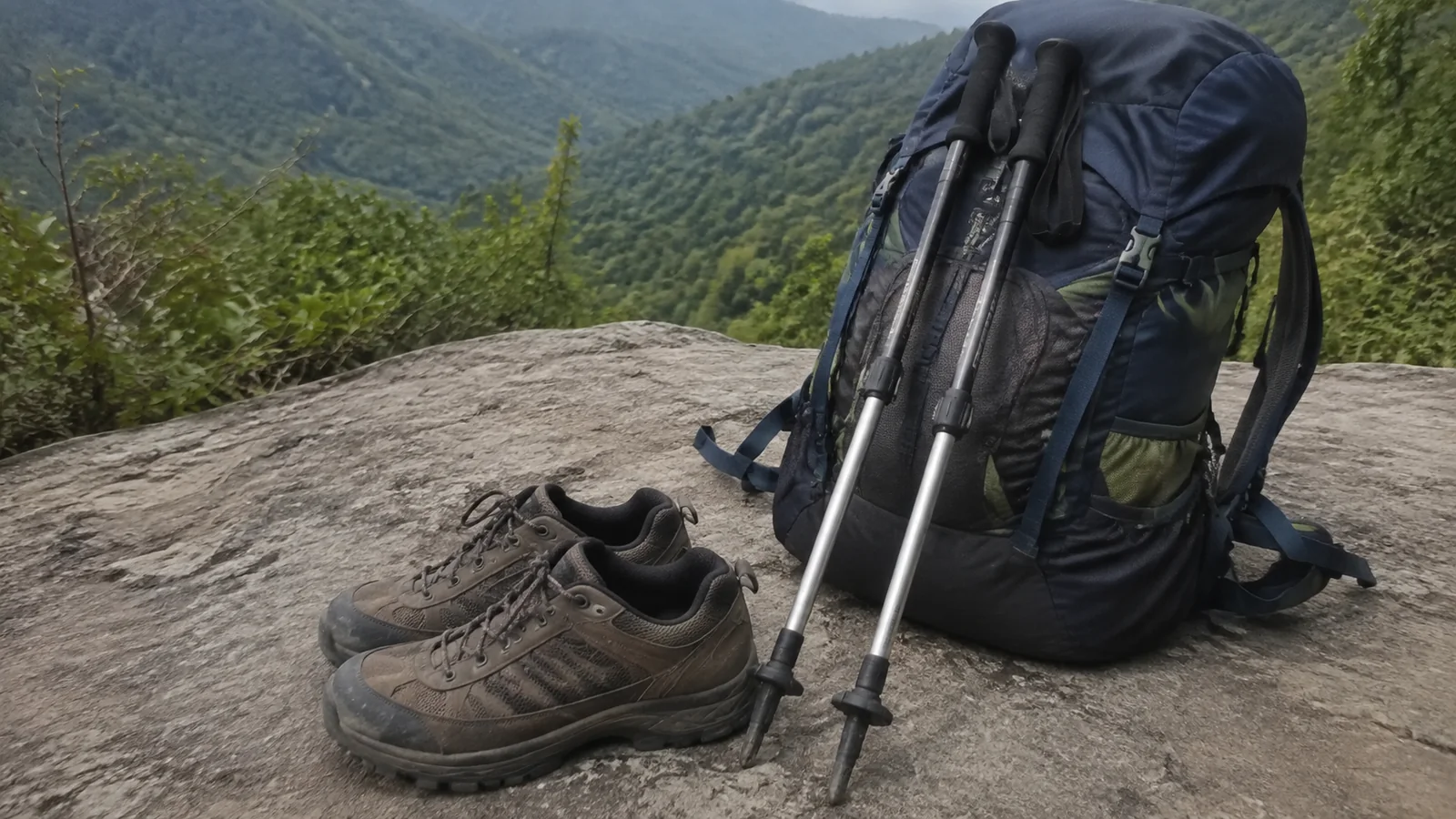
- The laundry is evidence that this really happened.
- Back home with tired feet and a story I keep retelling.
- The trail ended, but the quiet followed me home.
- I unpacked everything except the urge to go again.
- A hot shower felt wonderful; I already miss the mornings outside.
- Some trips leave you with souvenirs, and others leave you with a different pace.
The captions below are original to this article, so there is no historical attribution to preserve. Adapt names, mileage, and places to make them sound like your actual trip instead of a generic outdoor poster.
Short Trail Captions
- Home for tonight fits in this pack.
- One foot, one switchback, one view at a time.
- The trail was longer than the caption.
- Carried less, noticed more.
- Fresh air, tired legs, clear head.
- Our room has no walls and excellent stars.
- Miles from easy, exactly where I wanted to be.
- Camped gently and left quietly.
Funny Backpacking Captions
- I came for the view and stayed because my legs quit.
- This snack has been promoted to dinner.
- Five-star scenery, one-star pillow.
- My pack and I are taking some space.
- The summit was optional; complaining was included.
- Today’s luxury is a dry pair of socks.
- We followed the map and still had opinions.
- Powered by switchbacks and crushed granola bars.
Captions for Backpacking Friends
- Good trail partners share water checks and the last chocolate.
- We carried separate packs and the same ridiculous story home.
- The miles got lighter whenever the conversation got better.
- Chosen family, questionable snacks, excellent route.
- Real friendship survives rain, wrong turns, and tent zippers.
- Meet me where the group chat has no signal.
Captions for Solo Backpacking
- Alone on the trail, supported by careful plans.
- Quiet enough to hear my own pace.
- Solo does not mean unprepared.
- I packed confidence beside the first-aid kit.
- No audience, no race, no borrowed itinerary.
- The brave part was making the safe decision.
Choose a Quote That Matches the Photo
Three Easy Ways to Make a Caption Yours
Add a small detail: Start with “Fresh air, tired legs, clear head,” then mention the little thing you would otherwise forget. “Fresh air, tired legs, clear head, and the peach we carried all the way to camp” says more about your trip than another big claim about adventure.
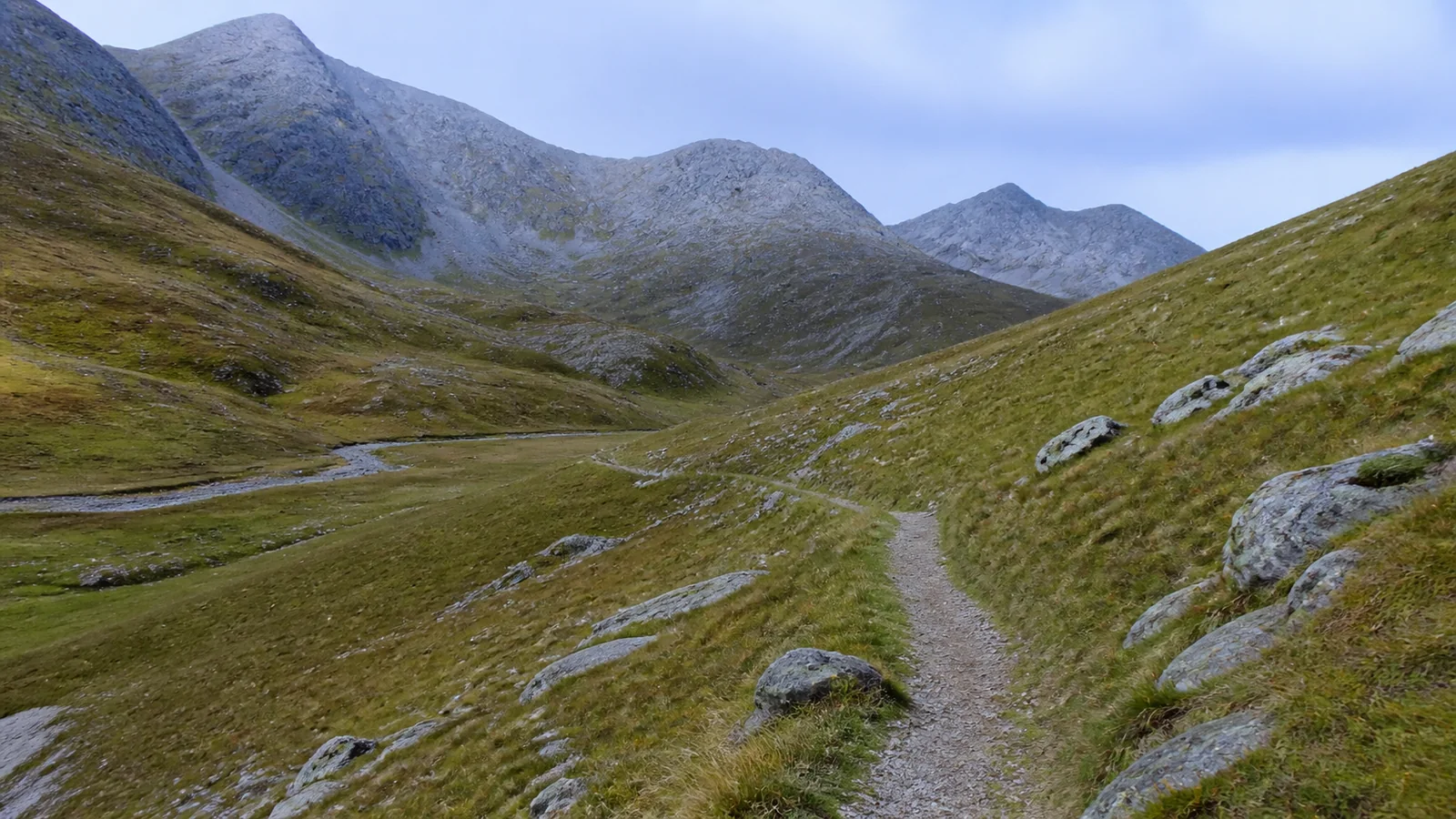
Let the photo do some work: A wide mountain image already shows the scenery, so use the caption for what happened outside the frame. I would write about the friend who made breakfast, the early alarm, or the conversation on the way down.
Choose one mood: A funny caption works beautifully with a tired group photo, while a quiet literary line suits a still lake or empty trail. You do not need to combine a joke, a famous quotation, a lesson, and a full itinerary in one post.
For a photo carousel, put your strongest short line on the opening image and save the story for the caption underneath. If you include mileage or a place name, check those details against your actual route rather than copying somebody else’s version.
For a journal, a longer memory often works better than a polished caption: what did the morning smell like, who was with you, and what surprised you? Write those answers while they are fresh, then choose a favorite sentence later.
A summit quote on a trailhead selfie can feel borrowed, while a line about starting makes the image more honest. Match the words to what the photograph actually shows: anticipation, effort, weather, friendship, solitude, camp, or return.
Use location names only when sharing them is responsible and useful. A broad park or region tag is often enough, especially around fragile camps, unofficial paths, archaeological places, and wildlife habitat.
How to Credit a Backpacking Quote
Credit the author and, when space allows, the work. Quotation marks should contain only the author’s actual words, while your interpretation belongs outside them.
Do not repair old wording silently or combine two separate passages into one smoother sentence. If you shorten a line, use a clearly marked excerpt and verify that the new version does not reverse the original meaning.
Avoid citing Pinterest, an image search, or a merchandise listing as evidence. Those pages often repeat misattributions, modern paraphrases, and lines written decades after the person supposedly said them.
When a source is translated, credit the translator if known and check whether that translation is still protected. This is why the collection stays with English-language public-domain texts rather than casually borrowing a recent version of an ancient poem.
Turn Inspiration Into a Real Trip
For route ideas, browse the most beautiful hikes around the world, then check the land manager’s permits, closures, and camping rules before going. A caption is inspiration, so keep navigation, weather, equipment, and your check-in plan separate from the photo you hope to bring home.
If you are deciding what kind of outing to plan, the backpacking versus hiking guide explains the overnight equipment difference. Choose your words after the trip, when you know whether the real story was the view, the friendship, or a particularly memorable dinner.
Bottom Line
The best backpacking quotes do not need fake attribution or a hundred borrowed words. Whitman captures the start, Stevenson the motion, Thoreau the wildness, Emerson the quiet, and Muir the pull of the mountains.
Use the classics with credit, use the original captions freely, and let the real trip supply the detail. A muddy boot and an honest sentence will always beat a perfect slogan pasted onto somebody else’s adventure.