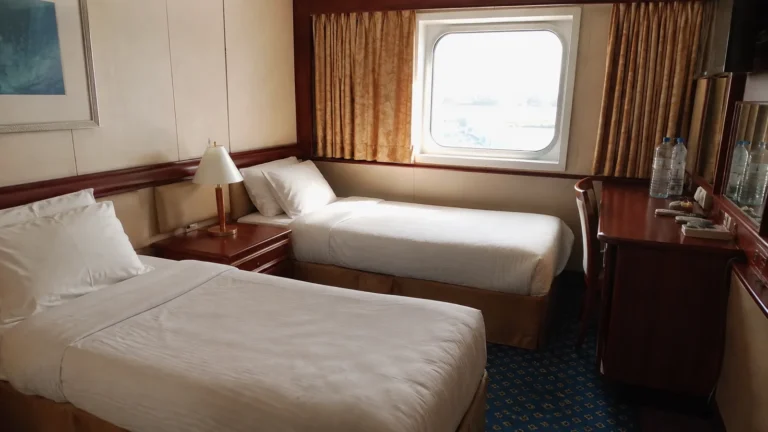
Quantum of the Seas Cabins to Avoid: Exact Rooms & Better Picks
Quantum of the Seas has a few cabin groups I would inspect closely, but the best advice is much more specific than avoiding Deck 6 or Deck 13 altogether.
I would compare these exact ranges first, then decide whether the view, sleep or convenience tradeoff is worth the fare.
Cabins I would compare first
- 6160–6230, 6260–6308, 6560–6630 and 6660–6710: broad Deck 6 obstructed-balcony groups; confirm the exact lifeboat relationship before paying for the view.
- 13118–13160 and 13518–13560: forward Deck 13 areas beneath the Solarium zone.
- 13162–13228 and 13562–13628: central Deck 13 areas beneath changing portions of the pool and activity deck.
- 13234-and-higher and 13634-and-higher aft areas: compare the exact room against Windjammer above.
- 7292–7318 and 7692–7718: far-aft Deck 7 areas above the Two70 footprint, worth reconsidering for early bedtimes.
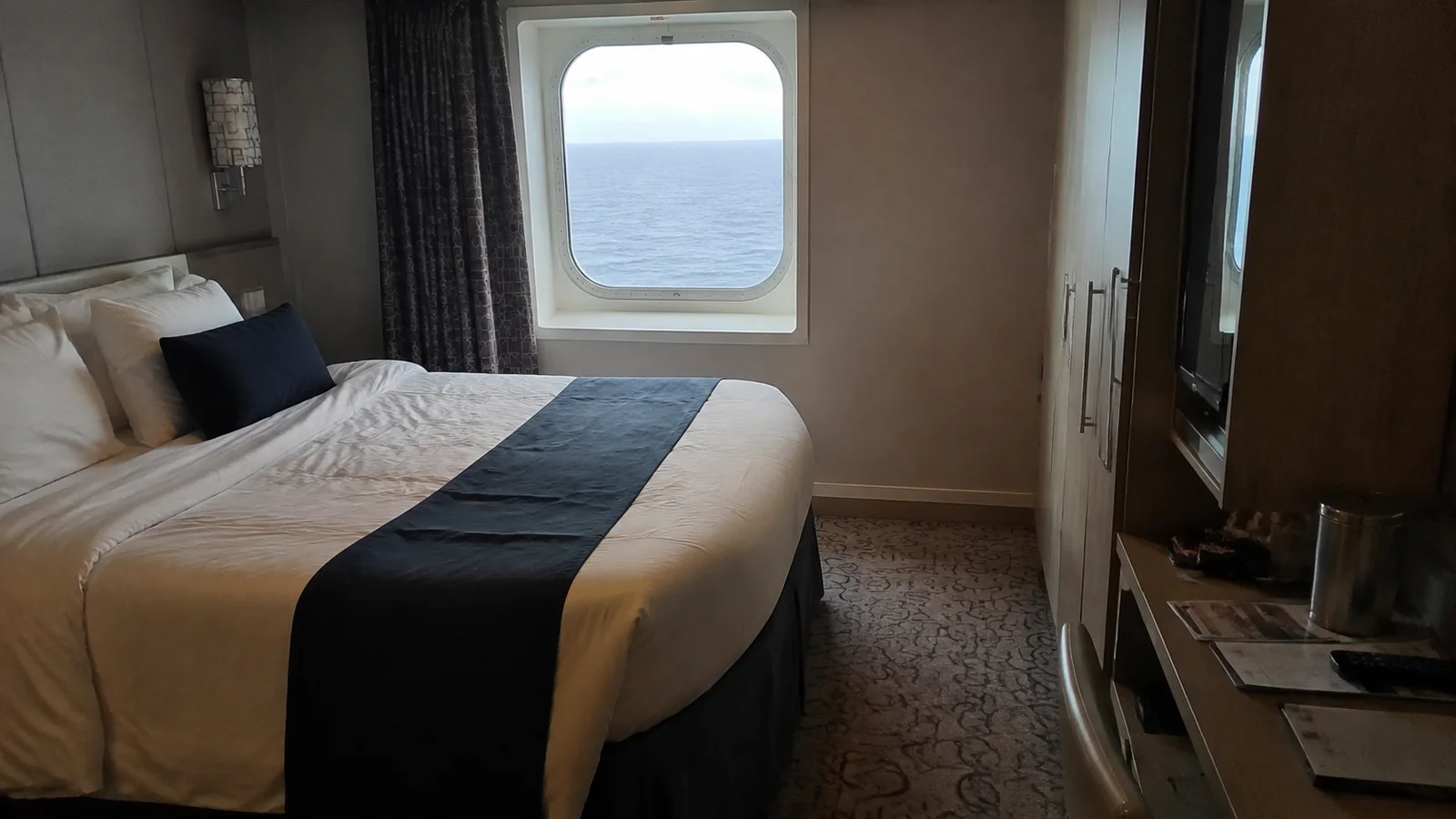
Quantum of the Seas cabins to avoid at a glance
If you want the short version, the cabins most worth inspecting are Deck 6 obstructed-view balconies, Deck 13 rooms beneath active public spaces, the far-aft Deck 7 rooms above Two70, and any connecting cabin you did not intentionally choose.
None is automatically a bad cabin. The right choice depends on whether you care most about an open view, quiet sleep, easy elevator access, lower motion, or price.
- For an open balcony view: Check the category and obstruction symbol on Deck 6 before booking.
- For the quietest possible nights: Favor a cabin with staterooms directly above and below.
- For motion sensitivity: Look near the ship’s middle on a lower passenger deck.
- For privacy: Inspect connecting-door symbols and public walkways near the cabin.
- For mobility needs: Compare distance to elevators as carefully as cabin size.
Start with the correct dated deck plan
Royal Caribbean currently shows a Quantum of the Seas plan profile for sailings from April 24, 2026, through April 3, 2027. Open the official Quantum of the Seas deck plans, select your sailing profile, and search the exact room number before paying a deposit.
That date step matters because category labels, room use, and even public-space names can change after a ship update. A screenshot from an old forum thread may look convincing while describing a different plan profile.
My rule is wonderfully simple: look at the cabin’s own deck, then the deck immediately above and below it. The most useful clues are venue boundaries, blank service spaces, connecting-door marks, accessible symbols, and the category description attached to the room.
Royal’s official room guide is useful for understanding the broad difference between interior, ocean-view, balcony, and suite accommodations. The dated deck plan is still the better tool for locating one particular cabin.
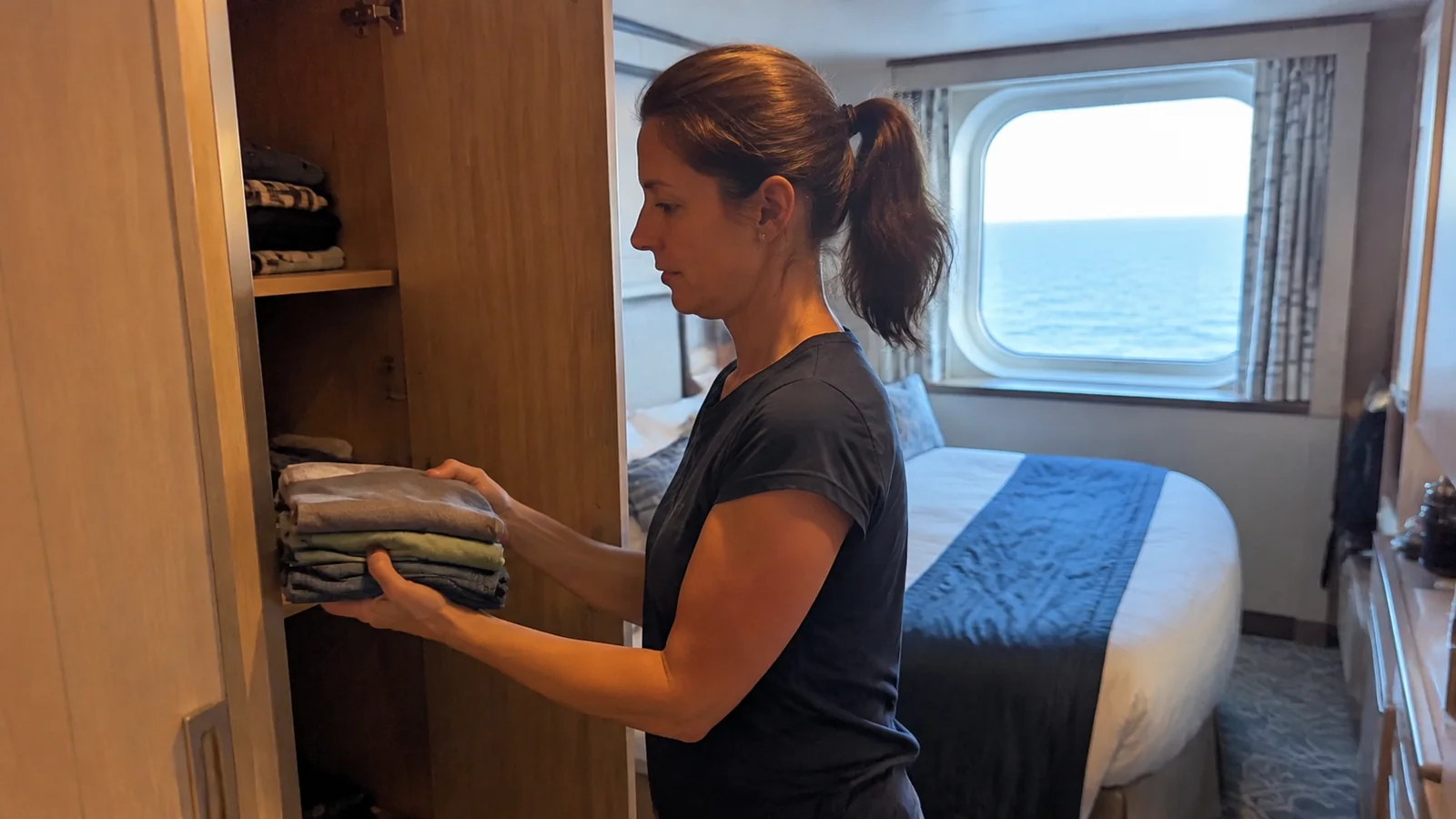
Deck 6 obstructed-view balcony cabins
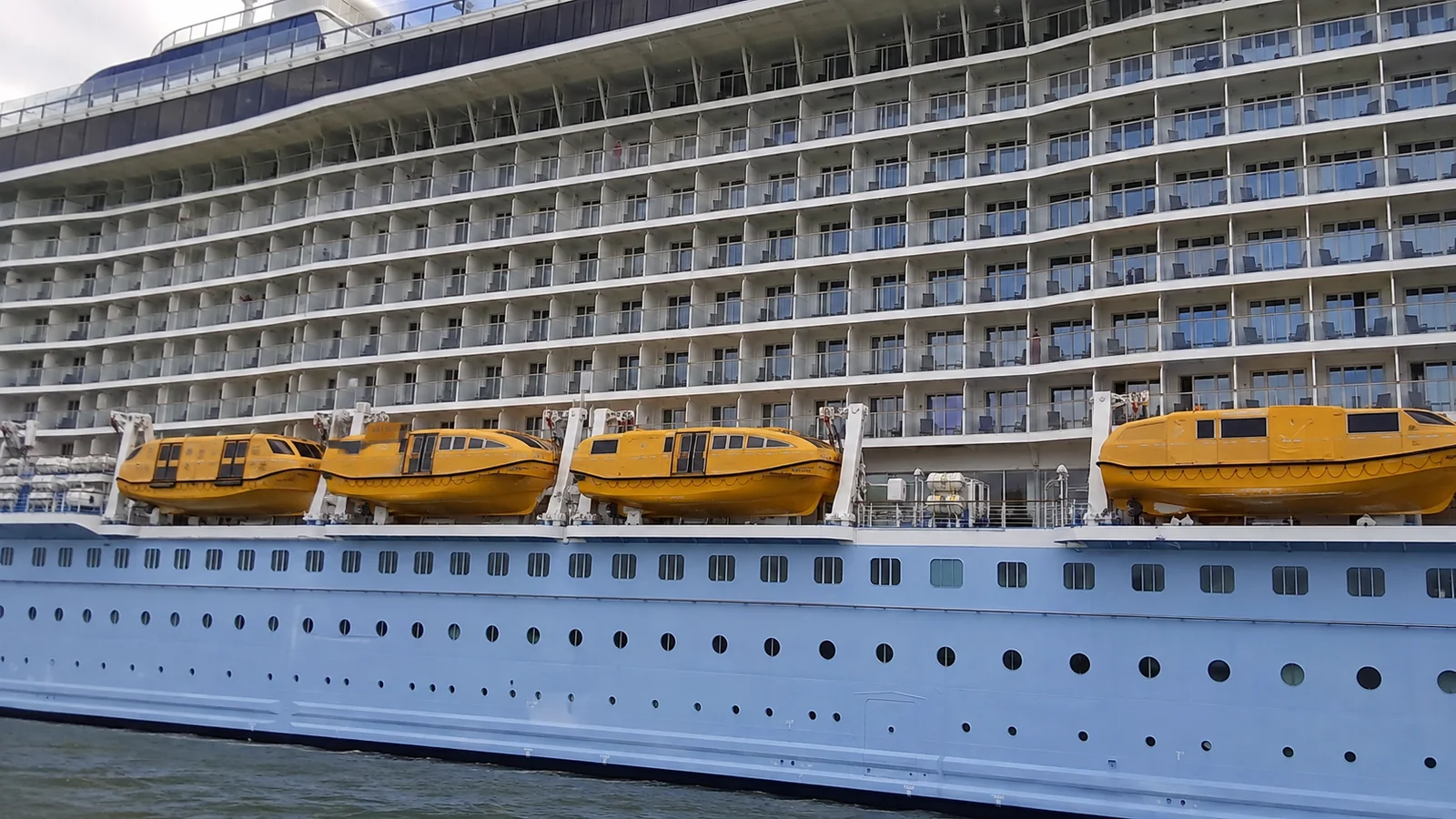
This is the clearest structural tradeoff on the ship. Royal describes Category 2E as an obstructed ocean-view balcony and notes that the obstruction is a lifeboat in most cases.
On the current profile, the large Category 2E blocks include rooms 6160 through 6230 and 6260 through 6308 on one side, plus 6560 through 6630 and 6660 through 6710 on the other. Treat those as ranges to inspect, not as a claim that every railing and sightline is identical.
A lifeboat may interrupt the downward view while leaving plenty of sky and horizon visible. Position within the run matters, so ask Royal or your travel advisor to confirm the exact obstruction for your selected room if the view is a priority.
Avoid these if: You picture sitting down and seeing uninterrupted water, or you are paying nearly the same price as a higher unobstructed category. The word “balcony” alone does not promise the view in your imagination.
Choose them if: The discount is meaningful and you mainly want outdoor air and natural light. An honest obstructed balcony can be a much better value than a room chosen blindly.
Do not assume that every Deck 6 balcony is Category 2E. Color blocks and category codes change along the deck, which is precisely why searching the room number beats memorizing a viral list.
Deck 13 cabins beneath the pool deck and Windjammer
Deck 13 is topped by Deck 14, which holds the Solarium and Solarium Bistro forward, the main pool zone in the middle, and the Windjammer Marketplace aft. That is a fixed deck-plan fact, but a noisy cabin is not a guaranteed outcome.
The forward Deck 13 runs, including roughly 13118 through 13160 and 13518 through 13560, sit beneath the Solarium area. The long midship runs from about 13162 through 13228 and 13562 through 13628 lie beneath changing portions of the pool and activity deck.
Aft rooms beginning around 13234 and 13634 continue below the large Windjammer footprint. These ranges describe broad vertical zones, so use the plan overlay to judge your exact door rather than treating the boundary as an invisible wall.
Possible sounds include chairs moving, cleaning, footsteps, and early food-service setup. The amount that reaches a cabin varies with the exact spot, operating schedule, sea conditions, and how sensitive the sleeper is.
Avoid Deck 13 if: A faint thump overhead will keep you awake or you routinely sleep late. Choose it if: Quick access to pools, the Solarium, and casual food matters more than having passenger cabins overhead.
For a more conservative quiet choice, look at central portions of Decks 8 through 11 with cabins on both neighboring decks. Our broader cruise cabin red-flag guide explains why this cabin sandwich is such a helpful first filter.
Far-aft Deck 7 cabins above Two70
Two70 occupies the far aft end below Deck 7, and it hosts multimedia productions and other entertainment. Cabins around 7292 through 7318 and 7692 through 7718 occupy the aft end of Deck 7 above that general venue footprint.
The structural relationship is real, while audible bass or rehearsal noise is only possible. Show schedules, sound levels, insulation, and individual sensitivity all influence what a guest notices.
Avoid this zone if: You turn in early and want the strongest possible buffer from entertainment. Choose it if: You like being near Two70 and value an aft location enough to accept some uncertainty.
Some travelers love aft views and will happily take that trade. Others would rather move several doors forward or choose a cabin on a deck surrounded by other rooms.
Connecting cabins when you are not traveling together
The official plan marks cabins with an interior connecting door, which is excellent for families who book both sides. For unrelated neighbors, that extra door may provide a little less acoustic separation than a solid wall.
This does not mean you will hear every conversation, and it does not make connecting rooms defective. It simply adds a variable that a light sleeper can remove by choosing an otherwise similar nonconnecting cabin.
Look for the connecting symbol rather than guessing from consecutive numbers. If you need the connection, confirm that both reservations contain the correct linked rooms before final payment.
Cabins beside elevator lobbies and busy corridors
Elevators themselves are not the usual concern; people gathering outside them can be. A room opening directly toward a lobby or a major route may hear more conversation, quick footsteps, or late-night groups than one tucked farther along the hall.
This is another possible issue, not a verdict. Guests with limited walking stamina may reasonably decide that a short route to the elevators is far more valuable than maximum corridor quiet.
Quantum has large forward and aft elevator banks, so “near the elevators” can still describe several different positions. Count doors between the cabin and lobby, and notice whether the room faces the opening or sits around a corner.
Far-forward and far-aft rooms for motion-sensitive travelers
A ship generally moves more noticeably toward its ends and on higher decks than near its center of rotation. Weather, speed, route, and personal sensitivity make this a tendency rather than a cabin guarantee.
If motion has spoiled trips before, prioritize a lower, midship cabin even if the view is less dramatic. Our Alaska cruising guide also covers the itinerary tradeoffs that can matter on Quantum’s northern sailings.
Forward cabins can also be farther from some aft dining venues, while aft cabins can be a longer walk from the Solarium. Open the deck plan with your daily priorities in mind, because a “great location” is always personal.
Interior cabins with virtual balconies
Quantum’s virtual-balcony interiors show a real-time exterior view on a screen, but they do not provide actual outdoor space, fresh air, or a window. They suit travelers who want a visual connection to the outside at an interior-category price.
Avoid one if natural daylight is central to your comfort or if a screen will not satisfy you. Choose one if you sleep best in a dark room and would rather spend the savings elsewhere.
Always read the exact category label rather than relying on a booking thumbnail. “Virtual balcony” and “ocean-view balcony” are very different products even when both pictures show water.
Accessible staterooms are not a cabin hack
Accessible rooms are designed for guests who need features such as wider doors and roll-in showers. Royal’s Guest Special Needs form says standard cabin doors are at least 23 inches wide while accessible doors are 32 inches wide, and it asks for mobility-equipment dimensions.
Please do not reserve an accessible cabin merely because it may have more maneuvering space. Royal says it does not require medical proof, but it does require guests to acknowledge their need by completing the accessible-room acknowledgement process.
If you genuinely need the features, book the appropriate room and contact the Access Department early. Also measure the full route that matters to you, since a beautifully designed cabin can still be inconvenient if it is far from your preferred elevator or venue.

How I would choose a quieter Quantum cabin
I would begin with midship cabins on Decks 8, 9, 10, or 11, then verify that both adjacent decks show staterooms in the same position. Next, I would remove connecting rooms unless I needed the connection and avoid doors that directly face an elevator-lobby opening.
For a balcony, I would confirm the category code and view description before comparing price. I would not pay an unobstructed-view price for Category 2E unless some other feature made that exact room worthwhile.
Families may reverse those priorities and choose an elevator, connecting cabin, or venue-adjacent room on purpose. If that is you, our family cruise comparison can help you match the ship experience to your children’s ages.
Five questions to ask before you book
- Does my selected sailing use the same deck-plan date profile I reviewed?
- What exact category code and view description applies to this cabin?
- What occupies the same position one deck above and below?
- Does the plan show a connecting door, accessible symbol, or obstruction?
- Would a location change solve my concern without an expensive category upgrade?
Take screenshots of the dated plan and the room description when you book. If a later plan update changes something important, you will have a clear record of what you selected and can ask Royal or your travel advisor about the options.
The bottom line
The Quantum of the Seas cabins most worth a second look are the marked Deck 6 obstructed balconies, Deck 13 rooms under public venues, far-aft Deck 7 rooms above Two70, and unneeded connecting cabins. Those are conditional red flags, not rooms that ruin every vacation.
Match the fixed deck-plan fact to the thing that actually bothers you, then choose a nearby alternative with a better tradeoff. That small bit of homework is far more useful than somebody else’s dramatic “worst cabin” list.