Cruising With Aging Parents: Comfort and Independence
I would plan a cruise with aging parents around what they enjoy, how they move, and the help they actually want. Age alone does not tell you whether someone needs a slower itinerary, an accessible cabin, or any assistance at all.
Start with a private conversation about comfort and independence. Then choose the cabin, transportation, and daily pace so everyone can enjoy the trip without spending each evening recovering from an overfilled schedule.
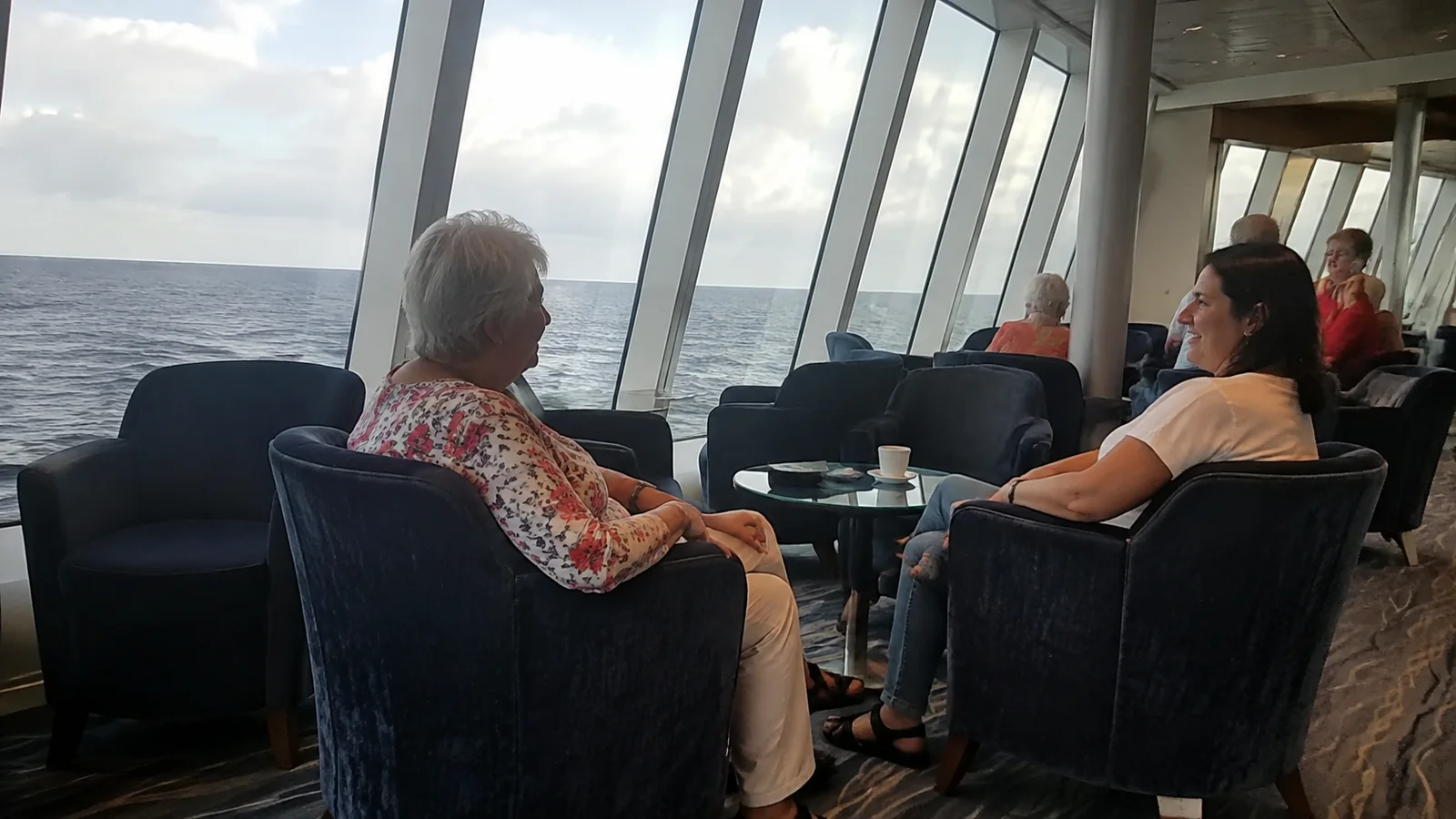
The conversation I would have before booking
- Which activities does your parent most want to do?
- How much walking and standing feels comfortable on an ordinary outing?
- What help, equipment, or routines do they already use at home?
- Are there medication, bathroom, hearing, vision, or medical needs to plan around?
- Which decisions and documents do they want to manage themselves?
I would ask these questions respectfully and let the answers shape the trip. A parent who wants a lively ship should not automatically be assigned a quiet itinerary because the rest of the family associates age with inactivity.
Compare a normal day with a cruise day
A cruise can involve repeated walks between the cabin, dining room, theater, and gangway. Add airport connections, terminal queues, and a port excursion, and the total effort can exceed what the brochure suggests.
Talk about standing as well as walking. Someone may comfortably walk through a store but struggle with a long security line without a seat.
I would use a familiar outing at home to discuss what feels manageable, without turning it into a test to pass. Ask where fatigue appears and what makes the outing easier.
If a mobility aid might help, discuss appropriate options with a qualified provider and try the equipment before travel. A cruise terminal is a poor place to learn unfamiliar controls for the first time.
Choose the cabin for everyday function
I would often pay for a room near the elevator bank that serves the main dining and activity areas. A shorter route can preserve energy for the things your parent actually wants to do.
A cabin around the corner from a lobby may offer useful access without directly facing a gathering area. My cabin-selection guide helps compare noise tradeoffs without rejecting every convenient location.
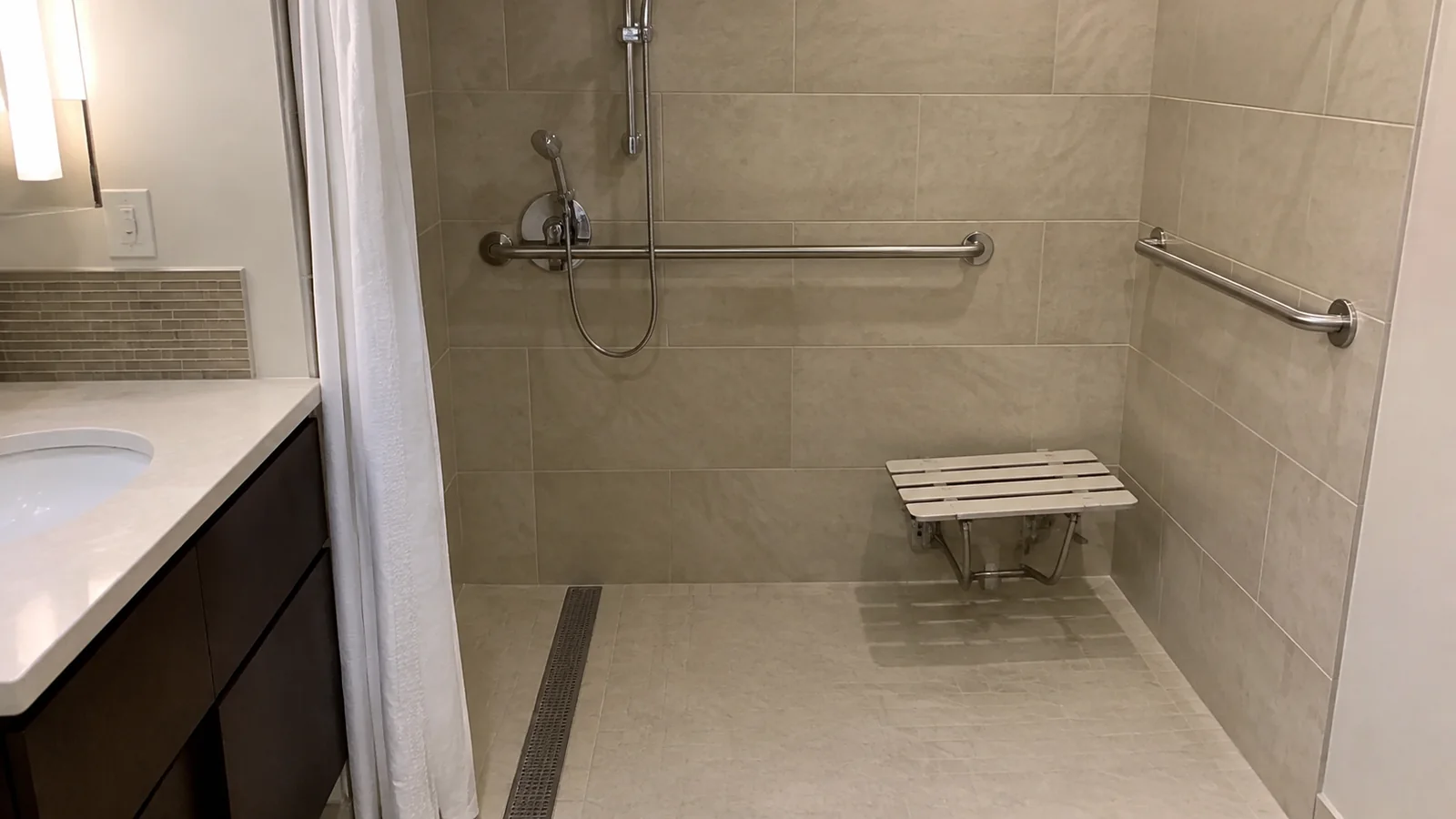
Check the bathroom, bed access, storage, and any balcony threshold before focusing on the view. Ask for actual measurements if a particular transfer or mobility device depends on them.
An accessible cabin should be chosen when its features are needed. A larger standard room does not necessarily provide a roll-in shower, appropriate grab bars, or the clear space required beside a toilet.
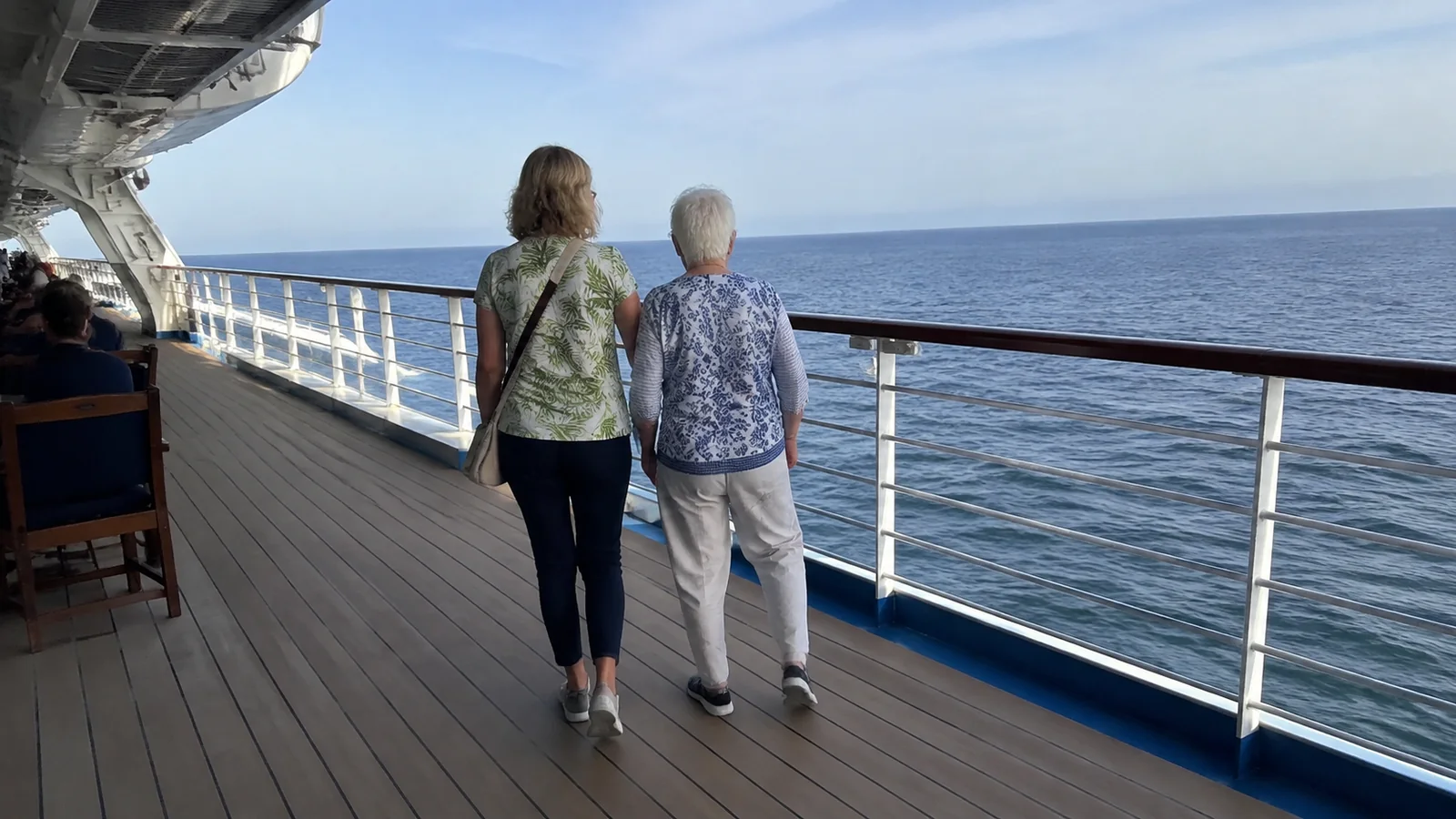
Confirm assistance instead of assuming crew provide it
Norwegian’s mobility guidance explains the need to arrange support and, when necessary, travel with a capable companion for personal care. Ask your own line what it provides for the exact traveler and sailing.
Help getting through a terminal is different from help dressing, bathing, taking medication, or transferring into bed. I would list those needs separately so nobody mistakes one service for another.
If a companion or paid caregiver will provide support, agree on responsibilities and breaks before booking. One adult child should not discover halfway through the cruise that everyone assumes they are always on duty.
The parent should remain part of those decisions whenever able. Practical support works better when it is agreed openly rather than imposed out of concern.
Keep medication with the person who manages it
Ask your parent how they normally organize medication and what support they would like during travel. Do not take control simply because you are handling the cruise reservation.
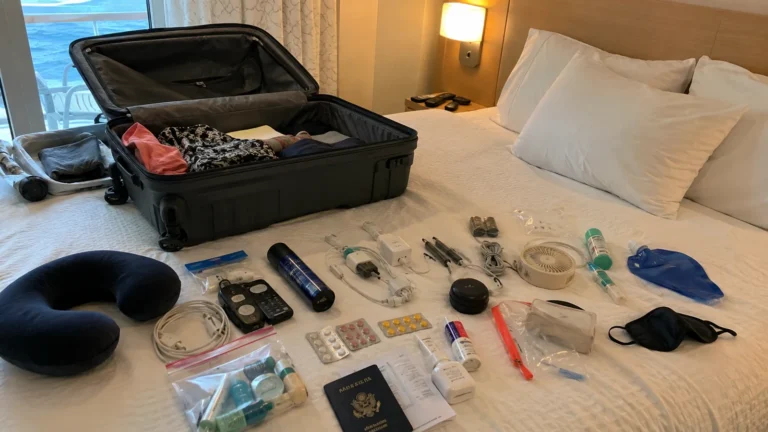
Carry essential medication, labeled packaging, and a current list in hand luggage. Include an appropriate delay margin arranged with the prescriber and allowed by destination rules.
Refrigeration, injections, oxygen, and other equipment need advance arrangements with the cruise line. A cabin beverage cooler or onboard pharmacy should not be assumed to meet a medical requirement.
If time-zone changes affect a prescribed schedule, ask a clinician or pharmacist how to manage them. I would write down the agreed plan so a phone clock change does not create confusion.
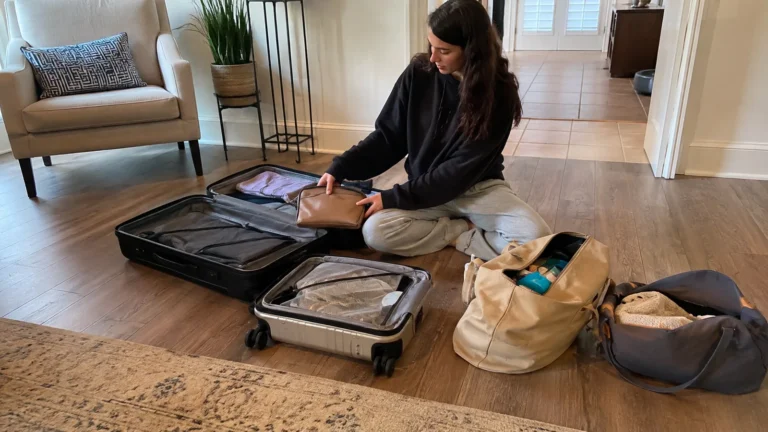
My cruise packing list can help with ordinary travel supplies. Medication and medical equipment deserve their own short checklist based on the actual treatment.
Discuss health and balance before departure
For ongoing health conditions, encourage a pre-trip discussion with the clinician who knows your parent. Bring the itinerary, sea days, flights, and planned activities so the advice addresses the real journey.
The CDC’s fall-prevention information identifies factors such as balance problems, vision, footwear, and medication effects. I would use that as a prompt for a practical review, not as a reason to assume every older traveler is unsteady.
Ask about any new dizziness, recent falls, or medication changes before the trip. Do not independently stop or adjust treatment to make travel easier.
Once aboard, keep the path between bed and bathroom clear and address an awkward cord or missing requested equipment promptly. Familiar shoes with suitable grip are a better choice than a new pair saved for embarkation.
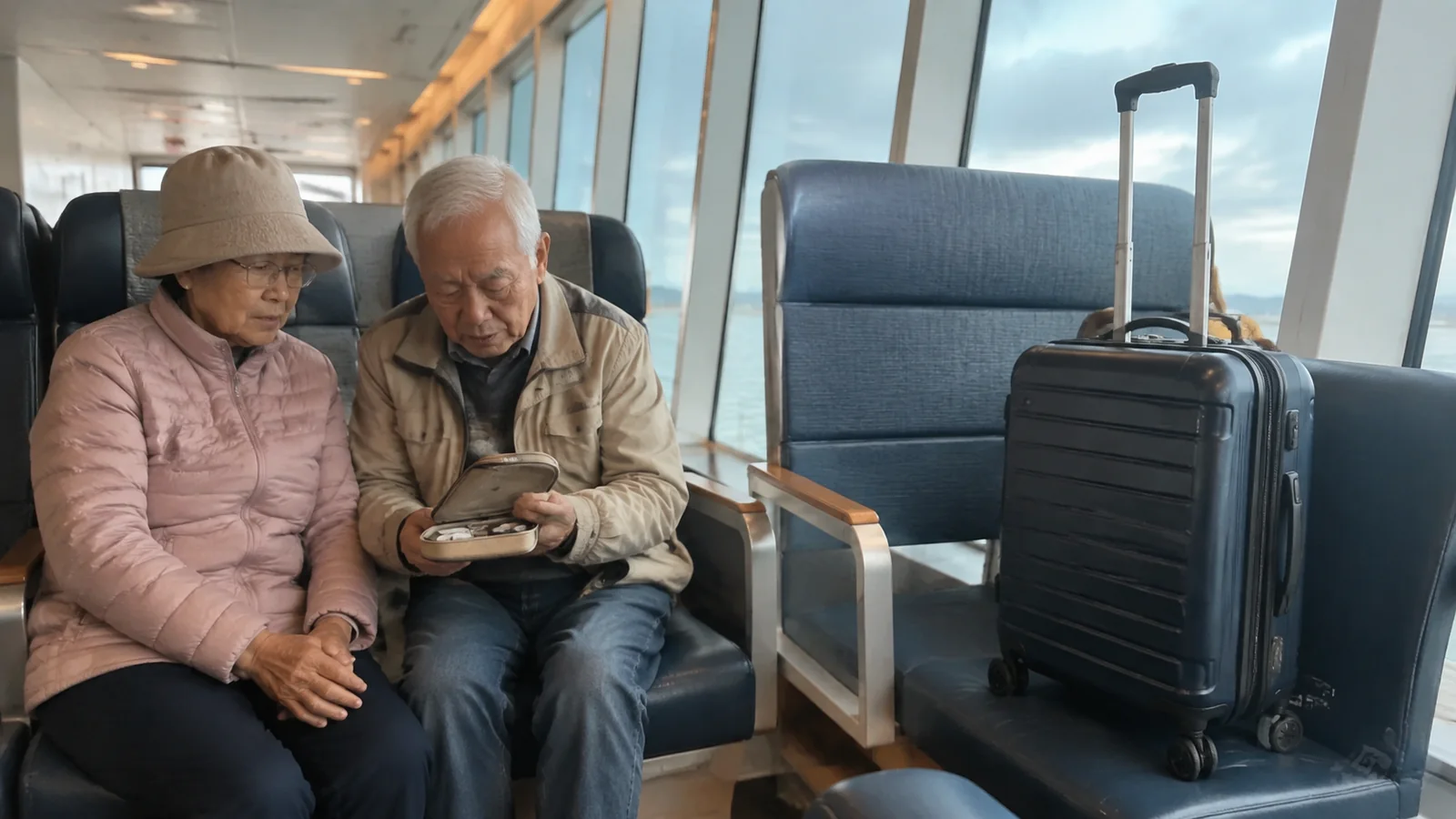
Know what shipboard medical care can provide
A ship’s medical center can assess and treat many problems, but its capabilities vary and it may need to arrange care ashore. I would not choose a remote itinerary without considering what happens if specialist treatment is needed.
Ask the line about any essential medical support before paying. Then share the answer with the traveler and their clinician if it affects whether the trip is suitable.
Save the ship’s emergency instructions and know where the medical center is located. Chest pain, stroke symptoms, serious breathing trouble, or another emergency should prompt immediate help rather than a family debate about the next port.
A companion can help gather records and call the insurer after care is underway. The parent’s preferences about sharing medical information should be respected whenever circumstances allow.
Medicare and travel insurance need an individual check
Original Medicare’s overseas coverage is limited, with narrow exceptions. The official Medicare travel guidance explains why the traveler should check additional coverage rather than assume the usual benefits work everywhere.
Ask the actual plan about the cruise itinerary, medical treatment abroad, and evacuation. Medicare Advantage, Medigap, employer coverage, and separate travel policies can have different benefits and conditions.
I would review preexisting-condition provisions, purchase deadlines, and whether the traveler may need to pay first and claim later. Also check trip interruption if a medical problem changes the journey home.
Keep the assistance number and policy details available offline. A relative helping with the paperwork should know where to find them without needing access to every private financial record.
Pick port days by transport and terrain
Before reserving a tour, ask about total walking distance, continuous standing, steps, slopes, restrooms, shade, and vehicle entry. An “easy” label is too broad to answer those questions.
For a mobility device, supply its measurements and ask about the vehicle’s actual ramp or lift. Confirm whether the traveler must transfer to a seat and who can assist.
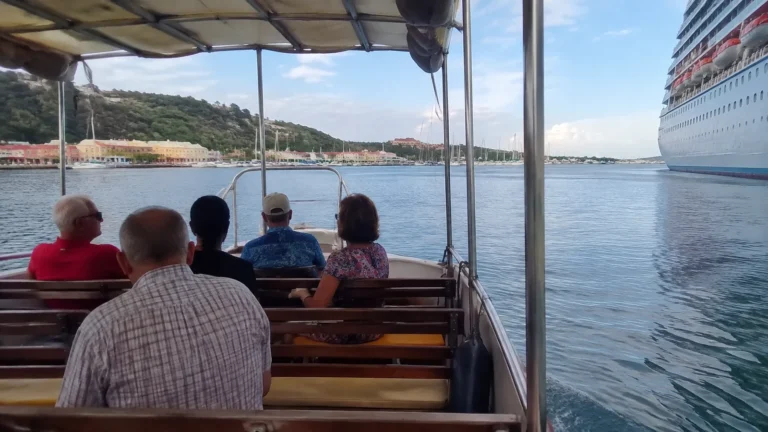
Tender ports add a small-boat transfer and may be unsuitable for a particular person or device. I would verify that detail before making a must-see attraction the centerpiece of the cruise.
Choose an outing with a comfortable return plan and enough time to rest afterward. A shorter tour that leaves your parent ready for dinner may be the better value even if it visits fewer sights.
Make rest part of the plan
I would begin with one main activity each day, then leave optional space around it. The first sea day can show whether the planned pace feels comfortable or needs adjusting.
Ask your parent when they usually feel most energetic and schedule the priority activity accordingly. An early excursion is not automatically preferable if mornings are slow or medication routines make that timing awkward.
Avoid treating a cabin break as a failed vacation day. Rest can be the choice that makes a favorite show or family dinner enjoyable.
My cruise planning tips can help keep the schedule flexible. I would reserve the most restrictive plans only when the benefit clearly outweighs the loss of flexibility.
Hearing and vision deserve practical attention
Ask about assistive listening, accessible announcements, visual alerts, or other supports that match the traveler’s needs. Submit any equipment request through the line’s stated process and verify it onboard.
Bring spare hearing-aid supplies, glasses, chargers, and the small items used every day. A missing proprietary charger may be harder to replace than an ordinary toiletry.
Choose restaurant and theater seating with your parent rather than assuming the front row is always best. Background noise, sightlines, and an easy exit can matter more than closeness to the stage.
If written instructions help, keep a simple note with the ship, cabin, meeting point, and agreed contact details. Share only the private information needed for the situation.
Make a respectful communication plan
Agree on how often to check in and what should happen if someone misses a meeting. A breakfast message or planned afternoon call may be enough without monitoring every movement.
If memory or orientation concerns exist, discuss them openly with the parent and the relevant clinician. The support plan should match the individual rather than rely on a generic “senior travel” checklist.
Ask who may communicate with medical staff or make decisions if the traveler becomes unable to do so. Carry relevant documents if the traveler has arranged them, and understand that local procedures can vary.
I would also make sure the parent knows the plan for an unexpected port change or early return. Being informed is part of remaining an active participant in the trip.
The cruise I would choose together
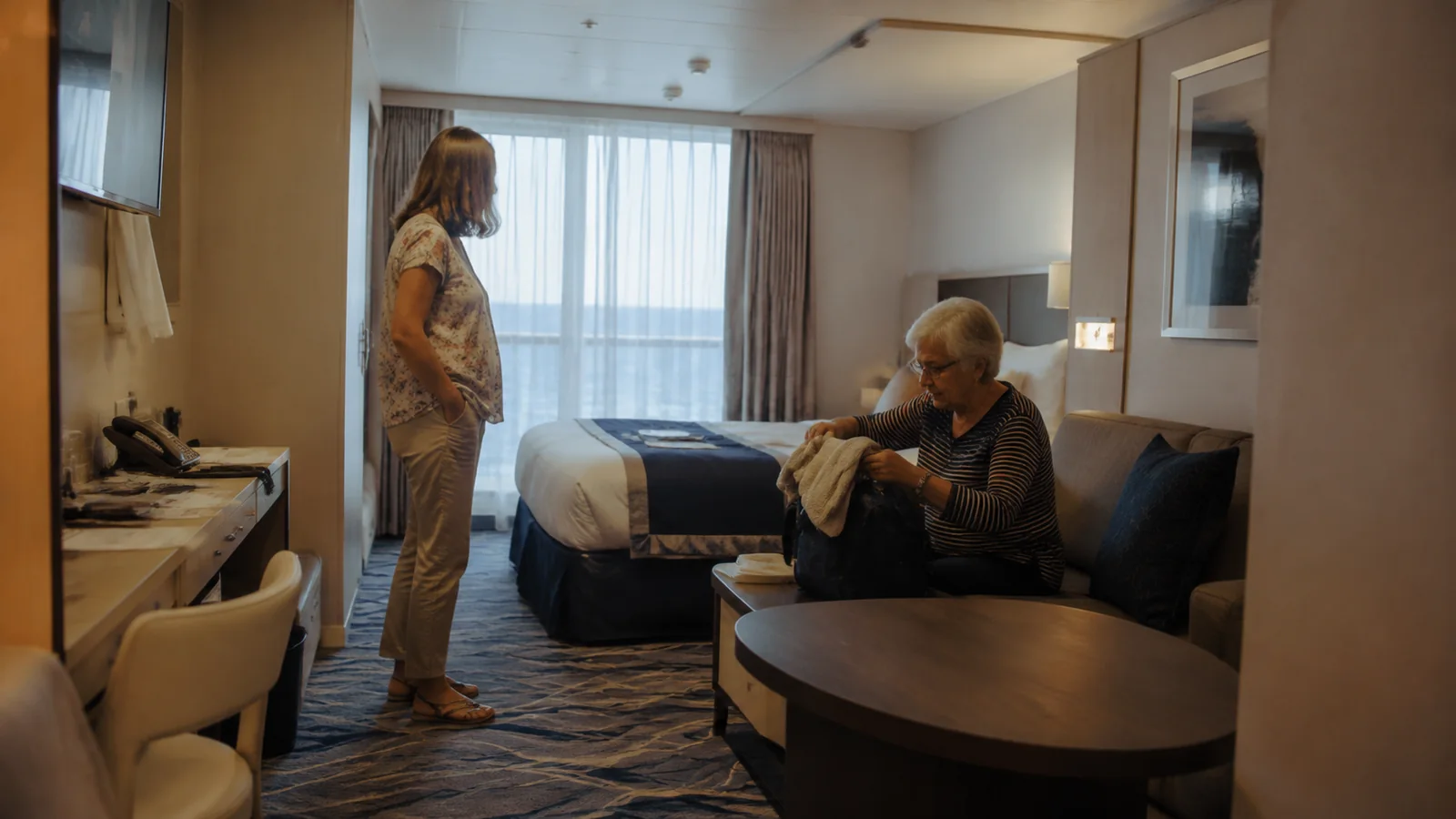
I would choose a functional cabin, reliable transportation, manageable port days, and enough space in the schedule for the parent’s preferred pace. The best measure is whether they can enjoy the activities they chose while keeping the independence and support that feel right to them.