Disney Cruise Stateroom Categories: How I Would Choose
I would choose a Disney cruise room by its beds, bathroom, view, and location before worrying about the category code. An oceanview is a useful starting point for daylight and value, while a verandah is worth considering when private outdoor time will improve the trip.
Concierge is a separate service upgrade, and the same familiar category name can describe different layouts on different Disney ships.
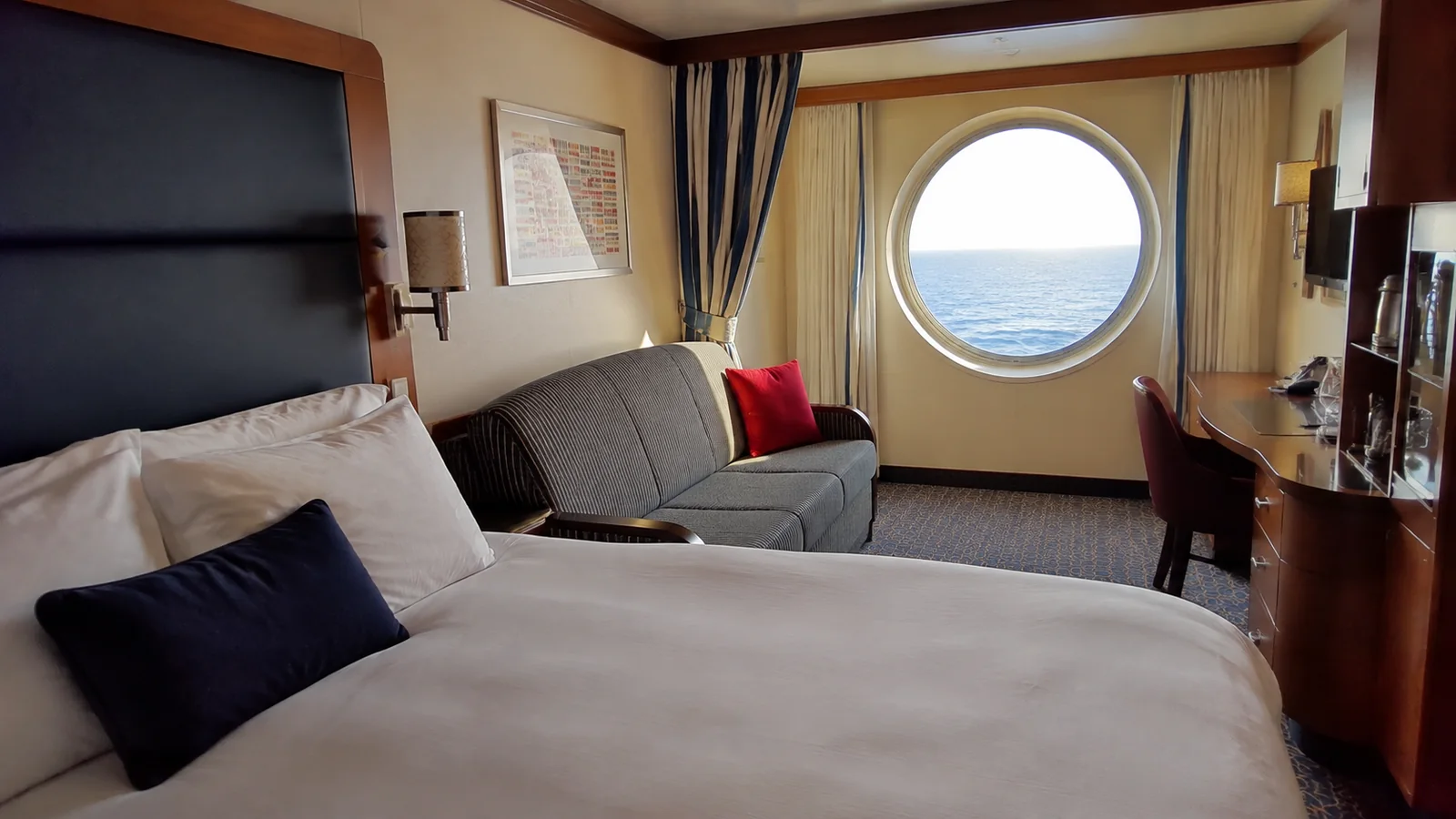
The four room groups in plain English
- Inside: An enclosed room without a conventional outside window, with ship-specific layouts and features.
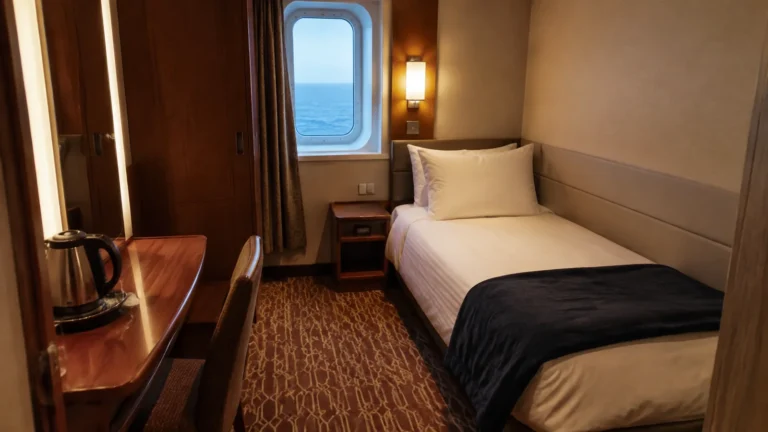
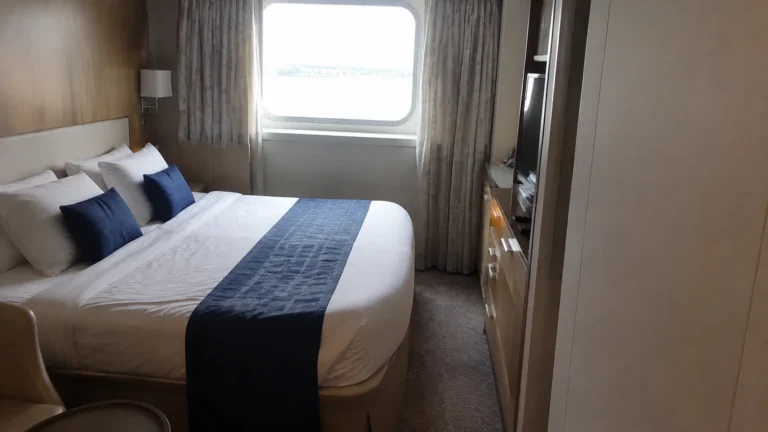
- Oceanview: A room with a real window or porthole, usually offering daylight without a private balcony.
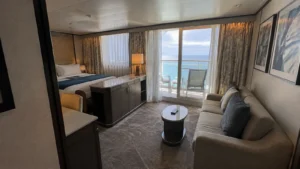
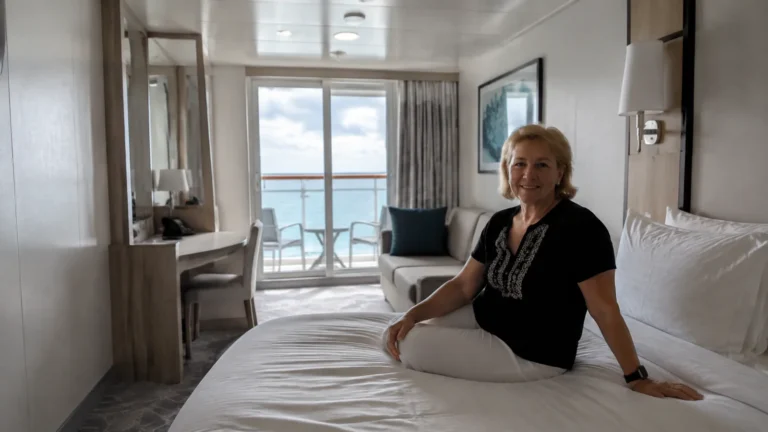
- Verandah: A room with a balcony, whose view, railing, and degree of enclosure need a closer look.
- Concierge: Eligible rooms and suites with additional service and access, covering several sizes and layouts.
Disney’s stateroom overview is the starting reference for these groups. I would then open the selected ship’s room details rather than apply one set of dimensions across the fleet.
How I would read a Disney category code
The number and letter identify a particular accommodation category, but they are not a universal score for how well you will sleep. A higher-priced letter can reflect a preferred location rather than a different bathroom or more floor space.
I would read the complete name beside the code. Words such as Standard, Deluxe, Family, Oceanview, Verandah, and Concierge tell me which features to investigate next.
For example, Disney Fantasy’s official room page identifies Deluxe Family Oceanview Staterooms with Verandah in categories 4A through 4D. I would compare the individual deck and position before paying extra for one letter over another.
Category 7A is associated with the Navigator’s Verandah, but the physical balcony is not identical across ships. That is a good example of why a code remembered from a previous cruise should not replace a fresh room check.
I would not transfer an old cabin chart to a newly introduced ship or a sailing after a refurbishment. Disney’s deck-plan pages themselves note that category assignments can change with enhancements.
Inside: check the bathroom and the real sleeping arrangement
An inside room can be a sensible choice when the trip is about the ship’s activities and you mainly use the cabin for sleep. I would choose one because the layout and price work, rather than because someone insists you will never be in your room.
Standard Inside and Deluxe Inside are not interchangeable where both are offered. I would check the bathroom plan and indoor area instead of assuming the only difference is the deck.
The Disney Fantasy room overview shows its inside accommodation with a Magical Porthole. That is a screen displaying an outside view, not a real window bringing in natural light.
Disney Dream also has this feature, while I would not expect it in every inside room elsewhere in the fleet. If it is the reason a child wants the cabin, I would confirm it on the chosen ship’s actual room page.
I would also look at the room with the extra beds deployed. A compact cabin can feel very different when the sofa becomes a bed and an upper berth is lowered.
For a couple with an early bedtime, a quiet ceiling matters more to me than a higher-priced inside category. I would compare the room directly above and below before paying for location within the inside group.
Oceanview: my practical starting category
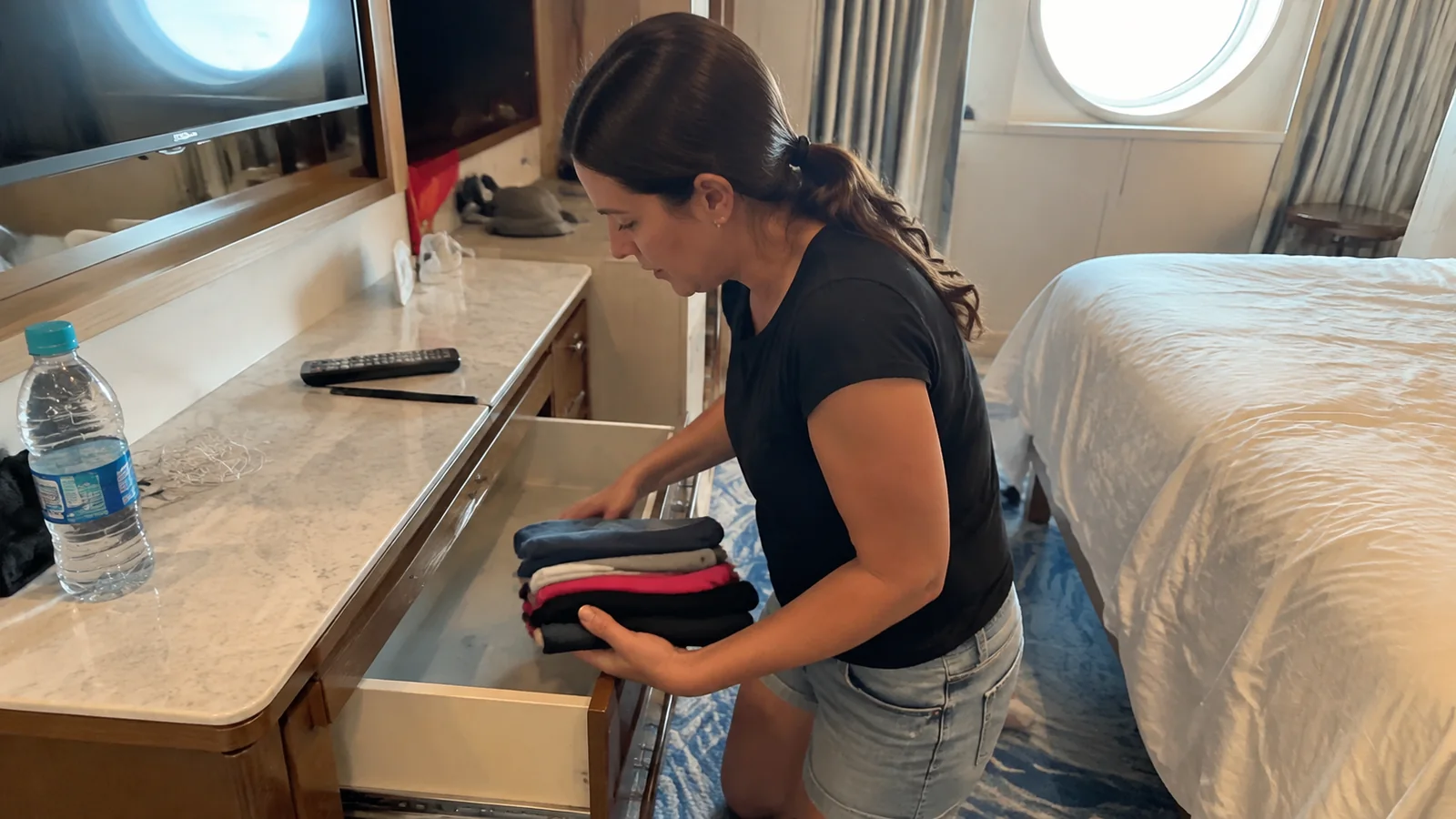
An oceanview gives you daylight and a quick look outside without the full verandah premium. I would like that for a family that wants a comfortable room while keeping money for the rest of the trip.
Window arrangements vary, including large portholes and unusual forward layouts. I would check where the window sits relative to the bed and seating rather than judge only its size.
A forward room can offer an appealing view while feeling different in motion from a central room. I would not call it the best oceanview for everyone just because it has more space or a dramatic window.
I would also check whether the room has a full or partial obstruction. A discounted view can be acceptable if daylight matters more than scenery, but I would want a photograph of the actual room before deciding.
When comparing an oceanview with a verandah, I would separate indoor area from total area. A quoted verandah size may include the balcony, so the bigger number does not automatically mean a bigger bedroom.
Verandah: read the view and railing details
A verandah is useful when I want to step outside while someone else rests or enjoy a few quiet minutes without going to a public deck. I would pay more for that convenience when I expect to use it repeatedly.
I would inspect whether the railing is clear, partly solid, or enclosed by the ship’s structure. The view from a chair can differ from the view in a photograph taken by someone standing at the railing.
Disney’s verandah-type FAQ explains the Navigator’s Verandah distinction. On Magic and Wonder, the traditional design is enclosed with a large open-air porthole, while other ships use the category for different restricted-view arrangements.
I would not pay for a verandah based on that familiar name alone. I would want the exact ship, category, and a room-specific image showing how the outdoor area opens toward the sea.
A larger balcony can also have less overhead coverage or more exposure to neighboring sightlines. I would choose the version I can comfortably use rather than assume more square footage is always better.
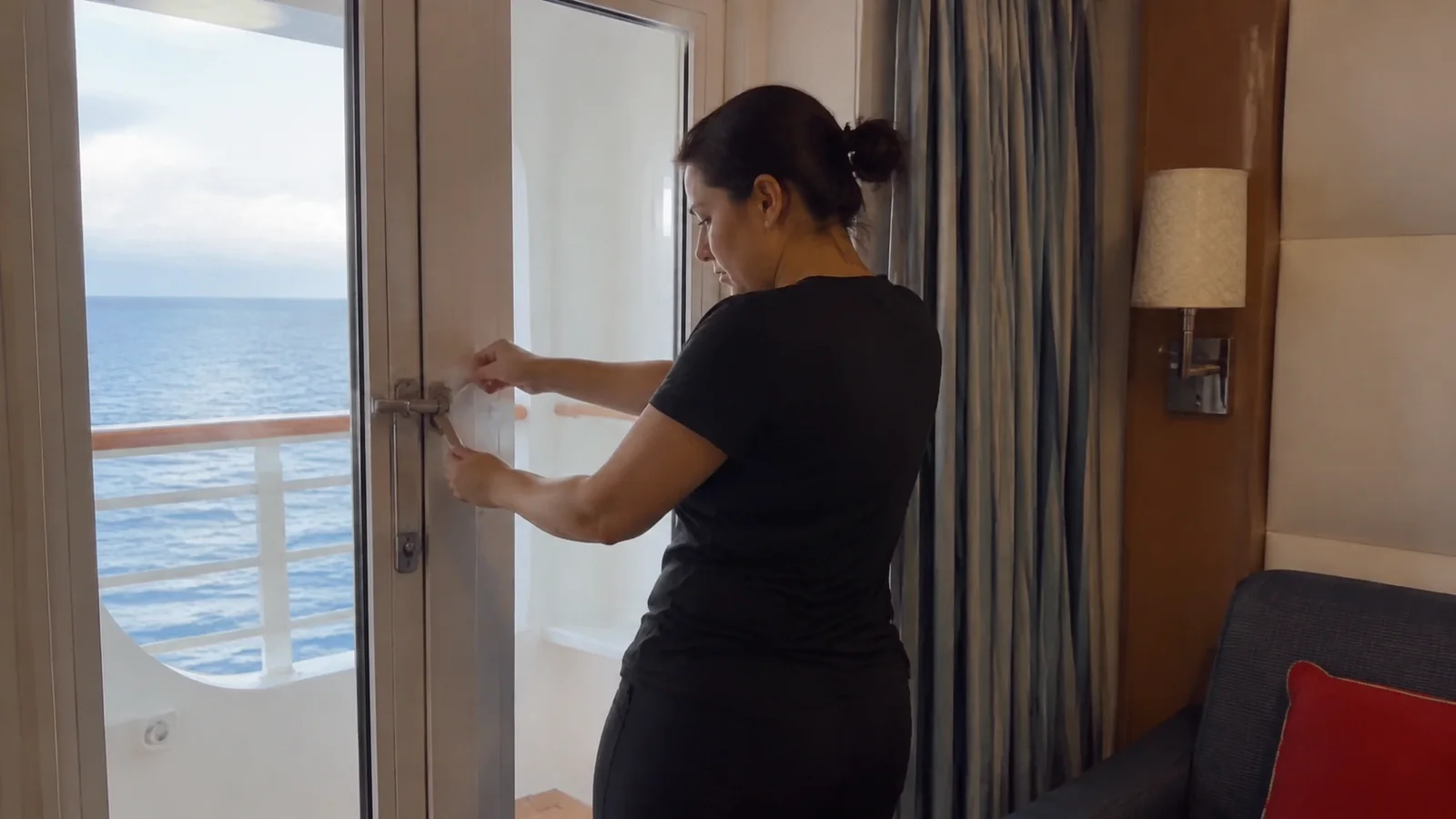
For young children, I would follow Disney’s balcony-door and supervision rules. I would not use the balcony as a separate unsupervised play area or move furniture into an unsafe position.
Disney Adventure needs its own view comparison
Disney Adventure introduces garden- and reef-facing accommodation alongside other room choices. Its official stateroom overview should be read separately from a guide written for Dream, Fantasy, or Wish.
A Garden View or Reef View can face an interior ship neighborhood rather than provide the conventional open-ocean outlook a first-time cruiser expects. I would check the full name and view description before paying for a verandah.
That can be an appealing choice if you enjoy watching the ship’s themed spaces and activity. I would prefer an ocean-facing room if quiet outdoor reading and a broad sea horizon are the main goals.
I would also examine the opposite rooms and nearby public areas for privacy and activity. A balcony facing inward creates a different relationship with other guests from a standard outward-facing balcony.
Split bathrooms are useful, but not universal
Disney’s split bathroom generally separates the toilet-and-sink area from a washing area with another sink. It helps two people get ready at once, but it does not mean every room has two toilets or two complete bathrooms.
I would check the exact bathroom plan, particularly in Standard Inside accommodation and unusual layouts. A general statement that most Disney rooms have split bathrooms should not become a promise that the room you selected does.
Accessible rooms can also use a different arrangement to provide the needed space and equipment. I would prioritize the traveler’s requirements rather than treat the absence of a split bathroom as a downgrade.
If a bathtub is essential for your family, confirm it specifically. I would ask about the actual fixtures instead of assuming that every family-labeled room has the same washing area.
Family does not mean every room sleeps five
The Family label often signals more space or a different sleeping arrangement, but occupancy is assigned to the exact room. I would enter the full party into the booking search before comparing prices.
A room advertised for up to five people may not be available for five on the chosen sailing. The booking system must accept the actual party, including infants, rather than relying on the largest capacity shown on a general page.
I would identify the main bed, sofa bed, upper berth, and any wall bed separately. That makes it easier to decide whether the room works for teenagers, two adults who want separate beds, or a child who cannot use an upper berth.
I would not assume the main bed splits into twins. Disney’s layouts can use a fixed main bed, so travelers who need separate equivalent beds should confirm the arrangement before paying.
For families choosing between one larger room and two smaller ones, my family cruise guide provides a broader comparison. Two bathrooms and separate sleeping spaces can matter more than a balcony attached to one crowded room.
Concierge buys service and access as well as accommodation
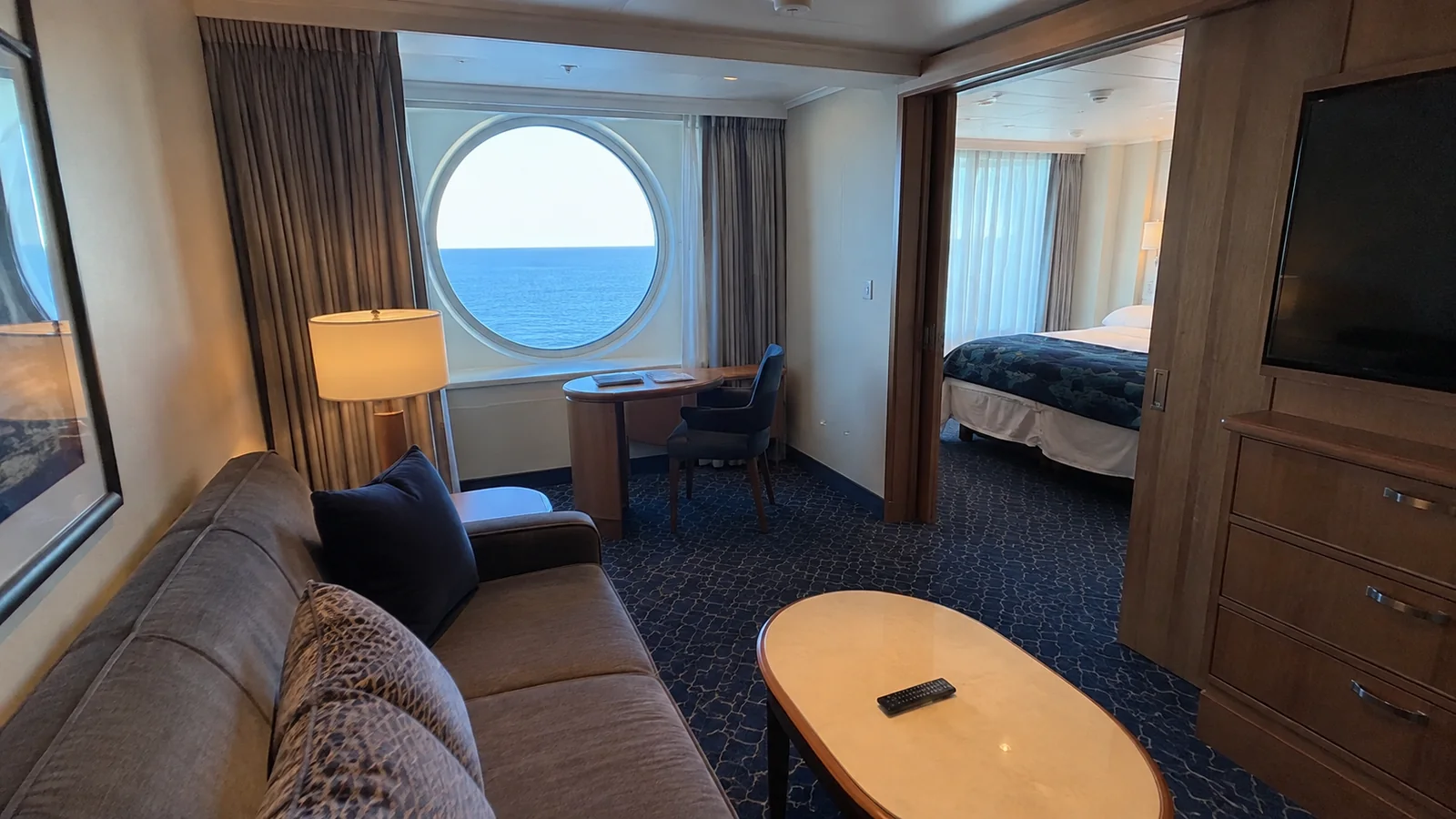
Concierge includes eligible rooms as well as larger suites, so I would not assume every Concierge booking has a separate bedroom. I would read the room plan first, then compare the service and venue benefits.
I would value pre-arrival assistance and access to dedicated spaces if those make the trip easier. I would not promise that every reservation request will be fulfilled or that every onboard charge disappears.
The lounge, sundeck, and other facilities vary by ship. I would check the actual amenities for the chosen vessel instead of using a photograph of another ship’s Concierge area.
If I want a separate bedroom, a second bathroom, or a particular outdoor area, I would make that requirement explicit. A beautiful premium room with the wrong layout is still the wrong room for the family.
I would also confirm the fare’s deposit, cancellation, and internet conditions before paying. Concierge is a substantial purchase, so the written booking terms matter as much as the welcome amenities.
Location still matters after choosing the category
I would inspect the decks above and below for pools, restaurants, theaters, laundry rooms, and other public areas. My cruise floor-plan guide explains how to follow the venue footprint instead of blaming an entire deck.
If motion is a concern, I would compare lower central rooms rather than automatically select a high forward category. The seasickness planning guide is useful before making that tradeoff.
I would generally choose a non-connecting room when I do not need the connection and the alternatives are otherwise equal. For a family booking both sides, a verified connecting pair can be an excellent arrangement.
I would not reject elevators automatically. A room around the corner from the lobby can save repeated walks, especially with children or a mobility aid.
The cabins-to-avoid checklist helps with the final comparison. A preferred category code should never replace checking where that specific cabin actually sits.
My five-minute Disney room check
- Confirm the ship, sailing, full category name, and exact approved occupancy.
- Compare indoor space separately from balcony area.
- Identify every bed and the bathroom’s actual fixtures.
- Check the view direction, railing, obstruction, and privacy.
- Inspect the room above and below and the route to elevators.
- Verify any Concierge or guarantee-fare terms before accepting the price.
Questions I would answer before booking
Does a better category letter mean a larger room?
Not necessarily, because the difference may be location. I would compare the actual dimensions and floor plans before paying more.
Does Oceanview with Verandah mean a window-only room?
No, the verandah wording indicates a balcony. I would still read the full description for its view and configuration.
Is a restricted guarantee a good way to save?
It can be if you accept the fare’s assignment and change restrictions. I would choose a specific room when an obstruction, connecting requirement, or particular location is essential.
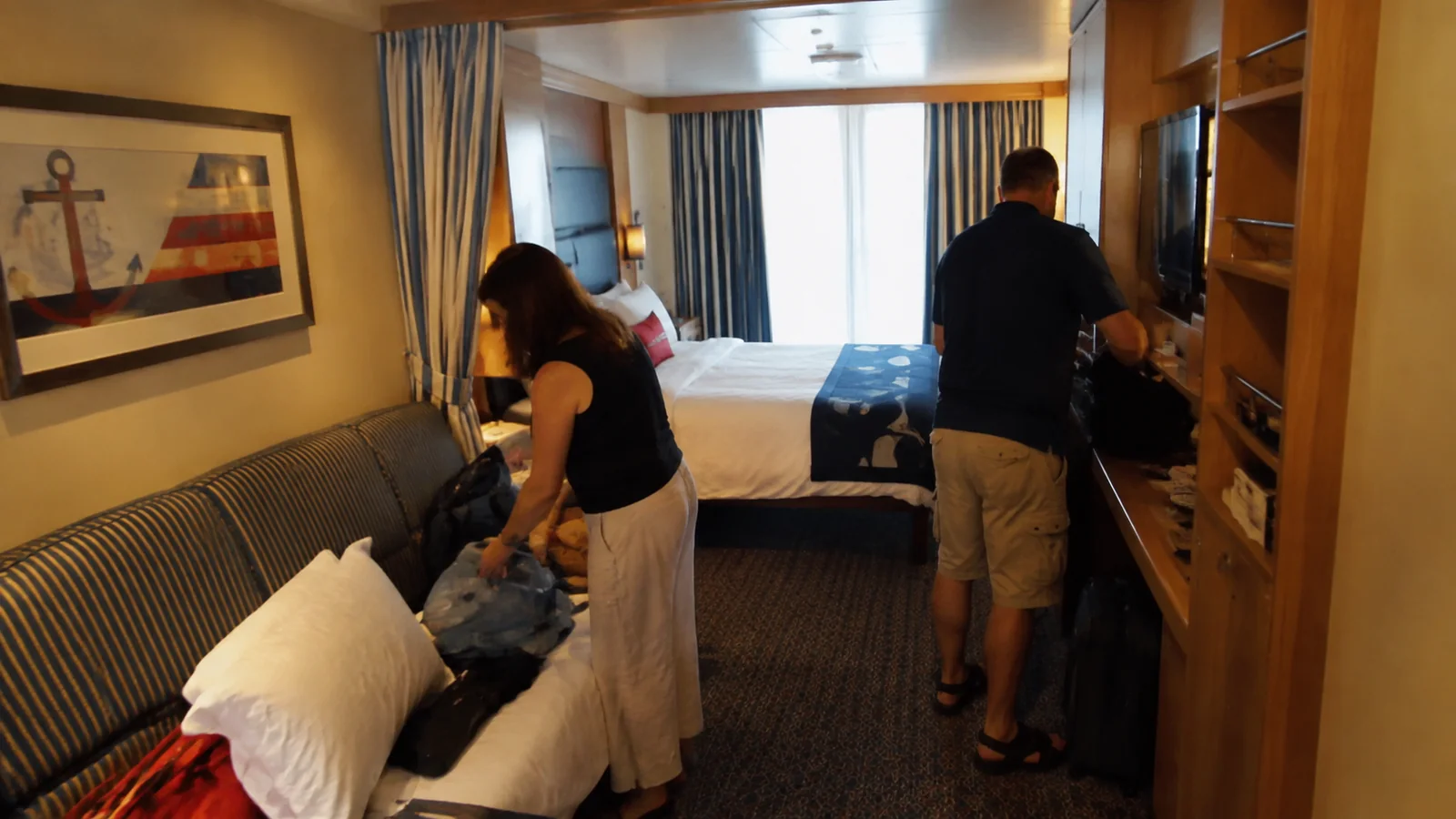
What I would book
I would start with a well-located oceanview that has the beds and bathroom my group needs, then price a suitable verandah. I would move to Concierge for its actual service, access, or suite layout, while keeping the room’s physical fit ahead of the category code.