Worst Months to Cruise the Caribbean, and When to Go Instead
There is no single worst month to cruise the Caribbean. September carries the highest climatological hurricane risk, late summer can be brutally hot, winter costs more, and spring beaches may collect sargassum, so the wrong month depends on what would spoil your trip.
The short answer: September is riskiest, not automatically worst
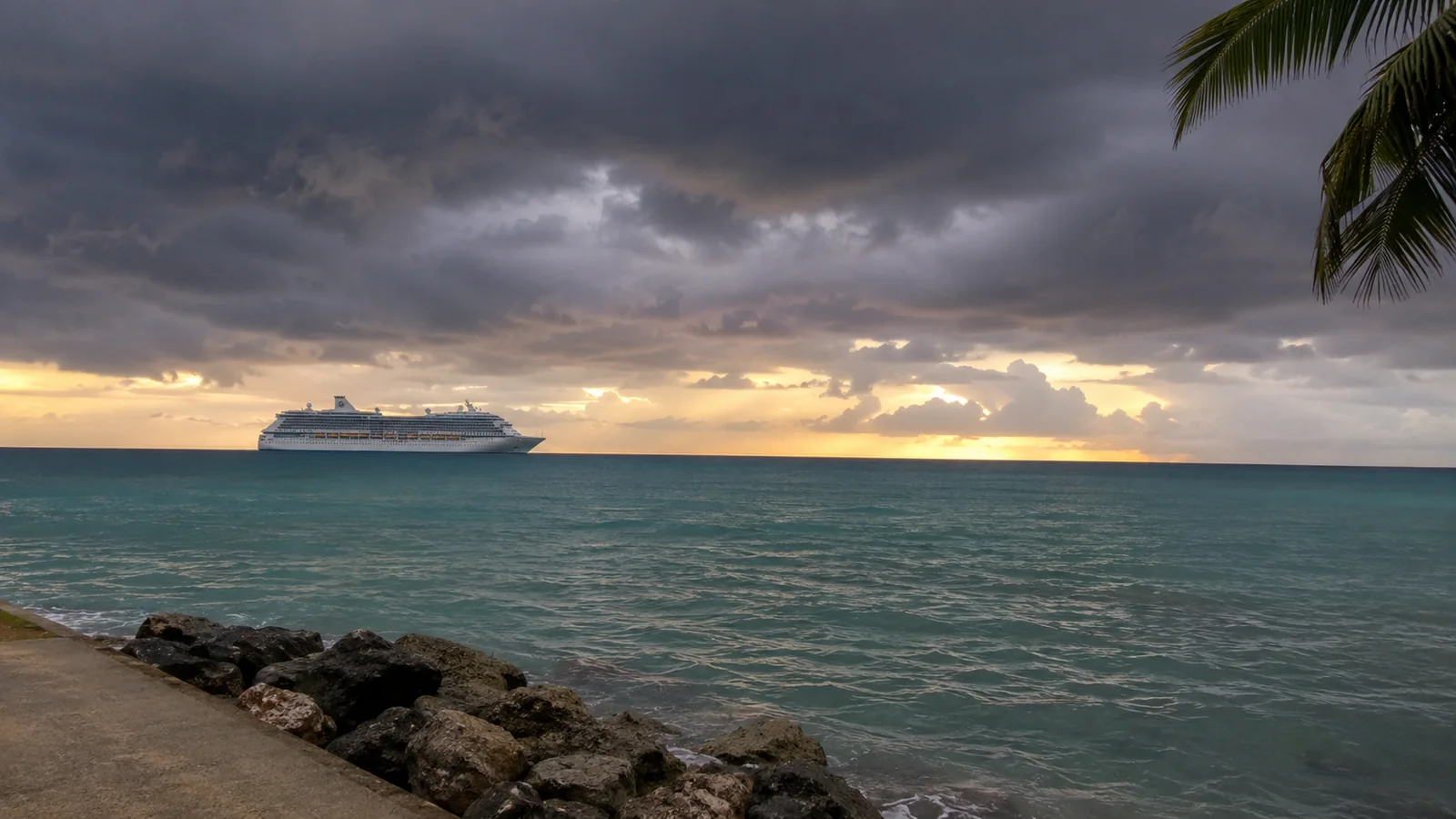
Atlantic hurricane season officially runs from June 1 through November 30. NOAA places the climatological peak on September 10, with most activity between mid-August and mid-October.
That makes September the hardest month for travelers who need a specific island, dislike itinerary uncertainty, or are planning a nonrefundable event ashore. It does not mean every September sailing encounters a storm, and no seasonal forecast can identify your cruise’s weather months ahead.
For price-sensitive travelers with flexible expectations, September can offer compelling fares and fewer school-holiday crowds. The trade is accepting that the captain may change ports, reverse the route, or substitute sea days to keep the ship away from dangerous weather.
Why one Caribbean weather rule does not work
The Caribbean spans the Bahamas, Greater and Lesser Antilles, the southern islands near South America, and western ports along Mexico and Central America. Rainfall, wind, ocean conditions, and storm exposure differ across that enormous area.
The Caribbean Regional Climate Centre describes a broad wet season from May or June into November or December and a drier half of the year. Local topography and subregional patterns can shift the timing and intensity substantially.
A rainy-season day is not necessarily a washout. Tropical rain often arrives in bursts, while a dry-season cold front or stalled system can still produce gray skies and rough water.
Judge a route by its actual ports, not the marketing label “Eastern,” “Western,” or “Southern Caribbean.” Two cruises with the same label may sail hundreds of miles apart.
Late August through mid-October: highest disruption risk
This period combines peak tropical-cyclone climatology with high humidity and very warm conditions across much of the basin. It is the clearest “avoid” window for anyone whose vacation depends on calm seas and a fixed port list.
A hurricane does not have to strike your ship or destination to alter the itinerary. Swell can close a tender port, a storm can occupy the route, and a damaged port may remain unavailable after the system has moved away.
Cruise ships can move around many storms, which is a safety advantage but not a vacation guarantee. Rerouting from an eastern itinerary to western ports is still a major change if you booked specifically for St. Thomas.
Flights and pre-cruise hotels may be the weaker link. A ship could depart safely while your aircraft is delayed in a storm far from the embarkation city, which is why arriving a day early matters even more in this season.
May through November: rain, humidity, and heat
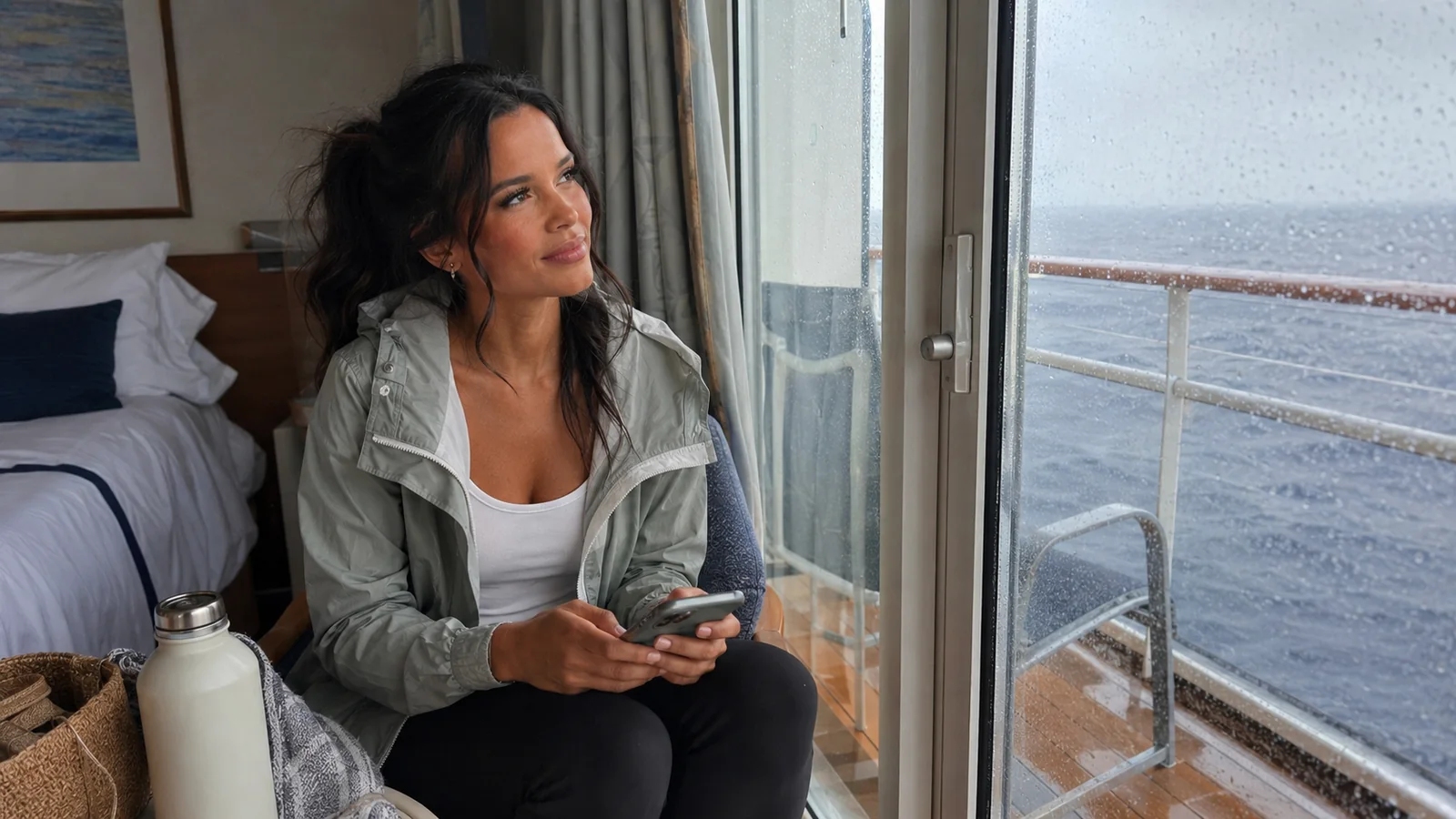
The wider warm-season challenge is not only hurricanes. High humidity, intense sun, afternoon thunderstorms, and warm nights can make walking tours and unshaded ruins exhausting.
Rainfall varies by island and coast, with mountain slopes often much wetter than nearby leeward areas. A ship’s forecast for “the island” cannot capture every beach and excursion valley.
Western Caribbean ports around the Yucatán Peninsula, Belize, and Honduras typically contend with a pronounced wet season and tropical systems. Tender operations, small boats, unpaved roads, and cave or river excursions can be more sensitive to heavy rain than a dockside shopping day.
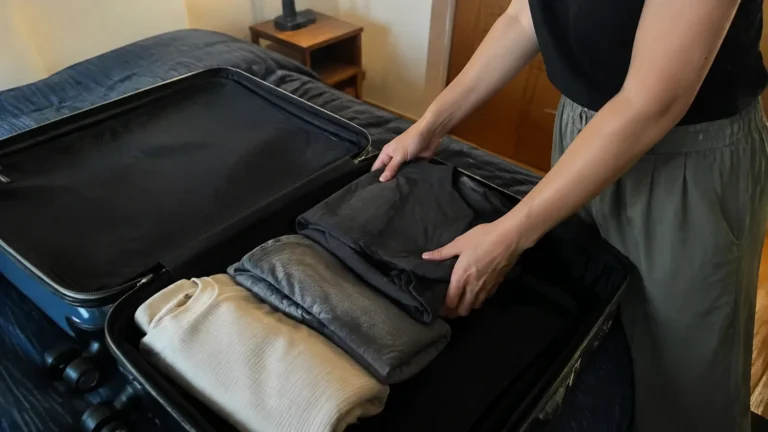
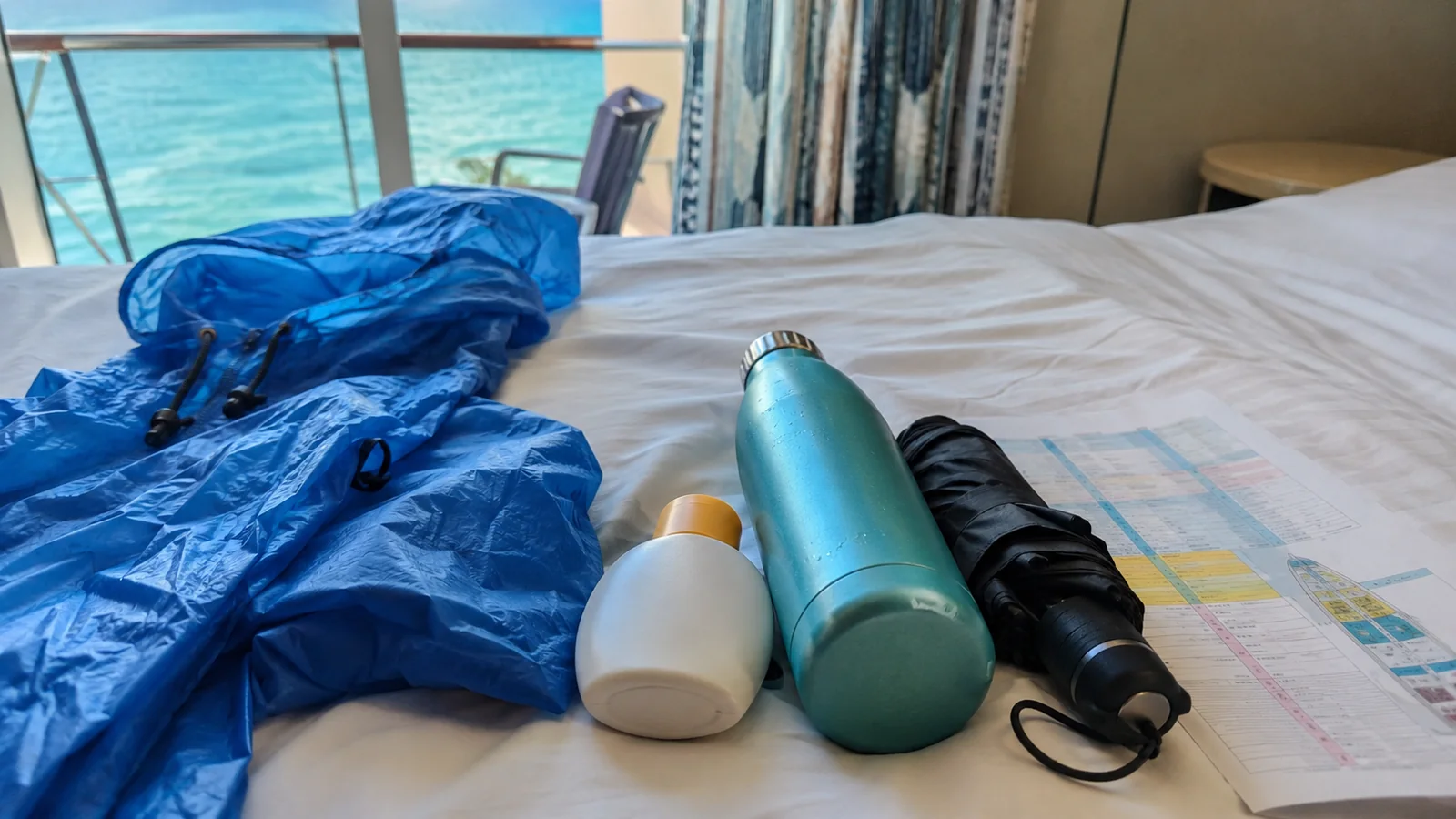
Pack a light rain shell, quick-drying clothes, sun protection, and footwear with traction. The modular approach in this cruise packing list is much more useful than carrying an umbrella the size of a satellite dish.
Subregional differences that change the answer
Bahamas and far northern Caribbean
The Bahamas and nearby northern routes can feel cooler in winter, especially when cold fronts bring wind, clouds, or rougher seas. January and February may disappoint travelers expecting bathtub-warm water every day, even though humidity is usually easier than in summer.
Late summer and early fall bring the larger tropical-weather risk. Short cruises are particularly vulnerable to disappointment because losing one port can remove half the itinerary.
Greater Antilles
Cuba, Jamaica, Hispaniola, and Puerto Rico have mountains that create sharp local rainfall contrasts. Late summer and fall generally bring more heat and tropical risk, but conditions can differ between two coasts on the same day.
Historic-city walks can be punishing at midday in August or September. Choose early tours, shade, water, and an itinerary with enough port time to slow down.
Eastern Caribbean and Lesser Antilles
Trade winds can make the eastern islands feel comfortable, but exposed Atlantic ports and tender operations still respond to swell. The wetter part of the year commonly extends into November, with individual islands and slopes following their own pattern.
Peak winter weeks bring appealing weather and correspondingly strong demand. Travelers avoiding crowds may prefer late April or May while accepting warmer, less predictable conditions.
Southern Caribbean and ABC islands
Aruba, Bonaire, and Curaçao are comparatively dry and lie south of the main hurricane track, making them attractive in late summer and fall. They are not outside all tropical-weather influence, and heat or wind may be the bigger daily issue.
A Southern Caribbean itinerary can reduce, not erase, seasonal risk. Flights, embarkation ports, and other calls may still sit in more exposed areas.
Western Caribbean mainland ports
Cozumel, Costa Maya, Belize, Roatán, and ports along Central America can be wet and very hot during summer and fall. Tropical systems may form in or cross the western Caribbean, while heavy rain can affect roads and outdoor excursions.
Spring often offers a better temperature balance, but sargassum can complicate east-facing beaches. Choose the route and excursion with backup options rather than assuming every coast shares the same seaweed conditions.
Sargassum does not follow the cruise calendar neatly
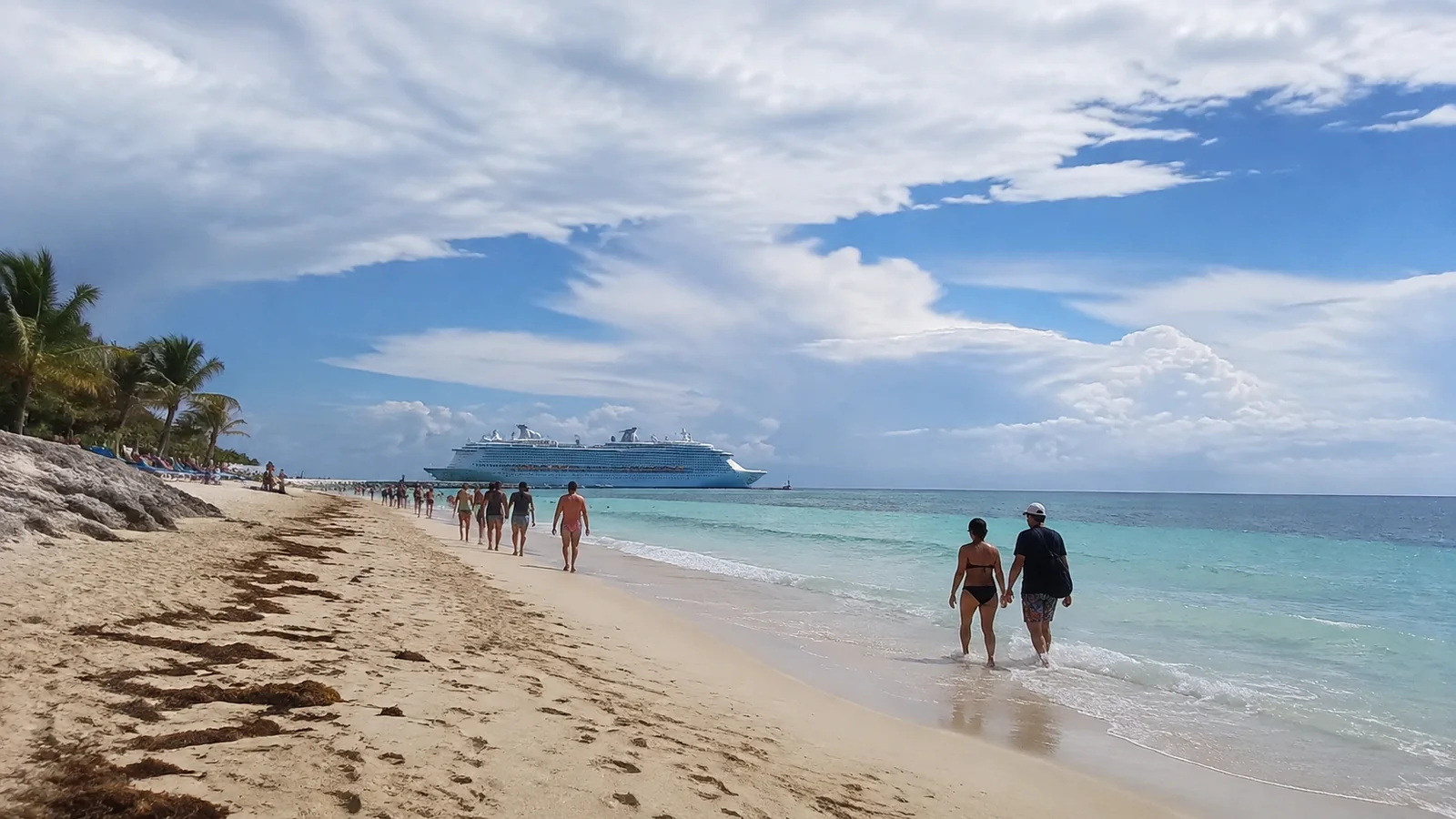
Sargassum is a naturally occurring floating brown algae that can accumulate heavily on some Caribbean shores. Beaching varies with currents, wind, coastline orientation, cleanup, and short-term conditions, so one resort may be affected while a nearby beach is clear.
The season often becomes more noticeable from spring into summer, but yearly abundance changes dramatically. The University of South Florida’s satellite-based Sargassum outlook tracks basin conditions and, in August 2026, reported declining but still historically elevated amounts in most monitored regions.
That bulletin offers context, not a promise about one beach next year. Check recent local images, port notices, and excursion operators shortly before sailing, then keep a non-beach alternative.
Do not handle decomposing piles, and move away if odor or air irritation is bothersome. Ask the cruise line or local authority about closures rather than stepping around barriers for a photograph.
December through March: best weather, worst prices and crowds
The drier winter season attracts travelers escaping cold climates, with holiday weeks and school breaks driving demand. Christmas, New Year, Presidents’ Day periods, and spring break can produce higher fares, busier ships, and crowded marquee ports.
Winter is “worst” for a traveler who values low prices and quiet pools more than reliably lower humidity. It can still be the best choice for someone sensitive to heat or unwilling to accept peak hurricane-season uncertainty.
Northern routes may receive cool fronts, and ocean crossings from Florida can feel brisk on deck. Pack a light layer even when every advertisement appears to have misplaced its clouds.
March and April: crowd calendar versus climate
March often combines dry-season appeal with spring-break demand. These March cruise choices work best when you compare departure length and home-port school calendars rather than expecting one universal crowd level.
April can bring a pleasant shoulder between peak winter and the wetter season, but Easter timing matters. A sailing that looks quiet by month may overlap school vacations in several countries.
Late April and early May are strong compromise candidates for many adults, with warmer water and potentially softer demand. Rain and sargassum risk generally begin rising, and annual conditions still vary.
The crowd and value calendar
Short sailings during school breaks tend to feel livelier and more family-heavy than longer voyages. A seven-night cruise departing one week later can have a noticeably different atmosphere without moving to another climate.
Low fares in September and October compensate for uncertainty, not remove it. Compare taxes, flights, hotel rates, insurance, drink packages, and refundable arrangements before calling a cruise a bargain.
May sailings can be appealing after spring break and before much of the summer rush. Our look at cruises in May helps weigh the shoulder-season advantages against rising heat and rain.
Travel insurance during hurricane season
Buy insurance soon after making the first trip payment if the chosen policy and timing suit your needs. The National Association of Insurance Commissioners warns that policies bought after a tropical storm is named typically will not cover claims related to that event.
Read the covered-reason list, exclusions, delay thresholds, medical coverage, evacuation terms, and reimbursement limits. A cruise line changing ports is not automatically a covered cancellation, particularly when the voyage still operates.
“Cancel for any reason” coverage has timing rules, percentage limits, and other conditions, and it does not literally reimburse every dollar in every circumstance. Compare policy wording, not the comforting name.
Keep receipts and document cruise-line changes, delays, and refunds. Insurance generally pays eligible unreimbursed losses, not money already returned by an airline, hotel, or cruise line.
Pick your personal worst month
- Avoid mid-August to mid-October if a fixed itinerary and low storm risk matter most.
- Avoid July through September if heat and humidity ruin outdoor sightseeing.
- Avoid major winter holidays and spring break if price and crowds are your biggest concerns.
- Be cautious from spring into summer if a pristine beach is the whole point and sargassum would be a deal-breaker.
- Be cautious in January and February on northern routes if warm swimming water and hot beach days are essential.
A quick month-by-month reality check
January and February: generally drier and less humid, with high demand and possible cool fronts in the northern Caribbean. Excellent for sightseeing, less certain for guaranteed hot beach weather.
March and April: often favorable weather, but spring-break and Easter crowds can raise prices. Late April can be a useful shoulder-season sweet spot.
May and June: warming, increasingly humid, and entering the wetter period, with sargassum possible. Hurricane season begins June 1, although the climatological peak comes later.
July and early August: hot, humid, and popular with families during school vacation. Tropical risk is rising, but remains below the climatological peak.
Mid-August through October: greatest tropical disruption concern, often paired with attractive fares. Flexible travelers may accept the bargain, while destination-specific travelers should think twice.
November and December: tropical risk declines through November, while rain can linger in parts of the region. Early December may offer value before holiday demand surges.
Frequently asked questions
What month has the most Caribbean hurricanes?
September sits at the center of Atlantic hurricane climatology, with the statistical peak on September 10. A peak describes long-term basin activity, not the forecast for one sailing.
Is it safe to cruise during hurricane season?
Cruise lines monitor storms and can alter routes, but no trip is risk-free. The more common traveler problem is disruption, missed ports, or flight trouble rather than sailing directly through a hurricane.
Which Caribbean route has the lowest hurricane risk?
Southern routes centered on Aruba, Bonaire, and Curaçao generally have lower direct hurricane exposure than many northern and eastern itineraries. They remain affected by regional weather, heat, flights, and the route’s other ports.
When is Caribbean cruising cheapest?
Some of the lowest fares appear during late-summer and fall storm season or other low-demand weeks. Price the entire trip and understand cancellation terms before deciding the risk-adjusted value is good.
The best month is the one whose tradeoffs you can live with
September is the strongest candidate for worst weather risk, while holiday winter weeks can be worst for budget and crowds. Choose by subregion, arrive early, insure the risks you cannot absorb, and keep enough flexibility to enjoy the cruise even when the islands change order.