What Is the Lido Deck? Pools, Food, Cabins and Smart Tips
The Lido deck is where many cruise days naturally drift: pools, loungers, quick lunches, sea views, and that first glorious moment when vacation feels real. Yet it is not a standard deck number or even a label every cruise line uses, so a little ship-specific planning can save you from crowds, noise, and a very long elevator ride.
What is the Lido deck on a cruise ship?
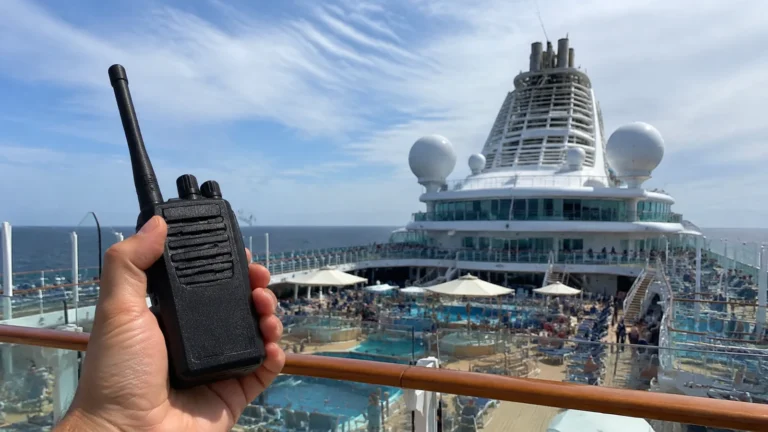
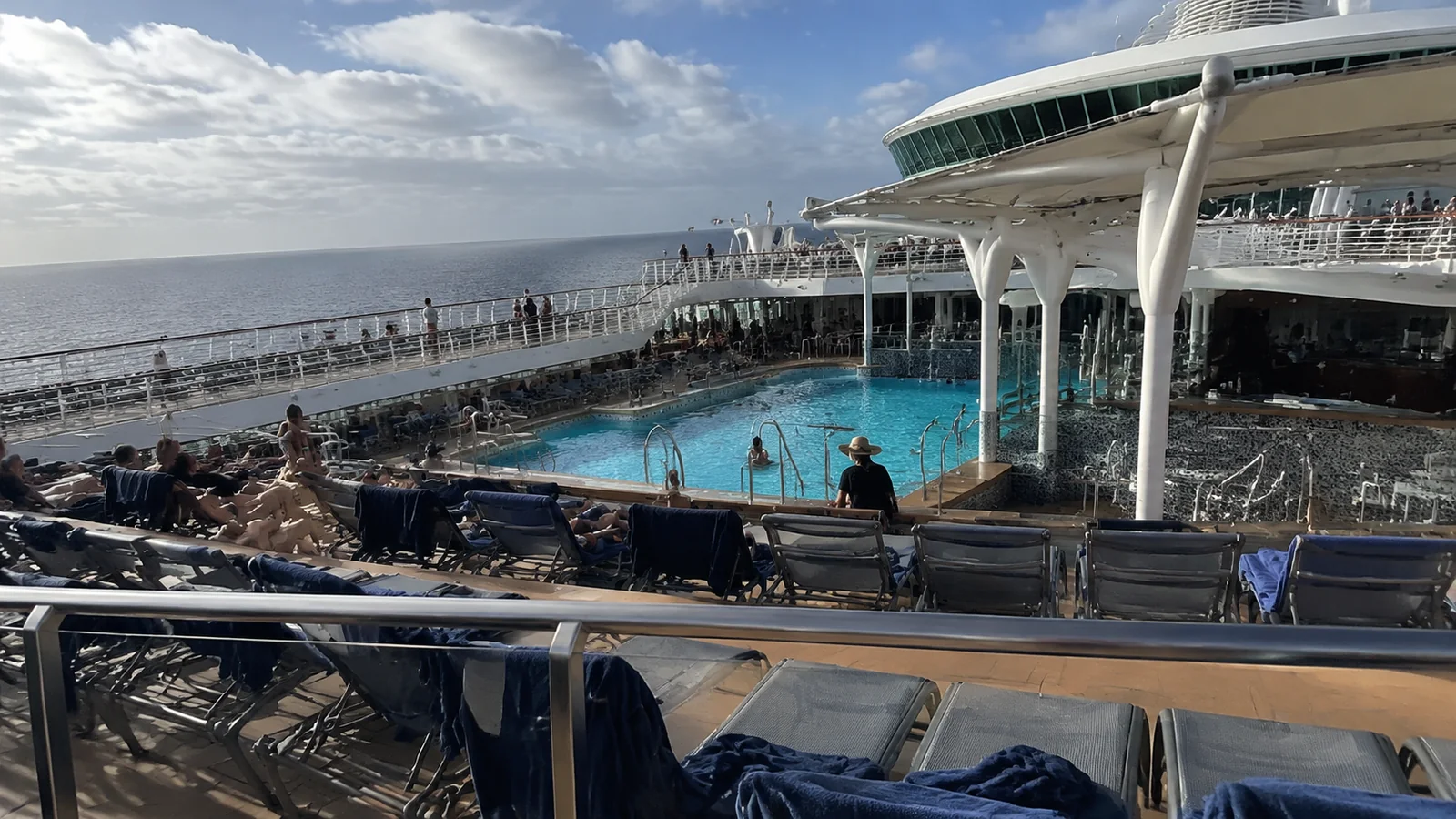
On a cruise ship, “Lido deck” usually means the main outdoor recreation area with a pool and nearby casual food. It may also include hot tubs, bars, a stage or screen, towel stations, shaded seating, and doors into an indoor buffet.
The important word is usually. Lido is a cruising convention, not a regulated layout, so two ships can use the term for very different spaces.
Some lines print “Lido” right on the deck plan. Others call the comparable space the Pool Deck, Resort Deck, or a branded neighborhood, and large new ships may spread pools across several decks.
That is why “meet me on Lido” is useful only when everyone knows the ship. Check the line’s current plan before assuming which elevator button to press.
The Lido deck is not always the same deck number
Carnival commonly uses the Lido name, but even its ships are not proof of a universal number. Carnival’s current Carnival Panorama deck plan labels Deck 10 as Lido, while official plans for several older Carnival ships place Lido on Deck 9.
Princess also uses the name, yet its number changes by ship. The line’s official accessibility map for Caribbean Princess identifies Deck 14 as Lido, while current Princess accessibility guides place Lido on Deck 15 or 16 aboard other vessels.
Royal Caribbean’s newest ships demonstrate another wrinkle. Its official Icon of the Seas deck plans map pools, restaurants, bars, and themed neighborhoods across multiple levels rather than presenting one simple deck called Lido.
Deck numbers can also skip 13, and a line may publish different plan profiles for future sail dates after a refurbishment. Always select the exact ship and sailing-date range on the cruise line’s website.
What you will usually find there
The classic Lido setup puts open-air fun and casual meals within a short walk of each other. It is the place where a swimsuit, cover-up, and appetite can carry you through a wonderfully unstructured afternoon.
Common features include:
- A main pool, family pool, or both
- Hot tubs and surrounding loungers
- A buffet or food hall just inside
- Quick-service counters for items such as pizza, burgers, tacos, or soft-serve
- Outdoor bars and drink stations
- Towel pickup and return points
- Live music, games, or a large movie screen
- Stairs to water slides, sports areas, or upper sun decks
No item on that list is guaranteed. A smaller or destination-focused ship may have one compact pool area, while a family megaship can divide splash zones, quiet pools, adults-only areas, and suite spaces across several decks.
Access can be restricted by age, cabin category, or venue rules. An adults-only retreat or suite sun deck beside the public pool is not automatically part of the space included for every passenger.
Why the Lido deck gets so busy
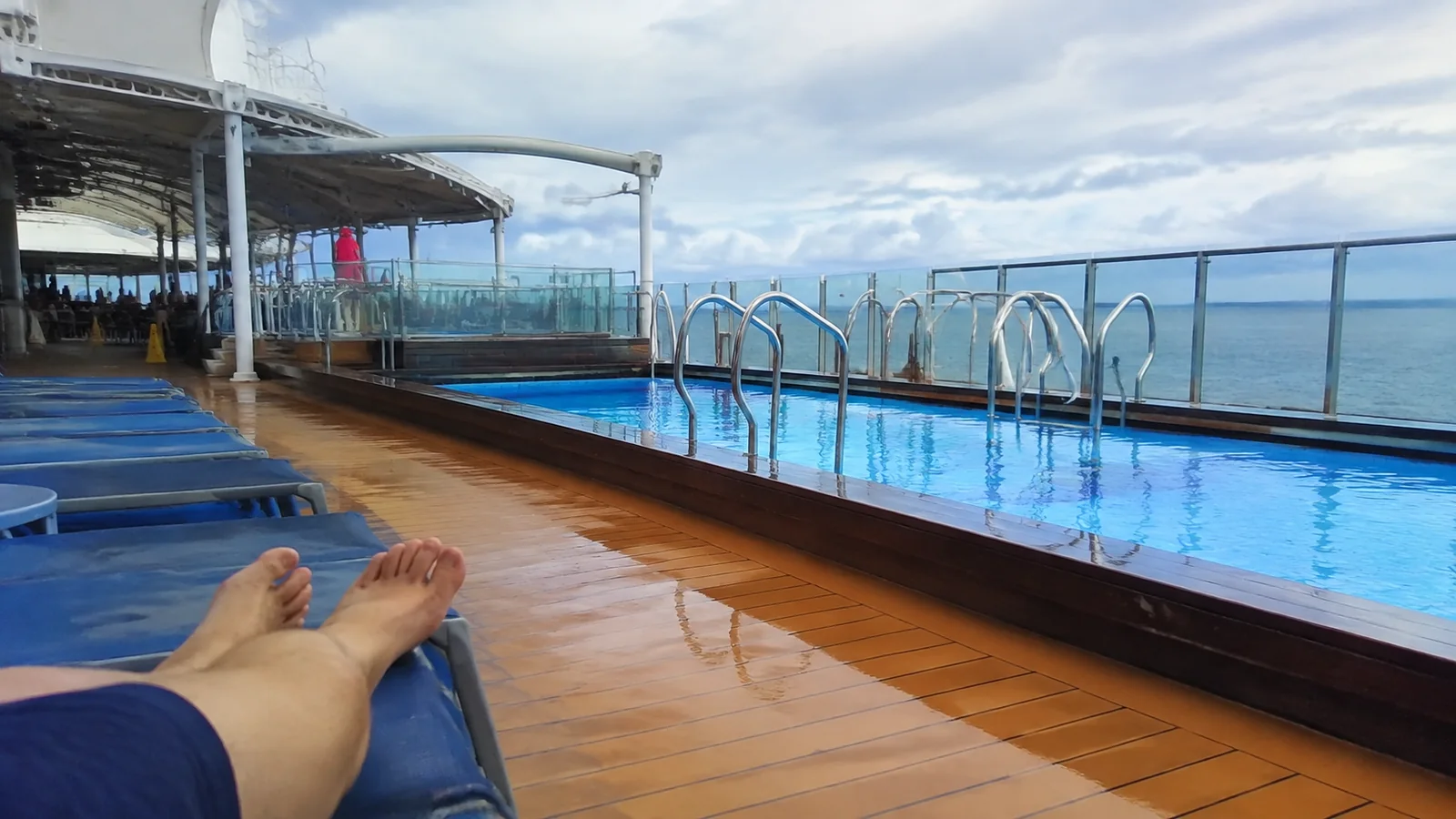
Lido combines several popular activities in one place, so its busiest moments are predictable. Embarkation lunch, sunny sea days, sail-away, and the hour after morning excursions return can create lines and full seating.
You do not need to avoid it, but timing makes a huge difference. Try breakfast shortly after opening, lunch before the traditional noon rush or later in the afternoon, and the pool early in the morning if quiet matters more than atmosphere.
Opening times change daily and may be different on port days. Use the cruise line app or printed program instead of carrying yesterday’s schedule into today.
When the buffet looks packed, walk the full length of the dining area before settling. A second serving station, less obvious seating section, or nearby included counter may be much calmer than the first doorway you see.
Outdoor tables turn faster when the sun, wind, or drizzle arrives, but plates and napkins also become harder to manage. Choose a sheltered spot rather than staging a small battle with the breeze.
Lido deck cabins: convenient or noisy?
A cabin on the Lido deck can be brilliantly convenient for anyone who loves morning coffee outdoors, frequent pool breaks, or short walks to casual food. It can also spare you an elevator trip during peak times.
The tradeoff depends on the exact cabin, not the deck name alone. A room down a quiet forward hallway may feel very different from one beside automatic doors, a public restroom, an elevator lobby, or the entrance to a buffet.
Potential sound sources include music, deck events, passing families, doors, food-service carts, and crew setup or cleanup. These are possibilities, not promises that a particular room will be noisy.
Cabins directly below an open pool deck deserve extra checking because loungers may move and public areas can be cleaned early or late. Look at the deck above as carefully as the deck containing your room.
If sleep is the priority, a cabin between two full accommodation decks is the simplest starting point. Our explanation of how to spot cruise cabins to avoid shows how to read surrounding spaces without panicking over every nearby icon.
Do not assume that a pool on the diagram sits directly over the entire cabin block. Compare stairwells, elevator cores, and structural shapes on adjacent plans so the layers line up correctly.
Choosing a room on the same deck
A same-deck cabin is particularly handy for travelers with children, limited stamina, or a habit of forgetting sunglasses. You can return to the room without waiting for a crowded elevator in a swimsuit.
Still, “steps from the pool” can mean regular foot traffic. Count the doors between the cabin and public space, and notice whether the corridor is a through-route or ends in an accommodation-only section.
Forward and aft cabins may have less casual traffic, although they create a longer walk to some venues and can feel more ship movement in rough conditions. Midship is convenient, but proximity to central elevators brings more passing passengers.
Anyone sensitive to motion should compare location with the ship’s dimensions and itinerary. Lower and more central generally reduces the sensation compared with a high room at either end, but sea conditions and personal sensitivity vary.
Pool rules and children on Lido
Pool depth, lifeguard coverage, age rules, swim-diaper policies, and hot-tub restrictions vary by ship. Read the posted sign every time, even if the family sailed with the same cruise line last year.
Never treat a busy pool deck as automatic supervision. Keep children within the level of attention their swimming ability requires, and ask crew members where properly sized life jackets are available if the ship provides them.
Running is a particularly poor match for wet decking, moving people, and lounger legs. Pool footwear with a secure sole can help, but walking carefully matters more.
Do not enter a pool or hot tub while ill with diarrhea. The CDC’s cruise travel guidance also recommends good fluid intake, sensible alcohol use, and packing sunscreen for time at sea.
Sun, wind, rain, and pool closures
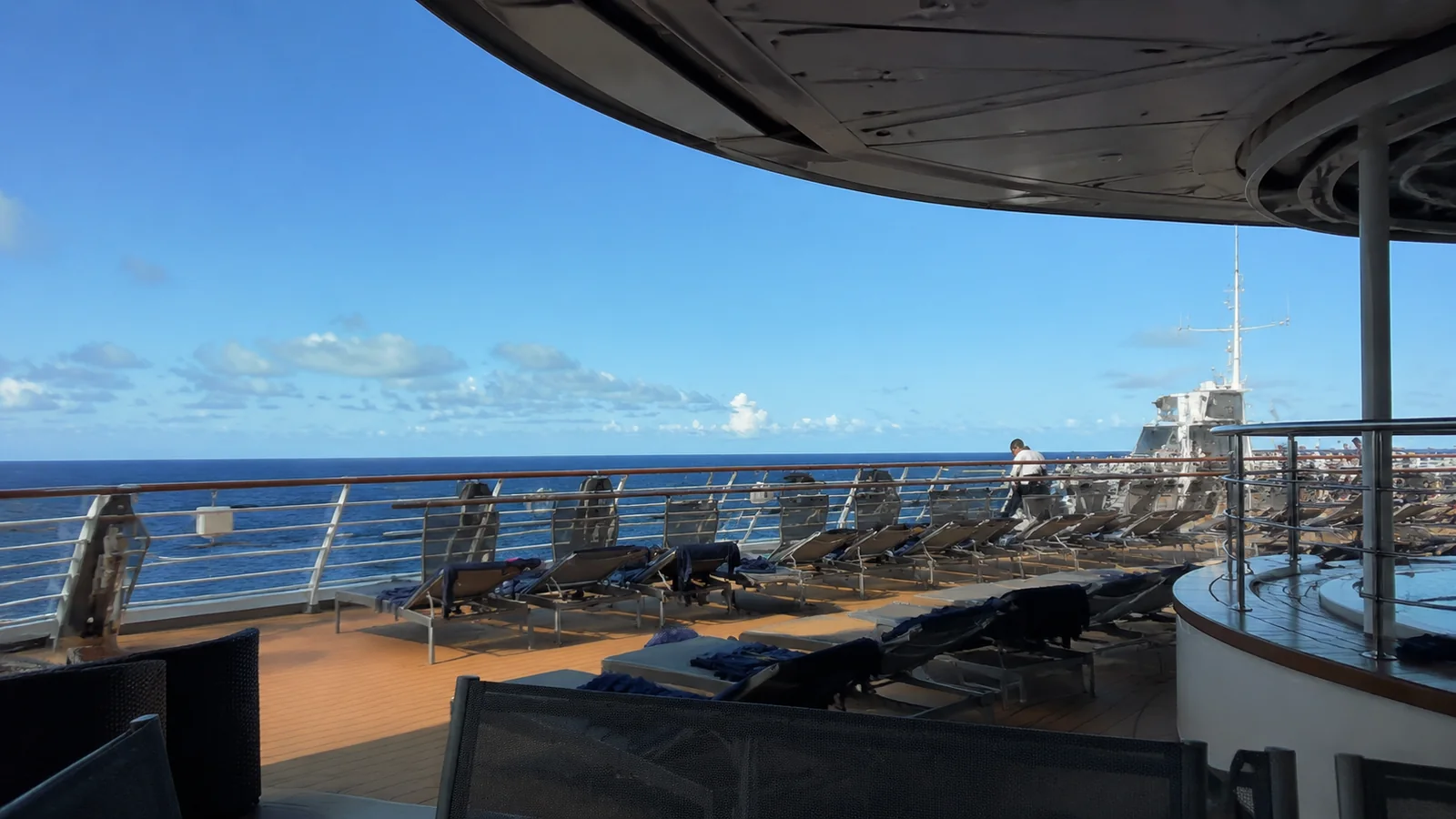
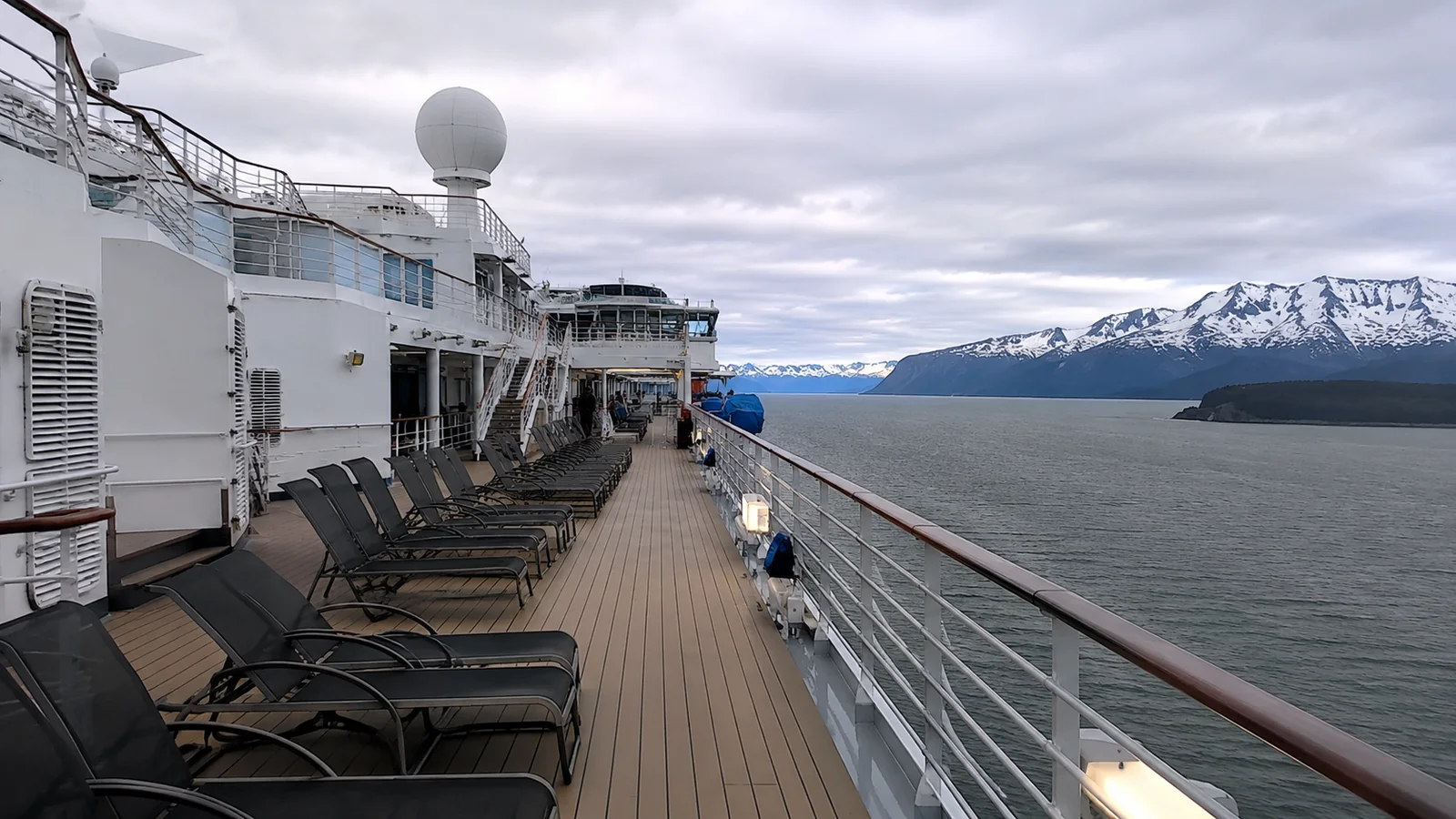
The Lido deck is exposed to changing conditions even when the destination forecast looks lovely. A moving ship can produce strong wind, reflected sunlight intensifies exposure, and a passing shower can make surfaces slick.
Bring broad-spectrum sunscreen, sunglasses, a secure hat, and a light layer. A shirt or cover-up is often more comfortable than repeatedly chasing shade as the ship changes direction.
Stay hydrated before thirst becomes the afternoon’s main event. Water, shade, and breaks indoors matter even on breezy days when the heat feels deceptively gentle.
Pools, slides, upper decks, and outdoor furniture may close or be secured because of wind, rough seas, maintenance, or safety concerns. Crew instructions win over your planned pool day, and compensation should not be expected for weather.
On cooler itineraries, Lido may still be useful because casual dining and observation areas remain nearby. Ships with retractable roofs or sheltered pools can offer more protection, but the roof’s operating position is not something to assume.
Accessibility deserves a ship-specific check
A deck plan can show elevators and accessible restrooms, yet it cannot fully explain door weight, thresholds, pool lifts, furniture spacing, or the easiest route around a crowded event. Ask the cruise line’s accessibility team about the exact ship before booking.
Confirm whether an accessible path reaches the pool, buffet, outdoor seating, and any upper sun area you hope to use. Some features may require a different elevator bank or a route through an indoor venue.
A wheelchair symbol on a cabin does not tell you everything about the public deck. Princess, for example, publishes ship-specific accessible-route information that distinguishes restrooms, lifts, and staterooms by level, which is far more useful than guessing from the word Lido.
Pool lifts and transfer equipment vary, and assistance procedures can change. Discuss needs before sailing, then speak with guest services after boarding rather than waiting until the busiest sea-day hour.
What to wear on the Lido deck
Swimwear is natural around the pool, but indoor food venues commonly require a cover-up or shirt and footwear. Your line’s written dress guidance and signs at the entrance are the final word.
Pack a cover-up that is comfortable enough for lunch, secure sandals, and a dry layer for aggressively air-conditioned interiors. Our practical cruise packing checklist helps keep the pool-day pieces together without turning your suitcase into a floating department store.
Leave formal outfits for the venues and evenings that call for them. If dress codes make you nervous, our guide to cruise formal-night attire explains how relaxed the choices can be.
Lido deck etiquette that makes the day better
Do not reserve loungers for hours with a towel and vanish. Cruise lines may remove unattended belongings after a stated period, and the exact chair policy should be in the daily program or displayed near the pool.
Use headphones for personal audio, keep walkways clear, and return wet towels to the designated station. Those tiny choices matter when hundreds of people share the same sunny space.
At self-service food areas, wash your hands and use a fresh plate for another trip. If crew members are serving during a health precaution, follow the temporary process without making it harder for them.
Keep glassware out of restricted pool areas and use the containers supplied by the ship. Watch drinks and belongings just as you would at a resort, especially when moving between a lounger, pool, and food counter.
Smoking is limited to designated locations, which may be outdoors but are not automatically on the main pool deck. Check the ship map because lighting up in the wrong area can affect everyone around you and may violate onboard policy.
A smart embarkation-day Lido plan
Lido is often one of the first public areas passengers discover because cabins may not be ready and casual food is open. That also makes embarkation lunch one of the least representative moments of the entire cruise.
Carry essential medications, documents, sunscreen, a swimsuit, and anything needed before checked luggage arrives. Keep valuables with you rather than leaving a bag unattended beside a lounger.
After eating, walk one full loop of the deck and locate restrooms, towel stations, quieter seating, water, stairways, and alternate exits. This five-minute orientation pays off every sea day.
Check which staircase connects directly to your cabin corridor. The closest elevator on a flat diagram is not always the quickest route once a buffet wall or restricted service area interrupts the path.
How to read the deck plan before booking
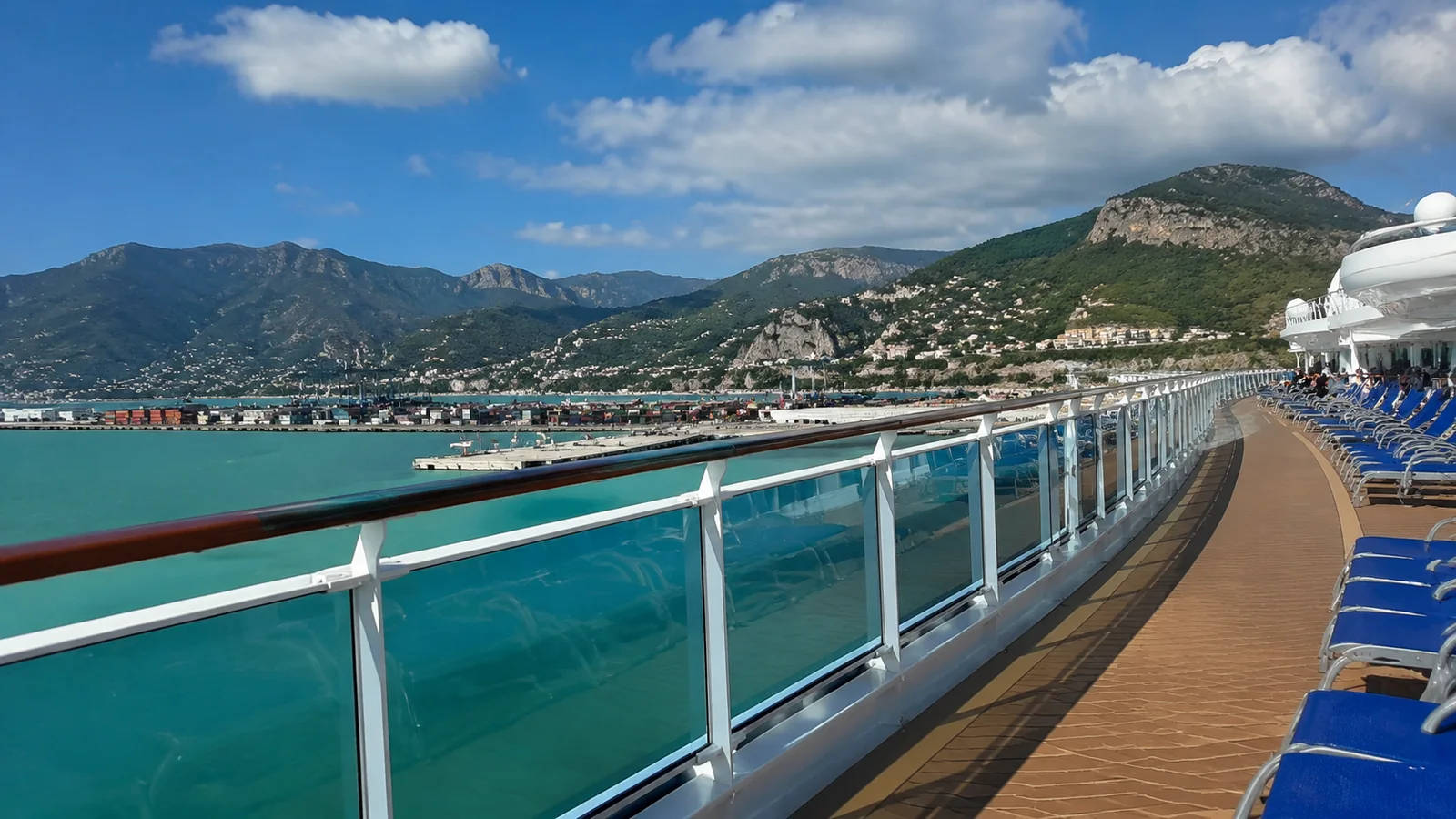
Start with the exact vessel, not merely the ship class. Sister ships can receive different venues during refurbishments, and cruise-line websites sometimes show separate plans by departure date.
Then inspect three layers:
- Your deck: Check public doors, restrooms, elevators, stairs, service spaces, and whether the hallway is a main route.
- The deck above: Look for pools, hot tubs, kitchens, bars, stages, gyms, and movable outdoor seating.
- The deck below: Check theaters, lounges, kids’ spaces, galleys, and other late or early activity.
Study the legend for connecting rooms, accessible cabins, sofa beds, obstructed views, and occupancy. A cabin number by itself cannot tell you whether the room fits your party.
Save a current plan to your phone before sailing, but use the onboard app and posted signs once aboard. Venues, access routes, and operating hours can change even when the physical deck remains the same.
Is the Lido deck the same as the Promenade deck?
No. Lido typically centers on pools and casual outdoor life, while Promenade traditionally refers to a walking or public-venue deck, sometimes with an outdoor wraparound path.
Modern ship designs blur both ideas. A branded indoor promenade can contain shops and restaurants without a full outdoor walkway, so our Promenade deck explanation is worth checking separately.
Is the Lido deck free?
Walking onto the main public deck and using included pools or loungers normally costs nothing beyond the cruise fare. However, specialty food, drinks, reserved cabanas, premium sun areas, and suite-only spaces may cost extra or require eligibility.
Look at the menu or app before ordering. A venue’s location beside an included buffet does not make every item included.
Is Lido the best deck to stay on?
It is a terrific fit for travelers who prioritize quick access to pools, casual meals, and open air. It is a weaker fit for very light sleepers, motion-sensitive guests who prefer lower decks, or anyone who dislikes busy corridors.
The best deck is the one that shortens trips to your favorite spaces without putting your cabin beside the activity you most want to escape. That answer is personal, which is exactly why the official plan matters more than a blanket “best deck” ranking.
The simple answer
Think of Lido as a function, not a fixed floor: it is the ship’s casual pool-and-sun hub, sometimes named Lido and sometimes not. Expect food, water, music, and energy, then verify every detail on the exact ship.
Choose a nearby cabin for convenience or a buffered accommodation deck for more separation. With sensible timing, sun protection, and a quick deck-plan check, Lido can be the easiest place on the ship to do absolutely nothing very well.