Cruise Clothes for Women: A Body-Neutral Packing Plan for Every Itinerary
The best cruise clothes for women are the ones that fit comfortably, meet the day’s actual demands, and work together. You do not need a new body, a dress for every dinner, or a suitcase full of matching vacation sets.
Pack for Five Clothing Jobs
Ignore the pressure to create a different “look” for every photograph. Give each garment at least one practical job, then favor pieces that handle two or three.
- Port days: Walking, weather, cultural-site coverage, and excursion safety
- Sea days: Pool, activities, indoor air conditioning, and easy movement
- Dinner: The cruise line and venue’s current dress guidance
- Weather: Sun, rain, wind, cold, and temperature changes
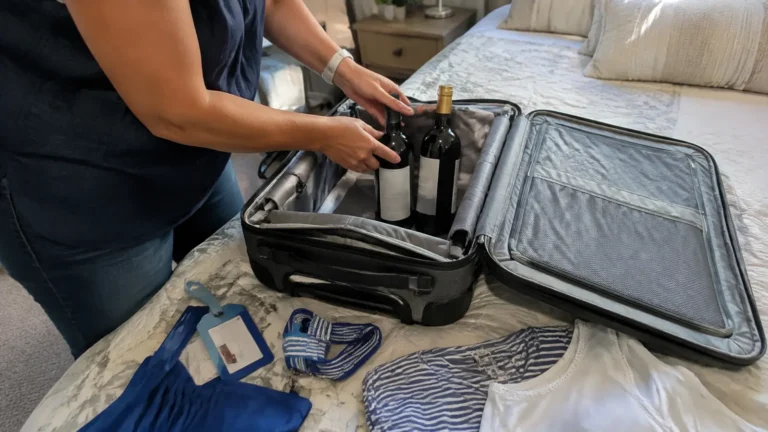
- Transit: Airport comfort, carry-on backup, and luggage management
A midi dress might cover dinner, a city port, and an easy sea day, while a technical legging may work only for a hike. Both can earn space when the itinerary gives them a real purpose.
A Seven-Night Women’s Cruise Capsule
Use this as a starting point, not a rule. Adjust for laundry, medical needs, climate, spills, formal preferences, religious-site requirements, and how often you enjoy changing clothes.
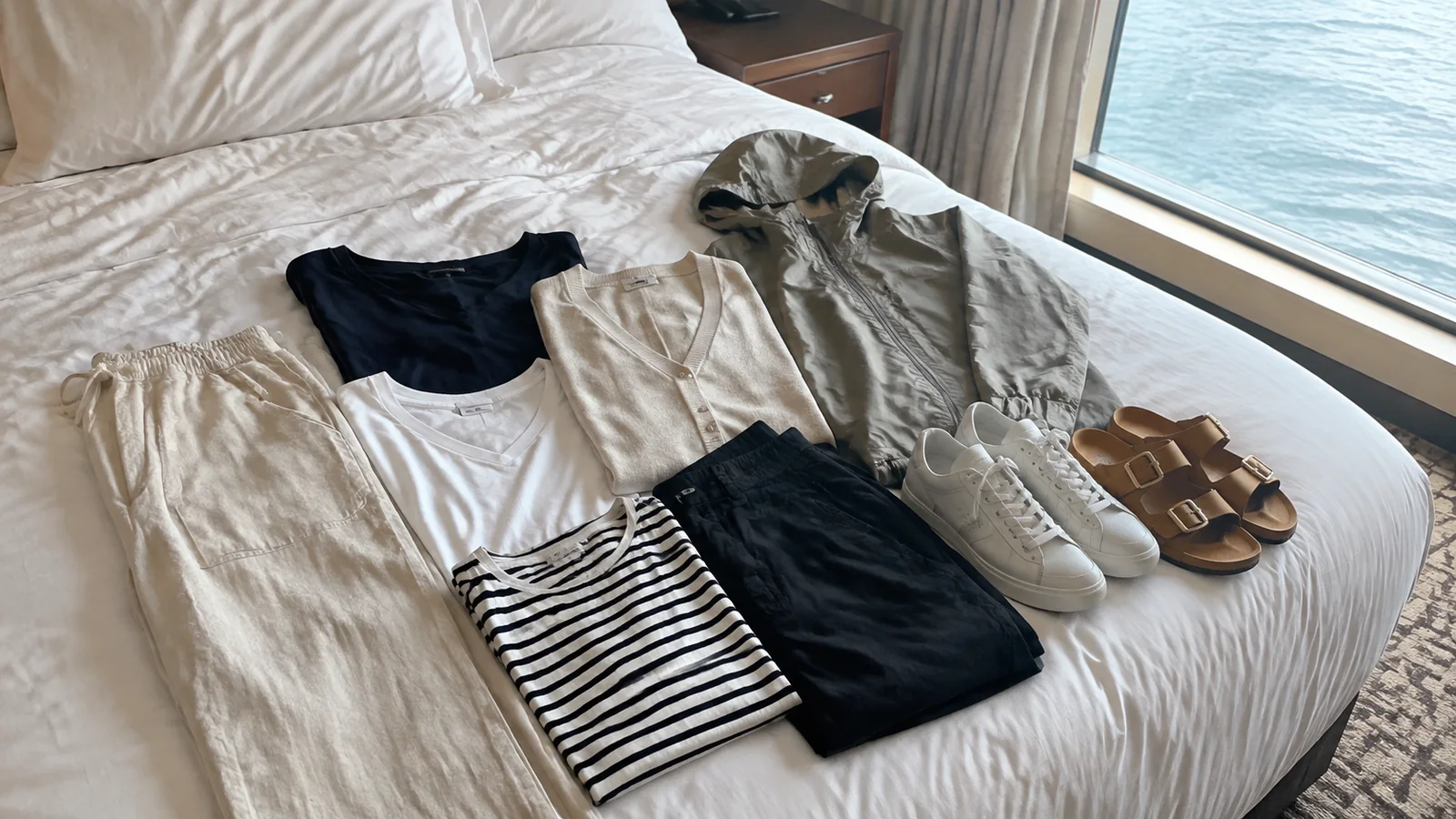
- Five tops that each work with at least two bottoms
- Three bottoms, chosen from shorts, pants, skirts, skorts, or leggings suitable for planned activities
- One dress, jumpsuit, or extra top-and-bottom set
- Two dinner foundations that can be repeated
- One indoor layer and one weather layer
- One or two swimsuits plus a cover-up
- One supportive walking shoe and one pool shoe
- One dressier shoe only if the dinner plan needs it
- Sleepwear, underwear, bras or other support garments, and socks based on laundry access
Choose two or three coordinating neutrals or favorite colors, then add personality through tops, jewelry, scarves, or another small accent. “Neutral” does not have to mean beige, black, or hiding your body.
If a garment works with only one bra, one shoe, and one specific evening, it is using a great deal of packing power. Keep it only when that occasion genuinely matters to you.
Fit the Clothes You Own Now
Try on the entire outfit, including underwear, support garments, shoes, and layers. Sit, reach, bend, climb a stair, and walk for several minutes before deciding it is cruise-ready.
Do not pack for a hoped-for size change or assume a rigid waistband will feel better at sea. Saltier meals, heat, long flights, hormonal changes, medication, and ordinary daily variation can all affect comfort.
Body-neutral packing asks whether a piece serves you, not whether your body serves the piece. Choose waistbands, necklines, hemlines, sleeves, and closures that let you focus on the trip.
Warm-Weather Cruise Clothes
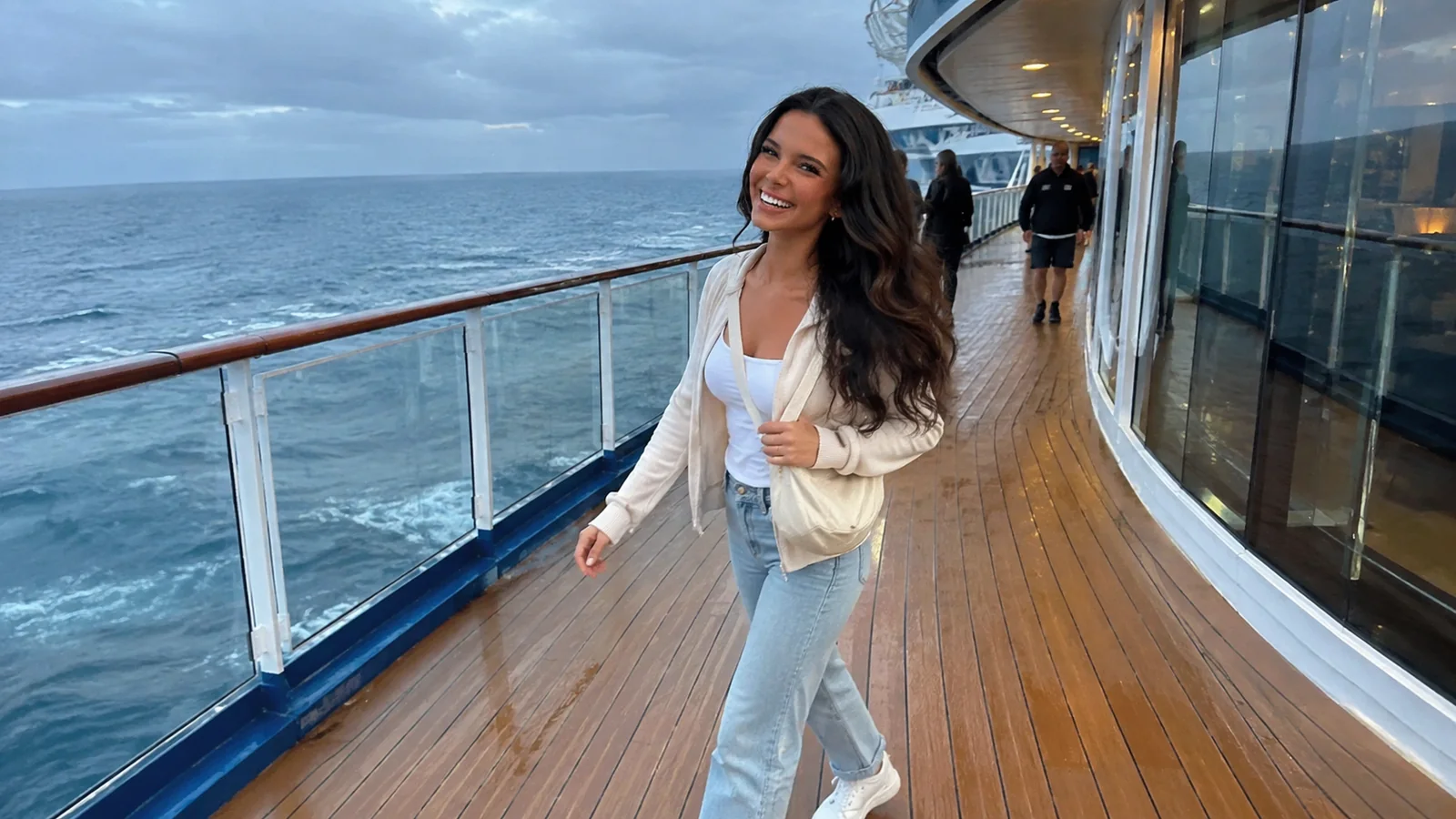
Caribbean, Bahamas, Mexico, and tropical sailings reward breathable fabric, quick drying, sun coverage, and easy changes. Heavy denim and lined synthetic dresses can feel much warmer in humidity than they do at home.
- Four or five breathable tops, including one long-sleeve sun option
- Two lightweight shorts, skirts, skorts, or cropped pants
- One airy long pant or maxi-length option for coverage
- One easy dress or coordinated dinner set
- One light cardigan, wrap, or overshirt for indoor spaces
- One compact rain shell
- Secure sandals or ventilated walking shoes
Choose a cover-up that provides enough coverage for indoor public spaces and the walk between cabin and pool. A wet swimsuit under dinner clothes is uncomfortable and may conflict with venue rules.
Anti-chafing shorts, a familiar balm, or quick-dry underwear can help anyone whose skin rubs during hot walks. Test products and layers at home instead of experimenting before an all-day excursion.
Alaska and Cool-Weather Cruise Clothes
Alaska is a layering trip, not a single-coat trip. Build a wicking base, warmth layer, and waterproof outer shell that can be worn together without restricting movement.
- Three wicking base tops
- Two casual tops that can also work at dinner
- Two long pants plus one quick-dry or water-resistant bottom
- One fleece, wool sweater, or light insulated jacket
- One waterproof shell with a hood
- Warm hat, light gloves, and weather-appropriate socks
- Water-resistant walking shoes with useful tread
Water-resistant fabric may handle drizzle but fail in sustained rain. Check the garment rating and excursion description, particularly for wildlife boats, forest hikes, or exposed viewpoints.
Pack one compact dinner combination rather than separate cold-weather evening wardrobes. The ship’s interior may be much warmer than the outer deck.
Mediterranean and European City Capsules
Expect long walks, stone paving, sun, museums, dining, and religious sites. Shoes and coverage choices matter more than building a postcard outfit.
- Four breathable tops plus one polished top
- Two long or below-knee bottoms and one weather-appropriate alternative
- One dress, jumpsuit, suit, or dinner separates
- One light shoulder-coverage layer
- One sweater and one rain shell
- Supportive walking shoes tested for several miles
Check every religious site’s current rule because shoulder, knee, head, footwear, and bag requirements vary. A scarf is useful only when it addresses the actual policy.
Summer city heat makes breathable coverage valuable, while spring and fall can require warmer layers and rain protection. Use port-specific forecasts rather than “Mediterranean weather” as one category.
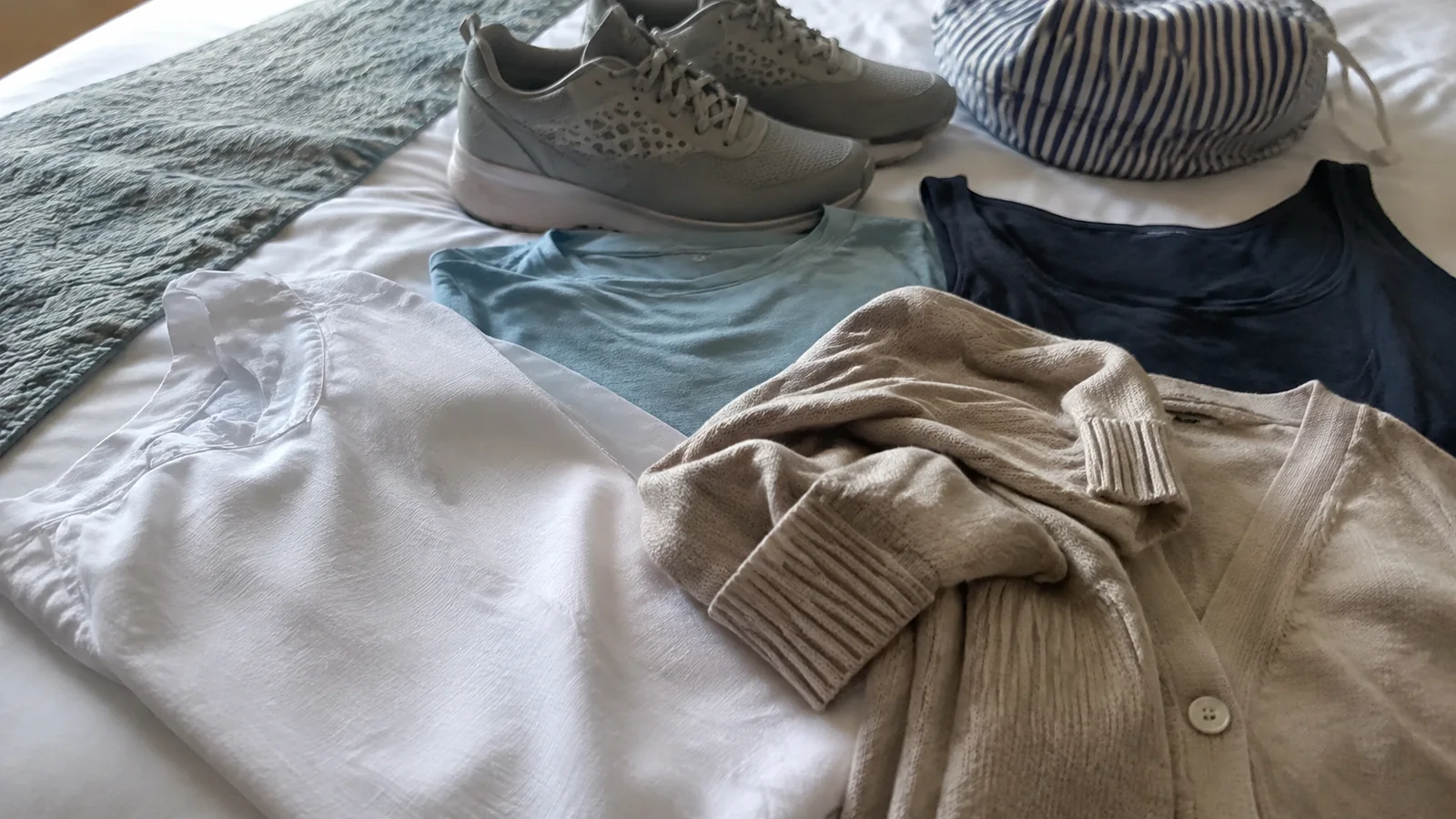
Expedition and Active Itineraries
The operator’s equipment list controls on expedition cruises. Waterproof pants, technical base layers, tall boots, gloves, and biosecurity-compatible clothing may be required even when an ordinary cruise list omits them.
For mainstream excursions, read the activity description for closed-toe shoes, long pants, swimwear, helmet compatibility, or cultural coverage. A fashionable sandal cannot substitute for the footwear rule on a ropes course or trail.
Do not buy specialized gear until you know what the operator provides. Try on every layer together and make sure closures, cuffs, and pockets work with your mobility and dexterity.
Dresses Are Optional
Dresses can be wonderfully efficient because one piece creates a complete outfit. They are not required for women, formal nights, photographs, or a successful cruise.
A jumpsuit, pantsuit, skirt and top, trousers and blouse, or suit can cover the same dinner job. Choose the bathroom access, temperature control, seated comfort, and movement that works for you.
If dresses are your favorite, select lengths and shapes that stay manageable in wind, on stairs, and around mobility equipment. The practical approach in this cruise dress guide sorts options by activity rather than body type.
Current Dress Codes Still Control
There is no universal women’s cruise dress code. Check the exact line, venue, and sailing before packing an expensive formal piece.
Royal Caribbean
Royal Caribbean currently uses Casual, Smart Casual, and Dress Your Best guidance. Its official dress-code FAQ lists dresses, skirts and blouses, pantsuits, cocktail dresses, and evening gowns as examples, while the number of dressier evenings can vary.
You can choose a traditionally feminine dress, polished separates, a suit, or another clearly venue-appropriate option. Do not infer the exact night from another sailing.
Norwegian Cruise Line
NCL’s current packing guidance emphasizes destination layers, casual resort pieces, and attire suited to the setting. It also advises closed-toe flat shoes for activities such as applicable ropes courses and race tracks.
NCL is a strong match for someone who dislikes mandatory traditional formalwear. Upscale dining and individual venues can still expect a polished look, so verify the reservation.
Celebrity Cruises
Celebrity uses Smart Casual for main dining, specialty dining, and the theater, with Evening Chic on selected nights. Its current dress FAQ says Smart Casual remains acceptable for guests who do not want an Evening Chic outfit.
Celebrity lists dresses, skirts, long pants or jeans with an elevated top, cocktail wear, slacks, designer jeans, and blazers among its examples. Shorts and flip-flops do not meet its Smart Casual definition.
Princess Cruises
Princess generally uses Smart Casual evenings and publishes formal guidance for designated dining venues. Its onboard FAQ lists evening gowns, cocktail dresses, and elegant pantsuits as examples, alongside tuxedos, dark suits, and dinner jackets with slacks.
You do not have to wear a gown, and Princess’s broad examples do not dictate gender expression. Confirm the formal-night count and date for your actual sailing.
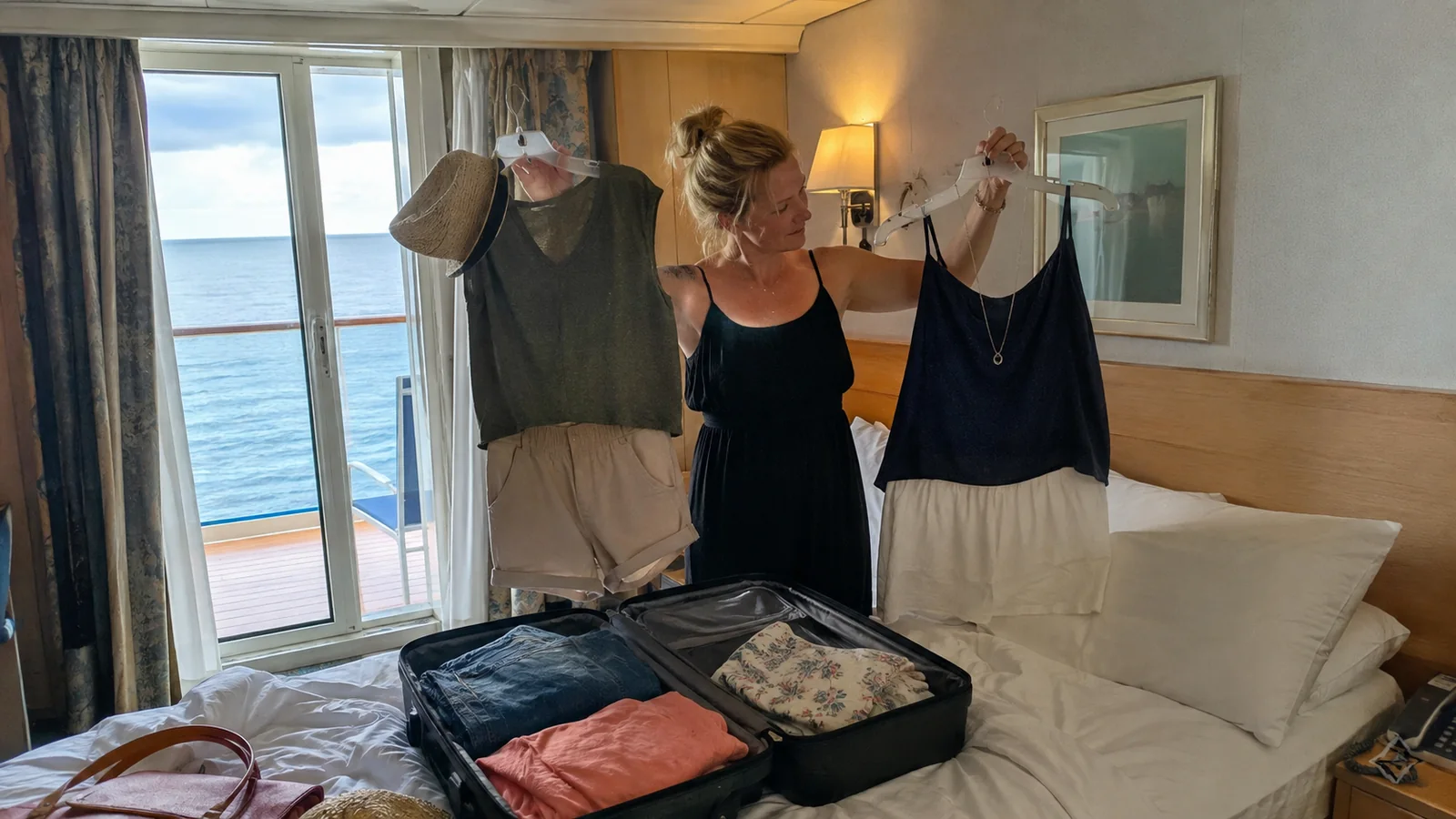
A Formal Capsule That Fits in One Packing Cube
Choose one polished foundation: a dress, jumpsuit, pantsuit, suit, skirt, or trousers. Add two tops or one change of accessory if the sailing may have two elevated evenings.
Use the same shoes both nights and make sure they remain stable if the ship moves. Flats, loafers, supportive sandals, and low heels can be every bit as intentional as high heels.
Bring a layer for cool dining rooms and any undergarment needed for comfort, not to reshape yourself for a dress. More event-specific choices appear in this formal-night dress planning guide.
Swimsuits and Pool Clothing
Pack two swimsuits if you expect to swim most days, since one may still be damp. Pack one if the pool is a maybe and use the saved space for a more important layer.
Choose the coverage, support, bathroom access, and sun protection that make you comfortable. A secure rash guard or swim legging can be more useful for snorkeling and boating than a photo-focused suit.
Bring a cover-up and pool shoe that comply with public-space guidance. Most dining venues do not treat bare feet or uncovered swimwear as acceptable dinner clothing.
Underwear, Bras, and Base Layers
Pack for the garments you are actually bringing and for the laundry plan. A convertible bra is useful only if it fits well for several hours and genuinely works under multiple pieces.
Quick-dry underwear simplifies sink washing, while cotton may feel more comfortable for some travelers. Personal skin, medical, support, and sensory needs outrank a generic fabric rule.
Include sports support for active excursions and a base layer for cold routes if needed. Test straps beneath backpacks, life jackets, and outer layers where practical.
Shoes: The Fastest Way to Overpack
Start with one proven walking shoe and one pool shoe. Add one polished dinner shoe only when neither can meet the confirmed venue plan.
Wear the bulkiest pair during travel and pack shoes in washable bags. Never make a cruise the first long outing for new sandals, boots, flats, or heels.
Foot swelling, orthotics, braces, and balance needs should influence fit and closure. A supportive shoe that coordinates imperfectly is better than a matching shoe that causes pain.
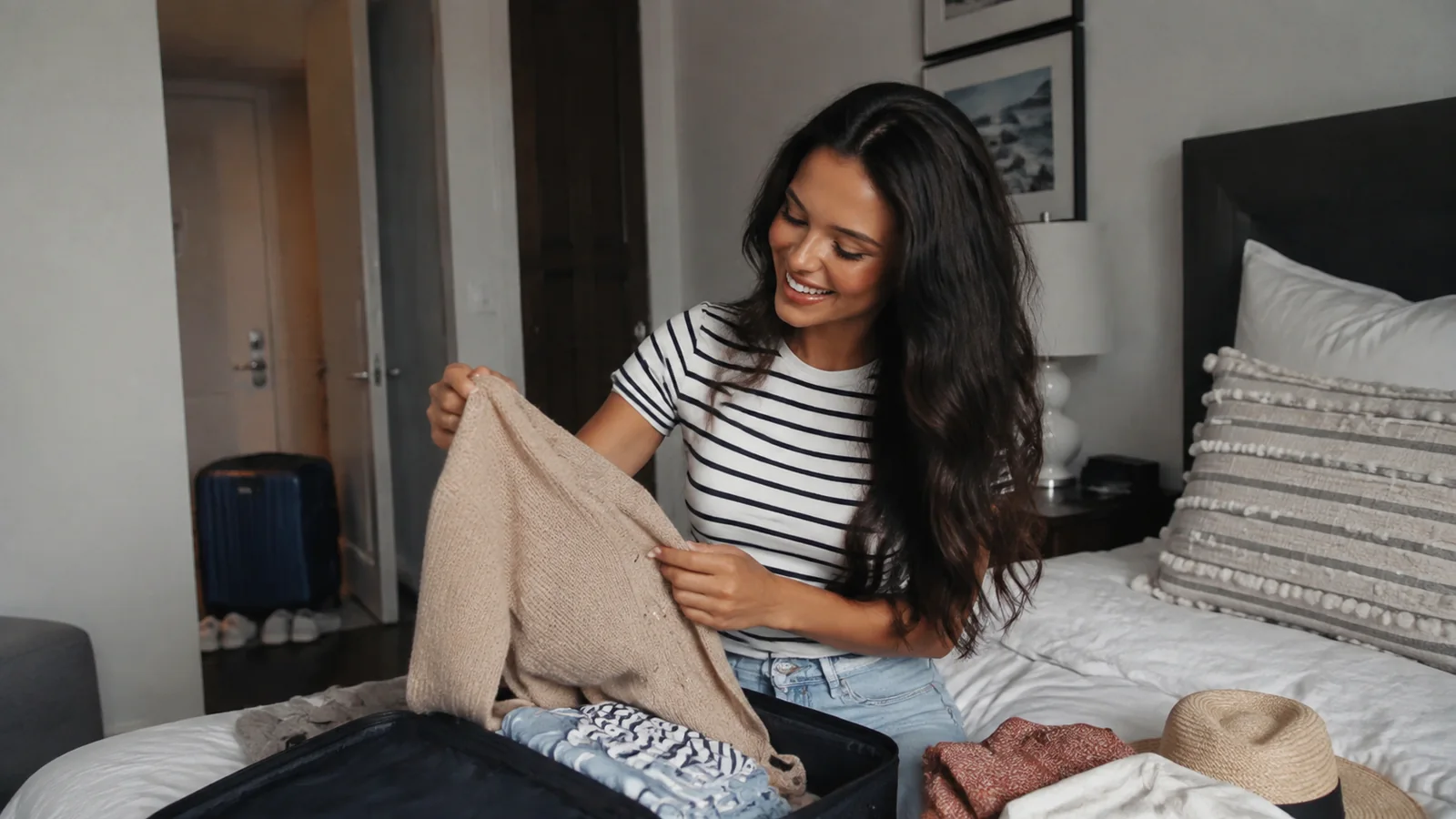
Adaptive and Mobility-Friendly Clothing
Magnetic, hook-and-loop, side-opening, pull-on, and seated-wear designs can reduce dressing effort. Confirm that magnets do not conflict with a medical device before use.
For wheelchair and scooter users, inspect hems, loose scarves, wide legs, and long straps near wheels and controls. Choose layers that remain comfortable while seated and do not bunch beneath safety belts.
Formal guidance does not cancel disability-related needs. Contact the cruise line when a garment or footwear requirement conflicts with an accommodation.
Laundry Changes the Numbers
Check the specific ship for self-service machines, wash-and-fold offers, per-item service, pressing, and turnaround. Fleet ownership does not guarantee the same laundry setup on every vessel.
For a 10-to-14-night cruise, a planned mid-voyage wash is usually more efficient than doubling every top and undergarment. Keep enough clothing for a service delay and never send a delicate item without reading the care terms.
A stain wipe and a few quick-dry basics protect the capsule. Electric irons and steamers are commonly restricted by cruise lines, so check the current prohibited-item list before packing one.
Your Embarkation-Day Outfit
Wear comfortable travel clothing that works for lunch, the safety briefing, and weather on the open deck. Keep medication, documents, valuables, a swimsuit, underwear, and one clean dinner option in the carry-on.
Checked luggage may arrive after the cabin opens. A carry-on outfit is insurance against delay, not another excuse to pack an entire second wardrobe.
What to Leave at Home
- Anything that fits only under perfect, motionless conditions
- Unworn shoes saved for a long port day
- Multiple single-use formal outfits you do not want to wear
- Heavy layers that cannot combine with your outer shell
- A theme-night costume before the theme is confirmed
- Jewelry or bags you cannot comfortably secure ashore
- Clothes packed for a different body size
The Night-Before Edit
- Check each port’s forecast and excursion instructions.
- Confirm dining reservations, dressier evenings, and theme nights.
- Lay out every garment and remove duplicates that do the same job.
- Try on complete dinner and activity outfits with shoes.
- Move first-day essentials and one change to the carry-on.
Then use the nonclothing sections in this complete cruise packing list for documents, health items, electronics, and port gear. Clothes should not crowd out medication or paperwork.
The Best Cruise Wardrobe Feels Like You
Choose clothing for your itinerary, body, movement, temperature, and personal style rather than a narrow picture of how women “should” look on vacation. Dresses, pants, suits, shorts, skirts, adaptive garments, and repeat outfits can all belong.
If every piece fits now, works with two others, and has a real job, your suitcase is ready. The reward is not a perfect wardrobe; it is spending less time managing clothes and more time enjoying the cruise.