Cruise Tender Boats and Ports: Tickets, Timing and Accessibility
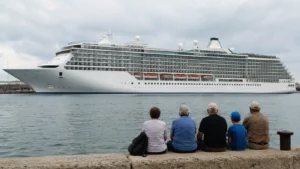
A tender port is one where your cruise ship anchors offshore and carries passengers to land in smaller boats. The ride may take only minutes, but tickets, stairs, waves, accessibility limits, shore-side lines, and a firm last-tender time can reshape the entire port day.
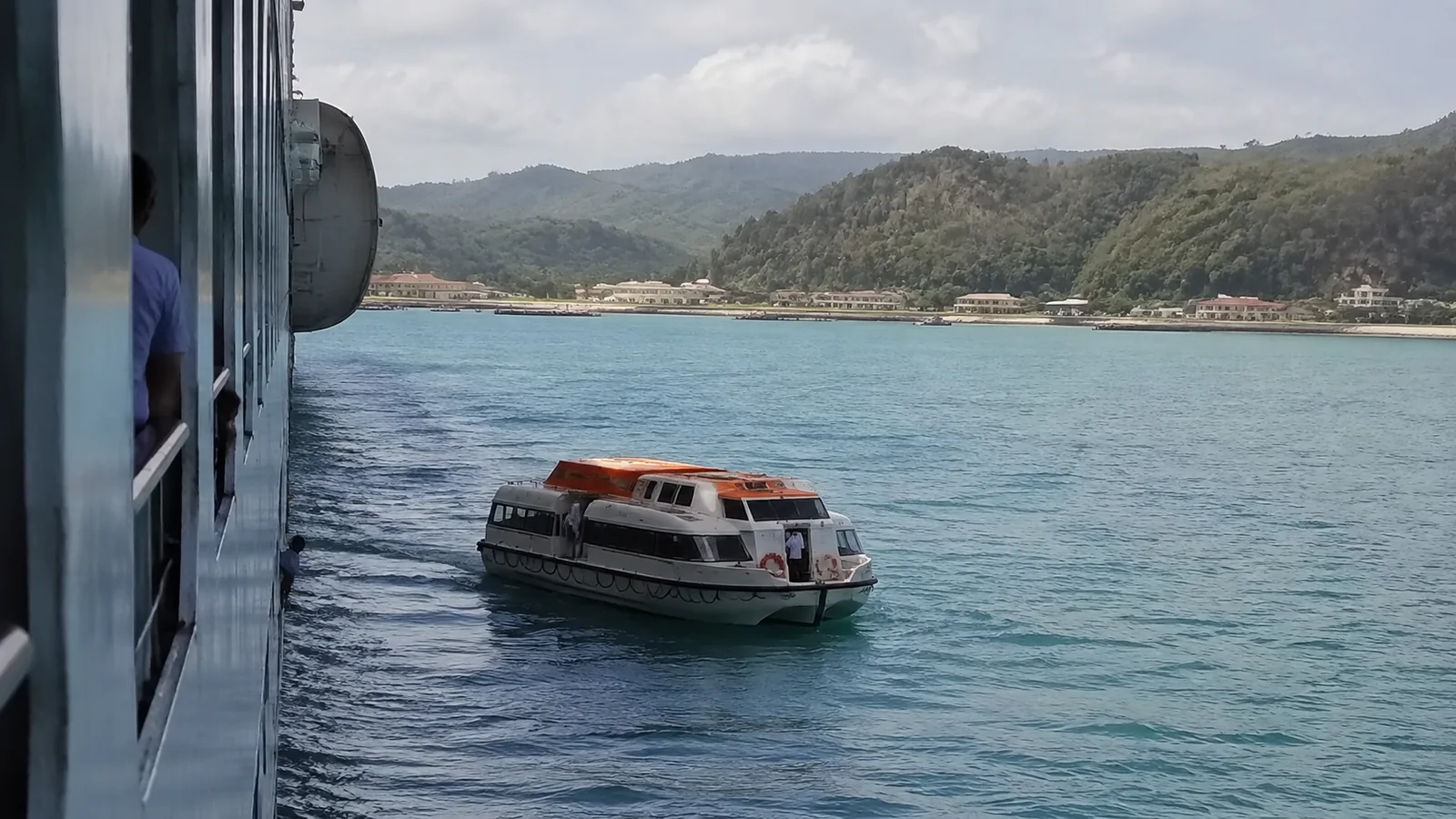
What is a tender boat on a cruise?
A tender is a smaller vessel that shuttles guests between an anchored cruise ship and a landing ashore. Norwegian Cruise Line’s official tender explanation uses that same basic definition and says passengers will be told onboard if reservations are required.
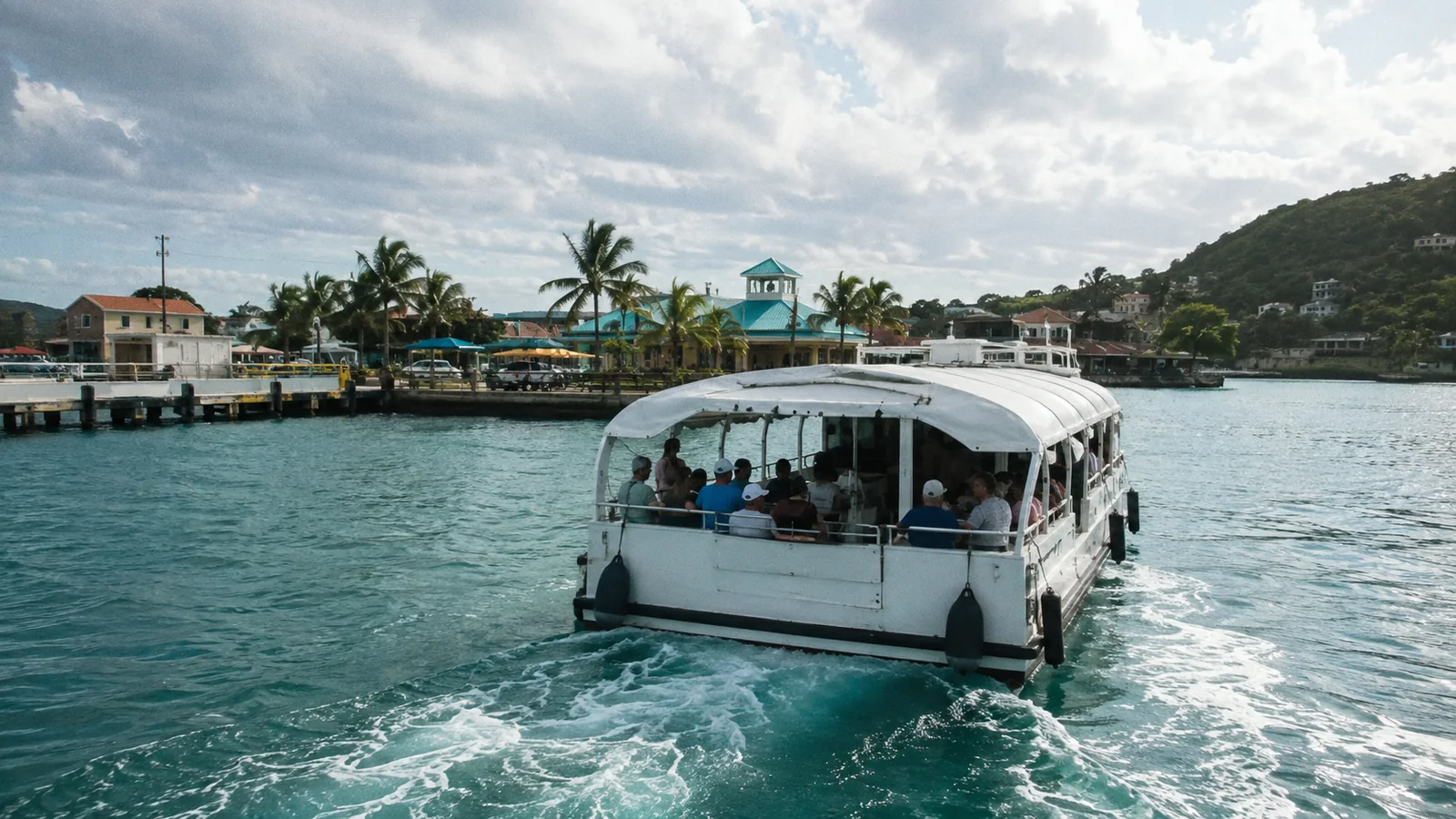
Some ships use boats carried onboard, often designed to serve as lifeboats as well as tenders. Other ports supply local passenger vessels with a layout, capacity, and boarding process of their own.
The industry increasingly uses “water shuttle” because it is immediately clear to first-time cruisers. Tender and water shuttle usually describe the same ship-to-shore job in this context.
A tender is not a shore excursion. The transfer is simply how you reach the port, and most cruise passengers do not pay a separate fare for the basic ride.
Why do cruise ships tender instead of dock?
A port may lack a pier long or deep enough for the ship, or all suitable berths may already be occupied. Local limits, water depth, protected coastlines, harbor design, and operational planning can also keep a vessel offshore.
A port listed as docked when you book can become a tender call later, and the reverse can happen when a berth opens. The captain, port authority, and cruise line make the operational decision for that visit.
Tendering is not evidence that a port is primitive or poorly organized. Grand Cayman, Santorini, Mykonos, Cannes, Cabo San Lucas, and Bar Harbor are among well-known destinations where some cruise calls use small boats.
Never assume an entire destination always tenders. Ship size, local berth, date, construction, and traffic can produce different arrangements for two vessels calling on the same day.
How the tender process works
The ship anchors, receives local clearance, prepares a tender platform near the waterline, and begins sending boats ashore. Passengers may wait in a lounge until their group or number is called.
Ship excursions often receive coordinated early transfers, while suite guests, loyalty members, or people who purchased a priority product may have separate privileges. The exact order belongs to your cruise line and sailing.
Independent passengers may reserve a group in the app, collect a paper ticket, or join an open tender after the morning rush. Do not follow a five-year-old video because systems change even within one fleet.
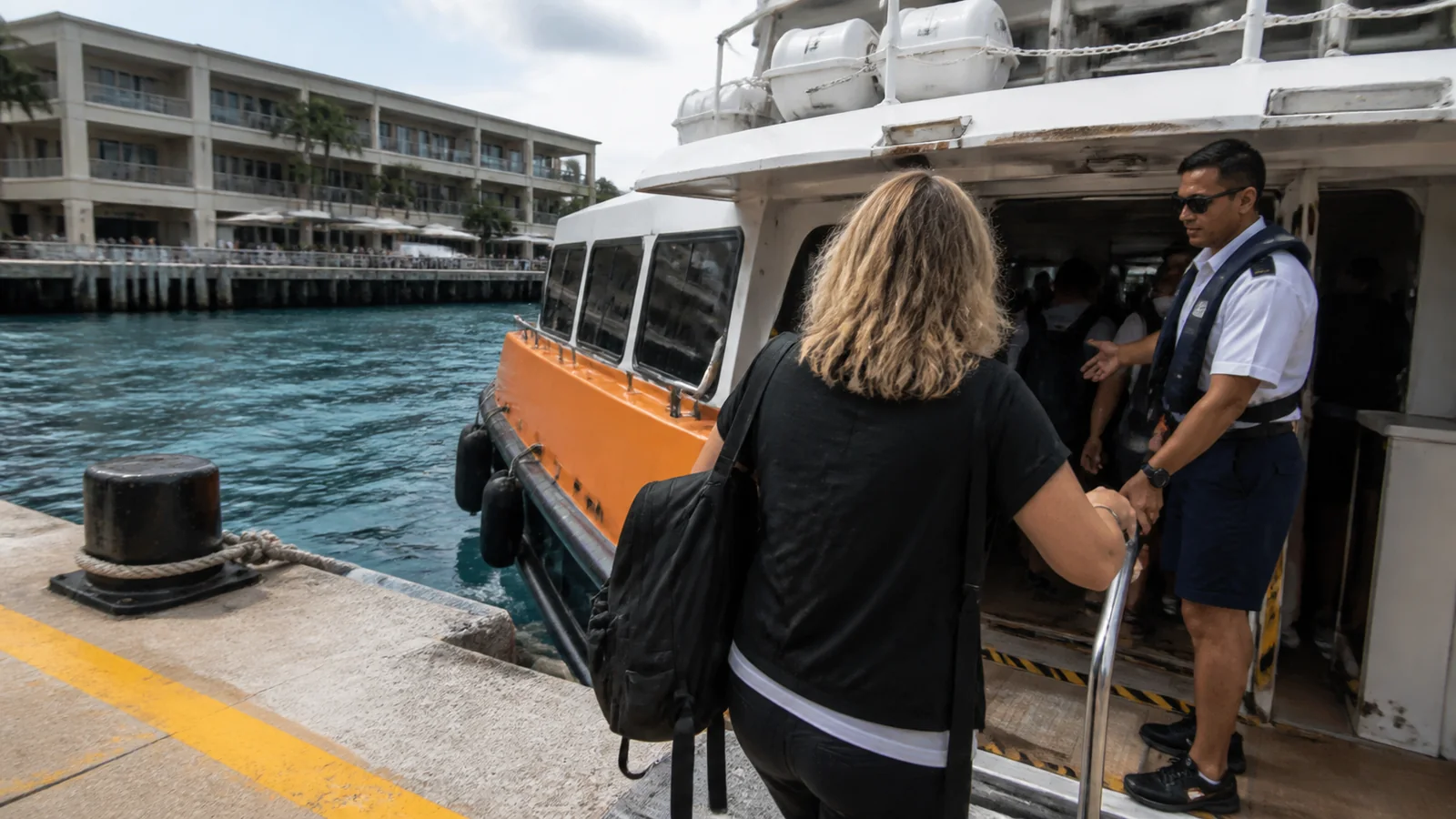
At the platform, crew check your ship card and help pace movement down stairs or through a doorway. You step across a gap onto the smaller vessel, which can move independently in the swell.
On shore, note the exact landing and look for the return signs before walking away. A town may have multiple marinas, piers, or old harbors, and a taxi driver needs the correct one.
Do you need a tender ticket?
Maybe for the outbound trip, especially during the first busy hours. Your app, daily program, cabin letter, and morning announcements should explain the system.
Tickets usually control the queue rather than assign a particular numbered boat. Missing a called group may mean joining a later line, so stay where announcements are audible.
Return trips often operate as a first-come line without outbound-style tickets. That does not make the final tender optional or flexible.
Norwegian’s current priority-tender FAQ says eligible guests receive a letter with the early-tender meeting time and location. Other lines, suite programs, and loyalty tiers use their own rules.
Priority usually helps you go ashore early. It may not move you ahead of everyone in the return line, give priority at every port, or eliminate weather delays.
Last tender versus all-aboard time
The last tender is the final scheduled boat leaving shore for your ship. All-aboard is the deadline by which the cruise line expects every passenger back, and a tender port may emphasize the boat time instead.
Departure time is later and is never your personal return target. A ship can raise anchor only after tender operations, security counts, and other departure work are complete.
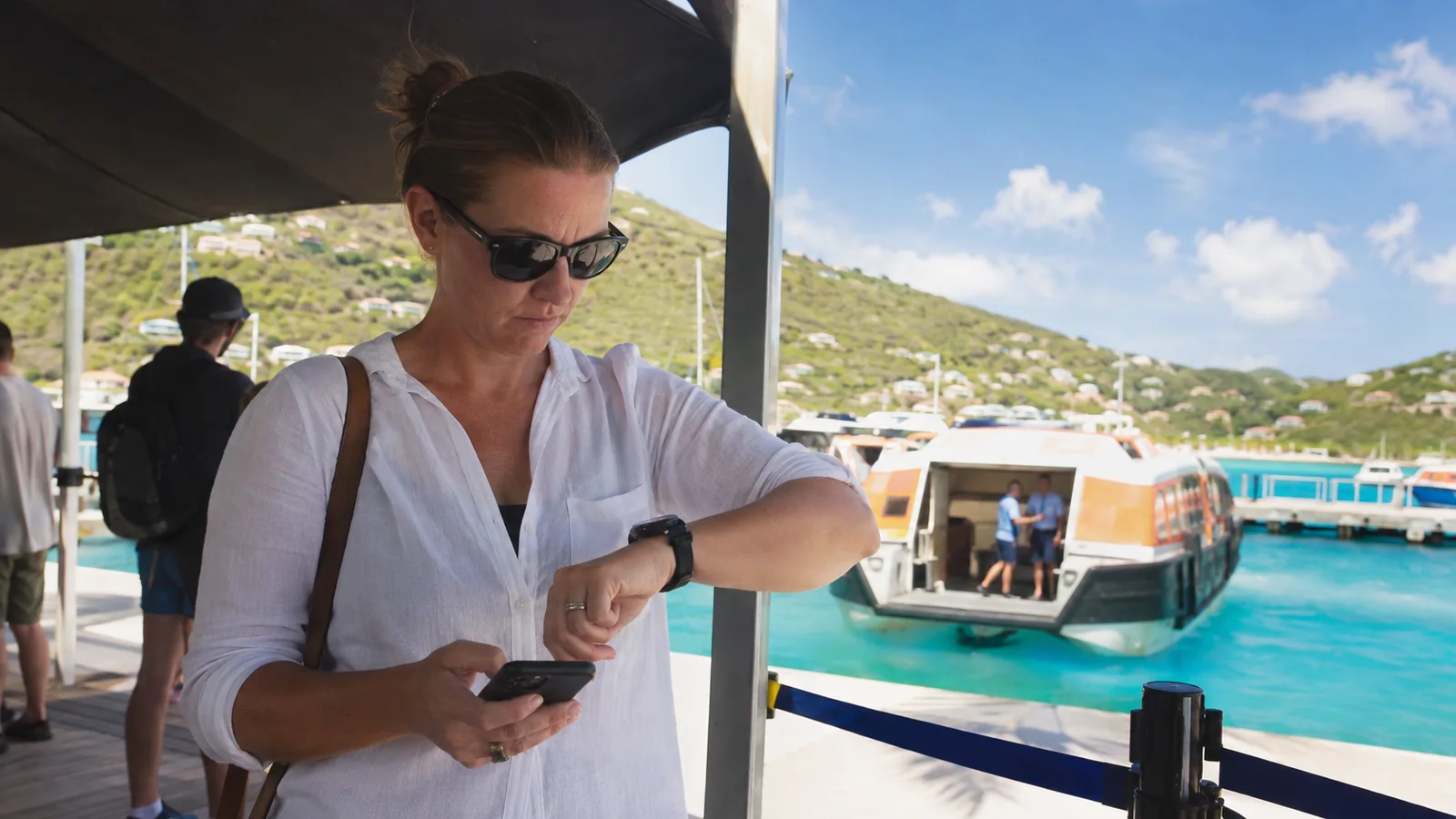
Use the exact wording in the daily program. “Last tender at 4:30 p.m.” means you should be at the correct landing, through any line required, before that time, not walking toward it at 4:30.
I prefer to return well before the final published boat because lines can grow when tours arrive together. A comfortable buffer also covers traffic, a wrong pier, a payment delay, or a water shuttle temporarily pausing.
Our guide to missing a cruise ship explains what the port agent can and cannot do. At a tender port, there is one more transport link between you and the gangway.
Will the ship wait for a late shore excursion?
A cruise-line excursion provides stronger protection when its vehicle or boat is delayed. Policies differ, but the line knows where its group is and can wait or arrange recovery according to the terms.
Royal Caribbean’s current excursion FAQ, for example, says it will wait for a delayed line-sponsored tour or arrange the guest’s return if the ship cannot. It explicitly says independent guests are responsible for being onboard.
Do not turn one line’s promise into an industry-wide guarantee. Read the excursion conditions attached to your booking and carry the port-agent contact.
A tender delay caused by the cruise operation itself is different from an independent taxi arriving late. The first is visible to the ship, while the second may be unknown until someone calls.
Booking a private tour at a tender port
Tell the operator your ship, date, scheduled arrival, and that the port uses tenders. Ask whether pickup time begins when the ship anchors or when you realistically reach shore.
A 7 a.m. itinerary arrival does not mean independent passengers stand on the pier at 7:05. Clearance, boat loading, priority groups, crossing time, and landing queues all come first.
Choose a company that routinely serves cruise passengers and has a written missed-call policy. If weather cancels the port, you need to know whether the deposit is refunded.
Ask these questions before paying:
- Where exactly will the guide meet us relative to the tender landing?
- How long after arrival will the guide wait?
- What happens if independent passengers cannot get an early tender group?
- What return buffer is built in before the last water shuttle?
- Will the route change if traffic, weather, or tender operations are slow?
- What is the refund policy if the ship skips the port?
My practical rule is to keep the first activity flexible and the last activity close to town. A tour that reaches its farthest point shortly before the final tender is asking the wrong part of the day to carry all the risk.
Tender accessibility is never automatic
A cruise ship can be highly accessible onboard while its tender operation is not. Reaching the platform may involve an elevator followed by steps, and the transfer can require standing, stepping across a gap, or handling a collapsible chair separately.
Royal Caribbean’s tender accessibility guidance says guests generally need to take steps and use a collapsible manual wheelchair. Power chairs and scooters are not accepted unless roll-on capability exists, which is not guaranteed.
Princess likewise says on its Accessibility at Sea page that some anchored ports use water shuttles, lifting limits can prevent transfers, and shore landings may still lack wheelchair access. The captain retains safety discretion in actual conditions.
Never accept “the ship is accessible” as the answer to “can this guest go ashore by tender?” Contact the cruise line’s access team before final payment with the exact ship, port, mobility device, transfer ability, and sailing date.
Ask about all parts of the journey:
- The route from cabin to tender platform.
- Steps, slope, handrails, and the moving gap at embarkation.
- Whether the mobility device can be accepted and safely lifted.
- The landing surface and accessibility ashore.
- Accessible vehicles, restrooms, and excursion stops.
- The possibility that weather removes roll-on capability that morning.
A crew member may assist with balance or directions but cannot be expected to physically carry a passenger. Travelers needing hands-on personal care should sail with a companion able to provide it under the line’s rules.
How weather affects tender ports
Wind, swell, visibility, current, thunderstorms, ice, and the shape of the harbor can slow or cancel tendering. Conditions that feel manageable on the ship’s upper deck may create unsafe movement at the water-level platform.
The captain may skip the call entirely, start late, pause service, move the anchorage, or recall passengers earlier. Safety decisions are not evidence that the crew lacks confidence.
Weather can also change while you are ashore. Follow ship messages and local announcements, and do not silence the app after leaving the landing.
A beautiful forecast cannot guarantee the port because swell may travel from a distant system. Tender decisions use real conditions, not just the sun icon on your phone.
What the tender ride feels like
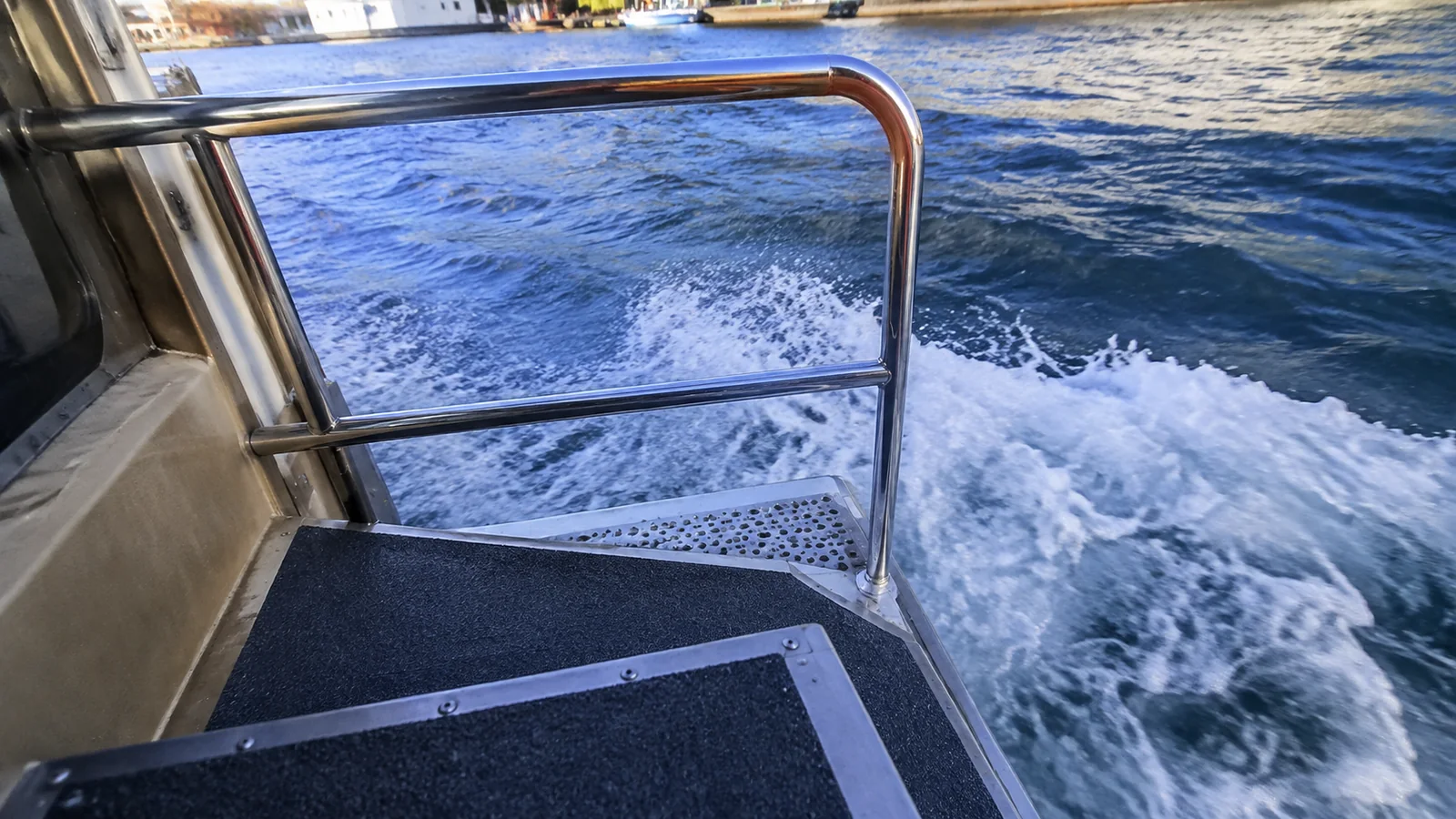
The boat is smaller, lower, and more responsive to the water than the cruise ship. Boarding often feels more awkward than the ride itself because you cross between two moving surfaces.
Use the handrails and follow one crew instruction at a time. Keep both hands available rather than filming the transfer.
Seats may be enclosed, open-air, forward-facing, sideways, or simple benches. Ventilation and temperature vary, especially when a lifeboat-style tender is full.
If you are prone to motion sickness, take your usual clinician-approved measures early enough to work. Looking at the horizon and choosing fresh air may help some travelers, but medical advice belongs with a qualified professional.
Tender safety with children
Keep children close in the waiting area, on stairs, and while crossing the gap. Strollers may need to fold, and an adult should have hands free to manage the child rather than several loose bags.
Ask whether the shore excursion can accept your car seat because transportation laws and vehicle fittings vary by country. A tender ticket says nothing about the bus or taxi waiting ashore.
Lifejackets and emergency equipment are carried according to vessel requirements, but routine boarding instructions still matter. Children should not climb rails, change seats during maneuvers, or lean over the side.
What to carry on a tender
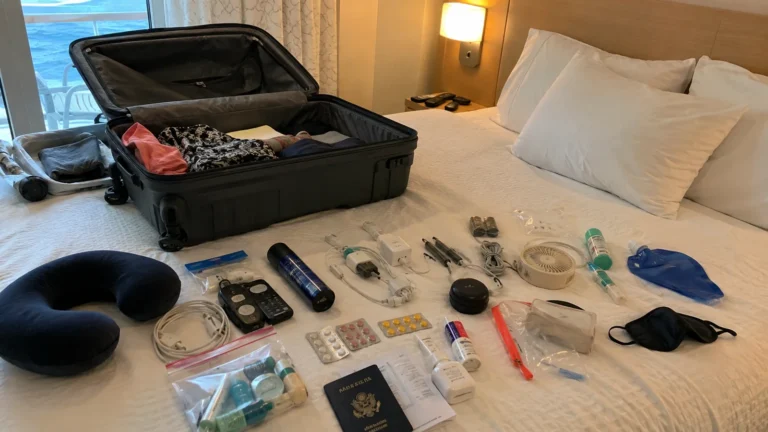
- Your ship card and any photo identification or documents the line requires.
- The port-agent number, last-tender time, and exact landing name.
- A small bag that leaves both hands free while boarding.
- Sun protection, water, and a light rain layer.
- Essential medication that cannot be left aboard all day.
- A waterproof pouch for electronics and paper documents.
- Local payment plus a backup card, stored discreetly.
Do not bring a giant beach wagon and assume crew can load it. Check strollers, wheelchairs, scooters, dive gear, and oversized equipment with the line before the port day.
Popular tender-port situations
Santorini
Tenders commonly land cruise passengers below Fira, where most visitors then use a cable car, steps, or an excursion transfer. The ride ashore is only the first queue in a port with challenging vertical transportation.
Mykonos
A ship may dock at Tourlos or tender toward the old harbor, and that difference changes the first and last mile of the day. Our Mykonos cruise port guide explains how to verify the arrangement rather than guessing.
Grand Cayman
George Town is a classic tender call where several ships can create busy landing areas. Our Grand Cayman port guide covers the shore-side plan and return margin.
Alaska and New England
A port that usually docks can use tenders when berths are full or the itinerary specifies an anchorage. Read the actual sailing notes because a generic destination guide cannot predict your berth assignment.
How to make a tender day easier
Do not fight the morning rush unless you have a timed private tour. A relaxed breakfast followed by open tendering can be much more pleasant on a long call.
If you need the first possible boat, learn the reservation process on embarkation day. By the night before, early groups may already be claimed.
Save an offline map with the landing pinned, then photograph the pier sign. Confirm ship time before walking away.
Return before the final wave of tours, use restrooms ashore, and keep a layer handy for the boat. A short water crossing feels longer when you are wet, cold, or worried about the clock.
Common tender mistakes
- Promising a private guide that you will be ashore at the itinerary’s arrival time.
- Assuming a suite or loyalty perk applies to the return queue.
- Reading departure time as the last-tender deadline.
- Taking a scooter to the platform without confirming roll-on capability.
- Ignoring a changed landing or recall message while ashore.
- Booking a distant independent excursion with no missed-port refund.
- Walking to the pier exactly at last-tender time.
The bottom line
A tender port adds a small boat and a big layer of timing to the day. Learn the ticket system, verify accessibility, set the correct landing in your map, and treat the last tender as a firm transport departure.
Independent tours can work beautifully when their pickup and refund policies respect tender uncertainty. Leave a generous return buffer, because the best shore day is still the one that ends back onboard.