Do You Need a Passport for a Mexico Cruise? It Depends on the Route
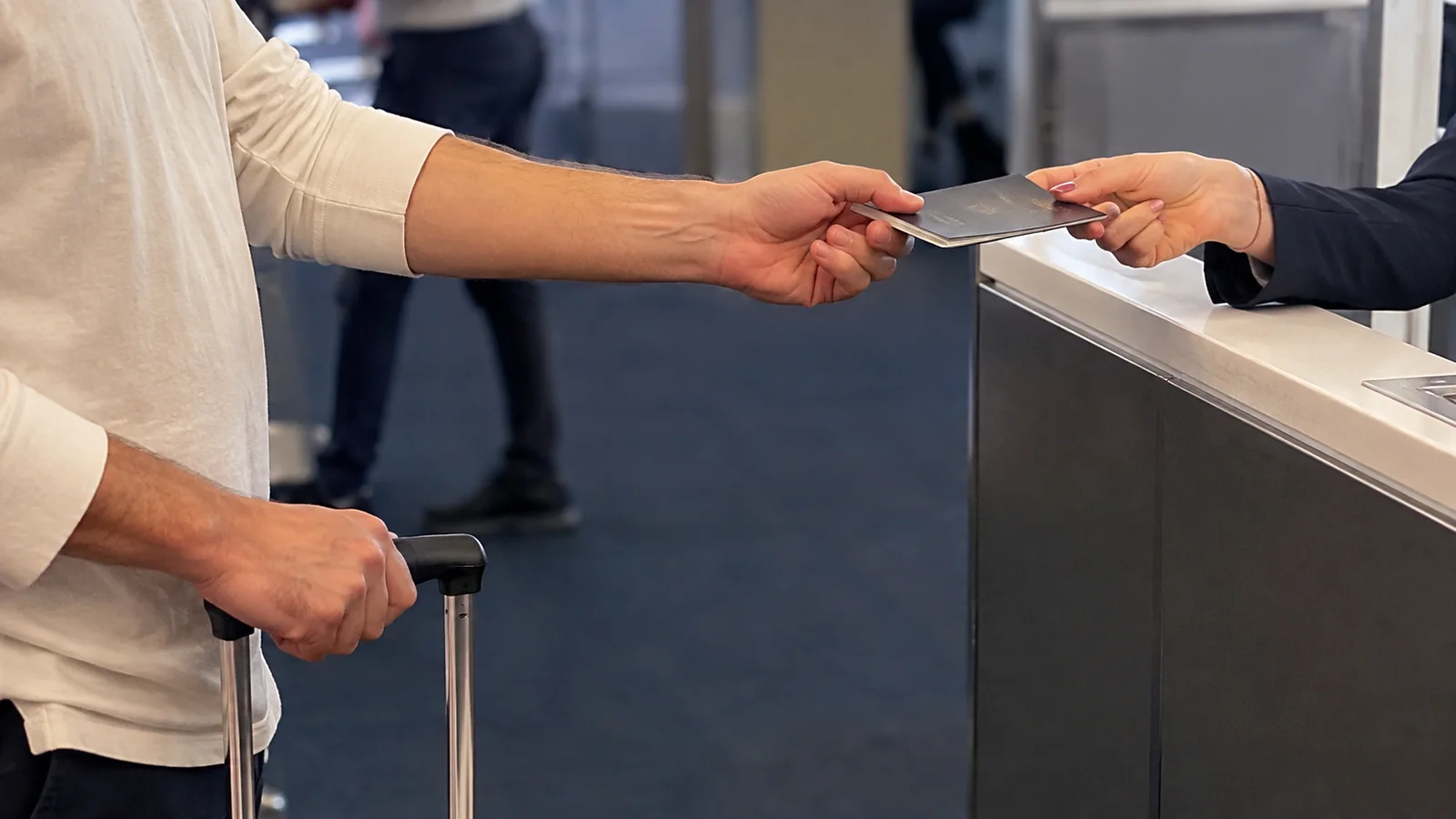
You may not need a passport book for some closed-loop Mexico cruises if you are an eligible U.S. citizen with the cruise line’s accepted documents. You normally do need one for open-loop sailings, cruises beginning abroad, and international air travel, so the route and your personal status matter more than the words “Mexico cruise.”
The One-Minute Answer
- Round trip from the same U.S. port: some U.S. citizens may use approved proof of citizenship plus photo ID.
- Starts and ends at different ports: expect a passport requirement.
- Starts or ends in Mexico: bring a passport book and verify all Mexican entry rules.
- Flies through Mexico: a passport book is required for international air travel.
- Visits Panama, Colombia, or another special-case port: follow the stricter itinerary rule.
- Non-U.S. citizen: check rules for your nationality and U.S. immigration status.
Even when a passport book is not mandatory for scheduled boarding and sea return, it is the document I recommend. It gives you a realistic way to fly home from Mexico if illness, injury, a missed ship, or a family emergency interrupts the cruise.
Closed-Loop Mexico Cruises
A closed-loop cruise begins and ends at the identical U.S. port. Long Beach to Ensenada and back to Long Beach may fit, as can a Galveston round trip visiting Cozumel, but Los Angeles to San Diego and Vancouver to Los Angeles do not.
CBP’s current Western Hemisphere Travel Initiative guidance permits eligible U.S. citizens on many closed-loop cruises to return by sea with a government-issued birth certificate and government photo ID. The exception concerns U.S. sea entry and does not guarantee that Mexico, an additional country, or the cruise operator will accept the same documents.
Check the exact port names, not just the state or metro area. A ship leaving one Southern California terminal and returning to another is not closed-loop merely because both appear in the same vacation search.
Open-Loop and One-Way Mexico Cruises
An open-loop cruise begins and ends at different ports. This group includes repositioning cruises, one-way sailings between the United States and Mexico, and routes that start in one U.S. port but finish in another.
Do not plan to use a closed-loop birth-certificate exception on these voyages. The cruise line can require a passport book or another passport document depending on the itinerary, while Mexico and every additional country apply their own entry rules.
A Panama Canal voyage or a cruise reaching South America deserves immediate extra scrutiny. The word “Mexico” in the title does not make those longer international routes equivalent to a weekend in Ensenada.
Round-Trip Ensenada Cruises
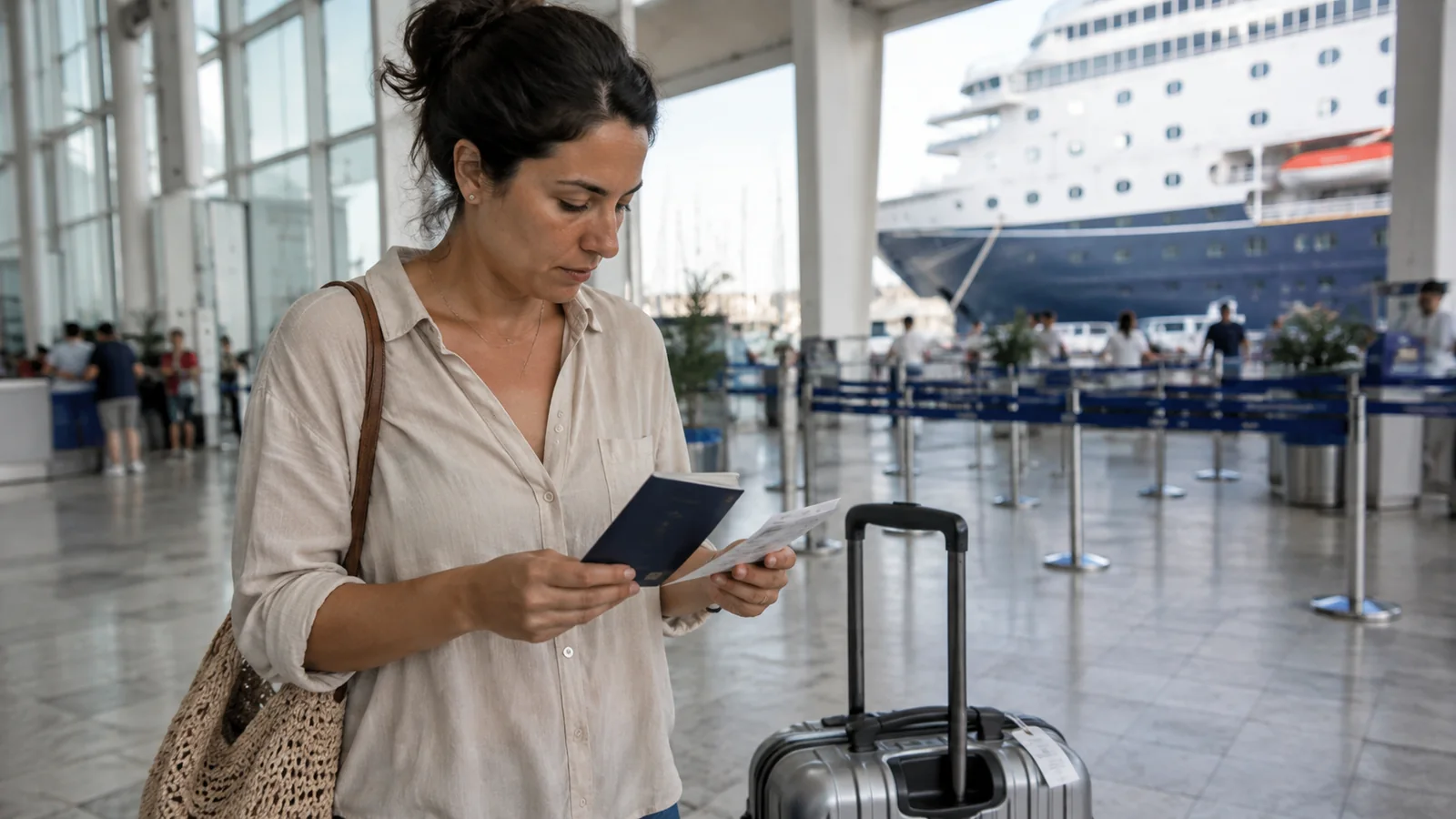
Short Ensenada sailings from Southern California are the clearest Mexico examples to investigate when a U.S. citizen lacks a passport book. They often return to the same U.S. terminal after one Mexican port, but schedules and terminal assignments can change.
Use the carrier’s travel-document tool on the exact ship and date. A three-night listing from Long Beach may accept a qualifying birth certificate and photo ID, while a similarly named repositioning sailing may not.
The three-day cruise planner explains how to compare short Ensenada and Bahamas options without confusing trip length with document eligibility. Two nights, three nights, or ten nights does not determine closed-loop status.
Cozumel and Western Caribbean Cruises
Round trips from Galveston, New Orleans, Tampa, Port Canaveral, Fort Lauderdale, or Miami may visit Cozumel, Costa Maya, or both. Some qualify for a cruise line’s closed-loop document pathway for U.S. citizens, subject to the rest of the route.
Belize, Honduras, Jamaica, The Bahamas, or another stop means another country’s requirements enter the decision. Review every port and do not assume the Cozumel rule controls the full itinerary.
If scuba is part of the plan, the Cozumel dive-site guide covers certification, marine-park practices, operator checks, and realistic return-to-ship planning. Carrying the right cruise documents does not protect you from missing all-aboard after an independent excursion.
Mexico’s Entry Rules and the Cruise Exception Are Different Layers
The State Department’s current Mexico travel page tells U.S. travelers that passports must be valid at the time of entry and points travelers to detailed arrival guidance. That is the correct baseline for ordinary international entry, especially by air or land.
A Mexican consular page addressing maritime visitors says foreigners arriving for leisure at Mexican ports by cruise do not require a Mexican visa or consular stamp for that cruise visit. The Mexican Consulate in San Francisco is an official destination source, but it does not replace the carrier’s manifest and boarding-document rules.
This is why two statements can coexist: Mexico publishes general passport-based entry rules, while a cruise line may carry eligible U.S. citizens on an approved closed-loop itinerary using alternative proof. Confirm the intersection for your exact voyage rather than selecting the friendliest sentence.

What U.S. Citizens May Use on an Approved Closed Loop
A U.S.-born adult commonly uses a government-issued birth certificate plus valid government-issued photo identification when the cruise line allows the exception. The certificate format and copy rule can differ by carrier.
Carnival’s current travel-document instructions, for example, accept an original or clear printed copy of a government-issued birth certificate for certain qualifying cruises. Other lines may demand an original state-certified version and reject photocopies, so Carnival’s rule cannot be borrowed for a different ship.
Possible alternatives include a valid U.S. passport card, qualifying Enhanced Driver’s License, Consular Report of Birth Abroad, or original certificate of naturalization or citizenship when the carrier lists it. Check the exact document and physical format rather than relying on the broad label “proof of citizenship.”
REAL ID Is Not Proof of Citizenship
A REAL ID-compliant driver’s license is useful for domestic airport screening, but it does not prove U.S. citizenship for an international cruise. It normally serves as the photo-ID half of a birth-certificate combination, not a standalone cruise document.
An Enhanced Driver’s License is different and is issued only by certain states. Look for the state government’s explicit “enhanced” designation instead of assuming a star makes the card WHTI-compliant.
Birth Certificate Details That Matter
- Use a certificate issued by a state, county, city, vital-records office, or other government authority accepted by the line.
- Do not use hospital keepsakes, baptismal papers, baby-footprint records, or birth announcements.
- Follow the carrier’s rule on original, certified copy, or printed photocopy.
- Make sure the document is complete, legible, and not altered.
- Puerto Rico birth certificates issued before July 1, 2010 are not accepted for this purpose.
- Keep the certificate in your carry-on document folder, not checked luggage.
A phone photo is not a safe substitute for the required paper. The embarkation team must inspect documents before the checked bag reaches your cabin.
Names on the Booking and Documents
The reservation should match the identification used at check-in. When the birth certificate shows a previous surname, carry the official marriage certificate, divorce decree, adoption record, or court order that connects it to the current photo ID.
Ask whether the supporting record must be original or certified and bring every link in a multi-step name history. A cruise-line representative cannot infer identity from a credit card, social profile, or verbal explanation at the terminal.

Children and Mexico Cruise Documents
Children need accepted proof of citizenship even when the carrier does not require separate photo identification below a certain age. Each cruise line sets and publishes its own age threshold and acceptable document format.
A child traveling without both parents or legal guardians may also need a notarized consent form or carrier authorization. Bring birth, custody, adoption, death, marriage, or name-change documents relevant to the family arrangement.
Do not assume Mexico, the airline, and the cruise line use identical consent rules. Check each one, especially if the child will fly separately or leave the ship with someone other than a legal guardian.
Permanent Residents and Other Nationalities
The U.S.-citizen closed-loop exception is not a general rule for everyone living in the United States. Lawful permanent residents generally need a valid Permanent Resident Card and may also need a passport from their country of citizenship and any Mexican or third-country visa required for that nationality.
Visa holders, refugees, asylees, dual citizens, and travelers with pending status should verify U.S. reentry and Mexican entry separately. The cruise operator’s document tool should be set to the traveler’s true citizenship, not simply the home address.
Mexican citizens, including some dual nationals, may be expected to use Mexican documentation when entering or leaving Mexico. Confirm that situation with Mexican authorities and the carrier before booking.
A Passport Card Helps at Sea, Not in the Air
A U.S. passport card can be valid for land and sea reentry from Mexico, Canada, Bermuda, and parts of the Caribbean. It is not valid for international air travel.
That makes the card an accepted primary document on some Mexico cruises but an incomplete emergency plan. The passport book remains the document that lets an airline carry you from Mexico to the United States under ordinary circumstances.
Why Emergency Air Return Changes the Recommendation
The State Department strongly recommends passport books for cruise passengers, even when the line does not require one. A guest may be hospitalized after the ship departs, miss all-aboard, or need to fly home for an emergency.
Without the book, you may need help obtaining emergency documentation before an airline can board you. Consular staff can assist eligible citizens, but the process is not an instant replacement for arriving prepared.
Travel insurance can help with covered interruption or medical costs but cannot waive immigration rules. Review medical treatment, evacuation, trip interruption, missed connection, and preexisting-condition terms rather than choosing the cheapest policy reflexively.

Can You Stay on the Ship Without a Passport?
Do not assume staying aboard solves a document problem. Carriers commonly check eligibility for the whole voyage before embarkation, not separately each morning.
On certain itineraries a line may explicitly allow a guest with a sea-valid document to remain onboard at a passport-required stop, but that is a narrow written exception. If the carrier has not confirmed it for your sailing, plan as though missing documents mean denied boarding.
How Long Should the Passport Be Valid?
Mexico’s current U.S. guidance says the passport must be valid at the time of entry, but a cruise line may require more validity, often to cover operational changes or another country. An itinerary with Honduras, for example, can create different validity expectations from Mexico alone.
Follow the strictest applicable rule among the carrier and all destinations. Renew early if the book is damaged, short on validity, or does not match your current legal name.
Seven Checks Before You Pay
- Confirm the exact embarkation and disembarkation ports.
- Decide whether the itinerary is truly closed-loop.
- List Mexico and every additional country or territory.
- Check CBP, Mexico, and each other destination.
- Use the operating line’s document checker for every traveler.
- Resolve names, child consent, status, and expiration issues.
- Recheck before final payment and again before online check-in.
Save a dated copy of the rules shown for the sailing, then monitor changes. A phone agent’s answer is useful context but does not overrule Mexican authorities, CBP, or the carrier staff making the boarding decision.
The broader cruises-without-a-passport overview compares Bahamas, Bermuda, Caribbean, Alaska, Canada, Mexico, and domestic route patterns. Every option remains traveler-specific rather than a universal “no passport” list.
Bottom Line
An eligible U.S. citizen may be able to take a same-U.S.-port Mexico cruise with an approved birth certificate and photo ID or another accepted WHTI document. Bring a valid passport book whenever possible, because an open-loop route, added port, carrier rule, or emergency flight can turn that optional book into the document that saves the trip.