Cruises You Can Take Without a Passport, With the Rules Explained
Some U.S. citizens can cruise internationally without a passport book, but no itinerary is universally “document-free.” The workable options are usually closed-loop cruises from U.S. ports, plus certain domestic sailings, and every choice still depends on citizenship, the exact ports, the cruise line, and the documents in your hand.
The Safest Answer
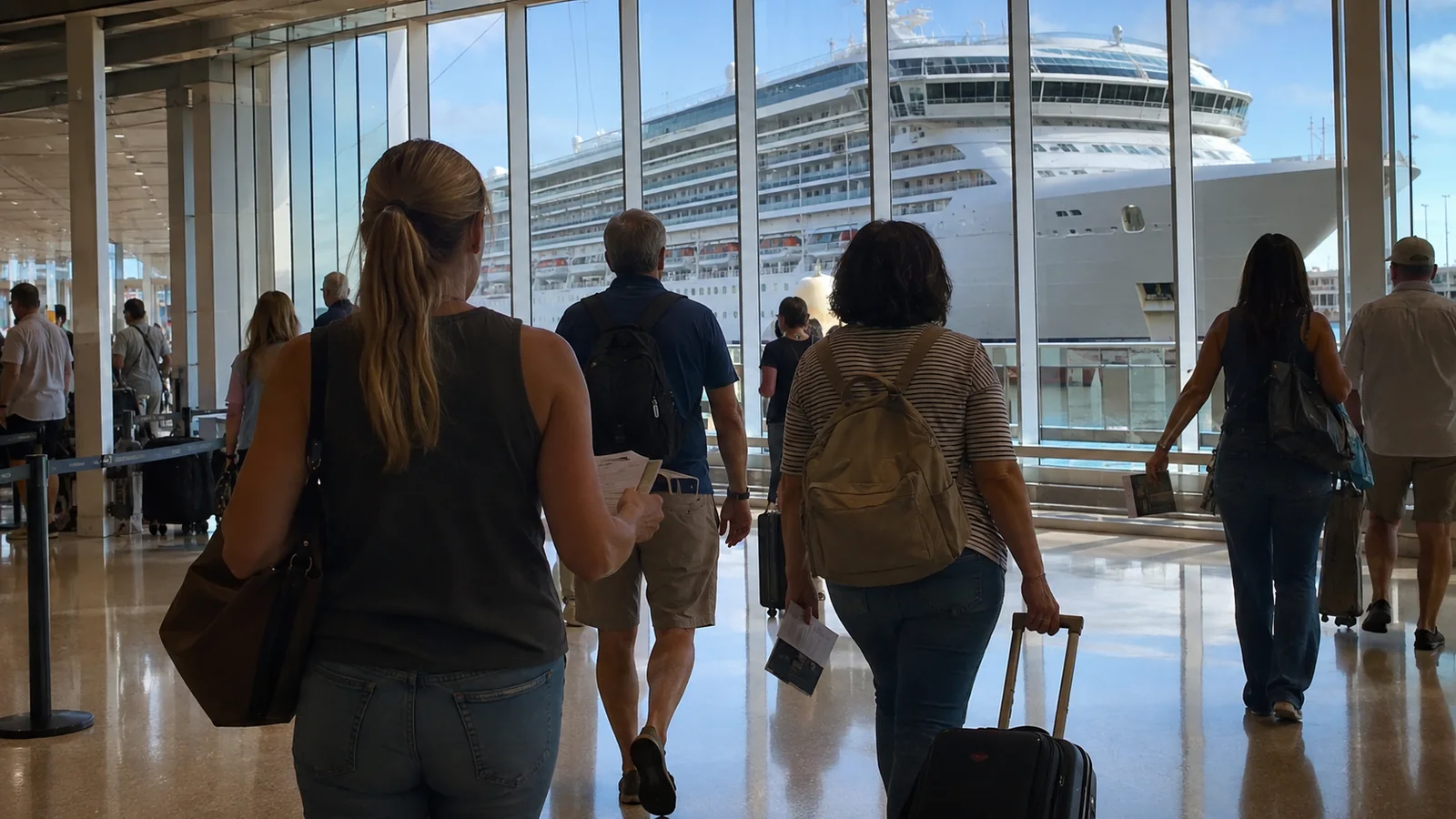
If you can obtain a valid U.S. passport book before departure, bring it. The State Department strongly recommends passport books for cruise passengers, even when a line does not require one, because an emergency flight home from abroad generally requires the book.
If you cannot get one, look only at cruises that start and end at the same U.S. port, then verify every foreign stop and the carrier’s rules. Do not book from a headline that says “passport not required” without checking the live travel-document page for your sailing.
What Is a Closed-Loop Cruise?
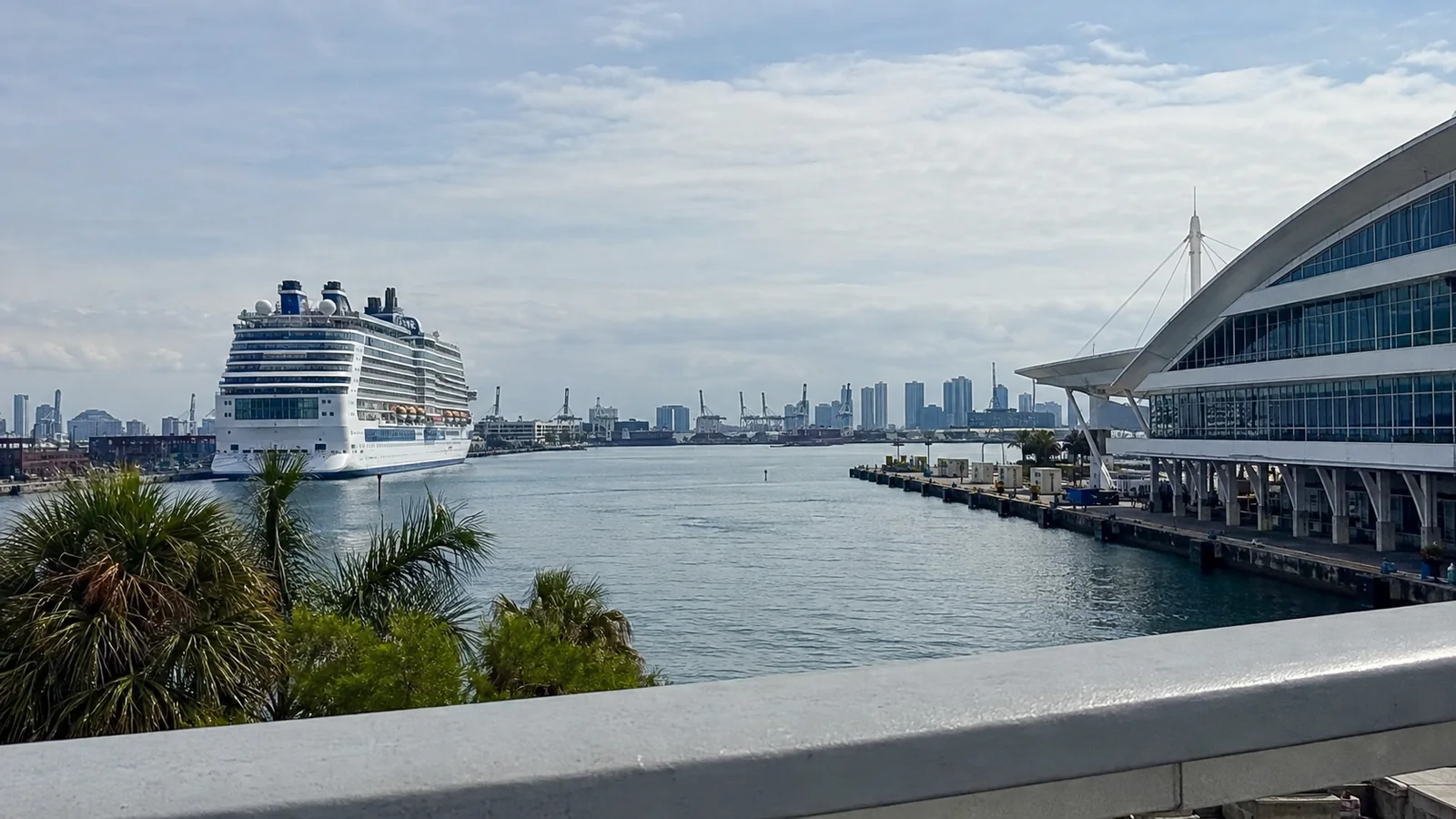
A closed-loop cruise begins and ends at the same U.S. port. Miami to the Bahamas and back to Miami can fit that definition, while Miami to New York, Seattle to Vancouver, and Vancouver to Whittier do not.
Under the Western Hemisphere Travel Initiative, eligible U.S. citizens on many closed-loop cruises may return by sea with proof of citizenship and government-issued photo identification rather than a passport book. The current CBP guidance is the federal starting point, not a promise that a cruise line or destination will accept the same document set.
“Same country” is not enough. A cruise leaving Fort Lauderdale and ending in Miami uses two different ports, so it is not closed-loop.
Cruise Types That May Work Without a Passport Book
Round-Trip Bahamas Cruises From Florida
Short trips from Miami, Port Canaveral, Fort Lauderdale, Tampa, and Jacksonville often return to the same homeport after visiting Nassau, a private island, or another Bahamian stop. These are common closed-loop candidates for eligible U.S. citizens, but the ship and exact itinerary still need confirmation.
A late itinerary change or special port can alter the document rules. Check the Bahamas requirements, the line’s travel-document tool, and your booking confirmation again shortly before sailing.
Round-Trip Caribbean Cruises From the United States
Many Caribbean loops from Florida, Galveston, New Orleans, Baltimore, New York, or San Juan may qualify under the U.S. closed-loop framework. That does not make every island interchangeable, and ports such as Martinique or countries such as Colombia can trigger stricter carrier rules.
Carnival’s current travel-document help, for example, identifies special passport requirements for Colombia and Greenland and limits going ashore in Panama or Martinique for some guests without passport books. Treat the published itinerary as a chain in which the strictest link can control boarding.
Round-Trip Mexico Cruises
Closed-loop Mexico itineraries from Los Angeles, Long Beach, San Diego, Galveston, and New Orleans can sometimes be boarded by eligible U.S. citizens with accepted proof of citizenship plus photo ID. Mexico’s rules, the cruise line, a Panama Canal segment, or an added Central American or South American port can change the answer.
Before choosing one, use the more specific Mexico cruise passport checklist. A round trip to Ensenada is not documentarily identical to a longer sailing that ends elsewhere.
Round-Trip Bermuda Cruises
Bermuda cruises returning to the same East Coast homeport can be closed-loop candidates. NCL’s current Bermuda guidance says qualifying U.S. citizens may use proof of citizenship and government-issued photo ID, while still recommending a passport.
Do not transfer that statement to another cruise line or nationality. Confirm the carrier, Bermuda entry rules, and each traveler’s status before final payment.
Round-Trip Alaska Cruises From Seattle
A Seattle round trip that visits Alaska and a Canadian port may fit the closed-loop framework for an eligible U.S. citizen. A one-way Alaska sailing that begins or ends in Vancouver is not the same product and normally requires a passport for the international embarkation or disembarkation.
Train, bus, and flight plans through Canada add their own entry requirements even if the ship booking looks simple. The Seattle-to-Alaska logistics guide explains Pier 66, Pier 91, airport timing, and round-trip route tradeoffs.
Round-Trip Canada and New England Cruises
Some cruises from Boston, New York, Baltimore, or another U.S. port visit Canada and return to that exact port. They may qualify for the U.S. closed-loop exception, subject to Canadian entry rules and the cruise line’s terms.
A voyage ending in Quebec City or Montreal is open-loop and should not be booked as a passport workaround. The same caution applies when you plan to leave the ship early in Canada.
Domestic Hawaii, River, and Coastal Cruises
A true Hawaii inter-island itinerary that never leaves the United States does not use the international closed-loop exception. NCL currently says its Hawaii inter-island cruises require government-issued photo identification rather than a passport, but verify the ship’s current route and your airline ID before departure.
U.S. river cruises and some coastal voyages also remain domestic. A domestic-looking repositioning cruise can still call in Canada, Mexico, Bermuda, or another country, so read every port rather than judging by the marketing title.
What Documents May Be Accepted Instead?
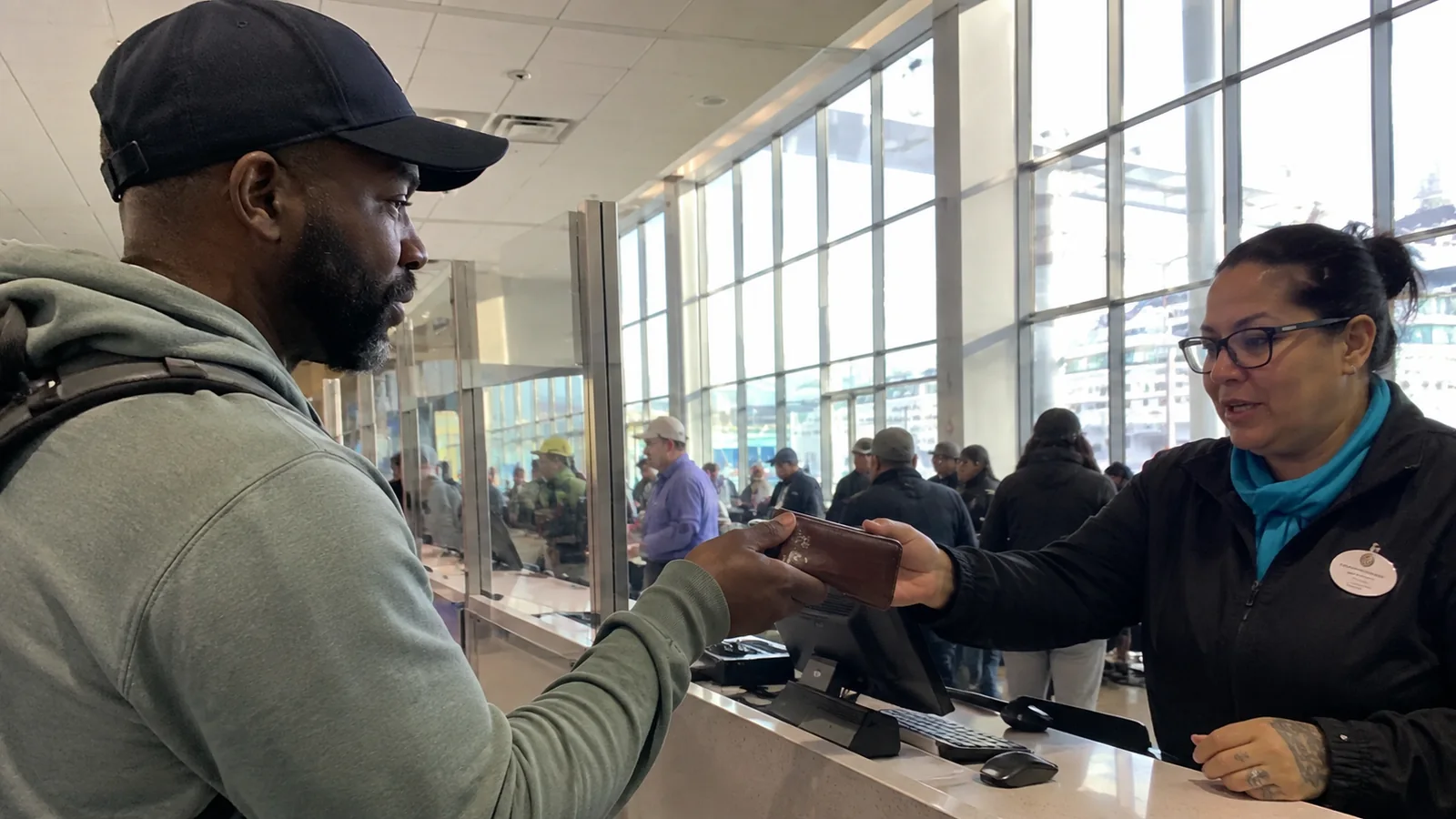
For an eligible U.S.-born citizen on an accepted closed-loop sailing, the usual alternative is a government-issued birth certificate plus a valid government-issued photo ID. Cruise lines differ on whether they accept an original, certified copy, or clear photocopy, so follow the operating carrier’s exact wording.
Royal Caribbean currently says U.S.-born citizens may use a state-certified birth certificate and government photo ID on most, but not all, U.S. departures. Its birth-certificate policy rejects hospital souvenirs and baptismal papers and says guests age 15 and younger do not need the separate photo ID under that policy.
Other possible WHTI-compliant documents include a valid passport card, certain Enhanced Driver’s Licenses, a Consular Report of Birth Abroad, or citizenship and naturalization documents when the carrier permits them. A REAL ID driver’s license is not proof of U.S. citizenship and is not the same thing as an Enhanced Driver’s License.
Birth Certificate Traps That Stop Trips
- A hospital keepsake or “baby feet” paper is not a government-issued birth certificate.
- A digital photo on your phone may not satisfy the line, even if the original exists at home.
- A photo ID alone, including REAL ID, normally does not prove citizenship for an international closed-loop cruise.
- Puerto Rico birth certificates issued before July 1, 2010 are not accepted for this purpose.
- A damaged, illegible, or altered document can create a terminal problem.
- Carrier rules on originals and copies differ, so the stricter published instruction wins.
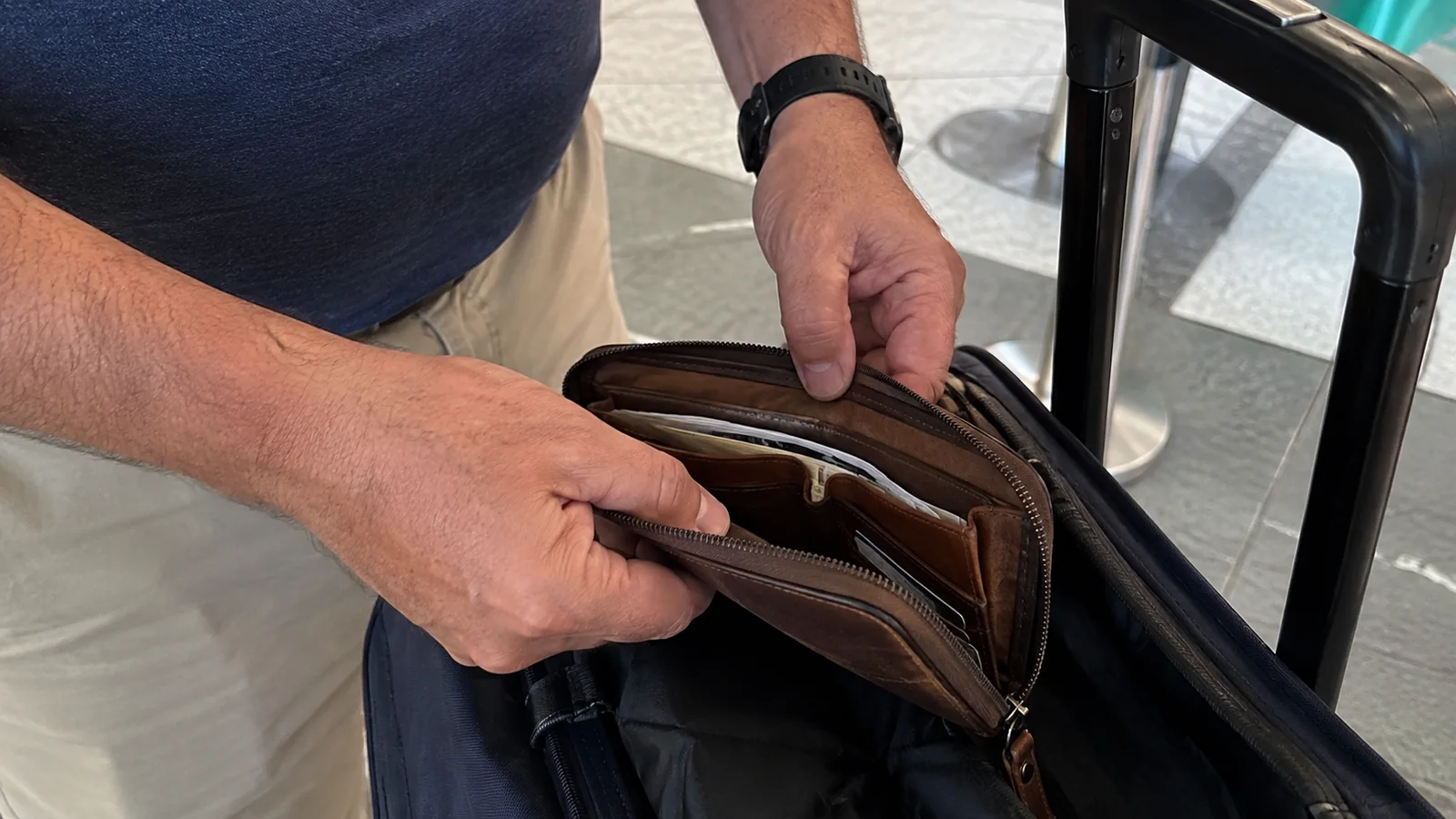
Put documents in your personal item, never checked luggage. Terminal staff must inspect them before you can reach a cabin where your suitcase may arrive hours later.
Names Must Form a Clear Paper Trail
The reservation name should match the identification used to board. When a birth certificate shows a prior name, carry the official marriage certificate, divorce decree, adoption record, or court-ordered name-change document that connects the names.
Bring the version the cruise line specifies, which may be original or certified. A social media profile, work badge, credit card, or handwritten explanation is not a legal bridge between mismatched identity documents.
Children and Consent Documents
Children need proof of citizenship too, although some carriers do not require a separate photo ID below a stated age. Age thresholds and acceptable documents vary by line and itinerary, so never assume the adult rule simply scales down.
A child traveling without both parents or legal guardians may also need a notarized consent letter or carrier form. Different surnames should be supported by birth, marriage, custody, adoption, or name-change documents as applicable.
Who Should Not Rely on the Closed-Loop Exception?
Non-U.S. citizens should not use advice written for U.S. citizens. Lawful permanent residents generally need a valid Permanent Resident Card and may also need a passport from their country of citizenship plus visas or travel authorizations for visited countries.
Dual nationals may be required to use the other country’s passport there. Refugees, asylees, visa holders, travelers with pending status, and anyone with prior immigration complications should confirm requirements with the appropriate government authorities and carrier.
Naturalized citizens should follow the line’s listed proof-of-citizenship options rather than assuming a state birth certificate exists. NCL’s current document page, for example, distinguishes U.S. citizens, permanent residents, and other nationalities and requires passports on several itinerary types.
A Passport Card Is Not a Passport Book
A U.S. passport card can be valid for land and sea reentry from Canada, Mexico, Bermuda, and parts of the Caribbean. It is not valid for international air travel.
That makes the card compact proof for some cruises but a weak emergency tool. If illness, injury, a missed ship, or a family crisis forces you to fly from a foreign port, you generally need a passport book.
The Emergency-Flight Problem
A closed-loop exception helps with scheduled sea travel, not an unexpected international flight. If you are hospitalized after the ship departs, miss all-aboard, or need to return home urgently, obtaining emergency documentation abroad can add delay and cost during an already stressful event.
Travel insurance may help with eligible expenses, but it does not turn a birth certificate or passport card into an air-valid passport. Read coverage for medical evacuation, trip interruption, missed connection, and preexisting conditions, then carry the insurer’s assistance number.
Open-Loop Cruises Usually Require a Passport
A cruise that starts and ends in different ports is open-loop, even if both ports are in the United States. Repositioning voyages, transatlantic sailings, Panama Canal transits, one-way Alaska cruises, and cruises beginning abroad generally require a passport book and may require visas or electronic travel authorizations.
Do not solve this by planning to skip a foreign port. Document requirements are typically checked for the itinerary at embarkation, and remaining onboard may not cure a missing document unless the carrier explicitly says it does.
How to Verify a Cruise Before Paying
- Write down the exact embarkation and disembarkation ports, not just their states.
- List every scheduled country and special territory on the itinerary.
- Check CBP rules for U.S. return by sea.
- Check each destination’s official entry rules for your citizenship.
- Use the operating cruise line’s live travel-document tool.
- Verify name, expiration, document format, and child-consent requirements.
- Recheck before final payment and again before online check-in.
Save screenshots or PDFs of the requirements displayed for your sailing, but check for changes later. A customer-service conversation is useful clarification, yet it does not override border authorities or the carrier’s written boarding rules.
For a compact getaway, the three-day closed-loop cruise planner narrows the route and timing tradeoffs. It still uses the same documentation checks because a shorter trip is not a looser border process.
Bottom Line
The best no-passport candidate is a true domestic cruise or a same-port U.S. closed loop that both the destination and cruise line approve for your exact citizenship and documents. Even then, a passport book is the flexible, lower-stress choice because it protects your ability to fly internationally if the voyage stops going to plan.