Best Cruises in September: Where to Go and What to Expect
September can deliver summer warmth, early fall color, and lower shoulder-season demand, sometimes on the same itinerary. It also brings the Atlantic hurricane peak, Alaska’s fast-changing fall, and shorter days in the north, so the best choice depends on which tradeoff you would happily accept.

Are September cruises worth it?
Yes, especially for adults who can travel after schools reopen and cruisers who value destination time more than perfect pool weather. September is one of my favorite months to compare routes because the options are unusually broad, from late-season Alaska to warm Mediterranean ports and one-way repositioning voyages.
The mistake is treating “shoulder season” as shorthand for cheap, quiet, and sunny. Fares move with ship, cabin, homeport, holidays, and remaining inventory, while weather and crowds can change sharply between the first and last week.
- Best for scenery: Alaska early in the month, or Canada and New England later in the month.
- Best for warm port days: The Mediterranean and Adriatic.
- Best for flexible bargain hunters: Caribbean, Bahamas, and repositioning routes.
- Best for culture: Japan and the British Isles, with serious weather caveats.
- Best for easy packing: California coastal itineraries, though temperature swings still matter.
Alaska: the strongest early-September choice
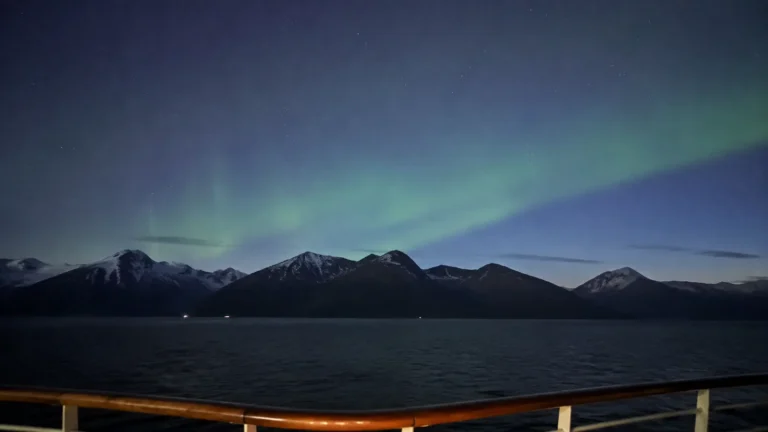
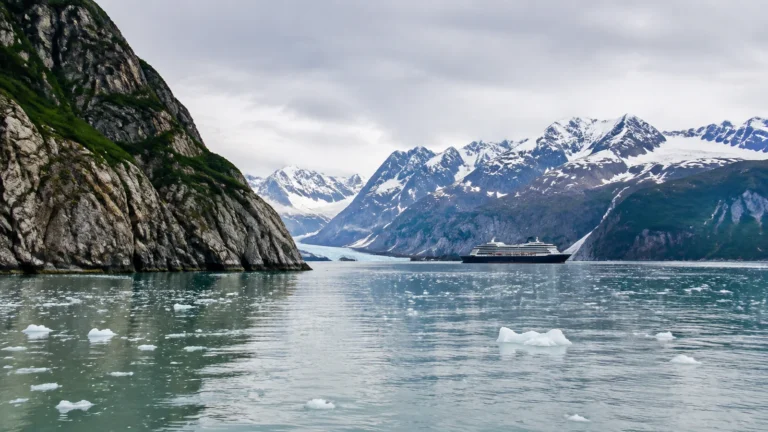
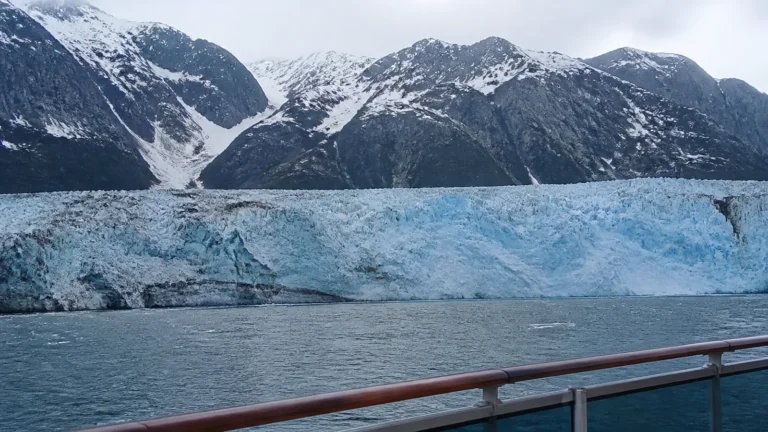
Choose Alaska if glaciers, coastal scenery, and port adventures matter more than warm evenings. Alaska’s tourism office describes May through September as the usual cruise season, although a smaller number of shoulder sailings can extend beyond it.
September feels different from July. Official Alaska guidance lists typical September ranges of about 44°F to 55°F in Juneau and notes continuing rainy days, while daylight falls quickly and the interior can see frost.
The reward is a quieter, moodier landscape and a chance of fall color. The cost is greater odds of cold rain, cloud hiding mountain views, canceled flightseeing, and seasonal businesses reducing hours near the end of their operating year.
I would favor the first half of September for a first Alaska cruise, then consider later dates only if the fare is genuinely compelling and you are comfortable improvising. Our detailed look at Alaska weather in September explains the regional differences and packing logic.
What to verify before booking Alaska
- Confirm every must-do shore excursion operates on your exact date.
- Check whether a glacier viewing day is scenic cruising, a landing, or simply a nearby port call.
- Allow a hotel night before embarkation, particularly when flying to Vancouver, Seattle, or Anchorage.
- Pack waterproof outerwear and warm layers rather than relying on one bulky coat.
Wildlife remains possible, but no migration, bear sighting, or whale encounter belongs in the guaranteed column. Treat animals as a bonus and choose the route for its scenery and ports.

Canada and New England: early color, not guaranteed peak
September itineraries between New York, Boston, Québec, and Montréal can combine walkable ports, maritime history, and the first wave of fall color. They are a smart fit for travelers who want varied port days without Mediterranean heat.
Timing matters more than marketing photos suggest. Maine’s official foliage guidance says northern areas typically peak from the last week of September into early October, while coastal and southern Maine more often reach peak or near-peak color from mid-October onward.
That makes a late-September call better for northern or inland excursions than for guaranteed scarlet trees beside every coastal pier. Warm weather, wind, rainfall, and storm systems can all accelerate or delay the display.
A one-way Montréal or Québec itinerary deserves special attention to airfare and ground transport. The route can be excellent, but the “deal” disappears if the open-jaw flights and pre-cruise hotel are expensive.
Mediterranean and Adriatic: best all-around weather balance
For many travelers, the Mediterranean is September’s best overall answer. Barcelona, Rome, Athens, and the Adriatic are still firmly in season, yet the most punishing summer heat often begins to ease as the month progresses.
Do not expect empty ports or bargain-basement prices. September remains popular, sea temperatures can still support beach days, and marquee ports may feel busy when several ships overlap.
I would choose the western Mediterranean for a first European cruise because Barcelona and Rome support easy pre-cruise stays and the route blends cities with coastal stops. Pick the Adriatic or Greek Isles when smaller historic centers and scenery matter more, but check tender exposure because wind can disrupt an anchorage call.
Build your wardrobe around light clothes plus one rain layer and a modest evening layer. Churches and religious sites may require covered shoulders and knees even when the afternoon still feels like summer.
Caribbean, Bahamas, and Bermuda: only for flexible travelers
September can produce attractive fares and less competition for popular cabins, but this is not a weather-safe bargain. The National Hurricane Center’s climatology places the Atlantic season peak around September 10, with most activity occurring from mid-August through mid-October.
A cruise ship can usually move away from a storm, but that does not protect the original itinerary. Ports may close, embarkation cities can face flight disruption, and a western route may become eastern or skip calls entirely.
Book for the ship and the vacation time, not for one irreplaceable island. I would also arrive at the homeport at least one day early, buy coverage that fits your specific risks, and keep medications plus essentials in carry-on luggage.
Bermuda is not outside hurricane exposure, and neither is a cruise departing New York. Geography changes the route options, not the existence of tropical weather.
Japan and East Asia: rewarding, but typhoon-aware
Japan offers food, temples, modern cities, and strong rail connections for a pre-cruise stay. September, however, is not the simple cool-autumn option people sometimes imagine.
The Japan National Tourism Organization says typhoons are most frequent from late August through much of September. Southern ports may remain hot and humid, while Hokkaido can begin showing autumn color.
This is a route for travelers who can accept a changed port and build buffer time around international flights. If fall foliage is the main goal, later departures or an October land extension may align better, depending on latitude and elevation.
British Isles and Northern Europe: culture over sunshine
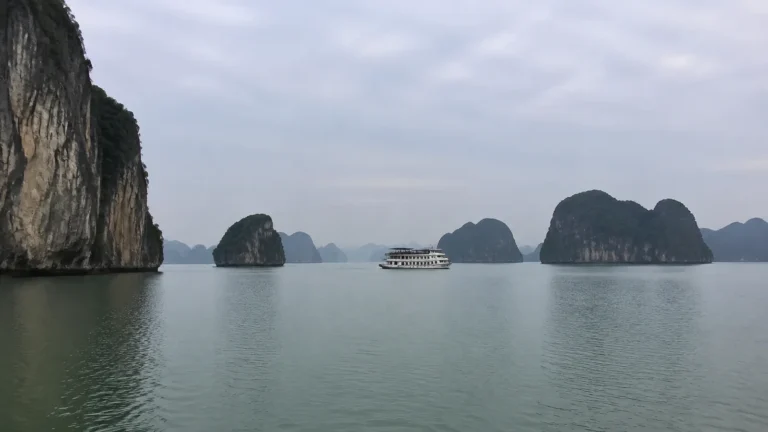
September can be lovely around Scotland, Ireland, England, and northern continental ports, but bring realistic expectations. Cooler air, rain, wind, and shortening daylight make this a museums, castles, pubs, and layered-clothing itinerary rather than a reliable deck-chair vacation.
The best itineraries spend long days in port or include an overnight in a major city. Tender calls add vulnerability in rough weather, so I would not choose a route where one exposed anchorage carries the entire emotional weight of the trip.
Baltic routes can still work early in the month, although schedules vary by year and geopolitical conditions affect deployments. Check the actual port list and current government advisories instead of assuming an older “Baltic” itinerary still exists unchanged.
Pacific Coast and repositioning cruises: strong value with caveats
September marks a transition as some ships move away from Alaska. Short California coastal cruises and longer repositioning routes can connect Vancouver, Seattle, San Francisco, Los Angeles, and San Diego, sometimes with unusually interesting port combinations.
These sailings suit cruisers who enjoy sea days and can manage one-way transportation. Weather may move from cool and damp in the north to warm and dry farther south, so a small capsule wardrobe beats packing for one climate.
Check whether the itinerary is a true round trip or a one-way sailing, and price the flight before holding the cabin. Our Pacific Coast road trip ideas can also turn the repositioning flight problem into a worthwhile pre- or post-cruise extension.
How to choose the right September itinerary
Choose the weather risk you can live with
No September route is risk-free. Alaska trades warmth for scenery, the Caribbean trades itinerary certainty for potential value, Europe trades lower summer heat for occasional rain, and Japan trades cultural depth for typhoon exposure.
Write down the one thing that would genuinely ruin the vacation. If it is a missed beach, avoid building the trip around a hurricane-season island; if it is cold rain, skip late Alaska no matter how good the fare looks.
Compare the full trip cost
The cruise fare is only the beginning. Add airfare, hotels, transfers, gratuities, drinks, specialty dining, shore excursions, travel insurance, and the cost of a one-way itinerary.
A higher fare from a drivable homeport can cost less overall than a discounted cabin requiring two expensive flights. Our framework for choosing the best time to cruise helps separate a low sticker price from genuine value.
Study port hours, not just port names
A famous port from 7 a.m. to 3 p.m. may offer less practical time than a smaller stop with an evening departure. Note tender ports, distance from the advertised city, local sunset, and the last realistic return time.
September daylight contracts rapidly at northern latitudes. A long excursion that works comfortably in June may finish near dusk in Alaska or northern Europe.
Understand repositioning logistics
Repositioning cruises can offer more sea days and a lower nightly rate, but they often begin and end in different places. They may also include fewer repeat weekly departures, which limits your recovery options after a canceled flight.
Book flexible air when the consequences of a delay are severe. At minimum, arrive one night early and avoid a tight connection on the way home if the ship clears immigration after an international crossing.

What to pack for a September cruise
Pack for the itinerary’s coldest realistic hour, not its warmest forecast. A waterproof shell, light insulating layer, comfortable closed-toe shoes, sun protection, and a compact day bag cover most routes.
- Alaska and northern routes: Add a warm hat, thin gloves, water-resistant walking shoes, and quick-drying layers.
- Mediterranean: Bring breathable clothing, respectful site attire, strong sun protection, and one light rain layer.
- Caribbean and Japan: Use fast-drying fabrics and protect electronics and documents from heavy rain.
- Repositioning sailings: Pack for multiple climate zones and plan laundry instead of doubling the suitcase.
Keep a change of clothes, medication, chargers, travel documents, and basic toiletries in your carry-on. Our practical cruise packing list is useful once you have settled on the climate.
September booking checklist
- Check the exact hurricane, typhoon, or shoulder-season exposure of the route.
- Price flights and hotels before judging the cruise fare.
- Confirm must-do excursions and seasonal attractions operate on your date.
- Review the cruise line’s itinerary-change and cancellation terms.
- Buy appropriate travel protection soon enough to meet its eligibility rules.
- Recheck forecasts, port notices, and airline alerts before departure.
My September verdict
For a first-time September cruiser, I would choose an early-month Alaska sailing or a Mediterranean itinerary with convenient flights and several strong ports. Canada and New England become more compelling later in the month if you are happy with early color rather than demanding peak foliage.
The Caribbean can still be a good vacation, but only when the ship itself is part of the attraction and you can accept major changes. September rewards flexible travelers beautifully, while punishing anyone who treats a seasonal pattern as a promise.