Cruises in July: Best Destinations, Weather and Smart Planning
July is one of the easiest months to find a cruise and one of the hardest months to find a quiet bargain. Alaska, Norway, Iceland, and the Arctic are in full summer mode, while the Mediterranean and Caribbean ask you to plan honestly around heat, crowds, and weather risk.
Are July cruises worth it?
Yes, especially for families, teachers, and anyone whose vacation calendar is tied to summer. Cruise lines typically offer a wide spread of ships and routes in the Northern Hemisphere, and seasonal ports and excursions are generally well into their operating window.
The tradeoff is demand. July overlaps school vacations in many countries, major holiday travel around the Fourth of July in the United States, and the summer break that fills famous European destinations.
My July rule is simple: pay peak-season prices only when July gives you something you truly value, such as long northern daylight or a schedule that lets the whole family travel. If your dates are flexible, compare the same route with a June cruise and an August departure before booking.
The best cruise destinations in July
Alaska and Northern Europe are the strongest all-around July choices because the month fits their main visitor seasons. The Mediterranean is excellent for beaches and evening atmosphere, but it is a much less comfortable choice for travelers who wilt on long, hot sightseeing days.
- Best overall for scenery: Alaska, especially when glaciers and wildlife habitat matter more than warm pool weather.
- Best for extreme daylight: Northern Norway, Svalbard, and high-latitude Arctic routes.
- Best for families: Alaska, the Norwegian fjords, the Baltic, and shorter cruises from a nearby home port.
- Best for beaches and history: The Mediterranean, provided your group can handle heat and crowded landmark cities.
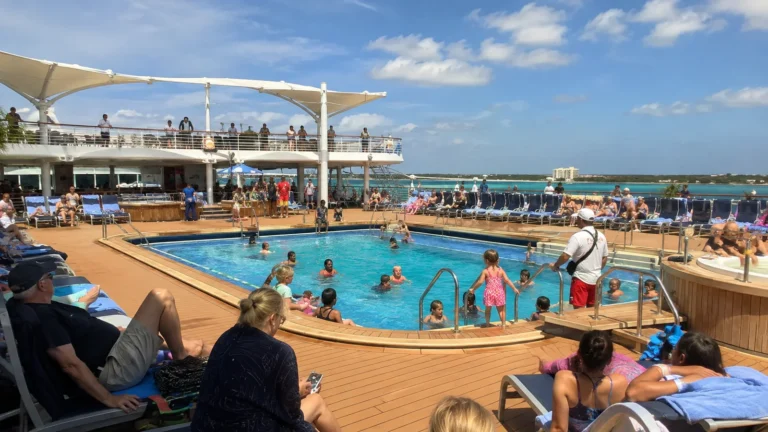
- Best warm-water option from the East Coast: Bermuda, with an honest plan for humidity and tropical weather.
- Best for cool, changeable weather: Iceland and the British Isles, where a waterproof layer is never wasted space.
Alaska cruises in July
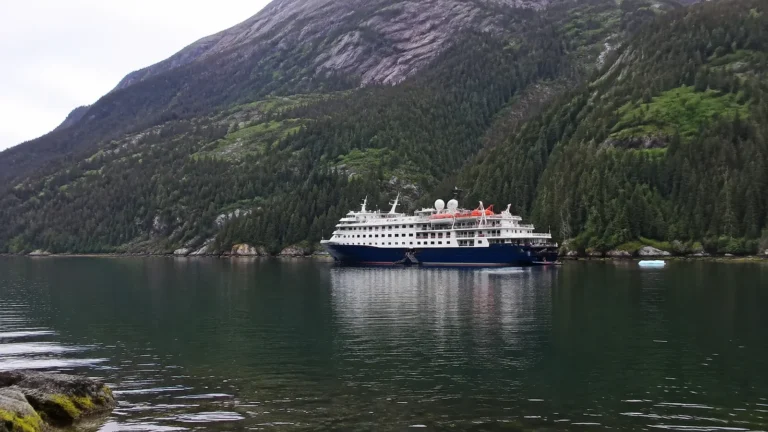
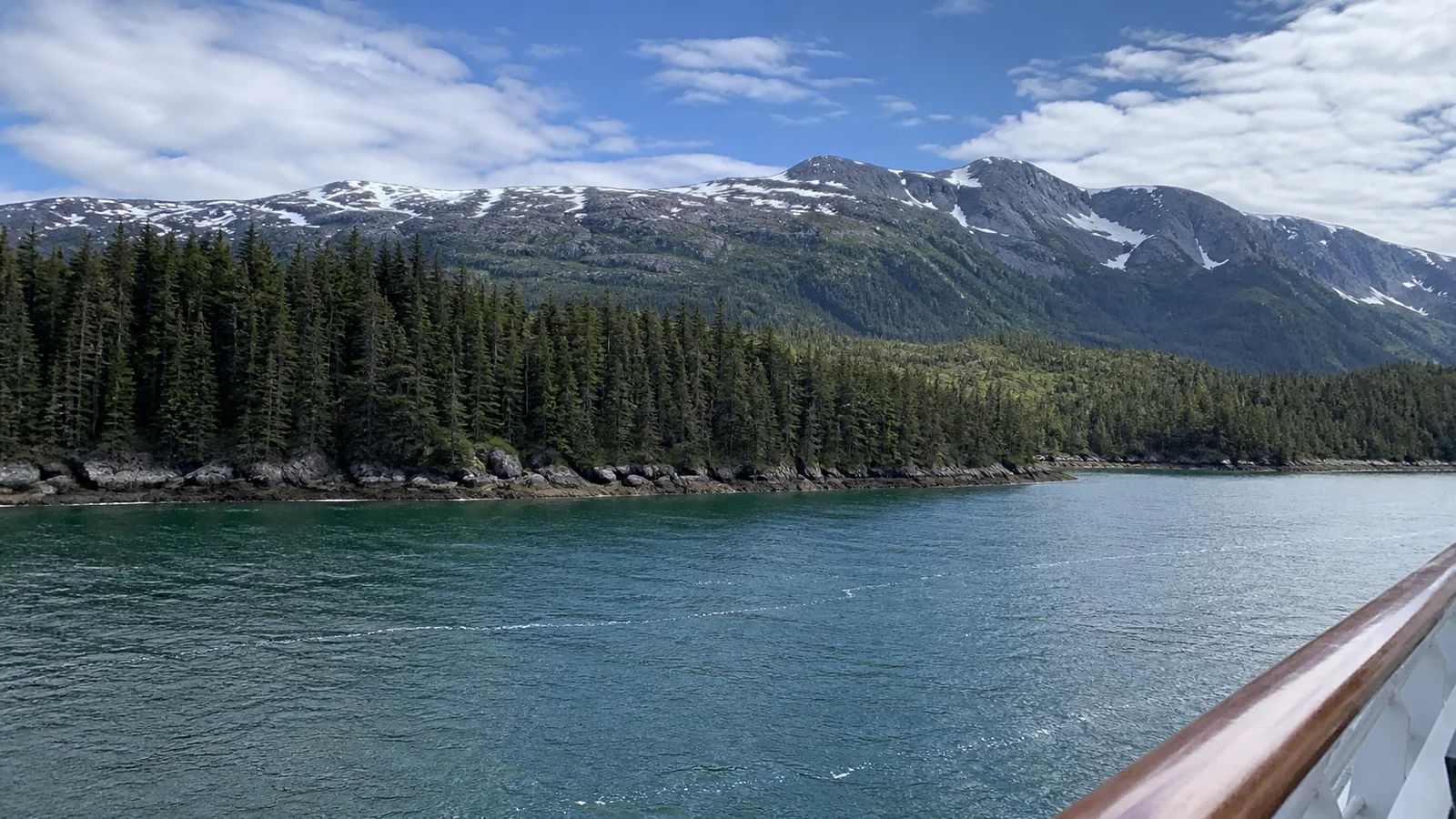
July is a dependable scheduling choice for Alaska because cruise capacity, port services, and excursions are broadly active. It also brings long daylight, which gives you more time to enjoy scenery before breakfast and after dinner.
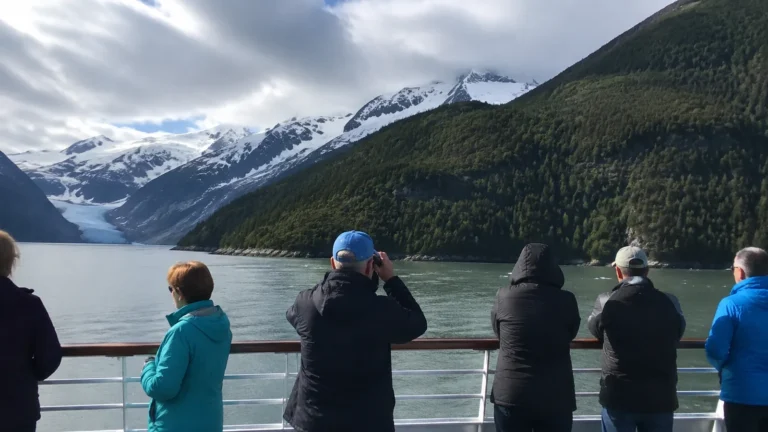
Do not translate “summer” into shorts-only weather. The official Travel Alaska Inside Passage climate guide describes typical summer daytime highs in the low to mid-60s°F and nighttime lows in the mid to high 40s°F, with mist or rain possible at any time.
Pack a rain shell, warm midlayer, hat, and shoes that can handle wet docks. A sunny forecast at embarkation does not tell you what Glacier Bay, Juneau, and Ketchikan will feel like several days later.
Wildlife is another reason people love July, but no whale, bear, eagle, or salmon sighting belongs in the guaranteed column. Choose an itinerary for the places it visits, then treat wildlife as a possibility shaped by habitat, food, timing, weather, and luck.
July is also busy, so reserve a true must-do excursion early and choose a backup that would still make the port worthwhile. The Alaska cruise planning guide explains one-way versus round-trip routes, glacier days, and the port mix that matters more than a ship’s climbing wall.

Norwegian fjords and Northern Europe
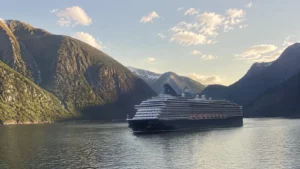
July makes a beautiful match for Norway because daylight lasts late and seasonal sightseeing is well established. Above the Arctic Circle, the experience can become genuinely unusual: Visit Norway says Northern Norway receives up to 24 hours of summer sunlight, with its midnight-sun period varying by latitude and location.
A Norway itinerary is not automatically an Arctic itinerary. Bergen, Geiranger, Flåm, Tromsø, the North Cape, and Svalbard offer different scenery, temperatures, port logistics, and amounts of daylight.
Read the port list closely and ask whether you want deep fjords, historic cities, Arctic landscapes, or a blend. A route with the right place names is worth more than a generic promise of “Norway in summer.”
Northern Europe can still deliver wind, low clouds, rain, and cool mornings in July. Bring a sleep mask for bright nights and a waterproof outer layer, then consider any blue-sky sail-in a lovely bonus rather than part of the fare.
Iceland and British Isles cruises
Iceland in July offers long days and a broad seasonal touring window, but ocean weather can rearrange a neat plan quickly. Tender calls and exposed ports are more vulnerable to wind than a berth tucked inside a sheltered harbor.
Choose an itinerary with more than one scenery opportunity so the entire trip does not rest on a single call. If waterfalls, geothermal landscapes, or a particular island are nonnegotiable, check the hours in port and the distance from the pier before comparing ships.
British Isles cruises can combine cities, castles, coastal landscapes, and smaller ports without Mediterranean-level heat. July also brings summer visitors and major events, so Edinburgh, Dublin, and popular Scottish ports may feel anything but sleepy.
I would favor a route with long daytime calls over one that races through more names. Seven useful hours in a port often beat ten advertised ports with several short calls and tenders.
Mediterranean cruises in July
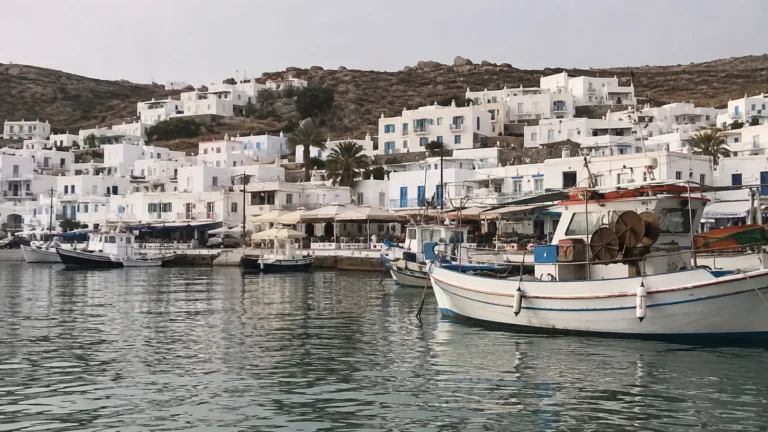
July in the Mediterranean can be glorious if you want swimming, outdoor dinners, and a ship full of summer energy. It can also be exhausting when an itinerary stacks Rome, Athens, Ephesus, and other walking-heavy stops into one hot week.
Heat is not just a comfort issue. The National Weather Service heat guidance notes that heat can worsen existing health conditions, with young children, older adults, pregnant travelers, and people with chronic conditions among those more vulnerable.
Plan the day around the conditions instead of trying to overpower them. Book an early tour, carry water, use shade, wear a hat, and leave room for a slower afternoon rather than building eight hours of exposed walking into every port.
Wildfire and smoke can also affect parts of southern Europe during summer. The EU’s European Forest Fire Information System provides current fire-season information for Europe and the Mediterranean, but local civil-protection instructions remain the authority when an incident is active.
A wildfire may disrupt a road, excursion, flight, or port without threatening the ship itself. Check official local alerts close to travel, keep medications in your carry-on, and understand the cruise line’s itinerary-change terms before final payment.
For travelers who want Europe without the largest ship crowds, Mediterranean small-ship cruises can reach different ports. They do not remove summer heat or guarantee quiet towns, so compare vessel size, air-conditioning, tendering, and the exact shore program.
Baltic cruises in July
July suits Baltic itineraries that emphasize Copenhagen, Stockholm, Helsinki, Tallinn, and surrounding ports. Long days make city touring easy, and temperatures are generally friendlier for walking than in the southern Mediterranean.
These routes change with cruise-line deployment decisions and regional conditions, so old maps and blog itineraries can be misleading. Judge only the dated sailing offered for sale, including every port, sea day, and overnight.
Crowds still matter in marquee capitals, especially when several ships arrive together. My favorite defense is a focused morning plan, a flexible lunch, and one neighborhood that most passengers never reach.
Arctic and Greenland expedition cruises
July is a major operating month for expedition voyages around Svalbard, Greenland, and other high-latitude destinations. These trips appeal to travelers who care more about landscapes, geology, ice, and wildlife possibilities than warm weather or a fixed daily schedule.
Expedition itineraries are intentionally conditional. Ice, wind, swell, wildlife location, permits, and local guidance can change landings, routes, or the order of activities.
Never book because a brochure photograph appears to promise a polar bear, whale, or perfect iceberg. Compare the operator’s experience, passenger count, expedition staff, included gear, medical requirements, and how clearly it explains that nature makes the final call.
A waterproof shell and warm layers are essential even in midsummer. Also ask whether your travel insurance covers evacuation from remote regions and the activities you plan to join.
Bermuda, Bahamas, and Caribbean cruises
July delivers warm water, hot beach days, and abundant family sailings from Florida and East Coast ports. It also sits inside Atlantic hurricane season, so flexibility is part of the purchase.
NOAA’s tropical cyclone climatology defines the Atlantic season as June 1 through November 30 and places its climatological peak later, around September 10. July is not the historical peak, but a storm can still affect a July sailing.
Cruise lines may change ports, reverse an itinerary, delay a call, or skip one to keep the ship away from dangerous weather. No forecast issued when you book months ahead can guarantee the route you will sail.
Buy insurance for the losses you cannot comfortably absorb, arrive at the departure city at least one day early, and avoid nonrefundable independent plans with tight timing. If a missed island would ruin the vacation, choose another region rather than hoping the Atlantic follows your reservation.
Bermuda is a particularly appealing July choice for travelers who want an overnight port and a departure closer to home. Our Bermuda cruise planner covers Dockyard logistics, island transportation, and why usable hours matter more than the number of days printed in a brochure.
Canada and New England in July
July cruises to eastern Canada and New England trade fall foliage for warmer weather, longer days, and a summer atmosphere. They suit travelers interested in coastal scenery, seafood, historic cities, and cooler alternatives to southern Europe.
Do not book July expecting autumn color because the leaves follow a later seasonal cycle. Fog, rain, and sudden temperature changes can still appear along the coast, so layer the same way you would for a cool northern route.
Boston, Bar Harbor, Halifax, Sydney, Charlottetown, and Quebec City are not interchangeable. Check whether a call is docked or tendered, how far attractions sit from the pier, and whether the schedule gives you a full day or a rushed sample.
European river cruises in July
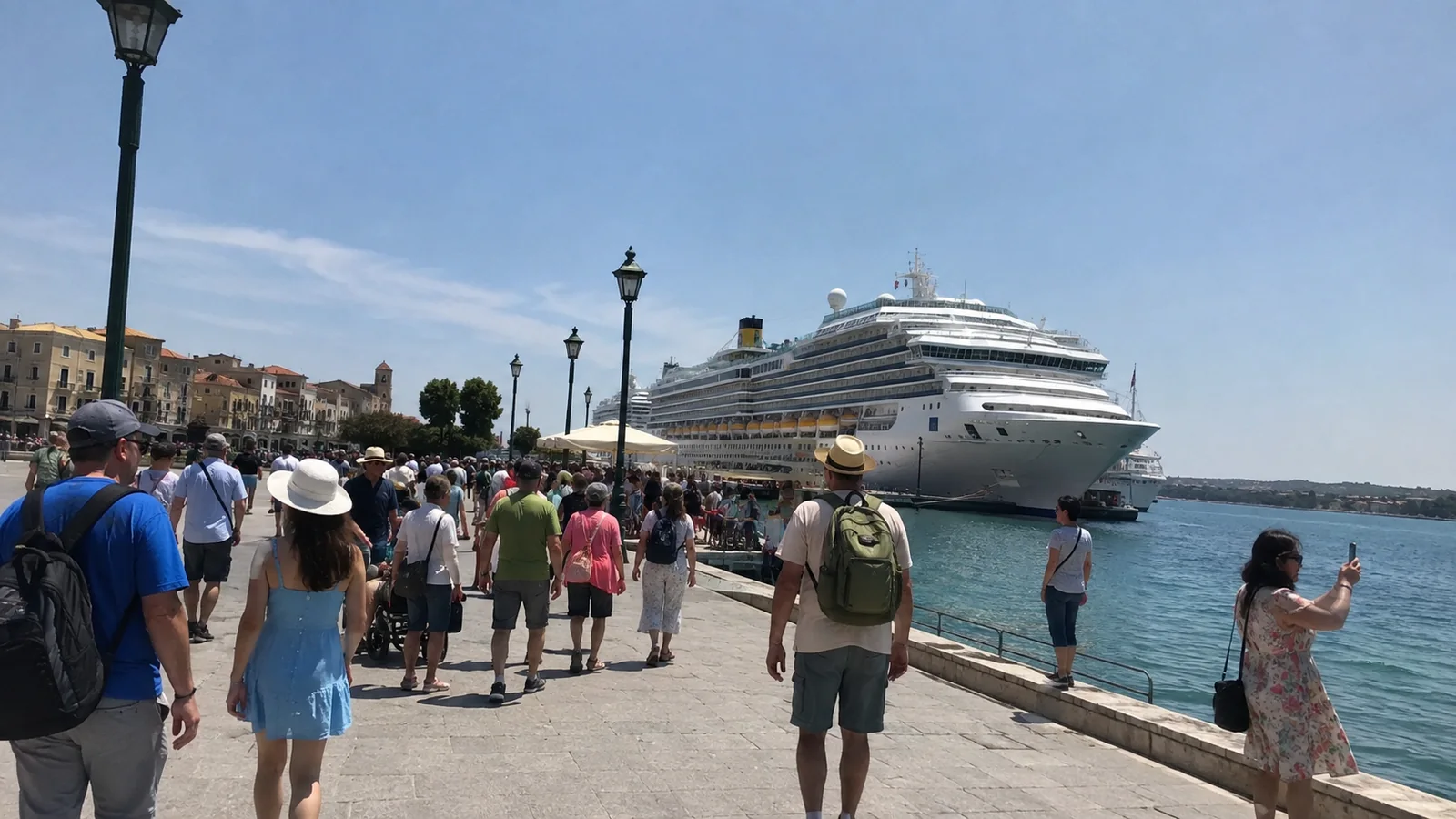
Rhine, Danube, Rhône, Seine, and Douro cruises can be lively in July, with long evenings and active cities. They can also face heat, holiday crowds, and river levels that are too high or too low for the planned vessel to pass every section.
Water levels are not predictable months in advance with useful certainty. Ask how the operator handles a disrupted segment, whether buses or hotel stays may replace sailing, and what compensation language appears in the contract.
River ships also have less space than ocean ships, so cabin climate control and shaded outdoor seating matter more in hot weather. A gorgeous sun deck is not much use at midday if there is nowhere comfortable to sit.
July crowds, fares, and family travel
July is peak season because many families can travel only when school is out. That demand can push up cruise fares, airfare, embarkation hotels, popular excursions, and the family cabins that sleep three or four.
Book based on total cost, not the first fare displayed. Add taxes, port expenses, gratuities, drinks, Wi-Fi, specialty dining, excursions, airfare, hotel nights, transfers, and insurance before comparing two departures.
Holiday weeks are not automatically bad, but they need a reason. If a July 4 sailing costs substantially more, decide whether the timing or onboard celebration is actually worth the premium to your group.
Families should check children’s program ages, hours, capacity rules, pool policies, and sleeping arrangements on the exact ship. “Kids sail free” can still produce an expensive trip after flights and a larger cabin are added.

How to choose the right July cruise
Start with the day you most want to have, then choose the itinerary that makes that day realistic. A glacier-viewing route, a midnight-sun destination, and a beach-heavy Mediterranean week solve completely different vacation problems.
- Choose Alaska for glaciers, cool-weather scenery, and a strong family season.
- Choose Norway or the Arctic for huge landscapes and exceptionally long daylight.
- Choose Iceland or the British Isles for scenery and culture with changeable maritime weather.
- Choose the Mediterranean for beaches and history if your group can manage heat.
- Choose Bermuda or the Caribbean for warm water if itinerary flexibility feels acceptable.
- Choose Canada and New England for coastal summer touring without expecting fall foliage.
Then compare the dated itineraries line by line. Look at port hours, tender notes, sea days, embarkation logistics, cancellation terms, and how much transportation each excursion requires.
Finally, check the forecast and official alerts again close to departure. Seasonal averages help you choose a region, but only current conditions can tell you whether that particular week brings rain, smoke, heat, wind, or a tropical system.
What to pack for a July cruise
There is no universal July packing list because Alaska and Athens barely belong in the same suitcase. Build around the itinerary’s coolest, wettest, and hottest plausible days instead of packing for the embarkation city alone.
- For Alaska and Northern Europe, bring a waterproof shell, insulating layer, hat, comfortable closed shoes, and a sleep mask.
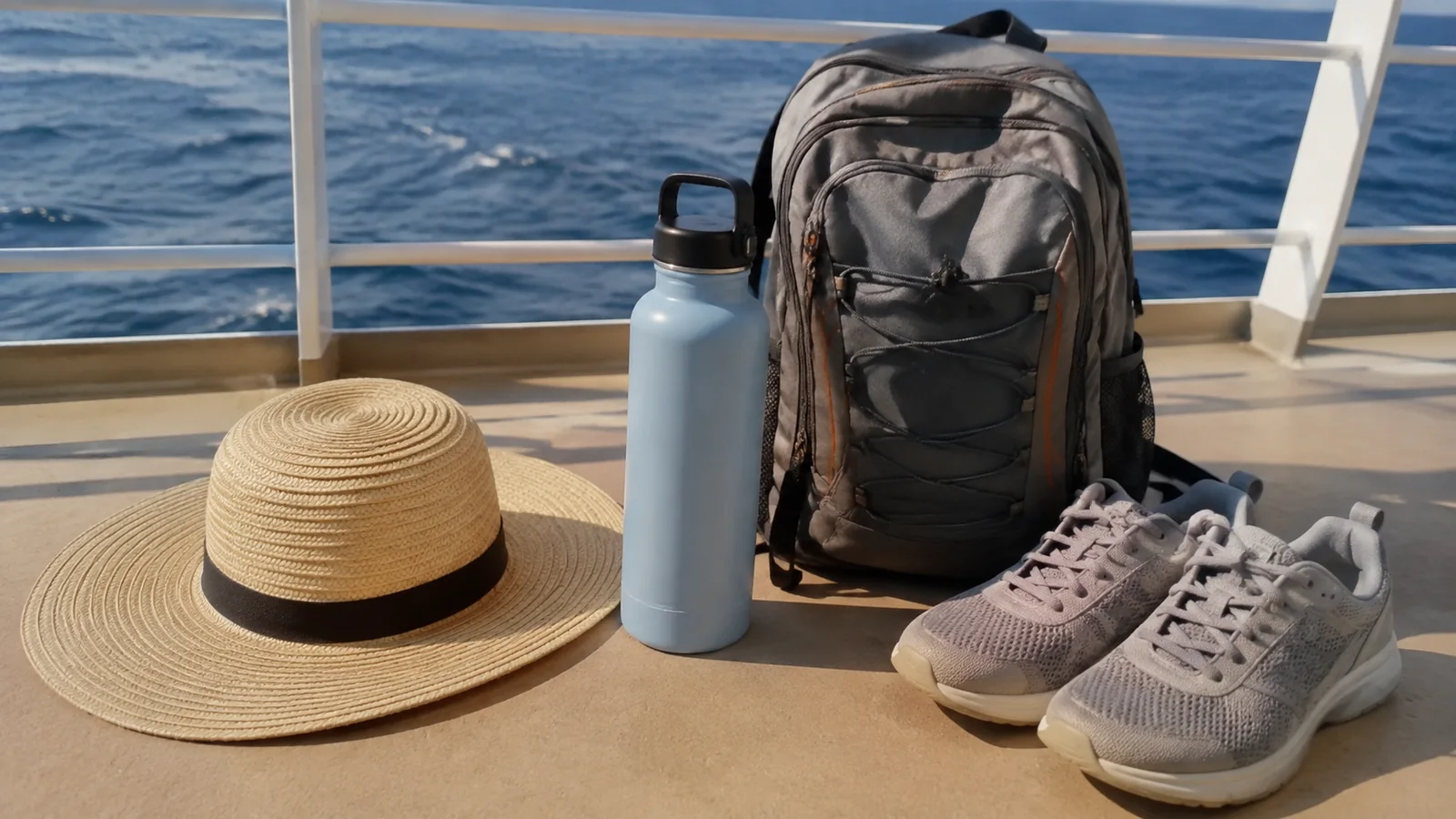
- For the Mediterranean and Caribbean, prioritize breathable clothing, sun protection, a reusable water bottle, and shoes that handle hot pavement.
- For every route, keep medication, documents, chargers, and one change of clothes in your carry-on.
- For expedition cruises, follow the operator’s technical packing list and confirm which boots or waterproof gear are supplied.
Do not let a hot forecast talk you out of one light layer because ships can feel cool indoors and breezy on deck. Likewise, a northern route still needs sunglasses and sunscreen when long daylight breaks through the clouds.
The bottom line
The best cruises in July are Alaska, Norway, Iceland, the Arctic, and other northern routes that turn long daylight into a real advantage. The Mediterranean, Bermuda, and Caribbean can still be wonderful, but only when your plan respects heat, crowds, wildfire conditions, and tropical-weather flexibility.
Choose July because it serves your schedule or unlocks the right season, not because summer automatically means perfect weather. For a wider comparison, use the month-by-month cruise timing guide before putting down a deposit.