Best Cruises in March: Where to Go and What to Expect
March is a hinge month at sea: winter is fading in the north, the Caribbean is busy, Japan watches for blossoms, and Antarctica approaches the end of its summer season. That variety creates excellent choices, provided you book for the actual conditions rather than the month’s cheerful reputation.
Is March a good month to cruise?
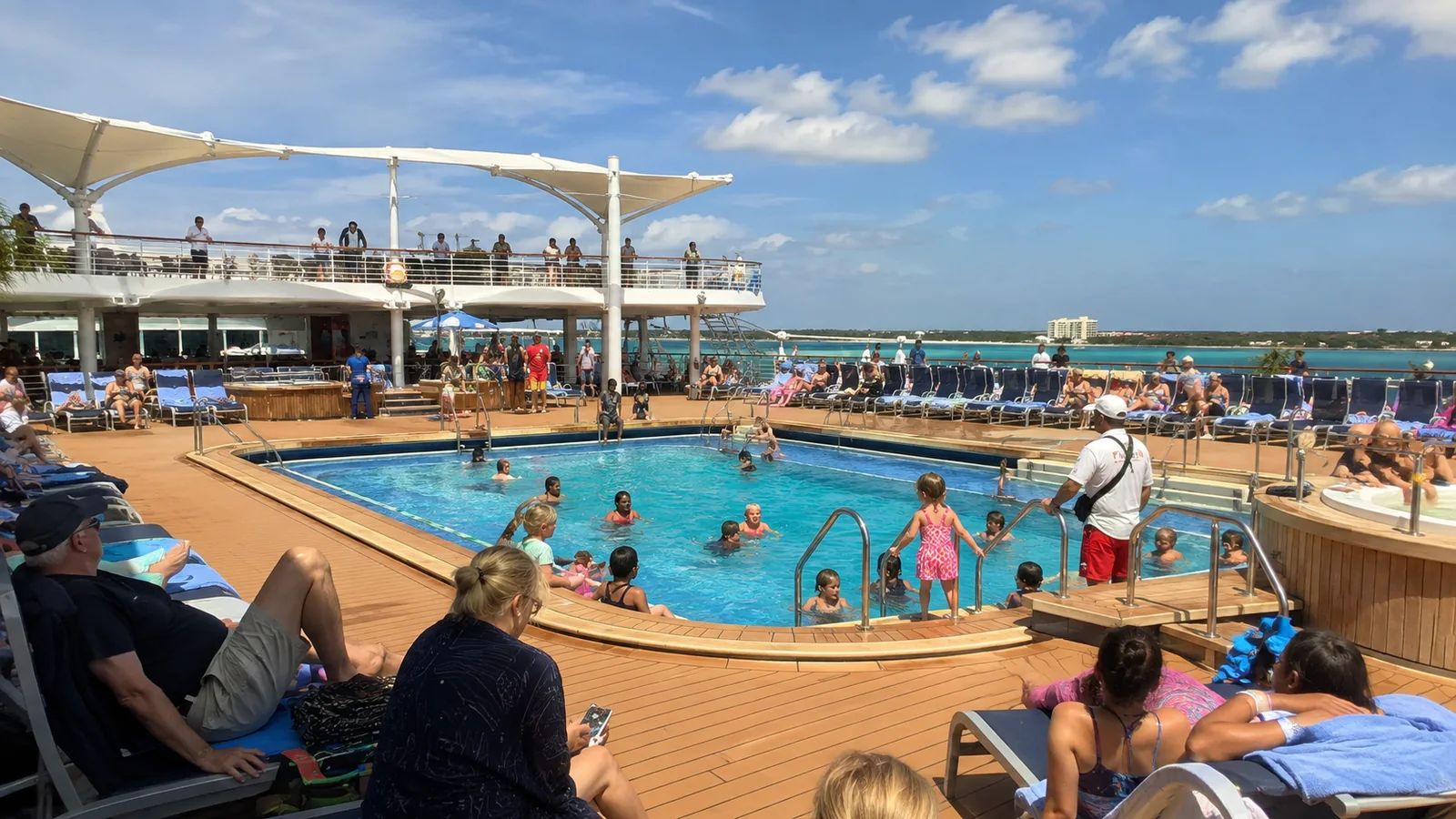
March is especially strong for warm-weather escapes, Panama Canal routes, selected Asia itineraries, and late-season Antarctic expeditions. It is less dependable for northern ports where winter schedules, short daylight, and seasonal closures still shape the experience.
The month also includes shifting school spring breaks rather than one universal vacation week. Prices and family crowds can change sharply by departure date, homeport, ship, and cabin occupancy.
Caribbean cruises: warm, popular, and varied
March sits outside the official Atlantic hurricane season, which NOAA defines as June 1 through November 30 in its tropical cyclone climatology. That lowers one major seasonal concern, but it never guarantees calm seas, dry skies, or an unchanged itinerary.
Cold fronts can bring wind and cooler air to Florida, the Bahamas, and the northern Caribbean. Farther south, conditions often feel more consistently tropical, though showers and rough water remain possible anywhere.
Eastern Caribbean
Eastern routes commonly pair beach-oriented islands with scenic or historic ports. They suit travelers wanting a classic seven-night mix, but open-ocean crossings and wind can affect small boats, beaches, and tender calls.
Compare the number of sea days and the distance from each pier to your priority activity. A beautiful itinerary can feel rushed when every beach requires a long taxi ride.
Western Caribbean
Western itineraries can combine reefs, beaches, Maya sites, food, and nature. March heat makes early departures helpful for inland ruins, while spring-break demand can fill popular tours well before sailing.
Some ports use tenders or have reefs that make water excursions weather-sensitive. Reserve refundable plans and avoid treating snorkeling visibility as a promise.
Southern Caribbean
Southern routes appeal to travelers who prioritize warm air, distinctive island cultures, and port-heavy schedules. Many depart from Puerto Rico or farther south, adding airfare but reducing the sea distance to the islands.
Look closely at consecutive port days. Five energetic excursions in a row can transform a sunny vacation into a conference with snorkels.

Bahamas cruises: easiest short escape
Three- and four-night Bahamas cruises fit a long weekend, while longer versions may add private destinations or Florida stops. March brings warm potential but not a guarantee of bathwater temperatures, especially after a cool or windy front.
Short cruises concentrate embarkation, ports, and nightlife into fewer days, which can feel lively during spring break. Choose a longer itinerary, smaller ship, or non-school-break week if quiet matters more than squeezing every hour.
Mexico cruises from the West Coast
Mexican Riviera itineraries avoid Atlantic hurricane-season questions and offer convenient round trips from California. Cabo, Mazatlán, and Puerto Vallarta combine beaches, food, town time, and active excursions, although exact ports and order vary.
Sea days near Southern California can be cooler than the ports farther south. Pack a real layer for the first and last day instead of assuming the entire Pacific signed the same weather agreement.
Cabo often involves tender operations, making wind and swell relevant to the day. Book any independent activity with enough time for tender queues and the ship’s all-aboard deadline.
Panama Canal cruises
March is a useful month for full transits and partial-transit itineraries connecting Caribbean warmth with engineering and regional history. Full transits typically involve more days and one-way flights, while partial versions may simplify travel with a round-trip homeport.
Not every “Panama Canal” cruise passes through the same locks or completes an ocean-to-ocean transit. Read the itinerary line by line and ask whether the canal experience happens by ship, excursion, or both.
Deck space becomes valuable during the passage, but the best view changes as the ship moves. A balcony is convenient, while open decks let you change sides and appreciate the scale.
Japan cruises and blossom uncertainty
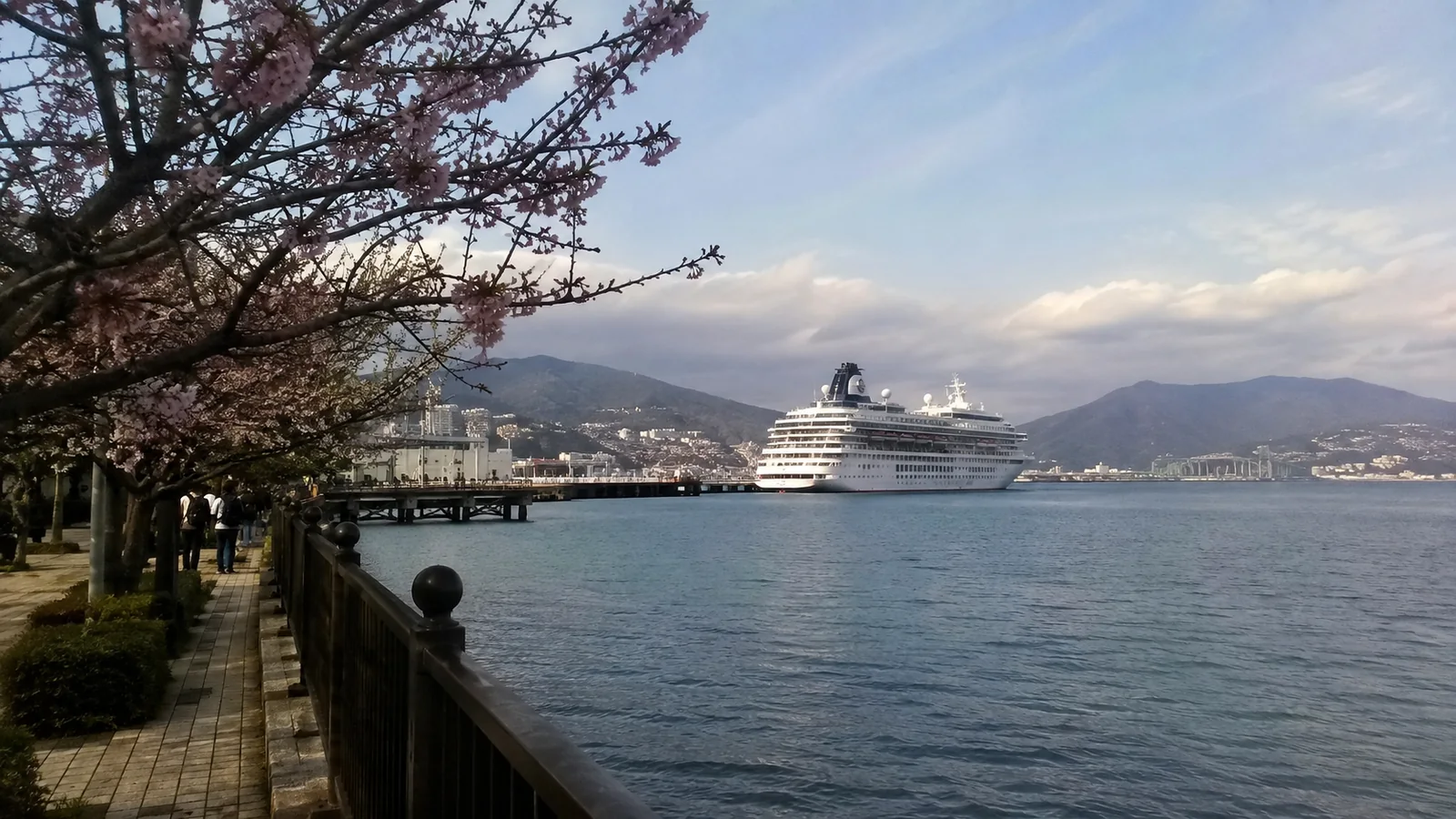
March can overlap the beginning of Japan’s cherry-blossom season, particularly in the southwest and later in major central cities. Japan’s national tourism organization explains that the sakura front begins in Kyushu in March and progresses north on its current blossom forecast page.
Bloom timing changes with weather, tree variety, elevation, and latitude. Choose a Japan cruise because the ports, food, temples, cities, and landscapes appeal even if the famous pink timing ignores your reservation.
Port terminals can sit far from the city named on the itinerary, and immigration processing varies by call. Research the exact terminal, rail connection, and last return before planning a self-guided day.

Southeast Asia in March
Southeast Asia routes can connect Singapore, Thailand, Malaysia, Vietnam, Indonesia, and other regional ports. March conditions vary across a huge area, with heat, humidity, haze, monsoon transitions, and local rain patterns differing by coast.
Avoid choosing from a single regional weather summary. Check each port’s government forecast and air-quality information close to travel, then prioritize breathable clothing, sun protection, and realistic sightseeing hours.
Overnight calls add value in cities far from their cruise terminal. They also require careful planning for visas, transport, and the ship’s overnight access procedures.
Canary Islands cruises
The Canary Islands offer a milder alternative to wintry mainland Europe, with volcanic scenery, towns, beaches, and hiking. Atlantic wind and elevation create microclimates, so conditions at the pier may not match a mountain excursion.
Routes may begin in the islands or include several sea days from a European port. Compare flight complexity with ship time, especially when traveling from North America.
Mediterranean cruises: quiet, cool, and limited
March is not the Mediterranean’s full cruise season, which can be an advantage for travelers seeking fewer summer crowds. The tradeoff is cool or wet weather, shorter operating hours, seasonal businesses, and a smaller selection of ships and routes.
City-focused itineraries work better than beach-dependent ones. Rome, Barcelona, Athens, and other major destinations offer substantial year-round sightseeing, but individual museums, ferries, and archaeological sites keep their own schedules.
Holy Week and Easter can fall in March or April, depending on year and calendar tradition. Confirm dates, closures, processions, transport, and local etiquette rather than relying on last year’s itinerary notes.
Antarctica at the end of the austral summer
March falls late in the Antarctic visitor season, not at its beginning. The Antarctic Treaty Secretariat says about 98% of tourism voyages occur around the Peninsula during the austral summer from October through April on its tourism overview.
Later-season voyages can bring changing light, cooling conditions, and a different wildlife stage from early summer. No landing, whale, penguin behavior, ice condition, or route is guaranteed because weather and responsible operating limits govern each day.
Distinguish an expedition with landings from a cruise-only voyage. IAATO’s current visitor guidance explains preparation and responsible conduct, while ship size and operating style affect what guests can do ashore.
The Drake Passage, remote logistics, medical screening, insurance requirements, and specialist clothing deserve serious attention. March is not a bargain shortcut to an easy trip.
What is generally not in full swing?
Alaska’s main cruise season has not normally begun in March, and many tourism services remain in winter mode. Northern Europe, the Baltic, and Canada or New England also have limited mainstream cruise choice compared with late spring and summer.
A rare off-season itinerary can be interesting, but it should be booked for the cold-weather experience. Do not assume scenic roads, visitor centers, boat tours, or seasonal transport will operate.
March spring-break crowds
U.S. school and college breaks shift across the month, while Canadian and international calendars add another layer. Family ships, short warm-weather cruises, and drive-to homeports can feel markedly busier during popular weeks.
If you want a social family trip, this energy may be the point. Couples seeking quiet should compare adults-only areas, ship size, itinerary length, cabin location, and dates outside their regional break.
Never infer the passenger mix from price alone. A longer Panama Canal or repositioning cruise may draw a different rhythm than a three-night island getaway even when both depart the same week.
March cruise prices and booking strategy
There is no universal March discount because demand depends on school calendars, destination, ship, homeport, and cabin supply. Compare total trip cost, including airfare, hotel, transfers, gratuities, drinks, internet, dining, excursions, and insurance.
A cheap cabin requiring expensive spring-break flights may cost more than a higher fare from a reachable port. Use the cruise booking comparison to evaluate direct booking, an advisor, and deal sites on equal terms.

What to pack for a March cruise
Pack for the endpoints and the ports, not the warmest photo in the brochure. Florida departures, Pacific sea days, Japan, Europe, and the ship’s air-conditioned interiors can all require a layer even when beachwear dominates the middle.
- Passport and itinerary-specific documents
- Prescription medicine in the carry-on
- Comfortable walking shoes with traction
- Light rain shell and route-appropriate layers
- Sun protection and insect repellent where appropriate
- Swimsuit plus a cover-up for warm itineraries
- Formal or smart clothing only if you will use it
- Binoculars for wildlife or canal scenery
The modular cruise packing list separates the essential core from warm, cool, active, family, and medical additions. Antarctica requires the operator’s expedition-specific list rather than a standard cruise wardrobe.
How to choose your March sailing
- Choose warm, cultural, scenic, or expedition priorities.
- Check school-break dates for every household.
- Compare exact ports, terminals, and sea days.
- Research typical conditions without treating them as forecasts.
- Verify seasonal openings and tender exposure.
- Price flights, hotel, onboard extras, and excursions.
- Review document, medical, and insurance requirements.
- Read cancellation and itinerary-change terms.
First-time cruisers should also work through these practical first-cruise tips before final payment. The right March cruise is the one that still appeals after the blossom, beach, or wildlife guarantee has been politely removed.
Best March cruise by traveler type
Families often fit best on a seven-night Caribbean cruise with age-appropriate ship facilities, while couples wanting quiet may prefer the southern Caribbean, Panama Canal, or a smaller ship. Culture-first travelers can consider Japan or a cool Mediterranean route, and expedition travelers can evaluate late-season Antarctica with eyes wide open.
March rewards flexible travelers because it offers several seasons at once. Match the ship and route to the experience you want, then let the weather be weather instead of assigning it a performance review.