Cheap Cruises From Southampton: Find the Real Value
A cheap Southampton cruise is not simply the lowest fare in the search results. Parking, rail travel, a hotel, service charges, drinks, port transportation, and the number of useful days can make a slightly higher fare the better-value vacation.
Start with total cost, not the headline fare
Compare the same cabin occupancy, dates, and itinerary length across lines, then add every cost you are likely to pay. A two-person price, a family price, and a solo price can produce completely different winners.
Use this calculation: cruise fare plus taxes and fees plus service charges plus travel to Southampton plus hotel and meals plus expected onboard extras plus port-day transportation. Subtract only benefits you would genuinely use, such as parking, coach travel, drinks, or onboard credit.
Do the calculation in the booking currency before converting it for your household budget. Exchange rates and foreign-card fees can otherwise create a fake saving for U.S. travelers comparing a pound-denominated fare with a dollar-denominated one.
The per-night number can mislead
A 14-night cruise often has a lower nightly fare than a four-night sailing, but it still costs more in total and creates a larger drinks, tips, laundry, and pet-care bill. Compare total vacation cost first, then use cost per useful day as a second test.
Sea days have value when you enjoy the ship, while a string of distant industrial ports may create expensive excursion pressure. The cheapest itinerary is poor value if you pay for coaches and tours just to reach every place named in the brochure.

Which cruise lines can offer Southampton value?
P&O Cruises, MSC Cruises, Royal Caribbean, Cunard, Princess, and other operators appear in Southampton inventory, but their deployments change by season and year. Search the actual departure date instead of assuming last summer’s ship remains available.
My cruise-line matching guide explains why the “best” line depends on traveler type. For value, included costs and the ship experience matter as much as the fare.
P&O Cruises for predictable British-market costs
P&O is often the first place I would compare for a Southampton-based household because it offers frequent no-fly itineraries and prices onboard spending in pounds. Dining, entertainment, children’s clubs, and tipping or gratuities are included in the core fare, while specialty dining, drinks, Wi-Fi, spa services, and most shore experiences cost extra.
Fare type matters. P&O’s current price explanation says Select can include a choice among onboard spending money, Southampton parking, or return coach travel on eligible cruises of seven nights or more, while Early Saver and Saver trade control and flexibility for a potentially lower price.
Price the Select benefit at what it saves you, not at its advertised face value. Free parking is worth nothing to a rail traveler, while cabin choice may be extremely valuable to a light sleeper.
MSC for sharp fares with experience-level choices
MSC can post aggressive Southampton fares, especially outside school-holiday peaks. Check the assigned experience, dining arrangements, cabin-selection rights, and what the promotion includes before comparing it with P&O or Royal Caribbean.
MSC’s UK service-charge page currently says hotel service charges and gratuities are included in the cruise fare. Basic buffet drinks are available, but bar drinks, packages, specialty dining, excursions, and Wi-Fi can change the final total substantially.
MSC may be strongest for travelers who like a large international ship and can ignore paid add-ons. It is a weaker bargain when the desired experience depends on a drinks package, specialty meals, premium cabin location, and multiple organized tours.
Royal Caribbean for activity value
Royal Caribbean can justify a higher fare for families and active travelers who will use included pools, shows, sports, and selected attractions. Paying less for a quieter ship is not a saving when the children then need paid entertainment ashore.
Daily gratuities must be added to the comparison unless the specific promotion clearly prepays them. Royal Caribbean’s UK current gratuity policy lists $18.50 per person per day for nonsuite cabins and $21 for suites, with separate service percentages applying to certain purchases.
Drink-package prices are dynamic, so never build a Southampton budget from an old screenshot. My Royal Caribbean drinks analysis shows how to compare a live package price with realistic consumption.
Cunard for crossings and occasional fare surprises
Cunard is not automatically a budget line, but transatlantic crossings, short voyages, and late inventory can occasionally produce strong value. The ship itself, enrichment, formal atmosphere, and substantial sea time must be part of what you want.
Add the current Hotel and Dining Service Charge unless your fare or promotion explicitly covers it. A lower Britannia fare can still finish above P&O after daily charges and dollar-priced onboard extras.
Princess and limited seasonal callers
Princess and other lines can add British Isles, Northern Europe, repositioning, or special Southampton departures. Limited inventory may be attractive, but it is not a dependable year-round “cheap cruise” source.
Compare the ship, port hours, and included product rather than booking a rare departure for novelty. A one-off sailing also gives you fewer alternate dates if airfare or leave plans change.

The Southampton routes that often price well
Route type shapes both fare and spending ashore. A low-cost cruise becomes expensive when every port requires a long transfer to the marquee city.
Two- to five-night European samplers
Short cruises can be the lowest total commitment and an easy way to test a ship. Their nightly prices can be high, and a “three-night vacation” may contain only one full port day.
Look for useful hours in places such as Rotterdam, Bruges gateways, or northern France, then price the transfer from berth to attraction. My short-cruise comparison helps separate a genuine break from a compressed boarding-and-packing exercise.
Seven-night Norwegian fjords
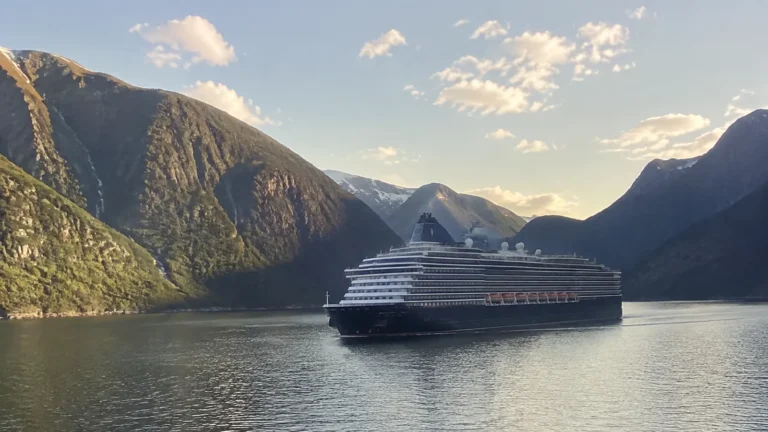
Norway can deliver extraordinary scenery from the ship, which reduces the need for a paid tour in every port. Excursions, food ashore, and specialty transportation can be expensive, so a scenic sail-in has real budget value.
Do not assume every itinerary visits the same fjords or docks near the experience you picture. Compare port names, daylight, arrival and departure times, tendering, and any long coach transfer.
Northern Spain and Western Europe
These routes often balance a manageable sailing length with cities that can be explored independently. Weather is less predictable outside summer, but that can be an acceptable trade for lower demand and fewer school-holiday crowds.
Bilbao, La Coruña, Vigo, Cherbourg, and Le Havre are not interchangeable. Le Havre-to-Paris marketing, for example, creates a very different cost and transit day from exploring the port city or nearby Normandy.
Canary Islands and Madeira
Longer Canary Islands itineraries can offer a low nightly fare and winter sun without flying. They also include multiple sea days and a substantial total duration, which raises parking, pet care, drinks, and time-off costs.
This route is best value for travelers who enjoy the ship and want warm-weather variety, not for someone treating sea days as wasted time. Check whether mainland Spain or Portugal calls add meaningful variety or simply extend the trip.
Mediterranean and repositioning cruises
A one-way or repositioning voyage can price attractively because it does not return to Southampton. The airfare, luggage, airport transfer, and one-way timing belong in the total before the fare earns the word cheap.
Long sea stretches can be wonderful for ship-focused travelers and dull for port collectors. Repositioning schedules also offer fewer backup departures if a flight, work commitment, or family plan changes.

When cheap Southampton fares appear
Shoulder-season departures, term-time dates, less popular cabin inventory, and sailings with many sea days can price below peak school-holiday cruises. That pattern is useful, but no month guarantees a deal.
Use my cruise season framework to weigh weather against demand. A cold, wet, or storm-sensitive itinerary is not a bargain if it undermines the experiences you booked.
Early booking versus late booking
Book early when you need a family cabin, accessible room, school-holiday date, specific dining arrangement, or low-motion location. Waiting for a discount is risky when only a small part of inventory meets the requirement.
Late booking can work for travelers living within easy reach of Southampton who accept any cabin and can leave on short notice. It is far less reliable for Americans who still need flights, passports, hotels, and international travel insurance.
Track the net price, not the discount label
Record the fare, deposit, cancellation terms, included credit, cabin assignment, and package prices on the same date. Percentage-off language can change while the final payable amount stays similar or rises.
Recheck under the line’s repricing rules, but do not cancel and rebook until you understand deposit loss, promotion changes, and cabin availability. A new low fare can remove onboard credit or a transport benefit worth more than the difference.
Cabin choices that protect value
An inside cabin is often the simplest route to a low fare for travelers who use the room mainly for sleeping. A balcony may be worth more on a scenery-heavy fjord cruise than on a short itinerary with one busy port day.
Guarantee cabins can reduce price but surrender location control. If noise, motion, an obstructed view, connecting doors, or walking distance would spoil the trip, use the plan-reading method in my cruise cabins to avoid guide.
Solo supplements can make a small single cabin cheaper than paying double occupancy in a standard room, but not always. Compare the final solo total, category size, and included benefits across several dates.
Families should compare one four-berth cabin with two connecting cabins, including two bathrooms and total fare. The nominally cheapest layout may be uncomfortable enough to push everyone toward paid venues and longer days ashore.

Southampton terminal logistics
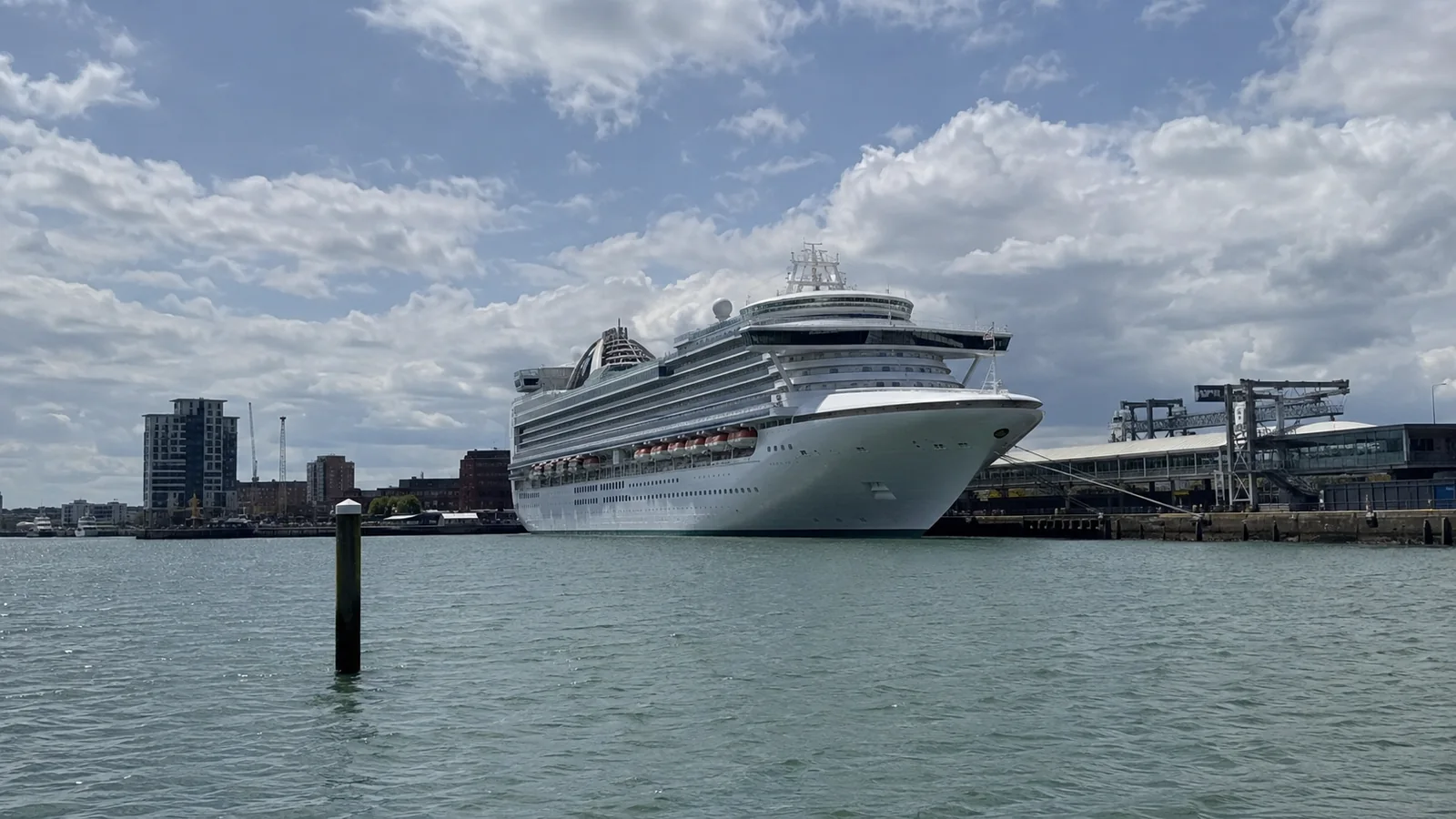
Southampton does not have one universal cruise terminal. The port’s official provisional schedule identifies QEII at berth 46, Ocean at 101, City at 102, Horizon at 106, and Mayflower, but assignments can change.
Do not tell a driver “the cruise port” and hope. Confirm the terminal in the cruise documents and recheck the port schedule close to sailing.
Train arrival
South Western Railway says Southampton Central is about 1 to 2 miles from the cruise port depending on terminal, generally a 5- to 10-minute taxi ride or 20- to 30-minute walk. The station has taxi ranks on both north and south sides.
Use its station accessibility and connection details to plan lifts, assistance, and onward travel. Walking with cruise luggage can be a poor saving because terminal roads, weather, crossings, and the assigned berth affect the route.
Driving and parking
Compare official or cruise-line parking with off-site parking, including transfer frequency, vehicle access hours, cancellation, and the correct terminal. A cheaper lot is poor value if its shuttle timing adds anxiety or cannot handle mobility equipment.
P&O Select travelers should compare the parking benefit with onboard credit or coach transport before choosing. For everyone else, price the full stay rather than an attractive daily number that excludes booking fees or transfers.
Arriving from the United States
Do not fly into London on embarkation morning. A cancellation, immigration line, baggage delay, or motorway disruption can cost the whole cruise.
Arrive at least one night early, then include the hotel and transfer in Southampton’s total. Heathrow, Gatwick, and other airports have different rail and coach patterns, so compare door-to-door time rather than airport distance alone.
Onboard costs that erase a cheap fare
- Service charges: Included on current P&O and MSC UK fares, but added daily on several other lines unless prepaid or covered by a promotion.
- Drinks: Price your normal consumption, not the maximum a package could theoretically cover.
- Specialty dining: Count only meals you already intend to book.
- Wi-Fi: One shared or single-device plan may be enough, but work requirements can change the calculation.
- Excursions: Research independent transit and exact port location before assuming every line tour is necessary.
- Insurance: Longer trips, older travelers, and expensive one-way flights can raise the premium.
- Currency: Check onboard currency, card fees, and exchange rates.
My cheap-cruise booking checklist
- Compare final prices for the same travelers, cabin type, and sailing length.
- Add train, fuel, parking, coach, taxi, hotel, meals, and any flight.
- Confirm whether gratuities, port taxes, and required fees are included.
- Value parking, coach travel, or onboard credit only when you will use it.
- Check each port’s berth, transfer time, and realistic DIY option.
- Open the current deck plan before accepting a guarantee cabin.
- Read deposit, balance, cancellation, and change terms.
- Recheck terminal assignment close to embarkation.
Bottom line
P&O often makes the cleanest total-cost comparison, MSC can win on fare, Royal Caribbean can win on included family activity, and Cunard can surprise on a crossing or short voyage. None is cheapest for every traveler, cabin, date, or spending pattern.
The best cheap cruise from Southampton is the one with a manageable journey, useful itinerary, acceptable cabin, and few unwanted add-ons. Price the entire vacation, protect the parts that matter, and let dynamic fares compete for your exact dates.