Do You Need a Passport for a Cruise? The U.S. Rules Explained
Some U.S. citizens can take certain closed-loop cruises without a passport, but that sentence has more fine print than it appears. A passport book is still the safest document because cruise-line rules, foreign entry requirements, itinerary changes, and an unexpected flight home can all override the easy answer.
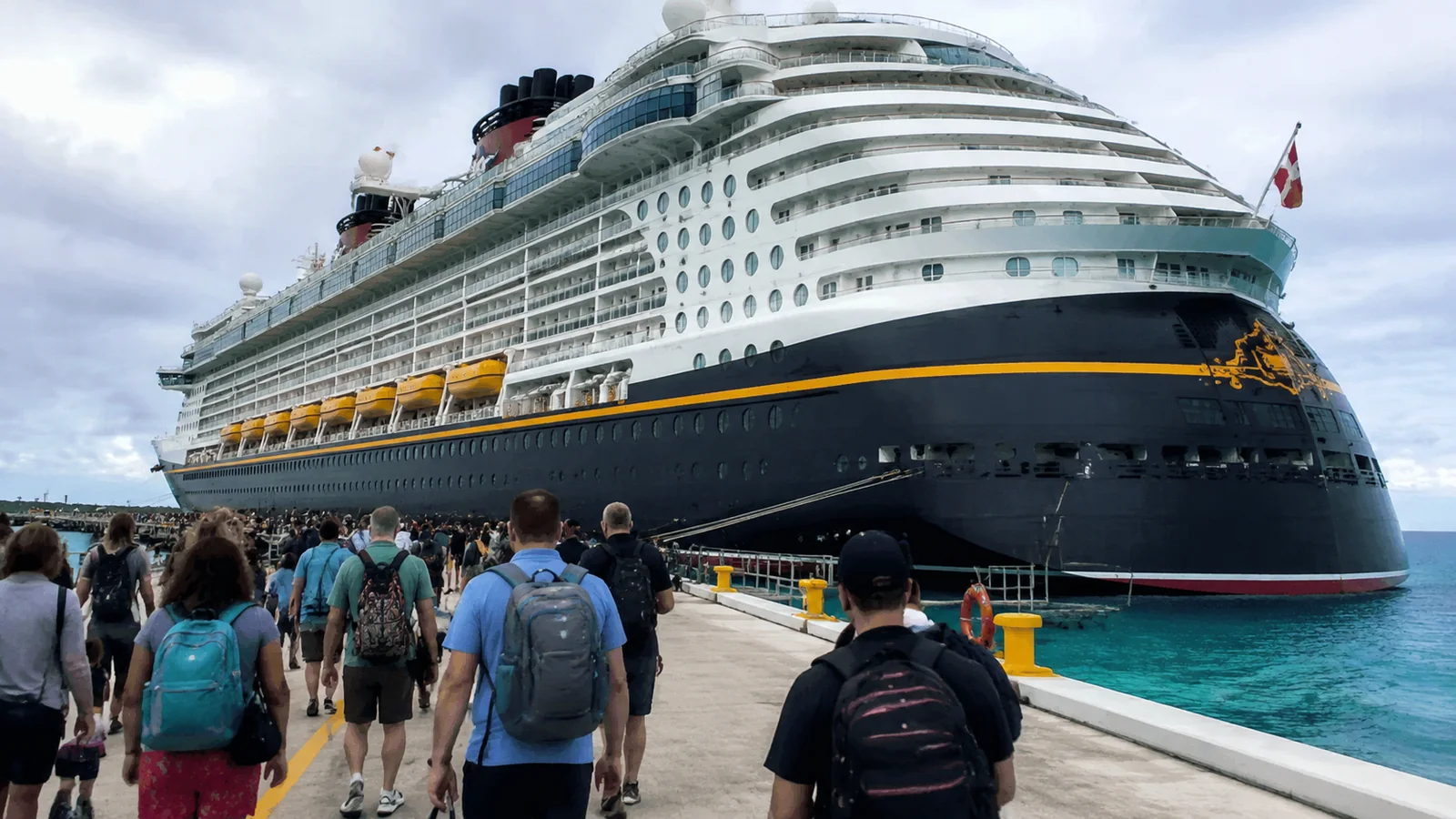
The Short Answer
- Passport book required: Most cruises starting or ending outside the United States, most one-way international itineraries, and any international flight
- Passport may not be legally required: Some closed-loop cruises that begin and end at the same U.S. port for eligible U.S. citizens
- Other documents may work: A qualifying citizenship document plus government photo ID, but the exact combination depends on age, itinerary, destination, and cruise line
- Best practical choice: Carry a valid passport book even when the legal minimum is lower
This article is for general planning, not a boarding guarantee. Check your citizenship, exact sailing, every destination, cruise line, and document expiration date before final payment and again before departure.
Why “Required” Has Three Different Meanings
A traveler can satisfy U.S. reentry rules and still fail a cruise line’s boarding policy or a foreign country’s entry rule. All three layers apply at once, and the strictest one controls your trip.
U.S. Customs and Border Protection decides what documents U.S. citizens may use to reenter the country. Foreign governments decide what visitors must carry, while the cruise line decides what it will accept at check-in and can deny boarding when documents are missing.
That is why “CBP says I can use a birth certificate” is not the end of the analysis. A port such as Panama, Colombia, or Martinique, a one-way sailing, or a line-specific rule may still trigger a passport requirement.
What Counts as a Closed-Loop Cruise?
A closed-loop cruise begins and ends at the same U.S. port. Miami to the Caribbean and back to Miami may qualify, while Miami to Fort Lauderdale does not meet that literal same-port definition even though both terminals are in Florida.
CBP’s Western Hemisphere Travel Initiative guidance says U.S. citizens on qualifying closed-loop cruises may be able to return with proof of citizenship and government-issued photo identification. The exception is about U.S. reentry by sea, not a universal promise that every country and cruise company will accept the same documents.
A typical qualifying combination for an adult U.S. citizen is a government-issued birth certificate plus an accepted government photo ID. Naturalization or citizenship certificates and certain WHTI-compliant documents may also work in specified situations, but the line’s current instructions must confirm the exact option.
The itinerary must remain eligible from embarkation through return. Do not apply the rule to a repositioning cruise, an open-jaw cruise, or a sailing from one U.S. port that ends at another.
When a Passport Book Is Usually Required
Plan on a passport book when your cruise begins or ends in a foreign country. Mediterranean, Northern Europe, Asia, Australia, South America, and most transatlantic or transpacific itineraries fall into this straightforward category for U.S. travelers.
A passport book is also the normal requirement for one-way international cruises, including sailings that start in the United States and finish in Canada. Royal Caribbean’s current travel-document hub, for example, separates round-trip U.S. sailings from one-way, Panama Canal, and other international itineraries and applies stricter rules to the latter.
Any international flight requires a passport book for an adult U.S. citizen, including a flight home after an emergency abroad. A passport card, birth certificate, enhanced driver’s license, or ordinary REAL ID does not replace the book for international air travel.
Some destinations demand a passport or extra authorization even when the ship returns to the same U.S. port. Requirements can also depend on the traveler’s citizenship, so never borrow a U.S.-citizen friend’s checklist if you hold a different passport.

Why I Strongly Recommend a Passport Anyway
The closed-loop exception works best when the cruise unfolds exactly as planned. Travel becomes much harder if illness, injury, a missed departure, a family emergency, or a mechanical problem leaves you abroad without the ship.
The U.S. Department of State’s cruise passenger guidance warns that someone hospitalized after the ship leaves would need a passport book to fly home. It gives the same warning for mechanical problems that force passengers ashore in a foreign country.
A consulate may help an eligible U.S. citizen seek an emergency passport, but that process is not instant, automatic, or guaranteed to match your desired flight. You may face extra lodging, transportation, document, and rebooking costs while the rest of the ship continues home.
A passport also simplifies check-in and reduces ambiguity around citizenship evidence. If your budget allows and the application timeline is realistic, it is the document I would choose even for a three-night Bahamas loop.
Passport Book Versus Passport Card
A passport book is valid for international air, land, and sea travel, subject to destination rules. It is the flexible option and the one that helps if you must fly back from a foreign port.
A U.S. passport card is a smaller WHTI document designed for land and sea entry from Canada, Mexico, Bermuda, and the Caribbean. It is not valid for international air travel, so it does not solve the emergency-flight problem.
A card can still be useful for a frequent cruiser who understands its boundaries and carries it on an eligible itinerary. Do not call it “the same as a passport” at check-in, because the route and transportation mode determine whether it works.
Can You Cruise With a Birth Certificate?
Some U.S. citizens can use a qualifying birth certificate plus government photo ID on an eligible closed-loop cruise. “Can” is the important word because each line publishes its own acceptable-document list and may treat originals, certified copies, and photocopies differently.
A hospital souvenir certificate or baptismal record is not the same as a vital-record birth certificate issued by a government authority. Order a proper copy early if the document you have does not clearly identify the issuing state, county, city, or vital-record office.
Carnival’s current travel-document instructions accept several government-issued birth-certificate formats and describe when a clear printed copy can be used. Royal Caribbean, by contrast, tells guests on its main travel-document page that required documents must be original and not photocopies, which is exactly why line-specific verification matters.
Bring the physical documents the line requires. A phone photo or cloud scan is excellent backup after a loss, but it should never be your only boarding evidence unless the cruise line explicitly identifies a digital document as acceptable.
Name Changes and Reservation Mismatches
The name on the reservation should match the identification used to board. If a birth certificate shows a maiden name and the photo ID shows a married name, carry the original or certified marriage certificate, divorce decree, or court order that connects the names.
Initials, compound surnames, missing middle names, and suffixes can create avoidable questions. Review every traveler’s booking confirmation while changes are still possible, not at the terminal with luggage already tagged.
A passport with the current legal name makes this simpler, but it still needs to match the reservation closely. Contact the cruise line rather than inventing your own correction or assuming a minor spelling difference will be ignored.
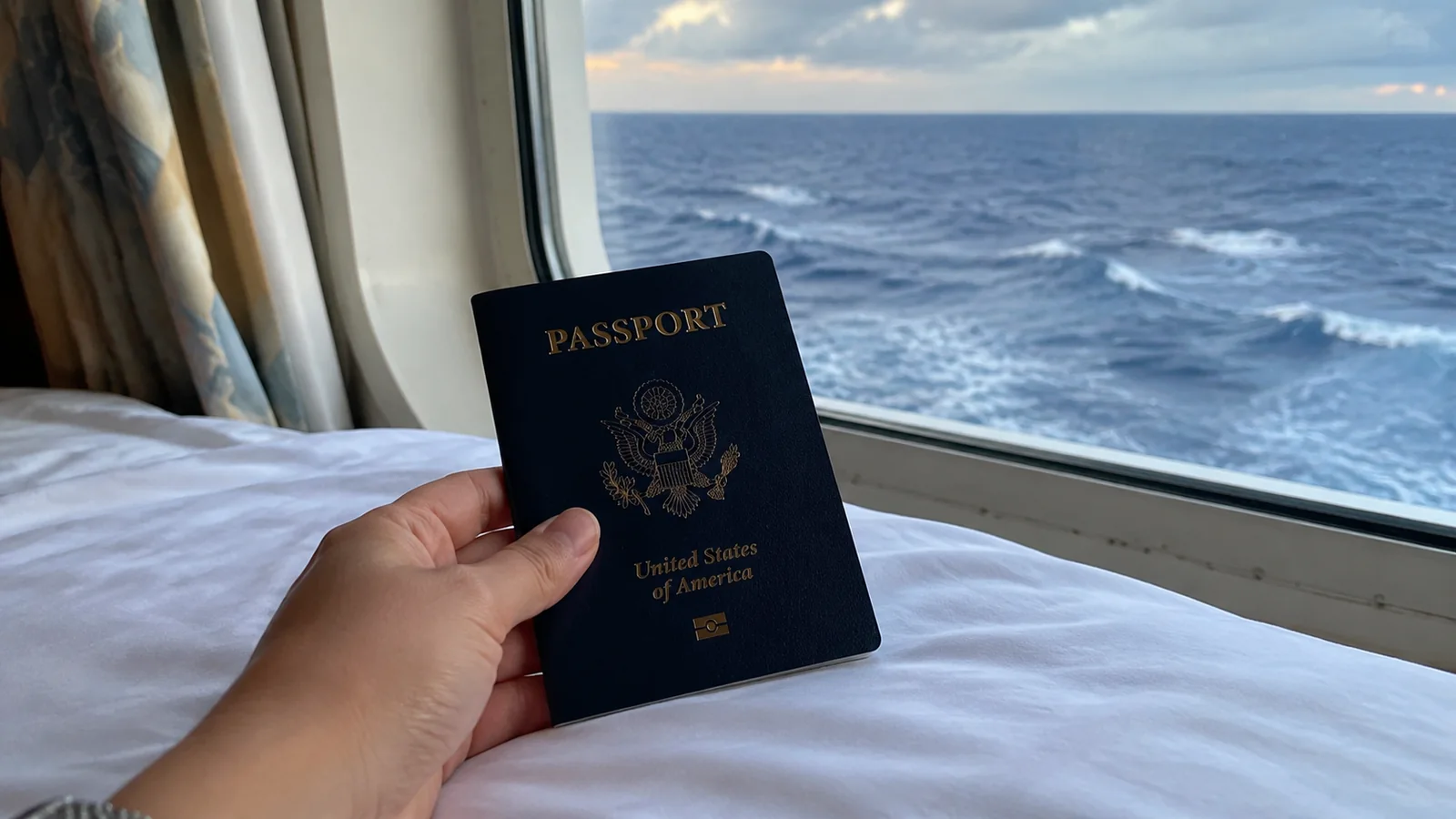
Do Children Need Passports for a Cruise?
Children are not one universal exception. Their required documents depend on citizenship, age, itinerary, cruise line, and whether any air or land border is involved.
On some qualifying closed-loop cruises, a U.S.-citizen child can use a government-issued birth certificate without the adult photo-ID requirement. A passport book remains safer because a child who must fly internationally still needs one.
When a child travels with one parent, neither parent, or an adult whose surname differs, carry documents showing the relationship and any required notarized consent letter. Countries and cruise lines can impose their own safeguards against child abduction, so check every port’s official entry page.
Children’s passports also expire sooner than adult passports, generally after five years rather than ten. Check the date even if the booklet feels relatively new.
Permanent Residents and Non-U.S. Citizens
A U.S. permanent resident should not assume that a green card alone covers every port or cruise. The card addresses U.S. status, while the traveler’s national passport and destination-specific visa rules may still control entry elsewhere.
Royal Caribbean’s current rules, for example, list a Permanent Resident Card plus a valid passport from the country of citizenship for certain one-way U.S. sailings. Another cruise line or itinerary may publish a different combination.
Visa waivers, ESTA, electronic travel authorizations, and transit visas can apply even when the ship visit is brief. Check the official embassy or immigration website for every country, then confirm that the cruise line agrees with your document set.
Dual nationals should decide which passport they will use and keep the booking consistent. Some countries require their citizens to enter and leave using that country’s passport.

Alaska Cruises and the Canada Question
A round-trip Seattle cruise that visits Alaska and Canada may fit the closed-loop framework for an eligible U.S. citizen, subject to the exact port list and cruise-line rules. An itinerary beginning or ending in Vancouver is not a same-U.S.-port loop and normally requires a passport book for a traveler flying across the border.
A cruise-tour can add land segments, trains, buses, and border crossings that change the document analysis. Check the full package rather than looking only at the ship portion of an Alaska cruise itinerary.
Skagway excursions that cross into Canada can have their own document instructions even when the cruise itself accepts a closed-loop alternative. An excursion desk may require passengers to carry a passport or another approved border document on the tour.
Hawaii, Puerto Rico, and the U.S. Virgin Islands
A flight by a U.S. citizen from the mainland to Hawaii, Puerto Rico, or the U.S. Virgin Islands is domestic, so a passport is generally not required for that flight. TSA identification rules still apply, and the cruise itinerary may introduce a foreign port that changes the answer.
A Hawaii cruise starting in Honolulu and ending in Vancouver is international and not closed loop. Even a voyage marketed around U.S. islands must be checked port by port, as this Hawaii cruise comparison makes clear.
The same caution applies to a Puerto Rico departure. U.S. territory status does not turn a Southern Caribbean itinerary into a domestic trip when foreign islands are on the schedule.
Passport Validity and Blank Pages
A passport can be unexpired and still fail a destination or cruise-line rule. Many lines ask that it remain valid for six months after the cruise ends, and some countries set their own validity and blank-page requirements.
Use the strictest date in your itinerary rather than relying on a general U.S. statement. Renew early if the remaining validity is close, because a route or port substitution can expose a rule you did not expect.
A damaged passport can also be rejected. Water damage, torn pages, a separating cover, or an unreadable identity page deserves attention well before the packing stage.
Your Final Document Check
- Confirm every traveler’s citizenship and immigration status
- Identify whether the sailing begins and ends at the exact same U.S. port
- Check each foreign destination’s official entry and visa requirements
- Check the cruise line’s document page for the exact sailing
- Match reservation names to the physical documents
- Verify passport validity and blank pages
- Pack name-change and minor-consent documents when relevant
- Keep documents in a carry-on, never checked luggage
- Store secure copies separately for replacement help
Add the document check to the top of your cruise packing list, ahead of clothing and cabin gadgets. No swimsuit is important enough to fix denied boarding.
First-time passengers should also work through these first-cruise planning steps while there is still time to correct a mismatch. Recheck requirements about 90 days before sailing and again during online check-in because rules can change.

The Bottom Line
The legal minimum for some U.S. citizens on qualifying closed-loop cruises may be a citizenship document plus photo ID. The practical best choice is a valid passport book, because it covers far more emergencies and removes several fragile assumptions.
Do not let a blog, travel agent, or old forum post make the final call. Your cruise line and the governments involved decide whether you board, enter each port, and return home.