Driftless Fly Fishing: A Practical First-Trip Guide
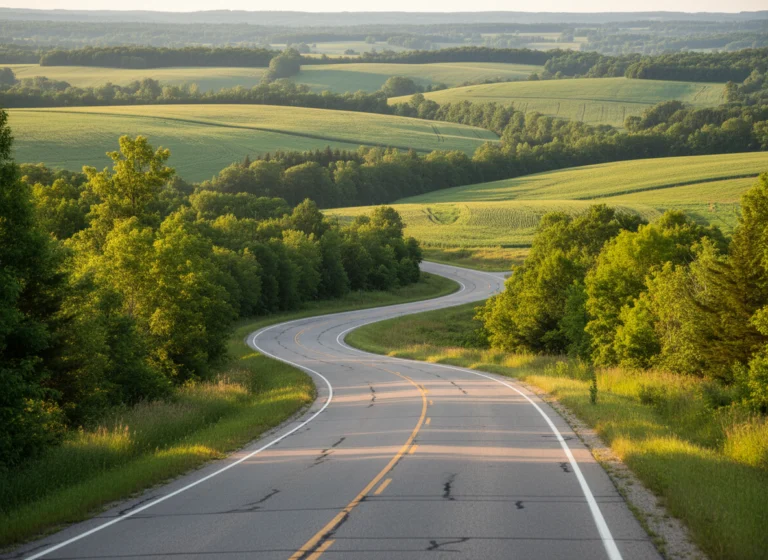
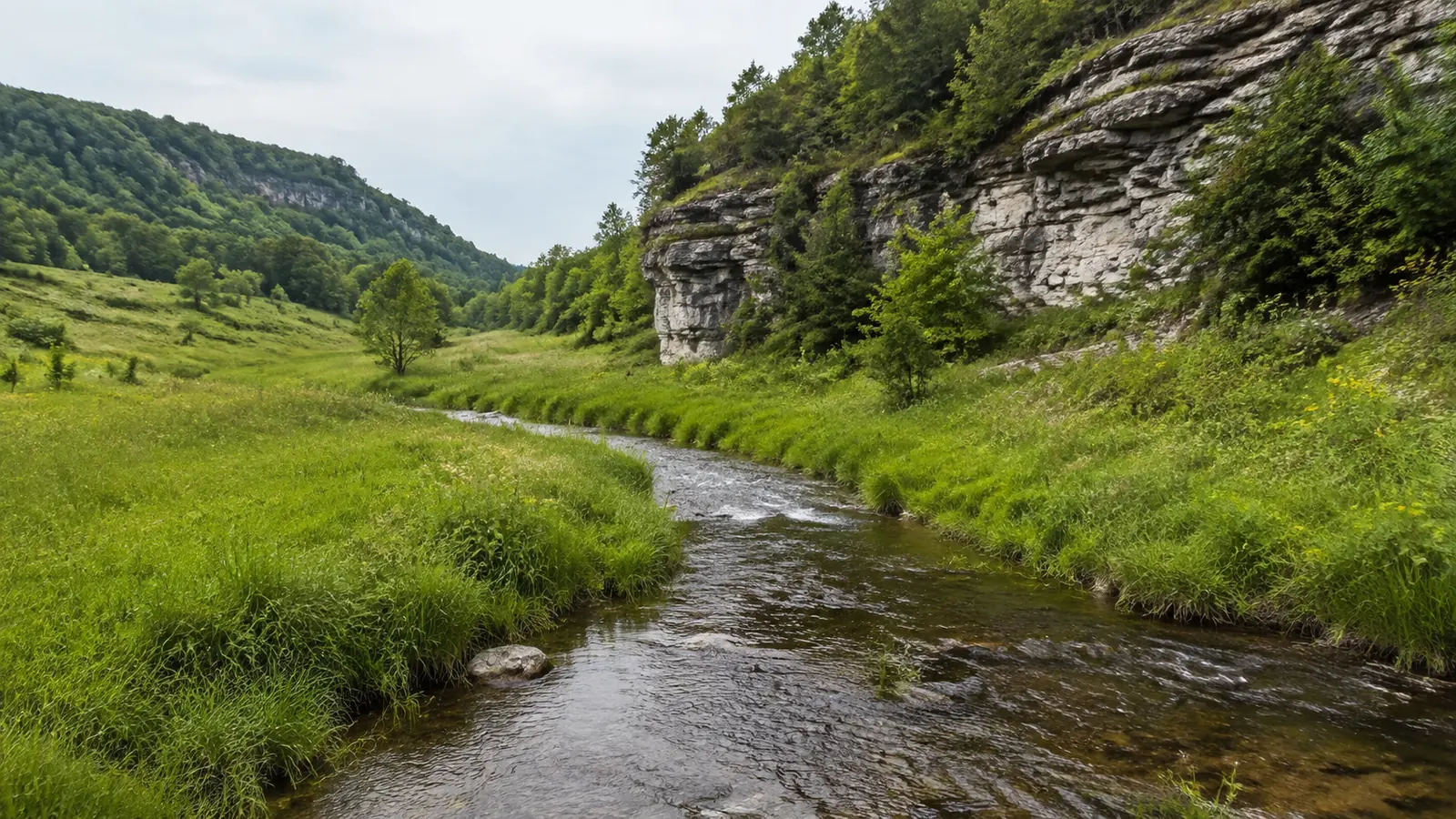
Driftless fly fishing feels delightfully small-scale: spring-fed creeks, grassy banks, limestone valleys, and trout holding beneath undercut edges.
The challenge is not finding pretty water, but choosing a legal access point, matching tiny streams with sensible gear, and respecting both the fish and the farmers whose land surrounds them.
What makes the Driftless Area special for fly fishing?
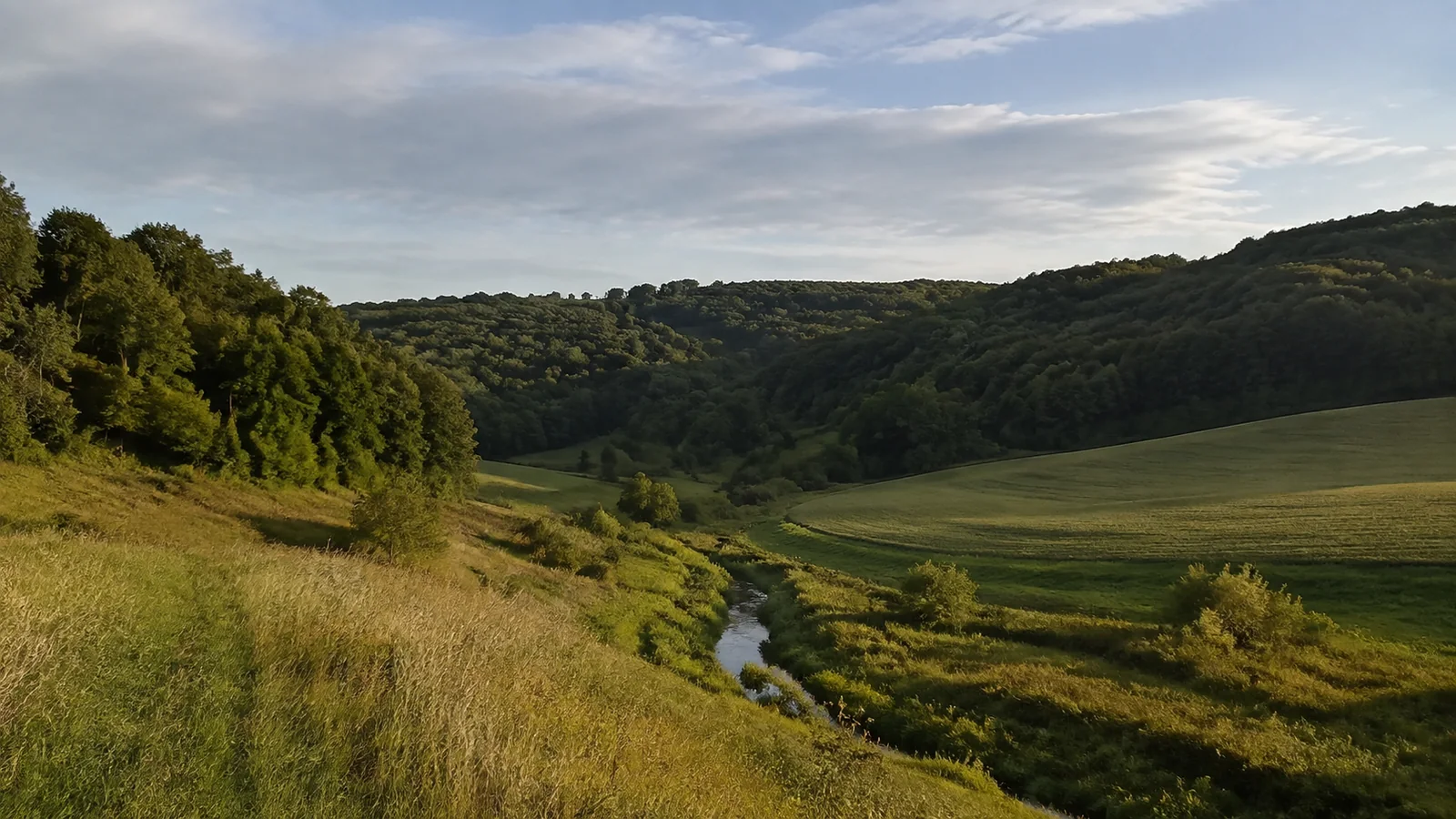
The Driftless Area spans parts of southwestern Wisconsin, southeastern Minnesota, northeastern Iowa, and northwestern Illinois. The landscape escaped the flattening and heavy glacial deposits that shaped much of the Upper Midwest, leaving ridges, coulees, caves, cold springs, and narrow valleys.
Those springs feed coldwater streams where trout can survive even though the region sits far from the Rocky Mountains. Brown trout are widespread, brook trout favor especially cold habitat, and stocked rainbow trout appear in some waters.
The scenery is intimate rather than cinematic. You may spend a morning casting beneath willows with dairy pasture behind you, then drive ten minutes to a sandstone bluff, a tiny town café, or another creek with completely different water.
It is also a fragile landscape. The Driftless Area National Wildlife Refuge protects rare cold-slope habitats in Iowa and Wisconsin, a useful reminder that this region is more than a collection of fishing spots.
Wisconsin, Minnesota, or Iowa?
Wisconsin offers the broadest web of famous Driftless trout counties and an excellent state mapping tool. Viroqua, Westby, La Crosse, and Prairie du Chien all work as practical bases, depending on whether your trip also includes the Mississippi River corridor.
Southeastern Minnesota has hundreds of miles of trout streams among bluffs and farm valleys. Lanesboro makes an appealing base for couples or mixed-interest groups because fishing can share the weekend with biking, paddling, small-town food, and scenic drives.
Northeastern Iowa combines year-round trout opportunities with a mix of naturally reproducing and stocked fish. Decorah is the obvious all-around base, while communities around the Yellow River country suit travelers who want quieter roads and a more rural trip.
Northwestern Illinois is part of the geographic Driftless Area, but the most developed coldwater fly-fishing trip planning usually centers on the other three states. A first visit becomes easier when you pick one state instead of spending half the weekend crossing borders.
Start with licenses, seasons, and stream-specific rules
There is no single Driftless fishing license or regional rulebook. You need the correct license, trout privilege or stamp when required, and current regulations for the state and exact stream you intend to fish.
Wisconsin’s 2026 early inland trout season is catch-and-release from January 3 through April 3, followed by the general inland stream season from April 4 through October 15. Dates can change in future years, so use the Wisconsin DNR season page rather than carrying this paragraph into a later trip.
Minnesota separates southeastern trout waters from other statewide seasons and also applies special regulations to selected streams. Check the Minnesota DNR southeast trout hub, then open the current regulation booklet and access maps for the water you chose.
Iowa’s trout waters are open continuously, but license, trout fee, harvest limit, and special length rules still matter. The Iowa DNR trout page provides current regulations, maps, and stream information.
Catch-and-release water may require artificial lures or barbless hooks, while another reach of the same creek may have a different rule. Never assume the regulation at one bridge applies upstream, downstream, or across a state line.
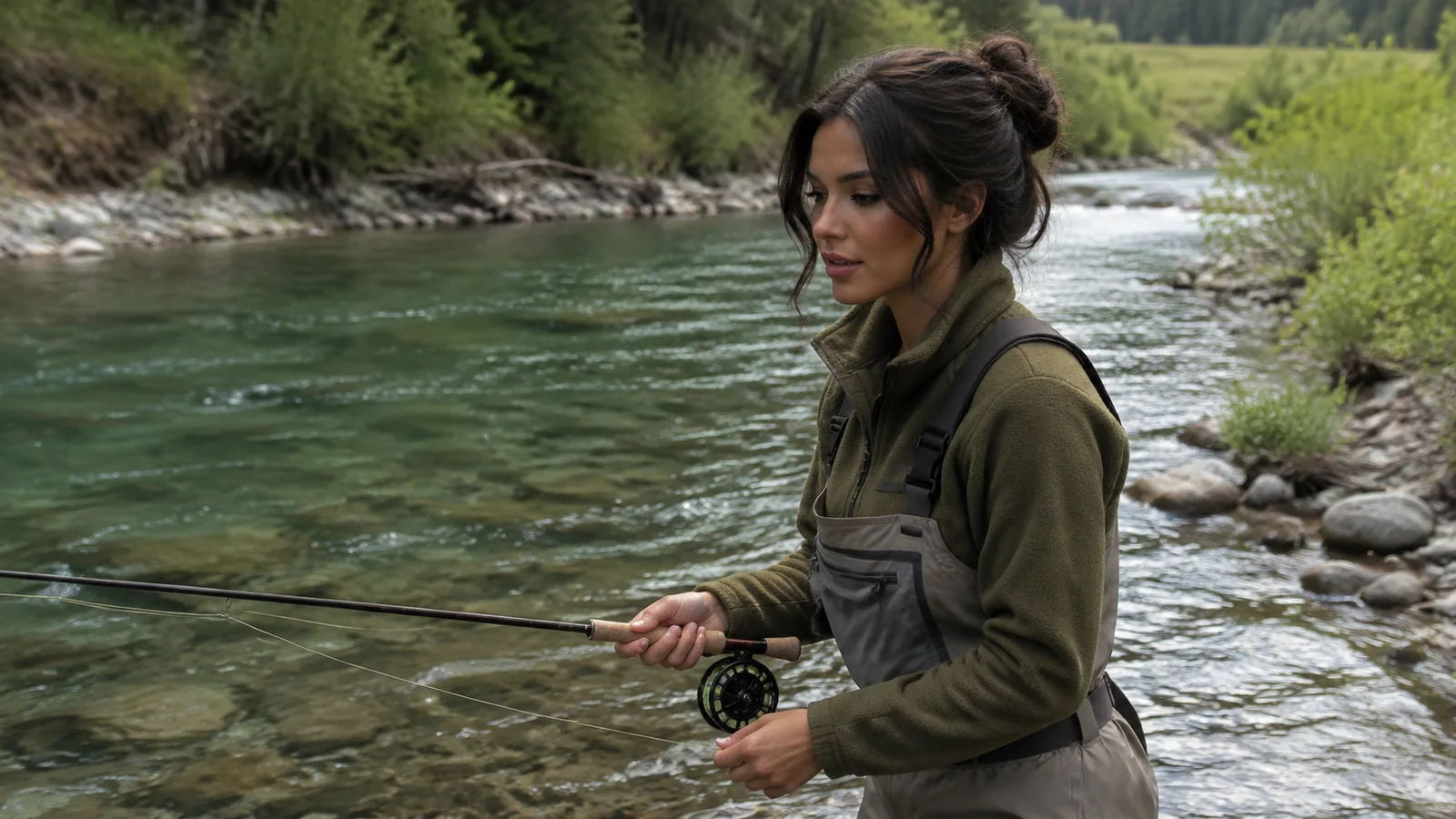
When to plan a Driftless fly-fishing trip
Spring is the classic answer because cold water, active trout, and insect activity can line up beautifully. It also brings mud, snowmelt, cold rain, and fast changes after a storm.
Late spring into early summer adds longer days and easier road conditions, but vegetation thickens and popular access points get busier. Morning and evening sessions can feel more comfortable when afternoons turn bright or warm.
Summer fishing requires restraint. Spring-fed streams can remain cool, yet low water, hot air, and stressful water temperatures may make it kinder to stop fishing and go for lunch.
Fall brings lovely valleys, lower insect pressure, and brown-trout spawning behavior. Observe season closures, avoid walking on clean gravel spawning beds, and give actively spawning fish room.
Winter catch-and-release can be peaceful where legal, but icy banks and rural roads raise the stakes. Fish slowly, carry dry layers, and do not treat a tiny creek as safer simply because it looks shallow.
A simple fly-fishing setup that fits these creeks
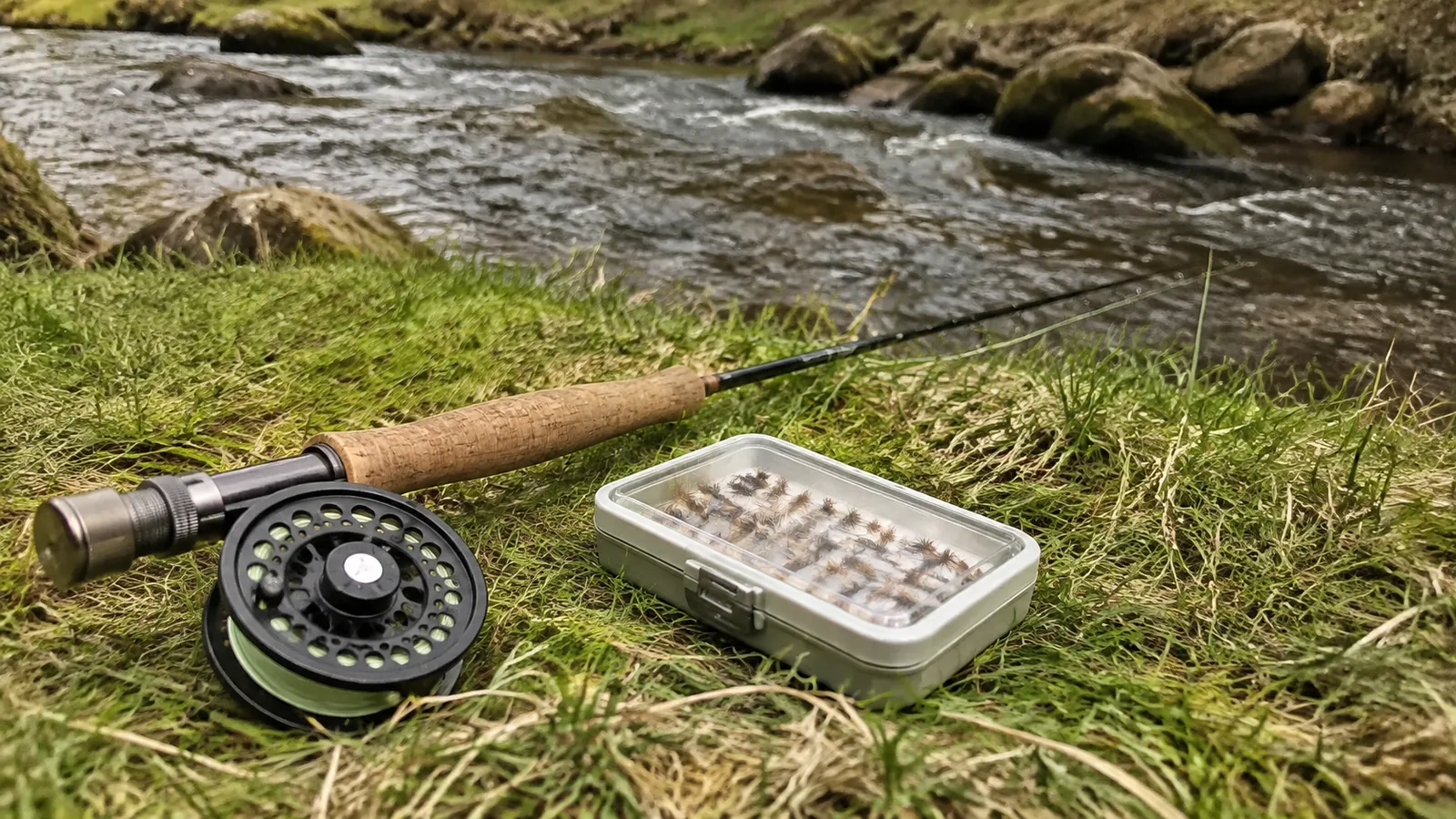
A short 3-weight or 4-weight rod around 7 to 9 feet handles many Driftless streams comfortably. A 5-weight remains perfectly usable, especially if it is the rod you already cast well or if wind is expected.
Bring a floating line, tapered leaders, light tippet, forceps, nippers, floatant, split shot where legal, and a small landing net with fish-friendly mesh. Polarized glasses help you read water and also protect your eyes from a fly on an awkward back cast.
Small nymphs, scuds, midge patterns, caddis imitations, mayfly dries, terrestrials, and compact streamers all earn space in a modest box. Local fly shops can give better same-week advice than a rigid national hatch chart.
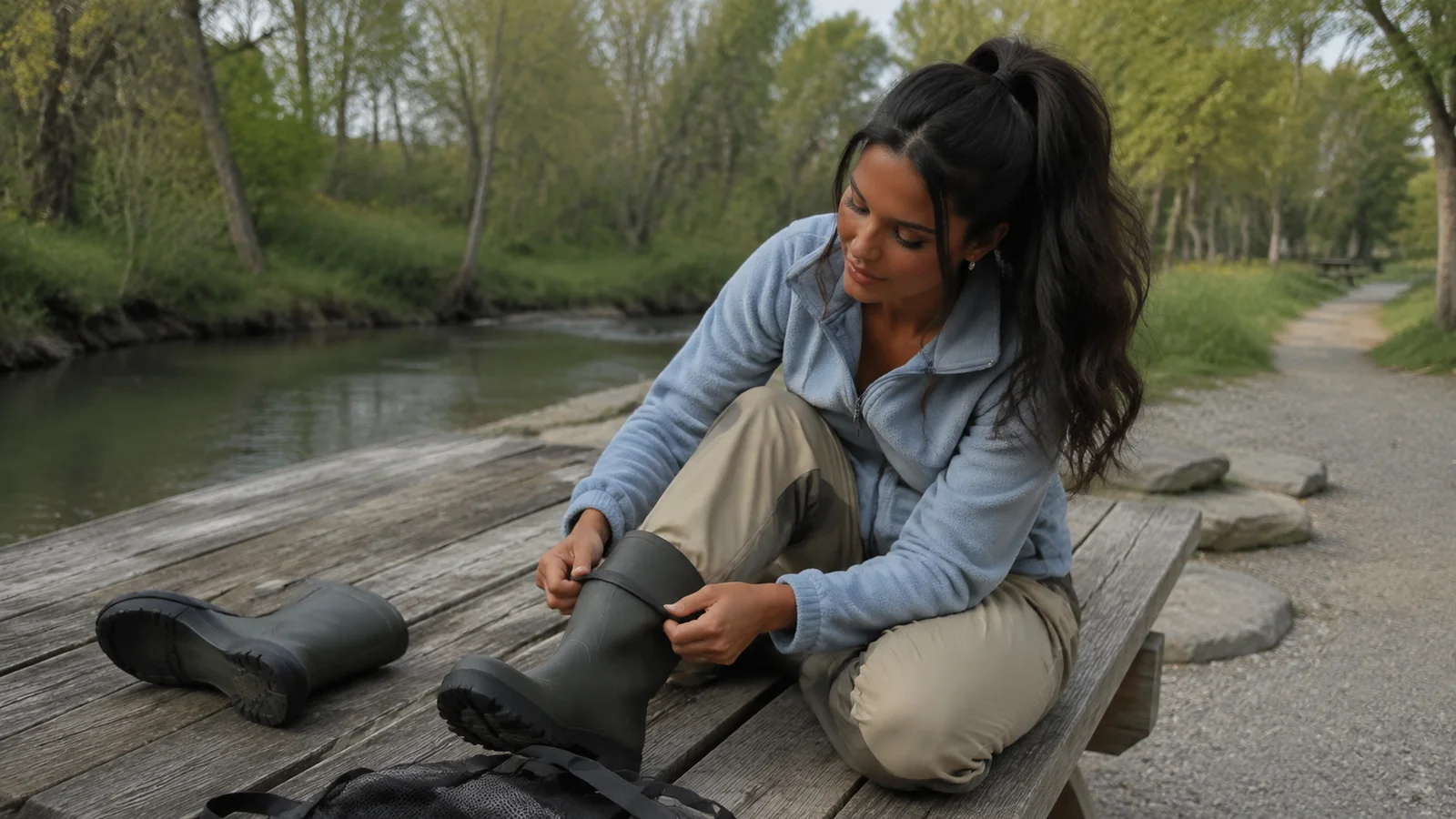
Chest waders are not mandatory on every creek because bank fishing and shallow wet wading can work. Felt, rubber, and stud rules differ, so check regulations and thoroughly clean, drain, and dry gear before moving between waters.
A wading staff is useful even where water is knee deep. The real hazards are slick rock, hidden holes, wire, steep banks, and the embarrassing little slide that fills a wader faster than any dramatic river crossing.
How to fish small Driftless streams
Approach slowly and use grass, banks, and shadows as cover. Trout in clear, narrow water notice a bright shirt, heavy footsteps, and a waving rod long before you see them.
Cast first to the nearest plausible lie rather than firing immediately toward the far bank. Fish may hold in a shallow riffle, under foam, beside submerged grass, behind a rock, or tight to an undercut edge.
Short, accurate casts beat heroic distance. A bow-and-arrow cast, roll cast, or gentle sidearm presentation often solves a brushy creek better than a beautiful overhead loop.
For nymphing, keep the rig compact enough to control through short runs. For dry flies, watch the fly and the water around it because a subtle refusal teaches almost as much as a take.
Streamers can wake up a larger brown trout in deeper water or stained conditions. Keep them appropriately sized for the creek, vary the retrieve, and expect the strike near cover rather than in the easiest place to land a fish.
Public access is not permission to wander anywhere
This is the rule that saves both your trip and the region’s welcome. A trout stream shown on a map may flow through private property, and legal fishing access does not necessarily grant permission to cross a field, use a driveway, park on a shoulder, or roam beyond an easement.
Use state access maps, posted easement signs, wildlife areas, parks, and clearly designated pull-offs. If the boundary is uncertain, choose another access point or ask the landowner politely instead of inventing permission.
Close gates exactly as you found them, avoid crops and livestock, carry out line and trash, and keep dogs under control or at home. Never block machinery, a mailbox, a gate, or enough of a narrow road to make farm traffic squeeze past.
Popular online coordinates can overwhelm a small access. Learn how to read maps and stream habitat, then spread out instead of treating one named bridge as the entire fishery.
Fish handling and conservation
Land trout efficiently on tackle strong enough for the job. Wet your hands, keep the fish supported in the water, remove the hook promptly, and skip the photo when recovery is slow.
Barbless hooks make release easier even when they are not required. Pinching a barb is a tiny job that can make an enormous difference when a small trout has taken a fly deeply.
Watch stream temperature during warm periods and stop before trout become stressed. The exact ethical cutoff is debated, but water approaching the upper 60s Fahrenheit deserves serious caution and local guidance.
Clean mud and vegetation from boots, nets, and waders between streams, then drain and dry equipment. Aquatic invasive species and fish disease do not care that the next creek is only six miles away.
A realistic two-day first trip
Friday evening: Arrive at one base town, buy any remaining supplies, and confirm license documents, regulations, weather, stream conditions, and access. Rig the rod at the lodging so the first morning begins calmly.
Saturday morning: Fish one public-access reach for several hours instead of racing among five famous streams. Move quietly, practice short presentations, and pay attention to water type even if the trout ignore you.
Saturday afternoon: Take a long lunch, visit a fly shop, and reassess conditions. If water is warm, muddy, or crowded, enjoy a scenic drive, trail, bike ride, or town rather than forcing a bad session.
Saturday evening: Try a second reach only if access and conditions are clear. Otherwise, return to the first creek with one small adjustment and enjoy the evening light.
Sunday morning: Fish a different stream type, perhaps a meadow creek after a wooded reach. Finish early enough to clean gear, eat, and drive home without turning the final hour into a sleepy highway push.
The Wisconsin road-trip routes can turn a fishing weekend into a wider Driftless drive. If your group wants more than trout, the Wisconsin day-trip ideas add towns, parks, and historic stops.
What to pack beyond fishing tackle
- Current licenses and offline screenshots of regulations and access maps
- Rain shell, warm layer, sun protection, and a complete dry clothing set
- Water, lunch, snacks, and a small trash bag
- First-aid kit, tick remover, bug repellent, and any personal medication
- Charged phone, battery pack, paper map, and emergency contact plan
- Boot-cleaning brush and a way to contain wet gear
- Cash or a card for local shops, cafés, and unexpected supplies
Cell service can fade in narrow valleys, so download maps before leaving town. Tell someone which general watershed you plan to fish and when you expect to return.
Build a bigger Driftless weekend
Non-anglers do not need to spend two days watching a strike indicator. Scenic highways, limestone bluffs, rail trails, paddling, farm stands, small museums, breweries, and Mississippi River overlooks make this an easy mixed-interest trip.
For a longer loop through Wisconsin, Minnesota, and Iowa, use the Upper Midwest route as a starting framework. Keep the fishing portion compact so state licenses and constantly changing rules do not take over the whole vacation.
Two public starter waters with clear access
For a Decorah base, I would start on Trout Run at the Chuck Gipp Decorah Fish Hatchery, 2325 Siewers Spring Road. The four designated accessible fishing areas connect to the paved parking area by paved sidewalks, providing room to learn without starting with a difficult scramble down an unknown bank.
Use the DNR’s hatchery fishing-access map to identify the public stream access and keep out of production ponds and restricted work areas. Trout Run receives stocked rainbow trout, while wild brown trout occur in lower numbers; the useful beginner advantage is the maintained access, not a promise of catching fish immediately.
A second public starting point lies about 0.7 mile along Trout Run Road from the hatchery, shown in the Trout Run accessible-sites guide. Park only in the mapped access area and fish the designated reach, respecting signed boundaries where the trail and stream pass neighboring land.
From Lanesboro, Forestville/Mystery Cave State Park offers Forestville Creek and the South Branch Root River as a separate option, with visitor parking and park maps rather than an improvised roadside pull-off. Minnesota DNR identifies all 2.59 miles of Forestville Creek as park land or angling easement; start within the park and use its map to stay inside the permitted corridor, remembering that an easement does not make the surrounding farm public.
I would allow two to three hours on one reach, then decide whether another access is worth the drive. Check the appropriate state’s trout season, license and trout requirements, the current stream report, and local flood notices before either outing, and stop fishing if water temperature or fish stress makes a session unwise.
My honest Driftless fly-fishing advice
A great first Driftless trip is not measured by how many creeks you post or how many trout you touch. Pick one state, verify one legal access, bring a light rod, and learn the rhythm of one spring-fed stream.
The region rewards quiet attention more than complicated gear. Respect private land, protect cold water, support local businesses, and leave enough space for the next angler to feel that wonderful little surprise of discovering a creek for themselves.