Ha Long Bay Cruise Guide: Day Trip, One Night, or Two?
A Ha Long Bay cruise is less about finding the fanciest sundeck and more about choosing the right route, duration, and operator. Two boats with similar photos can deliver very different amounts of scenery, transit, quiet, and time off the vessel.
For most first-time visitors, one overnight is the practical sweet spot. Two nights feel calmer, while a day trip works only when time or budget wins.
Why Ha Long Bay is worth seeing
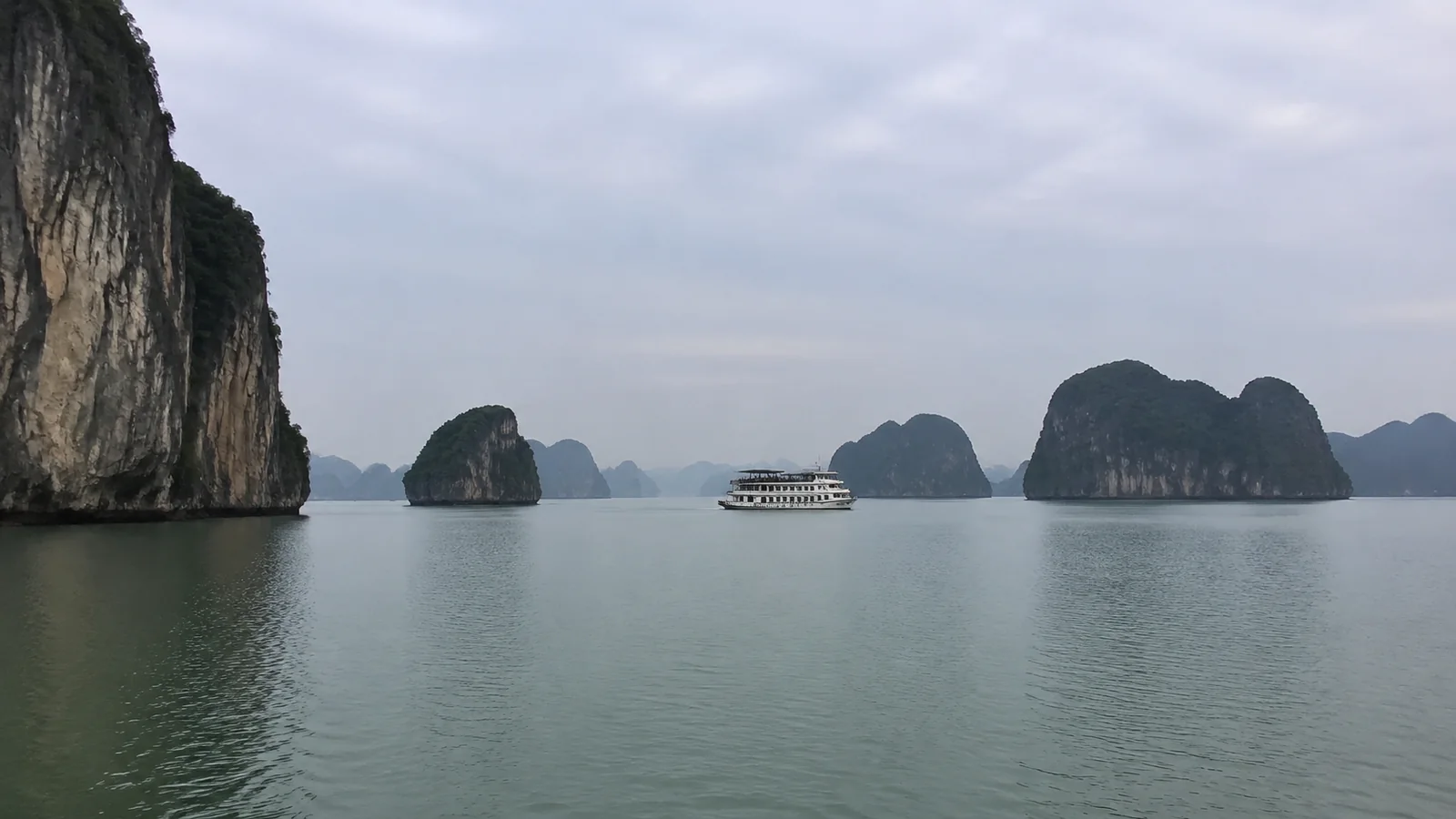
Limestone towers rise from green water in formations that feel almost improbable from deck level. UNESCO’s current Ha Long Bay-Cat Ba Archipelago listing covers 65,650 hectares, about 162,225 acres, and includes 1,133 islands and islets.
The World Heritage property now joins Ha Long Bay with the Cat Ba Archipelago, but cruise companies still market Ha Long, Lan Ha, and Bai Tu Long as distinct route choices. That distinction matters because the scenery overlaps while crowd levels, embarkation points, and permitted stops differ.
A cruise is not the only reason to visit northern Vietnam, so leave room for Hanoi and other places with deeper cultural context. My overview of Vietnam’s major landmarks helps put the bay into a broader itinerary.
Which cruise length should you choose?
Day cruise: best for a tight budget or schedule
A day cruise typically gives you several hours on the water, often with lunch, a cave or island stop, and kayaking or a small-boat ride. From Hanoi, the full day becomes long because the road transfer takes roughly 2.5 to 3 hours each way, depending on traffic and pier.
Choose this when an overnight boat would force you to cut a priority elsewhere. The tradeoff is a compressed route shared with many other day boats, plus no sunrise or quiet evening in the bay.
Before booking, ask whether the advertised duration counts Hanoi pickup or actual cruising time. “Twelve-hour tour” sounds generous until six hours are spent in a vehicle.
One-night cruise: best for most first visits
A two-day, one-night itinerary usually includes lunch and dinner, one or two activities, sunrise programming, breakfast, and an early return to port. It gives the landscape time to change with light and mist without consuming too much of a Vietnam trip.
This is still a structured schedule rather than a floating retreat. Embarkation, safety briefing, meals, cave visits, kayaking, cooking demonstrations, and checkout can make 24 hours feel surprisingly full.
Pick the activities you care about and skip the optional ones that do not. Sitting on deck while other guests attend a class can be the most restorative hour of the cruise.

Two-night cruise: best for pace and distance
A three-day, two-night cruise can reach farther from the busiest channels and may use a smaller day boat for the middle day’s excursions. You unpack once, watch two sunsets, and avoid turning around just as the bay begins to feel familiar.
The second night is worth paying for when scenery, kayaking, photography, or unhurried time is a priority. It is less compelling if the itinerary largely repeats the same crowded stops or the cabin is only a place to sleep.
Ask for the exact day-two plan, not a sentence promising “deeper exploration.” Some operators change the vessel, group, or activity schedule after the first night.
Ha Long, Lan Ha, or Bai Tu Long?
Classic Ha Long Bay
The classic route gives first-time visitors famous limestone formations, large caves, viewpoints, and a substantial choice of boats. It also receives the most traffic, particularly around headline attractions and common anchorage areas.
Choose it if seeing the recognized Ha Long landmarks matters more than avoiding other vessels. A longer itinerary and earlier activity schedule can create quieter moments even on the popular route.
Lan Ha Bay
Lan Ha lies beside Cat Ba Island and shares the same limestone character, often with more emphasis on kayaking, small beaches, and Cat Ba-area excursions. Vietnam’s official tourism site notes that operators use Lan Ha and Bai Tu Long alternatives to spread beyond the busiest passages.
Do not translate “less crowded” into empty. Lan Ha is firmly established, and multiple boats can converge on popular caves, lagoons, and swimming spots.
Choose it for active time and a Cat Ba connection, then verify the actual embarkation pier. A boat marketed as Ha Long may depart from Tuan Chau, Ha Long City, or the Hai Phong side.
Bai Tu Long Bay
Bai Tu Long extends northeast of the classic core and generally attracts fewer cruise boats. Its appeal is a quieter route and longer stretches of landscape, not dramatically different limestone.
Choice can be more limited, and current permits or operating routes may narrow where a vessel goes. Ask the company to name each planned stop and pier instead of relying on a broad bay label.
How to choose a Ha Long Bay cruise boat
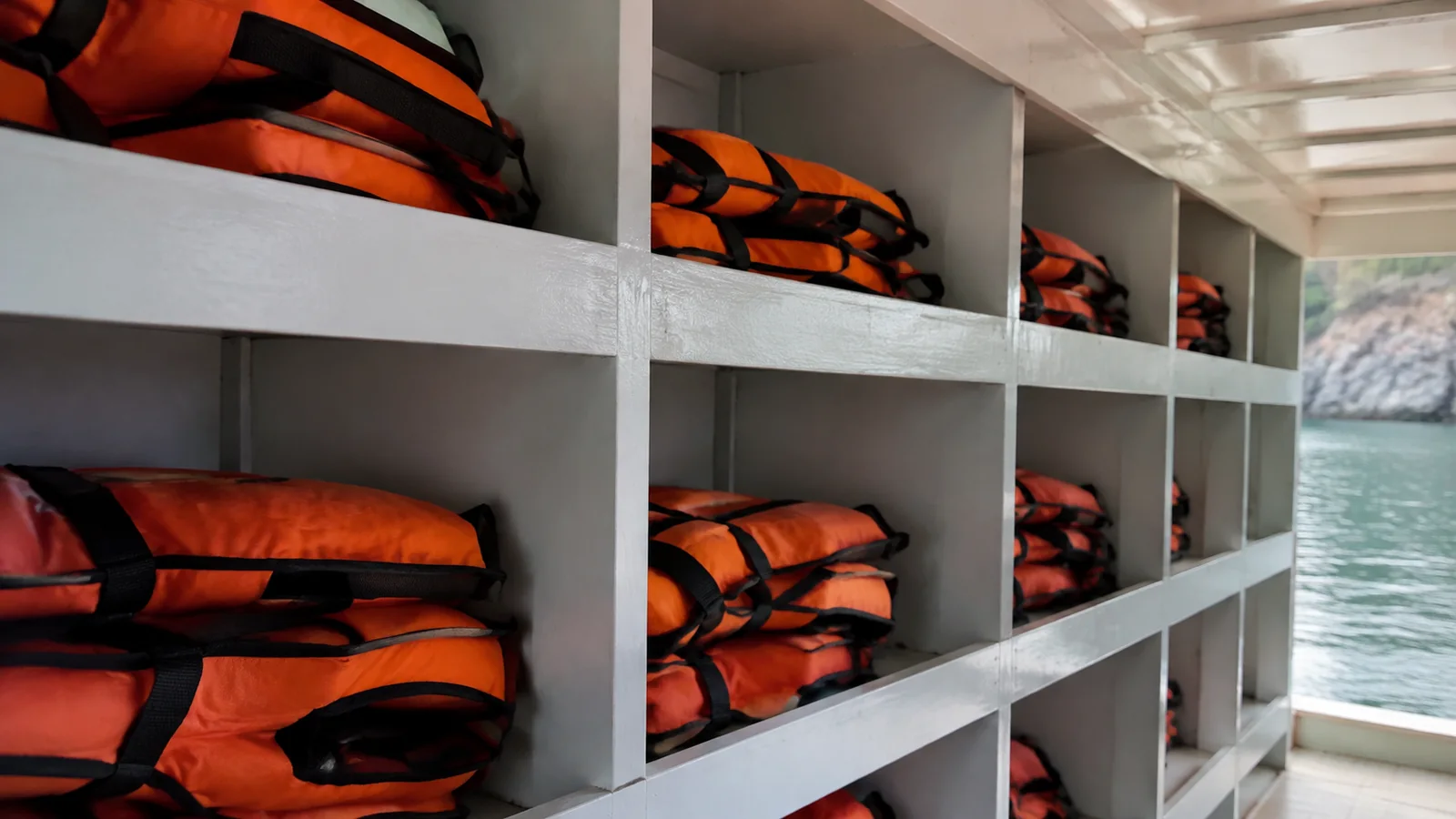
Start with operating history, licensing, recent maintenance, safety equipment, and clear emergency procedures. Marketing labels such as deluxe, five-star, and boutique are not standardized enough to make the decision for you.
Verify the exact vessel
Companies sometimes operate several boats with similar names or sell through multiple agencies. Ask for the vessel name, launch or renovation year, maximum passenger count, cabin category, and recent unedited cabin photographs.
Confirm whether the itinerary can move you to a sister ship. If that is allowed, ask what standard the replacement must meet and what refund choices apply.
Inspect the cabin details
Private bathroom, reliable air-conditioning or heating, window size, balcony, bed configuration, and deck location matter more than decorative cushions. Lower cabins may hear machinery, while cabins below public decks can hear chairs and footsteps.
A private balcony is lovely but not essential because the scenery is best from open decks. Spend for it if privacy matters, not because the boat’s photos imply everyone needs one.
Compare inclusions line by line
Meals and standard activities are commonly included, but drinks, transfers, tips, single supplements, entrance fees, and premium activities vary. Dietary needs should be confirmed directly, especially for allergies rather than preferences.
Ask whether kayaking is included or replaced by a shared rowing boat. Also confirm whether Wi-Fi is advertised as reliable, intermittent, or unavailable once the vessel leaves shore coverage.
Read cancellation terms for weather
Local authorities can halt sailings when storms, wind, or visibility make operations unsafe. Learn what the company refunds if a cruise is canceled before departure, shortened after boarding, or replaced with a hotel stay.
Book Hanoi accommodation that can absorb a changed return time. A same-evening international flight after disembarkation leaves very little room for weather or traffic.
What a typical overnight cruise includes
Most guests board around midday after transfer and port processing, then eat lunch while the boat moves into the bay. Afternoon activities may include a cave, beach, viewpoint, pearl-farm stop, kayaking, or rowing boat.
Evening often brings dinner, a cooking demonstration, squid fishing, or drinks on deck. Morning may start with tai chi, followed by a cave or village activity, brunch, checkout, and return to the pier.
This rhythm is efficient but can feel choreographed. Check whether activities are optional and whether the boat offers enough sheltered deck space for guests who stay onboard.
Getting from Hanoi to the cruise
Many travelers buy a shared limousine-style van or bus transfer through the cruise company. Vietnam’s official tourism guidance confirms that packaged cruises commonly include or offer transport from Hanoi, while independent visitors can use buses and taxis.
“Included” may mean central Old Quarter pickup only. Verify your hotel, pickup window, luggage allowance, rest stop, vehicle size, pier, and whether return drop-off is at the same address.
A private transfer costs more but helps families, groups, and travelers staying outside the pickup zone. It does not eliminate traffic, so keep the afternoon after the cruise flexible.

Best time for a Ha Long Bay cruise
Official tourism guidance describes September through November as cooler with clearer skies, while April and May often bring sunshine and a breeze. December through March can be cool and misty, which looks atmospheric but may limit long views.
June through August is hotter and more unpredictable during the monsoon period. Storm-related cancellations are possible, so build flexibility into summer plans and favor refundable arrangements.
No month guarantees the blue-sky photographs shown in brochures. Ha Long can be gray, humid, foggy, or rainy and still beautiful, but travelers focused on aerial views need realistic expectations.
What to pack
- A light rain shell and quick-drying layers
- Secure shoes for wet steps, caves, and tender boats
- Swimsuit, sun protection, and insect repellent
- A small overnight bag if larger luggage remains in Hanoi
- Needed medication, motion-sickness supplies, and copies of documents
- A refillable bottle if the operator provides safe refill water
Leave bulky hard-sided luggage at your Hanoi hotel when possible. My broader cruise packing tips can be pared down substantially for one or two nights.
Visa and entry planning
U.S. travelers need to verify current Vietnam visa and passport requirements before departure. The State Department’s Vietnam travel information currently says a visa is required and lists passport-validity and blank-page requirements.
Use only Vietnam’s official immigration portals for an electronic visa application. The Immigration Department identifies evisa.gov.vn and thithucdientu.gov.vn as its current application domains, and eligibility or entry-point rules can change.
Match every passport detail exactly and allow processing time. A cruise company cannot fix an invalid visa at the pier.
Responsible cruising in the bay
Bring reusable items, refuse unnecessary single-use plastic, and never throw anything overboard. Choose operators that explain wastewater, trash, and fuel practices rather than using the word sustainable without evidence.
UNESCO continues to monitor visitor management and development across the expanded World Heritage property. My introduction to ecotourism in Vietnam offers a useful lens for judging cruise claims.
Respect village rules, cave barriers, wildlife, and no-go areas. Limestone landscapes are durable from a distance and vulnerable under thousands of feet.
Common booking mistakes
- Choosing by star rating without identifying the vessel
- Confusing total tour time with hours on the water
- Assuming Lan Ha or Bai Tu Long will be empty
- Booking an onward flight too soon after the Hanoi return
- Ignoring drinks, transfers, fees, and single supplements
- Expecting guaranteed sunshine or a guaranteed route

Real itinerary examples: what the extra night buys
These operator itineraries were checked September 5, 2026 and are representative programs, not guaranteed stops for every departure. I would ask for the dated itinerary attached to the exact vessel before paying, because a bay name alone does not tell you whether you will visit a cave, hike a viewpoint, or spend most of the afternoon transferring.
Day trip: Ambassador Day Cruise starts check-in at 8 am at Halong International Cruise Port in Bai Chay and finishes around 4 pm. Its program includes Sung Sot Cave, Titov Island, and Luon Cave, with breakfast and lunch onboard; kayaking or a bamboo boat at Luon is separately charged, and transportation to Halong is excluded from the standard inclusion list.
That is roughly eight hours in the port-to-port program, not eight uninterrupted hours sightseeing ashore. From Hanoi, add the road transfer in both directions and arrange the early pickup explicitly; sleeping in Halong the night before is the calmer choice if an early start after a long international flight sounds exhausting.
One night: Indochina Junk’s Dragon Legend Bai Tu Long program uses Halong International Harbor, with Hanoi pickup around 8:20 to 8:45 am, office arrival around 11:30, and Thien Canh Son Cave among its named stops. Plan on approximately a day aboard across two calendar days, including sleeping, meals, and sailing, rather than two full sightseeing days.
Two nights: the same operator’s three-day Dragon Legend itinerary adds a complete middle day in Bai Tu Long, with the Cong Dam area giving kayaking and scenery more room. The first and last days still carry embarkation, checkout, and Hanoi transfers, so the main benefit is that protected middle day, not a promise of twice as many famous landmarks.
I would choose the day cruise for the classic cave-and-viewpoint checklist, one night for a first taste of waking on the bay, and two nights when unhurried water time is the reason for traveling north. Confirm whether the longer itinerary keeps you on the same ship all day or uses a smaller excursion boat, including where lunch and belongings stay.
Which Ha Long Bay cruise should you book?
Book one night on a well-documented boat for the best first-trip balance. Upgrade to two nights if you value distance and quiet, or choose a day cruise if Hanoi and the rest of Vietnam deserve the saved time and money.
Pick classic Ha Long for famous stops and maximum boat choice, Lan Ha for a more active Cat Ba-side route, or Bai Tu Long for a quieter itinerary with fewer options. The honest winner is the operator that clearly names its vessel, pier, route, inclusions, and bad-weather policy before taking your deposit.