Dubrovnik Cruise Port Guide: Gruž, Tenders and Old City
Dubrovnik works best when you solve the arrival point before choosing sights. A Gruž berth and a ship-directed tender create different routes, accessibility questions, and return deadlines, so build the day around the instructions delivered on your sailing rather than a generic port pin.
First identify how your ship arrives
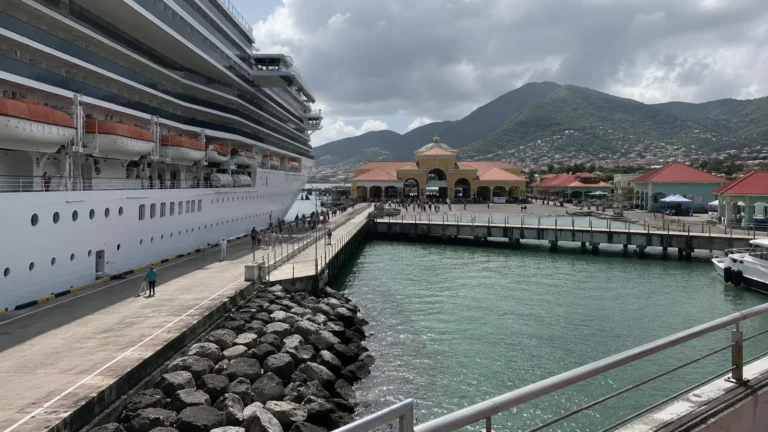
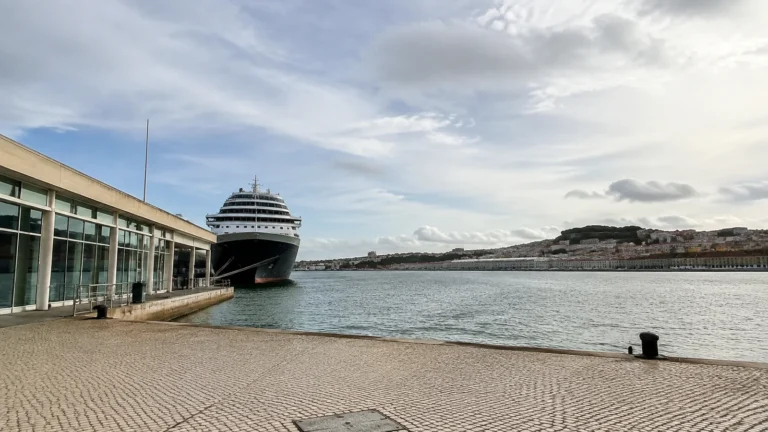
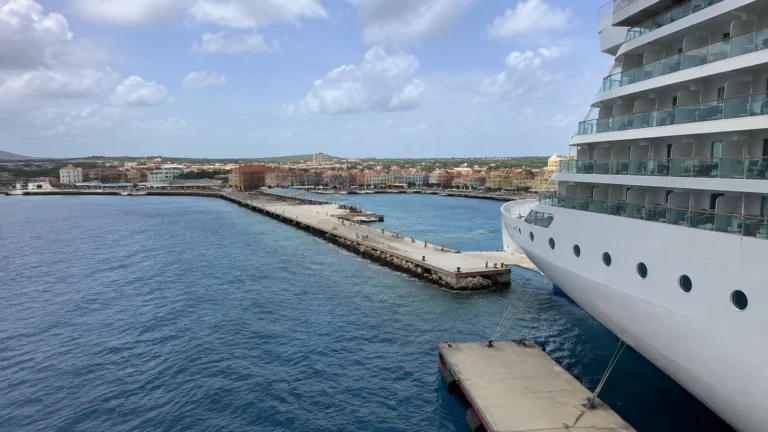
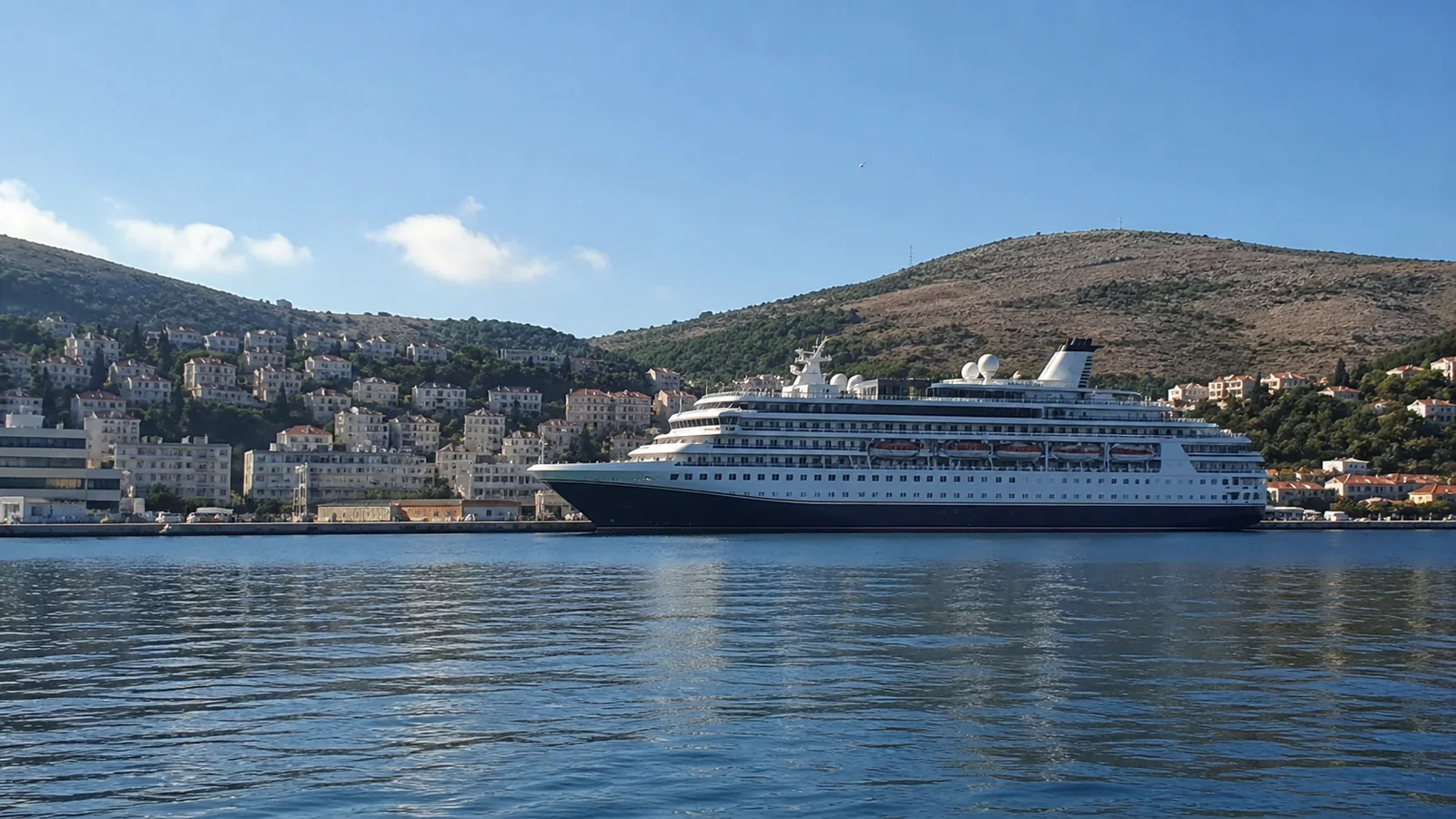
Many cruise ships berth in the Port of Gruž, a working passenger harbor northwest of the Old City. Others may anchor and tender passengers toward the historic center, depending on the ship, schedule, weather, and port operations.
Check the cruise line’s final notice, the onboard daily program, and the official Port of Dubrovnik arrival schedule. A schedule is useful planning evidence, but the captain and local authorities can still change the operation.
If you berth at Gruž
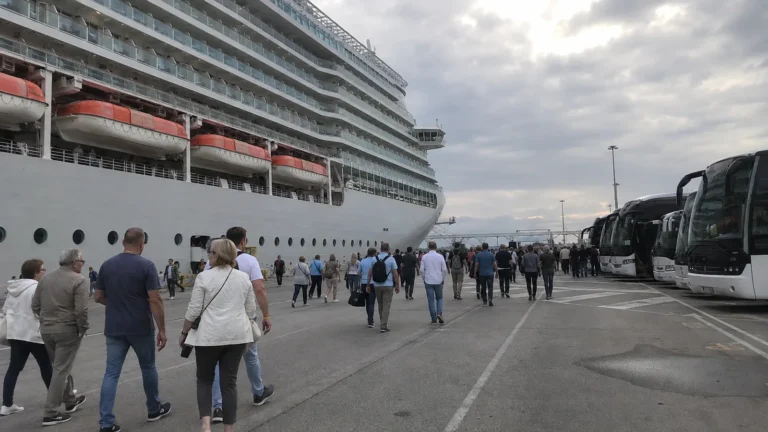
Leave the ship through the assigned terminal or gate, then use the cruise-line shuttle, public bus, taxi, prearranged transfer, or a deliberate walk. Photograph the terminal or pier identifier because several ships and exits can turn “the big white one” into poor navigation.
Gruž has local value of its own, including the harbor and nearby market area, but most first-time visitors head for the Old City. Count the transfer both ways before buying a timed attraction or a tour that starts near Pile Gate.
If you tender
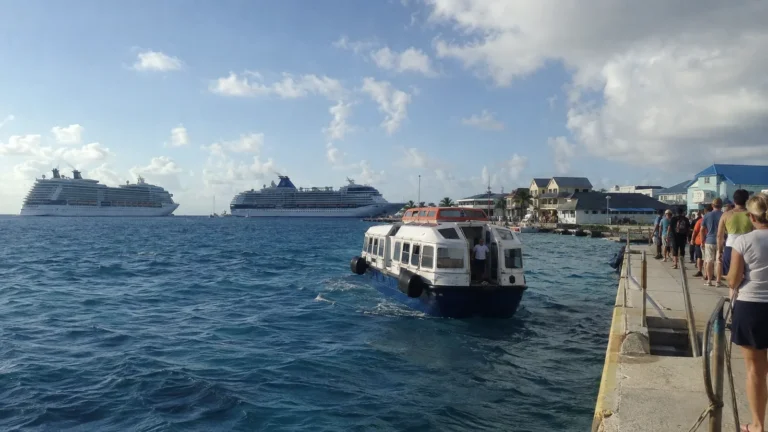
Follow the ship’s tender-ticket, priority, mobility-assistance, landing, and last-return instructions exactly. Tendering introduces queues, marine conditions, boarding steps, and a final boat time that may be earlier than the published all-aboard time.
Never assume another cruise line uses the same landing or schedule. My explanation of cruise tenders and tender ports covers the process in more detail, but your ship’s live notice remains controlling.
Getting from Gruž to the Old City
Cruise-line shuttle
A ship shuttle can be the easiest choice when the pickup, return stop, accessibility, and charge are clear. It may also develop a line at peak release and return times, so ask whether tickets are sold in advance and where the final shuttle departs.
Do not confuse the last shuttle with all aboard. Leave enough margin to wait, ride through traffic, clear port security, and walk back to the correct gangway.
Public bus
From the Gruž port road, look for the port-side stop commonly called Luka Gruž and board a Pile-bound 1A or 1B, checking the destination display and the current Libertas route map. Your assigned terminal exit may put a different stop closer, so ask port staff which Pile stop to use.
Allow about 15 to 25 minutes riding in ordinary traffic and 30 to 45 minutes overall with walking and a bus wait. On the return, confirm that your bus serves your Gruž stop and leave Pile early enough to absorb a full bus or traffic queue.
Libertas operates Dubrovnik’s city buses, including routes serving Pile from the Gruž corridor. Consult the live city timetable and line map because routes, stop locations, holiday service, and temporary diversions can change.
Libertas lists a one-hour ticket at €1.73 and a single ride purchased aboard at €2.50. Verify the current official fare and payment rules before relying on those figures, and validate the ticket as instructed.
A packed bus may pass a stop or take longer to board when several ships release guests together. Build the return around an earlier departure and keep taxi money or another reversible option available.

Taxi or prebooked transfer
A taxi can suit a small group, limited mobility, or a tight morning, but traffic around Pile can erase some of the time advantage. Use the official stand or a clearly identified legal service, confirm whether the meter or quoted fare applies, and retain the vehicle details.
A private transfer is most useful when it solves a defined problem, such as accessible equipment, child seats, luggage, or a regional excursion. “Driver waiting somewhere near the port” is not a meeting plan, so require the exact gate, contact method, and cancellation terms.
Walking
Depending on your terminal exit, Gruž to Pile is roughly 2 miles on foot, usually 40 to 60 minutes each way. I would save that walk for a cool day with a long call because the gradients and roadside sections use energy better spent inside the walls.
Walking from Gruž may suit fit visitors who want a city approach and have a long call, but it consumes substantial time and includes traffic, grades, heat, and uneven surfaces. Use a current pedestrian route, not the car’s blue line, and keep the return flexible.
For a first short call, the bus or shuttle usually preserves more time for the historic center. Save walking for one direction if the weather and schedule remain kind.
Choose one Dubrovnik day
Plan A: Old City lanes and harbor
This is the best first visit for travelers who want Dubrovnik’s character without committing to the full wall circuit. Enter through the gate assigned by your route, follow Stradun, then explore a few side streets, church exteriors or interiors, squares, and the Old Port.
The historic city is a UNESCO World Heritage property, not a film set assembled for a port day. Dress respectfully for religious interiors, lower voices near services and homes, and give deliveries room in working lanes.
Pick one museum or interior rather than turning every doorway into a queue. A café break in shade can be more memorable than completing a checklist while everyone quietly resents the stairs.

Plan B: City Walls as the centerpiece
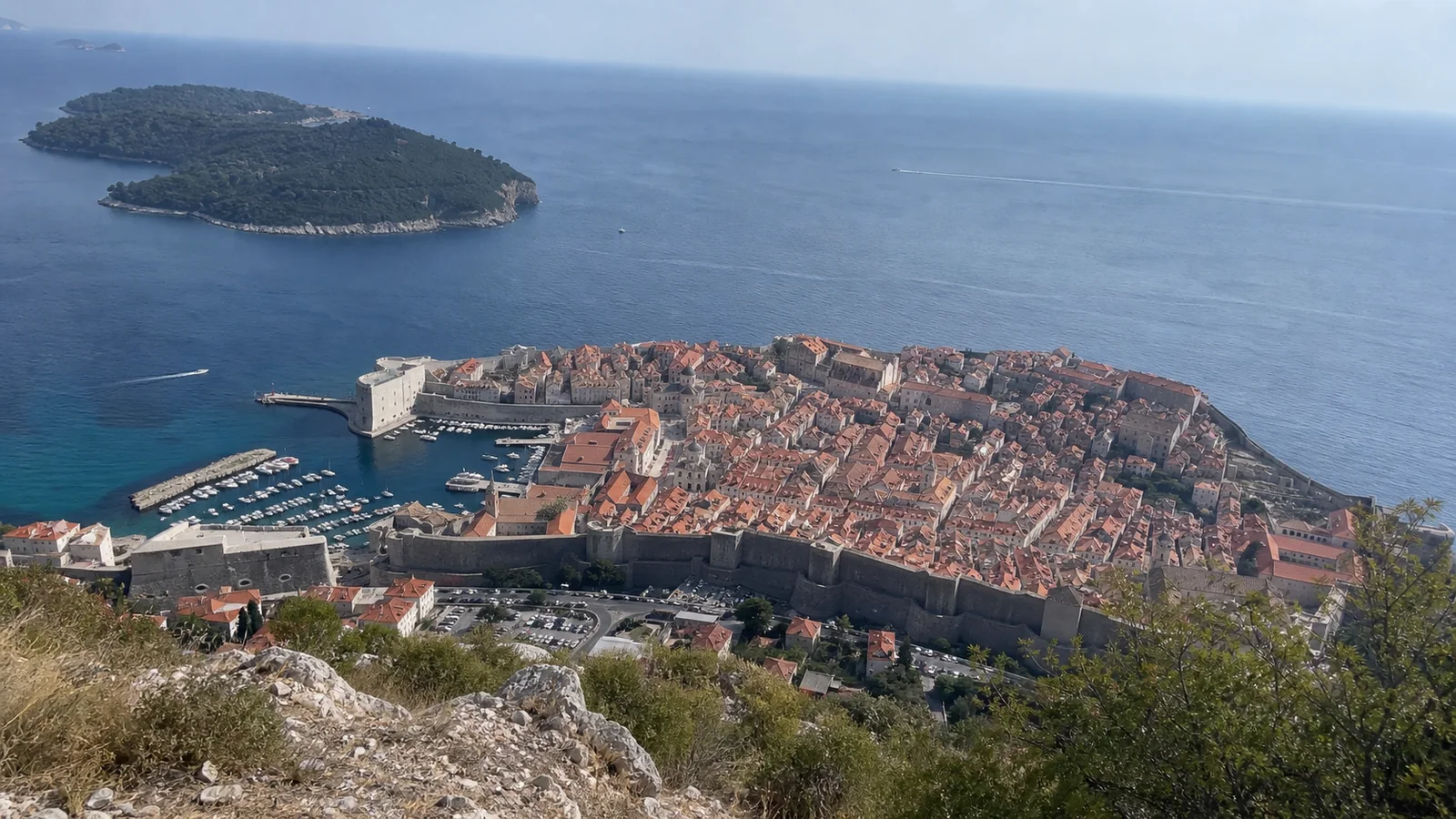
For a first visit, I would use the entrance beside St. Savior Church just inside Pile Gate, opposite the large Onofrio fountain. The roughly 1.2-mile circuit deserves 90 minutes to two hours, plus any entrance line, because there are steps, viewpoints, and limited shade.
On a six-hour call, take the bus or ship shuttle, walk the walls first if conditions suit, then follow Stradun to the Old Port and have a simple lunch. I would skip Mount Srđ and Lokrum that day, and aim to be back in Gruž at least an hour before all aboard.
The walls provide elevated views over terracotta roofs and the Adriatic, but they involve many steps, exposed sections, and little shade. Heat, wind, rain, crowding, footwear, and mobility matter more than the route’s modest-looking map outline.
Check the official City Walls site for current hours, tickets, closures, and entry rules. Go early when the ship’s arrival permits, carry water, and leave time afterward rather than booking the next activity against an optimistic walking pace.
The official Dubrovnik Pass includes the walls, selected museums and galleries, and public transport under its current terms. Compare the live Dubrovnik Pass inclusions with the exact attractions you will actually visit, because theoretical savings do not improve a six-hour call.
Plan C: Lower-stair historic center
Visitors avoiding the walls can focus on Stradun, accessible portions of squares, exterior architecture, the Old Port, and a carefully selected museum. The Old City is not fully step-free, and polished stone, thresholds, crowds, slopes, and occasional construction still require planning.
Ask the cruise line about gangway or tender access first, then ask a local operator for a route described by actual surfaces and steps. “Easy walking” is marketing until someone explains the distance, grade, seating, restroom access, and vehicle drop-off.
Plan D: Old City plus Fort Lovrijenac
Fort Lovrijenac can complement the walls or historic center for visitors comfortable with additional stairs. Verify the current ticket relationship, access, closing time, and realistic duration before adding it.
Film-location fans will recognize parts of Dubrovnik, but a themed tour is best when it also explains real history and respects residential areas. No one needs to block a doorway while reenacting an entire television season.
When to consider an excursion beyond the city
Konavle, Cavtat, Ston, the Elaphiti Islands, and other regional outings can suit repeat visitors or long calls. Each adds road or boat dependencies, and some may cross municipal or international boundaries that require more documentation and contingency planning.
For a distant or border-crossing trip, a cruise-line excursion may offer valuable return protection under the line’s terms. Independent travelers should verify operator licensing, pickup gate, vehicle, route, border documents, cancellation policy, and the latest safe return time.
Lokrum looks close from the Old Port but still adds a separate boat schedule and weather exposure. Attempt it only when current ferry operation and the ship clock leave a generous margin, never as an impulsive final stop.
Heat and crowds change the route
Dubrovnik’s stone surfaces reflect summer heat, and the walls are especially exposed. Carry water, sunscreen, a hat, stable shoes, and a light layer for churches or wind rather than relying on a shady shortcut that does not exist.
The Port Authority uses coordinated booking measures intended to manage major cruise calls, yet gates and headline sights can still feel concentrated. Look at the day’s official ship schedule, start early when possible, and place flexible lanes or lunch during the busiest period.
If the walls are crowded or too hot, the Old City has not failed its audition. Shift to a museum, shaded street, harbor view, or earlier return through Gruž.
Money, phones, and documents
Croatia uses the euro, and cards are widely useful, but carry a modest amount of cash for small purchases or a payment terminal failure. Choose to pay in euros if a terminal offers home-currency conversion, then review the displayed amount before tapping.
Bring the cruise card and the exact passport or government-ID combination required by the ship. Keep a photo of the ship’s port contact and schedule offline, but never rely on a phone photo as a legal substitute for a document you were instructed to carry.
Croatia may fall under a roaming plan differently from nearby non-EU ports, while an excursion crossing a border can change the calculation again. Download maps and tickets on ship Wi-Fi, then confirm carrier terms before enabling data.
Accessibility and family planning
Families should count heat, steps, toilets, food, shade, stroller handling, and the return transfer before adding tickets. A carrier may outperform a wide stroller in crowded lanes, but every caregiver needs an option that is physically safe for them.
Wheelchair and mobility-device users need confirmation for the ship’s gangway or tender, terminal, chosen vehicle, Old City route, attraction entrance, and restroom. Solve those links individually because one accessible bus or gate does not make the full chain accessible.
Travelers who prioritize a compact port-day fallback can compare the planning logic in my Messina cruise port guide. For a port where the inland destination dominates the decision, the Livorno guide shows a very different tradeoff.
What to pack ashore
- Cruise card and the identification specified by the ship.
- Water, sunscreen, sunglasses, and a brimmed hat.
- Grippy walking shoes for polished stone and steps.
- A light shoulder-covering layer for religious sites.
- Small euro notes plus a card with travel notice handled.
- Offline map, tickets, port contact, and return instructions.
- Essential medication and a compact power bank.
- A secure, lightweight bag that closes fully.
Keep valuables close in crowded gateways, buses, and queues without turning the day into a suspense film. Leave bulky beach gear, expensive jewelry, and anything prohibited by ship security aboard.
Plan backward from all aboard
Write down all aboard, the ship’s requested onboard time, the last tender or shuttle, and your personal leave-the-Old-City time. These may be four different moments, and the earliest relevant one controls.
Allow for attraction exit, restroom, walking to the correct stop, a missed full bus, traffic, port security, and the gangway. Independent touring means the cost of catching up to a departed ship may belong to you.
- Confirm Gruž berth or tender operation.
- Choose one centerpiece and one optional extra.
- Reserve only the tickets the call can comfortably support.
- Save outward and return transport options.
- Set an alarm for the time to begin returning.
- Drop the optional extra when the morning runs late.

Final recommendation
For a first Dubrovnik call, focus on the Old City and choose either its streets or the walls as the main event. Confirm the arrival point, use reversible transport, protect a generous ship-return margin, and let extra sights remain extra.
Dubrovnik rewards focus. One well-paced local day usually delivers more history, scenery, and breathing room than an ambitious route across several unrelated destinations.