Thunder Cove Beach: Access, Tides and Safety on PEI
Thunder Cove is a photogenic north-shore beach in Darnley, Prince Edward Island, but it is not a staffed attraction built around visitor convenience. Come for red sandstone, a shoreline walk, and changing coastal scenery, then let legal access, tides, surf, and erosion decide what the day actually supports.
What Thunder Cove actually offers
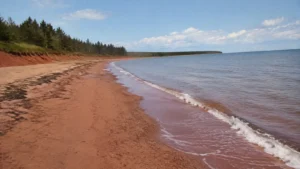
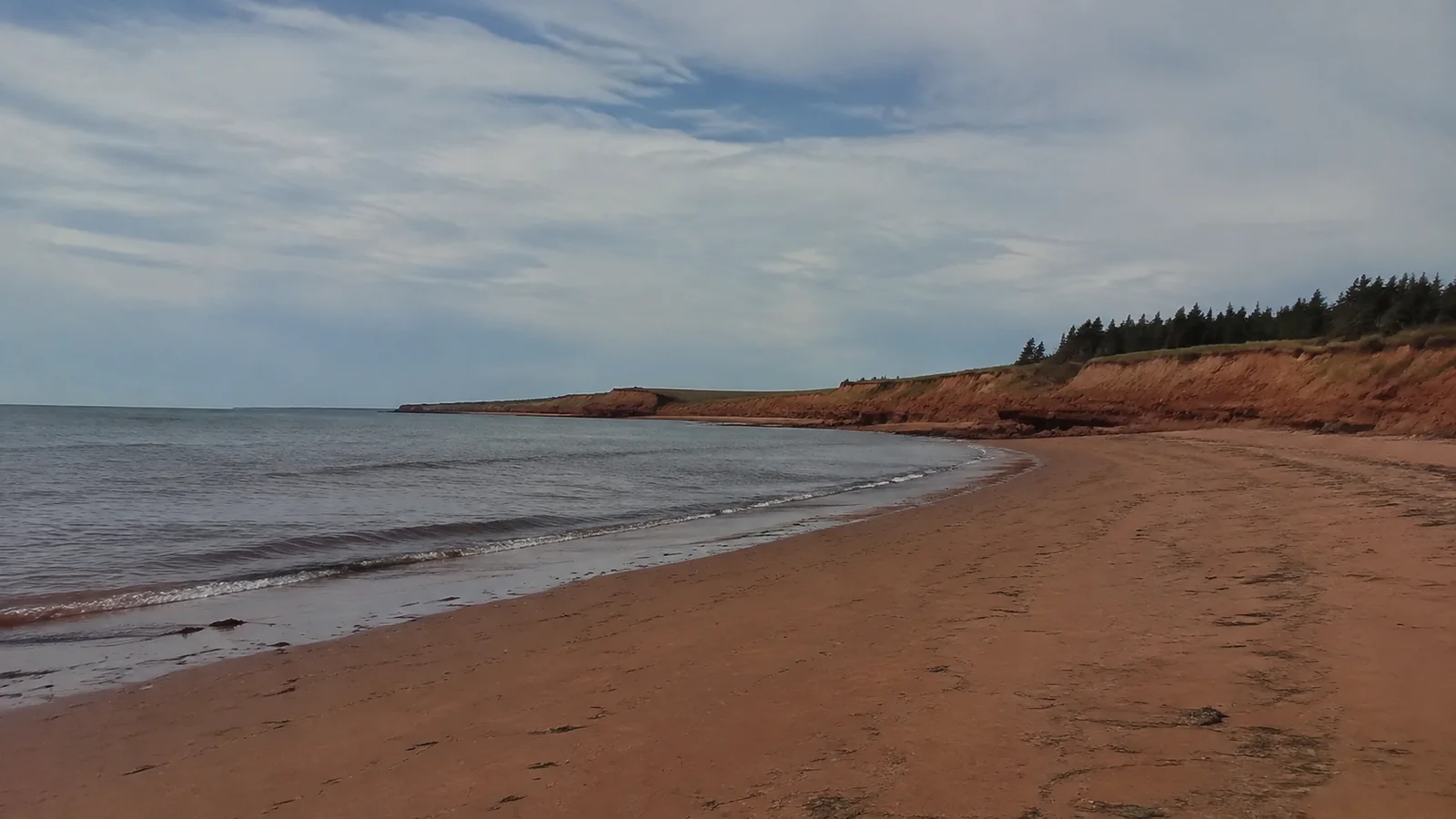
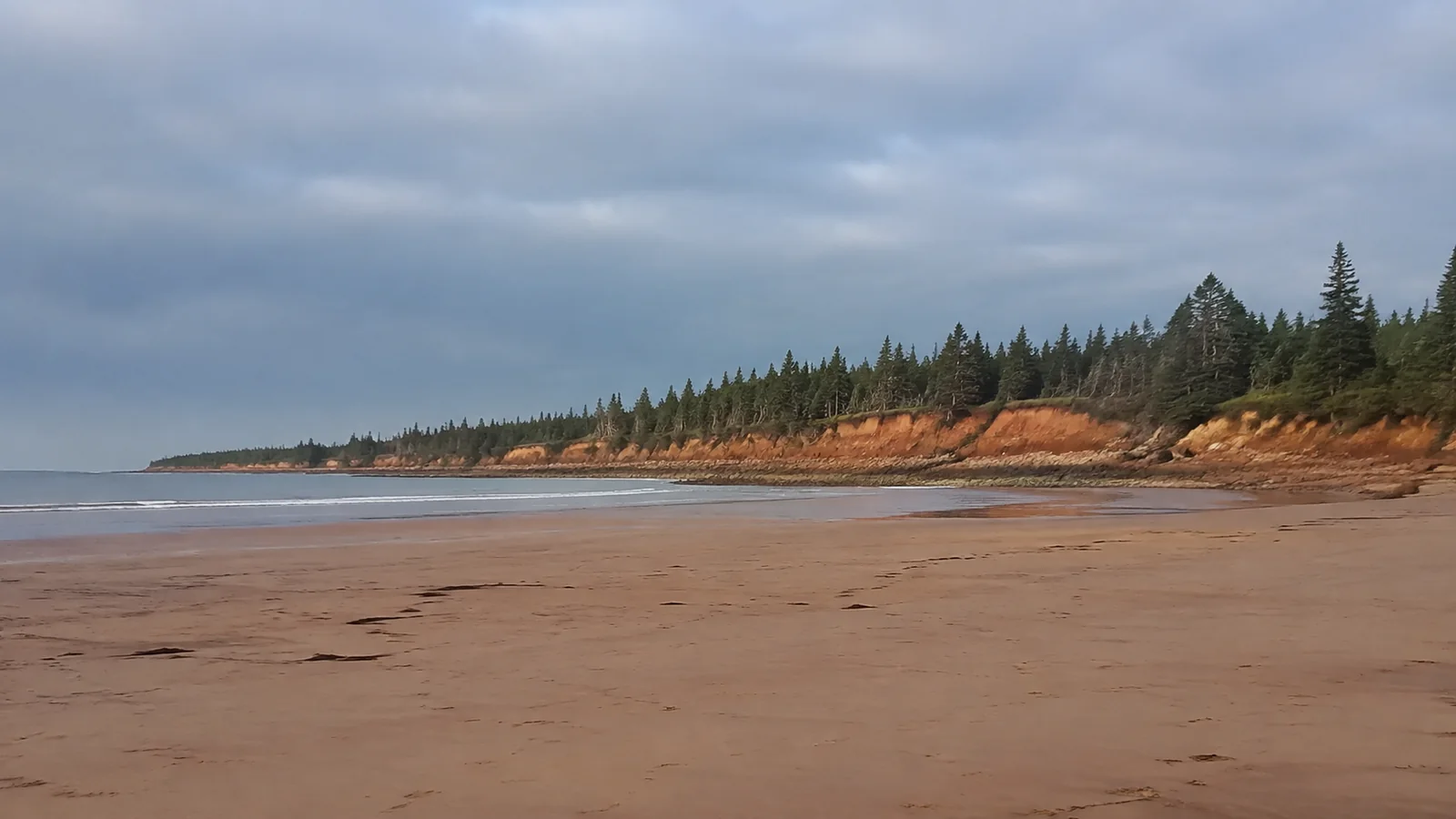
Thunder Cove has pale sand, warm-toned cliffs, sea stacks, and small formations sculpted by wind and water. Its appeal is the coast itself, not a menu of rentals, concessions, playgrounds, or organized activities.
The current local beach listing for Thunder Cove reports no lifeguard supervision, public washroom, or accessibility service. It also says pets are permitted, though posted signs and property boundaries still control the visit.
Thunder Cove is not part of Prince Edward Island National Park and should not inherit national-park facilities or rules in your plan. It is also not a provincial park with a defined day-use lot and predictable seasonal staffing.
The Teacup Rock is gone
Many search results still display the old Teacup Rock, a freestanding red sandstone formation once associated with Thunder Cove. Post-tropical storm Fiona destroyed it in September 2022, as documented by Canadian Geographic.
Do not follow old directions expecting to find the formation or climb onto its former base. The shoreline continues to change, and other arches, cliffs, and stacks are not replacements engineered for visitors.
Thunder Cove remains worthwhile for a careful beach walk, especially when the light catches the red cliffs. If one vanished rock was the entire reason for driving, choose another PEI stop instead and spare everyone a disappointed roadside conference.
Access and parking require restraint
Tourism PEI gives the approach as Route 20 toward Darnley, then Lower Darnley Road and Thunder Cove Road. The public-facing route ends near cottages, with beach access beside private property rather than through a serviced park entrance.
As of September 5, 2026, I could verify that approach but not a designated legal public parking lot or a guaranteed open, stable descent. Do not use cottage stairs or cross private land, and leave if posted access, an intact path, or lawful roadside parking is unclear.
If the approach is open and stable, I would make this a 20- to 30-minute beach stroll, turning after 10 to 15 minutes along the open sand. That is a deliberately short time allowance, not a verified distance to a formation, and it never requires rounding a headland or walking beneath an overhang.
Do not count on a formal parking lot
Thunder Cove does not offer the staffed, paved, capacity-managed parking experience found at larger park beaches. Roadside conditions, restrictions, erosion, traffic, and resident access can make a space that looks available unsuitable or prohibited.
Never block a driveway, cottage lane, gate, turnaround, emergency route, garbage collection point, or another vehicle. If lawful parking is full or unclear, leave for a backup beach rather than inventing a spot on soft ground.

Large vehicles are a poor match
RVs, trailers, and long vans need extra room to turn, pass, and park without damaging a shoulder. Unless a current local source identifies a suitable legal space, leave the large vehicle at your accommodation and use a smaller vehicle or choose a managed beach.
Ride-hailing and taxi service can be limited outside the island’s urban areas, while cellular reception and pickup accuracy are not guaranteed. Arrange the return before arriving if nobody in the group is driving.
Erosion is the headline safety issue
Prince Edward Island installed an erosion-warning sign at Thunder Cove as part of a 2025 coastal-hazard program. That is a direct cue to stay well back from cliff edges and away from unstable faces, overhangs, and fresh debris.
Sandstone can fail without offering a useful countdown, and an undercut cliff may look solid from the beach. Do not climb formations, enter caves or arches when rockfall or tide could trap you, or stand beneath a cliff for shade.
Keep children and dogs close before reaching the bluff, not only after someone notices the drop. Wind, loose sand, and crumbling edges make the last few feet a terrible place to test reflexes.
Use the tide as context, not permission
Lower water can reveal more beach and coastal detail, while a rising tide can narrow the return route beside cliffs and outcrops. Check the official Malpeque tide predictions as a nearby planning reference, then observe the actual shoreline because weather can alter water levels and waves.
A prediction is not a promise that a cave, point, or stretch of sand remains passable. Turn back before the return depends on squeezing around rock, wading through surf, climbing a bluff, or borrowing private stairs.
Save a screenshot of the tide curve and note whether water is rising or falling during the visit. The most important time is not low tide itself but the safe window for walking out and returning.
Morning and evening have different tradeoffs
Early daylight can mean cooler air and fewer people, but it does not guarantee available parking, gentle surf, or a clear shoreline route. Evening light can flatter the cliffs, while a late start reduces the margin for changing tides, wrong turns, and an orderly departure.
Choose the time from tide, weather, daylight, and the group’s needs rather than chasing a photograph. Leave enough daylight to load the vehicle, check for ticks or wet clothing, and reach the next stop without hurrying along rural roads.
Swimming is a separate decision
No lifeguard means no professional has evaluated the water for you or is positioned for a rescue. Calm-looking water, warm air, other swimmers, and family photos from yesterday do not establish safe conditions today.
Review Environment Canada’s marine forecasts and warnings, local weather, and posted information before leaving. At the beach, reassess wind, waves, current, visibility, water temperature, floating debris, and every swimmer’s ability.
Rip currents can carry swimmers away from shore and may occur without dramatic breaking waves. If uncertain, keep the day to ankle-deep wading or a land-based walk, then swim at a supervised beach operating under a current surf report.
Cold water still matters in summer
Air temperature does not tell you how the Gulf will feel or how quickly a child may become cold. Bring dry layers, exit before shivering or fatigue, and never use an inflatable toy as safety equipment.
Anyone needing reliable supervision should compare Thunder Cove with the managed choices in this overview of Prince Edward Island beaches. Beach type is a more useful filter than whichever sunset currently has the most likes.
Photography without the risky pose
The best subjects are the broad shoreline, red cliffs viewed from a safe distance, wave patterns, and changing light. A wide lens helps include the coast without backing toward an edge or pressing against a rock face.
Keep tripods out of the walking route, protect equipment from blowing sand, and use a strap near water. Drones require compliance with Canadian aviation rules plus respect for people, wildlife, private homes, and any local restriction.
Never enter an unstable opening or climb a stack to recreate an old social-media angle. The Teacup Rock’s collapse is not just an update to the photo list; it is a clear lesson about the material beneath the scenery.
Dogs need a conservative plan
The local listing says pets are permitted, but keep a leash ready and follow current signs. Prevent dogs from entering dunes, approaching wildlife, digging at cliff bases, roaming onto private property, or greeting people who did not request a sandy introduction.
Bring water, a bowl, waste bags, a towel, and shade that does not rely on sitting beneath a cliff. Hot sand, salt water, sharp debris, and long sun exposure can make a beach day uncomfortable quickly.
Accessibility and family fit
Thunder Cove is a weak choice for travelers who need a maintained step-free route, mobility mat, beach wheelchair, accessible washroom, staffed parking, or nearby assistance. The absence of listed accessibility services is a planning fact, not a challenge visitors should be expected to overcome.
Families who are comfortable with self-sufficient beach walks may enjoy a short visit when access and conditions are clear. Families needing predictable toilets, lifeguards, or easy loading should choose a park beach designed to provide them.
Cavendish Beach offers a national-park framework with different access, supervision, pass, dog, and facility considerations. Farther east, Blooming Point is another unserviced shore, not a facilities-based substitute.
What to bring
- Drinking water and snacks for the entire group.
- Sun protection, insect repellent, and weather layers.
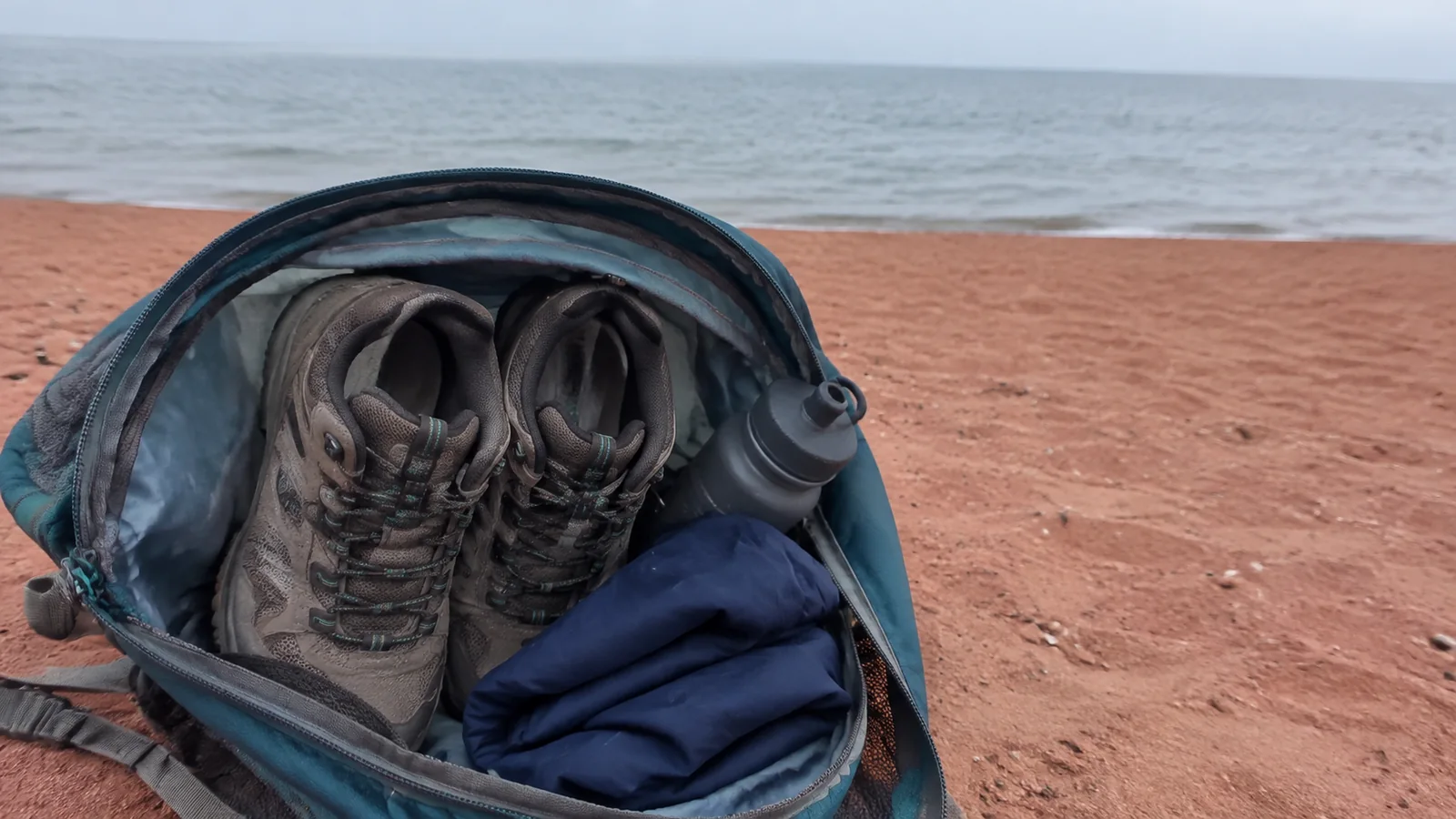
- Secure footwear for sand, shells, and wet rock.
- A dry change of clothes and towels.
- A charged phone, offline map, and power bank.
- Waste bags for every item carried in.
- Any essential medication and a basic first-aid kit.
- A leash, bowl, water, and waste bags for a dog.
Assume there is nowhere to buy food, refill bottles, change privately, or use a toilet at the beach. Pack lightly enough to carry everything without dragging a cart across fragile or unsuitable terrain.
Protect dunes and the neighborhood
Use established paths and keep off dune grass, which helps hold sand in place. Do not carve the soft sandstone, move rocks, leave stacked stones, collect formations, light fires, or abandon biodegradable food scraps.
Keep music and voices low near homes, dress and change discreetly, and leave the road cleaner than you found it. A quiet visit protects residents from bearing the cost of an attraction they did not build.
Build a half-day plan with a backup
My specific backup is Cabot Beach Provincial Park near Malpeque, with a proper park arrival, playground, restrooms, and seasonal supervised swimming. I would choose Cabot from the start with children, limited mobility, a large vehicle, or anyone who needs dependable facilities; confirm the seasonal services for your date.
Check tide, marine weather, coastal alerts, route, daylight, and legal parking before departure. Carry everything needed, arrive during a conservative daylight window, and reassess from the public access before unpacking the group.
Start with a short shoreline walk and turn around while the return remains obvious. Add wading, swimming, or a longer walk only if the surf, temperature, tide, and group genuinely support it.
Choose a managed beach, café, museum, or town stop as Plan B and save its hours and route offline. Kensington, Cavendish, and other Green Gables Shore stops can rescue the day without requiring creative trespassing.
Who should choose Thunder Cove?
Choose Thunder Cove for a low-key coastal walk when lawful access, parking, and conditions are unambiguous. It suits self-sufficient visitors who need no facilities and are content to leave without swimming or finding a particular formation.
Choose a managed beach if anyone needs lifeguards, toilets, accessible infrastructure, equipment, food, or dependable parking. Thunder Cove’s changing shore is beautiful precisely because it is an active coastline, and the best visit respects that it was never arranged for our convenience.