Essential Characteristics of Ecotourism and How to Verify Them
Ecotourism is not any vacation with trees, wildlife, or a reusable water bottle. A credible ecotourism trip is nature-based, educational, deliberately low-impact, useful to conservation, respectful of local rights and culture, and economically meaningful to host communities, with evidence behind those claims.
Start With a Working Definition
UN Tourism defines ecotourism as nature-based travel motivated by observing and appreciating nature and traditional cultures in natural areas. It also includes education and interpretation, usually favors specialized operators and smaller groups, minimizes negative effects, and supports maintenance of natural areas.
Those elements make a practical test, not merely an inspirational slogan. The UN Tourism ecotourism framework separates a genuine conservation-oriented experience from a generic outing marketed with green leaves.
Sustainable tourism is broader because it can apply to a city hotel, convention, beach resort, or rail journey. Ecotourism is a nature-based subset with education and conservation at its core.
Nature tourism simply means nature is part of the attraction. A wildlife drive, reef trip, jungle lodge, or mountain flight may be nature tourism while creating little conservation benefit and substantial disturbance.
1. Nature Is the Core Experience
Real ecotourism begins with an ecosystem, species, landscape, or natural process rather than adding a short nature stop to a conventional package. The itinerary should explain why this place matters and how the activity depends on its ecological character.
That does not require extreme remoteness. An urban wetland walk can qualify more convincingly than a luxury lodge in a rainforest if the walk is carefully managed, interpreted, locally beneficial, and tied to protection.
Ask what habitat you will visit, who manages it, and which rules protect it. “Pristine,” “untouched,” and “hidden” are marketing adjectives, not evidence.
2. Interpretation Changes What Visitors Understand
Education is not a signboard photographed on the way to an animal encounter. Good interpretation connects species, habitat, people, threats, management choices, and visitor behavior in language the group can use.
Look for trained local guides, realistic learning objectives, pre-trip conduct guidance, and time for questions. A guide who explains why the group cannot approach an animal is doing more useful work than one who guarantees a dramatic close-up.
Interpretation should also address uncertainty. Wildlife is not scheduled, ecosystems change, and an honest operator never promises sightings that require baiting, crowding, playback, chasing, or habitat damage.
3. Conservation Receives a Verifiable Benefit
A trip becomes more credible when money, labor, monitoring, or political support reaches conservation with a clear mechanism. That might be a protected-area fee, a contracted contribution per guest, funding for rangers, habitat restoration, research support, or locally governed stewardship.
“A portion of proceeds” is too vague by itself. Ask what amount or percentage is contributed, to whom, for which project, on what schedule, and where recent results are reported.
Conservation claims should not excuse harm built into the activity. Donating after disturbing nests, feeding wildlife, damaging coral, or exceeding trail capacity does not balance the ledger.

4. Negative Impacts Are Prevented, Not Decorated
Low-impact operations limit group size, noise, waste, water use, energy demand, wildlife disturbance, erosion, and pollution before problems occur. The exact controls should match the ecosystem rather than repeat the same “leave no trace” paragraph everywhere.
A reef operator may need fixed moorings, no-touch briefings, secure equipment, and limits on swimmers per guide. A desert camp may need strict water and waste systems, while a nesting beach may require seasonal closures and no nighttime lighting.
IUCN’s protected-area tourism guidance emphasizes that visitor numbers, infrastructure, employment, and services all have consequences. Small groups help, but a stream of small groups can still exceed capacity.
5. Local Communities Gain More Than Entry-Level Jobs
Ecotourism should keep meaningful value in the destination through local ownership, fair purchasing, skilled employment, guiding, food, transport, crafts, and decision-making. Counting one low-paid job while profits and management leave the region is not a convincing benefit.
Ask who owns the operation, how guides are hired and trained, which suppliers are local, and whether wages and working conditions are addressed. A higher trip price is not proof that more money reaches residents.
Community benefit can also include infrastructure, education, conservation finance, land security, or revenue sharing chosen by residents. The community, not the visitor, should define which benefit is useful.
6. Local and Indigenous Rights Shape the Trip
Respect is more substantial than a land acknowledgment or cultural performance. Credible trips use free and meaningful participation, protect sacred and private places, follow photography rules, and do not turn living cultures into scenery.
Ask whether the community helped design the experience, can set visitor limits, controls the story being told, and receives direct benefit. An operator should be able to explain whose land and waters the trip uses without suggesting that a protected area was historically empty.
Traditional ecological knowledge must not be extracted or repackaged without permission. Visitors should follow community protocols even when social media shows others ignoring them.
7. Group Size and Access Match Ecological Capacity
UN Tourism notes that ecotourism is generally, though not exclusively, organized for small groups. The useful principle is not an arbitrary head count but a group size, timing, route, and guide ratio that the place can absorb.
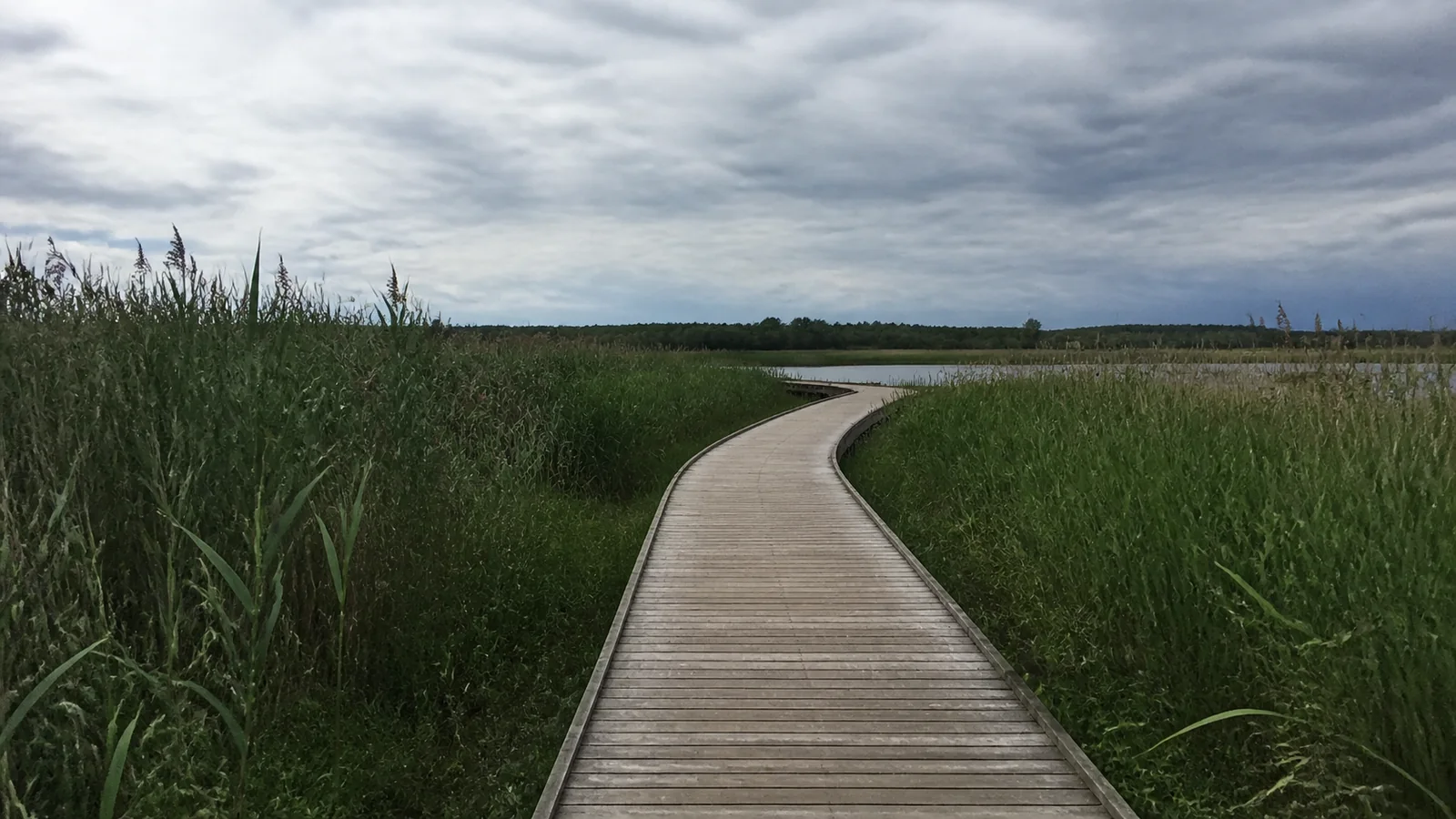
Permits, quotas, rotating sites, seasonal closures, timed entry, and boardwalks can all be signs of responsible management. Restrictions are not failures of hospitality when they protect breeding, recovery, water supply, or resident life.
Ask how the limit was chosen and what happens when demand exceeds it. An operator that adds vehicles, boats, or departures whenever a date sells out may undermine its own conservation claim.
8. Operations Address the Whole Footprint
A solar panel does not erase waste, imported food, excessive water use, staff housing problems, or high-emission transport. Serious operators manage energy, water, purchasing, plastics, sewage, food waste, transport, construction, and emergency procedures together.
The Global Sustainable Tourism Council organizes its current standards around management, community benefits, cultural heritage, and environmental impacts. Its Tour Operator Standard is a useful question bank even when a company is not certified.
Transport matters because reaching a remote place can dominate a travel footprint. Ask about shared transfers, itinerary length, local routing, vehicle efficiency, and credible reduction plans before treating offsets as the first answer.
For marine travel, the same test applies to ship size, wastewater, fuel, anchoring, tender operations, wildlife approach, and port spending. This small-ship cruising guide helps identify the operational questions that a romantic expedition brochure may skip.
9. Results Are Measured and Reported
A responsible business knows what it is trying to improve and tracks outcomes over time. Useful measures can include local purchasing, staff retention, water use per guest, waste diversion, habitat condition, disturbance incidents, community payments, and conservation funds delivered.
Look for recent numbers, methods, targets, misses, and corrective action. A glossy sustainability report filled only with intentions and guest photos is not transparent evidence.
Monitoring should change operations. If wildlife disturbance rises, a credible operator adjusts route, timing, distance, capacity, or season instead of merely recording the problem.
10. Travelers Are Given Real Responsibilities
Ecotourism does not turn the traveler into a passive consumer who bought moral permission. Guests need clear rules on wildlife distance, waste, water, dress, photography, cultural conduct, trail use, purchases, tipping, and reporting problems.
Briefings should happen before the sensitive activity, not after a violation. The operator should enforce rules consistently, including when a guest paid for a premium experience.
Participation can include citizen science or restoration, but those activities need expert design and a genuine local need. Unskilled volunteers handling wildlife, building without oversight, or replacing paid local workers can cause harm while feeling productive.
How Certification Fits
Certification can add independent structure, but logos need verification. GSTC manages global standards and accredits certification bodies; it does not directly certify individual hotels, tours, or destinations.
The current GSTC certification explanation says the accurate shorthand is “certified by a certification body that is GSTC-accredited.” Check the certifier, standard, scope, property or operator name, expiration, and whether certification covers the exact product being sold.
GSTC-Recognized and GSTC-accredited are not interchangeable. Recognition concerns alignment of a standard’s content, while accreditation addresses the certification body’s process and impartiality.
A small community operator may do strong work without affording certification, so absence of a label is not automatic failure. In that case, ask for permits, policies, partnerships, contribution records, staffing information, and recent impact data.
Common Greenwashing Signals
- “Eco,” “green,” or “sustainable” appears without a named standard or measurable practice.
- Wildlife encounters are guaranteed or promoted through touching, feeding, baiting, or close pursuit.
- Conservation donations have no amount, recipient, project, or recent report.
- Local benefit means souvenirs while ownership, wages, purchasing, and leadership remain unexplained.
- A certification logo cannot be found in the certifier’s current directory.
- Carbon offsets receive more detail than fuel, water, waste, capacity, or transport reduction.
- The operator deletes criticism instead of publishing incidents and corrective action.
Beautiful photography and expensive lodging can coexist with good practice, but neither establishes it. Equally, rustic accommodation is not automatically low-impact if sanitation, wages, habitat, or community consent are weak.
Questions to Ask Before Booking
- Who owns and operates this trip, and where does guest spending go?
- What specific conservation result does each booking support?
- What are the group limit, guide ratio, wildlife distance, and closure rules?
- How are local and Indigenous communities involved in decisions and storytelling?
- Which environmental impacts are measured, and where are the latest results?
- Which certification body audited the product, under what standard, and when?
- What happens if weather, wildlife behavior, or a conservation closure changes the itinerary?
The quality of the answer matters as much as the claim. Specific names, figures, dates, documents, and limitations are more credible than instant assurances that everything is “100 percent eco-friendly.”
Apply the Test to Real Destinations
In a destination with government-run nature camps, confirm which community institutions operate each property, how capacity is managed, and what current permits control wildlife access. This Odisha ecotourism planner provides a practical setting for applying those questions.
In Kerala, the same “ecotourism” label can cover forest walks, boat trips, reserves, and community programs with very different governance. Use the options in this Kerala ecotourism guide as candidates to verify, not as interchangeable green products.
Protected-area managers must balance conservation, visitor experience, infrastructure, and local needs rather than maximize arrivals. The IUCN guidance makes that tradeoff explicit and is a useful antidote to destination rankings based only on beauty.
Ecotourism Still Has Tradeoffs
Even a well-run trip consumes energy, generates waste, uses infrastructure, and changes the place through visitor presence. The goal is not a fictional zero-impact vacation but transparent choices that reduce harm and produce defensible conservation and community benefits.
Access limits can raise prices, while cheaper alternatives may spread visits across more people and places. Responsible planning asks who bears each cost, who receives each benefit, and whether local decision-makers accept the balance.
There is also no universal best activity. A boardwalk used by thousands may protect habitat better than scattered “off-the-beaten-path” hiking, and a larger shared vehicle may have less impact per guest than several private transfers.

The Bottom Line
Real ecotourism links nature, learning, conservation, low-impact management, community benefit, cultural rights, appropriate capacity, responsible operations, measurement, and traveler conduct. Remove several of those pieces and the product is probably nature tourism with a greener sales pitch.
Before booking, ask for current evidence and accept that responsible answers often include limits, closures, uncertainty, and fewer promised sightings. Those constraints are usually signs that the destination is being managed as a living place rather than a backdrop.