Argyle Shore Provincial Park: Tide, Beach and Access Guide
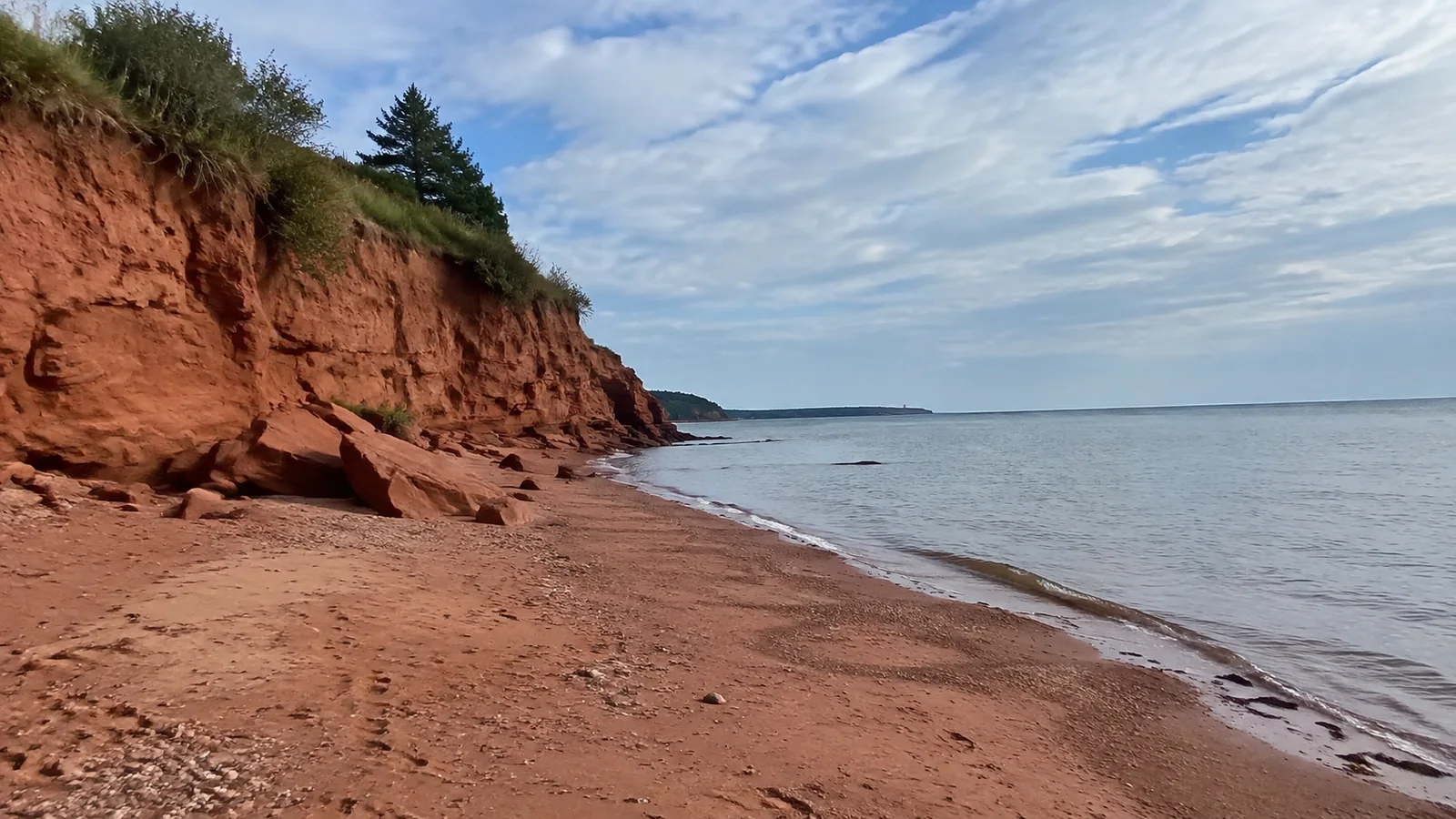
Argyle Shore Provincial Park is not Prince Edward Island’s biggest beach or its most famous one, and that is precisely the charm. Come for a picnic, wide Northumberland Strait views, red shoreline, and low-tide exploring, but know that a long staircase, an unsupervised beach, and a fast-changing tide shape the whole visit.
Is Argyle Shore Provincial Park worth visiting?
Yes, if you want a relaxed PEI south-shore stop with picnic space, a playground, and a tidal beach rather than boardwalks and a full day of programmed activities. It works especially well for families, road-trippers, and anyone staying near Charlottetown or Victoria-by-the-Sea.
It is less suitable for travelers who need step-free beach access, lifeguard supervision, a long sandy swimming beach at every tide, or camping inside the park. Think lovely half-day picnic, not major destination resort.
Argyle Shore quick facts
- Region: Red Sands Shore, facing the Northumberland Strait
- Park type: Provincial day-use park
- Best for: Picnics, tidal exploring, red-shore views, and families
- Beach supervision: None
- Beach access: A long staircase
- Facilities: Picnic facilities, playground, showers, and flush toilets
- Pets: Permitted on leash under current park guidance
- Camping: Not inside this day-use park
Tourism PEI’s official Argyle Shore listing is the best place to reconfirm facilities, contact details, and operating information. Seasonal services can change even when the shoreline itself remains physically accessible.
What the beach is really like
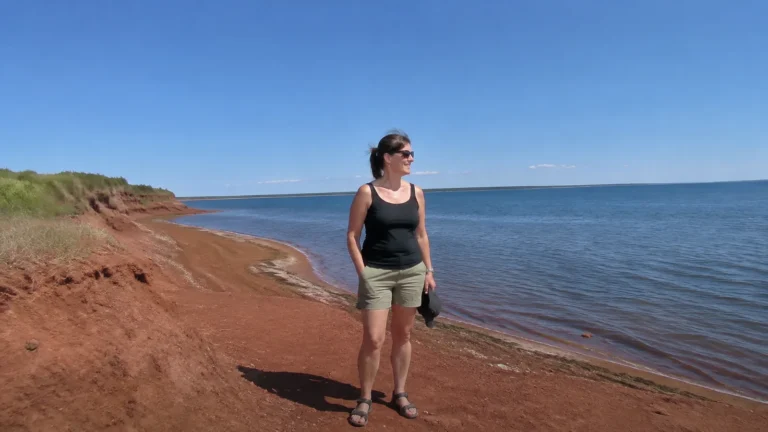
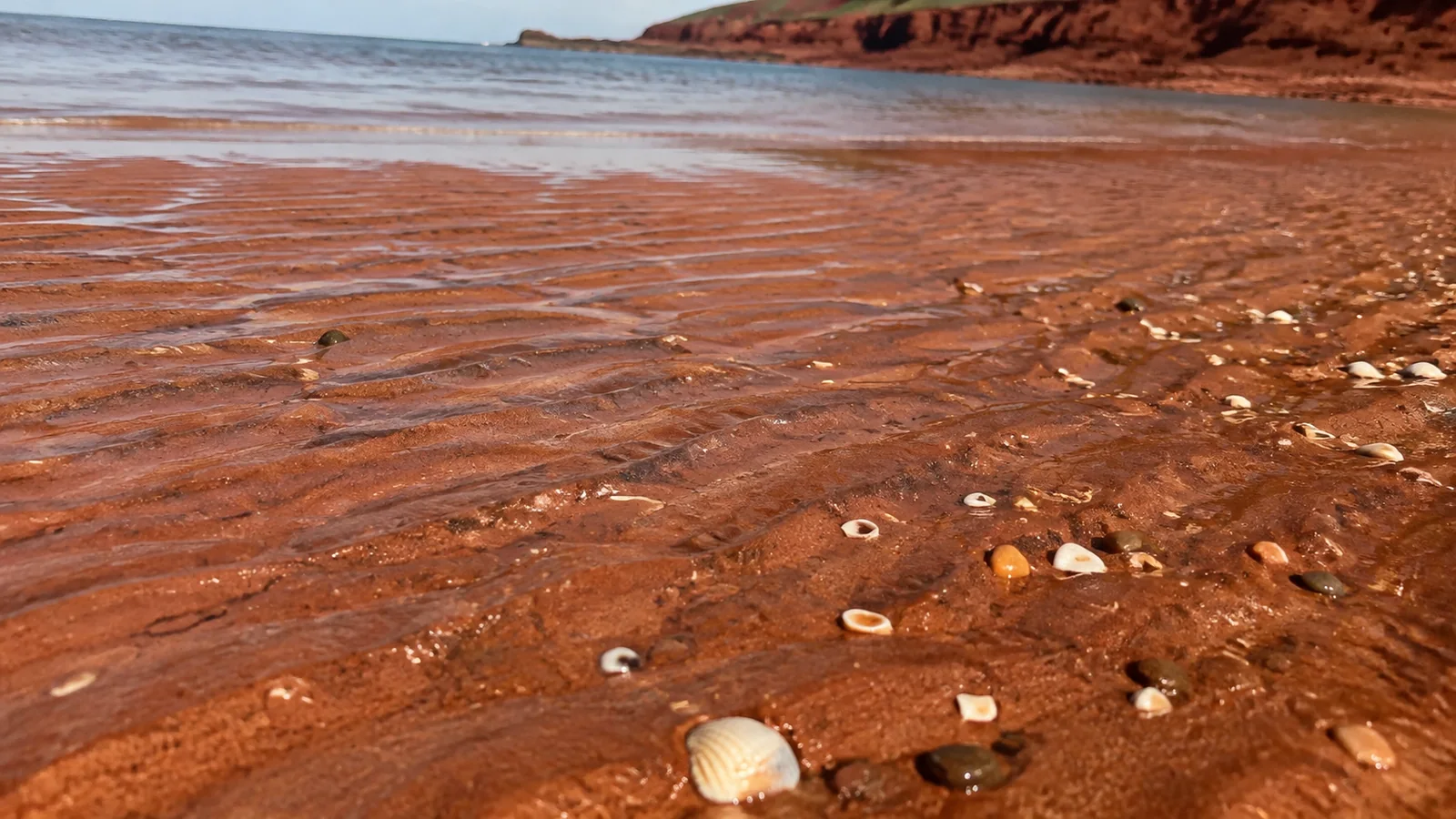
Argyle Shore is a tidal Northumberland Strait beach below PEI’s red coastal landscape. Low tide exposes more room to walk, look into shallow pools, and watch tiny shore creatures, while high tide can leave much less usable beach.
The official description highlights hermit-crab watching and clam digging at low tide. Observe animals gently, return anything lifted to the exact spot, and never take a living creature home as a souvenir.
This is not a broad white-sand beach with a predictable swimming zone. Sand, stones, shallow pools, seaweed, and the amount of exposed shore change with tide and weather.
Water shoes are useful for shells and uneven patches, but they do not make slippery rocks safe. Bare feet can feel delightful on soft sand until the route crosses a sharp shell or hot surface.
Plan around the tide
Low tide is usually the most interesting time for exploring because the beach expands and tidal life becomes easier to see. Arrive before the desired tide stage so parking, unpacking, and the staircase do not consume the best window.
An incoming tide can cover sandbars and the easy return line faster than an absorbed beachcomber expects. Keep the main shore behind you, watch multiple fixed reference points, and move landward early.
Do not use a generic “low tide at noon” note from a post written for another date or harbor. Use an official Canadian tide prediction for a nearby reference station, then remember that local water and weather may differ from the predicted time.
Nearby Canoe Cove is also promoted for low-tide pools and red sand, making it a useful alternative when your drive continues along the south coast. Tourism PEI’s Canoe Cove page likewise tells visitors to check the tide schedule before arriving.

Swimming and water safety
Argyle Shore’s beach is unsupervised, which means no lifeguard is watching the water or setting a flagged swimming area. Calm-looking water can still bring current, wind, cold, sudden depth changes, marine life, and poor visibility.
Swim with another capable person, keep children within immediate reach, and leave the water before anyone becomes cold or tired. Pool toys can drift quickly in offshore wind and should never replace a properly fitted life jacket.
Check current beach reports, weather, wind, and posted notices before entering. Tourism PEI’s beach safety page specifically tells visitors to consider surf conditions and eroding cliffs.
No warning flag does not mean safe conditions at an unsupervised beach. If the water looks rough, murky after a storm, affected by algae, or otherwise questionable, turn the day into a picnic and shore walk.
The staircase and accessibility
A long staircase connects the grassy park area to the beach. Anyone with limited mobility, balance concerns, a stroller, heavy beach gear, or small children should factor the return climb into the decision.
The upper park can still provide open views, lawn, picnicking, toilets, and a playground without descending. Contact the park directly for current accessible parking, restroom details, picnic surfaces, and any assistance needs rather than assuming the beach route is accessible.
Pack so one adult can keep a hand free on the railing. A backpack or small shoulder bag is much safer than carrying a cooler, chair, towels, toys, and toddler in one heroic trip.
Picnicking and family visits
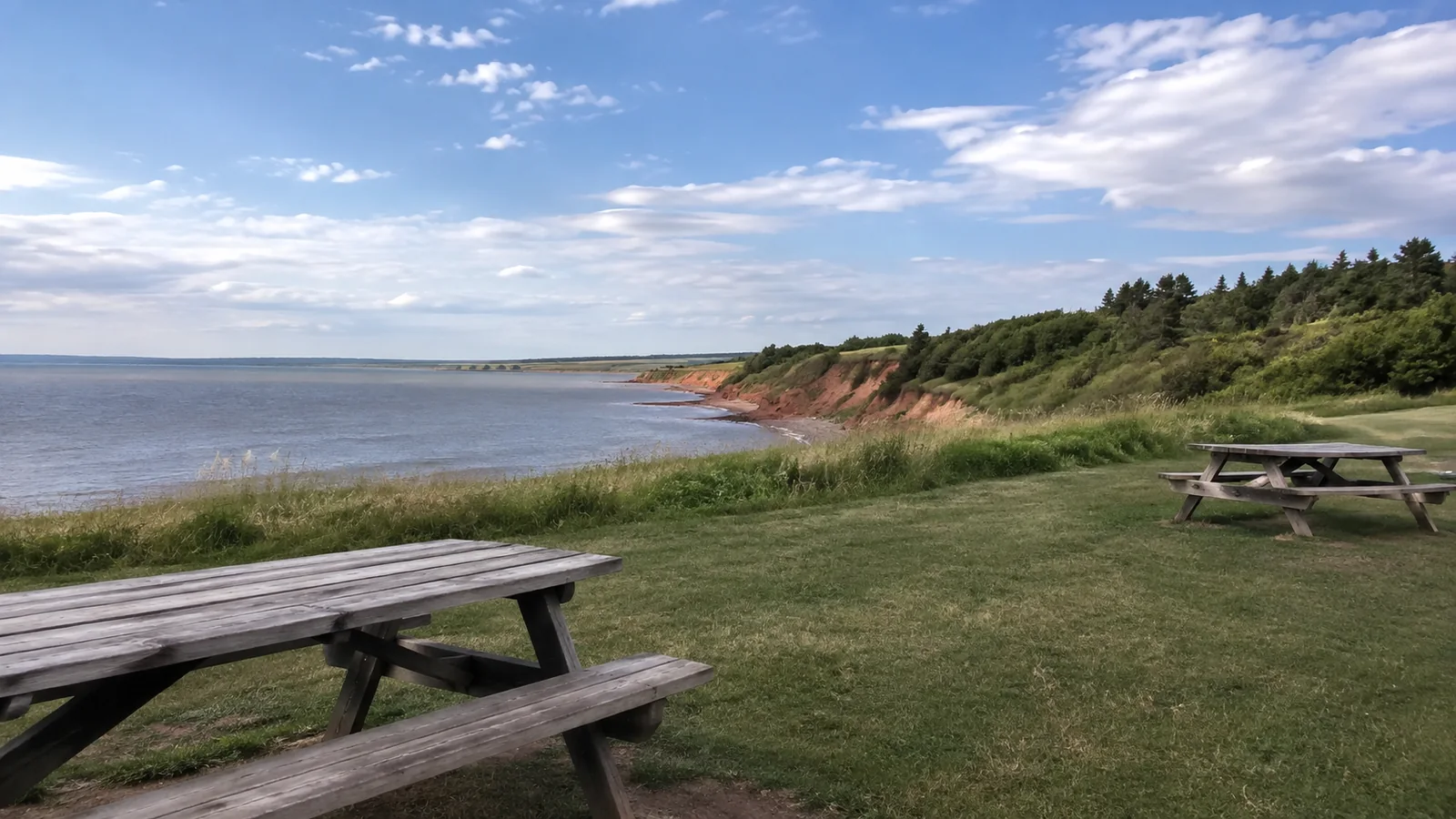
The grassy space and playground make Argyle Shore an easy lunch stop even when the tide is high. Bring food before reaching the park because a day-use beach does not guarantee an operating concession.
Secure lightweight wrappers, napkins, and bags before coastal wind sends them toward the cliff. Pack out waste, leave picnic facilities ready for the next family, and keep food away from wildlife.
For young children, set simple boundaries before descending: stay between two adults, do not climb the cliff, and ask before touching any creature. A bucket for looking is fine when every animal and shell containing life goes back where it was found.
The playground is useful when the beach conditions disappoint. It is also a strategic reward after everyone climbs those stairs without a family mutiny.
Cliffs, erosion, and responsible exploring
PEI’s red coastal cliffs are beautiful because they are soft and actively eroding. Stay back from the top edge, avoid the base where material can fall, and never carve names or climb the face.
Storms and winter freeze-thaw cycles can change a familiar shoreline. Follow barriers and current signs even if an older photo shows people standing somewhere now closed.
Do not remove sandstone, fossils, living shells, or wildlife. Beachcombing should be an act of noticing, not slowly emptying the shore into a tote bag.
Can you dig clams?
The park is known as a low-tide clam-digging location, but finding a clam does not automatically make harvest legal or safe. Seasons, size limits, daily limits, contamination closures, and area-specific rules can apply.
Fisheries and Oceans Canada says recreational harvesters must follow closures and limits, and that cooking does not destroy many shellfish toxins. Check its official clam-harvesting guidance and the real-time shellfish closure map immediately before digging for food.
Never eat an unknown shellfish because the water looks clean. Watching clam siphons or learning with a legal local guide can be more satisfying than turning a beach visit into an unsafe dinner experiment.
Dogs at Argyle Shore
Current Tourism PEI guidance permits pets on leash. Keep the leash short around children, wildlife, picnic areas, stairs, and other dogs, and remove every piece of waste.
Bring pet water rather than letting a dog drink saltwater or from warm tidal pools. Hot sand, sharp shells, heat, and limited shade can make a pleasant human beach day uncomfortable for an animal.
Rules may change with wildlife or operations, so check posted signs on arrival. “Pets permitted” never means a dog can chase shorebirds or investigate every picnic blanket.
Best time to visit
Summer offers the likeliest combination of active facilities and beach weather, along with stronger sun and busier afternoons. A weekday morning can feel calmer, particularly when it lines up with a useful low tide.
Late spring and early fall can be lovely for picnics and shoreline views, but water and air are cooler and seasonal facilities may be reduced. Winter is a scenery stop only when road, parking, cliff, and stair conditions are safely accessible.
Always choose the day from current weather and park information rather than a seasonal average. Fog, wind, rain, smoke, storms, and erosion do not consult vacation calendars.
A simple half-day plan
Arrive 60 to 90 minutes before low tide, use the restroom, and look over the beach from above before carrying gear down. Explore gradually as the shore opens, keeping the stairs and incoming-water route in view.
Return to the lawn for lunch, playground time, and a dry change of clothes. This order keeps sand out of most of the food and avoids hauling a full picnic down and up the staircase.
Finish in Victoria-by-the-Sea for shops, food, or a harbor walk when businesses are open. Tourism PEI describes it as a historic fishing village revitalized by resident artists, but exact business seasons need checking.
What to bring
- Water shoes or sturdy sandals with secure straps
- Sun protection and a wind-resistant layer
- Drinking water and a picnic
- Backpack or easy-to-carry beach bag
- Towels and a complete dry change for children
- Insect repellent for grassy or still-air periods
- Pet water, leash, and waste bags if needed
- Offline tide and weather information
Nearby alternatives
Canoe Cove is another south-shore low-tide choice, while Bonshaw Provincial Park provides forest trails when wind makes the beach unappealing. Victoria-by-the-Sea adds a compact village stop, but its restaurants and shops are seasonal.
For bigger beach planning across the island, this Prince Edward Island beach comparison separates supervised swimming, red-sand shores, and quieter coastal stops. Argyle Shore is a characterful picnic beach, not the answer to every beach-day wish.
Cavendish offers national park services and a very different north-shore setting, explained in this Cavendish Beach planning guide. Farther east, the Panmure Island beach and campground guide suits travelers looking for camping and a longer strand.
Argyle Shore FAQs
Is there an admission fee?
The official listing identifies Argyle Shore as a day-use provincial park but does not currently display a fee in its main description. Confirm current admission and seasonal operation before driving, especially outside summer.
Can you camp in the park?
No campground is listed inside Argyle Shore Provincial Park. Nearby private camping exists, but it is a separate business with its own reservations, fees, and policies.
Is the beach good at high tide?
The view and upper picnic area remain appealing, but high tide can leave less shore to explore. Low tide is usually the better choice for tidal pools and beach walking.
How long should you stay?
Two to four hours is enough for low-tide exploring, a picnic, and playground time. Stay longer only if conditions are comfortable and your tide plan leaves a safe route.

Final thoughts
Argyle Shore is worth stopping for when you want PEI at its simplest: red coast, broad water, a picnic, and tiny creatures revealed by the tide. Its appeal comes from slowing down, not from a long attraction checklist.
Check the tide, respect the cliff, treat the unsupervised water seriously, and carry beach gear with the staircase in mind. Do those four things and this modest park can become one of the sweetest afternoons on the Red Sands Shore.