Elliston’s Root Cellar Row: History, Route and Puffin Pairing
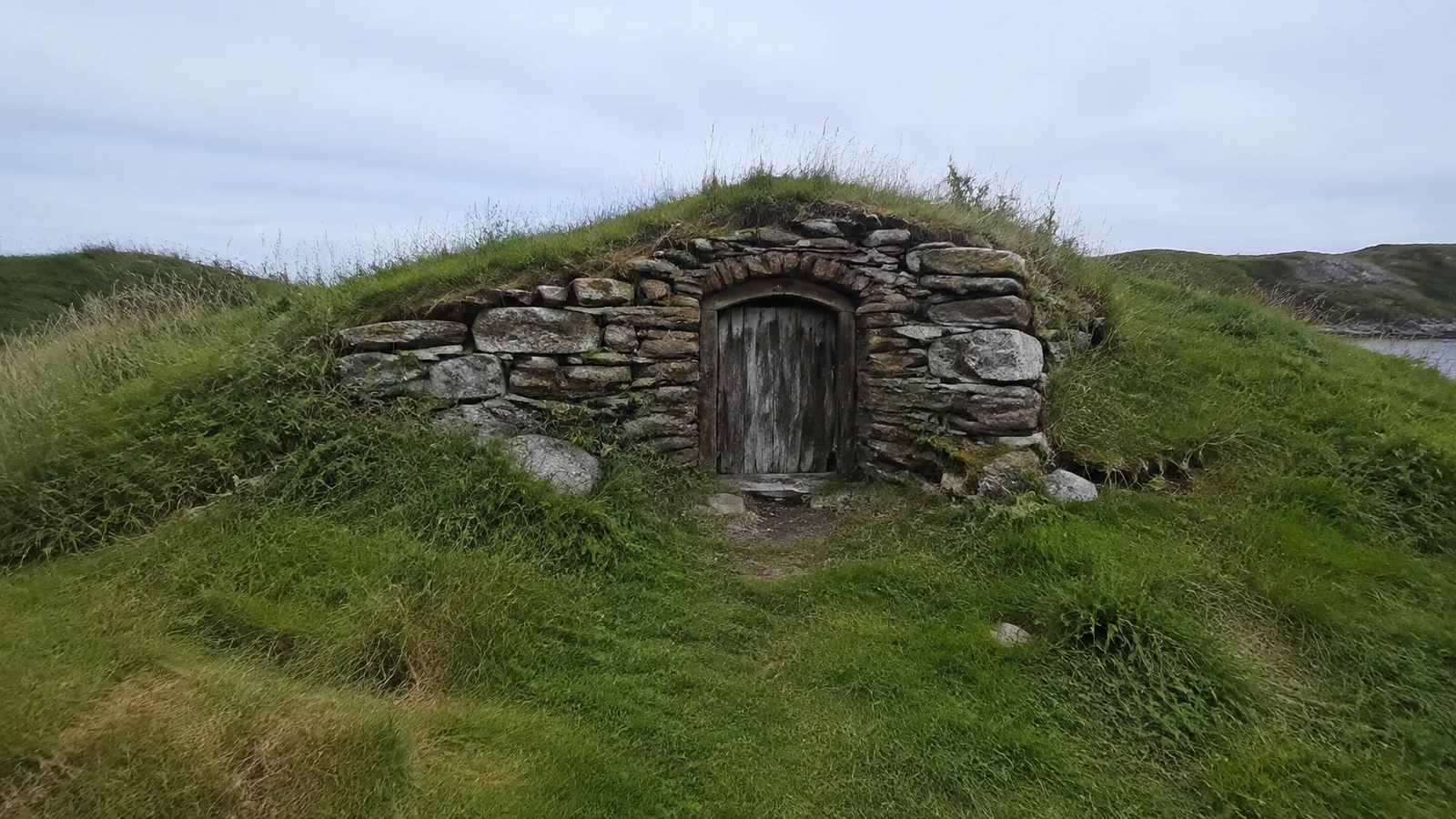
Elliston’s root cellars look like grassy hills with wooden doors, but they tell a bigger story about food, winter, geology, and cooperation in coastal Newfoundland. More than 130 documented structures are scattered through the community, with an especially useful cluster near Sandy Cove Road, so here is how to see them respectfully and pair the stop with Elliston’s coastline.
Why Elliston is known for root cellars
Elliston calls itself the Root Cellar Capital of the World because so many traditional food-storage structures survive in a compact community. Provincial tourism information says more than 130 cellars dot the landscape, while the Discovery UNESCO Global Geopark currently documents 133.
That small difference is not a contradiction worth turning into a scoreboard. Cellars are privately owned working structures, restored heritage features, and aging landscape elements, so an exact count can depend on condition and documentation date.
The official provincial attraction listing describes the Sandy Cove Road site as free and seasonal. Its 2026 listing ran from May 30 through October 31, but travelers should confirm current dates and visitor services for their own year.
What “Root Cellar Row” means
Root Cellar Row is a convenient way to describe the visible cluster travelers encounter around Sandy Cove Road, not a promise that every Elliston cellar stands on one formal pedestrian street. The structures are distributed around town and toward the puffin-viewing area.
Use the attraction coordinates or town map, park only in designated areas, and follow interpretive signs. Do not pull into a private driveway or open an unmarked cellar because its door looks photogenic.
The experience is more like a short heritage landscape walk than a conventional museum. Weather, uneven ground, working properties, and seasonal interpretation shape what you can see.
How root cellars worked
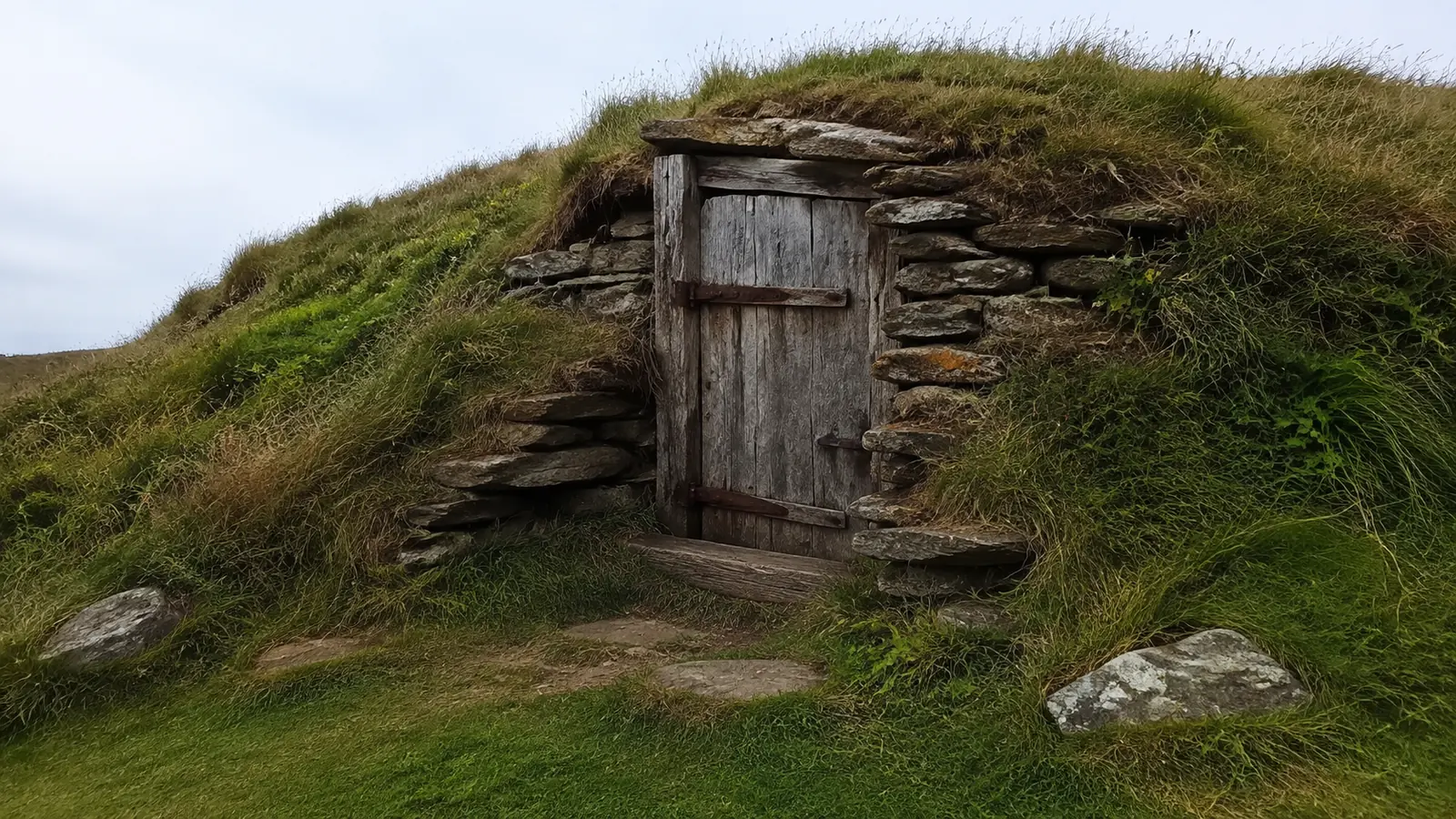
A root cellar uses earth, stone, controlled ventilation, and the buffering effect of the ground to reduce temperature swings. In Elliston, it kept harvested vegetables cool in summer and protected them from freezing through long winters before electric refrigeration was ordinary.
Potatoes, carrots, turnips, and other produce could be stored rather than consumed immediately. Moisture helped prevent rapid drying, while drainage and airflow were essential because excess damp, frost, and rot could ruin a winter supply.
The provincial travel story about Elliston’s cellar tradition explains that construction could take three to four weeks and often involved neighbors, friends, and family. The structures therefore represent food security and shared labor, not merely quaint architecture.
Why the geology matters
Cellars belong to the landscape because builders worked with materials and soil conditions available nearby. The Discovery Geopark’s Elliston geosite connects local flagstone, stony soil, gardens, seaweed, fish remains, and stored harvests into one system.
Families enriched difficult garden soil with kelp and nutrients from fisheries, then stored the crop in stone cellars. That is a far more interesting story than treating the structures as Newfoundland’s answer to fantasy houses.
The geosite sits within the wider Discovery UNESCO Global Geopark on the Bonavista Peninsula. Respect signs, leave stones and fossils in place, and do not climb over a cellar roof to get a higher camera angle.
A short history of the collection
Tourism Elliston documented 135 root cellars in 1999 and built a database that included age, ownership, use, condition, and renovation information. Its community history says the oldest identified cellar dated to 1839 and that roughly 55 percent were more than a century old at the time of research.
More than 40 cellars were restored around 2000 and 2001 with knowledge from older community members. Elliston adopted its Root Cellar Capital identity in 2000, turning practical local heritage into a reason for visitors to stop and support the community.
Some cellars remain in working condition, and some families still use them. That living use is why doors, contents, and property boundaries deserve the same respect you would give any resident’s shed or pantry.

Getting to Elliston
Elliston sits near the tip of the Bonavista Peninsula on the island of Newfoundland. From Route 230, take the Elliston turnoff onto Route 238, then follow signs toward town, Sandy Cove, and Maberly.
Newfoundland and Labrador Tourism estimates roughly three hours from Gander and the Argentia ferry, and about three and a half hours from St. John’s. Those are planning estimates, not deadlines, because fog, rain, construction, wildlife, and slow coastal roads can add time.
Elliston belongs in a Bonavista Peninsula stay rather than a rushed dash from the capital and back. A broader Canada road-trip plan should treat Newfoundland’s driving scale honestly and protect full days for this region.
Where to begin
Start with the Elliston visitor information point or the signed Sandy Cove Road attraction area when it is operating. A current town map helps separate root cellar sites, the puffin path, Sandy Cove Beach, the memorial center, dining, and municipal facilities.
Ask which cellars are intended for public viewing and whether any interiors are open. Seasonal hours, special events, maintenance, and private use may change what was available in an old photograph.
If no staffed facility is open, limit your visit to clearly marked public routes and exterior viewing. The landscape still makes sense when you read signs slowly and notice how each cellar sits into a slope.
A practical root cellar walking route
Allow 45 to 90 minutes for the cellars alone, depending on weather, mobility, photography, and how much interpretation is available. Begin around Sandy Cove Road, follow the signed cluster, then return to your vehicle before continuing separately to the puffin site or memorial.
Do not measure success by the number of doors photographed. Compare stonework, roof shape, orientation, drainage, vegetation, and the transition space that helped reduce sudden temperature changes.
Wear shoes with grip because grass, mud, stone, and roadside shoulders can be wet even when rain has stopped. A windproof layer matters more than a stylish outfit in this exposed coastal setting.
Respect private and working cellars
A cellar with no public sign should be treated as private. Do not unlatch it, peer through gaps, sit on the roof, pick vegetation, rearrange stones, or stage children and pets on the structure.
Even a restored cellar can have unstable surfaces, dark steps, low clearance, damp floors, and limited ventilation. Enter only where an operator explicitly invites visitors and follow any capacity or accessibility instructions.
Drone use can affect privacy, birds, and visitor experience, and it may be restricted by landowner or aviation rules. A ground-level photograph from the public route tells the story without turning homes and wildlife into a film set.
Accessibility and comfort
Root Cellar Row is a landscape experience, so surfaces and slopes matter more than a simple “open” label suggests. Ask the visitor center about parking proximity, firm surfaces, grades, seating, washrooms, interior thresholds, and the shortest representative route.
A traveler who cannot enter a low stone structure can still view exteriors and interpret how the cellars meet the land. Binoculars or a zoom lens can reduce unnecessary walking while preserving the visual details.
Wind, cold, and rain may be the larger barrier for some visitors. Keep a warm layer, waterproof shell, medication, and dry footwear in the vehicle even on a bright summer morning.
Pair the cellars with Elliston’s puffins
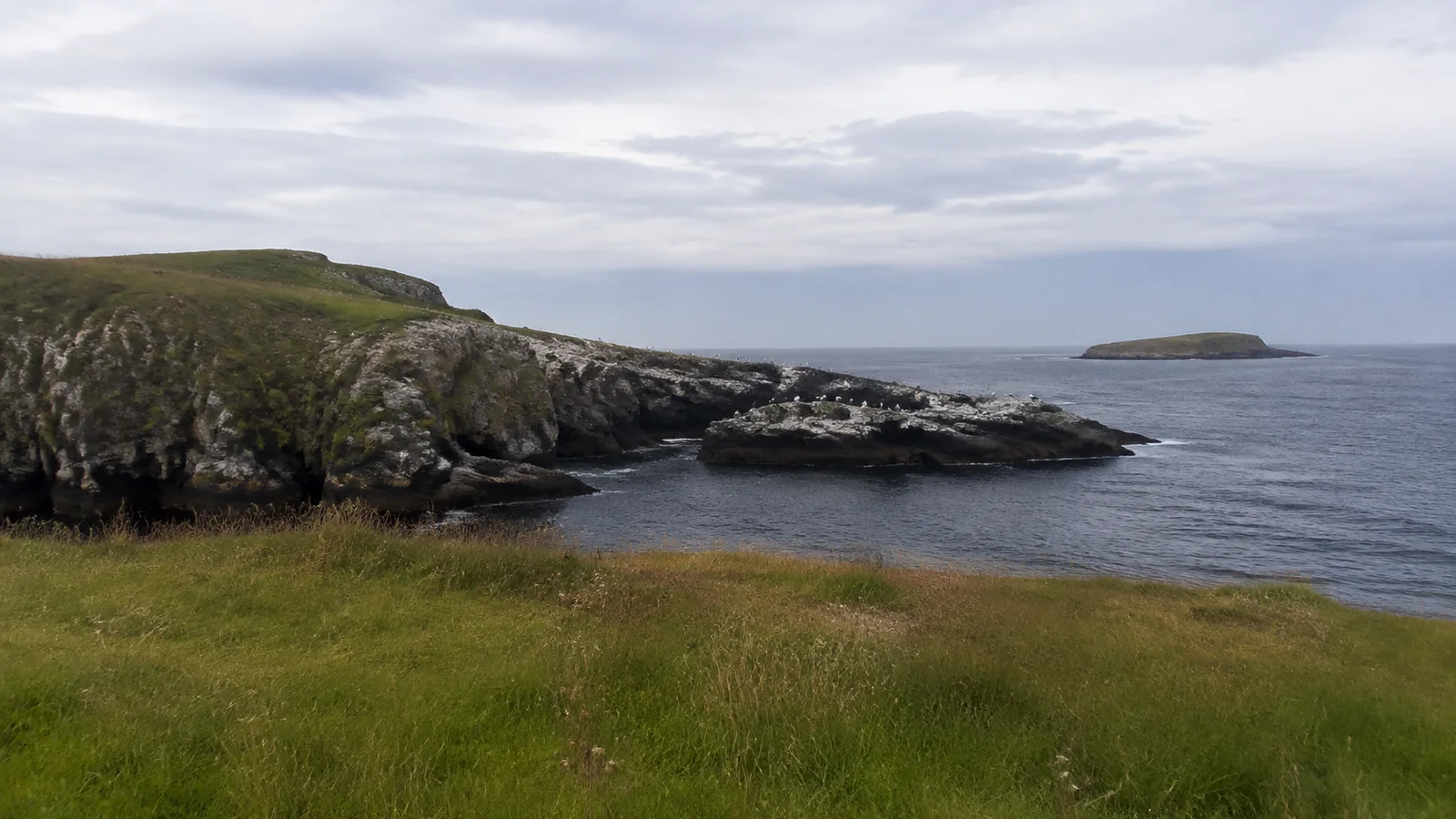
The Elliston Puffin Viewing Site is on Maberly Road and is a separate stop from the root cellar attraction. Newfoundland and Labrador Tourism lists a short walk to a land-based viewing area facing the nesting island, with donations appreciated.
The official puffin-site listing says birds generally return around mid-May and may leave from mid-August into early September. They are wild, so presence, numbers, and proximity can never be guaranteed.
Stay back from cliff edges, keep to the established path, and never touch, feed, chase, call, or block a puffin. Bring binoculars or a telephoto lens rather than treating a close photograph as something the bird owes you.
Fog and strong wind can reduce visibility and make exposed edges more dangerous. Skip the viewpoint when conditions or your balance make the approach uncomfortable, because the root cellar experience can stand on its own.
Do not promise yourself every wildlife sighting
Elliston may also offer whales, seabirds, and passing icebergs in their respective seasons, but none appears on demand. The Town of Elliston’s visitor page describes these possibilities without replacing day-specific weather and wildlife information.
Keep wildlife time flexible and enjoy the cellar history regardless. A visit built around culture, geology, and community is much more resilient than one that succeeds only if a whale breaches beside an iceberg.
Add Sandy Cove Beach carefully
Sandy Cove Beach sits near Elliston Municipal Park and can provide a scenic break after the cellars. Treat it as a cold Atlantic beach with changing surf, wind, fog, and seasonal facilities rather than a guaranteed swimming stop.
Check local signs and weather before entering the water, supervise children closely, and do not swim alone. A beach walk or picnic is often the better plan on a cool or rough day.
Municipal camping is separate from the root cellar attraction. Reserve through the town’s current system and confirm hookups, check-in, washrooms, tent areas, fire rules, and cancellation terms for the specific season.
Visit Home from the Sea with time to listen
The John Crosbie Sealers Interpretation Centre and seaside memorial address the history and cultural context of sealing in Newfoundland and Labrador. It is not a quick nautical-photo stop because the subject includes loss, labor, family, and survival.
Check current opening days and admission before arriving, then allow enough time for exhibits and the memorial. Pairing it with the root cellars creates a fuller picture of how food, weather, ocean work, and community shaped life in Elliston.
Build an Elliston half-day
Begin with the visitor information point and cellars while the light and weather are favorable. Pause for a local meal or picnic, then choose either the puffin site or the interpretation center based on season, conditions, and interest.
Allow at least three to four hours if you want both heritage and coastline without hurrying. Add more time for the beach, a festival, a long museum visit, or patient wildlife observation.
Staying on the peninsula gives you the best flexibility. You can move the exposed puffin walk to a calmer morning and keep the root cellars or indoor interpretation for mixed weather.
Connect Elliston with Bonavista and Trinity
Bonavista is the natural nearby town pairing, while Trinity and Port Union fit a longer Discovery Geopark route. Choose two or three meaningful stops per day instead of racing between every headland, lighthouse, museum, and trail.
The same pacing principle applies across Atlantic Canada. A Fundy coastal road trip also works best in geographic modules rather than as a single giant list.
If you are comparing broader regional landscapes, this New Brunswick travel overview shows how another Atlantic province combines coast, parks, communities, and heritage. Keep Newfoundland as its own trip or substantial route segment rather than a casual add-on.
Best time to visit Elliston’s root cellars
June through September offers the strongest combination of visitor services, longer daylight, and nearby attractions. Summer also brings more travelers, festival dates, and the need to reserve lodging early.
Late spring and fall can be rewarding for the cellars when the official attraction is operating, but wind, rain, cold, and shortened services require flexibility. The root cellars do not depend on puffin season, which gives heritage-focused travelers a wider window.
Winter is not a casual substitute for summer access. Snow, ice, closed facilities, limited daylight, road conditions, and emergency response all deserve specific local confirmation.
What to bring
- Waterproof walking shoes with traction
- Windproof and waterproof outer layer
- Warm midlayer, hat, and light gloves even in summer
- Water, snacks, and any essential medication
- Downloaded map and charged phone
- Binoculars for the puffin site
- Camera with a zoom lens and secure strap
- Small amount for donations where appropriate
Leave heavy wheeled luggage, loose umbrellas, drones, and delicate footwear at your lodging. Elliston rewards a compact setup that can handle wind and wet ground.
Elliston root cellar FAQ
Is Root Cellar Row free?
The provincial 2026 listing described the attraction as free, but other Elliston sites may request donations or charge admission. Confirm current details and support locally operated facilities when you can.
Can I go inside a root cellar?
Only enter a cellar clearly designated and open for visitors. Most structures should be treated as private or exterior-only unless staff or signs say otherwise.
How many root cellars are in Elliston?
Current official sources describe more than 130 documented cellars, with the Discovery Geopark listing 133. The exact count can vary with the source and documentation date.
Can I see the root cellars and puffins together?
Yes, they are easy to combine in one Elliston visit, but they are separate attractions with different locations, seasons, safety concerns, and operating details. Give the combination at least a half-day.
Is Elliston a day trip from St. John’s?
It is physically possible, but provincial tourism estimates about three and a half hours each way before stops. Staying on the Bonavista Peninsula creates a far better visit and protects you from a seven-hour driving day.

Why the root cellars deserve more than a quick photo
Elliston’s cellars are compelling because they join humble design with hard climate, local stone, subsistence gardens, and cooperative labor. They are not a novelty pasted onto the landscape; they grew from the needs of the people living there.
Walk slowly, read the interpretation, respect private structures, and leave time for one wider Elliston story. The little wooden doors make better memories when you understand what they protected.