20 Most Beautiful Islands in the World You Have to See
The most beautiful islands in the world are not all white sand and leaning palm trees.
Some are wrapped in ancient forest, some rise violently from the sea, and others are so brilliantly blue that the water barely looks real.
1. Yakushima, Japan
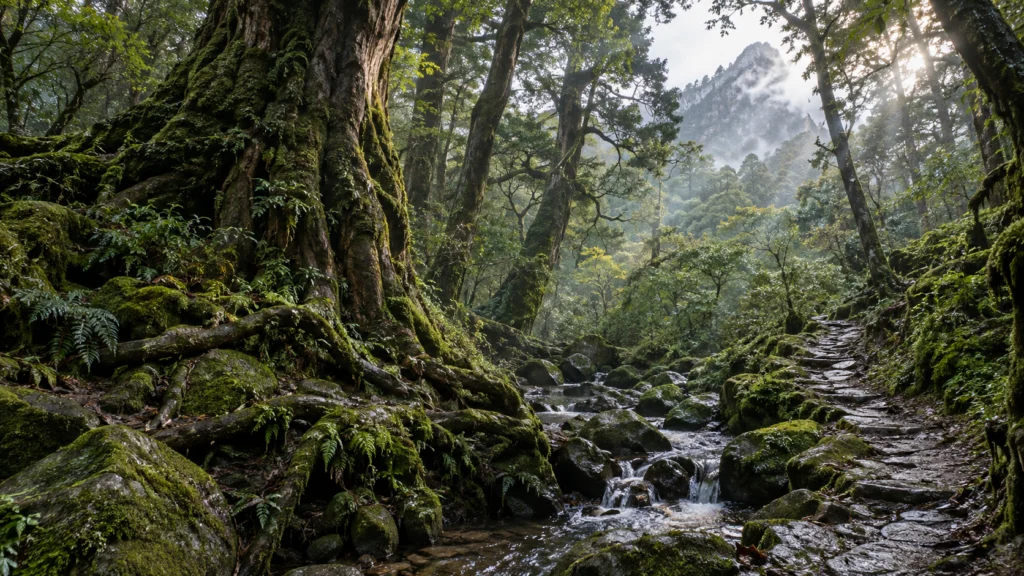
Yakushima looks like the kind of forest people invent for fantasy movies.
Ancient cedar trees disappear into curtains of moss, enormous roots twist across the forest floor, and almost every rock, branch, and fallen trunk seems to have something green growing over it. Rain is part of the beauty here, turning the island into an incredibly lush world of dripping leaves, rushing streams, and mist moving between the trees.
Some of Yakushima’s famous cedars are extraordinarily old, but the smaller details are just as beautiful. Ferns crowd the forest floor, shafts of sunlight occasionally break through the canopy, and moss softens nearly everything it touches.
Away from the forests, Yakushima has a rugged coastline, mountain peaks, waterfalls, and rivers running toward the sea.
If tropical islands are usually about bright colors and open horizons, Yakushima is the opposite. Its beauty feels quiet, mysterious, and almost prehistoric.
2. Bora Bora, French Polynesia
There are places that look better in photographs than they do in real life. Bora Bora seems almost designed to prove the opposite can happen.
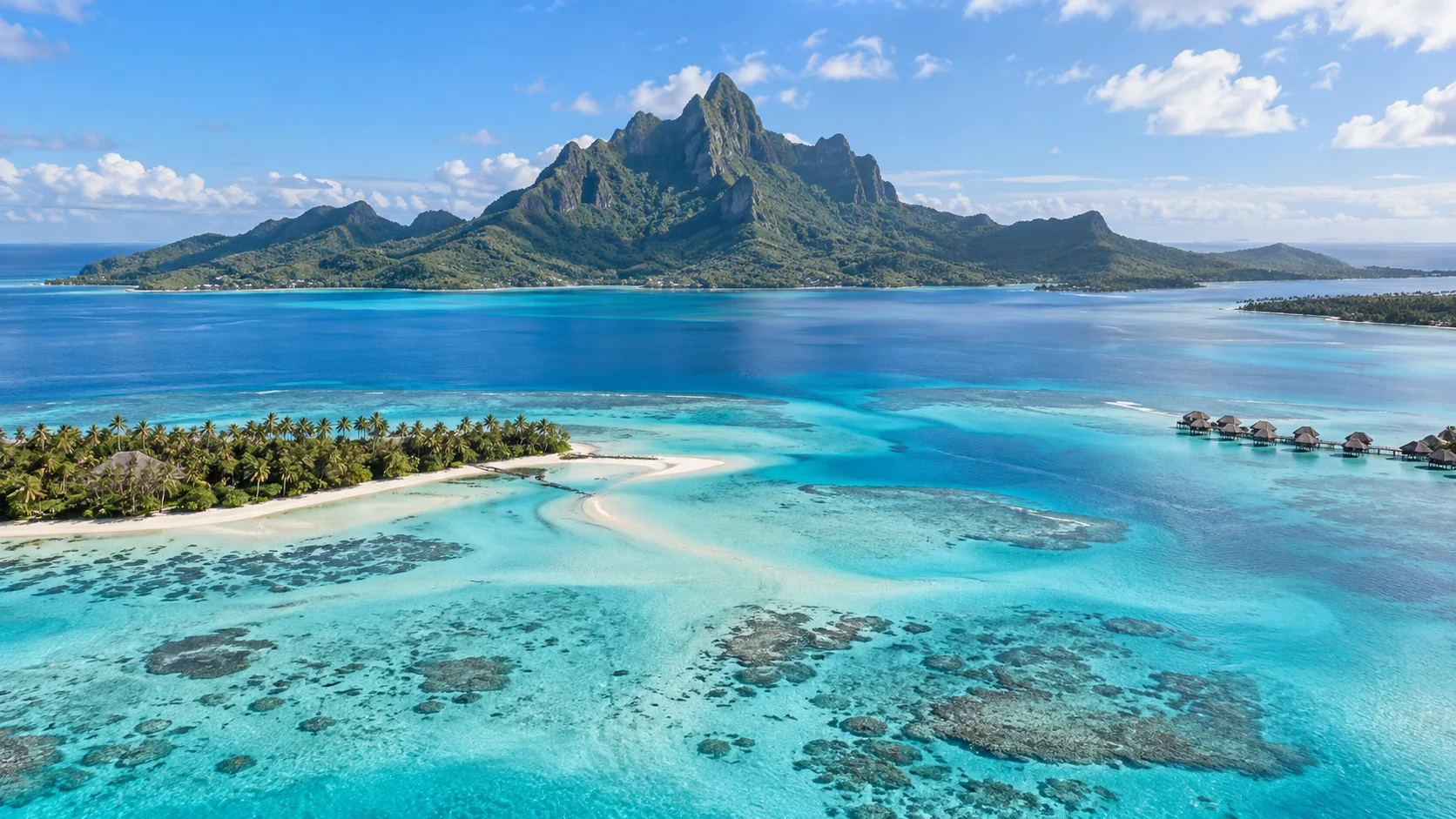
Mount Otemanu rises dramatically from the middle of the island while a huge lagoon surrounds it in layers of turquoise, aquamarine, pale blue, and deep Pacific navy. Tiny palm-covered motu sit around the reef, making the entire island look like someone’s exaggerated idea of paradise.
The lagoon is the star.
From above, sandbars and coral create changing patches of color beneath the water. At sea level, the mountain seems to follow you around the lagoon, appearing behind beaches, bungalows, boats, and stretches of unbelievably clear water.
Bora Bora is famous for overwater villas, but even without them, the setting would be extraordinary.
This is the island I picture when someone says “once-in-a-lifetime tropical paradise.”
3. Madeira, Portugal
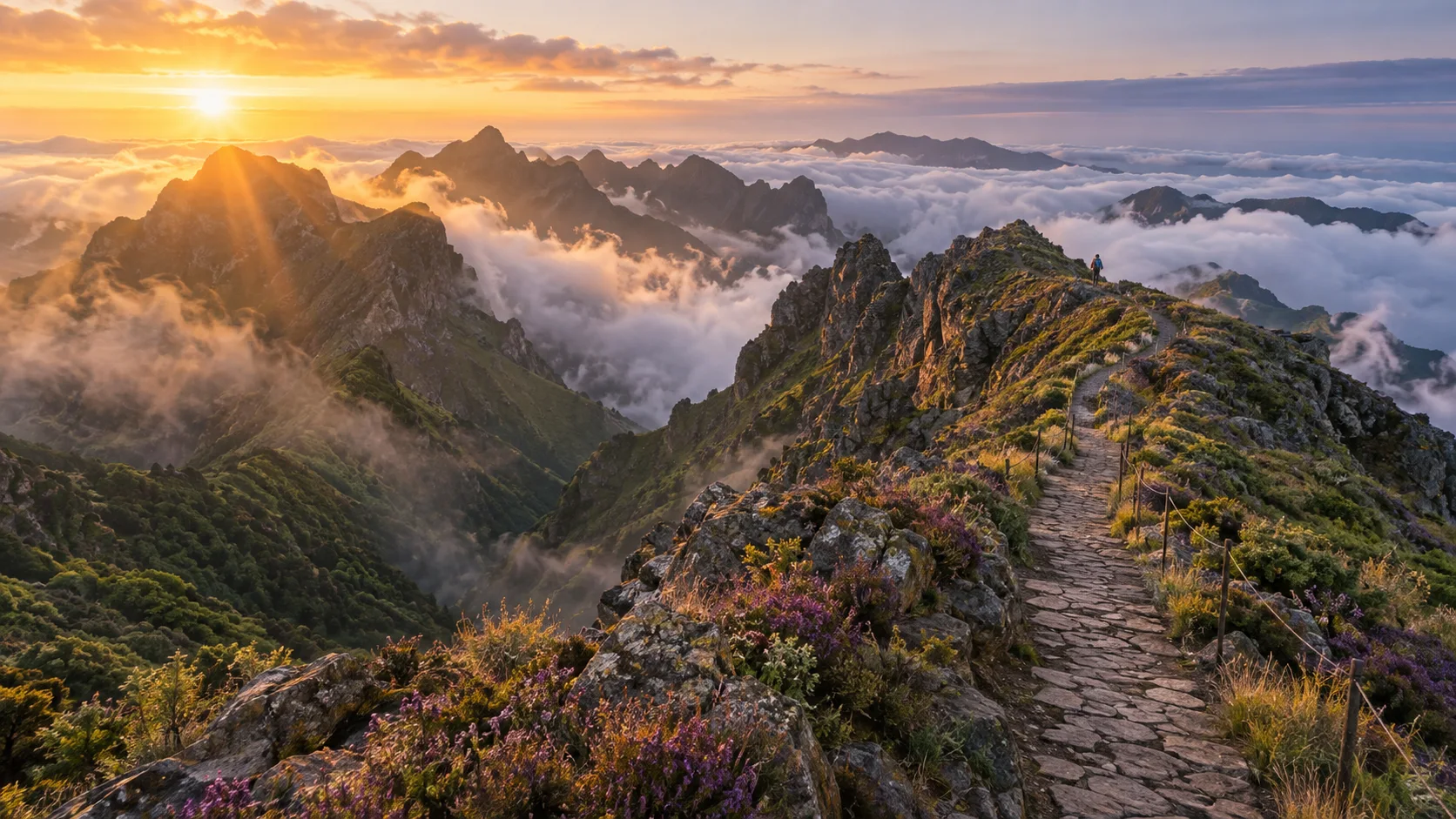
Madeira looks like someone pushed a mountain range straight out of the Atlantic and then covered it with flowers.
Steep green slopes drop toward the ocean, villages cling to hillsides, and roads curl through valleys that seem far too dramatic for such a small island. Higher up, jagged mountain ridges rise above clouds while lower elevations are filled with gardens, banana plants, waterfalls, and dense forest.
One of Madeira’s greatest treasures is its Laurissilva forest, a surviving area of ancient laurel forest that gives parts of the island an almost primeval atmosphere.
Then there are the levadas.
These narrow irrigation channels cross some of Madeira’s most beautiful countryside, passing through green valleys, forests, tunnels, and waterfall-filled landscapes.
Madeira is not beautiful in one particular spot. It feels as though the entire island was built vertically to make every road, trail, and viewpoint more dramatic.
4. Palawan, Philippines
Palawan has the kind of scenery that makes ordinary tropical islands look restrained.
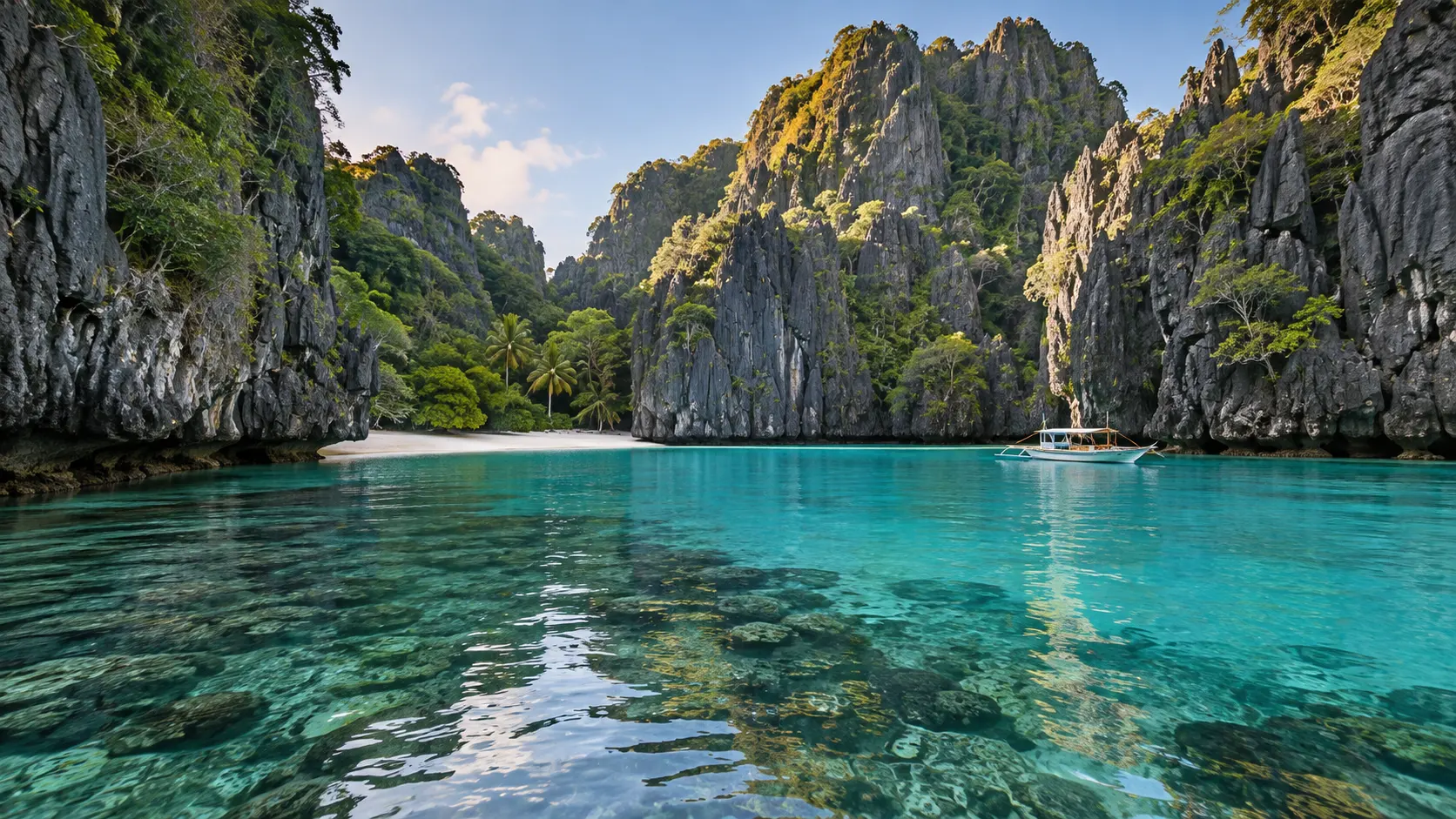
Around El Nido, enormous limestone cliffs shoot almost vertically out of turquoise water. Jungle spills over their tops, tiny beaches appear between the rocks, and narrow openings lead into lagoons hidden behind towering stone walls.
The scale is what makes the landscape so striking. Boats that seem large at the dock become tiny specks once they are floating underneath the cliffs.
Big Lagoon is one of Palawan’s most famous scenes for good reason. The water narrows between limestone walls before opening into a calm lagoon surrounded by sheer rock and greenery.
Elsewhere around the province, reefs, beaches, lakes, shipwrecks, and hundreds of islands create an almost endless collection of seascapes.
Few places capture the fantasy of island-hopping quite like Palawan.
5. Isle of Skye, Scotland
Not every beautiful island needs palm trees.
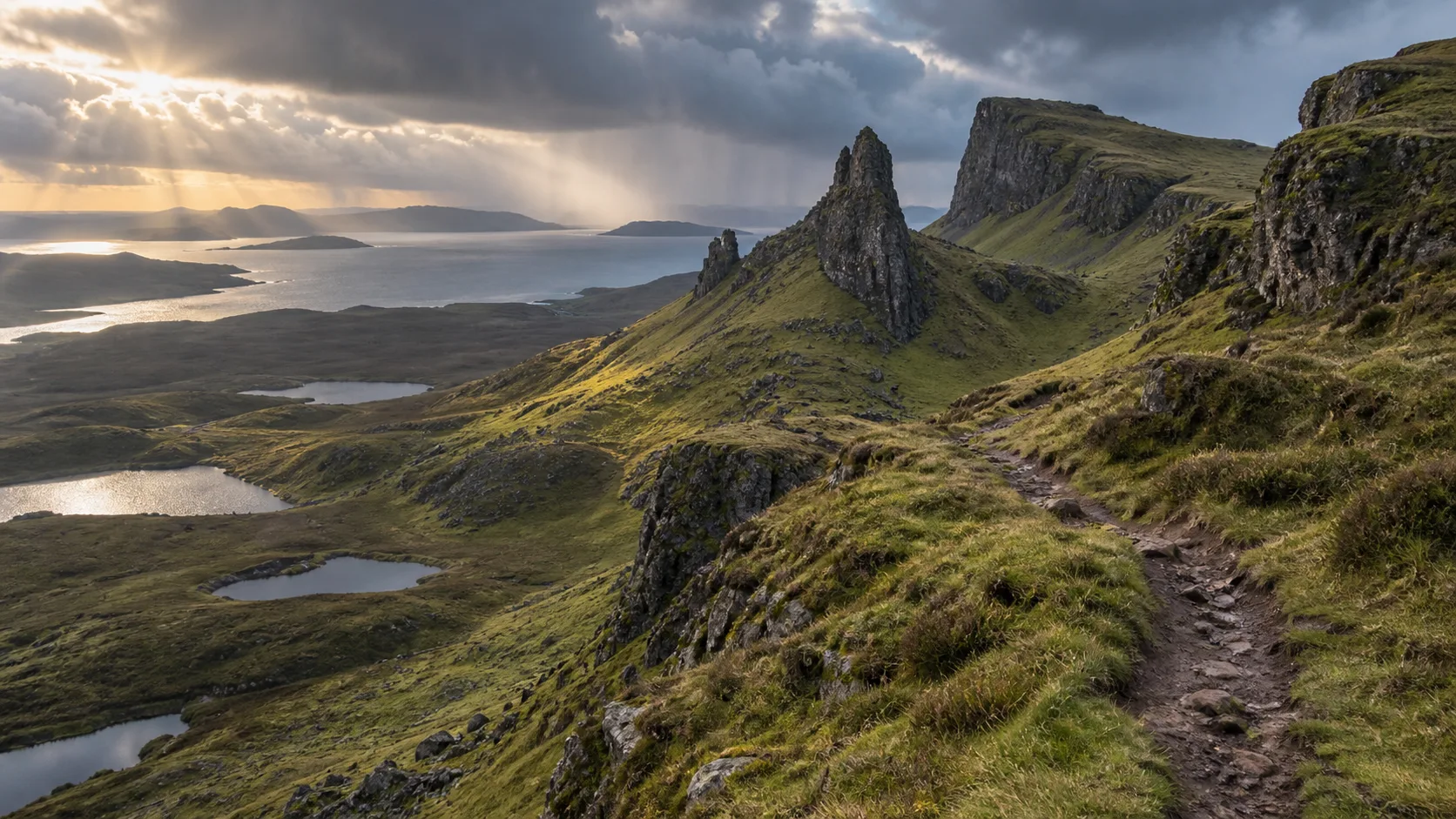
The Isle of Skye is wild, windswept, dark, and wonderfully moody. Jagged mountains rise behind green hills, sea cliffs disappear into mist, waterfalls tumble through rocky landscapes, and narrow roads twist through scenery that looks different every time the clouds move.
The Old Man of Storr is one of Skye’s most recognizable formations, with tall rock pinnacles standing against sweeping slopes and open sky.
Then there is the Quiraing, where landslips created an extraordinary landscape of cliffs, plateaus, rock towers, and steep green ridges.
Even Skye’s gloomy weather can make it more beautiful. Fog wraps around mountains, bursts of sunlight illuminate distant hills, and rain leaves the landscape glowing green.
It feels less like a polished vacation island and more like the edge of an old story.
6. The Maldives
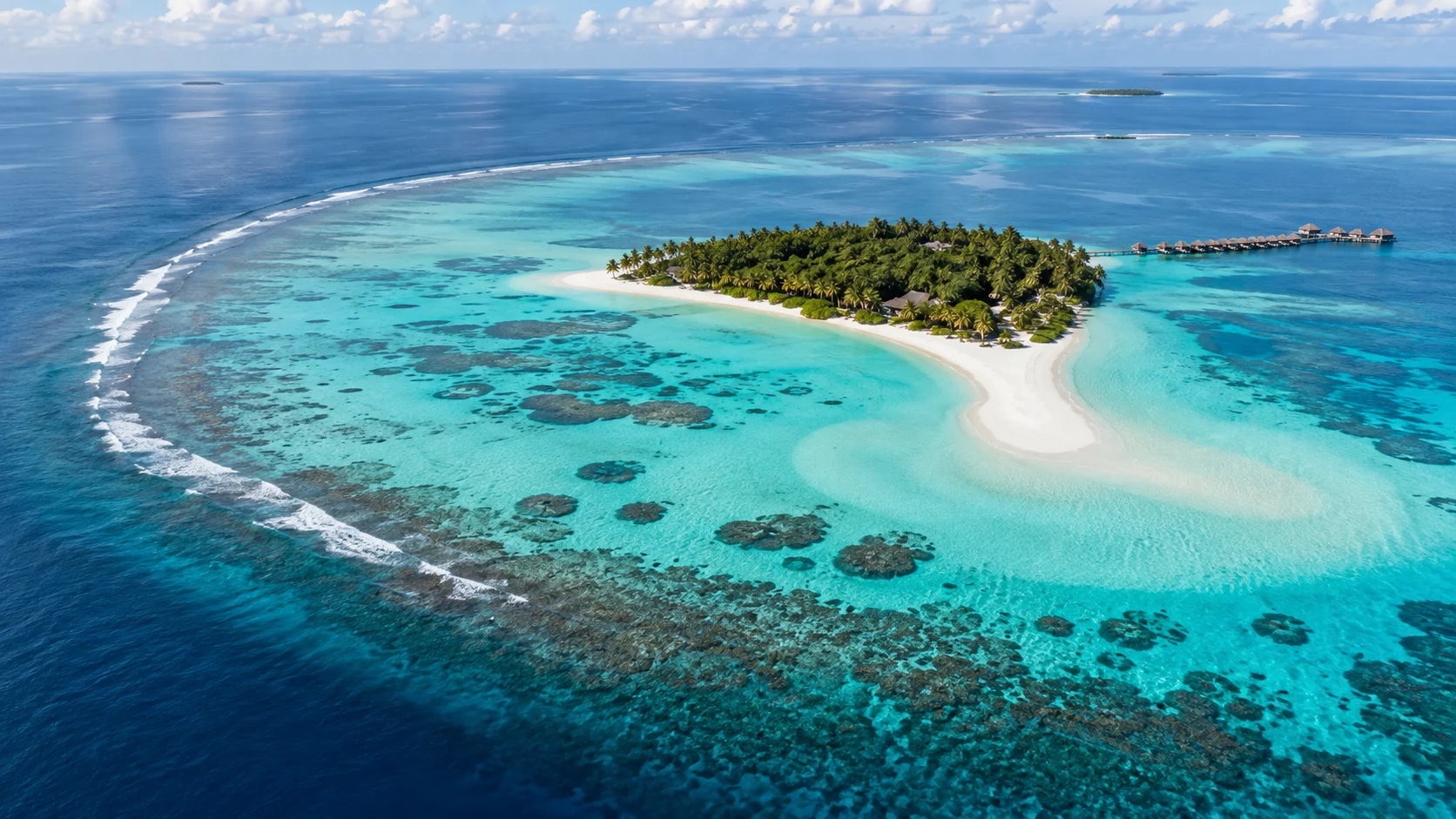
From the air, the Maldives barely looks real.
Tiny islands sit inside enormous rings of coral, surrounded by water that changes from nearly transparent to brilliant turquoise before dropping into the deep blue Indian Ocean. Sandbanks appear like brushstrokes across the lagoon, and some islands are so small that you can see both sides at once.
The Maldives is actually a vast archipelago of low-lying coral islands grouped into atolls.
That geography creates the landscapes the country is famous for: shallow lagoons, white beaches, reefs filled with marine life, and islands fringed with palms.
Overwater villas have become one of the Maldives’ visual signatures, but the sea is what makes this place exceptional.
On a clear day, it can be difficult to tell where the lagoon ends and the sky begins.
7. K’gari, Australia
K’gari is beautiful partly because it should not look the way it does.
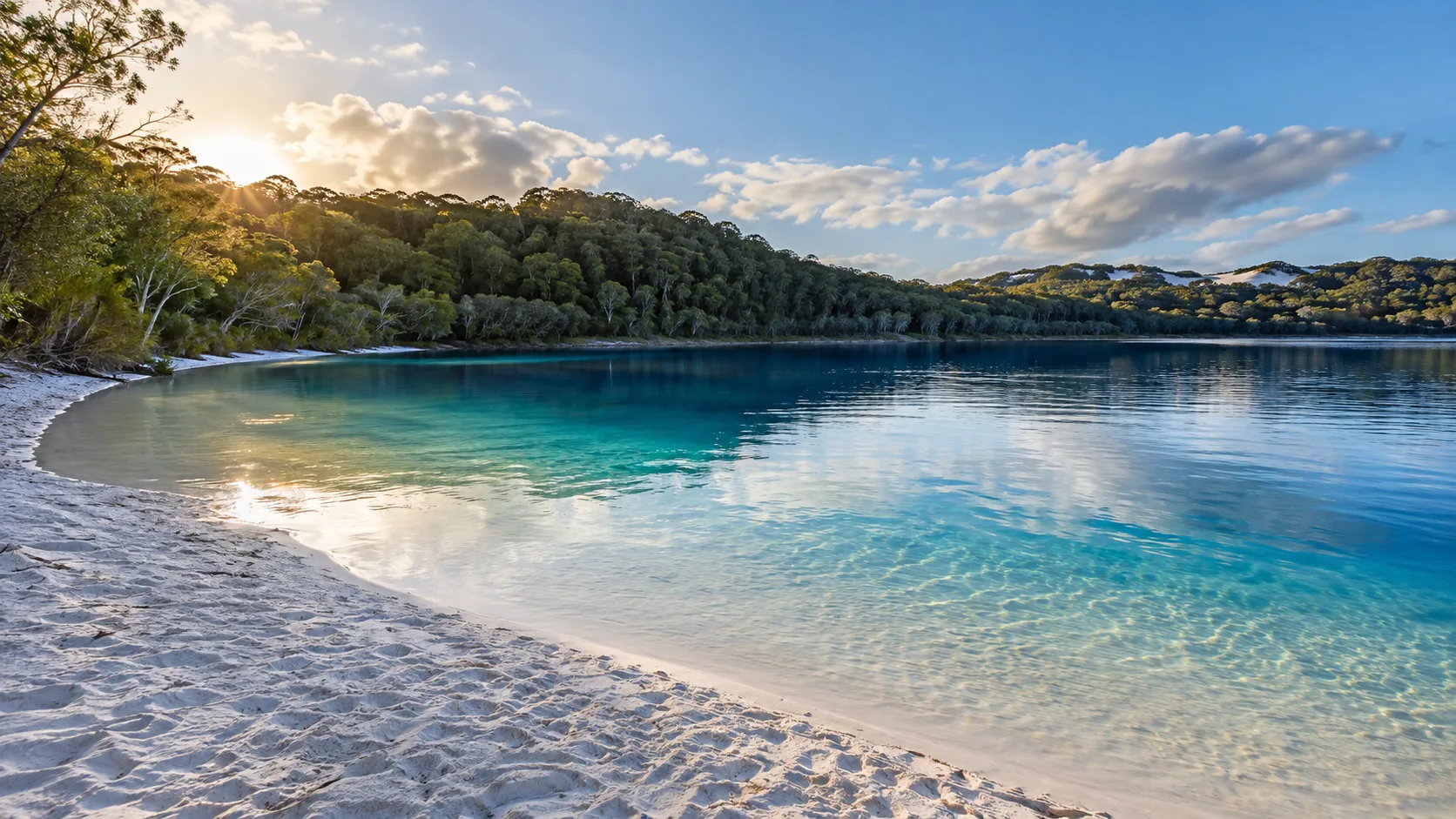
This enormous sand island off Queensland contains towering rainforest, clear freshwater lakes, massive dunes, creeks, wetlands, and an ocean beach that seems to stretch forever.
Boorangoora, also known as Lake McKenzie, is one of its most striking landscapes. Brilliantly clear freshwater meets bright white sand with dense forest rising immediately behind it.
Then you can move from that almost tropical-looking lake into rainforest growing directly from sand.
That contrast is what makes K’gari so unusual.
The island also has sweeping dunes, colored sand cliffs, freshwater streams, wild coastal landscapes, and native wildlife, including dingoes.
It is one of those places where understanding the geology somehow makes the scenery even stranger.
8. Santorini, Greece
Santorini is famous enough that it would be easy to dismiss it as a postcard cliché.
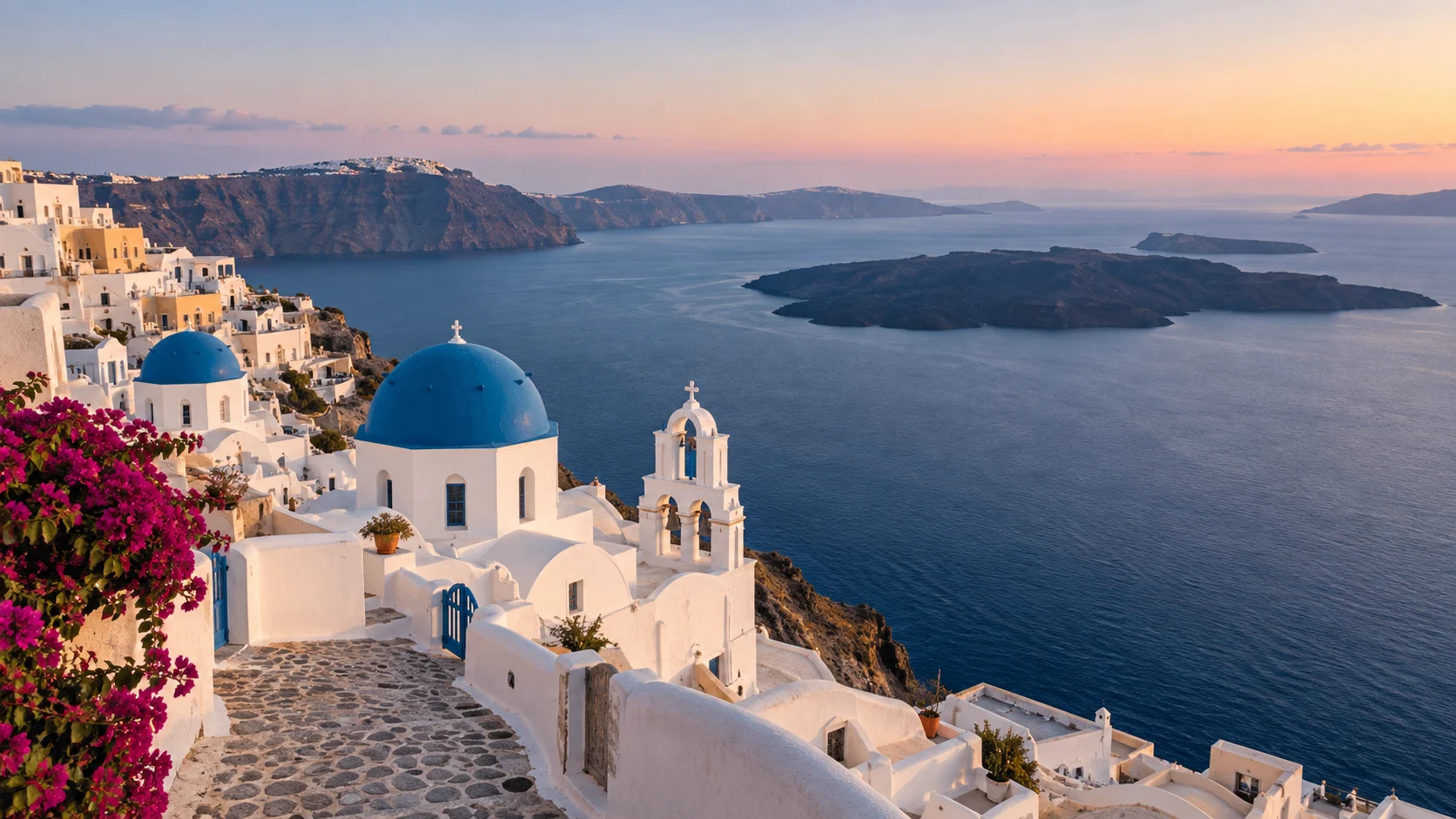
Then you see the caldera.
Whitewashed villages cling to the tops of volcanic cliffs hundreds of feet above dark blue water. Churches with blue domes rise between narrow lanes, while terraces, stairways, and houses seem stacked on top of one another along the rim.
The island’s beauty comes from violence.
A massive volcanic history created the flooded caldera that gives Santorini its extraordinary shape today. Dark cliffs expose layers of red, brown, black, and pale volcanic rock beneath villages that glow white in the sun.
Oia gets most of the photographs, but Santorini becomes even more beautiful when you notice the whole landscape rather than one sunset terrace.
The villages are spectacular because of the volcano beneath them.
9. Kaua‘i, Hawai‘i
Kaua‘i might be the island that best proves how many different shades of green can exist.
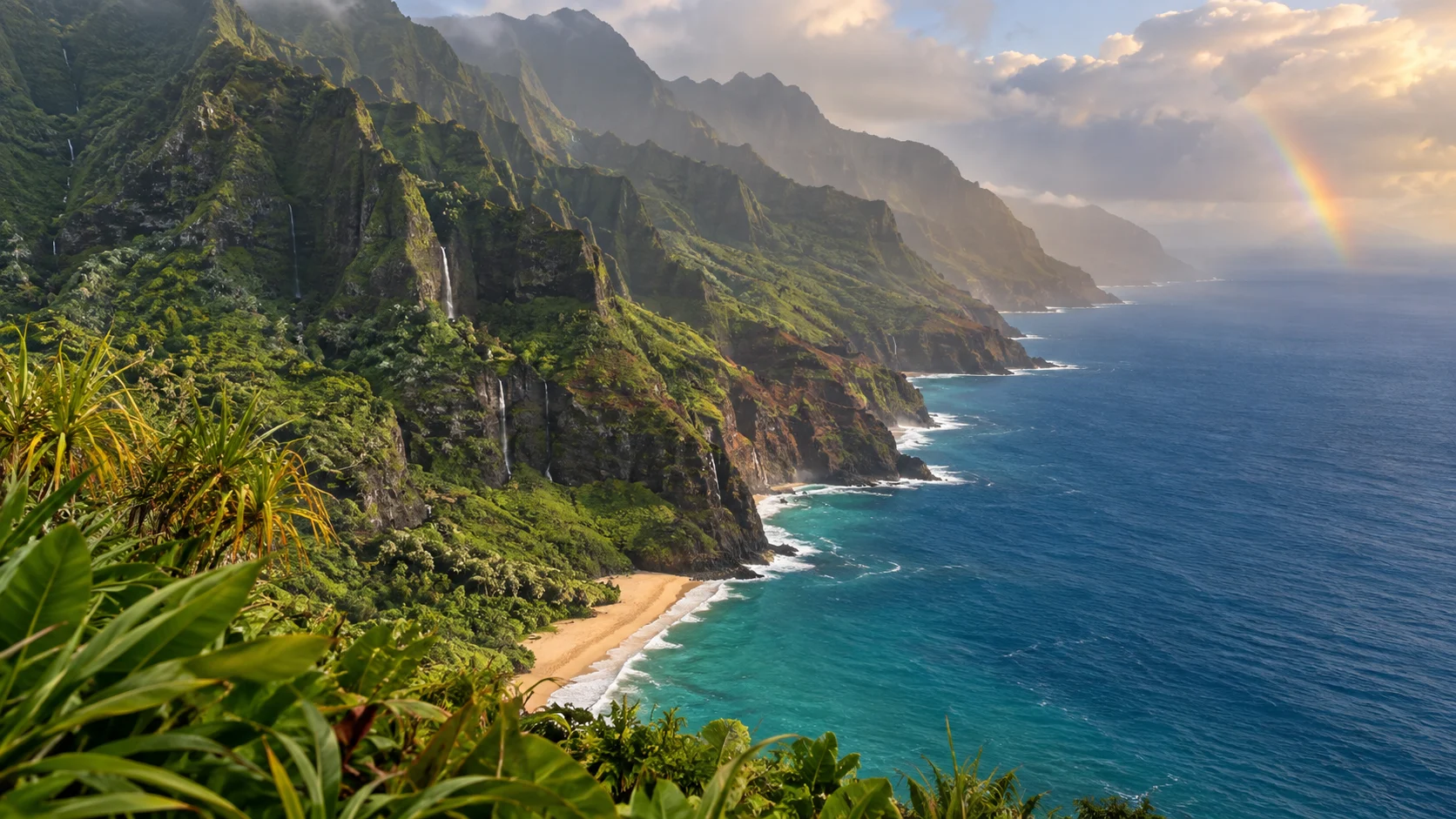
Deep valleys cut into mountains covered in vegetation, waterfalls drop down cliff faces, and parts of the Nāpali Coast rise almost vertically from the Pacific. Sharp ridges fold one behind another until they disappear into clouds.
Waimea Canyon provides a completely different kind of beauty.
Its red and brown canyon walls are streaked with green vegetation, with ridges and valleys changing constantly as sunlight and cloud shadows move across them.
Then there are beaches tucked below cliffs, river valleys surrounded by jungle, and waterfalls that seem to appear after every heavy rain.
Kaua‘i feels powerful rather than manicured.
Even when the weather turns cloudy, the mist often makes the mountains look more dramatic.
10. Gozo, Malta
Gozo has a softer kind of beauty than many of the islands on this list.
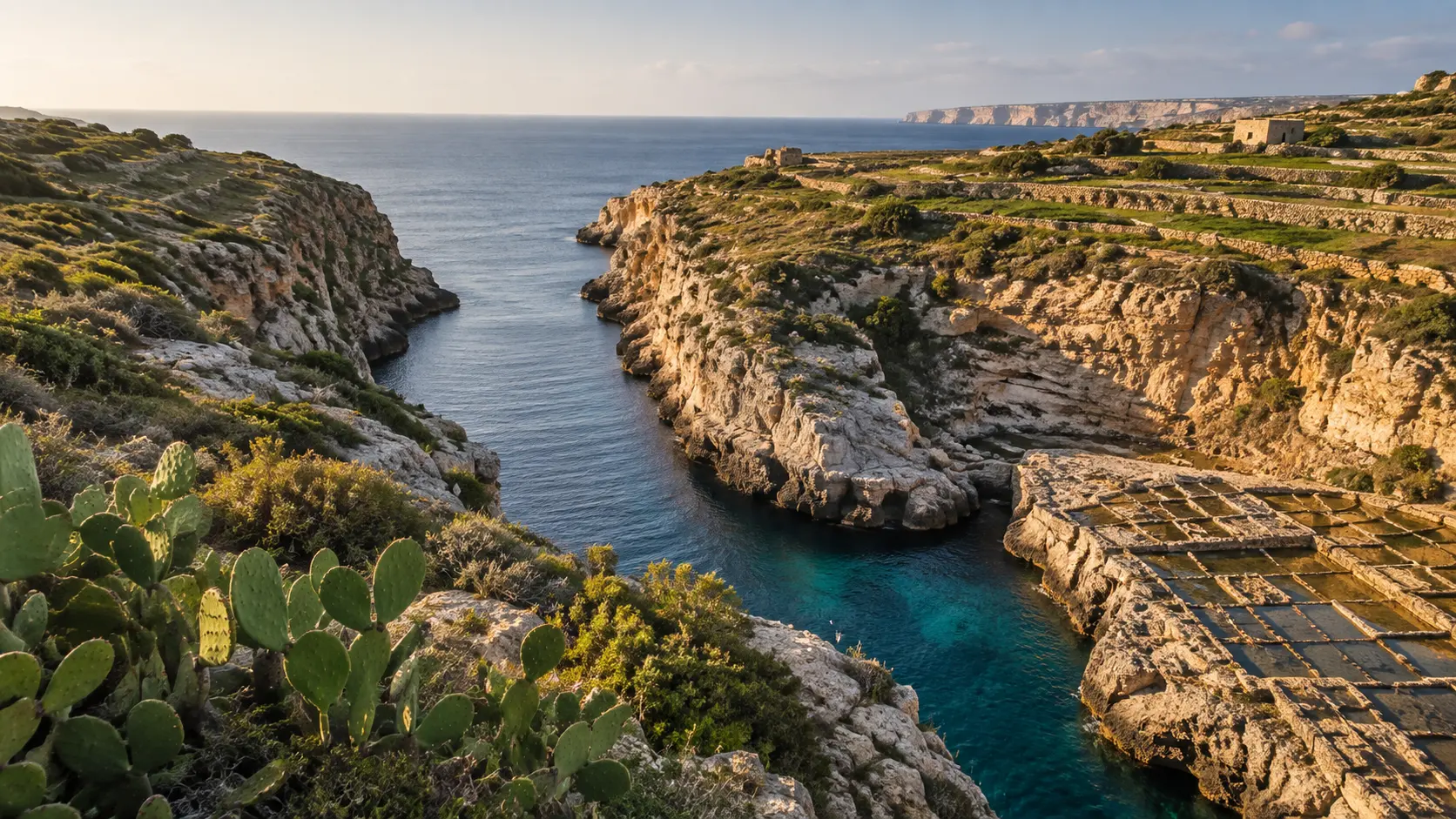
Honey-colored stone villages rise above rolling countryside, church domes appear on distant hills, and limestone cliffs meet intensely blue Mediterranean water. Tiny coves hide between rocky sections of coastline, while old farmhouses and stone walls give the island a warm, lived-in character.
The Xwejni Salt Pans add something completely different.
Geometric pools carved along the coast reflect the sky and sea while continuing a salt-harvesting tradition that has shaped this landscape for generations.
Gozo is not trying to overwhelm you with giant mountains or tropical jungle.
Its appeal comes from light, stone, quiet bays, old villages, and the particular golden color Malta seems to take on late in the afternoon.
11. Siargao, Philippines
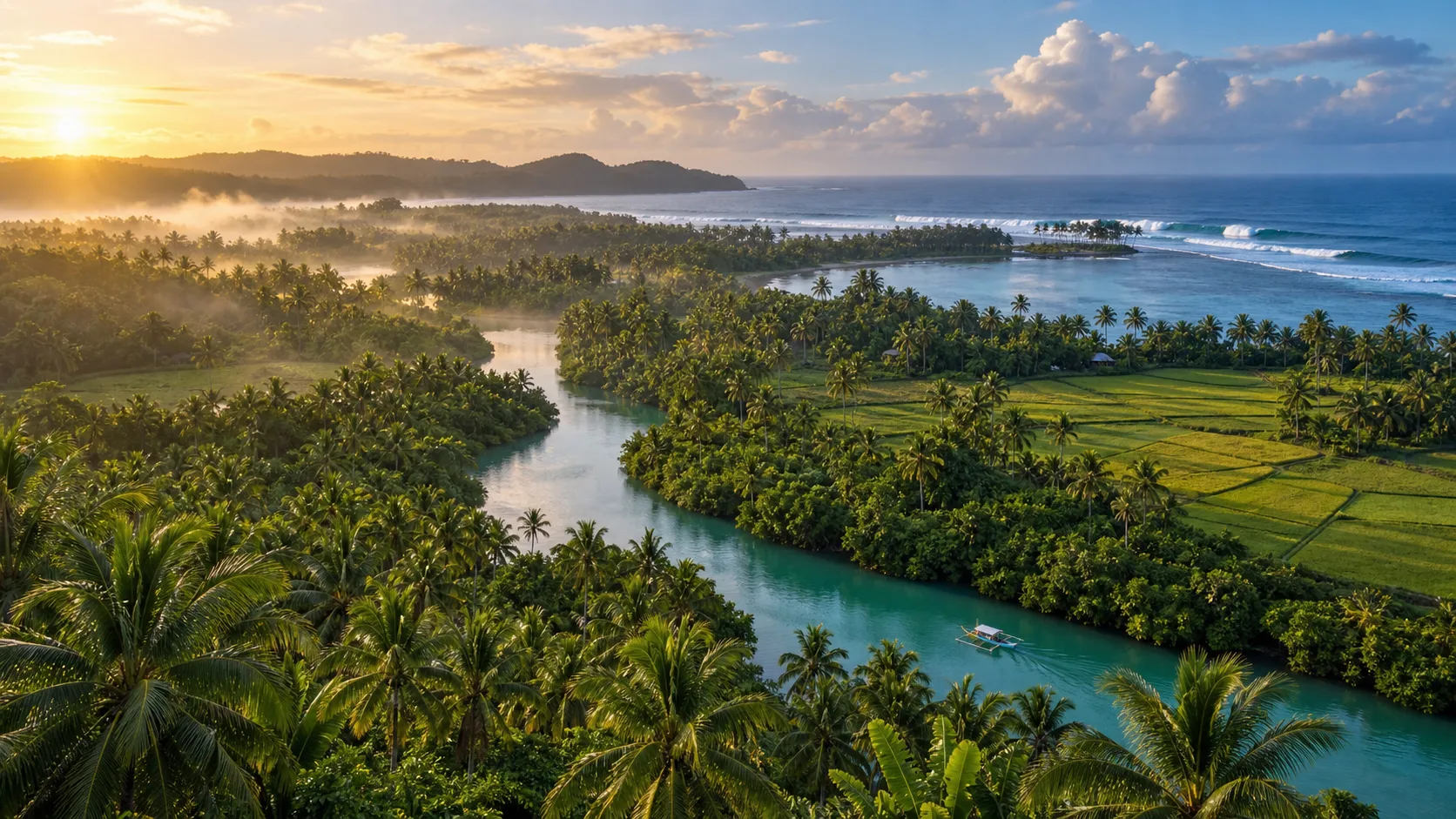
Siargao is green in the way tropical-island daydreams are supposed to be green.
Palm forests stretch toward the horizon, narrow roads disappear between coconut trees, and warm water surrounds beaches, reefs, lagoons, and tiny offshore islands.
The island is famous for surfing, especially around Cloud 9, but you do not need to care about surfing to understand why Siargao is beautiful.
Sugba Lagoon brings a completely different landscape, with calm blue-green water surrounded by forest and limestone.
Mangrove forests spread across other parts of the island, while small islands offshore offer brilliant sand and shallow water.
Siargao feels youthful and alive, but the scenery still has plenty of places where nature completely takes over.
12. The Seychelles
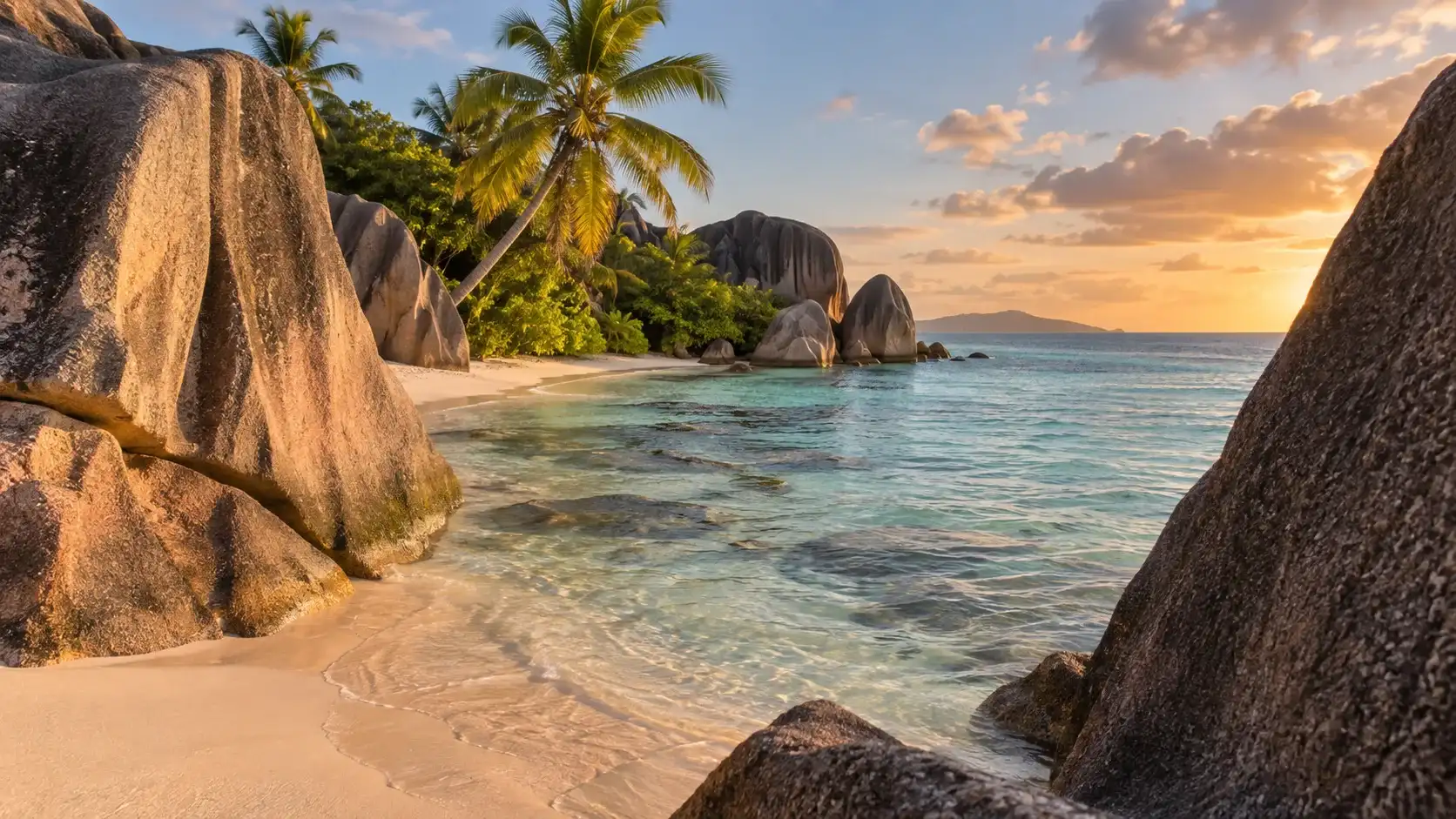
The beaches of the Seychelles look as though someone intentionally arranged every rock for a photograph.
Huge pale granite boulders sit beside powdery sand while clear turquoise water curls between them. Palm trees and thick tropical greenery fill the space behind the beaches, creating shorelines that look almost too sculptural to be natural.
La Digue’s Anse Source d’Argent is the most famous example.
Its smooth granite formations rise from shallow water and sand in shapes that seem completely different depending on the angle and tide.
Praslin adds another dimension with Vallée de Mai, where enormous coco de mer palms create a dense forest far removed from the beach scenes.
Mahé, Praslin, and La Digue each look different, which is part of what makes the Seychelles so special.
The islands feel less like one perfect tropical photograph and more like an entire collection of them.
13. The Island of Hawai‘i
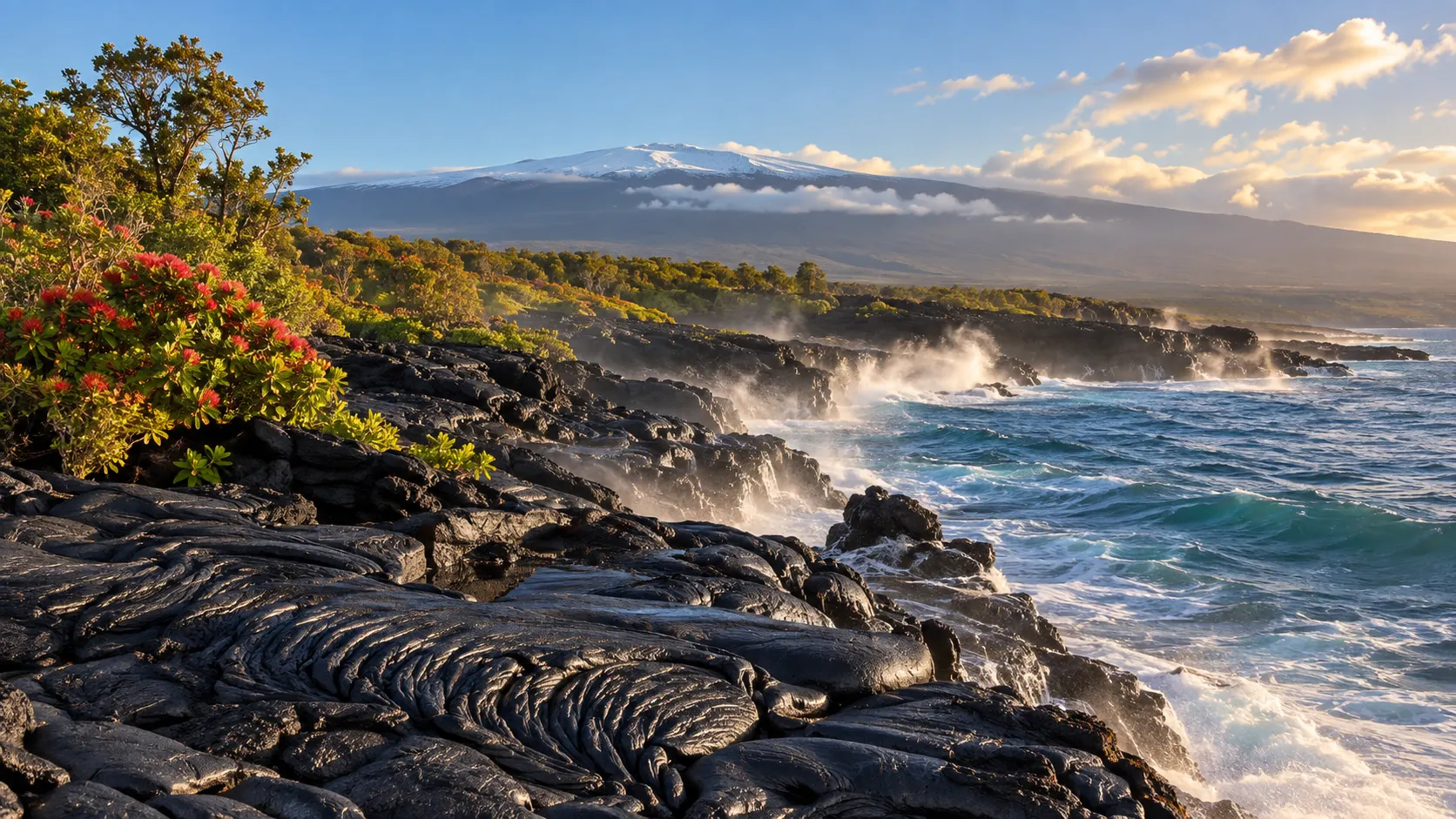
The Island of Hawai‘i can feel like several different planets stitched together.
Black lava fields stretch across parts of the island while rainforest grows thickly in others. Beaches range from pale sand to black volcanic shores, enormous mountains rise above the clouds, and waterfalls tumble through the greener eastern side.
Hawai‘i Volcanoes National Park is the landscape that makes the island truly extraordinary.
Kīlauea and Mauna Loa have created enormous expanses of lava, craters, vents, and young volcanic terrain. In places, tiny plants are already pushing through rock that looks almost lifeless.
There is something humbling about standing in a landscape that is still being created.
Few islands make Earth’s geology feel quite so immediate.
14. Formentera, Spain
Formentera feels like the Mediterranean turned its brightness all the way up.
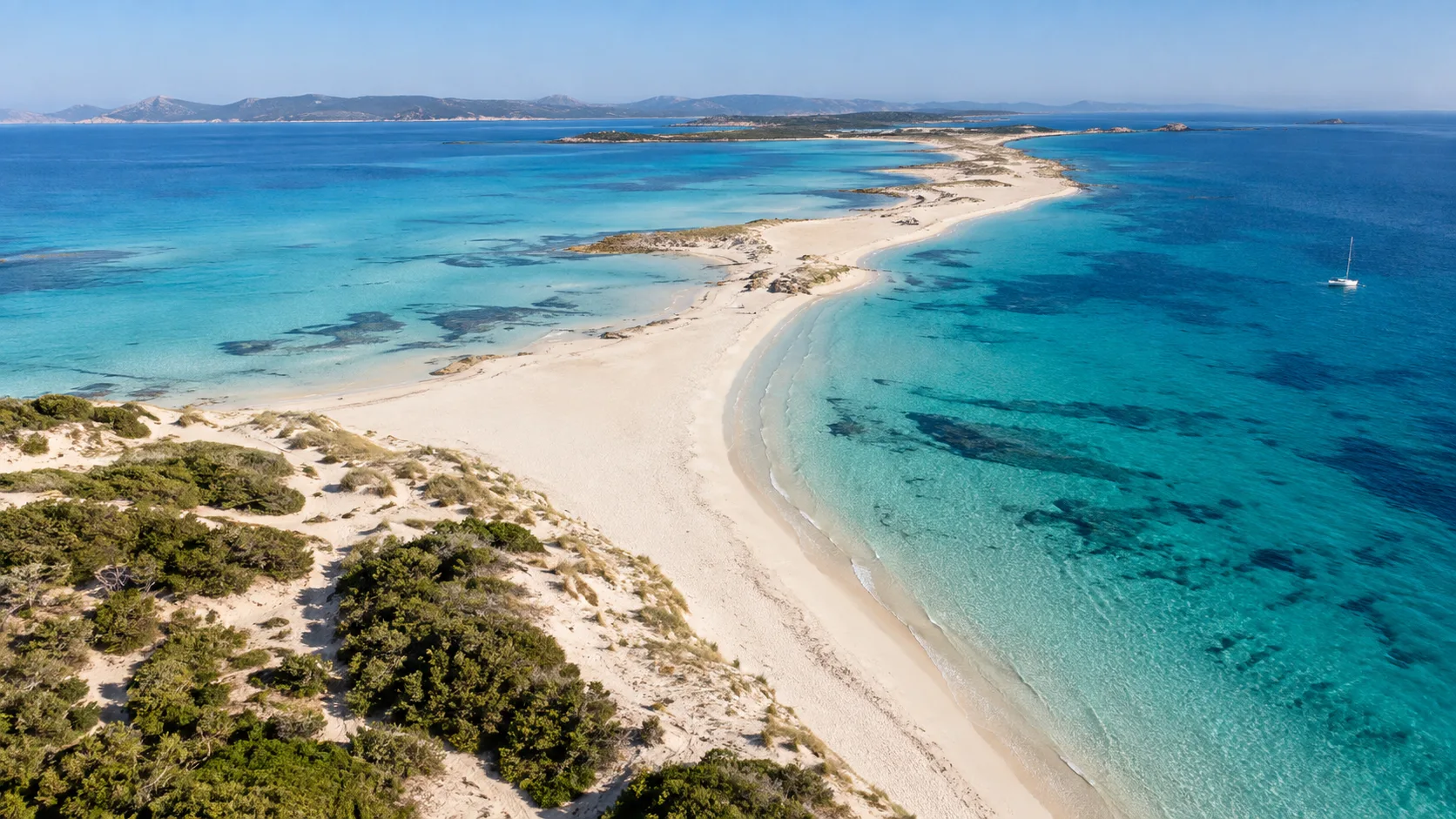
Its beaches are pale, the water is astonishingly clear, and much of the island remains relatively low and open. Instead of dramatic mountain scenery, Formentera’s beauty comes from simplicity.
Ses Illetes is the scene most people remember.
Narrow stretches of pale sand reach into shallow turquoise water, sometimes making it feel as though you are standing on a strip of beach surrounded almost entirely by sea.
Elsewhere, salt flats, dunes, quiet coves, and low Mediterranean vegetation make the landscape feel wonderfully uncluttered.
There are more dramatic islands on this list.
Formentera is beautiful because it does not need to be dramatic.
15. Moorea, French Polynesia
Moorea may have one of the prettiest silhouettes of any island in the Pacific.
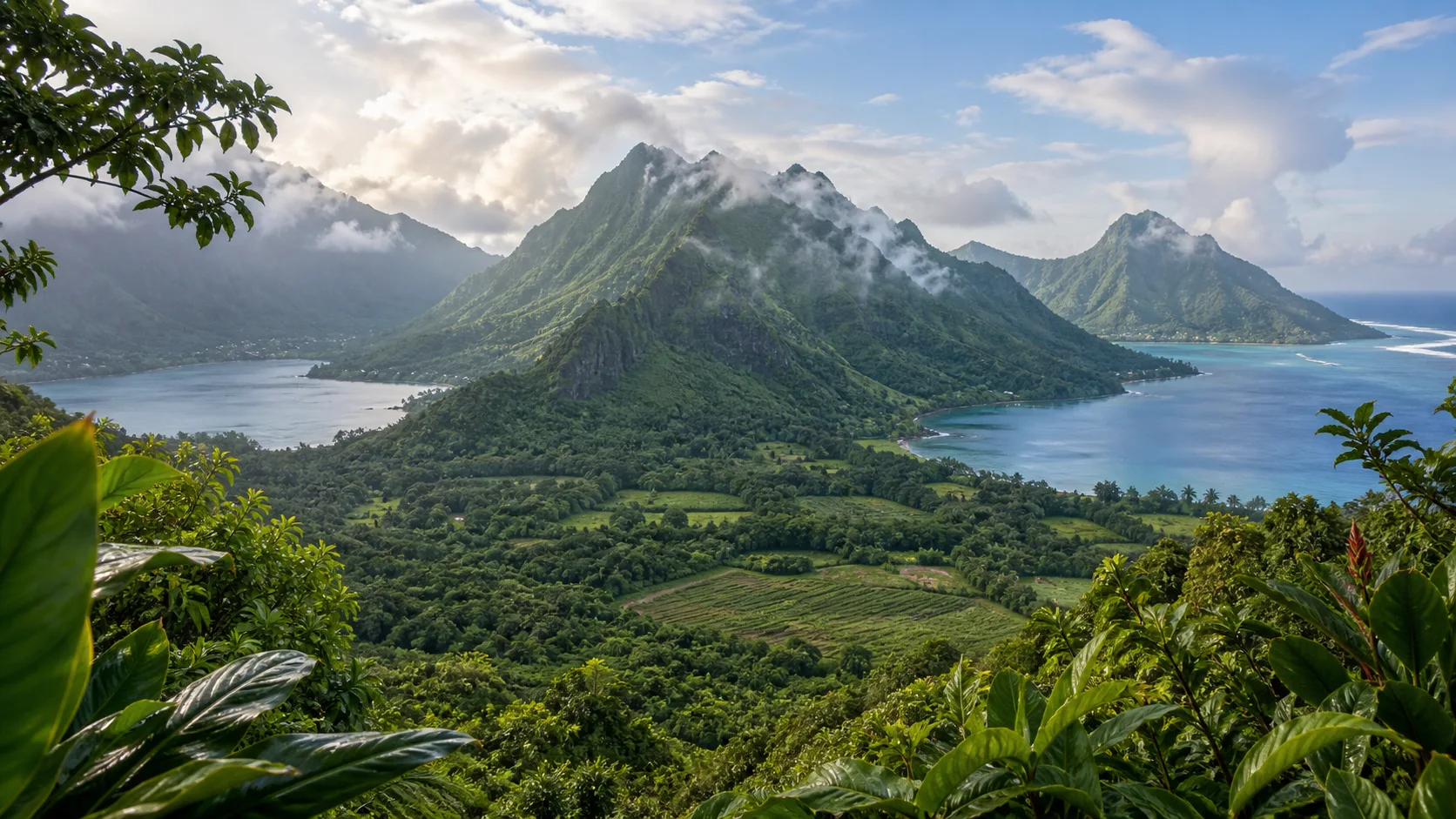
Jagged green mountains rise sharply from its center, with deep valleys running toward turquoise lagoons. Two enormous bays cut into the northern coast, creating one of French Polynesia’s most recognizable landscapes.
From Belvédère d’Opunohu, Mount Rotui sits between Opunohu Bay and Cook’s Bay.
The mountain looks almost impossibly steep, surrounded by layer after layer of green ridges.
Lower down, pineapple fields, tropical gardens, beaches, and lagoon water soften the scenery.
Moorea feels greener and slightly wilder than the polished image many people associate with French Polynesia, and that contrast makes it especially beautiful.
16. The Galápagos Islands, Ecuador
The Galápagos are not conventionally pretty.
That is exactly why they belong here.
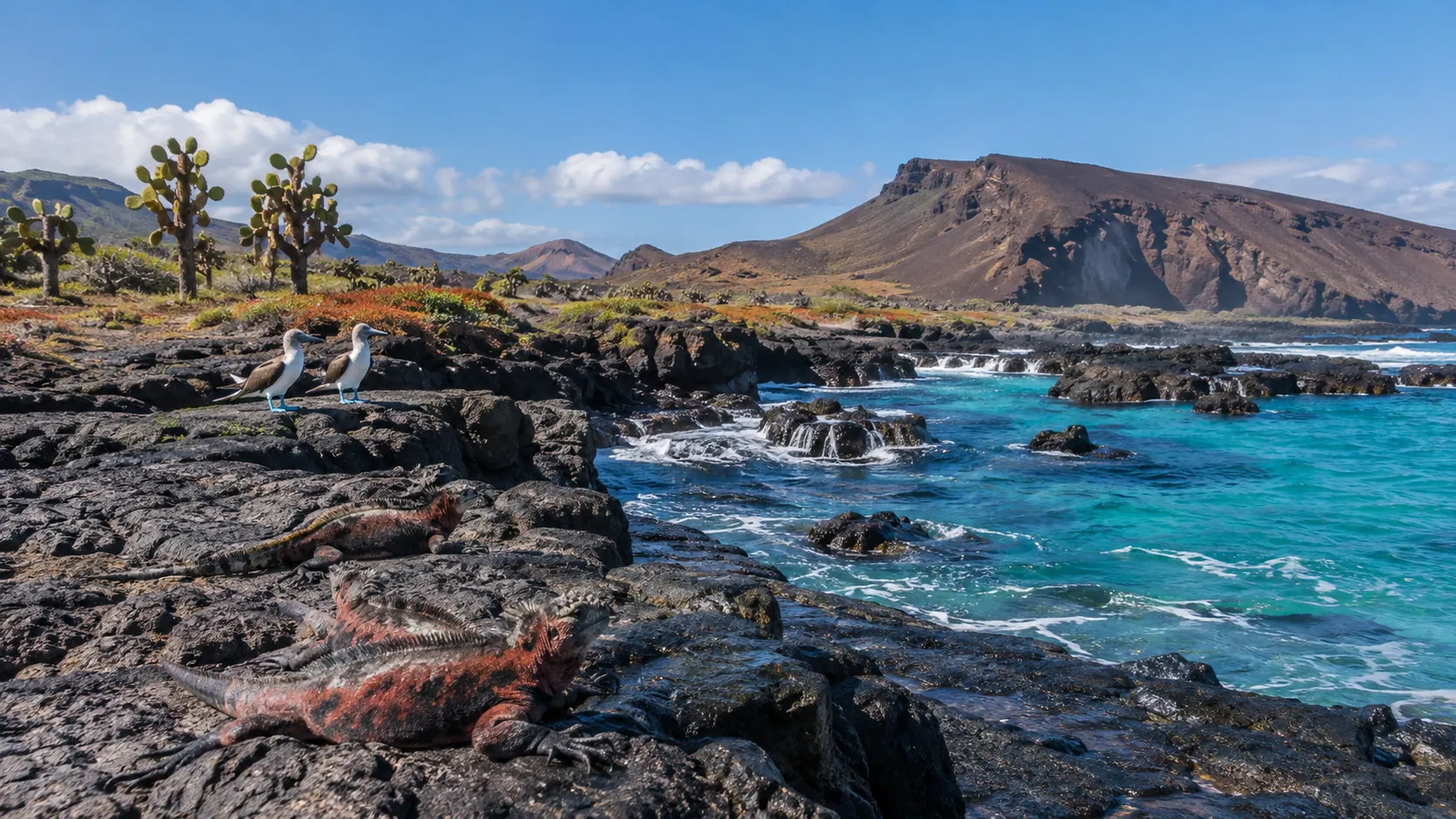
Black lava meets brilliantly blue water, enormous cacti grow from dry volcanic ground, and beaches are shared with marine iguanas, sea lions, birds, and other wildlife that often seems completely unconcerned by nearby humans.
Some islands look harsh and almost barren.
Others contain green highlands, mangroves, pale beaches, volcanic cones, or brilliant turquoise coves.
The wildlife changes the way you see every landscape. A beach becomes more memorable when sea lions are sleeping on it, while a black lava field feels almost surreal when marine iguanas are stretched across the rocks.
The Galápagos are beautiful because they still feel governed by nature rather than people.
17. Nusa Penida, Indonesia
Nusa Penida looks as though the ocean has been slowly carving sculptures from the island.
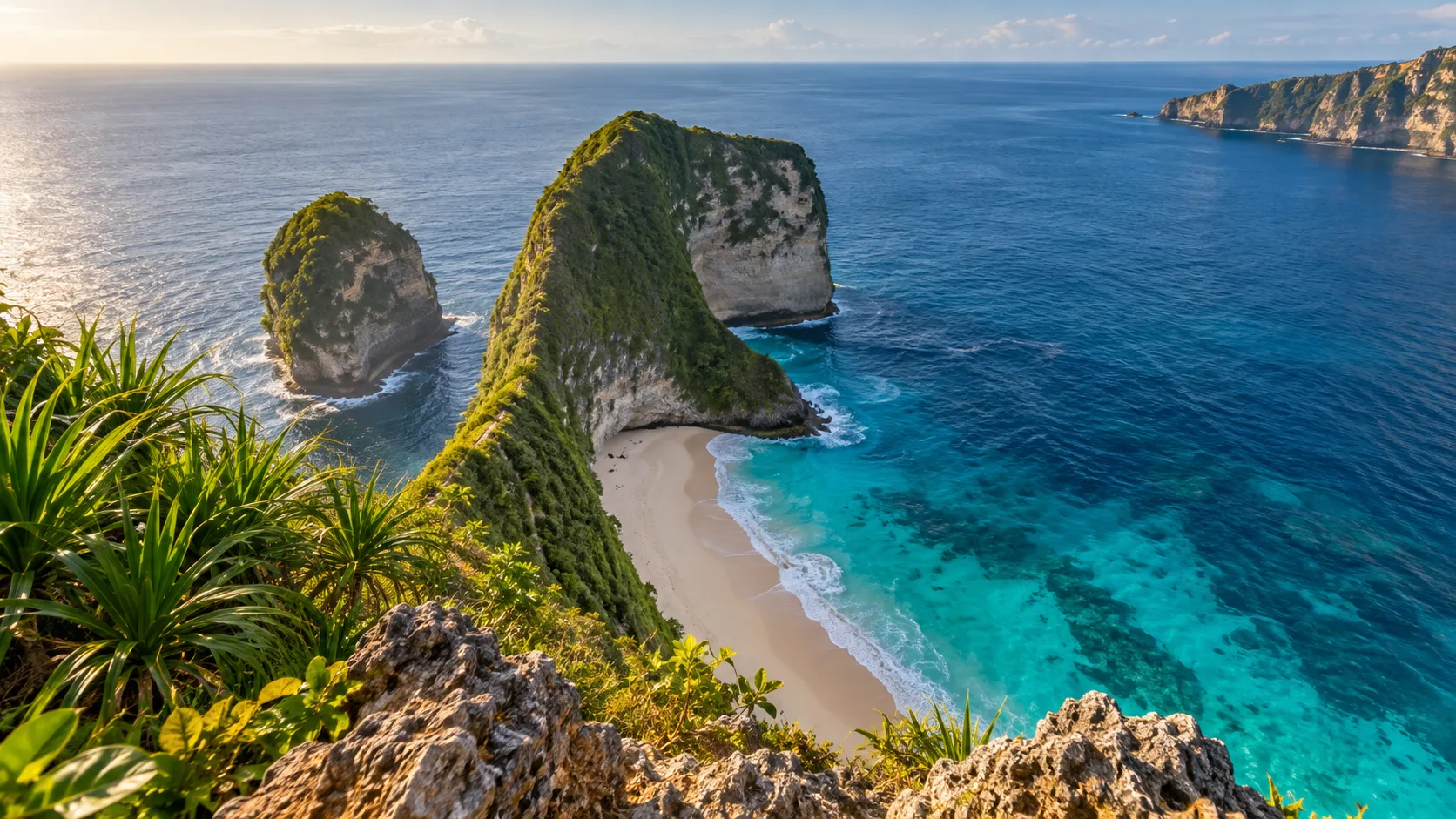
Huge limestone cliffs drop toward deep blue water, narrow headlands curve out into the sea, and natural arches reveal glimpses of waves crashing below.
Kelingking is the most famous view.
Its green headland reaches into the ocean in a shape often compared to a dinosaur, with an isolated beach sitting far beneath the cliff.
Broken Beach offers another extraordinary formation, where the sea passes through a natural rock arch into a circular cove.
The scenery here is bold rather than delicate.
Nusa Penida is all about height, erosion, cliffs, and the incredible contrast between green land and blue sea.
18. The Azores, Portugal
The Azores seem almost impossibly green.
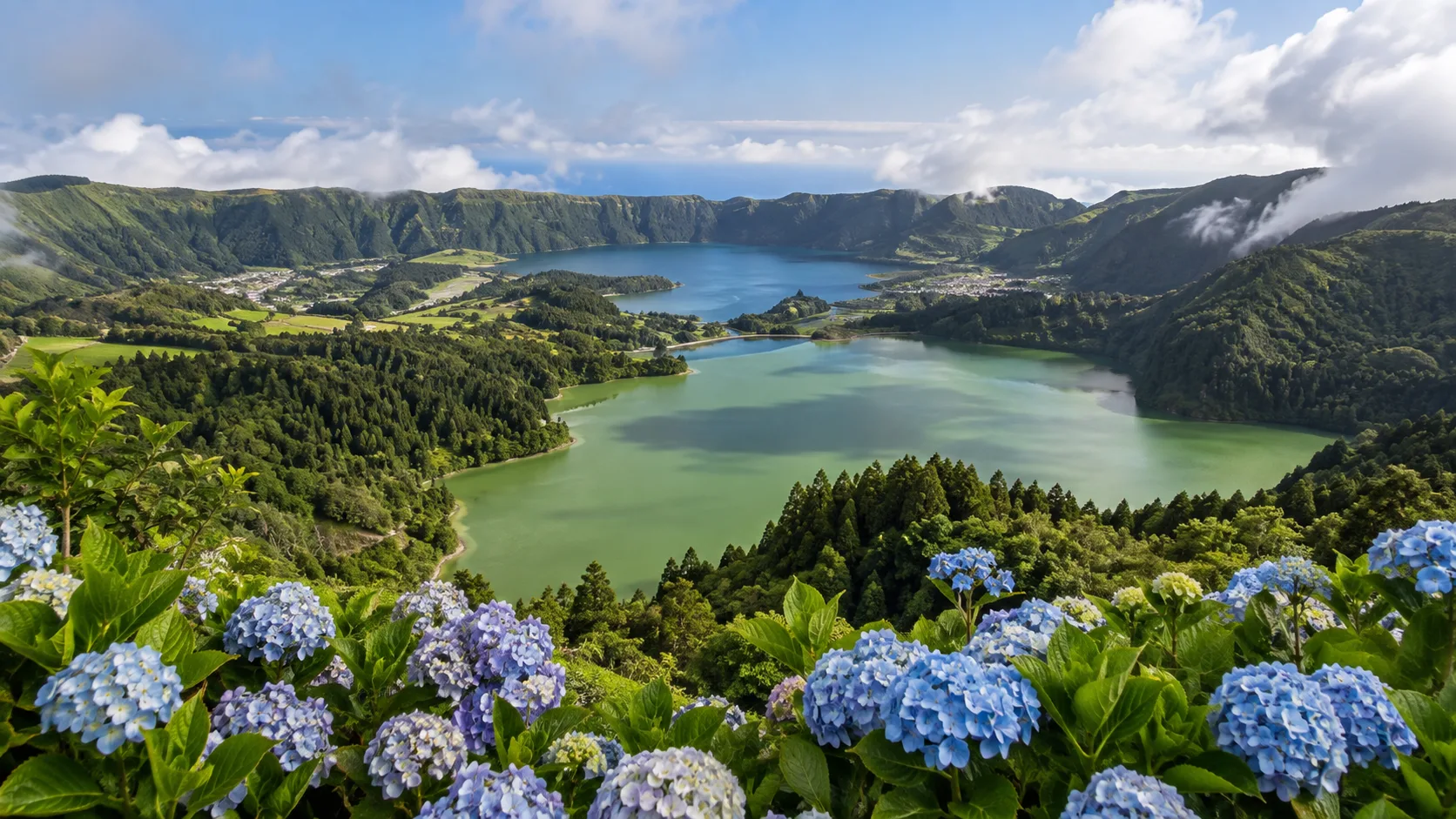
These volcanic islands sit in the middle of the Atlantic, where crater lakes, hydrangeas, black volcanic rock, rolling pastures, hot springs, and steep coastal cliffs create landscapes that feel somewhere between Europe and a lost ocean world.
São Miguel makes an unforgettable first impression.
At Sete Cidades, blue and green lakes fill a huge volcanic caldera surrounded by slopes that seem to glow after rain.
Elsewhere, steam rises from geothermal ground, waterfalls cut through vegetation, and roads pass walls of hydrangeas during flowering season.
Other islands add volcanic peaks, vineyards growing through black stone, dramatic coastlines, and whale-rich waters.
If your idea of island beauty includes mist, greenery, and volcanoes rather than palm trees, the Azores are hard to beat.
19. Maui, Hawai‘i
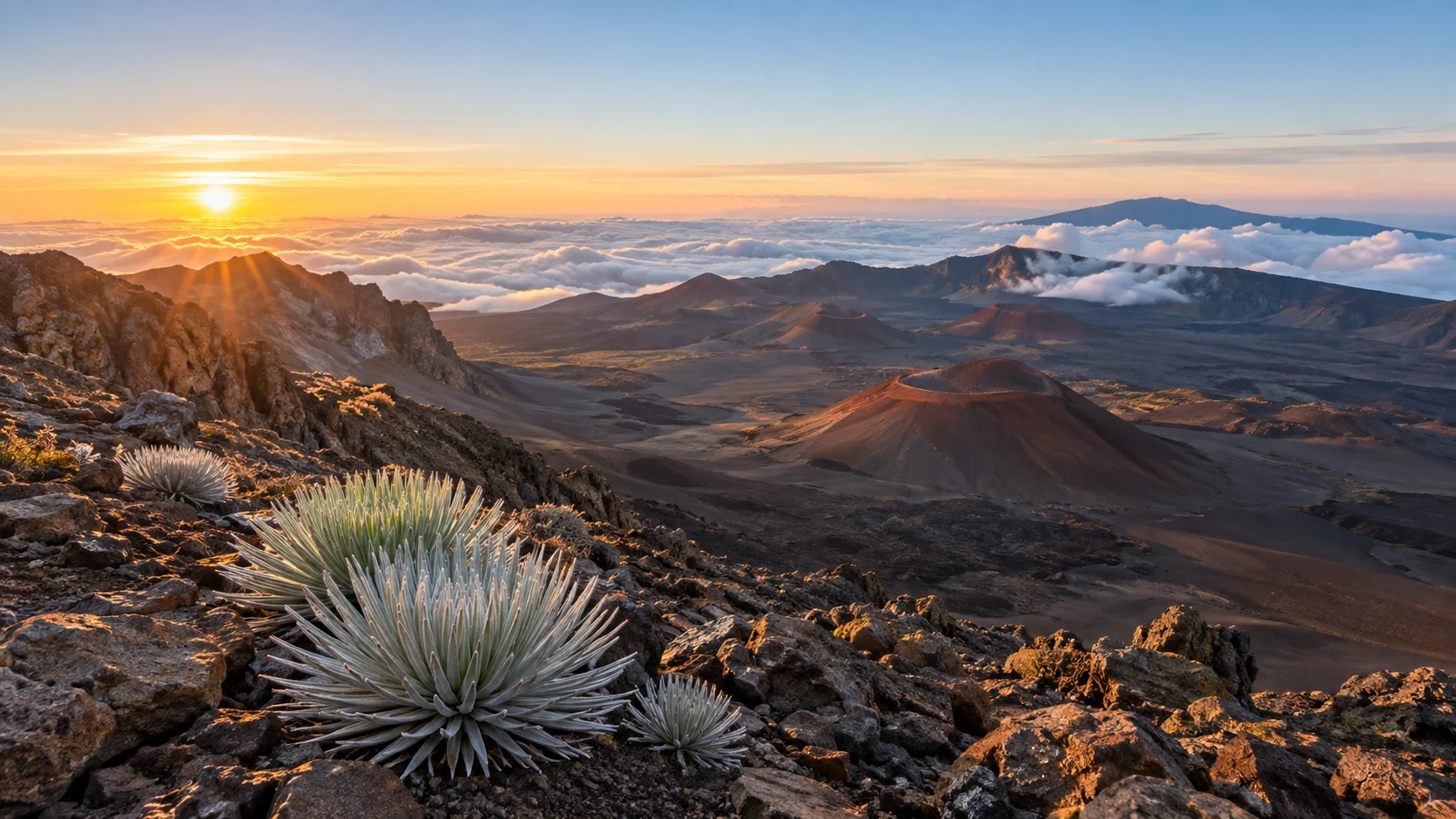
Maui somehow fits tropical beaches, dense rainforest, waterfalls, lava landscapes, and a 10,000-foot volcanic summit onto the same island.
Haleakalā creates one of its most unforgettable scenes.
Near the summit, Maui suddenly stops looking tropical. The enormous volcanic landscape is filled with rust, red, gray, and brown tones, while clouds can sit far below you and the Pacific stretches toward the horizon.
Then you can descend back toward palms and beaches.
On the wetter side of the island, rainforest, waterfalls, sea cliffs, and deep green valleys create a completely different world.
Maui’s beauty comes from these contrasts.
You never feel as though you are seeing the same island all day.
20. Bali, Indonesia
Bali’s beauty is not confined to its beaches.
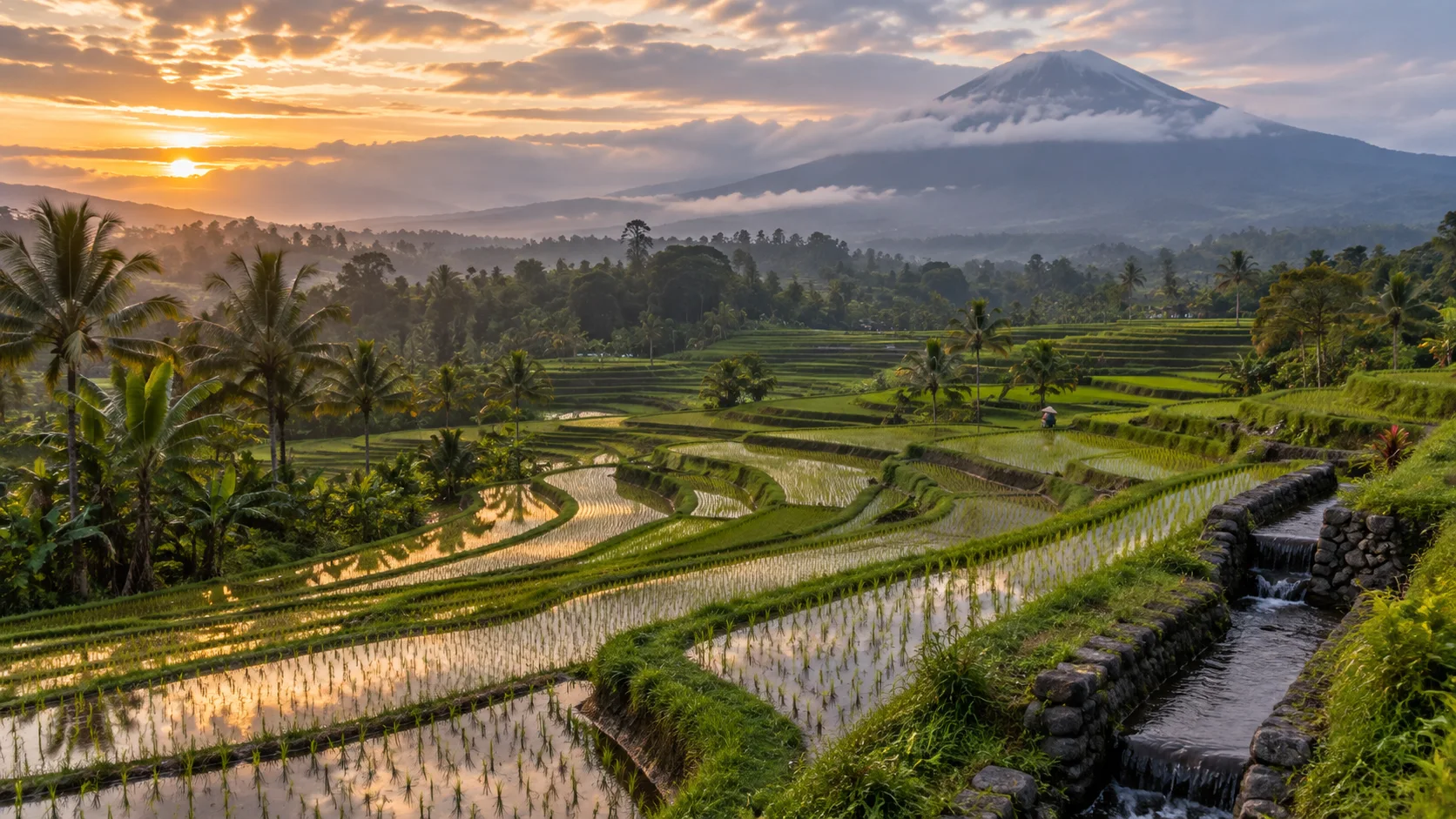
Green rice terraces curve around hillsides, palms rise above temples, volcanic mountains appear through morning haze, and stone shrines covered in moss seem to emerge naturally from the jungle.
Jatiluwih is one of the landscapes that best captures this side of Bali.
Rice terraces sweep across rolling countryside in layer after layer of green, shaped by a traditional irrigation system that is part of the island’s cultural landscape.
Elsewhere, temples sit beside lakes, waterfalls disappear into dense vegetation, and Mount Agung dominates the horizon from enormous distances.
Bali can be busy, crowded, and heavily photographed.
But step away from the most commercial areas and it becomes easy to understand why this island has inspired travelers for generations.
Which beautiful island is calling your name?
The hardest part about this list is that these islands are barely comparable.
If you dream about impossibly blue water, look at Bora Bora, the Maldives, Seychelles, or Formentera.
If you want mountains and cliffs, Kaua‘i, Madeira, Moorea, Nusa Penida, and Skye are spectacular.
For ancient forests and deep greenery, Yakushima feels like another world, while the Azores and Bali offer completely different versions of lush island scenery.
For volcanic landscapes, the Island of Hawai‘i, Santorini, Maui, and the Galápagos show just how beautiful destructive geology can become.
For wildlife, the Galápagos stand almost completely on their own.
And if limestone lagoons are the image stuck in your head when you think about an island vacation, Palawan might ruin every ordinary beach for you afterward.
If this is your kind of travel daydreaming, you may also love my guides to the most beautiful hikes in the world, most beautiful waterfalls in the world, and most beautiful lakes in the world.
A small note about protecting beautiful islands
The places on this list are communities and ecosystems long before they are vacation photographs.
Stay on marked trails, never touch coral or wildlife, respect protected areas, leave sand and shells where you find them, and support locally owned businesses whenever you can.
Some of the world’s most beautiful islands are also among its most environmentally fragile.
Keeping them beautiful matters far more than getting one particular photograph.
Frequently asked questions
What is the most beautiful island in the world?
There is no single answer, but Kaua‘i is one of the strongest all-around choices because it combines sea cliffs, deep valleys, waterfalls, beaches, canyons, and extraordinary greenery.
For tropical water, Bora Bora is difficult to surpass. For forest, I would choose Yakushima, while Madeira is my pick for sheer variety packed into one dramatic landscape.
Which islands have the clearest water?
The Maldives, Bora Bora, Seychelles, Formentera, Moorea, and parts of Palawan are particularly famous for clear water.
Their colors vary depending on coral, sand depth, sunlight, and weather, which is why the same lagoon can appear pale aqua in one spot and deep blue only a short distance away.
Which islands are best for dramatic scenery?
Kaua‘i, Madeira, Nusa Penida, Palawan, Moorea, Skye, and the Azores all have landscapes that feel oversized.
These are the islands I would choose if cliffs, mountains, valleys, and wild coastlines excite you more than lying beside a perfectly calm beach.
Which islands are best for tropical beaches?
Bora Bora, the Maldives, Seychelles, Formentera, Palawan, Siargao, and Moorea all deliver the bright-water island scenery most people imagine when they hear the word paradise.
They still look surprisingly different from one another, which is why I would never reduce them to one generic “tropical island” category.
Which beautiful islands are best for hiking?
Madeira, Kaua‘i, Yakushima, the Isle of Skye, the Azores, Maui, and the Island of Hawai‘i offer some of the most memorable walking landscapes on this list.
The appeal ranges from moss-covered forest and volcanic terrain to exposed mountain ridges and cliffs above the ocean.
Are the Maldives, Seychelles, Azores, and Galápagos actually islands?
They are archipelagos made up of multiple islands rather than individual islands.
I included them because travelers generally think of each island group as one destination, and their landscapes are among the most extraordinary on Earth.
The island behind the photograph
The most beautiful islands tend to have one thing in common: they make you stop comparing them to anywhere else.
You remember the shape of Moorea’s mountains, the moss on Yakushima, the granite boulders of the Seychelles, the volcanic cliffs of Santorini, or the almost impossible blues surrounding Bora Bora.
That is the kind of beauty worth traveling for.
Not simply a pretty beach, but a place that looks unmistakably like itself.