Newfoundland and Labrador Travel Guide: Pick Your Route
Newfoundland and Labrador is one province, not one easy road loop. The island of Newfoundland alone stretches across long driving days, while Labrador adds different roads, ferries, distances, cultures, and preparation.
This guide helps you choose a western, eastern, cross-island, or Labrador trip without pretending ten days can cover everything. Pick the route that matches your strongest interest and let the weather change one day without breaking the vacation.
Newfoundland and Labrador at a Glance
- Best first nature trip: Western Newfoundland and Gros Morne National Park
- Best first culture trip: St. John’s and the eastern Avalon Peninsula
- Best trip length for one region: Seven to 10 days
- Best cross-island length: At least 12 to 14 days
- Best road-trip season: Generally June through September
- Biggest mistake: Adding Labrador as though it were a day trip from Newfoundland
Choose a Route, Not a Province-Wide Wish List
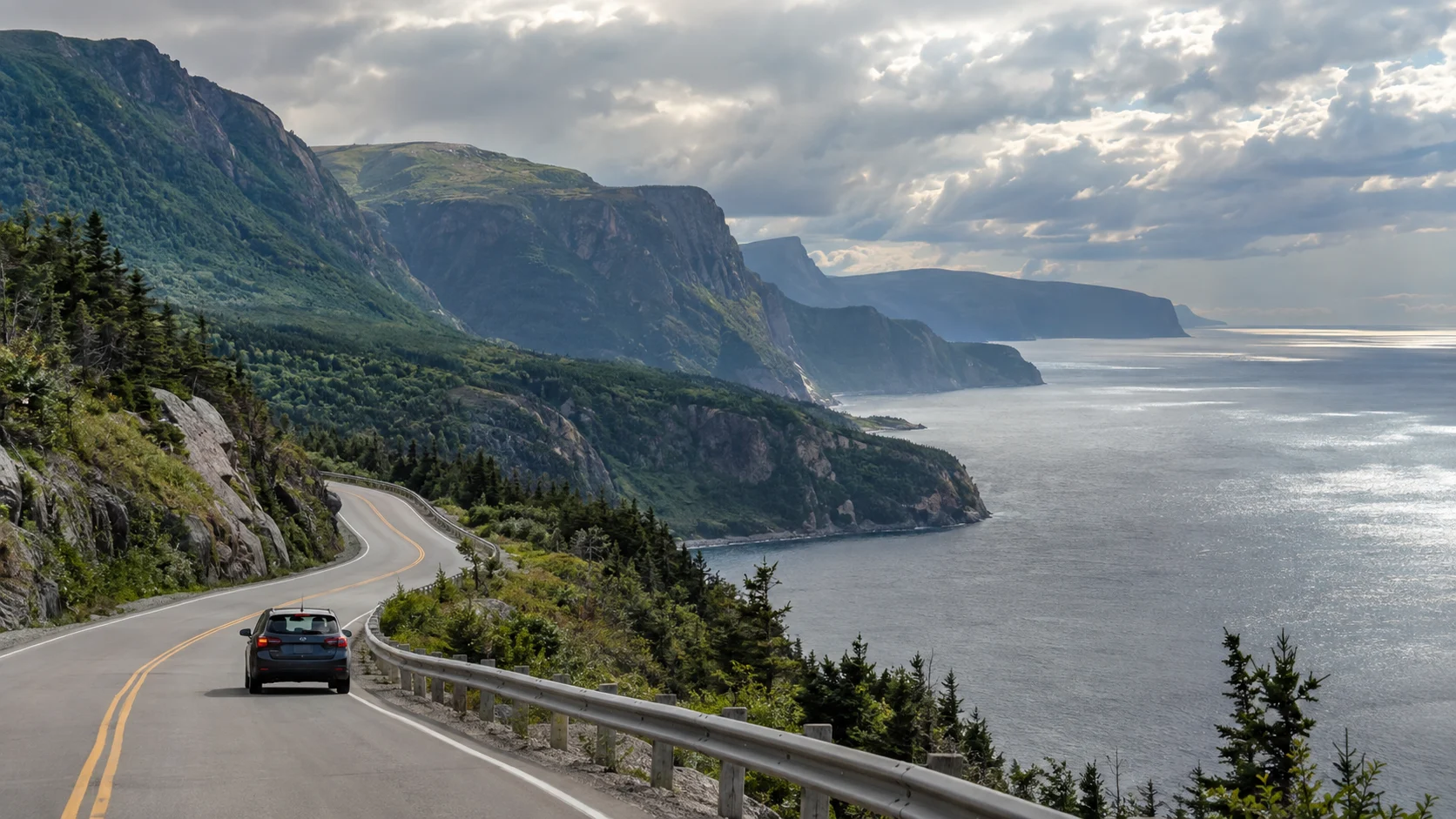
The official Newfoundland and Labrador tourism site warns that the province is larger than many travelers expect and organizes its road trips by region. That is the right planning model.
Western Newfoundland offers Gros Morne, the Viking Trail, and Great Northern Peninsula history. Eastern Newfoundland offers St. John’s, colorful coastal communities, lighthouses, seabird areas, and the Bonavista and Trinity peninsulas.
Central Newfoundland can connect the two and open a Twillingate or Fogo Island detour, but ferries and peninsulas consume real time. Labrador deserves an independent road, air, ferry, and community-access plan.
Route 1: Eight Days in Western Newfoundland
This is my first choice for hikers and landscape-focused travelers. Fly into Deer Lake or arrive by ferry at Port aux Basques, then give Gros Morne four or five nights instead of checking it off in one afternoon.
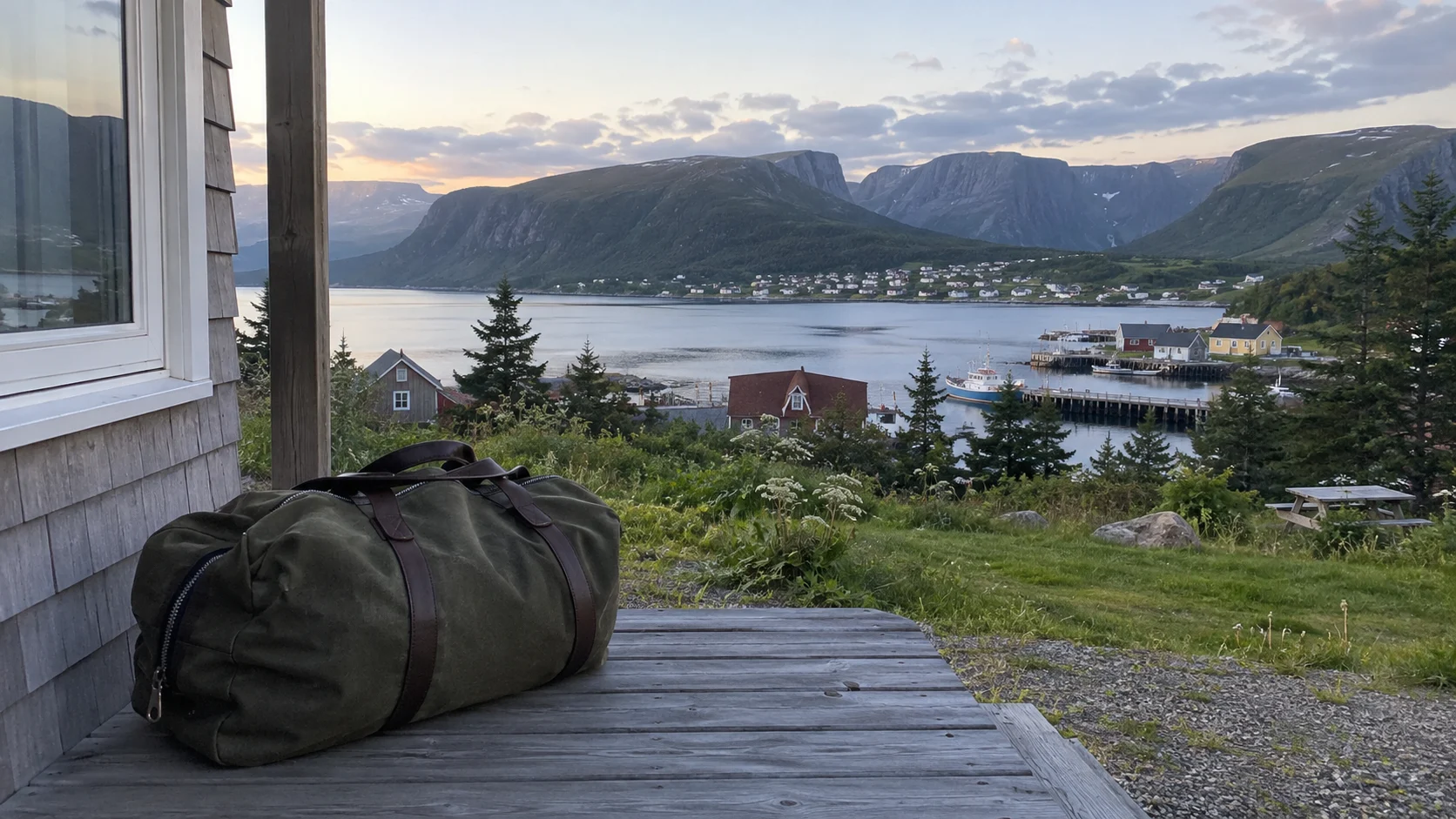
Days 1 and 2: Arrive and Settle Into Gros Morne
Use Rocky Harbour, Norris Point, or another park-area community as a base based on the activities you want. Check restaurant and grocery hours before arriving late, especially outside peak summer.
Begin with a visitor center, a short coastal walk, and current trail advice. This protects your hardest hike from flight fatigue and gives clouds a chance to move.
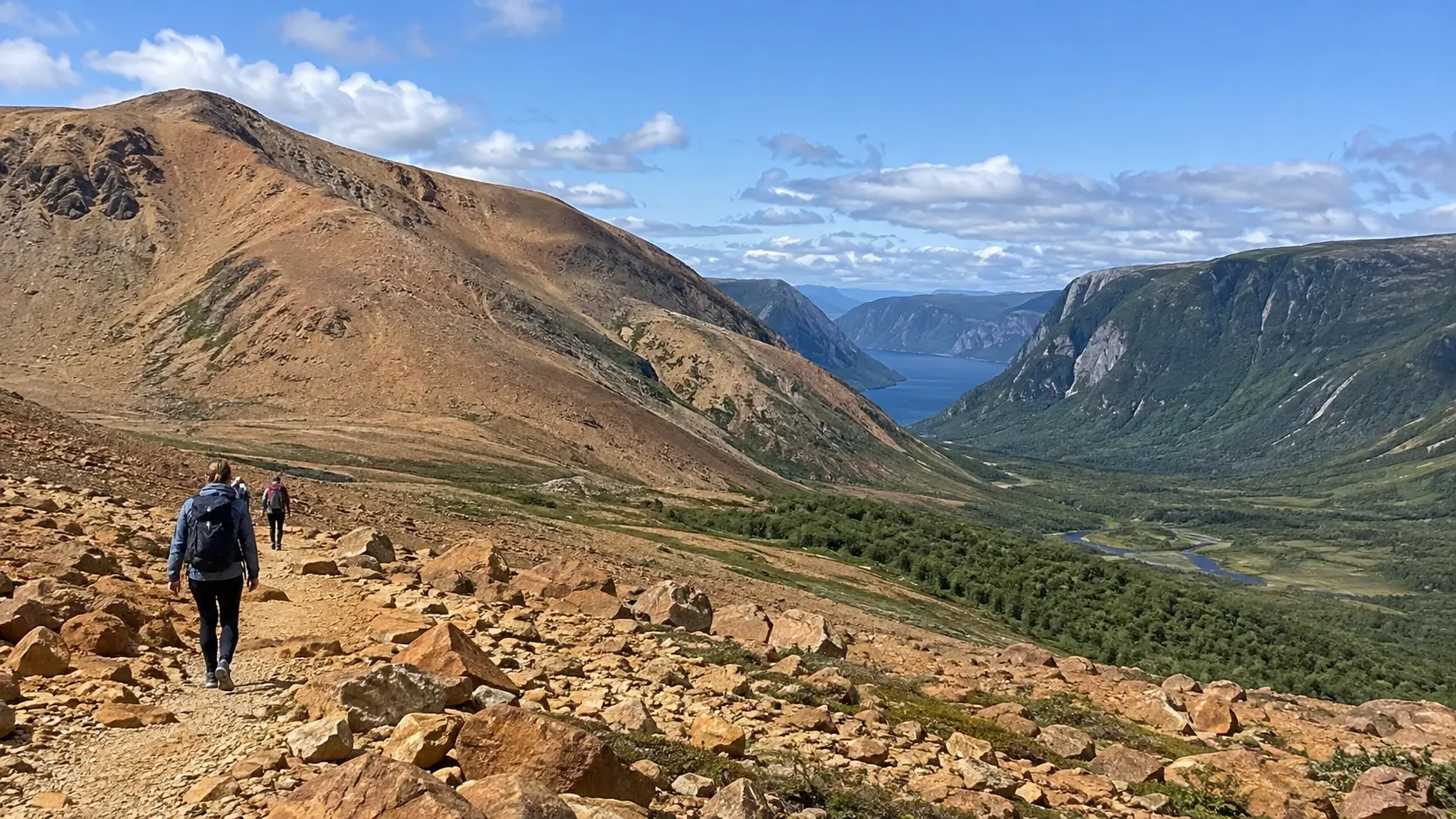
Days 3 and 4: Tablelands and Western Brook Pond
The Tablelands reveal the park’s unusual geology through an accessible roadside area and trails of different demand. Stay on the managed route and use interpretation rather than treating exposed rock as a place to collect souvenirs.
Western Brook Pond involves a walk from the parking area to the dock, plus a separately operated boat tour that remains weather and season dependent. A reservation does not remove the need to arrive with walking time and check-in margin.
The official Gros Morne National Park page publishes trail conditions, camping, fees, safety notices, and current activities. Use it again during the trip because wind, rain, maintenance, and wildlife can alter access.
Day 5: Choose Your Challenge
Strong hikers can consider Gros Morne Mountain when the route is open and conditions fit their skills. It is a demanding full-day objective, not the default outing for every park visitor.
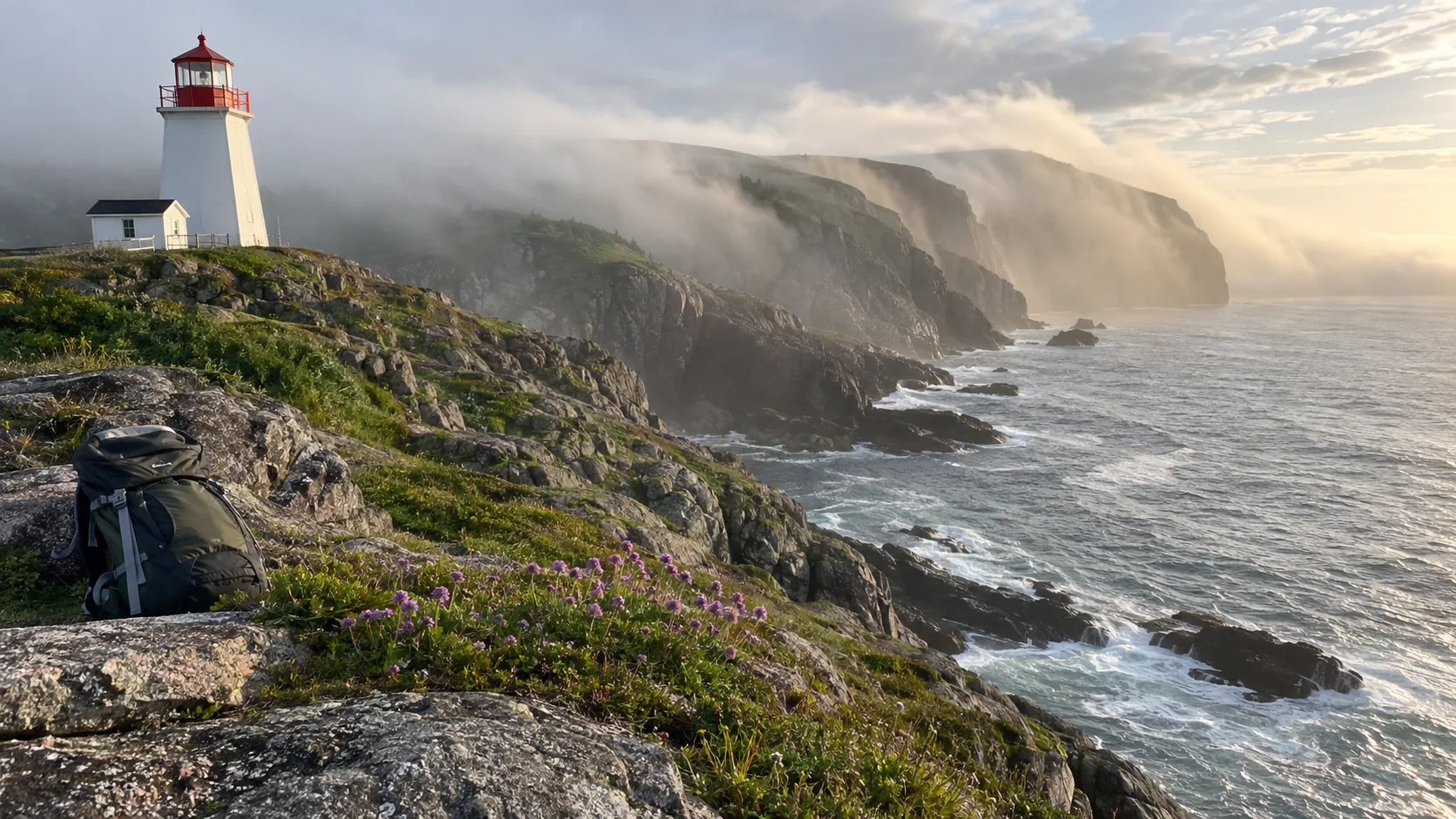
Days 6 and 7: stay around Gros Morne and return to your gateway
For this eight-day route, keep Day 6 around Rocky Harbour and Norris Point for a coastal walk, museum, or weather-delayed park activity. Use Day 7 to return toward Deer Lake or Port aux Basques and sleep near your departure gateway, leaving Day 8 for the flight or ferry.
Day 8: Depart With a Buffer
Return toward Deer Lake or Port aux Basques with time for weather and road delays. Do not schedule a remote morning hike before a nonrefundable afternoon departure.
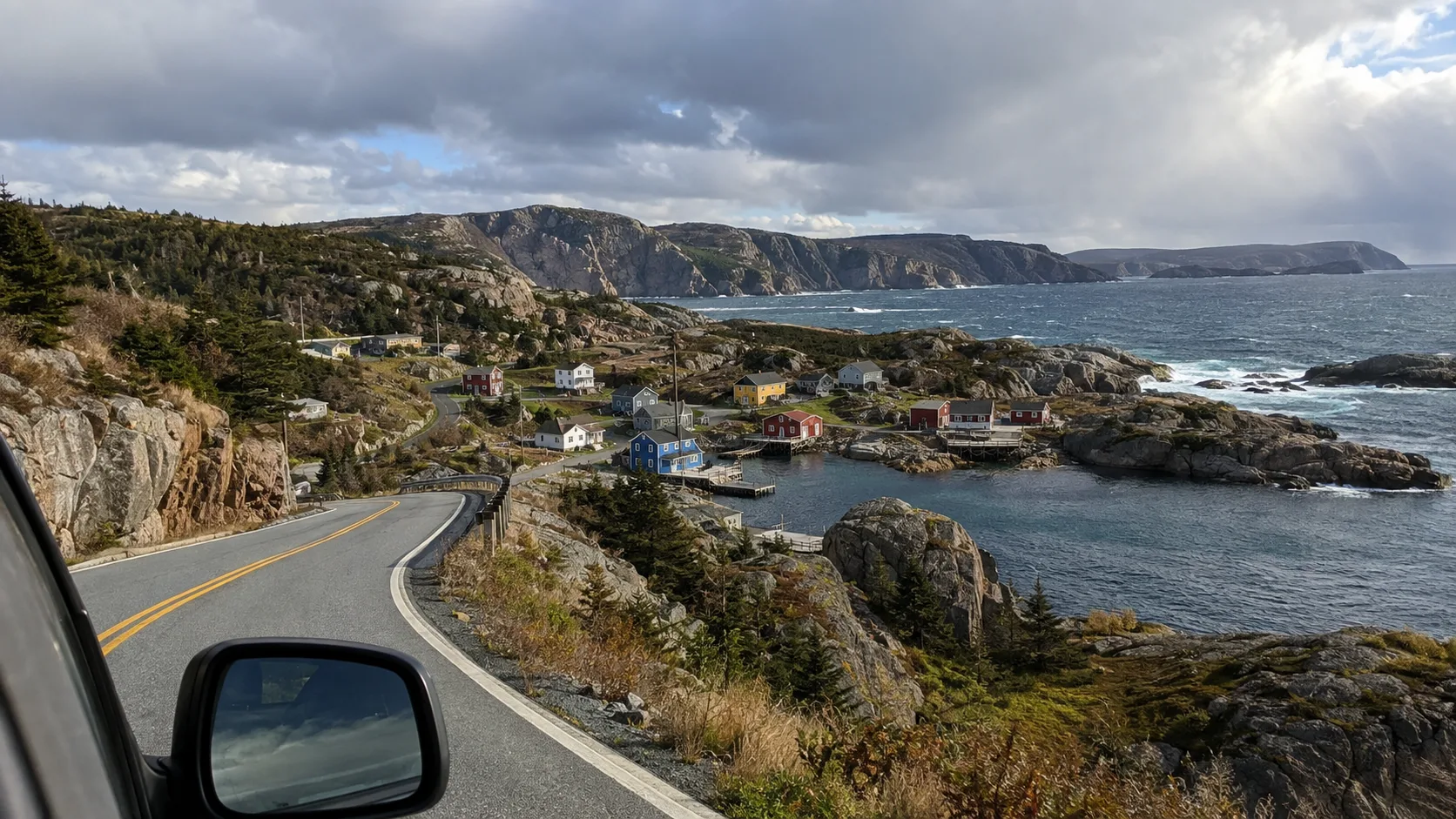
Route 2: Seven Days in Eastern Newfoundland
This route suits travelers who prioritize music, food, history, outport scenery, seabirds, and shorter walks. Base three nights in St. John’s, then spend three or four nights around Trinity, Bonavista, or another carefully chosen peninsula base.
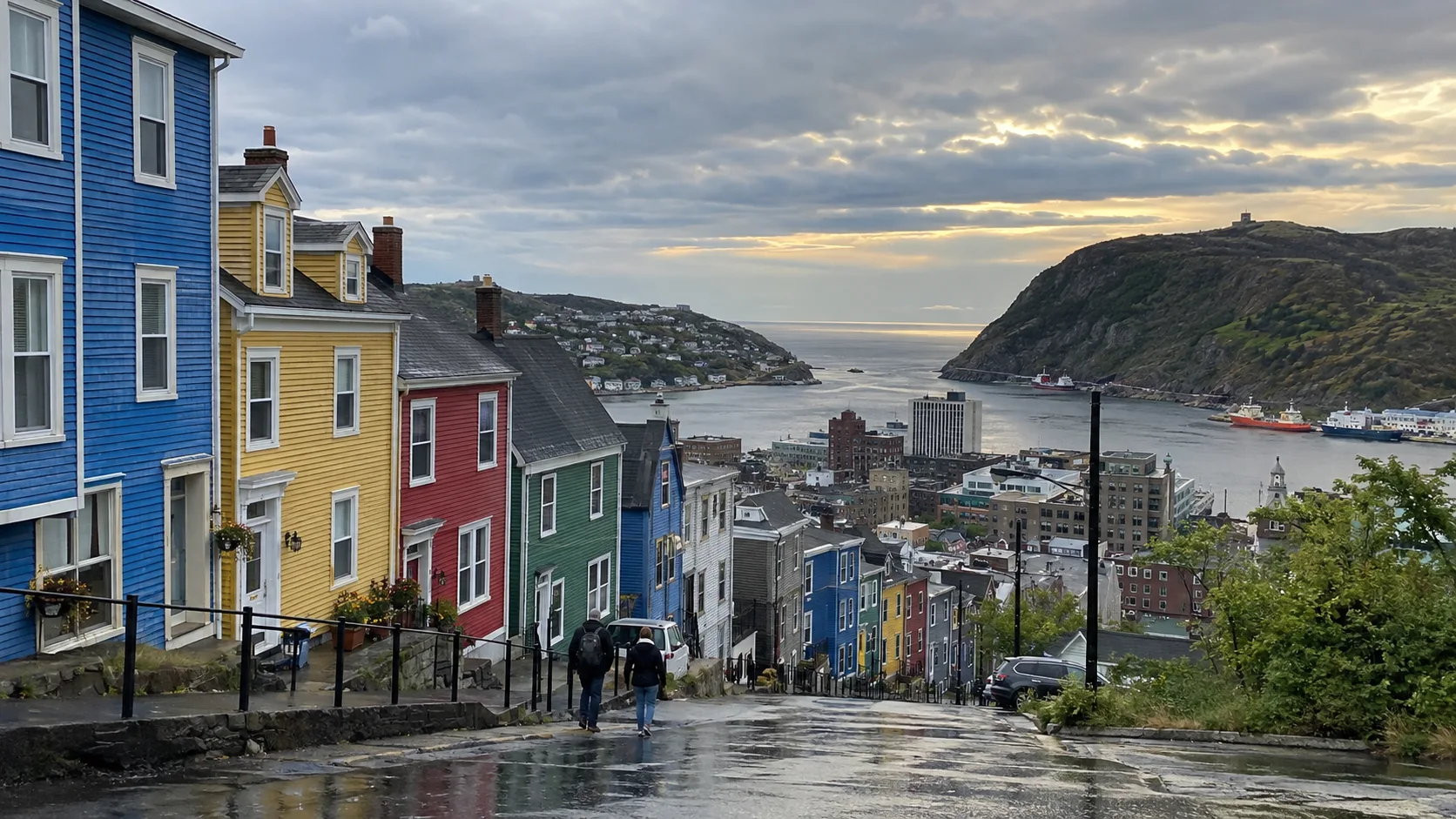
Days 1 to 3: St. John’s and the Avalon Peninsula
Use one day for downtown St. John’s, The Rooms, harbor views, and an evening of live music matched to your comfort level. The city’s steep streets and rapidly changing weather reward shoes with grip and flexible layers.
Use another day for Signal Hill, Quidi Vidi, and Cape Spear based on opening information and visibility. Cape Spear feels remote in rough weather even though it is close to the city, so cliff barriers and wind warnings matter.
A third day can focus on the southern Avalon, a qualified boat trip, or a section of the East Coast Trail. Do not promise yourself whales, puffins, or an iceberg because a tour date sits inside a broad wildlife season.
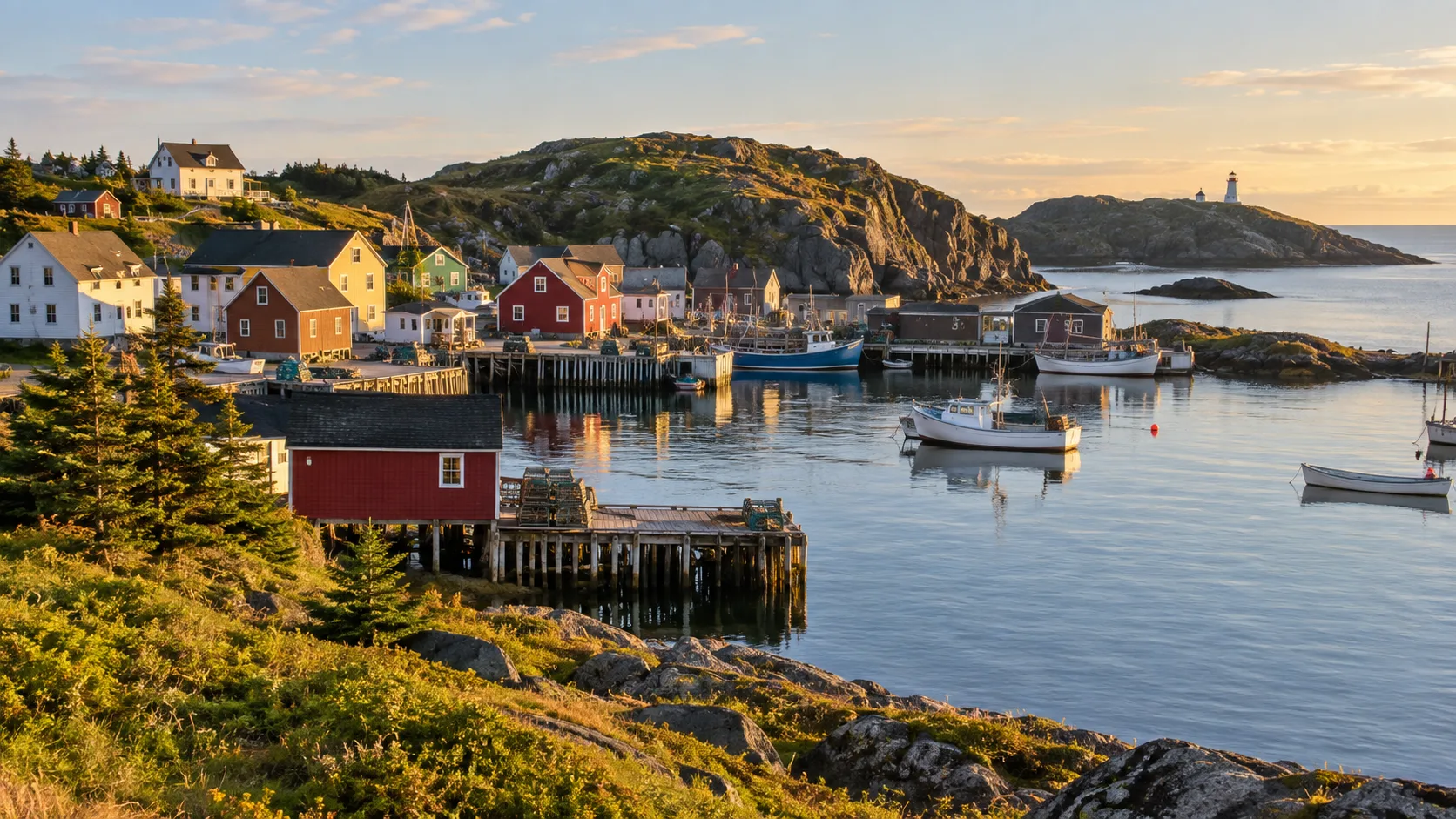
Days 4 to 6: Trinity and Bonavista
Move northwest to a Trinity or Bonavista-area base, allowing stops without turning every cove into a checklist. Historic buildings, theater, coastal walks, food, and lighthouse landscapes work best with two full days.
Check the exact operating dates for museums, historic sites, boat tours, and restaurants. A village can be beautiful after seasonal services close, but that is a different trip than the one a July itinerary describes.
Keep distance from cliff edges and nesting wildlife, and never approach an iceberg from shore or boat without professional judgment. Wind, waves, cold water, and collapsing ice create risks that a photograph does not show.
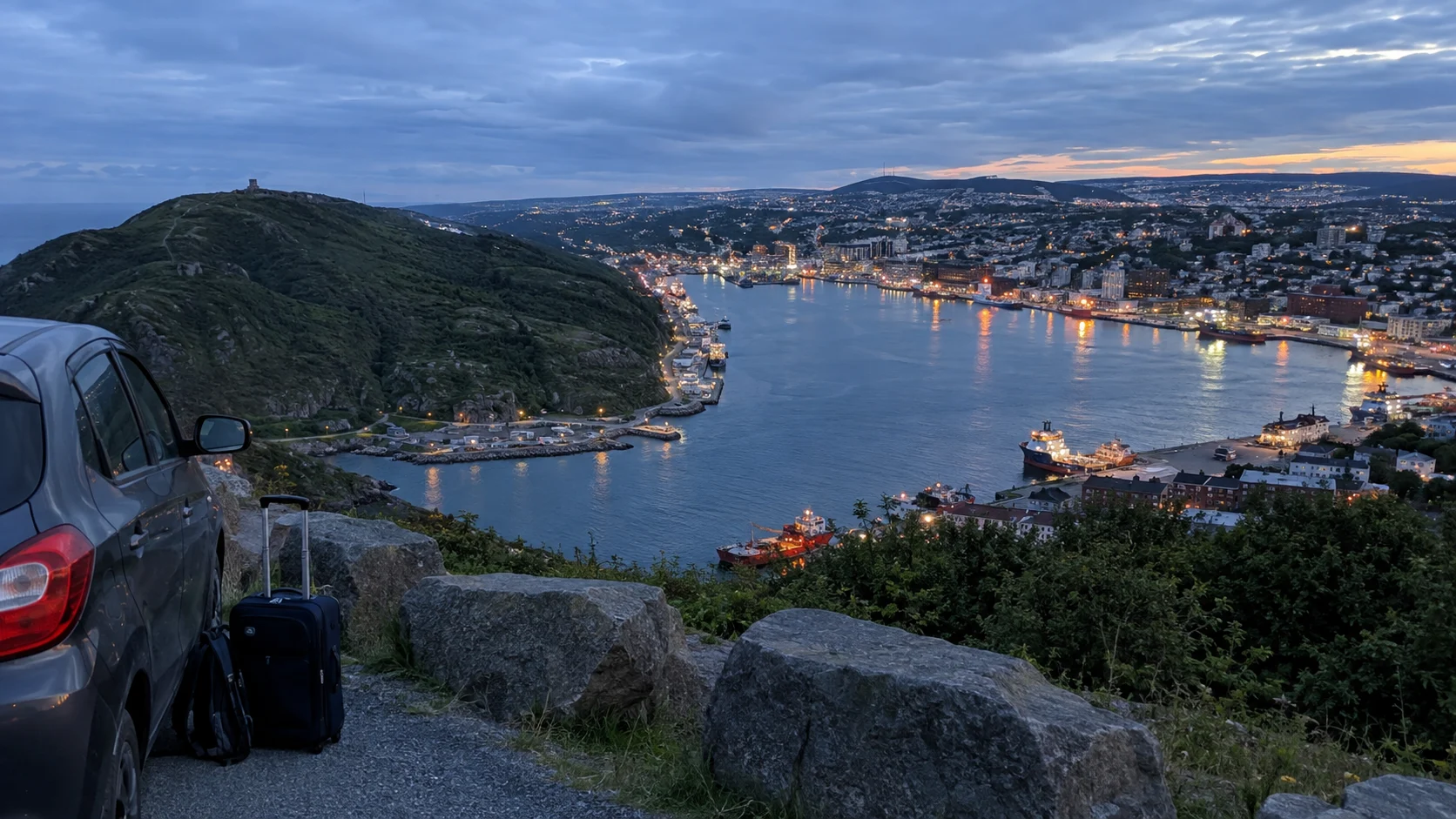
Day 7: Return to St. John’s
Use the last day as a weather buffer and direct return rather than adding another peninsula. If your flight leaves early, sleep in St. John’s the night before.
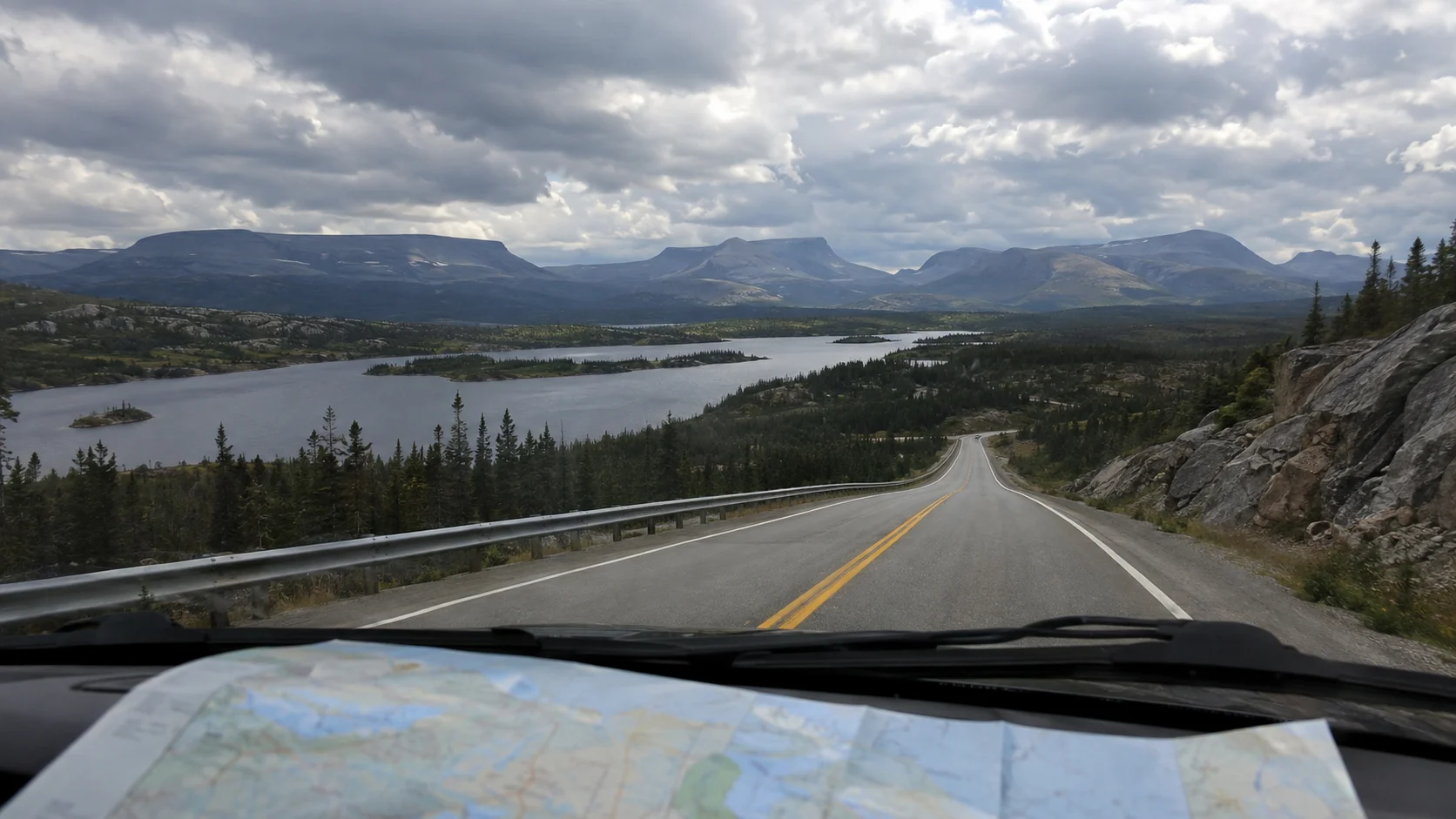
Route 3: A 12-to-14-Day Cross-Island Trip
A full island drive makes sense when you arrive at one end and leave from the other or accept the return mileage. The Trans-Canada Highway crosses roughly 562 miles between Port aux Basques and St. John’s before any coastal detours.
Use three or four nights around Gros Morne, two in a central or northeastern base, two or three around Trinity and Bonavista, and three in St. John’s. Twillingate or Fogo Island can replace another region, but neither is a free add-on.
Fogo Island requires checking the provincial ferry, vehicle capacity, lineup or reservation process, and current status. Build an overnight buffer before a flight or Marine Atlantic departure.
My Canada road-trip planner helps calculate time by region rather than country-scale ambition. In Newfoundland, the interesting roads often leave the main highway and then return the same way.
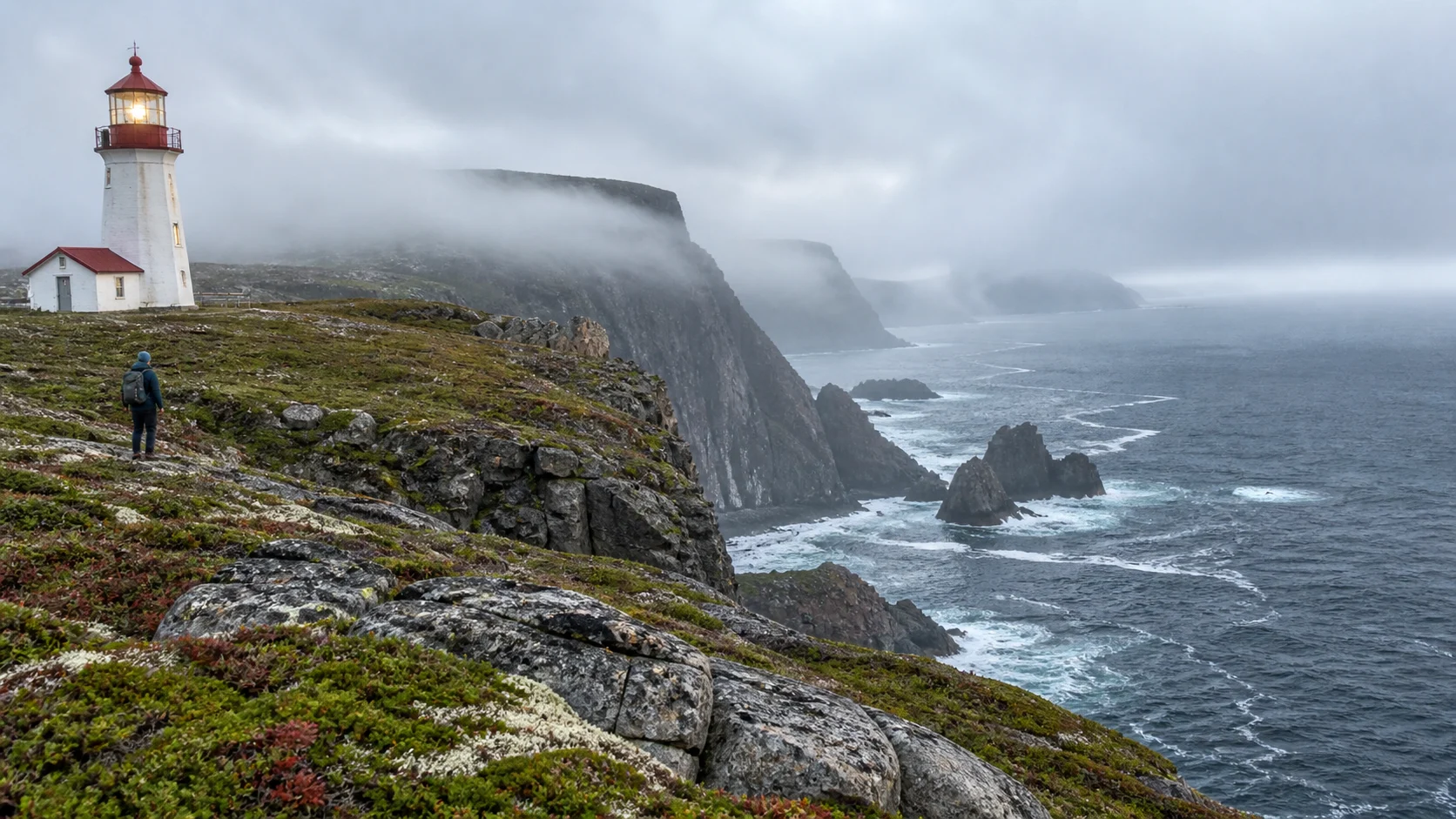
Labrador Is a Separate Adventure
Labrador is the mainland portion of the province and home to distinct Innu, Inuit, and settler communities. It should never be described as empty wilderness waiting for outsiders.
Southern Labrador can connect by ferry between St. Barbe on Newfoundland and Blanc-Sablon in Quebec, then by road through coastal communities. The Trans-Labrador route can connect Quebec with Labrador City, Happy Valley-Goose Bay, the south coast, and the Blanc-Sablon ferry corridor.
Services are widely spaced, weather can be severe, cell coverage is limited, and ferry capacity or schedules can determine the route. Carry water, food, warm layers, a spare tire plan, roadside supplies, offline navigation, and emergency communication suited to the drive.
Northern Labrador and Nunatsiavut communities require air or marine logistics and community-specific planning. Start with information from the Nunatsiavut Government and use authorized local hosts rather than assuming recreational access.
Fly or Take the Ferry?
Flying Saves Time
St. John’s is the natural airport for an eastern trip, while Deer Lake is the strongest gateway to Gros Morne. A multi-city ticket can make a cross-island rental possible, but one-way vehicle fees and inventory may be significant.
Marine Atlantic Fits a Road Trip
Marine Atlantic connects North Sydney, Nova Scotia, with Port aux Basques year-round and offers an Argentia route seasonally. The operator strongly recommends advance reservations and currently requires passengers to check in at least two hours before scheduled departure.
Confirm those details on Marine Atlantic’s reservation and check-in page for your sailing. Book a cabin or reserved seating according to the crossing and your sleep needs, not only the cheapest fare.
Weather and operations can delay ferries, so do not build a tight onward flight or hotel cancellation around the published arrival. Vehicle rates can exclude passengers, and amendments may reprice, so compare the complete booking.
When to Visit
June Through September for a First Road Trip
Summer brings the broadest range of lodging, restaurants, boat trips, historic sites, trails, and ferries. It can still deliver fog, wind, cold rain, warm sun, and insects within the same itinerary.
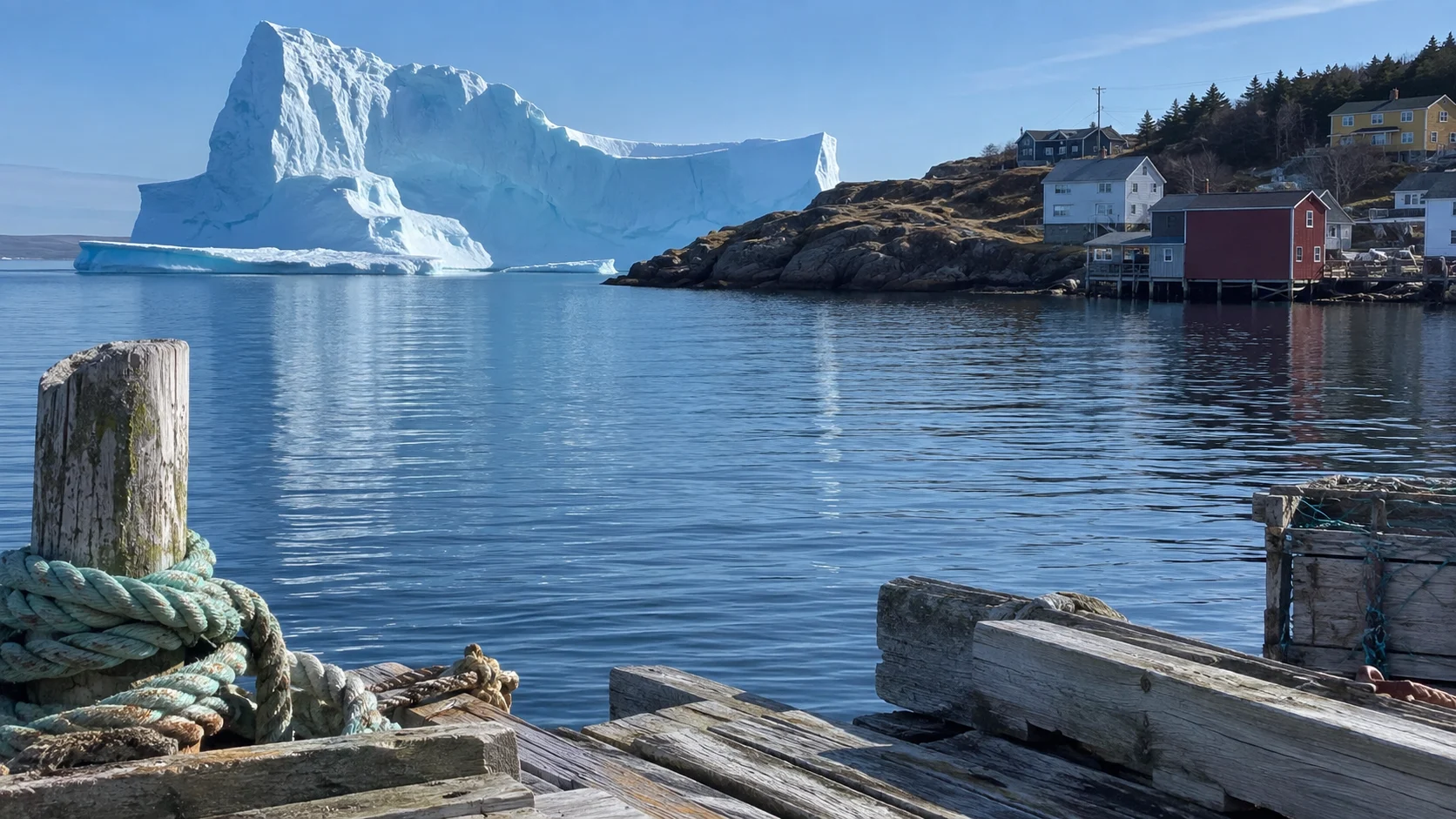
May and June for Iceberg Hopes
Spring and early summer often attract iceberg-focused travelers, but location, visibility, sea ice, wind, and annual conditions vary. Never book a trip on the promise of seeing one from a specific window.
Fall for Color and Quieter Roads
September and early October can bring fall color, cooler hiking, and lower visitor volume. Seasonal businesses, tours, campgrounds, and ferries may reduce service, while storms can rearrange travel.
Winter Needs a Winter Itinerary
Winter is not simply a cheaper version of the summer loop. Snow, wind, short daylight, closures, and limited services require purpose-built plans and local condition checks.
Driving and Weather Safety
Check 511 Newfoundland and Labrador for roads, cameras, major incidents, Wreckhouse wind warnings, and provincial ferry status. Download critical directions before leaving service.
Moose can appear on roads, especially in low light, and a collision can be catastrophic. Reduce speed, avoid unnecessary night driving, and never stop in a traffic lane for wildlife.
Distances between fuel, food, restrooms, and repair services grow outside major centers. Top up early and carry more water, snacks, and warmth than a city drive would require.
Coastal wind can make doors difficult to control and viewpoints unsafe. Respect barriers and turn back when visibility, gusts, or footing remove the margin.
Culture, Food, and Respectful Travel
Eat beyond one famous plate by trying cod, shellfish, fish cakes, toutons, berries, local baked goods, and contemporary restaurants using regional ingredients. Ask what is local and in season rather than assuming every menu item came from the nearby harbor.
Live music and storytelling are part of the appeal, but a performance is not permission to imitate accents or treat residents as characters. Listen closely, ask thoughtful questions, and buy work directly from local artists when possible.
Indigenous nations and communities have their own protocols, histories, businesses, and visitor opportunities. Use Nation-led sources and hosts, especially in Labrador, instead of flattening Innu, Inuit, and Mi’kmaq identities into one label.
If Atlantic Canada is becoming a longer journey, my New Brunswick route guide offers a tide-led Fundy plan. Keep a travel day between provinces instead of pretending the ferry is downtime with no check-in or weather risk.
Budget and Booking Order
Reserve flights or Marine Atlantic first, then the rental car and lodging in small, high-demand communities. Book must-do boat tours, theater, guided hikes, and ferry-dependent islands next.
Budget for fuel, ferry passengers and vehicle, cabins or reserved seats, parks, food, wildlife trips, one-way car fees, and weather-related extra nights. A low room price far from the next day’s activity can create expensive driving.
Choose one expensive anchor experience per region and fill the rest with trails, museums, community walks, and viewpoints. The national parks trip list can help compare Gros Morne with other park-centered vacations before you commit.
What to Pack
- Waterproof shell, insulating layer, and warm hat
- Walking shoes with strong wet-surface grip
- Sun protection and insect repellent
- Offline maps, charging cable, and power bank
- Binoculars for wildlife viewed at a responsible distance
- Refillable water bottle and road snacks
- Passport and documents required for your route
Bring a small daypack that can hold layers even when the morning starts clear. The Atlantic weather will make a minimalist jacket pocket feel optimistic very quickly.
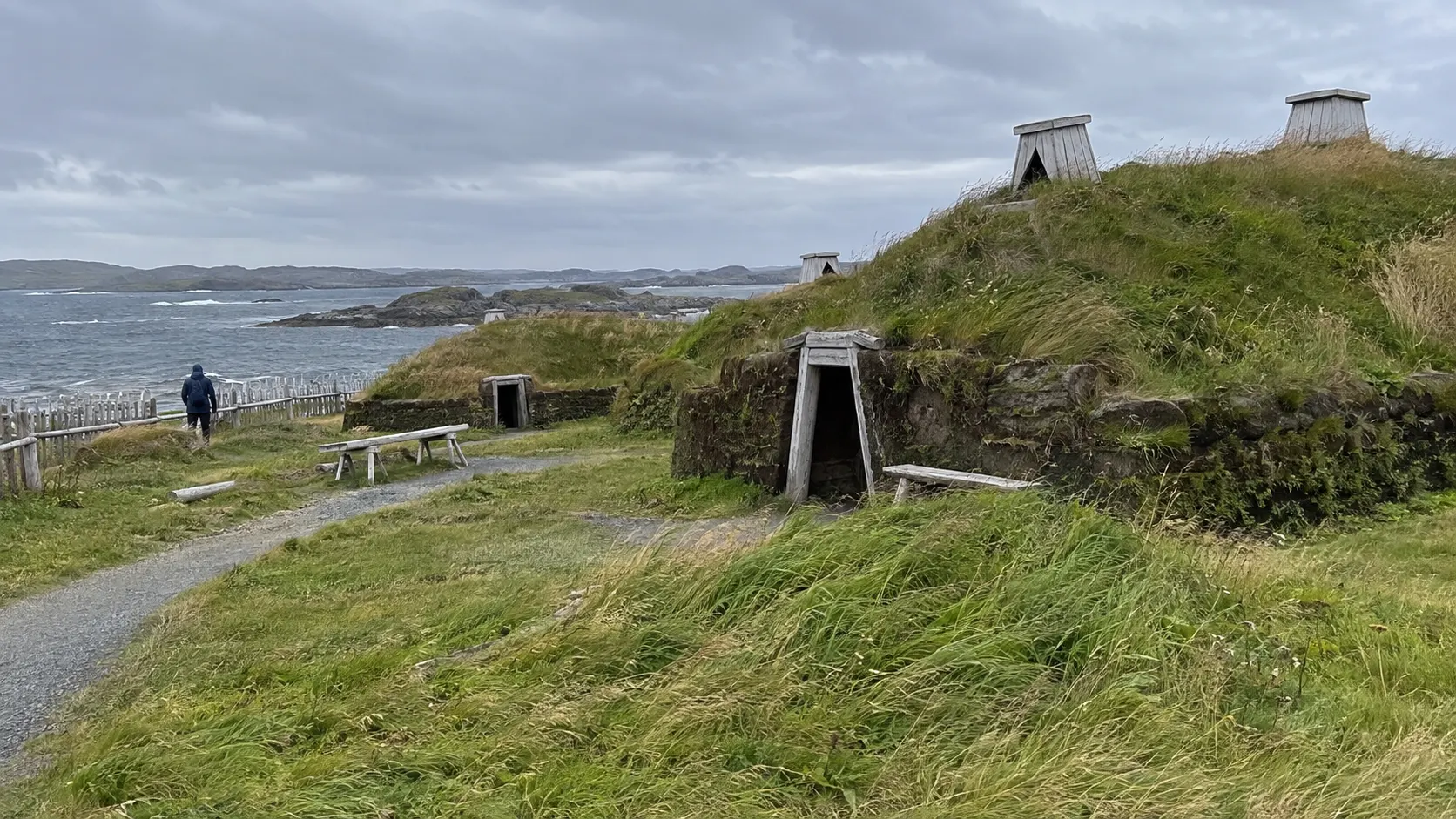
How to treat the northern peninsula extension
L’Anse aux Meadows belongs in a separately timed extension, not in the last two days of the eight-day Gros Morne route. I would add at least four days: one northbound transfer day, two nights near St. Anthony with a full history day, and a southbound transfer day ending near Deer Lake.
If the departure is Port aux Basques, add another overnight on the southbound return instead of driving the full peninsula and immediately boarding a ferry. Choose this extension only after checking the seasonal opening of the historic site, lodging near St. Anthony, and the actual drive from the property you book.
The eight-day core above therefore has nights 1 through 6 in the Gros Morne area and night 7 by the departure gateway. An early Day 1 ferry arrival may justify stopping en route to the park if you are tired, with the first short park day shifted later rather than increasing the driving.
The Bottom Line
Choose western Newfoundland for Gros Morne and the Viking Trail, or eastern Newfoundland for St. John’s, the Avalon, Trinity, and Bonavista. Give a cross-island trip two weeks, and plan Labrador as its own serious journey.
The province rewards slow travel, flexible weather days, and curiosity about communities rather than a race between scenic signs. Pick one coastline, reserve the fragile logistics, and leave enough room to stop when the view earns it.