Ontario Travel Guide: Routes, Seasons and First-Trip Planning
Ontario can be a Toronto weekend, a Niagara Falls add-on, a quiet canoe trip, or a 1,000-mile northern drive. The province is too large for one highlights loop, so this guide starts with realistic regions, travel times, seasons, and the trips that actually fit together.
Choose Your Ontario Trip Before Your Stops
Southern Ontario holds Toronto, Niagara, Ottawa, Kingston, most major airports, and the densest rail and highway network. Northern Ontario stretches far beyond cottage-country shorthand, with Lake Superior, boreal forest, smaller communities, and distances that demand a separate itinerary.
The official Destination Ontario route collection is useful for seeing which places connect. Treat its suggested durations as a starting point, then add the meal stops, trail time, traffic, parking, and rest days your trip needs.
Best Ontario Routes for a First Visit
Toronto and Niagara Falls in six days and five nights
Give Toronto nights 1 through 3 and Niagara nights 4 and 5, then depart on Day 6, especially if you want both the falls and Niagara-on-the-Lake. This route suits first-time visitors, families, food travelers, and anyone who wants major sights without renting a car for the whole trip.
Use Toronto days for neighborhoods, waterfront, museums, markets, and one view rather than racing between every famous tower and gallery. In Niagara, separate the waterfall experience from wineries, theater, historic streets, and the rural peninsula.
Toronto, Kingston, and Ottawa in seven to nine days
This eastbound route combines Ontario’s largest city, a compact limestone waterfront city, and Canada’s capital. Train travel can work among the three, although station locations, schedules, baggage needs, and local transport still deserve checking.
Kingston earns at least one night rather than a lunch stop. Its waterfront, historic sites, university energy, and access to the Thousand Islands give the route a different texture between two capitals of culture and government.
Muskoka and Algonquin in six to eight days
This is the classic lake-and-forest plan, best with a car and a willingness to slow down. Pair a Muskoka town or resort with Algonquin’s Highway 60 corridor instead of changing lodging every night.
Algonquin is a provincial park, not a single trailhead or drive-through viewpoint. Day-use permits, campsites, backcountry access, outfitting, and seasonal facilities are separate parts of the plan.
Bruce Peninsula and Georgian Bay in five to seven days
Tobermory, Bruce Peninsula National Park, Fathom Five National Marine Park, and nearby shoreline communities make a strong water-and-hiking trip. The famous Grotto area is not a spontaneous summer detour because parking and access can require advance reservation.
Parks Canada’s Bruce Peninsula planning page carries current parking, camping, fees, safety, and operational notices. Read it before booking lodging because a room near Tobermory does not create park access.
Lake Superior in ten days or more
The Lake Superior shore from Sault Sainte Marie toward Thunder Bay is one of Ontario’s great drives, with provincial parks, waterfalls, beaches, rock, and long forest sections. It is not an extension of a Toronto weekend.
Destination Ontario’s current Lake Superior route helps divide the coast into workable stops. Fuel, food, lodging, cell coverage, construction, weather, and animal hazards need more attention here than on the Toronto-Ottawa corridor.
Toronto Without the Checklist Fatigue
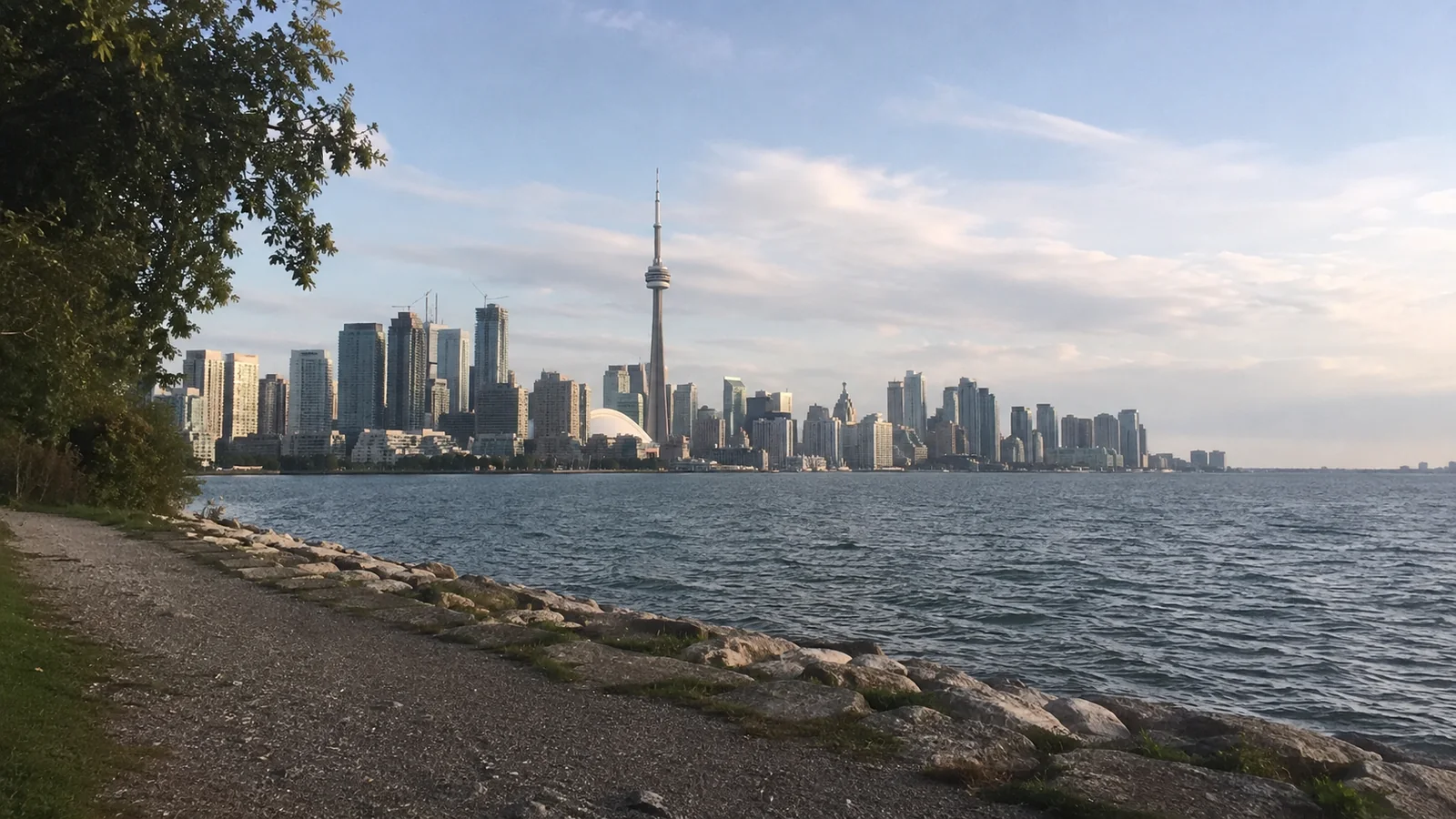
Toronto is Ontario’s biggest transport hub and its strongest urban food destination. It rewards neighborhood days more than a chain of ticketed attractions, so group the waterfront and islands, downtown museums, west-side markets, and an evening district geographically.
The CN Tower gives the iconic view, while the Royal Ontario Museum, Art Gallery of Ontario, St. Lawrence Market, Kensington Market, Distillery District, and Toronto Islands compete for limited time. Choose two anchors per day and let meals connect them.
Toronto Pearson International Airport sits well outside downtown, while Billy Bishop Toronto City Airport is closer but serves a different network. Compare the complete airport transfer, not just the airfare.
A car is usually more burden than help in the central city. Rent one when leaving for rural Ontario, then return it before a final downtown night if the fee and route make sense.
Niagara Falls Beyond the Railings
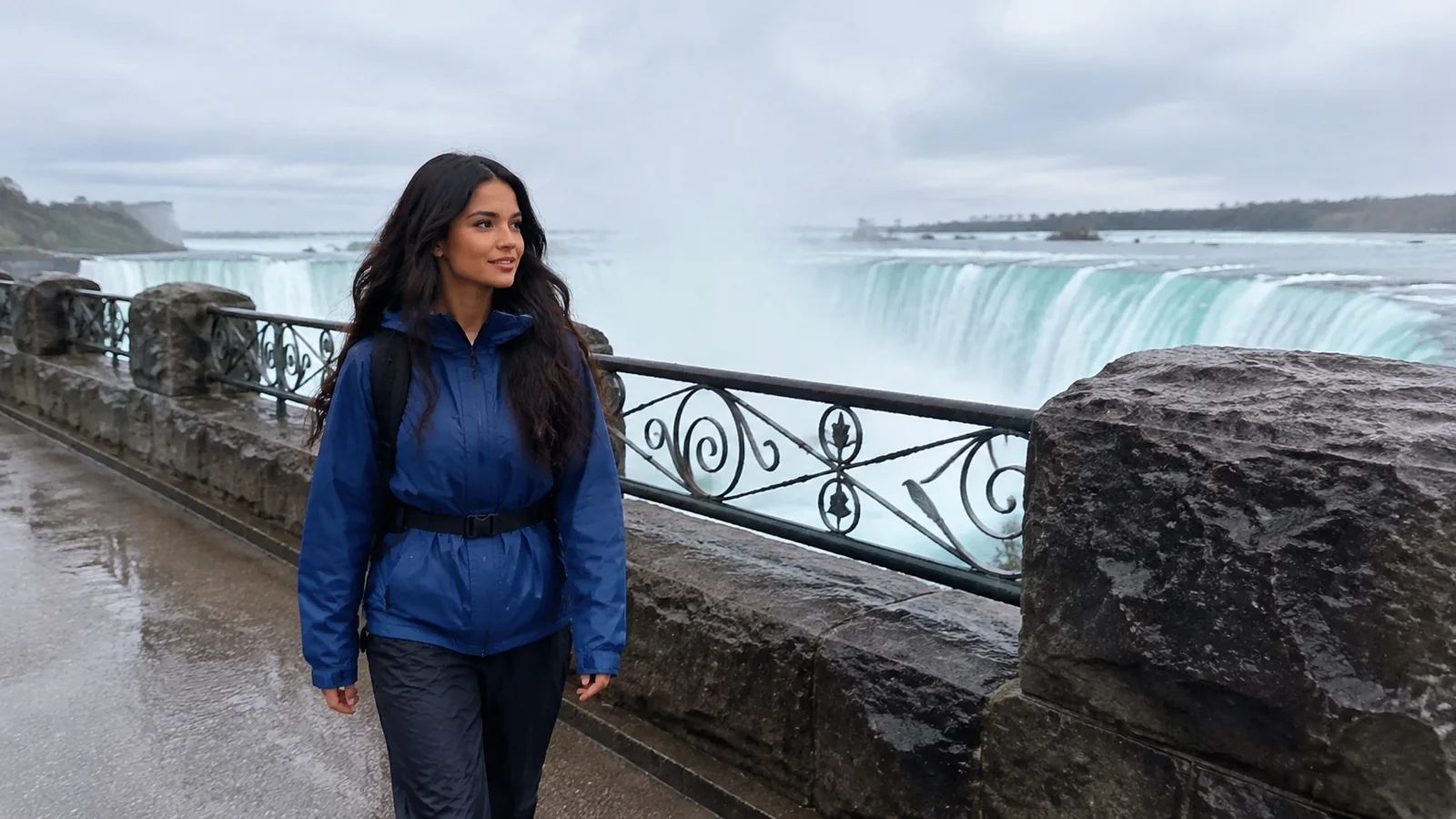
The Horseshoe Falls is the Canadian-side centerpiece, but the full Niagara experience includes the Niagara River, gorge, hydroelectric history, gardens, and communities downstream. Mist, wet surfaces, crowds, and seasonal operations change how long each stop takes.
One night lets you see the illuminated falls and start before day visitors arrive. Two nights are better when adding Niagara-on-the-Lake, wineries, theater, or cycling.
Niagara Falls city and Niagara-on-the-Lake are not the same place and are about 16 miles apart by road. Designate a driver, book a tour, or arrange transport for winery visits rather than improvising after tastings.
Ottawa for Museums, Government, and Waterways
Ottawa deserves two or three nights for Parliament Hill, national museums, the Rideau Canal, ByWard Market, and neighborhoods beyond the ceremonial core. Parliament access, tours, and construction conditions can change, so check official booking information close to the trip.
The Ottawa River marks the provincial boundary, and Gatineau, Quebec, sits directly across it. That makes a museum or park visit in Quebec easy, but it does not mean the two provinces share identical rules, taxes, language settings, or park systems.
Winter skating on the Rideau Canal Skateway is weather-dependent and never guaranteed for a particular date. Plan a winter city break with museums and indoor options first, then treat skating as a live-condition bonus.
Ontario’s Park Systems Are Not Interchangeable
Ontario Parks manages provincial parks such as Algonquin, Killarney, Lake Superior, and Sleeping Giant. Parks Canada manages federal places including Bruce Peninsula, Point Pelee, Pukaskwa, Thousand Islands, Georgian Bay Islands, and Rouge National Urban Park.
Passes, reservations, fees, operating seasons, campsite systems, pet rules, and backcountry procedures depend on the manager and exact site. The Ontario Parks reservation system currently allows many reservations up to five months before arrival, but product-specific rules can differ.
Use the official Ontario Parks reservation portal rather than a third-party campsite listing. For federal places, use Parks Canada and confirm whether day use, parking, boat transport, camping, or a particular experience requires its own booking.
If coastal park planning is new, the Cavendish Beach guide shows why admission, parking, surf conditions, facilities, and nearby attractions must be checked separately. Ontario shorelines need the same disciplined approach even when the water is fresh.
Cottage Country Without Owning a Cottage
Muskoka, the Kawarthas, Haliburton, Georgian Bay, and other lake districts are often bundled as cottage country, but each has different access and town services. Visitors can use inns, resorts, campgrounds, rental cottages, outfitters, cruises, and public beaches without pretending to be a local cottager.
Waterfront does not always mean swimmable shore, private dock rights, included boats, or easy town access. Ask about water entry, depth, weeds, supervision, life jackets, motor rules, road condition, insects, and the nearest groceries before reserving.
Northern Ontario Needs Its Own Scale
Thunder Bay is roughly 860 road miles from Toronto, and even that does not represent Ontario’s far north. Flying into Thunder Bay, Sault Sainte Marie, or another regional airport can protect vacation time, but rental supply and one-way fees need early attention.
Lake Superior weather can shift quickly, distances between services can be long, and some trailheads or businesses operate seasonally. Download maps, carry an emergency margin, refuel early, and avoid building a drive day around an attraction’s last admission.
Indigenous nations are present communities and rights holders, not historic decoration. Book Indigenous-owned or community-authorized experiences where offered, follow photography and site guidance, and do not enter reserve land or cultural places because an unofficial map labels a viewpoint.
For a useful comparison in scale and permissions, the Yukon travel guide applies the same principle: a place name on a map does not prove ordinary visitor access or services. Ontario is more populous, but remote-route discipline still matters.
Best Time to Visit Ontario
Late May through June
Late spring brings green landscapes, opening seasonal services, and fewer peak-summer crowds, but cold lake water, rain, mosquitoes, and black flies can surprise visitors. Northern and backcountry conditions lag behind Toronto’s patios.
July and August
Summer offers the broadest park, ferry, attraction, beach, and festival operation. It also brings heat, humidity, thunderstorms, insects, road traffic, sold-out campgrounds, and premium lake-country pricing.
September and early October
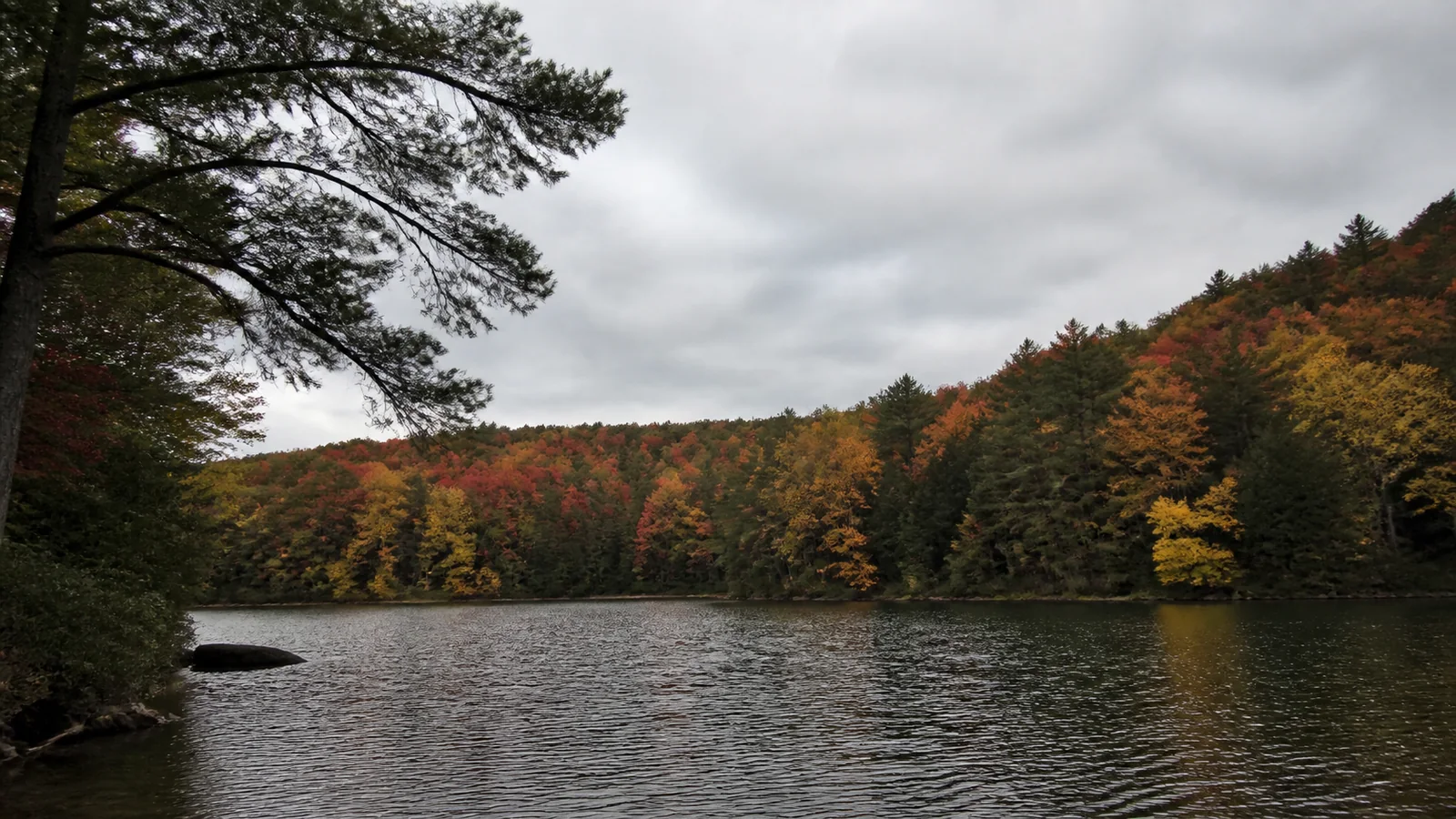
Early fall is my best all-around period for cities plus hiking, with cooler nights and changing leaves. Fall color timing varies by latitude, elevation, species, and weather, so no date guarantees peak color across Toronto, Algonquin, and Lake Superior.
Winter
Winter suits skating, skiing, snowshoeing, winter festivals, and deliberate cold-weather trips. Snow, lake effect, freezing rain, short daylight, road closures, and seasonal attraction shutdowns make it a poor time to reuse a summer itinerary.
April and November
These transitional months can bring good city value and thin crowds, but trails may be muddy or icy and seasonal businesses may be closed. Choose museums, food, and flexible city time rather than expecting full cottage or park operation.
Getting Around Ontario
Toronto, Ottawa, Niagara, Kingston, London, and Windsor have varying combinations of intercity rail, bus, and local transit. Public transport is strongest along the southern corridor and much thinner for parks, small towns, and northern routes.
Driving gives the most freedom outside cities, but distance estimates need construction, urban traffic, rest, wildlife, weather, and fuel. Ontario’s official road-safety page points travelers to 511 for current highway conditions.
The Great Lakes road-trip itinerary is the better tool if your goal is connecting all five lakes. This Ontario guide keeps the province itself manageable rather than forcing an international mega-loop into one vacation.
Border, Money, and Measurement Details
Ontario uses Canadian dollars, metric road signs, liters at gas stations, and Celsius weather reports. U.S. visitors need to confirm current Canadian entry documents and admissibility for every traveler, including children.
Sales tax is commonly added at checkout, and card issuers may charge foreign transaction fees. Mobile roaming can also become expensive near the border because a phone may switch networks unexpectedly.
Crossing into the United States for a shortcut or attraction creates another international border event. Carry the proper documents and allow time in both directions rather than treating the border like a state line.
Wildlife and Water Safety
Do not approach or feed bears, moose, deer, foxes, or smaller wildlife. Secure food and scented items according to the exact campground’s rules, make noise where visibility is poor, and follow current park notices.
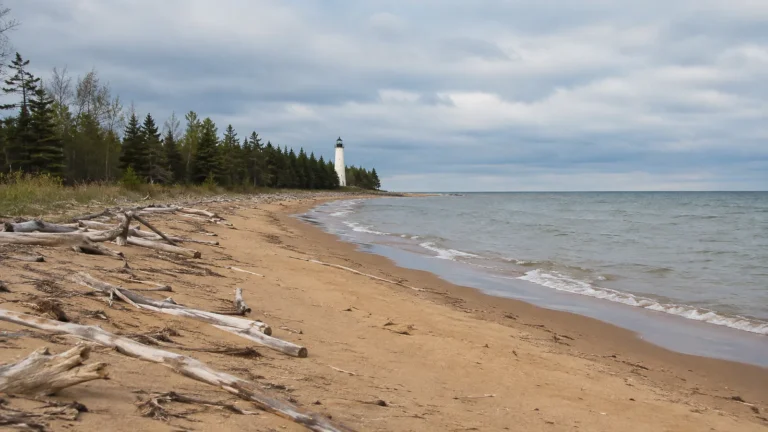
The Great Lakes can produce cold water, waves, currents, sudden wind, and changing weather that look more like an inland sea than a small lake. Use life jackets, respect beach flags and closures, and do not equate clear water with safe swimming.
Backcountry paddling requires route, portage, weather, skill, communication, and emergency planning. A rented canoe does not turn a first-time visitor into a self-sufficient wilderness traveler, so hire instruction or a guide when the experience exceeds the group’s skills.
Sample Ten-Day First Trip
- Days 1 to 3: Toronto neighborhoods, waterfront, food, and one major museum.
- Days 4 to 5: Niagara Falls, plus either Niagara-on-the-Lake or a gorge-focused day.
- Day 6: Return toward Toronto and travel to a Muskoka base.
- Days 7 to 8: Muskoka lakes, towns, and an easy outdoor activity.
- Day 9: Algonquin Highway 60 day use with a reserved permit and weather backup.
- Day 10: Return toward Toronto without a same-day long drive to an early flight.
If Ottawa matters more than lakes, replace Muskoka and Algonquin with Kingston and Ottawa rather than adding both. That version also works better without a car.
Ontario Planning Checklist
- Choose southern cities, cottage country, or northern Ontario as the trip’s center.
- Map distances in hours and include breaks, not only miles.
- Reserve scarce campsites, park parking, ferries, and peak lodging early.
- Check who manages every park and what the booking actually includes.
- Carry rain, cold, sun, and insect protection for outdoor days.
- Check 511, wildfire notices, air quality, marine forecasts, and park alerts.
- Leave border and airport margin at both ends of the trip.
Huntsville to a named Algonquin trail
Use Huntsville as the Muskoka base for this version, with groceries and dinner close by, then drive east on Highway 60 toward Algonquin’s West Gate. I would allow about an hour to the gate and another 15 to 20 minutes to Hardwood Lookout, plus admission or parking delays, rather than promising a park walk immediately after breakfast.
Ontario Parks lists Hardwood Lookout at kilometer 13.8 east of the West Gate as a one-kilometer loop taking about 45 minutes, with a view over Smoke Lake. Expect roots and climbing on this moderate trail, and keep another half hour for the overlook and getting settled at the parking area.
For a longer day, choose Track and Tower at kilometer 25: a 7.5 km loop taking around four hours, with a Cache Lake viewpoint. I would make it the main outing rather than adding it after the short walk, then return to Huntsville before dusk.
Reserve the correct Highway 60 corridor daily vehicle permit for your date through the park’s day-use booking guidance, especially during fall color and weekends. A permit does not reserve a particular trailhead parking space or override a trail closure, so check the park alerts before leaving Huntsville.
My Honest Ontario Recommendation
For a first visit, I would pair Toronto with Niagara and one contrasting region, either Ottawa and Kingston or Muskoka and Algonquin. That gives Ontario room to change character without converting the vacation into a windshield tour.
Save Lake Superior and the north for a dedicated trip with more days and fewer promises. Ontario rewards restraint because its best city meals, lake mornings, and trail hours all disappear when the route is overloaded.