Valencia, Spain: A Realistic 3-Day First-Time Itinerary
Valencia works best when you stop treating it like a smaller Barcelona. Give it three days and you can pair medieval streets with the Turia Garden, choose the right City of Arts and Sciences ticket, and still have time for either the Mediterranean beach or Albufera rice country.
How many days do you need in Valencia?
Two full days cover the historic center, a section of the Turia Garden, and a carefully chosen part of the City of Arts and Sciences. Three days are ideal because the beach and Albufera sit in different directions and deserve more than a hurried photo stop.
With only one day, stay central until lunch, then follow the Turia Garden toward the City of Arts and Sciences for the exterior architecture. Do not buy a large attraction bundle unless you are willing to spend most of that short visit indoors.
Four days let you visit both the coast and Albufera, add a museum, or take a train excursion. Travelers building a wider Spain trip can pair this plan with ideas from these remarkable Spanish lighthouse settings without cramming another region into the same afternoon.
Valencia itinerary at a glance
- Day 1 morning: Central Market, La Lonja, and the cathedral quarter
- Day 1 afternoon: El Carmen, Serranos Towers, and the Turia Garden
- Day 1 evening: Ruzafa or a relaxed dinner near your hotel
- Day 2: Turia Garden and one deliberate City of Arts and Sciences plan
- Day 3: Cabanyal and the beach, or Albufera and El Palmar
Move Day 1 away from Sunday if the Central Market matters, because its public shopping hours are Monday through Saturday. If weather warnings affect the coast or Albufera, keep the historic center and museums flexible rather than forcing the original order.
Day 1: historic Valencia without the backtracking
Start at the Central Market
Begin at Mercat Central while the stalls are active and before the aisles feel like a sightseeing corridor. The market’s official schedule currently lists shopping hours from 7:30 a.m. to 3 p.m., Monday through Saturday, with holiday changes still worth checking.
Breakfast can be simple: coffee, a pastry, fruit, or a small sandwich that leaves room for lunch. Remember that this is a working food market, so step aside before photographing a counter and do not handle produce without permission.
If your only central day is Sunday, do not build the morning around locked market doors. Start at Plaza de la Virgen, visit open worship spaces respectfully, and return to the market only if another morning is available.
Cross the street to La Lonja de la Seda
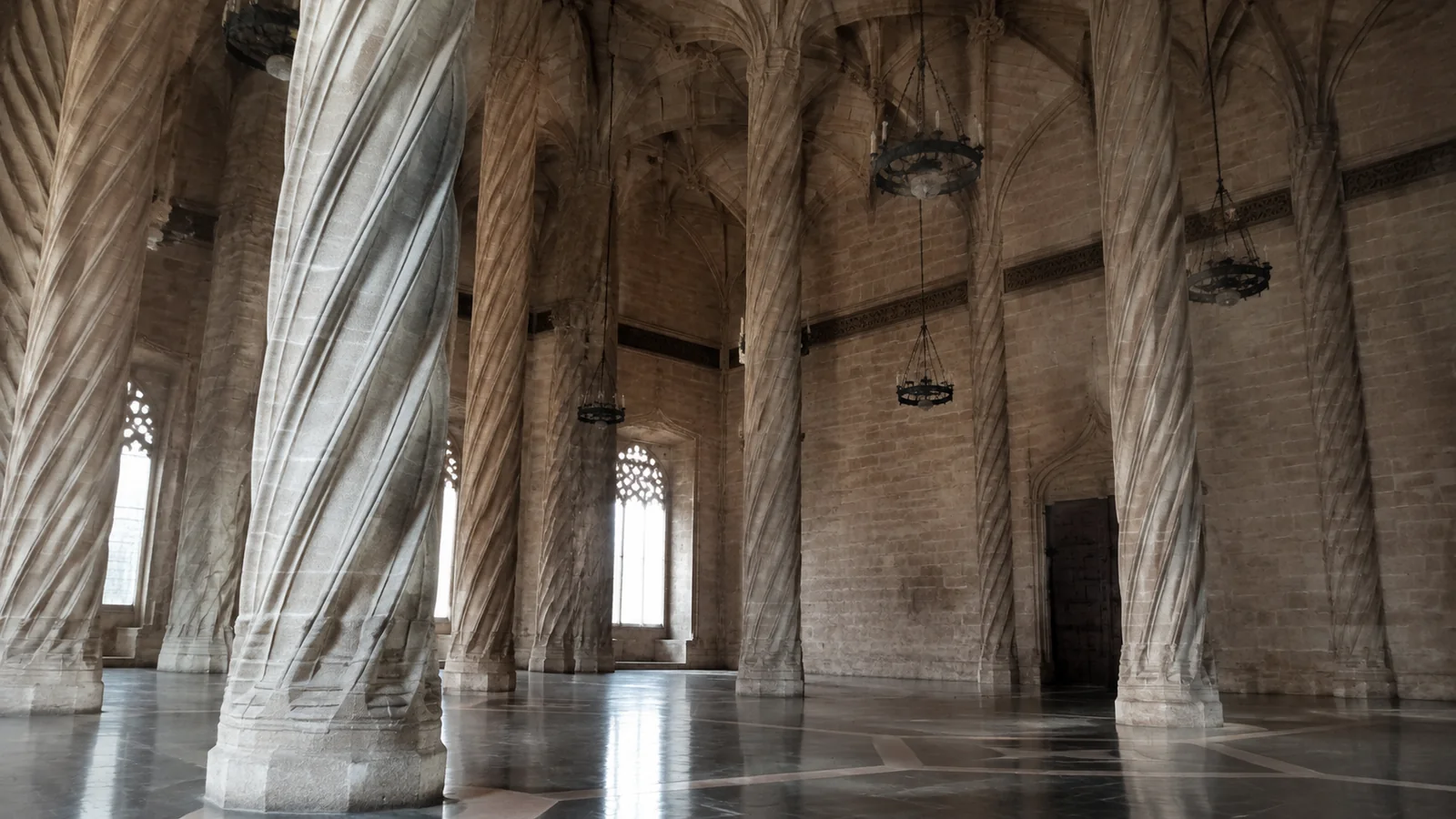
La Lonja is the logical second stop because it faces the market and takes you from modern food culture into Valencia’s mercantile past. UNESCO describes the 15th- and 16th-century Silk Exchange as a masterpiece of late Gothic architecture, especially its soaring Contract Hall.
Use the UNESCO listing for historical context, then check the city’s current access calendar before arrival. Municipal ceremonies, holidays, and restoration work can change an otherwise routine visit.
The spiral columns and stone details reward a slower look, but most travelers do not need half a day here. Allow roughly 45 to 75 minutes, longer if architecture is a central reason for your trip.
Continue to the cathedral quarter
Walk through Plaça de la Reina toward Valencia Cathedral, the Miguelete bell tower, and Plaça de la Virgen. The cathedral visit and tower climb can have different tickets and schedules, while services always take priority over sightseeing.
The Miguelete climb means a tight historic staircase with more than 200 steps, not a gentle elevator ride. Skip it if narrow stairs, heat, vertigo, or knee strain will overshadow the view, because the plazas and cathedral interior still make the stop worthwhile.
Dress for an active place of worship, keep shoulders and midriff reasonably covered, and lower your voice. A scarf in a day bag is useful, but respectful behavior matters more than finding the technical edge of a dress code.
Choose lunch by location, not by a checklist
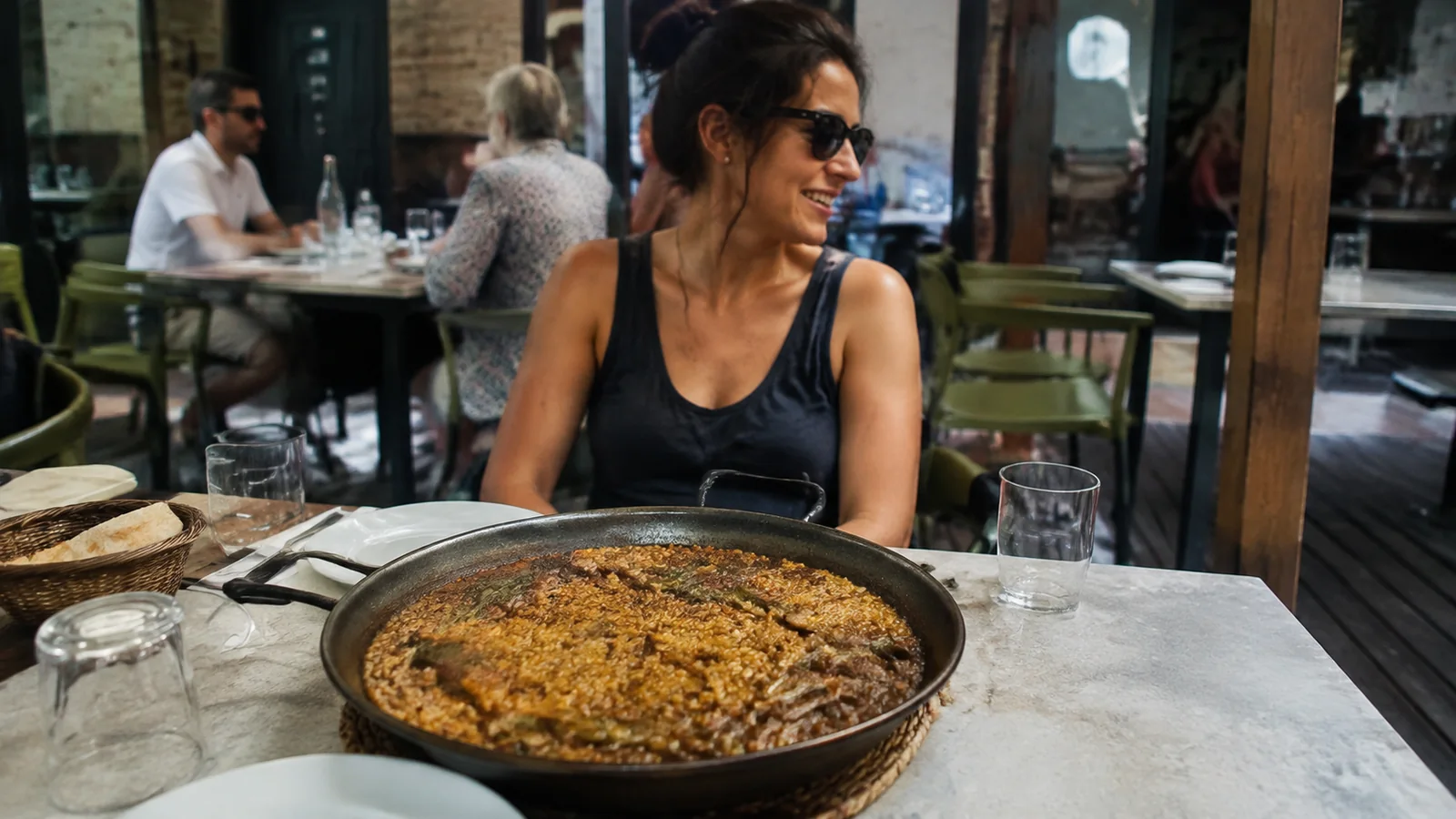
Valencian paella is traditionally a lunch dish, and the best-known version is not simply mixed seafood over yellow rice. If one specific rice restaurant matters, reserve ahead and ask what size or minimum order applies because many pans are prepared for two or more people.
Do not order paella at the first terrace only because a laminated photograph faces the sidewalk. A good arrocería needs time to cook the rice, so a wait can be normal rather than bad service.
If a large rice lunch will make the afternoon sluggish, choose tapas, a bocadillo, or a menu del día now and reserve paella for the beach or El Palmar on Day 3. This is a vacation, not a contest to finish every famous food before sunset.
Walk through El Carmen to Serranos Towers
After lunch, wander north through El Carmen’s lanes, street art, small squares, and surviving sections of the old city fabric. Keep a map handy because the appealing detours can turn a ten-minute walk into an hour.
Serranos Towers mark one of the monumental gateways into the medieval city. Climbing is optional, and opening hours can change around holidays, ceremonies, rain, or heat, so treat the exterior as the guaranteed experience.
Enter the Turia Garden
Descend into the former riverbed near Serranos and walk southeast through shade, sports areas, bridges, and gardens. The full green corridor extends for more than 5.5 miles, but trying to walk all of it after a historic-center morning is unnecessary.
Cover a comfortable section, then exit near your hotel or use public transportation. Cyclists and runners move quickly through portions of the park, so keep out of marked lanes when stopping for photos.
Spend the evening in Ruzafa if you still have energy
Ruzafa offers restaurants, bars, bakeries, and a more residential evening atmosphere south of the center. It is not a mandatory nightlife assignment, and a quiet dinner within a few blocks of your room may be the smarter choice after a long walking day.
Spanish dinner hours run later than many American travelers expect, but popular kitchens may offer several seating times. Reserve if you need an early table, have dietary restrictions, or are traveling with children who cannot happily wait until 9 p.m.
Day 2: Turia Garden and the City of Arts and Sciences
Decide what you are actually buying
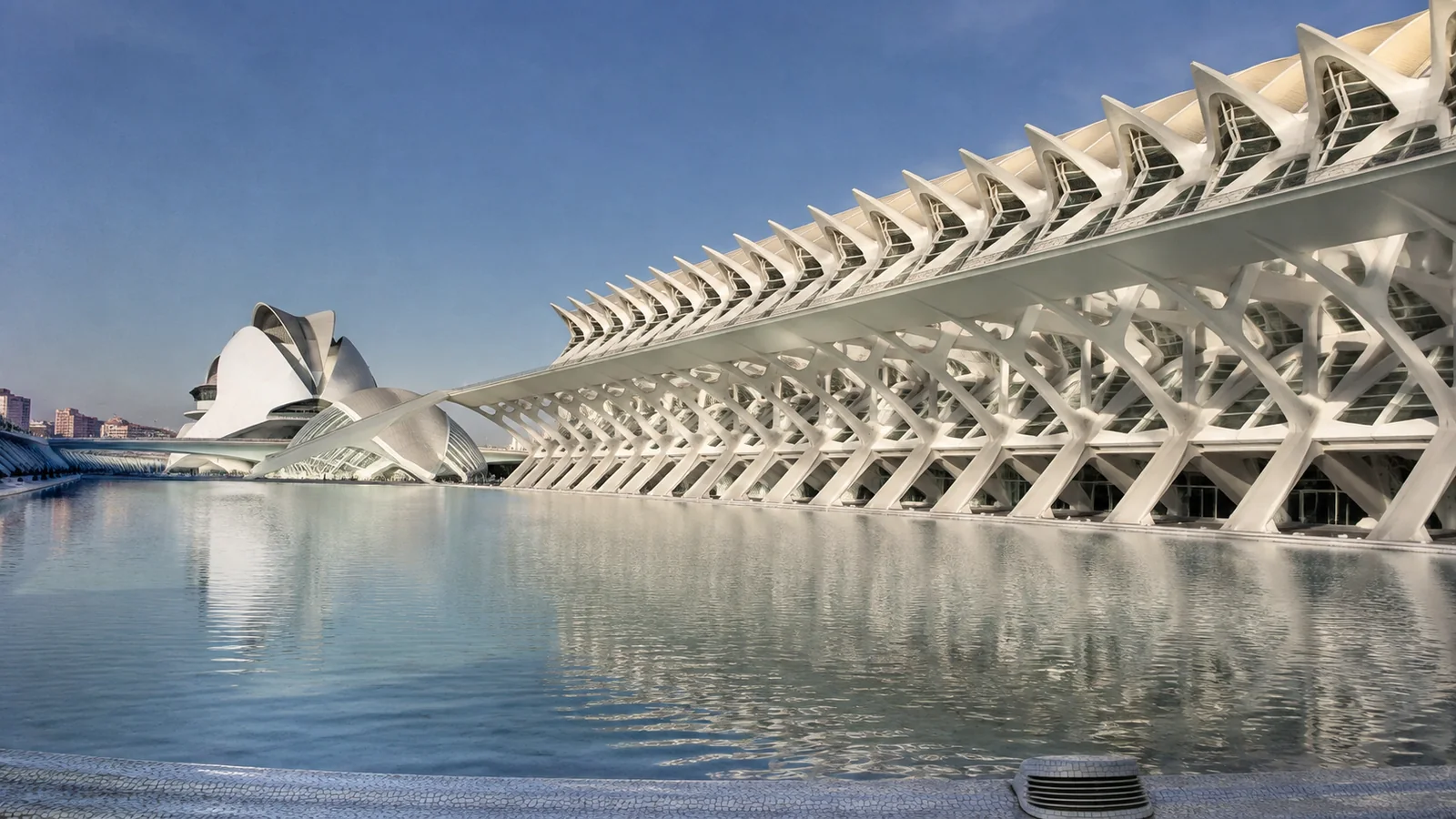
The City of Arts and Sciences is a complex, not one museum behind one door. The Museu de les Ciències, Hemisfèric, and Oceanogràfic each demand different amounts of time, while the exterior promenades and architecture can be enjoyed without buying every admission.
Check the official complex calendar and tickets before locking the day. Opening times, Hemisfèric screenings, animal presentations, maintenance, and combination-ticket conditions change by date.
Families who love aquariums can give Oceanogràfic four to six hours and consider that the day’s main attraction. Science enthusiasts may prefer the museum plus one reserved Hemisfèric program, while architecture-focused adults might spend two exterior hours and keep their money for another experience.
Approach through the Turia Garden
Start farther west in the Turia Garden and walk or bike toward the complex if temperatures are comfortable. The final approach reveals the buildings gradually and makes the architecture feel connected to Valencia instead of isolated beside a parking lot.
A bike saves time, but it is not automatically safer for a nervous rider. Use marked lanes, test the brakes and seat before leaving a rental shop, lock the bike correctly, and choose a bus or taxi when intense heat, rain, or crowding makes cycling unpleasant.
In summer, reverse the romance and use transit to arrive near opening time. Save the garden walk for late afternoon, carry water, seek shade, and plan a real indoor lunch break rather than treating 2 p.m. sun as an inconvenience you can out-stubborn.
Give Oceanogràfic enough time or skip it
Oceanogràfic is large enough to exhaust small children and adults who arrive after a full museum morning. Identify the habitats that matter most, note presentation times on arrival, and build in seated breaks.
If animal welfare is important to your purchasing decision, review the facility’s current conservation, husbandry, and presentation information directly before booking. Families can make an informed choice without pretending every visitor has the same comfort level around captive wildlife.
Travelers who skip the aquarium can explore the exterior pools, Umbracle area, nearby CaixaForum, or a single science-museum block. The time saved can fund a long lunch, a shaded rest, and a better evening.
Know when to stop stacking attractions
A science museum, aquarium, film, architectural walk, garden ride, and beach sunset look tidy in a booking cart but feel punishing on the ground. Choose one major paid venue and one smaller addition unless your group genuinely enjoys full museum days.
For an evening near the water, continue toward the marina by bus or taxi rather than assuming the beach is just behind the complex. Valencia is flat, but distances expand quickly once tired feet and humid air join the plan.
Day 3: choose the beach or Albufera
Option A: Cabanyal and the Mediterranean
Choose the coast if you want an easy final day with neighborhood architecture, a rice lunch, and time on the sand. Cabanyal’s tiled facades and grid of streets add context that a straight ride to Malvarrosa Beach misses.
Walk the neighborhood in the cooler morning, then continue to Cabanyal or Malvarrosa beach. Tram and bus routes can change during works or major events, so use the operator’s live trip planner instead of copying a route number from an old blog.
Reserve a seafront lunch if paella is the priority, especially on weekends and in summer. Ask whether the restaurant prepares the exact rice dish you want at lunch only and whether the portion is priced per person.
Swim only where current beach flags and lifeguard instructions allow it. Secure your phone and wallet before entering the water, because a towel is not a safe locker.
This option works well for families, relaxed couples, and travelers continuing to a cruise. If Spain is part of a sailing itinerary, the practical transfer details in this Barcelona cruise-port plan can help keep the next travel day realistic.
Option B: Albufera and El Palmar
Choose Albufera if wetlands, birds, rice fields, and a slower lunch sound better than a city beach. The lagoon landscape sits south of Valencia, and El Palmar is the practical food-and-boat hub for many independent visitors.
Visit Valencia currently lists EMT buses 24 and 25 for the wider Albufera area, with line 25 serving near an El Palmar pier, but confirm the live return schedule before leaving. A nominally simple public-bus outing becomes stressful if a sunset boat finishes after the service you expected.
Boat rides depend on operator availability, daylight, wind, storms, and water conditions. Reserve directly with a legitimate operator, verify the meeting point, and do not assume an online sunset photo guarantees identical light or wildlife.
Book lunch in El Palmar if you want paella or another local rice dish, then allow a calm window before the boat. This option is less flexible for wheelchairs or limited mobility because piers, vessel boarding, and restaurant approaches vary, so ask exact access questions before paying.
Where to stay in Valencia
Ciutat Vella is best for a first visit centered on the market, cathedral, and atmospheric evening walks. It also brings pedestrian-only streets, church bells, late-night noise, and taxis that may not reach the hotel door.
Ruzafa suits travelers who care about restaurants and neighborhood energy, with straightforward access to Estació del Nord and the center. Check the room’s window direction and soundproofing if nightlife noise affects sleep.
The City of Arts and Sciences area works for families prioritizing Oceanogràfic and modern hotels, but it feels less intimate after dinner. Cabanyal or the beach makes sense for a summer sea-first stay, provided you accept transit time to historic sights.
Do not choose a hotel solely because the listing says “Valencia center.” Pin the entrance on a map, measure the walk to the nearest useful stop, and check whether construction or festival barriers change vehicle access.
Getting around Valencia
Most of Day 1 is walkable, while metro, tram, EMT buses, and taxis connect the farther districts. Valencia Airport is served by metro lines 3 and 5, and Visit Valencia says the ride to the center takes about 20 minutes with typical frequencies of 15 to 20 minutes.
The 24-, 48-, and 72-hour Valencia Tourist Cards include eligible city transit and the airport journey, but they are not automatically the cheapest choice. Compare your actual rides with current single, SUMA, and tourist-card prices on the official transport overview.
Validate or activate the product exactly as instructed and keep it accessible for inspection. A transport card does not reserve attraction entry, even when it includes admission discounts.
For taxis, use an official rank, hotel arrangement, or licensed app and confirm that the meter or quoted airport conditions are understood. Keep the hotel address saved offline because similarly named plazas and streets are easy to confuse after a late arrival.
When to visit Valencia
Spring and fall usually suit long walks better than peak summer, but neither season promises mild, dry days. March brings Las Fallas, extraordinary street installations, fireworks, crowds, noise, road closures, and much higher pressure on rooms.
Summer favors beach time and long evenings, yet heat and Mediterranean humidity can make exposed plazas punishing at midday. Plan outdoor sightseeing early, reserve an indoor afternoon block, and choose lodging with air-conditioning you can control.
Autumn can deliver warm sea temperatures and pleasant days, but intense rain and flash-flood danger are serious possibilities in eastern Spain. Check AEMET warnings and local emergency instructions daily, never enter a flooded underpass, and do not drive through moving water.
Winter is quieter and often comfortable for museums and walking, though evenings can feel cool and coastal wind changes the equation. Pack layers and confirm reduced seasonal hours rather than planning from summer timetables.
Practical Valencia mistakes to avoid
- Scheduling Central Market on Sunday: Build it into a Monday-through-Saturday morning.
- Buying every City of Arts ticket: Choose for your interests and available energy.
- Treating paella as instant food: Reserve a good lunch and allow cooking time.
- Underestimating heat: Move exposed walks to morning and late afternoon.
- Assuming the beach is beside the old town: Budget a real transit leg.
- Ignoring storm alerts: Change coastal and wetland plans when officials advise it.
- Leaving valuables on the sand: Take only what you can secure.
Valencia is comfortable for many solo travelers, but comfort should not become carelessness. Keep a zipped bag in front on crowded transit, avoid displaying a phone at the curb, and use the same practical habits in these first-time solo travel strategies.

Is Valencia worth visiting?
Yes, especially if you want major architecture, serious food culture, green space, and Mediterranean access without making every hour about one headline monument. Its strength is the contrast between the market and La Lonja, the futuristic complex, the lived-in neighborhoods, and the rice-growing lagoon.
The best first trip is not the one that checks every museum, tower, beach, and plate. It is the one that gives the historic center a full morning, makes one smart attraction choice, and leaves enough time for Valencia to feel like a city instead of a list.