Brussels, Belgium: A Realistic 2-Day First-Time Itinerary
Brussels is compact in the historic center, then suddenly not compact at all when the Atomium, Horta Museum, and European Quarter enter the plan. Two full days let you enjoy the Grand Place, choose museums thoughtfully, eat well, and still see one neighborhood beyond the postcard center.
How many days do you need in Brussels?
One day covers the Grand Place, Galeries Royales Saint-Hubert, Manneken Pis, the cathedral, and one Mont des Arts museum. Two days are better because you can add either the Atomium and Laeken or Art Nouveau and the European Quarter without turning the city into a transit race.
With three days, stay in Brussels for two and take one rail day trip to Ghent, Bruges, Antwerp, Leuven, or Mechelen. Do not use Brussels only as a hotel for other Belgian cities if its architecture, museums, comic art, food, and neighborhoods genuinely interest you.
Brussels itinerary at a glance
- Day 1 morning: Grand Place, Brussels City Museum, Galeries Royales, cathedral
- Day 1 afternoon: Mont des Arts and one major museum
- Day 1 evening: Sablon, dinner, and a quieter return to Grand Place
- Day 2 morning: Saint-Gilles streets or the European Quarter; Horta is a late-morning option only on weekends
- Day 2 afternoon: A reserved Horta Museum visit, or Atomium and Laeken
- Day 2 evening: Sainte-Catherine or the center for a final meal
If your second day is Monday, many museums become poor anchors because closures are common. Move the Atomium to Monday and keep Horta, Magritte, Old Masters, or other museum plans on a date their current official calendar confirms.
Day 1: historic Brussels and Mont des Arts
Start at Grand Place before the busiest hours
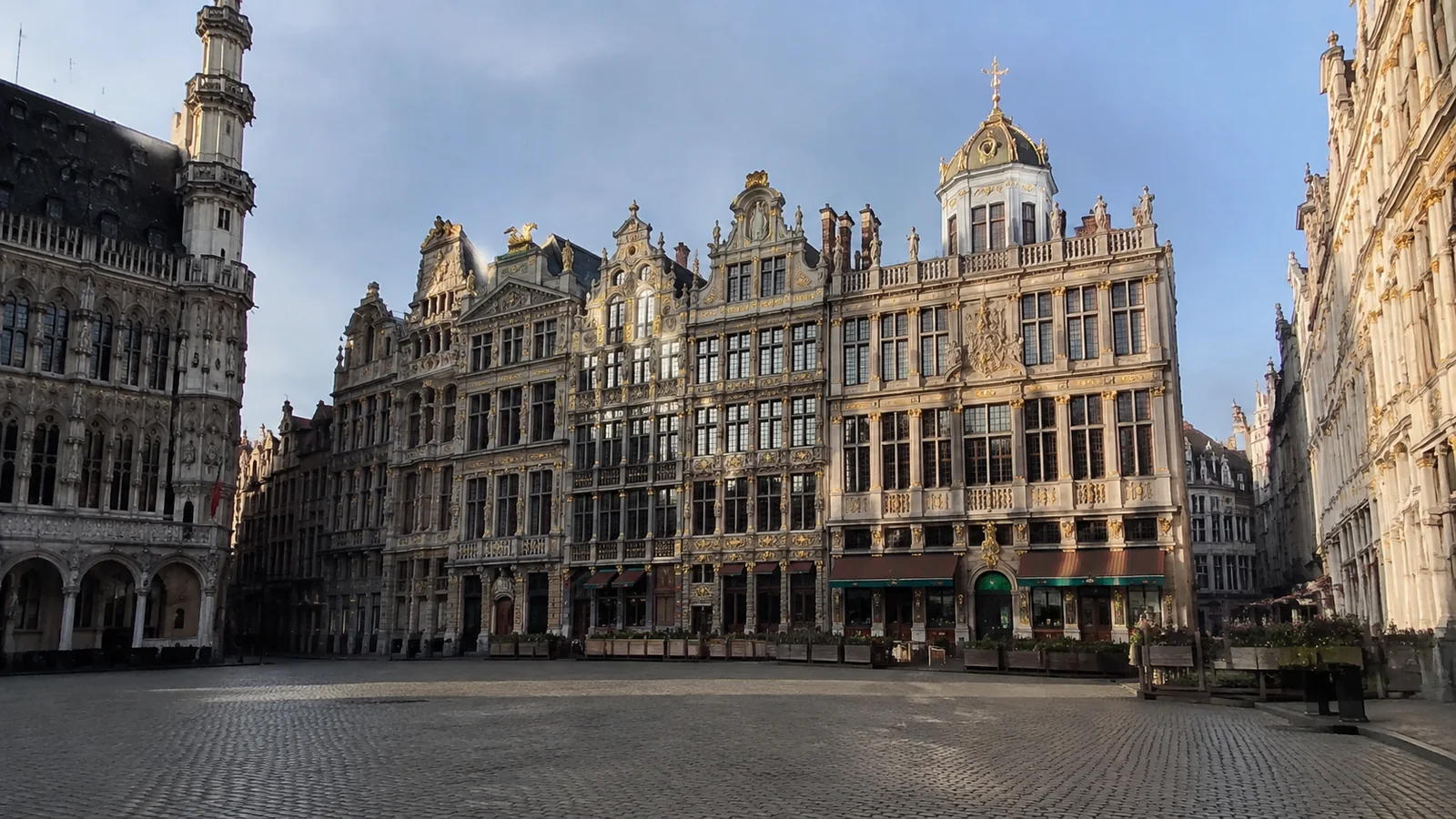
The Grand Place is Brussels’ visual center, framed by the Gothic Town Hall, the King’s House, and richly decorated guildhall facades. Arriving around breakfast gives you room to look up before tour groups and day visitors occupy the square.
The buildings are not one attraction with one ticket. The square is public, the Brussels City Museum occupies the King’s House, and Town Hall interior access depends on current tours and events.
Return after dark if the lighting matters to you, but check the city’s event calendar first. Concerts, ceremonies, the biennial Flower Carpet, and seasonal installations can transform access, atmosphere, and crowd levels.
See Manneken Pis without making him the morning
Manneken Pis is only a few minutes from Grand Place and much smaller than many first-time visitors expect. Give the fountain ten minutes, then check whether the statue is wearing one of its ceremonial costumes.
The original statue and costume collection are interpreted through city museums, so the street corner is not the whole story. If the crowd blocks the view, skip the pushing and continue toward the center’s murals, shops, or food.
Walk through Galeries Royales Saint-Hubert
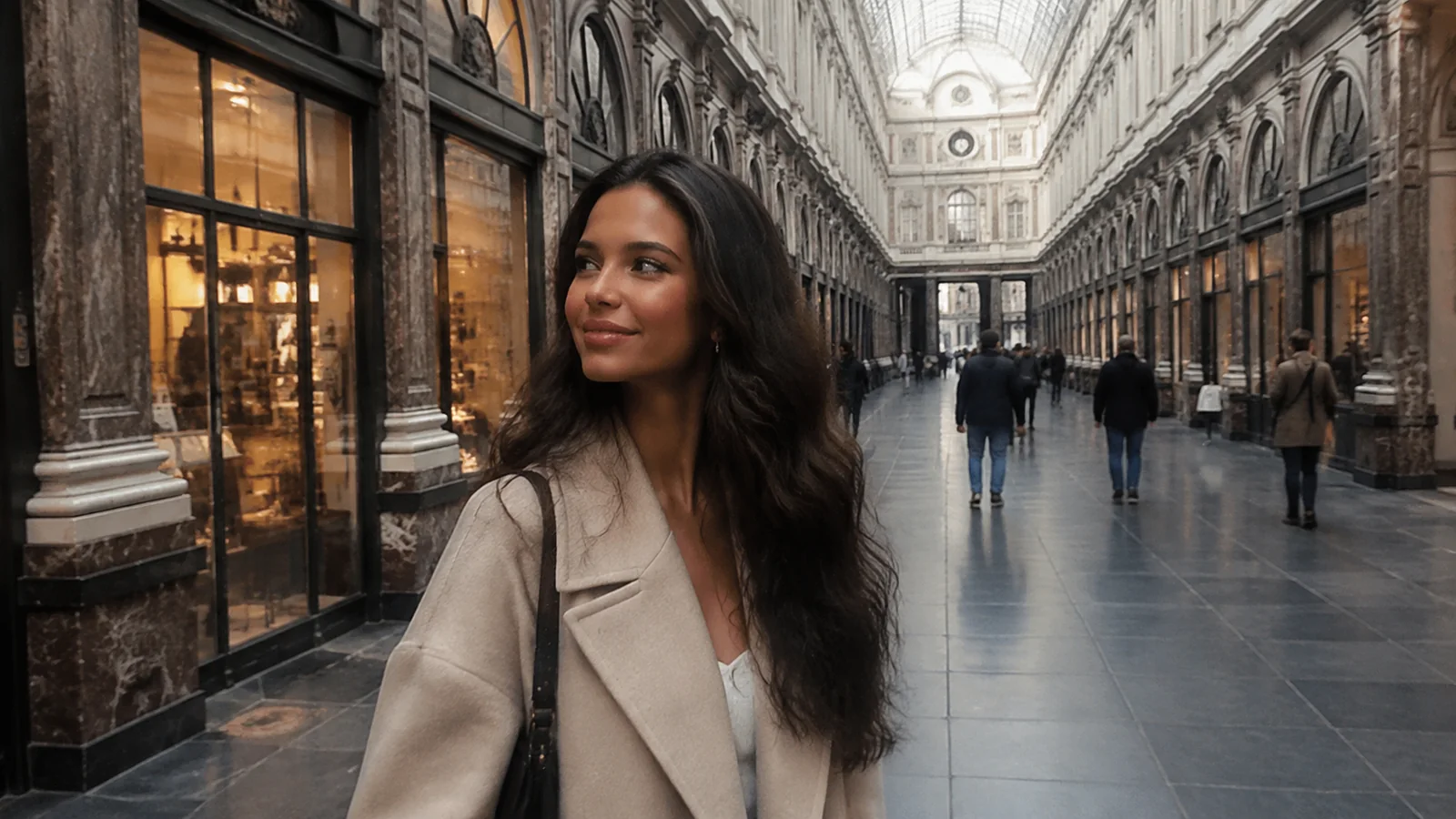
This 19th-century glazed arcade links boutiques, chocolatiers, cafes, a cinema, and theater spaces beneath an elegant roof. It is a useful rain shelter and a beautiful passage, but luxury storefronts do not require a shopping budget.
Use the gallery to reach the area around Rue des Bouchers, then choose food carefully. Central restaurant lanes can be lively, but a multilingual menu and a host waving you inside are not proof of quality or value.
Visit the Cathedral of St. Michael and St. Gudula
The cathedral sits uphill from the historic center and gives the route a calmer architectural pause. Entry to the main worship space may be free while the crypt, treasury, tower, concert, or special visit follows separate access.
Masses, ceremonies, and funerals take priority over tourism. Dress and speak respectfully, avoid flash or aisle-blocking, and do not promise yourself a tower climb because old articles mention one.
Choose one Mont des Arts museum
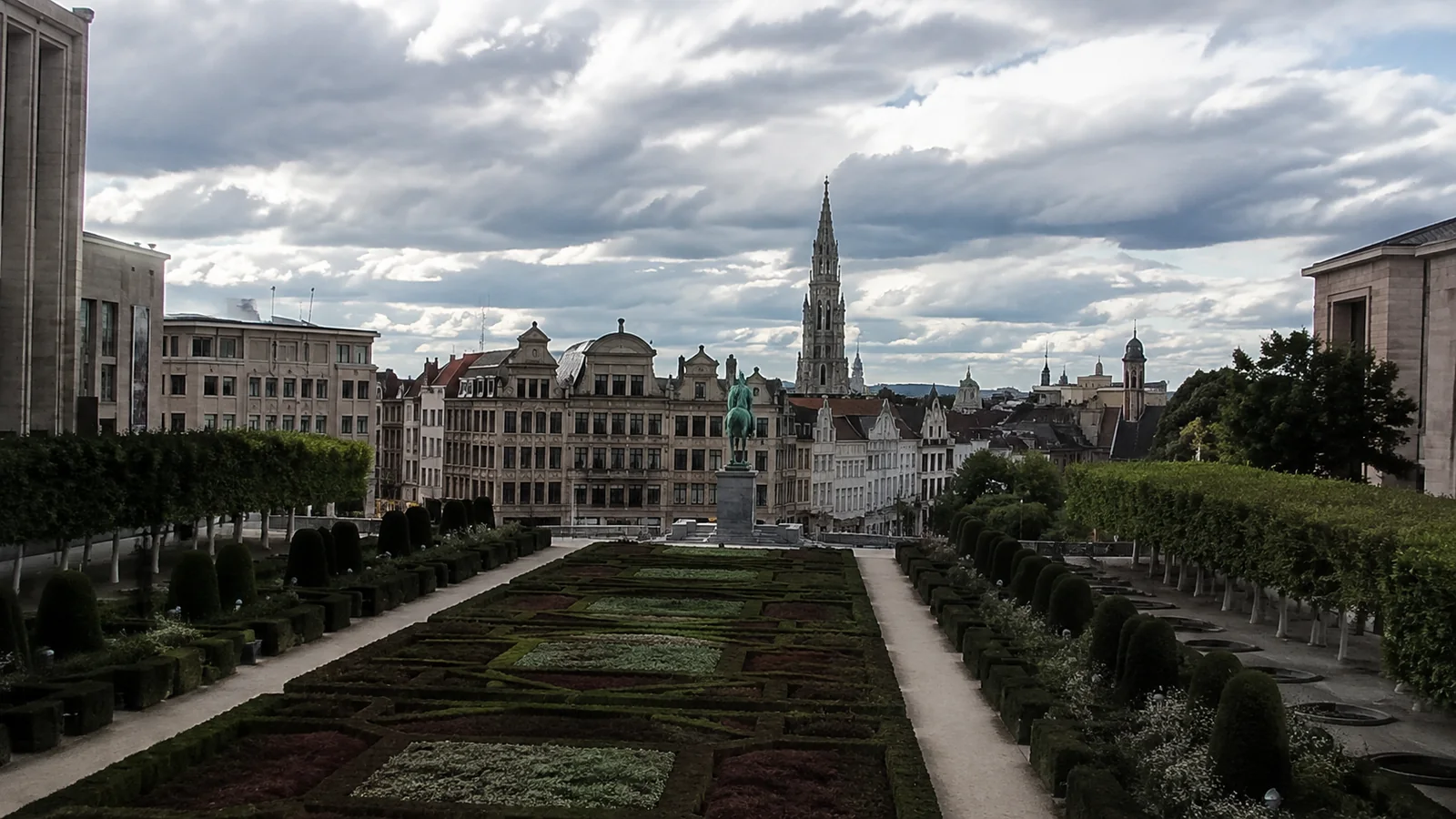
The Mont des Arts cluster tempts visitors to stack the Magritte Museum, Old Masters Museum, Musical Instruments Museum, BELvue Museum, and Bozar into one afternoon. Pick one major collection and give it two or three hours.
The Royal Museums of Fine Arts are normally closed Mondays, with holiday changes and collection-specific closures listed on the official opening page. The current website can also flag renovations, so confirm the named museum rather than assuming every collection in the complex is open.
Choose Magritte if surrealism is the priority, Old Masters for Bruegel and Rubens, or the Musical Instruments Museum for sound and the Art Nouveau Old England building. Families with dinosaur enthusiasts may prefer the Institute of Natural Sciences in the European Quarter on day two.
Finish around Sablon
Walk through Place du Grand Sablon for antiques, chocolate, cafes, and the nearby Church of Our Blessed Lady of the Sablon. Continue downhill toward Marolles only if your feet and daylight agree, because the slope back up is more noticeable after a museum afternoon.
For dinner, choose one priority: a thoughtful Belgian beer list, mussels, carbonnade, fries, or a modern restaurant. Trying to consume every national specialty in one sitting turns a pleasant evening into homework.
Day 2: plan Art Nouveau around Horta’s opening hours
Option A: Horta Museum and Saint-Gilles
The Horta Museum occupies Victor Horta’s former home and studio, making it one of the city’s most intimate Art Nouveau experiences. The house is narrow, capacity is limited, and only an online reservation assures entry according to the museum’s current guidance.
Book the timed slot first: Horta Museum opens Tuesday through Friday from 2 to 5:30 pm and weekends from 11 am to 5:30 pm, and closes Mondays. If the date sells out, take a self-guided Art Nouveau walk through Saint-Gilles and Ixelles rather than showing up and hoping the building can absorb another visitor.
Mobility access is constrained by the historic house’s stairs and layout, so contact the museum for the exact spaces you need. Art Nouveau fans can add Hôtel Solvay or another bookable Horta property only when its current schedule fits without rushing.
Option B: European Quarter and Parc du Cinquantenaire
Choose the European Quarter if politics, contemporary institutions, or spacious parks interest you more than domestic architecture. The Parlamentarium and House of European History have their own security, reservation, group, and closure procedures, so check each institution directly.
Walk through Leopold Park and continue to the Cinquantenaire arcade if weather and energy allow. This district is active on weekdays and quieter on some weekends, while demonstrations or official events can alter access.
Day 2 alternative: Atomium and Laeken
The Atomium stands on the Heysel plateau north of central Brussels, not around the corner from Grand Place. Metro line 6 to Heysel or Heizel is usually the cleanest route, and the journey plus walking, security, elevators, and queues make this a half-day outing.
The monument was created for Expo 58 and contains exhibits, elevated passages, and a panoramic sphere. Current Atomium tickets can be purchased online or at the desk, but advance booking reduces uncertainty at busy times.
Not every sphere is open to visitors, and escalators, stairs, visual effects, confined passages, or elevator waits can affect comfort. Travelers with limited mobility, vertigo, sensory sensitivity, or claustrophobia should examine the current accessibility notes before paying.
Mini-Europe sits nearby but requires separate admission and enough time to justify it. Families may love combining the two, while architecture-focused adults may prefer the Atomium alone and a relaxed return to town.
A better plan if you dislike big attractions
Skip the Atomium interior and use day two for Saint-Gilles, Ixelles ponds, the Marolles flea market, comic murals, or Sainte-Catherine. Brussels becomes easier to like when you stop asking every hour to produce an icon.
The Place du Jeu de Balle market is strongest as a morning neighborhood stop, not an attraction squeezed in after closing. Comic fans can connect city murals with the Belgian Comic Strip Center, confirming its current open days and exhibitions first.
How to get around Brussels
The historic core is walkable but paved with cobbles, slopes, curbs, and busy pedestrian lanes. Trams, buses, and metro services fill the gaps, while Belgian national rail is a separate system for airport and intercity journeys.
STIB-MIVB allows contactless payment with a bank card, phone, or watch, and its current 2026 system caps eligible rides when the same payment method is used correctly. The official contactless instructions explain validation and the special Airport2City fare on bus 12.
Use one card or device per traveler and tap the same method consistently. A physical card and its wallet version can be recognized as different payment tokens, which may prevent proper fare calculation.
Brussels station names appear in French and Dutch: Bruxelles-Midi is Brussel-Zuid, Bruxelles-Central is Brussel-Centraal, and Bruxelles-Nord is Brussel-Noord. Match the full station name before boarding because “Brussels” is not one platform.
Getting from Brussels Airport to the center
Direct trains from Brussels Airport-Zaventem reach Brussels-Central in as little as about 11 minutes on current schedules. The airport station is under the terminal, and most eligible tickets automatically include the Diabolo airport supplement according to Belgian Rail.
Bus 12 serves the European Quarter and may suit hotels around Schuman or Luxembourg better than the train. A taxi or prebooked car helps with heavy luggage, late arrivals, or door-to-door mobility needs, but road traffic makes its time less predictable.
Brussels South Charleroi Airport is a different airport many miles from Brussels. Do not buy a flight based on the city label until you have priced the coach, rail-bus combination, early departure, luggage, and extra travel time.
Where to stay
Stay near Grand Place or Brussels-Central for a short first visit with late dinners and early sightseeing. Expect higher prices, tourist noise, and some rooms in historic buildings with small elevators or none.
Sablon feels polished and museum-friendly, Sainte-Catherine adds restaurants and neighborhood energy, and the European Quarter is convenient for institutions but can feel businesslike outside working hours. Saint-Gilles suits repeat visitors and Art Nouveau fans who accept a tram or longer walk to the center.
Brussels-Midi is practical for Eurostar and early trains, but choose the exact block carefully and keep ordinary city awareness around the station. Convenience at 7 a.m. may not create the evening atmosphere you wanted.
What and how to eat
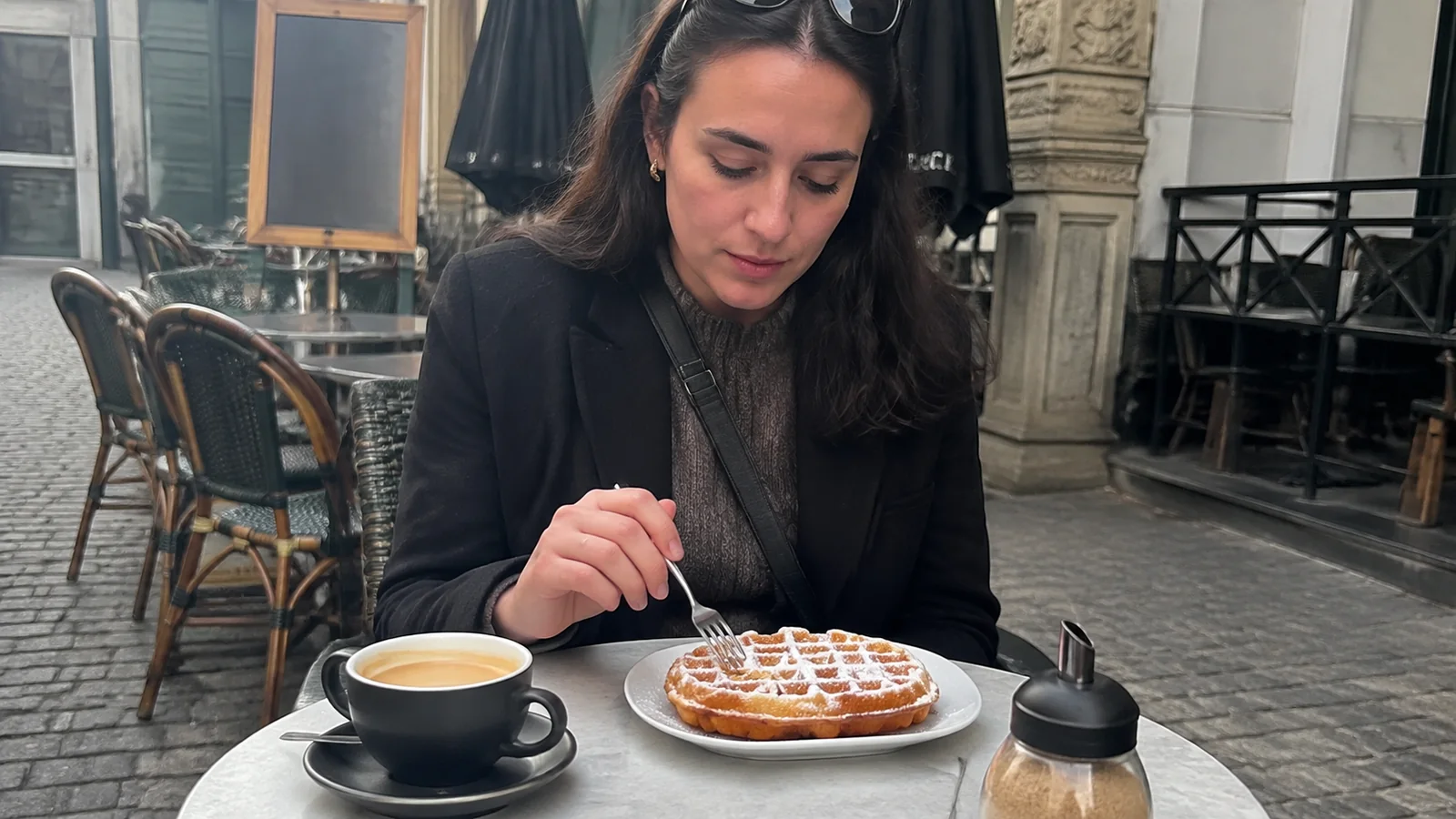
A Brussels waffle is typically rectangular, light, and crisp, while a Liège waffle is denser, sweeter, and studded with pearl sugar. Neither needs a mountain of toppings, though choosing toppings is hardly a travel failure.
For fries, look for a busy friterie and remember that sauces usually cost extra. Chocolate shops range from historic luxury houses to contemporary makers, so sample a few pieces before buying an elaborate gift box.
Belgian beer can be much stronger than its flavor suggests. Order a smaller pour, eat with it, use transit, and let style names such as lambic, gueuze, saison, dubbel, and tripel guide questions rather than becoming a checklist.
Weather, crowds, and what to pack
Brussels can be damp in any season, with cool winters, mild shoulder seasons, pleasant summer days, and occasional heat waves. Pack a light waterproof layer and comfortable shoes instead of trusting a monthly average.
Summer and holiday weekends bring fuller squares and popular museums, while winter daylight is short and Christmas-market periods can still be busy. If you are comparing another manageable European city break, this Valencia planning guide shows how heat and neighborhood geography produce a very different itinerary.
Safety without treating Brussels as a danger zone
Pickpocketing and phone theft deserve attention in major stations, crowded transit, event areas, and the lanes around Grand Place. Close bags, keep a hand on your phone near vehicle doors, and do not hang valuables from a cafe chair.
Use official taxis, verify the plate and app match, and step inside a staffed business if someone persistently distracts or pressures you. Demonstrations around EU institutions can affect roads and transit, so follow local police and transport updates rather than trying to walk through a closure.
Should you take a day trip?
Ghent is the easiest recommendation for a lively historic city with canals, major architecture, and a strong everyday atmosphere. Bruges gives a more concentrated medieval center, Antwerp suits art and fashion, Leuven works for a compact university city, and Mechelen is the lower-pressure choice.
Check live Belgian Rail schedules and engineering works on the day. Do not reserve a timed Brussels museum at 5 p.m. after a day trip unless missing it would be financially and emotionally unimportant.
For a broader landmark-focused Europe trip, this Austria route guide applies the same principle: choose clusters and transport dependencies instead of counting pins. Travelers linking several port cities may also find these smaller European cruise destinations useful.
My final Brussels recommendation
Give Brussels two days, protect a morning for the Grand Place, reserve Horta if Art Nouveau matters, and choose one Mont des Arts museum rather than three. Add the Atomium only if its architecture or Expo 58 story excites you enough to justify half a day away from the center.
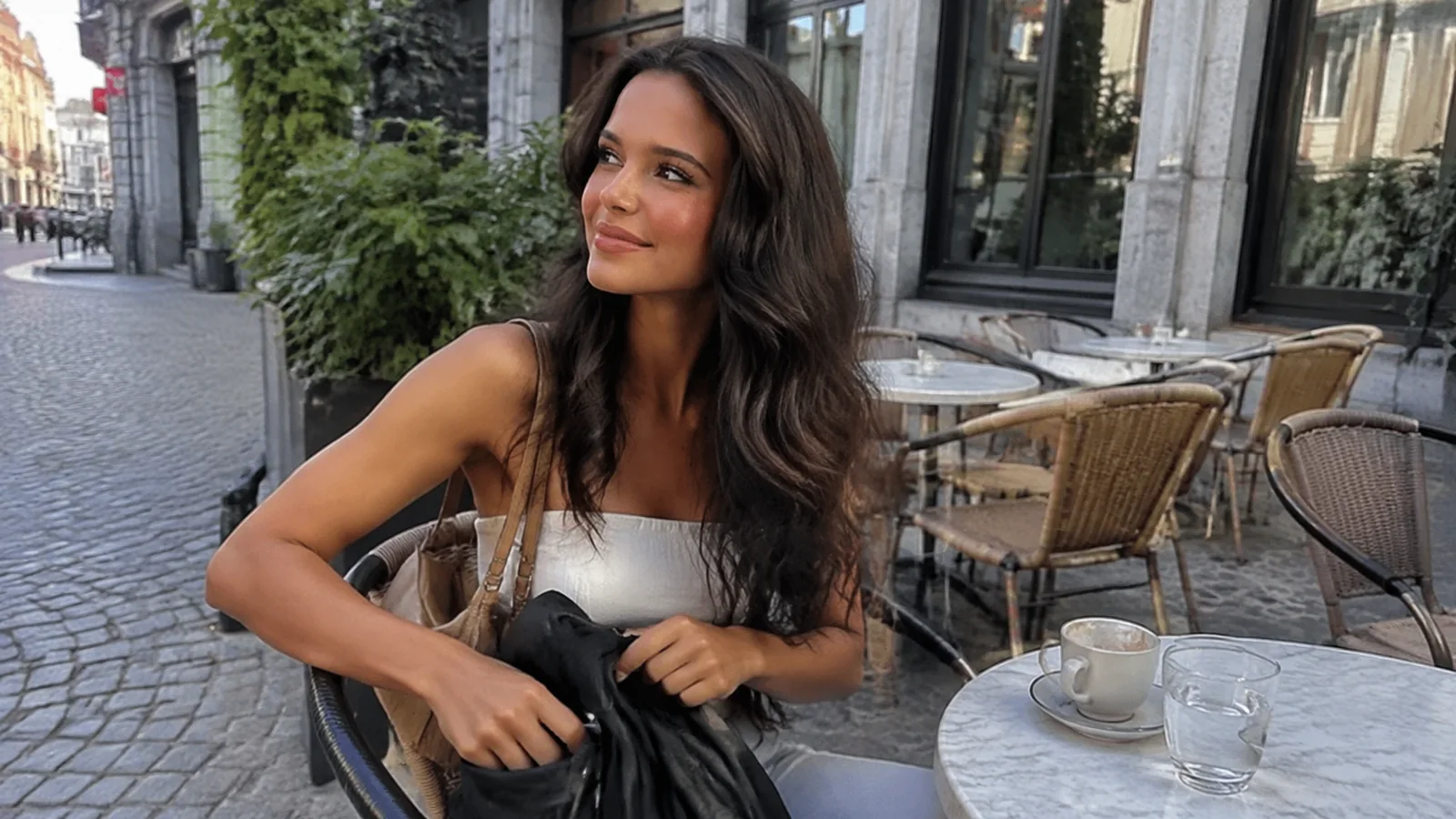
Then leave room for a cafe, a neighborhood walk, and an early night that no listicle can rank. Brussels works best when its famous square is the beginning of the city, not the entire assignment.