London Travel Guide: A Realistic 5-Day Itinerary
London becomes manageable when you stop planning it as one enormous checklist. Give a first visit four or five full days, group sights by neighborhood, book one major timed attraction per half-day, and let the Underground connect the clusters instead of crisscrossing the city for individual photos.
How Many Days Do You Need in London?
Four full days covers Westminster, the City, one major museum area, and one neighborhood choice without treating every meal as transit time. Five days is better because it creates space for Greenwich, a second museum, theater, shopping, or a weather adjustment.
Arrival and departure days are not full sightseeing days, especially after an overnight flight. Immigration, baggage, airport transfer, hotel storage, and jet lag can easily turn a promising morning into a low-energy afternoon.
With three days, use Days 1 through 3 below and accept that Kensington or Greenwich belongs on another trip. London punishes the fantasy that every famous place is beside every other famous place.
Check Entry Permission Before Booking
Most visitors need either a UK electronic travel authorization or a visa, depending on nationality, travel purpose, and immigration status. Use the official UK ETA and eligibility checker, and remember that each eligible traveler needs their own authorization, including children.
An ETA allows travel to the UK but does not guarantee admission at the border. Apply through the official channel, verify the passport linked to it, and recheck the rules before departure because immigration requirements and fees can change.
Choose a Hotel by Transport, Not a Famous Address
For a first trip, I would prioritize a Zone 1 or near-Zone 1 property within a comfortable walk of a useful station. Two practical lines or a rail-plus-Tube interchange are usually more valuable than being beside one landmark that you will visit once.
Useful Base Styles
- Paddington: convenient for Heathrow rail options and the western side, but not walking distance to everything.
- King’s Cross or Bloomsbury: strong connections and museum access, with street atmosphere varying by exact block.
- Victoria: useful for Westminster and some southern airport services, but busy around the station.
- South Bank or Bankside: scenic and walkable to river sights, with fewer direct routes from some airports.
- Covent Garden or Soho: central for evenings, often expensive and potentially noisy.
Check the walking route with luggage, lift access, air-conditioning, room size, street noise, and cancellation terms. “Near the Tube” can still mean stairs, cobbles, a steep bridge, or a 12-minute walk that feels much longer after a show.
Getting Into London From the Airport
London has several airports, and the cheapest flight can create the longest or most expensive ground transfer. Search the actual airport code, hotel station, arrival time, engineering works, luggage needs, and total door-to-door route before buying airfare.
From Heathrow, compare the Elizabeth line, Piccadilly line, Heathrow Express, coach, taxi, and booked car by the exact hotel location. The fastest train to Paddington is not automatically fastest if you then need two transfers across London.
From Gatwick, compare Thameslink, Southern, Gatwick Express, coaches, and car service. Stansted has its airport rail and coach options, Luton usually combines the airport link with onward rail, and London City connects conveniently to the DLR.
Late arrivals and major weekend works can change the best answer. Save the route offline, know the final station exit, and keep essential documents, medication, chargers, and a change of clothes together using this practical travel essentials checklist.
How to Pay for London Transport
Contactless cards or devices and Oyster cards support pay-as-you-go travel across TfL services. TfL’s official payment guidance explains daily and weekly capping, service coverage, overseas-card issues, and the rules for touching in and out.
Use the same physical card or the same device for the entire journey because a phone, watch, and the card loaded into them count as separate payment methods. Touch in and out on rail services where required, but only touch in on buses and trams.
Each traveler needs a separate valid payment method, and child discounts require more planning than simply handing over another adult contactless card. Check TfL’s current rules for your party before arrival, including accessibility and railcard options.
Download TfL Go or another live journey tool, but read the destination shown on the platform rather than following a saved screenshot. Weekend engineering, station closures, events, and lift outages can change an otherwise familiar route.
A Realistic Five-Day London Itinerary
Day 1: Westminster and St. James’s
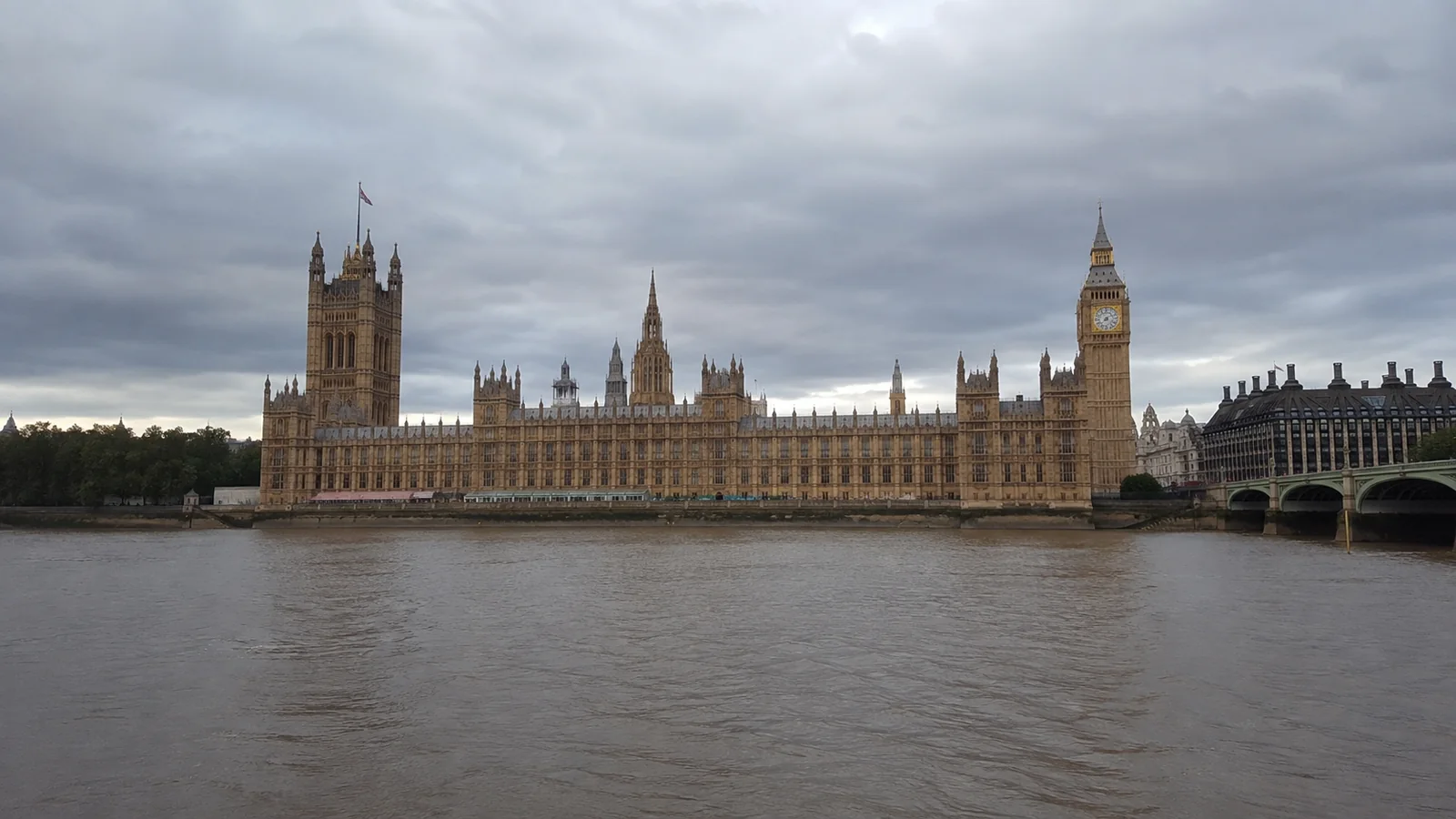
Book Westminster Abbey for the morning, then walk Parliament Square, the Thames side of the Palace of Westminster, Whitehall, St. James’s Park, and the exterior of Buckingham Palace. The Abbey is a working church and its official entry calendar warns that hours and access can change at short notice.
Do not put an Abbey visit, Houses of Parliament tour, Big Ben tour, Churchill War Rooms, palace interior, and Changing the Guard into one morning. Choose one ticketed interior as the anchor, then treat ceremonies and exterior stops as conditional additions.
Buckingham Palace State Rooms open to visitors only on selected dates, and Changing the Guard does not follow a simple daily promise. Confirm both on their official calendars, arrive early enough for crowd controls, and have a park-and-gallery alternative if the schedule does not fit.
Finish through Trafalgar Square toward Covent Garden only if energy is good. Otherwise, eat near Westminster and save the West End for Day 3, because jet lag plus a long first-day march is not a character-building requirement.

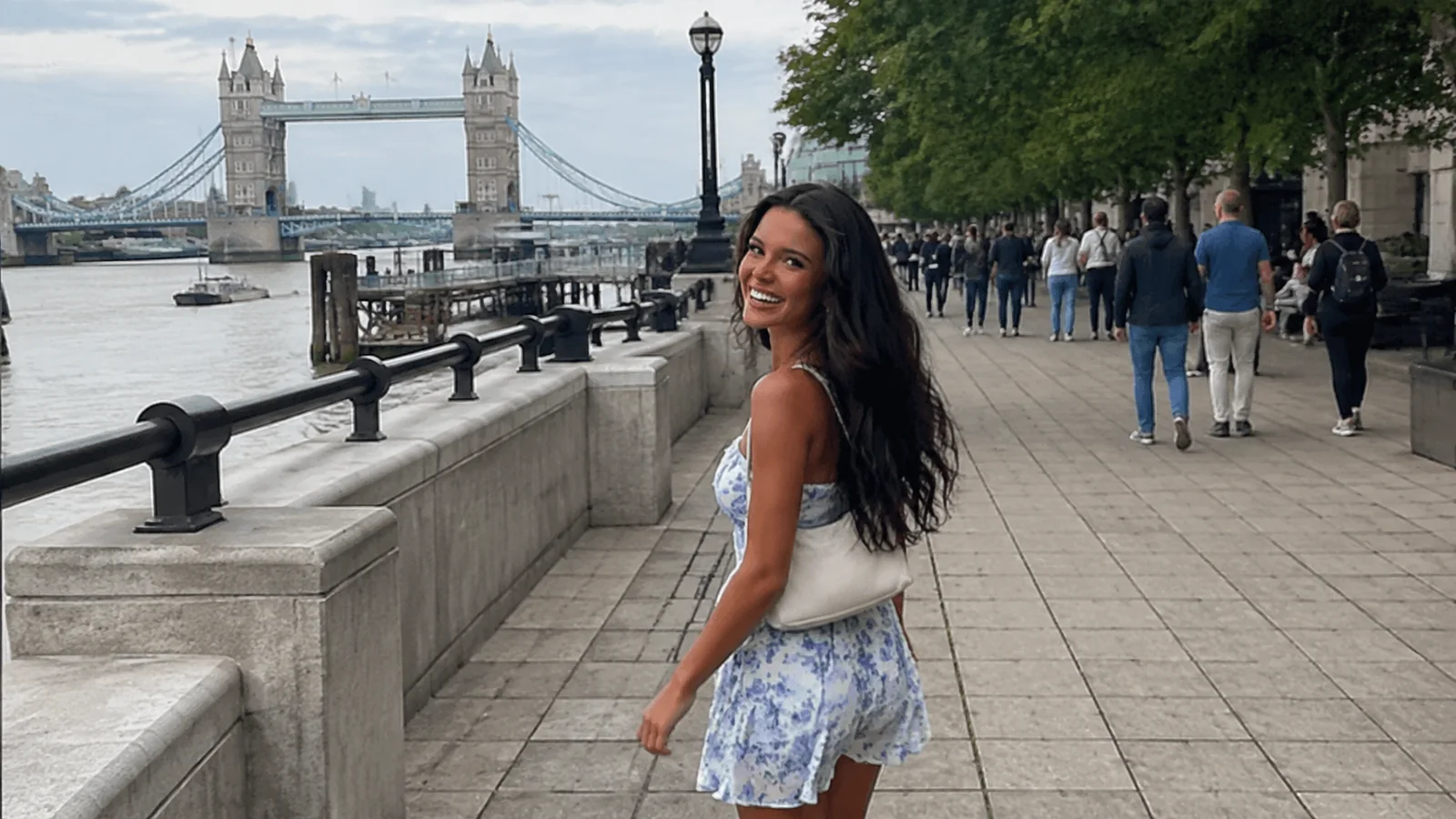
Day 2: Tower of London and the Thames
Reserve an early Tower of London entry and allow roughly three hours if the Crown Jewels, White Tower, walls, and a Yeoman Warder tour matter. Buy from Historic Royal Palaces and check the current ticket inclusions and hours rather than assuming every experience is part of standard admission.
Tower Bridge is a separate attraction with its own ticket, while walking across the bridge is free. Choose the exhibition if the engineering and high-level walkways interest you, not because a city pass tells you every nearby admission must be collected.
For the afternoon, cross toward Borough Market and continue along the South Bank as far as you enjoy. Southwark Cathedral, Shakespeare’s Globe exterior, Tate Modern, Millennium Bridge, and St. Paul’s views create a natural line, but two substantial interiors are enough after the Tower.
Borough Market is busiest at classic meal times and not every trader opens every day. Check its current calendar, choose a backup meal, and watch belongings in any dense crowd without letting theft anxiety dictate the entire day.
Day 3: British Museum, Soho, and the West End
Reserve a free timed slot for the British Museum and choose a small set of galleries before arrival. Its official visit page lists daily hours, Friday late opening, accessibility, bag rules, and paid exhibitions that require separate tickets.
Two or three focused hours usually produce a better first visit than trying to complete the building. Pair it with Bloomsbury squares, bookshops, lunch in Soho or Chinatown, and Covent Garden later rather than another giant museum.
For theater, buy from the production, theater, or a recognized official ticket source, and compare the seat view before chasing the lowest price. Allow time for dinner, security, ticket collection, and the walk from the restaurant because “West End” covers more than one street.
If no show appeals, use the evening for the National Gallery, a music venue, a food neighborhood, or a guided walk. London is not a failed trip because you skipped a musical everybody else photographs.
Day 4: Kensington, Notting Hill, or Both Carefully
Choose one major South Kensington museum: the Victoria and Albert, Natural History, or Science Museum. Entry and timed-booking practices differ, special exhibitions cost extra, and school holidays can transform the crowd level.
Combine that museum with Kensington Gardens, Hyde Park, or one booked Kensington Palace visit. Harrods can be a brief browse, but it should not force a museum enthusiast out of a gallery she actually wanted to see.
Add Notting Hill only if you want its streets, shops, or market and have checked the relevant trading day. Portobello Road is a real neighborhood and market, not a permanent film set, so visit respectfully and keep residential doorways clear.
Day 5: Greenwich or a Flex Day
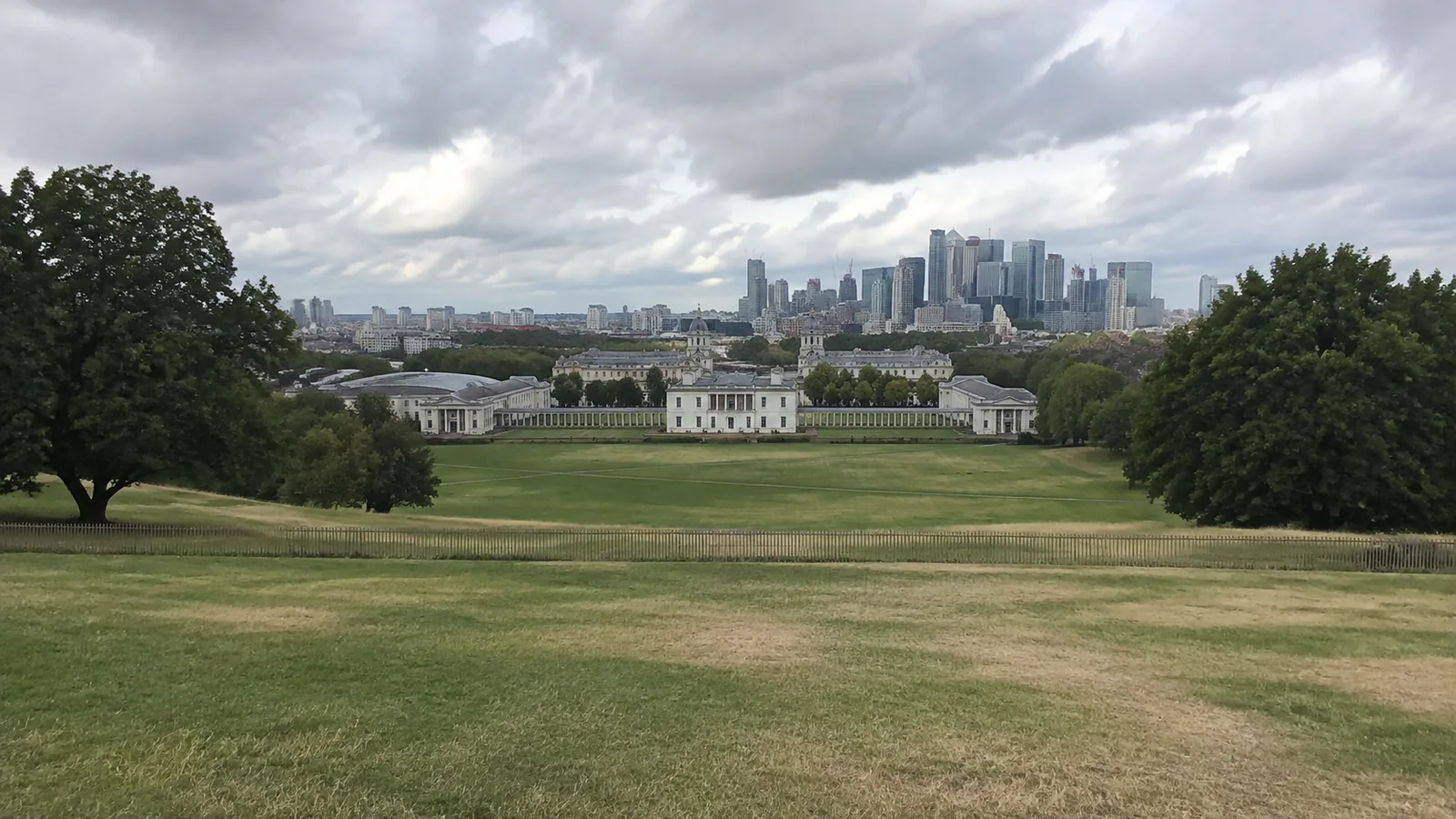
Greenwich is my best fifth-day choice for a first visit because the journey and destination both feel different from central London. Go by DLR, rail, or river service, then choose between the Cutty Sark, National Maritime Museum, Queen’s House, Royal Observatory, market, and park.
Not all Greenwich attractions are free, and the hill to the observatory matters for tired legs and mobility plans. Pick one paid anchor, check timed admission, and give the riverside and park space instead of stacking every maritime site.
Use Day 5 as a flex day if rain, closures, illness, or a missed reservation disrupted the earlier plan. It can also become Hampton Court Palace, Kew Gardens, Windsor, or another full destination, but do not combine several just because they appear under “London day trips.”
What to Reserve, and When
Reserve the most capacity-limited priority first, then build neighborhoods around it. Major theater seats, special exhibitions, palace seasonal openings, popular observation decks, Parliament tours, studios, and afternoon tea can sell before ordinary museum entry.
- Before airfare: passport, ETA or visa, and realistic airport transfer.
- After dates are fixed: hotel and the one or two hardest reservations.
- Several weeks ahead: major paid attractions, theater, and special meals.
- Final week: weather, strikes, engineering works, opening hours, and event closures.
- Each morning: live transit status and the first attraction’s entry instructions.
Do not prepay every hour. One cancellation can topple a chain of nonrefundable tickets, while a single anchor plus flexible nearby stops makes the day recoverable.
How to Keep London Costs Under Control
London’s excellent free permanent museum collections can offset a Tower, Abbey, palace, show, or special exhibition. Build each day around one expensive priority and free walking, parks, galleries, markets, or neighborhood time.
Calculate a sightseeing pass against the exact attractions, dates, reservation rules, and realistic pace you will use. A theoretical total is irrelevant if claiming the savings requires three admissions on opposite sides of the city.
Eat one planned meal and keep another simple, especially on museum days. Supermarkets, bakeries, food halls, pubs, cafés, and markets cover many budgets, but a river view or famous postcode can change the bill quickly.
Accessibility and Energy Planning
A station marked step-free may be step-free only between street and platform, not necessarily onto every train or across the entire route. Use TfL’s accessibility filters, check lift status, and ask each attraction about entrances, companions, wheelchairs, seating, and historic-building limitations.
Plan one seated stop before fatigue becomes urgent. London days include long station corridors, escalators, uneven paving, security lines, and standing inside museums even when the map distance looks modest.
Common First-Trip Mistakes
- Calling the airport “London” without checking its code and transfer
- Touching in with a phone and out with the linked physical card
- Booking attractions by fame instead of neighborhood
- Assuming royal ceremonies and palace rooms operate daily
- Planning three major interiors in one day
- Using a pass before doing the exact admission math
- Treating the arrival day as a normal morning
Use the site’s broader trip-planning checklist for documents, money, and phone preparation. If London begins a longer England itinerary, give the coast its own days because the Dorset attractions are not a casual add-on between city reservations.

My London Recommendation
Stay four to five full days near useful transport, choose one paid anchor each day, and organize everything else into Westminster, City and South Bank, Bloomsbury and West End, Kensington, and Greenwich clusters. Book the experiences that genuinely matter, then leave enough air for a pub lunch, a park bench, or the street that unexpectedly wins the trip.