Indonesia Landmarks: 16 Icons and Realistic Island Routes
Indonesia’s greatest landmarks do not sit along one neat sightseeing trail. They are scattered across an enormous archipelago, where a temple morning in Java, a dragon walk in Komodo, and a reef day in Raja Ampat require separate flights, boats, and serious planning.
The right trip is not the one with the longest checklist. It is the one that gives each island enough time.
How to Choose an Indonesia Landmarks Route
For a first trip of seven to ten days, choose Java or Bali with one nearby extension. With two weeks, Java and Bali pair well, while Bali and Komodo make a strong culture-and-wildlife combination.
Sumatra, Sulawesi, and Raja Ampat are better treated as primary destinations, not decorative two-day add-ons. Domestic flights can save days, but schedule changes, volcanic activity, rough seas, and missed connections deserve buffer time.
Indonesia currently has ten properties on the UNESCO World Heritage List, including Borobudur, Prambanan, Komodo National Park, Bali’s subak landscape, and the Yogyakarta cosmological axis. UNESCO status is useful context, but some of the country’s most rewarding places remain living sacred sites or tentative-list landscapes rather than finished museum pieces.
Java: The Best First Route for Monumental History
1. Borobudur Temple Compounds
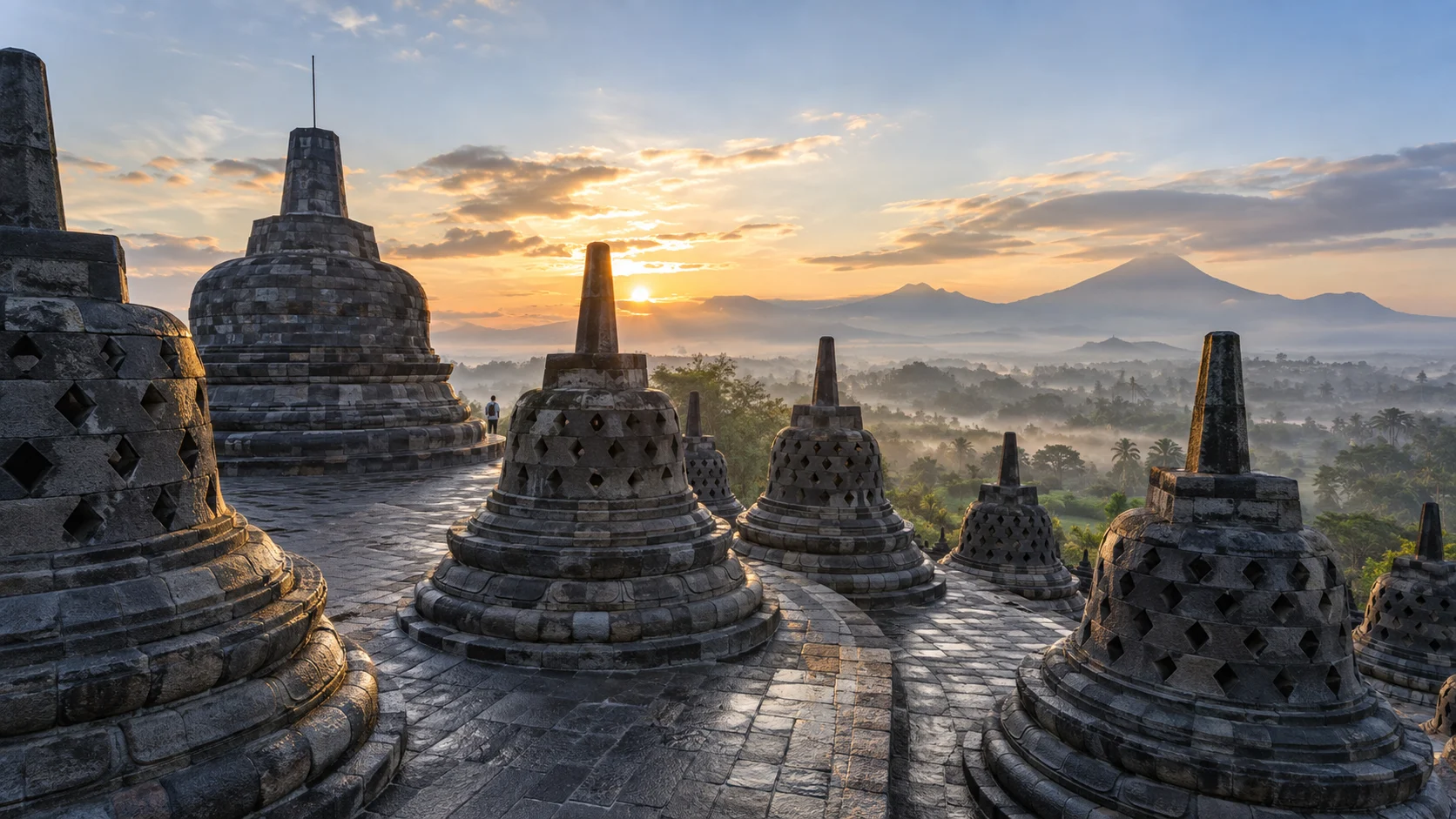
Borobudur is the landmark I would prioritize for a first visit to Java. The immense Buddhist monument rises through square galleries and circular terraces to a central stupa, with reliefs that reward a slow clockwise walk rather than a quick photo stop.
UNESCO dates the monument to the eighth and ninth centuries and records 72 openwork stupas around its circular platforms. Its scale is impressive from the lawns, but the meaning becomes clearer when a guide connects the architecture, relief panels, and Buddhist cosmology.
Buy the correct ticket before building your morning around the climb. The official monument operator separates courtyard access from tickets that allow visitors onto the temple structure, and timed climb inventory can sell out.
Borobudur is roughly 25 miles northwest of central Yogyakarta, so road time changes with traffic. Spend one night nearby only if you want an unhurried early visit; otherwise, Yogyakarta is the more useful base for Borobudur and Prambanan together.
2. Prambanan Temple Compounds
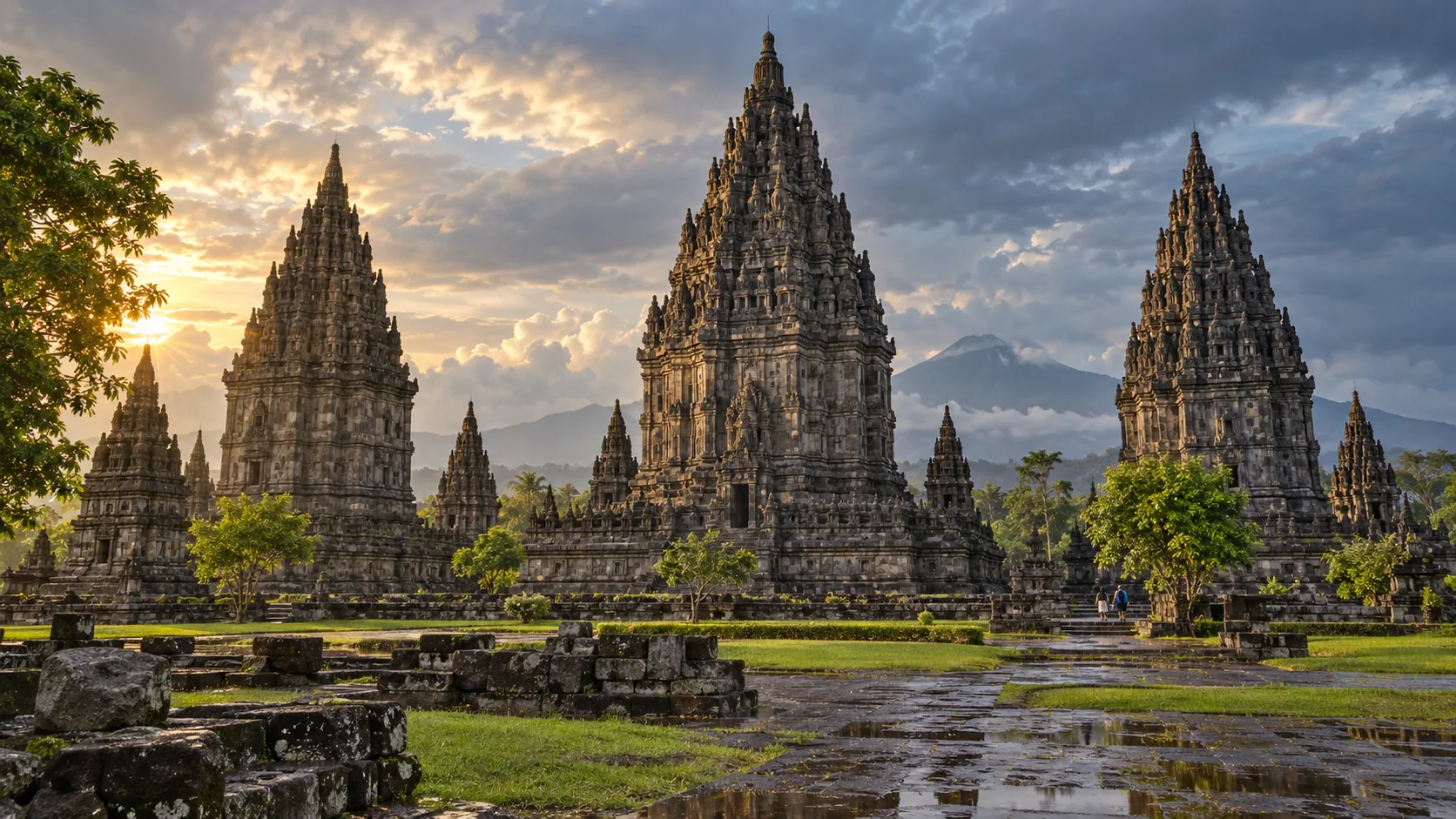
Prambanan is the Hindu counterpoint to Borobudur, dominated by tall, sharply rising towers dedicated to Shiva, Vishnu, and Brahma. It sits east of Yogyakarta, which makes it easy to visit on a different half-day from Borobudur without pretending the two temples are interchangeable.
Late afternoon brings beautiful light, but heat and tour groups can still be substantial. Check performance dates if the Ramayana ballet matters, because the show is a separate timed event and its venue can vary by season and weather.
3. Yogyakarta’s Palace Axis
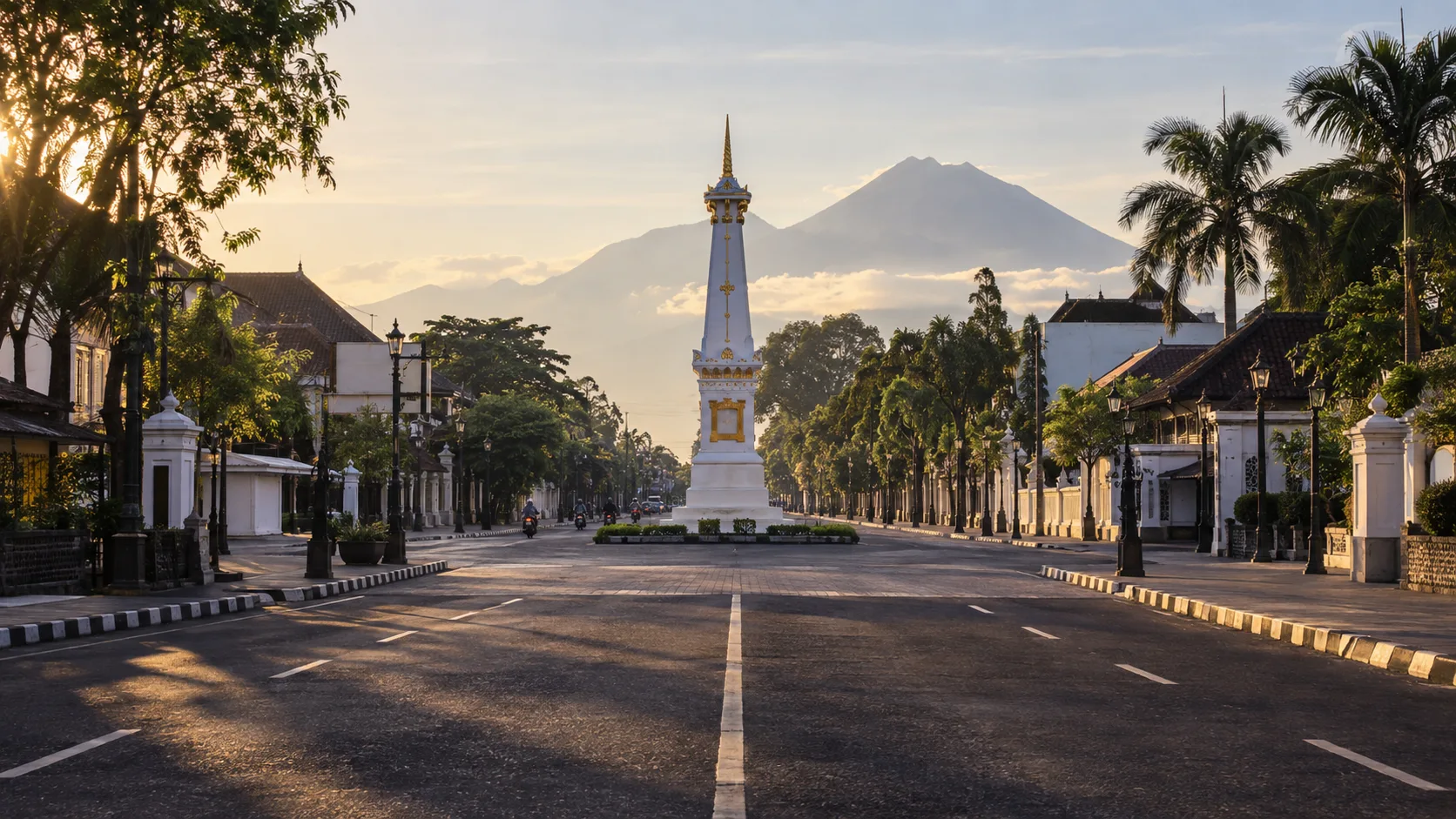
Yogyakarta is more than a bedroom for temple excursions. The Kraton, Taman Sari water complex, markets, neighborhoods, and north-to-south ceremonial axis show a living court city whose landmarks still carry civic and spiritual meaning.
Give the center a full day and check same-day palace hours, since ceremonies and official functions can affect access. A local guide adds far more here than a driver waiting while you collect photographs.
4. Sangiran Early Man Site
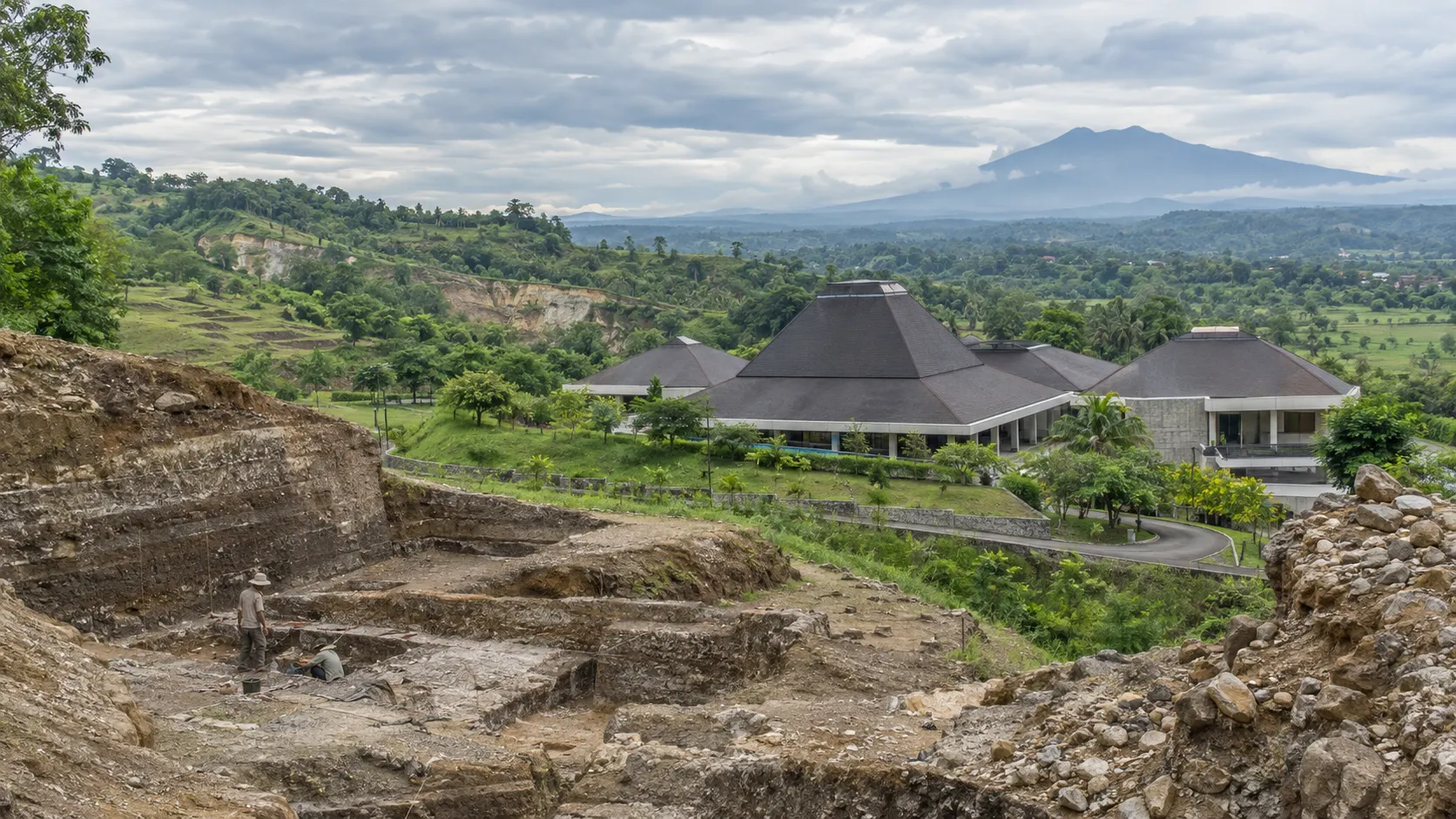
Sangiran, north of Solo, is the specialist choice on this list. Its archaeological landscape and museum network interpret human evolution and fossils from Java, but the dispersed sites do not deliver the immediate visual drama of Borobudur.
Add it only if archaeology is a central interest and you have a driver for the day. Travelers trying to squeeze Sangiran between Yogyakarta and an East Java train will usually shortchange both the museum and the journey.
5. Mount Bromo
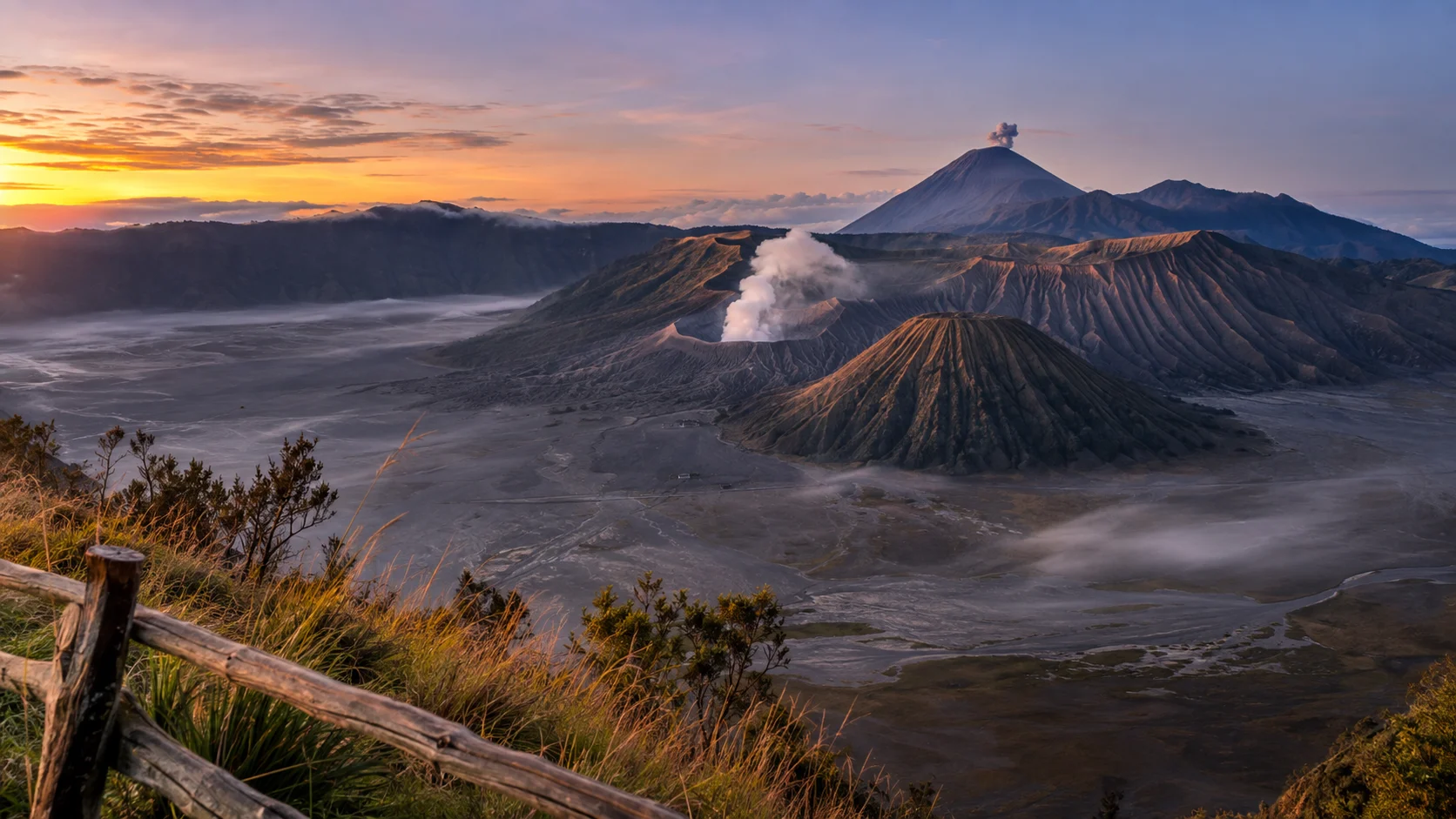
Bromo’s smoking cone inside the Tengger caldera is one of Indonesia’s defining natural views. Most visitors approach from Cemoro Lawang or by organized jeep, then combine a predawn viewpoint with the sand sea and a walk toward the crater.
The famous sunrise is also the busiest and coldest version of Bromo, with dust, headlights, horses, and lines. A later start can trade the classic dawn colors for better sleep and fewer vehicles, although cloud can hide the view at any hour.
Volcano status and exclusion zones outrank every itinerary. The U.S. State Department notes that earthquakes, tsunamis, and eruptions can disrupt transportation and infrastructure, so check Indonesian authority alerts and keep a flexible East Java day.
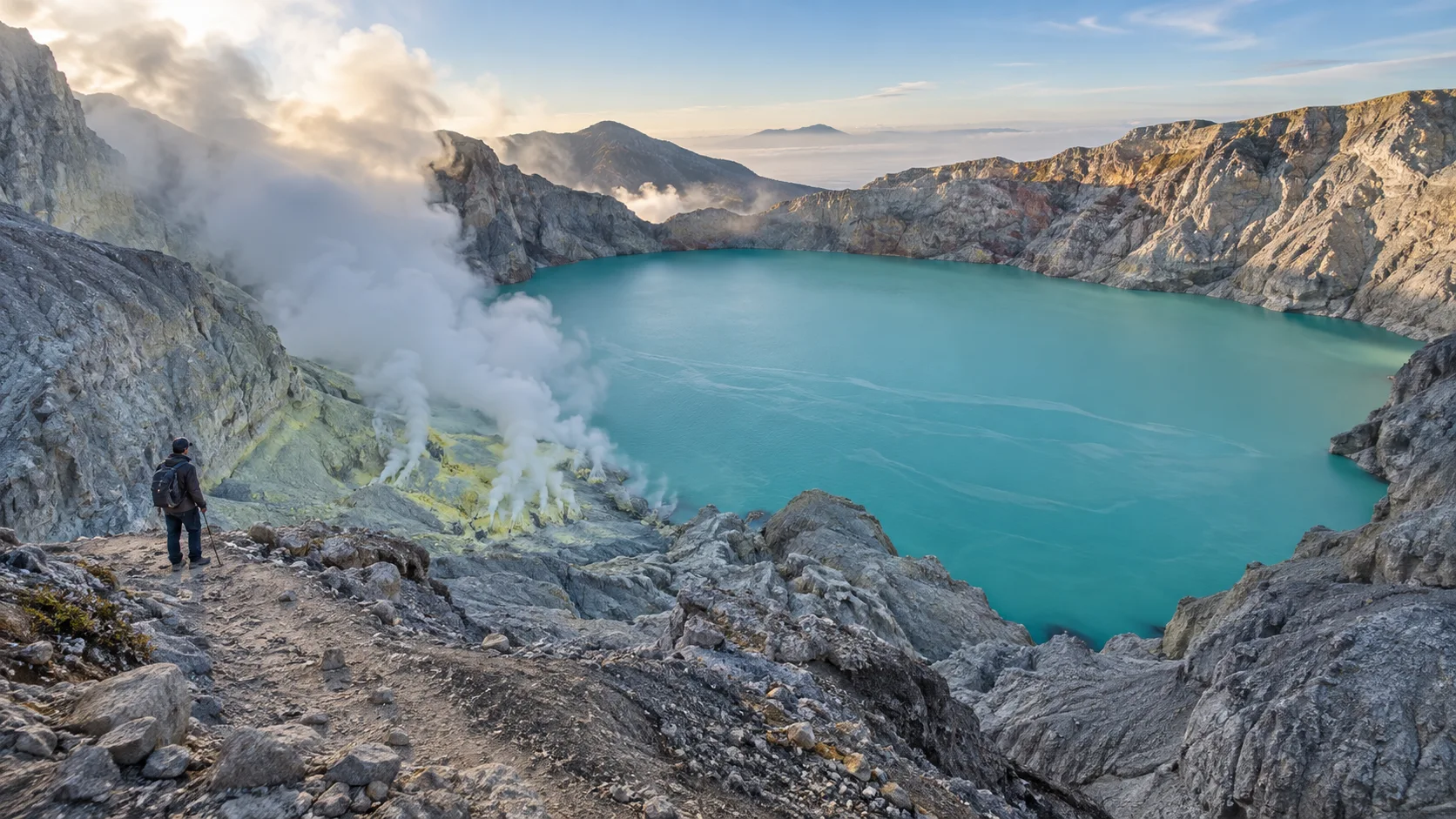
6. Ijen Crater
Ijen’s turquoise crater lake and sulfur-mining landscape are striking, but this is not a casual sunrise hike. Steep trail sections, darkness, volcanic gases, changing access rules, and limited respiratory protection make it a poor choice for anyone with heart or breathing concerns.
Do not chase “blue fire” content into a closed or hazardous area. A legal daytime viewpoint with a licensed local operator is the wiser goal, and readers comparing globally scenic walks can use this beautiful hikes shortlist to judge whether Ijen fits their comfort level.
Bali: Living Sacred Landscapes, Not a Temple Checklist
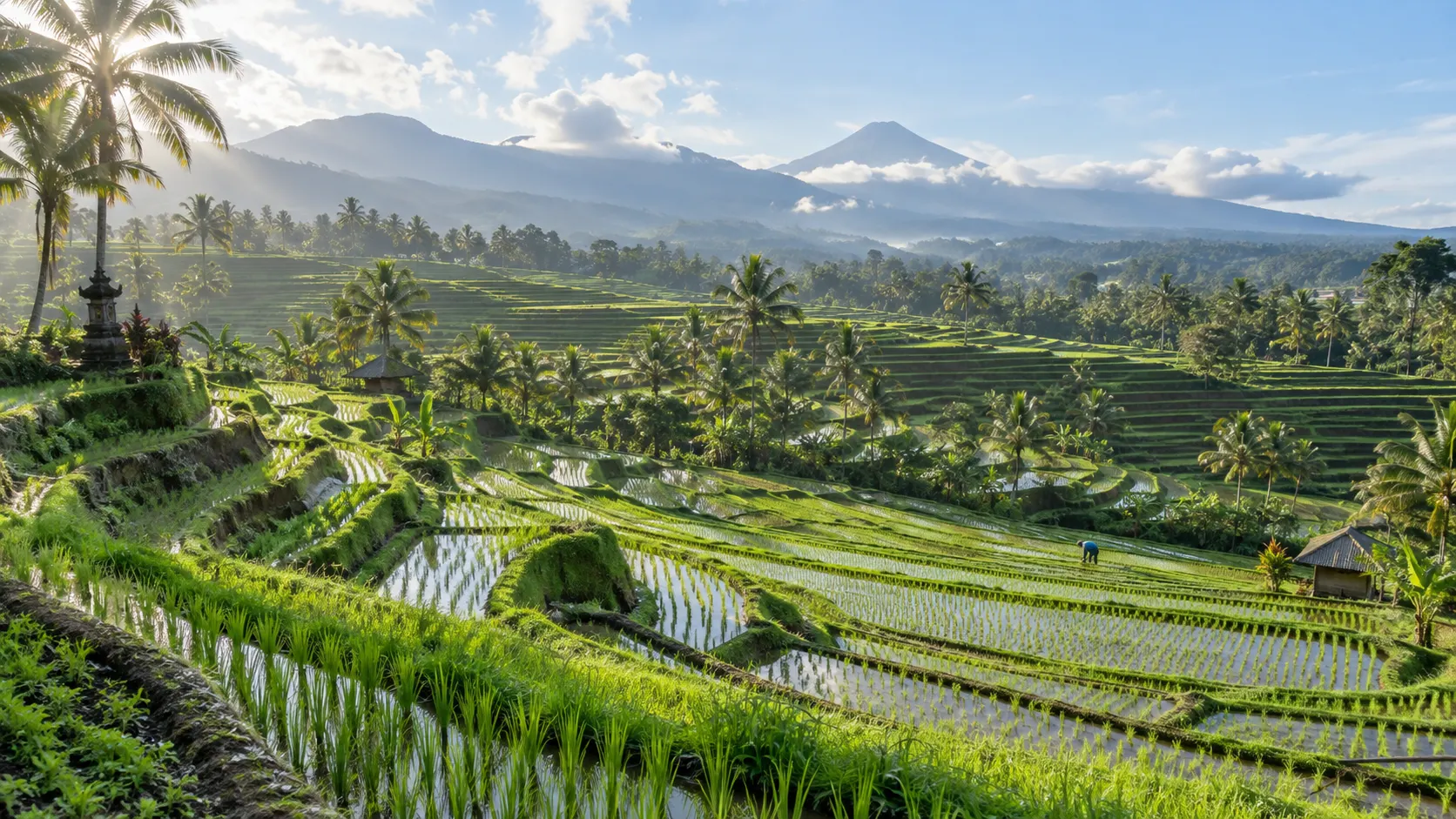
7. Jatiluwih and the Subak Landscape
Jatiluwih’s rice terraces are best understood as a working agricultural and spiritual system, not simply a green backdrop. UNESCO’s listed Balinese cultural landscape covers five rice-terrace and water-temple areas shaped by the cooperative subak irrigation system.
Walk one signed route, pay local access charges, and stay off planted terraces unless a path is clearly open. Rice fields change color and water level through planting and harvest cycles, so the postcard-green look is never guaranteed.
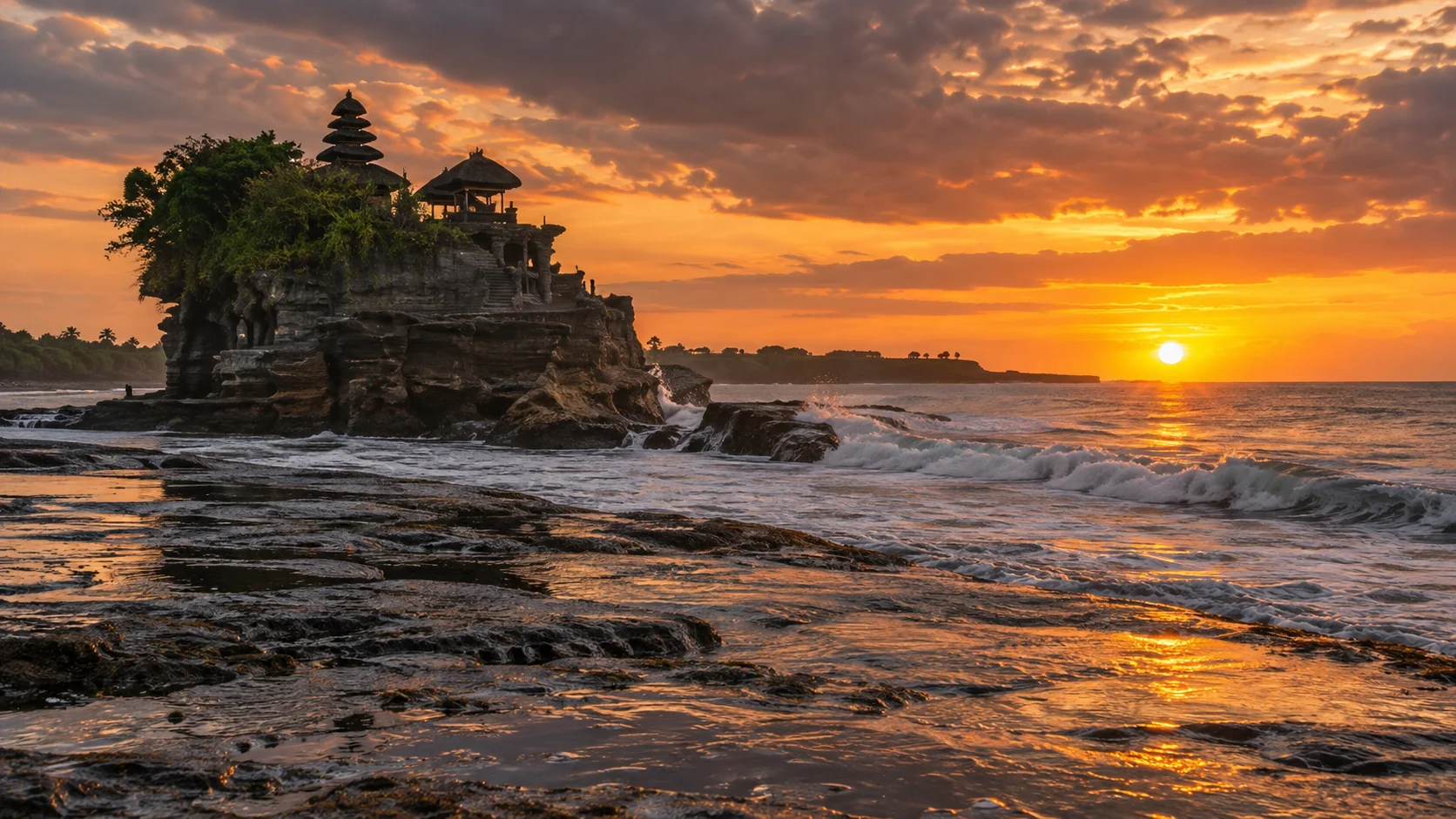
8. Tanah Lot
Tanah Lot’s offshore temple silhouette makes it an unmistakable Bali landmark, especially near sunset. It is also one of the island’s most commercial and crowded stops, and visitors cannot treat the sacred inner temple as an ordinary sightseeing room.
Tides alter how the rock and shoreline look, while traffic can turn a short map distance from southwest Bali into a long transfer. Go for the coastal setting, not for solitude.
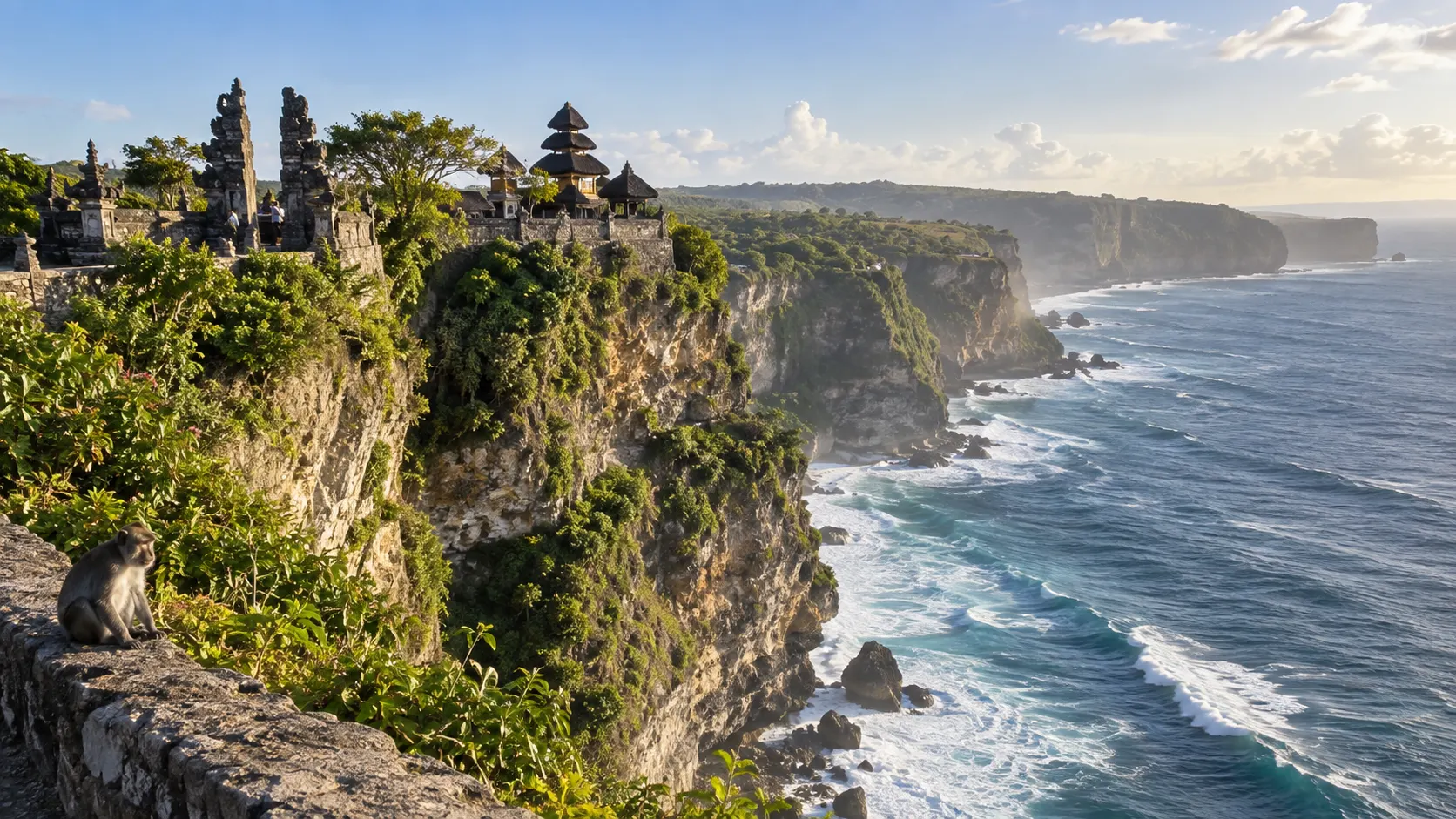
9. Uluwatu Temple
Uluwatu earns its place through its clifftop position above the Indian Ocean and the temple’s active religious role. The popular evening Kecak performance is separately ticketed, so reserve it when that exact experience matters.
Secure glasses, phones, and loose items around the macaques, and do not tease or feed them. Temple dress rules apply even in tropical heat, and respectful clothing matters more than getting a perfectly unobstructed photo.
10. Besakih Temple
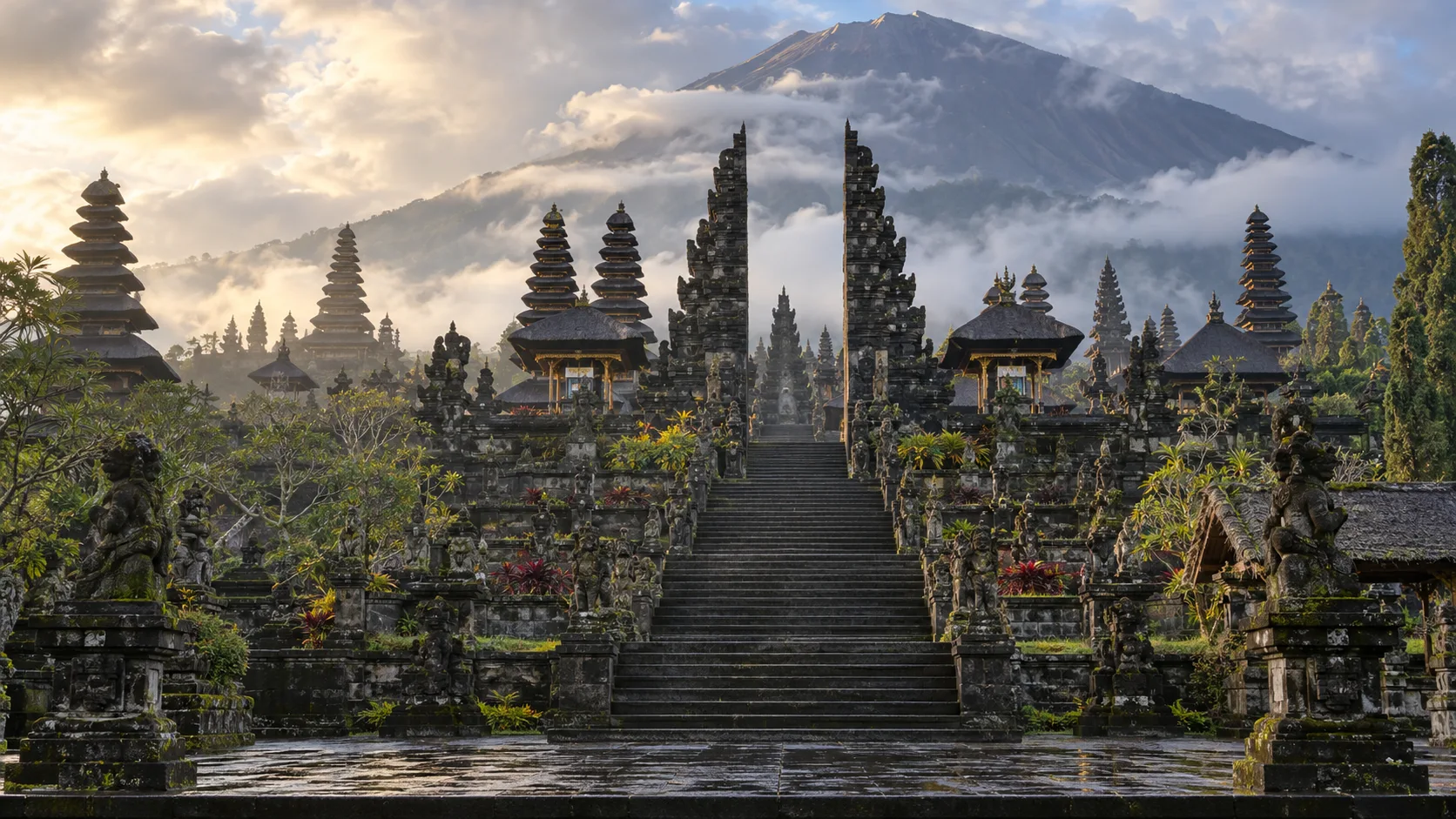
Besakih is Bali’s largest and most important temple complex, climbing the slope of Mount Agung through courtyards, gates, and individual sanctuaries. Its distance from the southern resorts makes it a full regional outing rather than an easy add-on after the beach.
Confirm what the entrance arrangement includes before accepting extra services, and remember that worship areas may be restricted. Pair Besakih with east or central Bali, not with a cross-island sprint to Uluwatu.
Bali’s volcanic coast adds a very different landscape to a temple itinerary. This coast-by-coast look at Bali’s black-sand beaches helps separate easy southern add-ons from beaches that require a dedicated north or east Bali route.
Flores and Komodo: Wildlife With Real Logistics
11. Komodo National Park
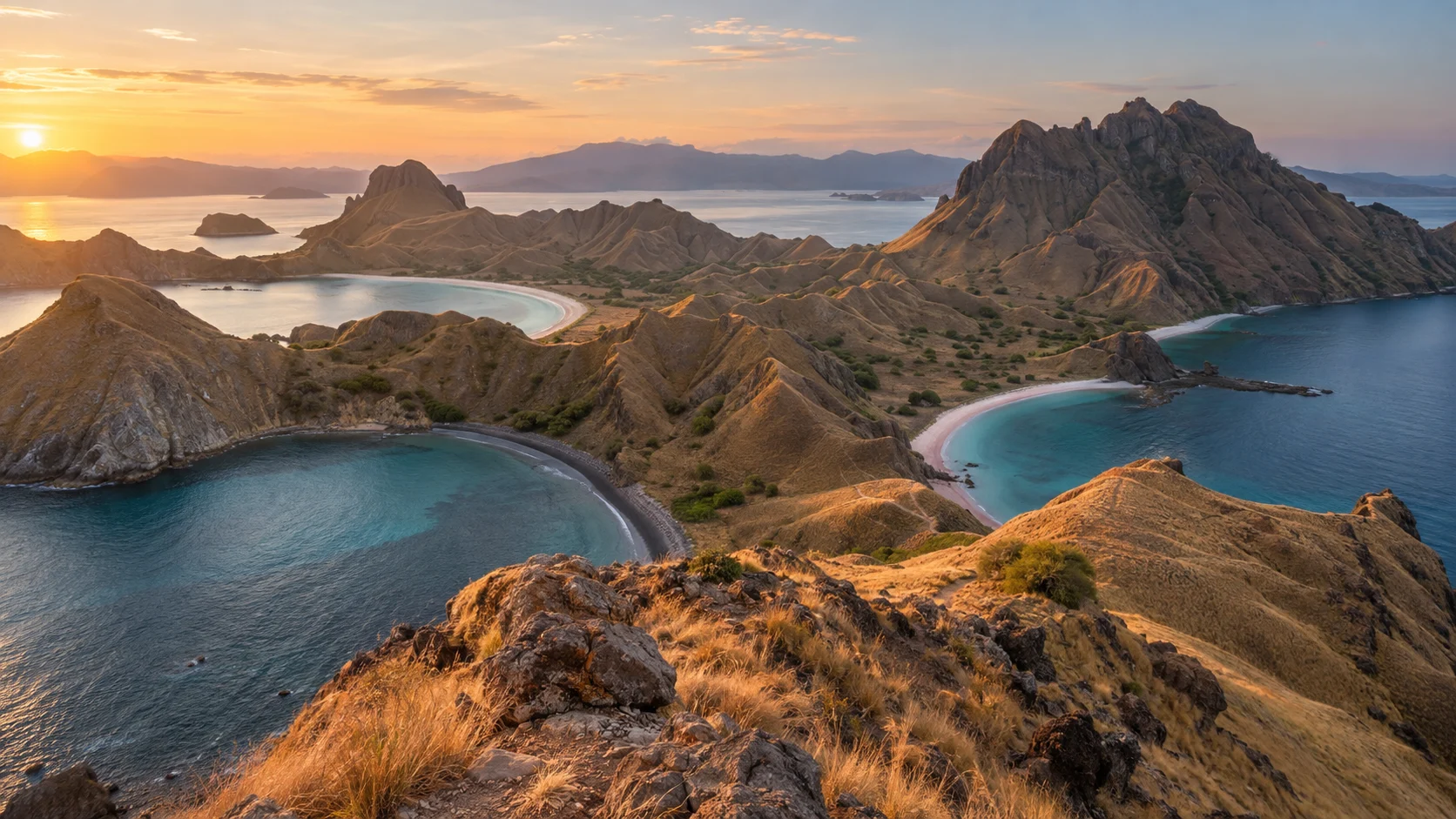
Komodo National Park combines dry volcanic islands, powerful marine channels, coral habitat, and the world’s largest lizard. UNESCO identifies Komodo, Rinca, and Padar as the three major islands, with the park protecting both terrestrial and marine ecosystems.
Labuan Bajo on Flores is the usual gateway, but a boat photo is not the same as a safe wildlife visit. Choose a properly licensed operator, follow ranger instructions around dragons, and never approach or feed wildlife for a closer image.
Fast day boats cover popular stops quickly, while overnight boats offer more breathing room but vary enormously in safety equipment, cabin comfort, crew standards, and waste practices. Ask about life jackets, passenger capacity, insurance, emergency communication, and cancellation rules before paying.
Strong currents make some famous snorkel and dive sites unsuitable for beginners at the wrong tide. Travelers arriving by ship should also treat Benoa as a Bali port call, not a realistic Komodo day trip; the distinction is explained in this practical cruise-port directory.
12. Kelimutu Crater Lakes
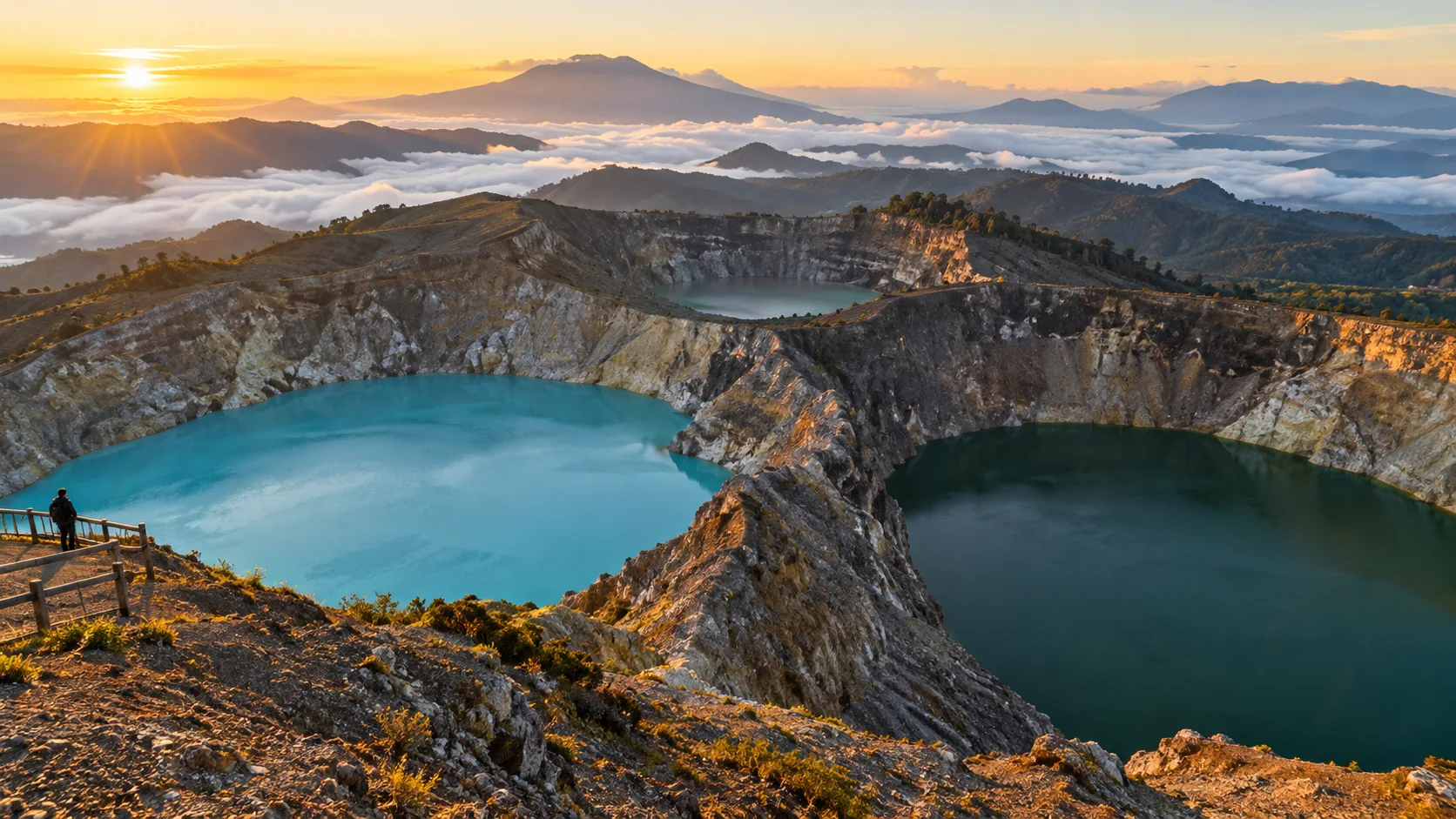
Kelimutu’s three crater lakes can display different colors because of their volcanic chemistry, but their exact shades shift. The lakes sit in central Flores, far enough from Labuan Bajo that they belong on a separate overland or flight-based segment.
Moni is the practical nearby base, and an early start improves the odds of clear views without guaranteeing them. Treat railings and closures seriously because this remains an active volcanic landscape.
Sumatra: Landscapes That Need Several Days
13. Lake Toba and Samosir Island
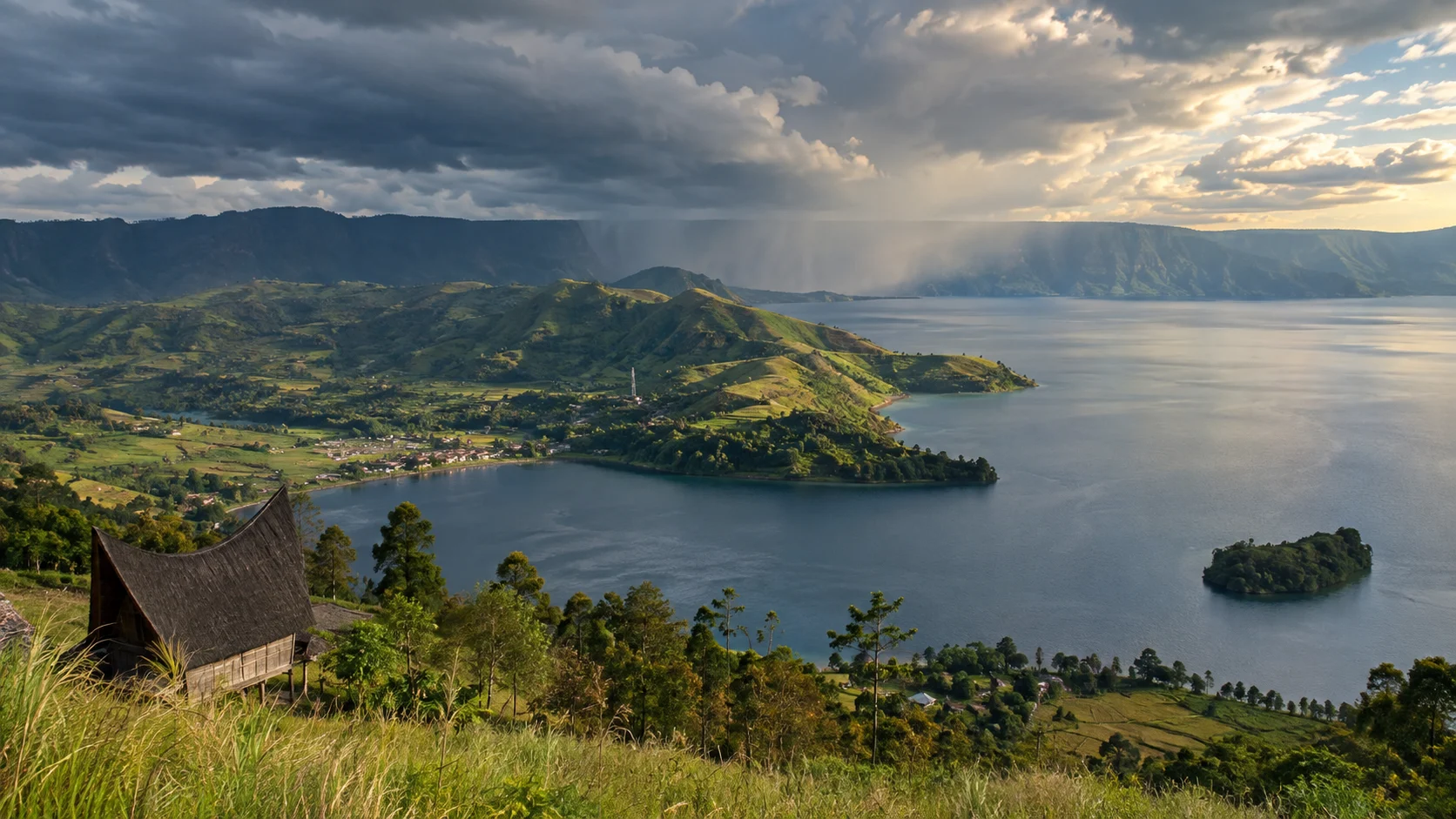
Lake Toba fills a vast volcanic caldera in North Sumatra, with Samosir Island at its cultural center. The real draw is the combination of water, highland scenery, and Batak communities, not a single roadside overlook.
Allow at least three nights after reaching the lake, especially if you want village visits and time on Samosir. Road and ferry connections make a rushed overnight far less satisfying than the map suggests.
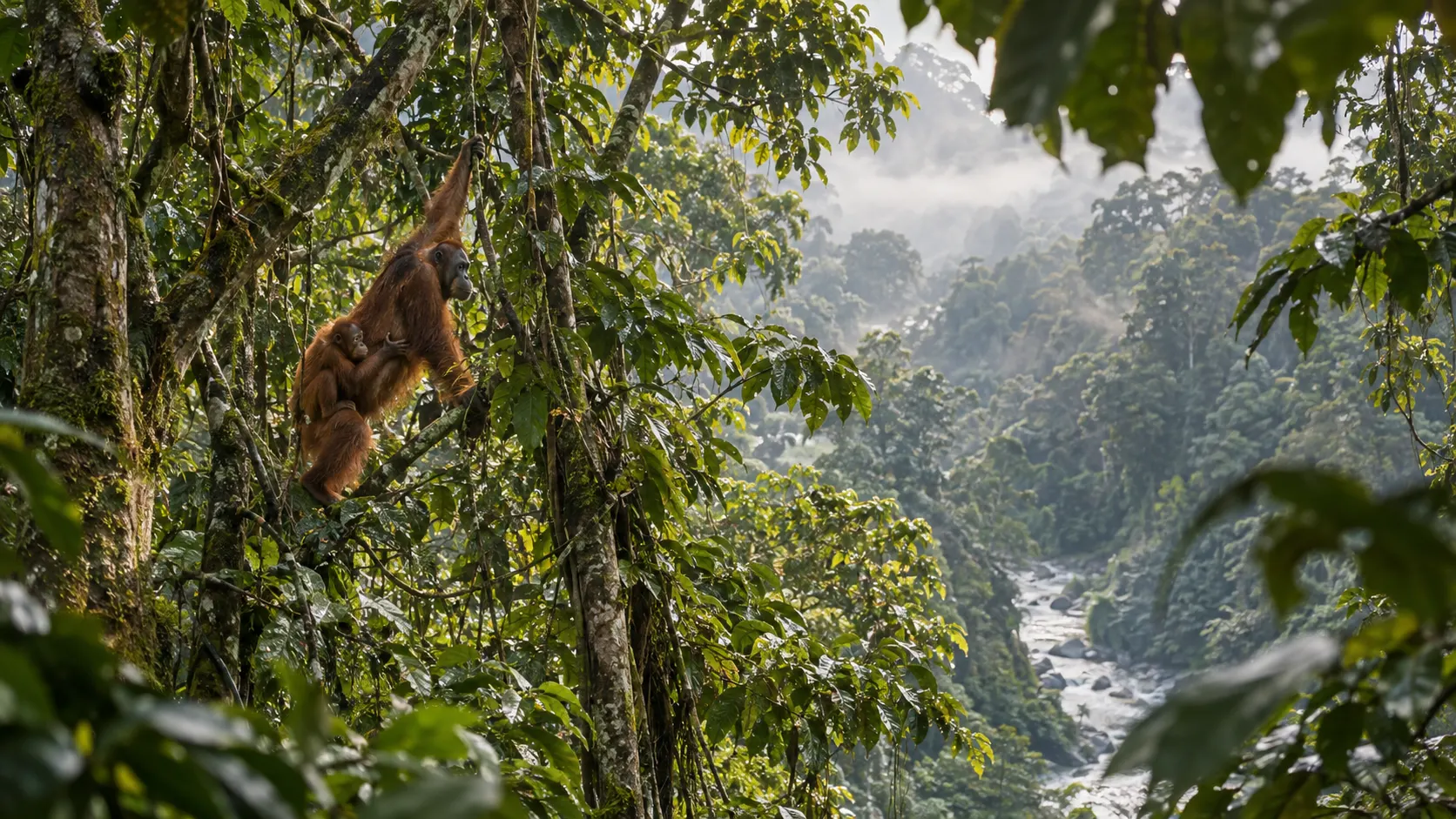
14. Gunung Leuser and the Orangutan Gateway
Bukit Lawang is a common gateway for guided rainforest walks in the wider Gunung Leuser ecosystem. Wild and rehabilitated orangutan encounters can be extraordinary, but ethical trekking means distance, small groups, no touching or feeding, and no guarantee of a sighting.
Humidity, mud, steep ground, river levels, and basic forest facilities are part of the trip. This is an active nature extension from Medan, not a polished attraction that should be scheduled immediately before a tight flight.
Sulawesi: Culture That Cannot Be Reduced to Scenery
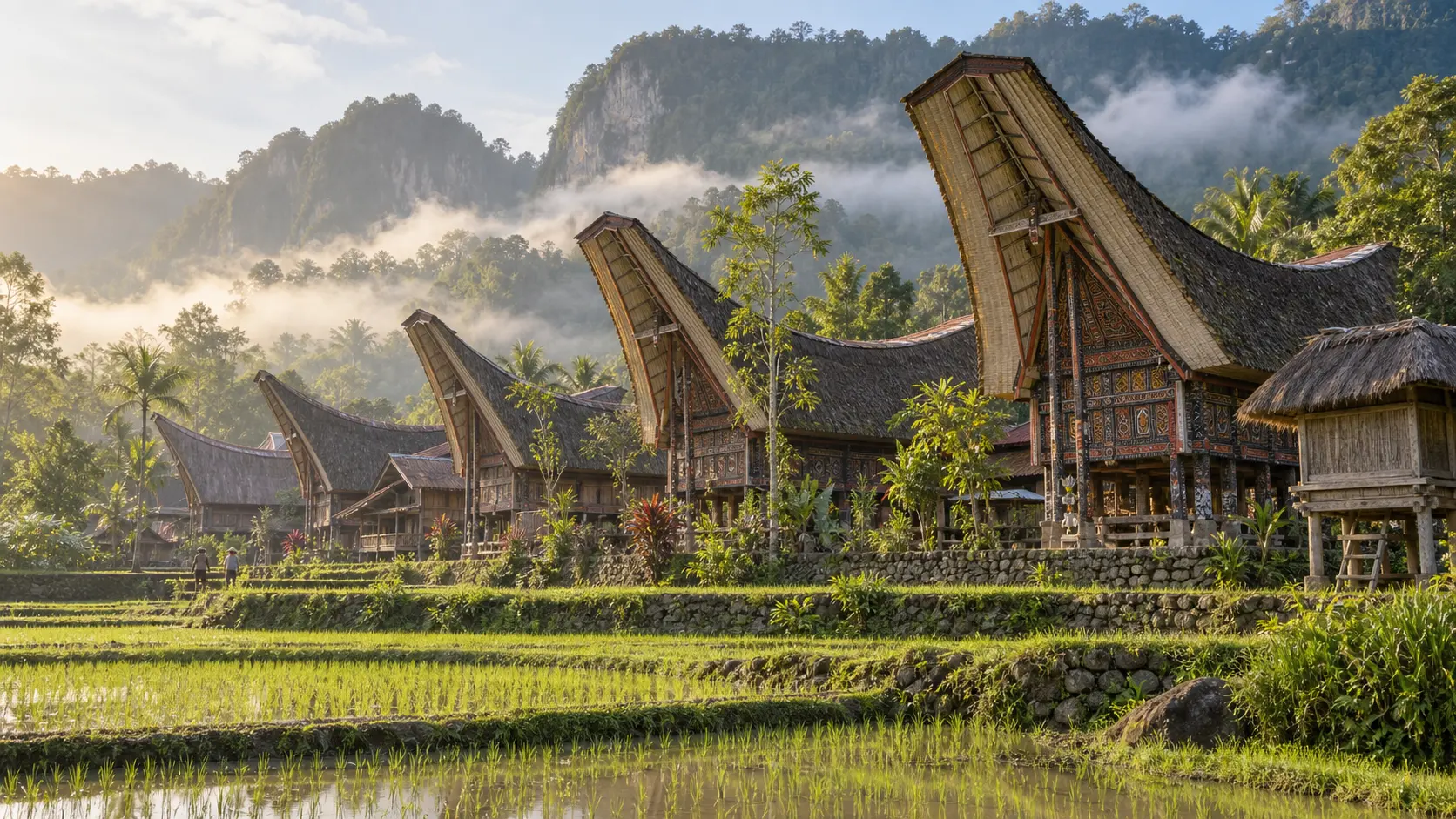
15. Tana Toraja
Tana Toraja is known for tongkonan houses, cliff and cave burial places, carved wood, rice landscapes, and elaborate funeral traditions. These are elements of a living culture, so residents and ceremonies are not attractions arranged for unrestricted photography.
Base in the Rantepao area for at least three nights and hire a knowledgeable local guide. Reaching the highlands generally requires a flight plus a long road transfer or a lengthy overland journey, which is precisely why Toraja should anchor a Sulawesi trip.
Papua: A Spectacular but Separate Journey
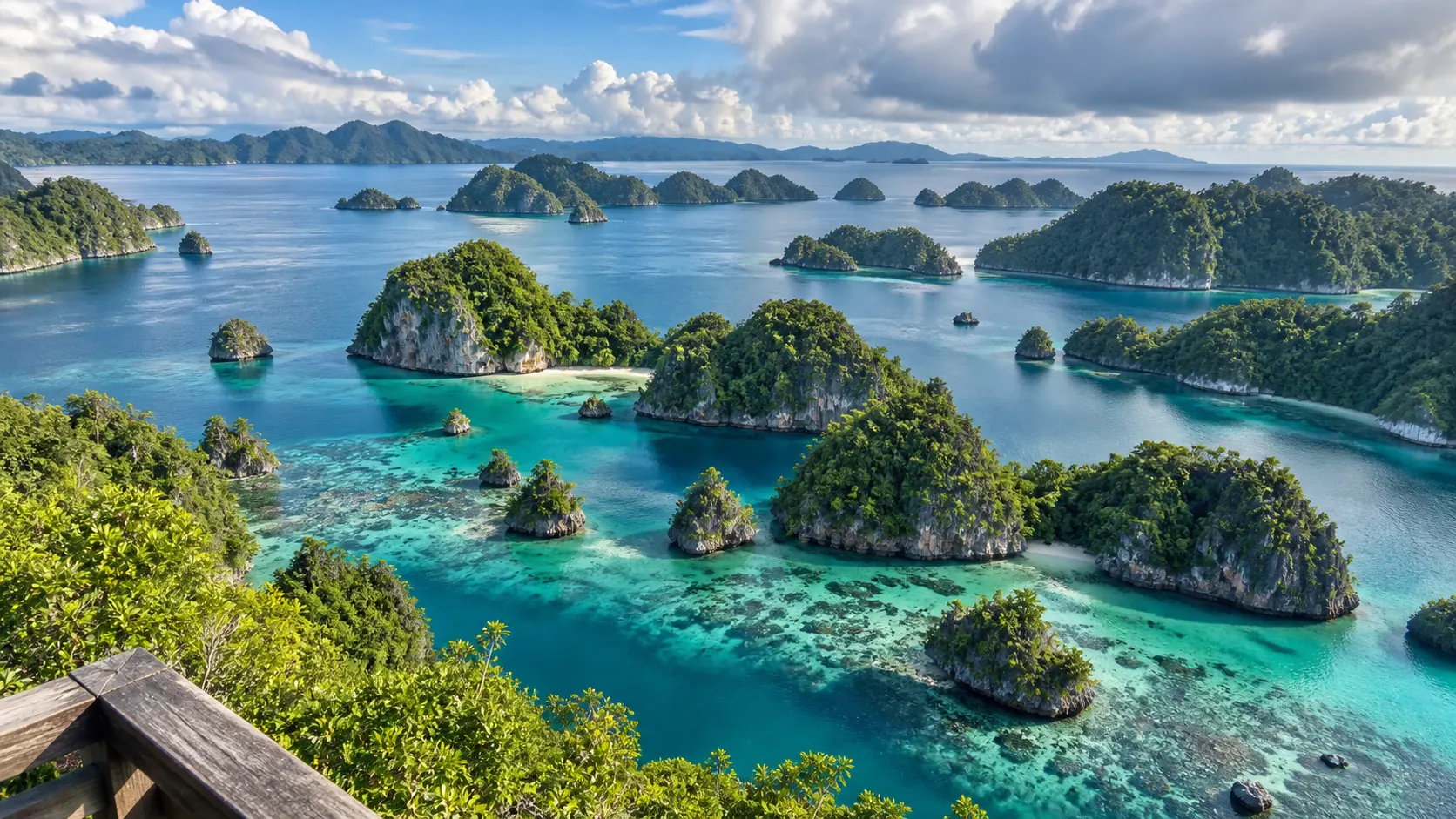
16. Raja Ampat
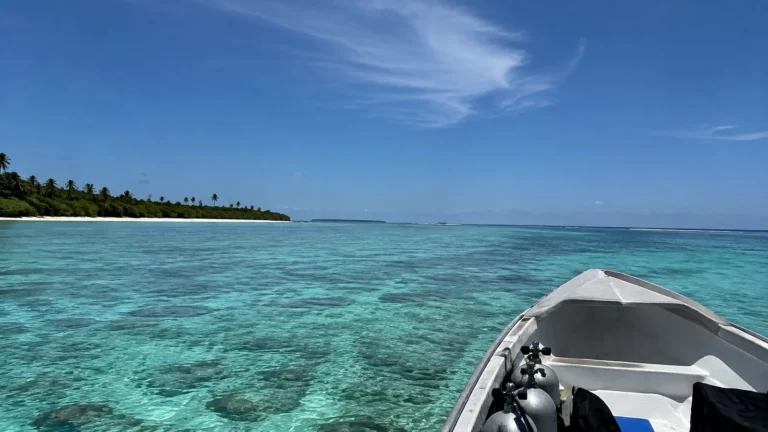
Raja Ampat’s limestone islets, lagoons, reefs, and marine biodiversity make it Indonesia’s most compelling high-budget nature extension. Reaching an island lodge or homestay usually involves a flight to Sorong, onward boat transport, conservation charges, and coordination that should be completed before arrival.
Currents, sea conditions, transfer distances, and dive skill requirements vary widely, so match excursions to honest ability rather than destination prestige. Nondivers can still snorkel, paddle, birdwatch, and visit viewpoints, but this is not a cheap or effortless beach break.
Raja Ampat is in Southwest Papua, not the two provinces named in the current U.S. “Do Not Travel” warning. Even so, the July 2026 Indonesia Travel Advisory places the country at Level 2 and specifically says not to travel to Central Papua or Highland Papua, so confirm regional conditions before booking any Papua itinerary.
Three Routes That Actually Work
Seven days: Yogyakarta and East Java
- Days 1–4: Yogyakarta, Borobudur, Prambanan, and the palace axis.
- Days 5–7: Travel to East Java, then choose Bromo or Ijen rather than forcing both into sleepless back-to-back nights.
This route has the strongest concentration of monumental landmarks, but train and road transitions consume real time. Fly out of Surabaya or Banyuwangi if the fare and schedule reduce unnecessary backtracking.
Ten days: Bali and Komodo
- Days 1–6: Split Bali between two bases, using central or east Bali for subak landscapes and major temples.
- Days 7–10: Fly to Labuan Bajo, keep a weather buffer, and take one well-vetted Komodo trip.
This is the better choice for travelers who want culture, scenery, and wildlife without Java’s longer ground transfers. It is less satisfying if every Bali night is spent in the far south and every temple requires hours in traffic.
Fourteen days: Java and Bali
- Days 1–5: Yogyakarta with Borobudur, Prambanan, and the historic center.
- Days 6–8: One East Java volcano area with a recovery night.
- Days 9–14: Bali from two regional bases, leaving the last night near the departure airport if traffic risk is high.
This is Indonesia’s most balanced first itinerary, but it still excludes Sumatra, Sulawesi, and Papua on purpose. If you are comparing it with other multi-country options, this Asia trip-style guide helps clarify when Indonesia’s island logistics are a good fit.
When to Go and What to Book First
Java and Bali are generally easier for outdoor sightseeing during their drier middle months, but regional rain patterns differ across Indonesia and no season guarantees blue skies. Komodo boat conditions, Flores roads, Sumatra rain, and Raja Ampat seas should be checked as separate forecasts.
Book limited monument access, domestic flights, reputable liveaboards, and remote-island transfers before ordinary city hotels. Leave one flexible day before an international flight whenever a boat, volcano, or separate island connection stands between you and the airport.
At temples, cover shoulders and legs when required, follow sarong rules, and never interrupt worship for a photograph. At natural landmarks, obey closures even when another traveler or social post suggests a shortcut.
The Bottom Line
Borobudur, Prambanan, and Yogyakarta form the strongest first cultural route; Bali works best when its temples and rice landscapes are grouped by region; Komodo deserves a vetted boat and weather buffer. Lake Toba, Tana Toraja, and Raja Ampat are not side trips, but rewarding journeys for travelers willing to give them the days they require.
Choose fewer islands, build around the hardest connection, and let Indonesia feel like a place rather than a transfer schedule. That is how its landmarks become memorable instead of merely collected.