Alaska Cruise Guide: Routes, Glaciers, Ports and Costs
The best Alaska cruise is not automatically the ship with the newest waterslide or the longest list of ports. Route, glacier access, port hours, and what happens before or after the sailing matter much more here than they do on a beach cruise.
This guide starts with those decisions, then covers ships, seasons, cabins, excursions, documents, and costs. The goal is a trip that fits you, not a generic “best” itinerary.
Choose your Alaska cruise in five steps
- Pick the route: round-trip Inside Passage, one-way Gulf of Alaska, or small-ship expedition.
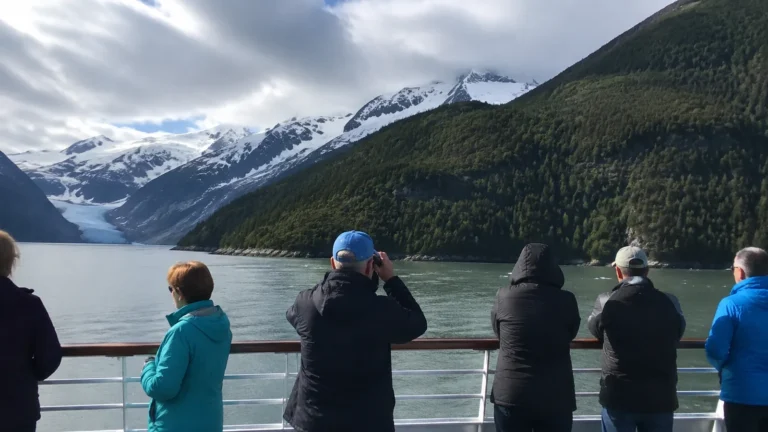
- Choose the scenic day: Glacier Bay, Hubbard Glacier, or Endicott Arm and Dawes Glacier.
- Read port hours: a long Juneau day has more value than a fourth port with five rushed hours.
- Match the ship: family resort, quieter premium ship, or small expedition vessel.
- Price the whole trip: flights, hotels, transfers, excursions, gratuities, meals, and cruise fare.
Official state tourism information calls the Inside Passage Alaska’s most popular cruise route and says most itineraries run seven to ten days from Seattle or Vancouver. Its overview of getting to Alaska by cruise is a useful check on route names before comparing individual sailings.
Round-trip Inside Passage cruises
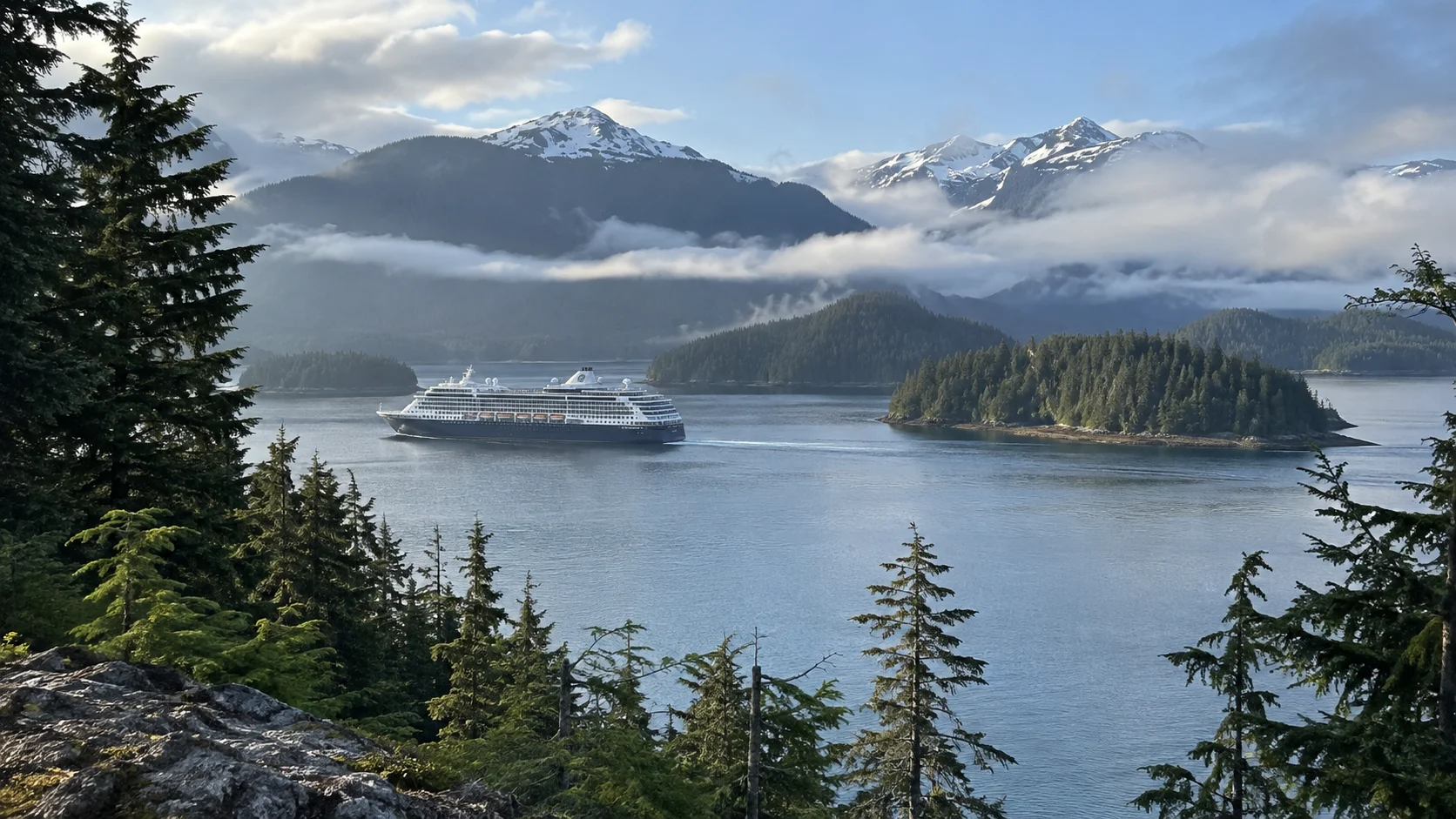
Best for: first-time cruisers, families, simpler airfare, and travelers with one week. Most round trips leave Seattle or Vancouver and visit a combination of Juneau, Skagway, Ketchikan, Sitka, Icy Strait Point, and a scenic glacier area.
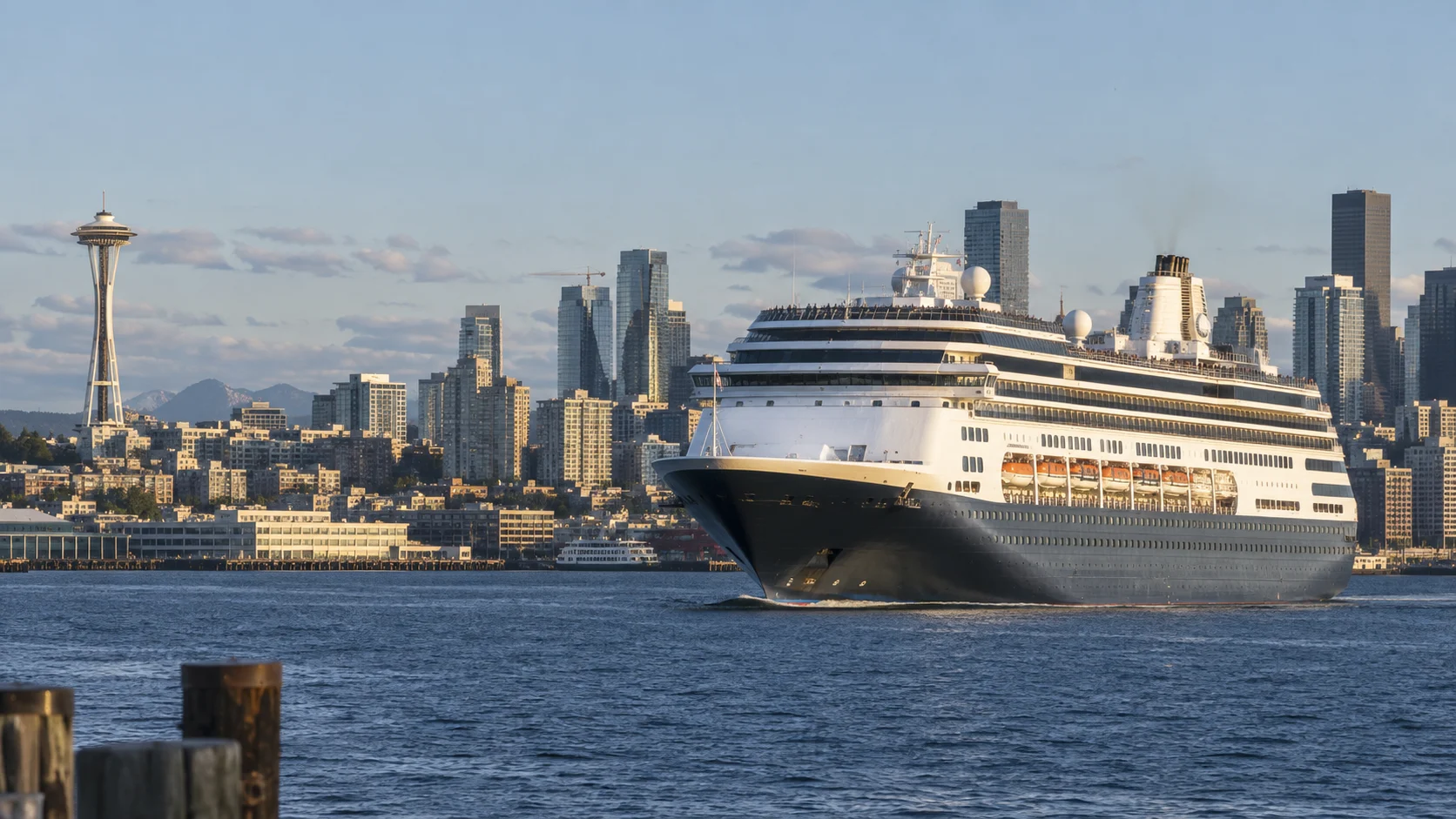
Seattle round trips
Seattle offers plentiful U.S. flights and simple round-trip planning. The tradeoff is more time reaching Southeast Alaska, and many itineraries include a short Canadian call that may feel more regulatory than leisurely.
Look for a route with three strong Alaska ports, useful daytime hours, and a named glacier experience. A cheap fare loses its shine when the best port arrives at 6 p.m. or the scenic day is described vaguely as “cruising Alaska waters.”
Vancouver round trips
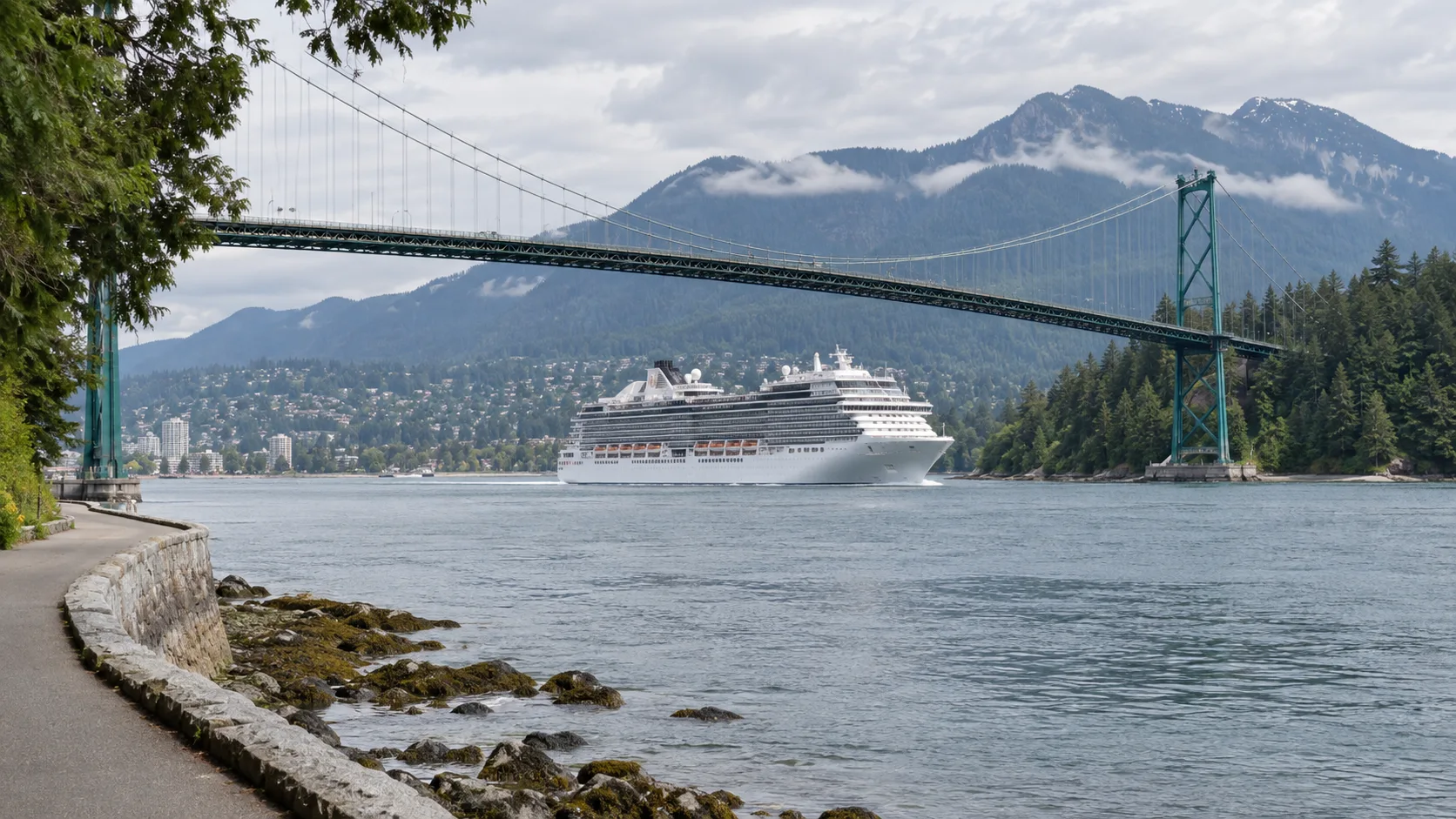
Vancouver departures can spend more time in protected Inside Passage waters and may offer stronger scenic routing. They also require Canadian entry planning, a hotel-priced city, and more thought for travelers flying from smaller U.S. airports.
Arrive at least one day early for either port, and two days early when separate tickets or an international border are involved. Missing embarkation in Alaska is expensive and complicated because many communities are not connected by road.
One-way Gulf of Alaska cruises
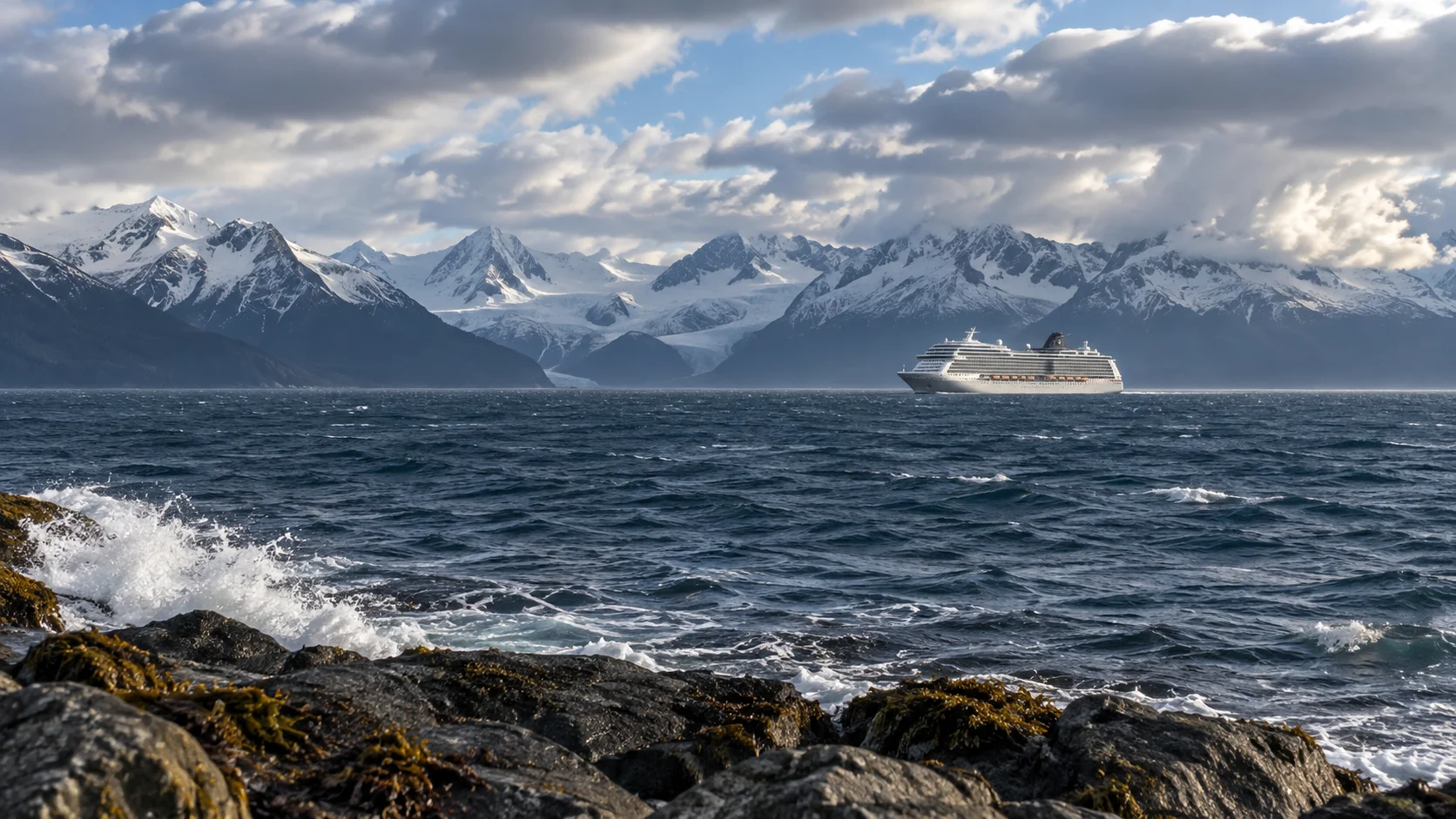
Best for: travelers with 10 to 14 days, anyone adding Denali or the Kenai Peninsula, and people willing to manage open-jaw flights. These sail between Vancouver and Seward or Whittier, often combining the Inside Passage with Southcentral Alaska.
A one-way cruise is not automatically more scenic on the ship, but it unlocks meaningful time on land. Seward connects naturally with Kenai Fjords National Park, while Whittier provides access to Prince William Sound and a shorter route toward Anchorage.
Should you add a cruise tour?
A packaged cruise tour makes luggage, hotels, coaches, and rail segments easier, but “Denali” in the name does not guarantee deep park access or two relaxed nights. Read the day-by-day itinerary for arrival times, included meals, and how many hours are spent in transit.
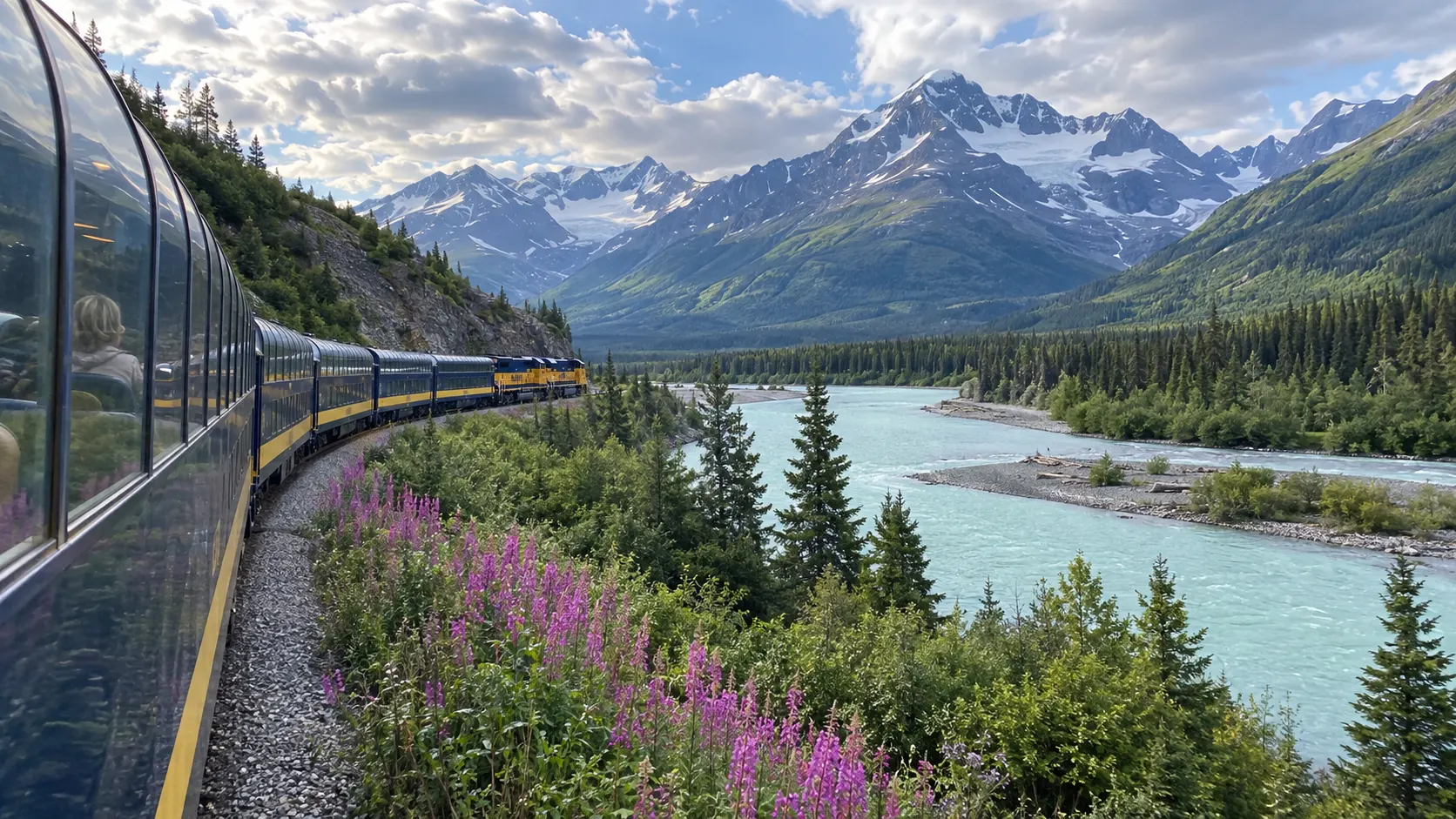
Independent land travel offers more control and can be better for two-night stays, but reservations require coordination. The Alaska Railroad’s summer routes connect Seward, Anchorage, Talkeetna, Denali, and Fairbanks across different services.
For 2026 planning, the National Park Service said the Denali Park Road closure at Mile 43 would continue through summer while work addressed the Pretty Rocks landslide. Always check current Denali conditions rather than buying a land package based on an old map or review.
I would allow at least four land nights after a one-way cruise, with six or seven better for Seward plus Denali. A two-night add-on often turns into one late arrival, one scheduled tour, and one early departure.
Which glacier itinerary is best?
Glacier Bay National Park
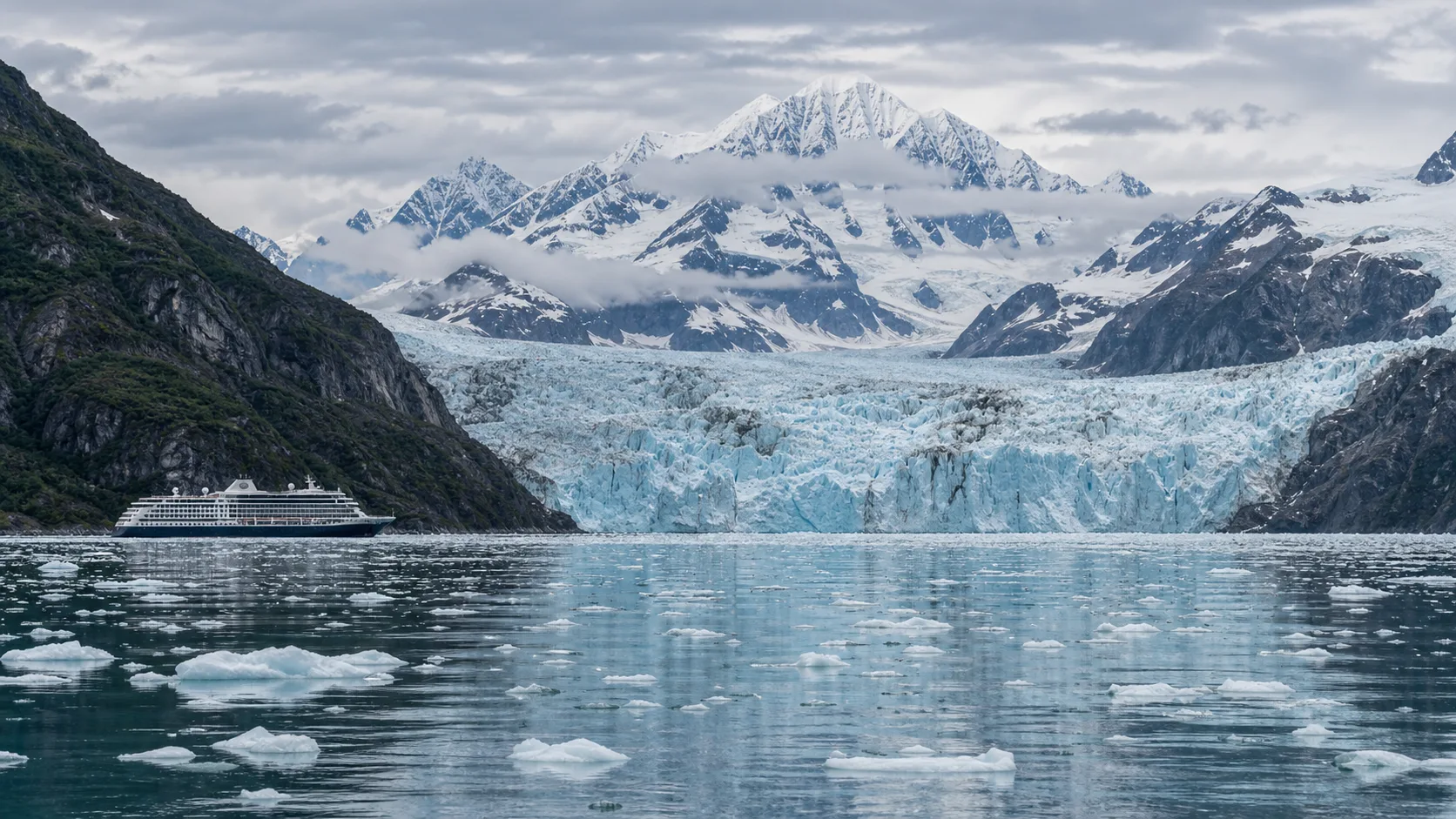
Glacier Bay is the strongest all-around choice for park interpretation, multiple glacier possibilities, and a full scenic day. National Park Service rangers typically board permitted cruise ships to provide programs, answer questions, and help passengers understand the landscape.
Large-ship access is limited by daily and seasonal quotas, which is why not every line or sailing can enter. The National Park Service’s cruise-ship page notes that ranger boarding time varies with the day, line, and weather.
Hubbard Glacier
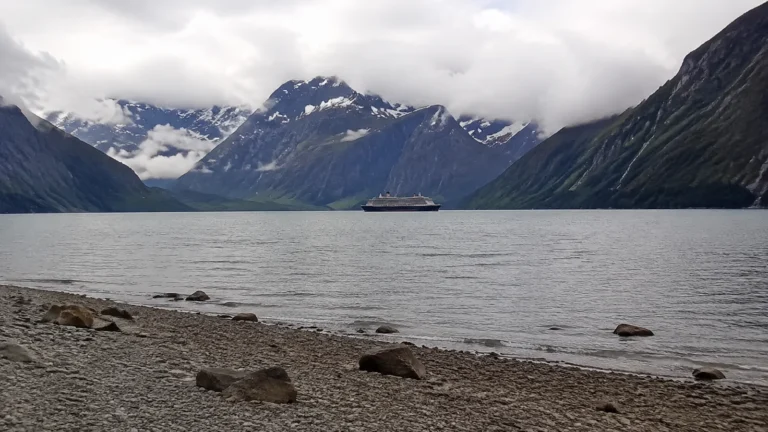
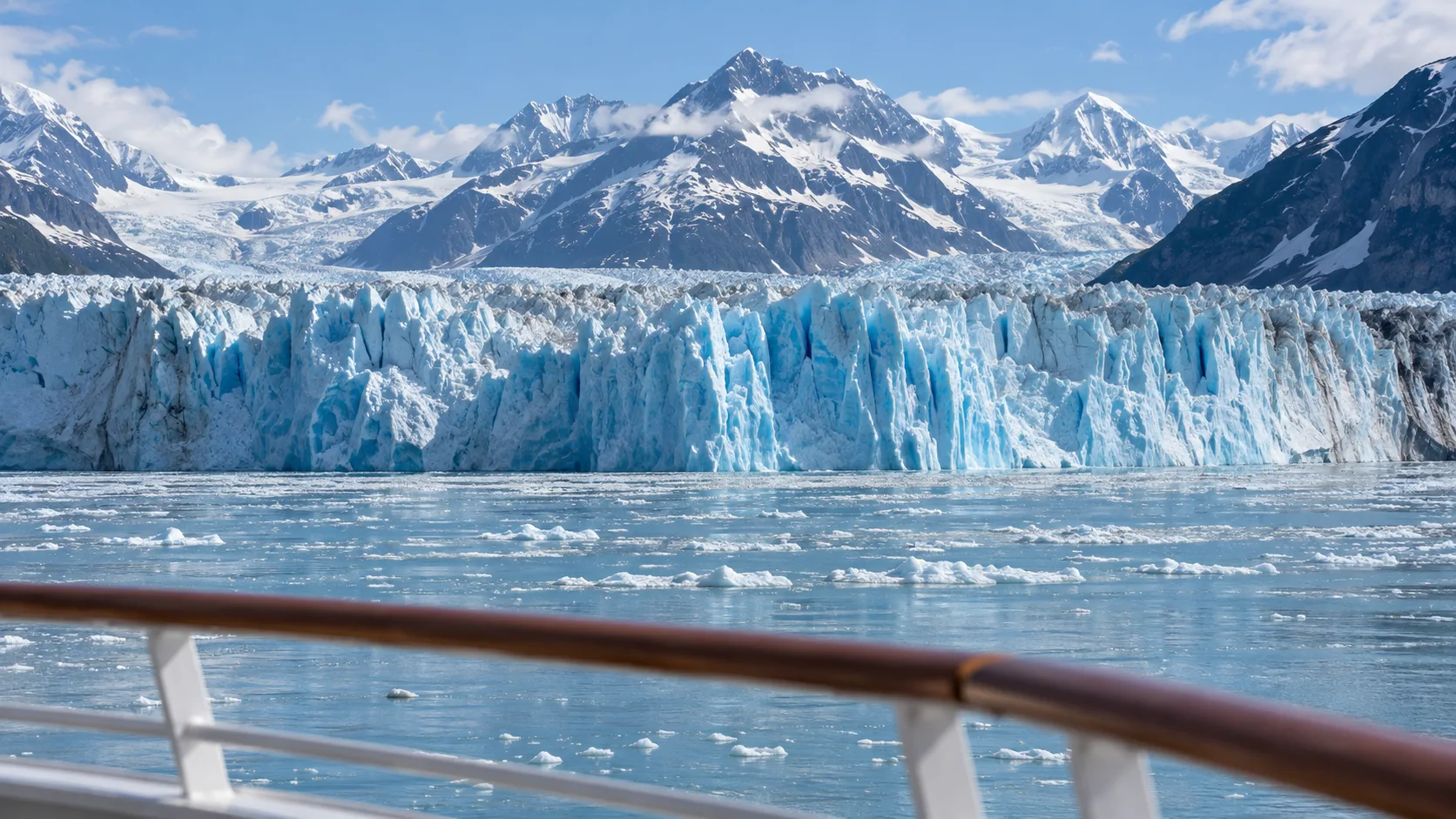
Hubbard is an enormous tidewater glacier and a dramatic centerpiece on many Gulf itineraries. Ships approach through Disenchantment Bay, but ice, visibility, and marine conditions determine how close the captain can safely take the vessel.
Choose Hubbard when it complements good ports and a useful one-way route. Do not select it solely because a marketing image shows a ship much closer than your sailing can promise.
Endicott Arm and Dawes Glacier
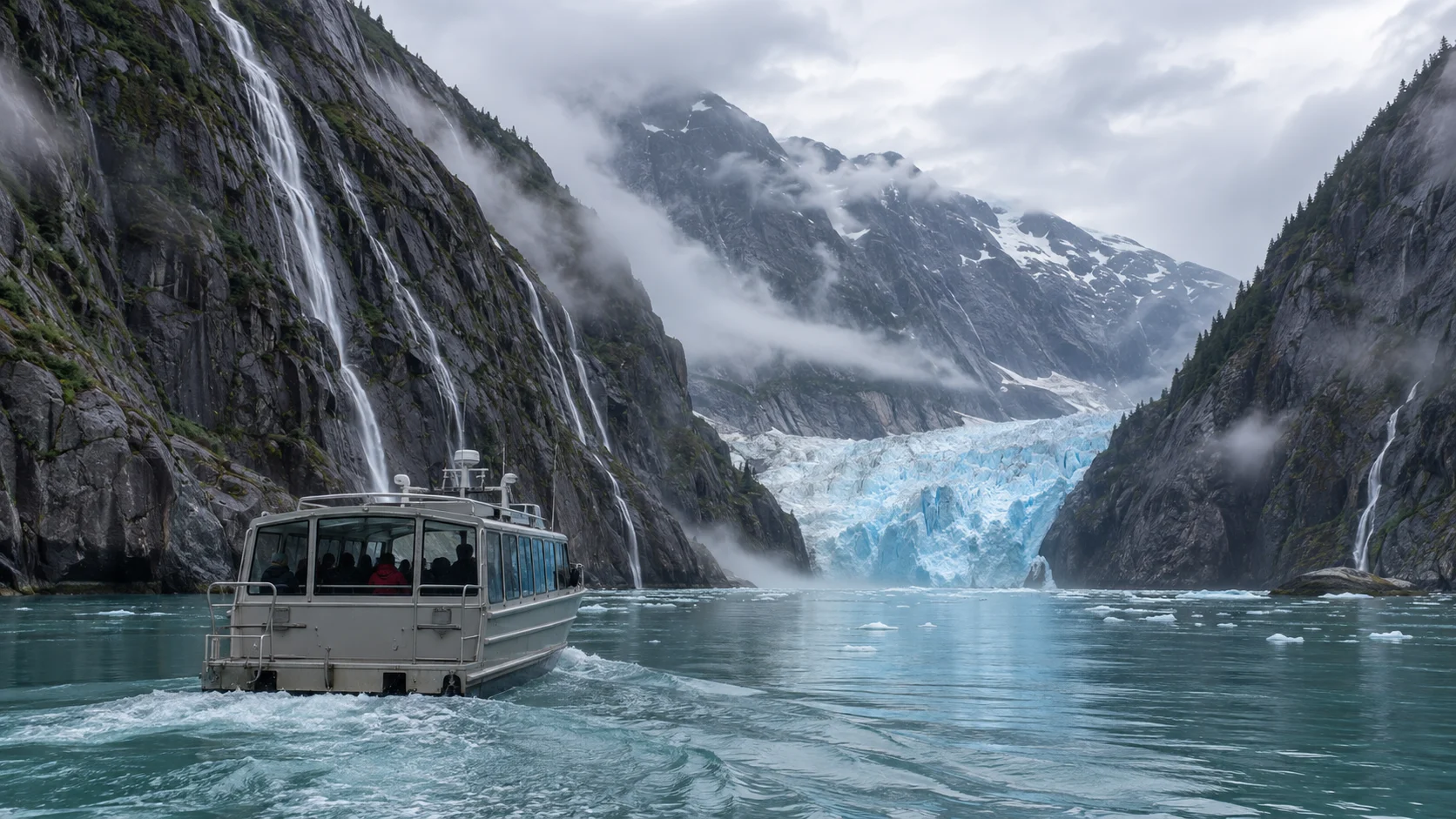
Endicott Arm delivers narrow-fjord scenery, waterfalls, floating ice, and Dawes Glacier at the end. It is a compelling route, but ice can prevent large ships from reaching a close view, particularly earlier in the season.
Some sailings offer a smaller excursion boat that travels deeper into the fjord. It can be an excellent splurge, though check the price and boarding requirements.
No glacier approach is guaranteed. Weather, ice, wildlife, daylight, and navigation safety always outrank the printed itinerary.
How to compare Alaska cruise ports
Juneau
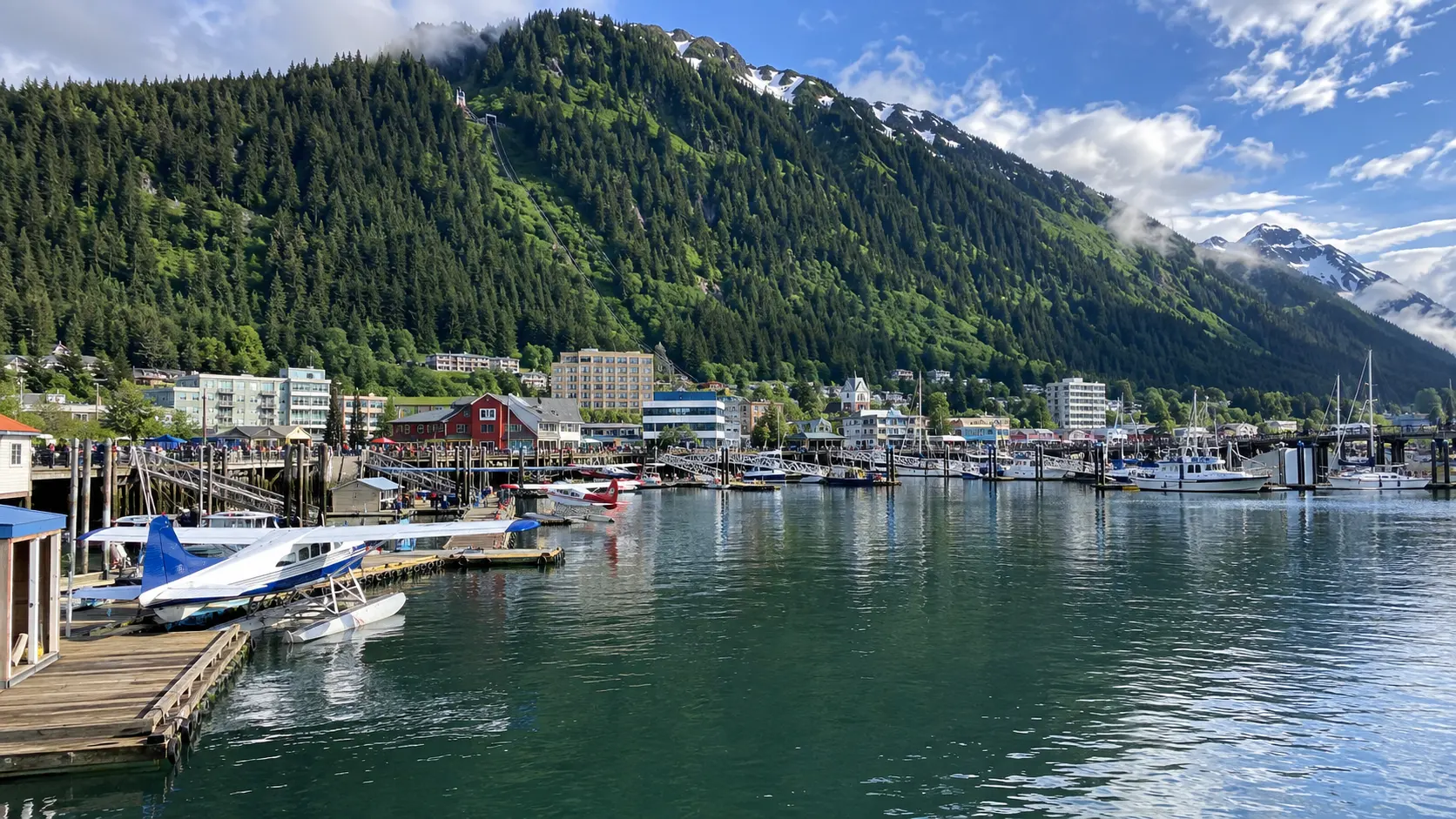
Juneau has the broadest excursion menu, including whale-watching, Mendenhall Glacier area visits, flightseeing, hiking, and food tours. It is also busy, so book one priority rather than trying to combine a morning whale boat, glacier trip, tram, and full downtown walk.
My Juneau cruise port guide compares what works independently and what needs transportation. Check the assigned berth because walking and shuttle needs differ.
Skagway
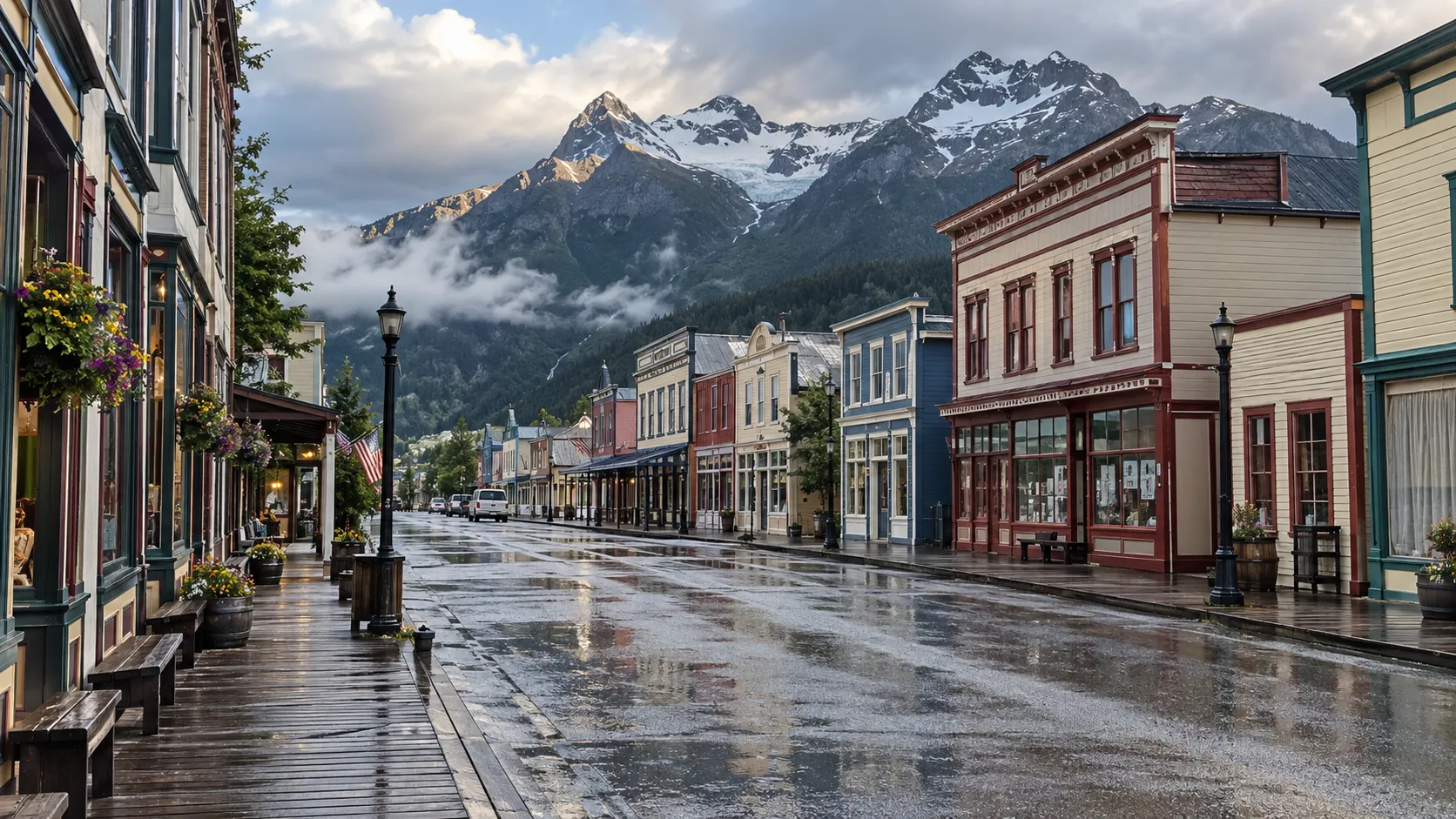
Skagway is the history-and-scenery port, with the Klondike Gold Rush story, White Pass routes, hiking, and a compact historic center. Rail excursions are popular, but buses and rental cars can cover different viewpoints and may suit travelers who dislike fixed train seating.
Rockslide mitigation and berth arrangements have changed transport patterns in past seasons, so follow current ship instructions. My Skagway port guide helps separate a simple town day from a longer White Pass plan.
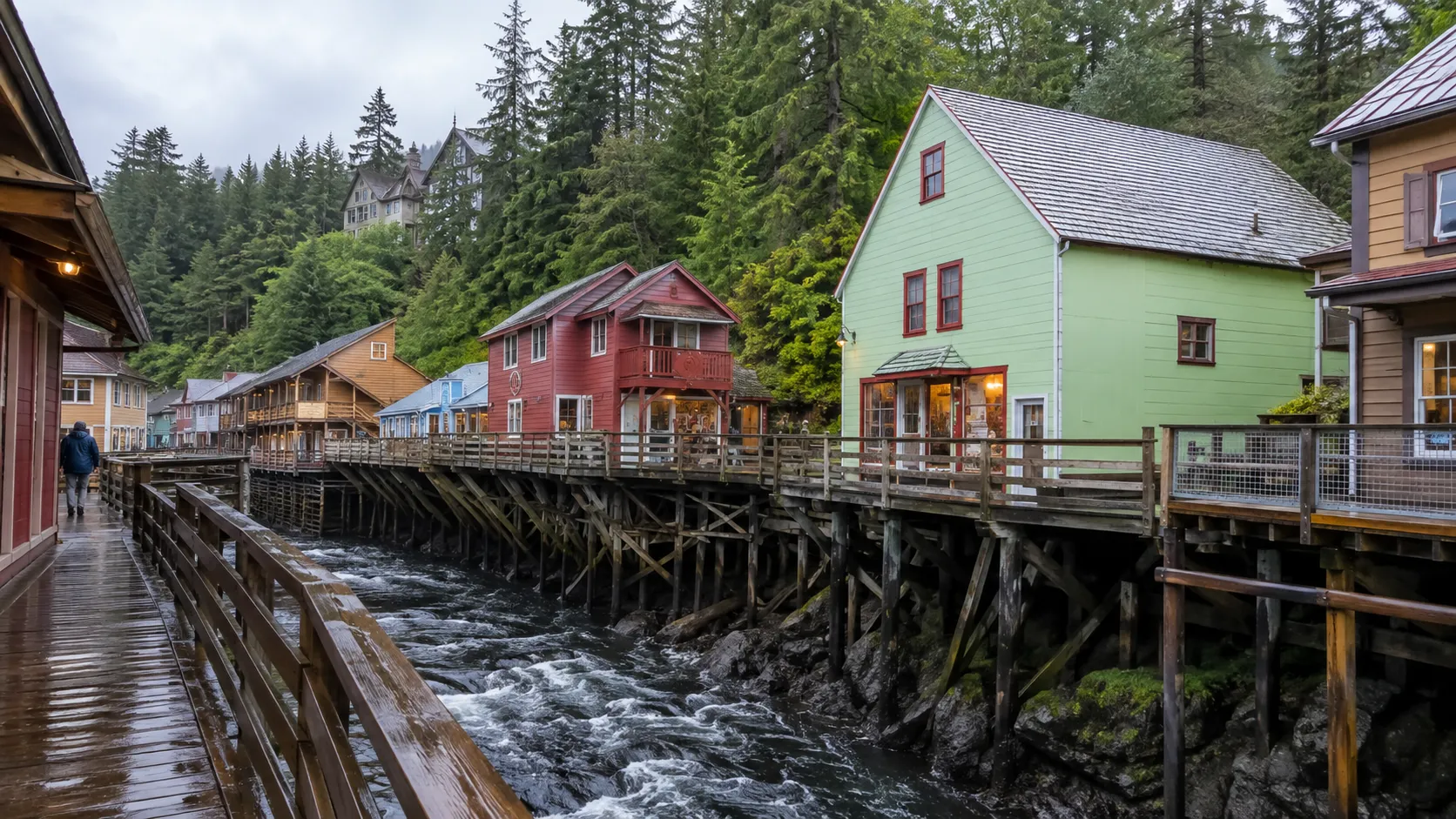
Ketchikan
Ketchikan works well for Alaska Native cultural experiences, totem sites, fishing, Misty Fjords flightseeing, and a low-cost walk around Creek Street and downtown. Rain is part of the landscape, so pack a shell instead of writing off the day.
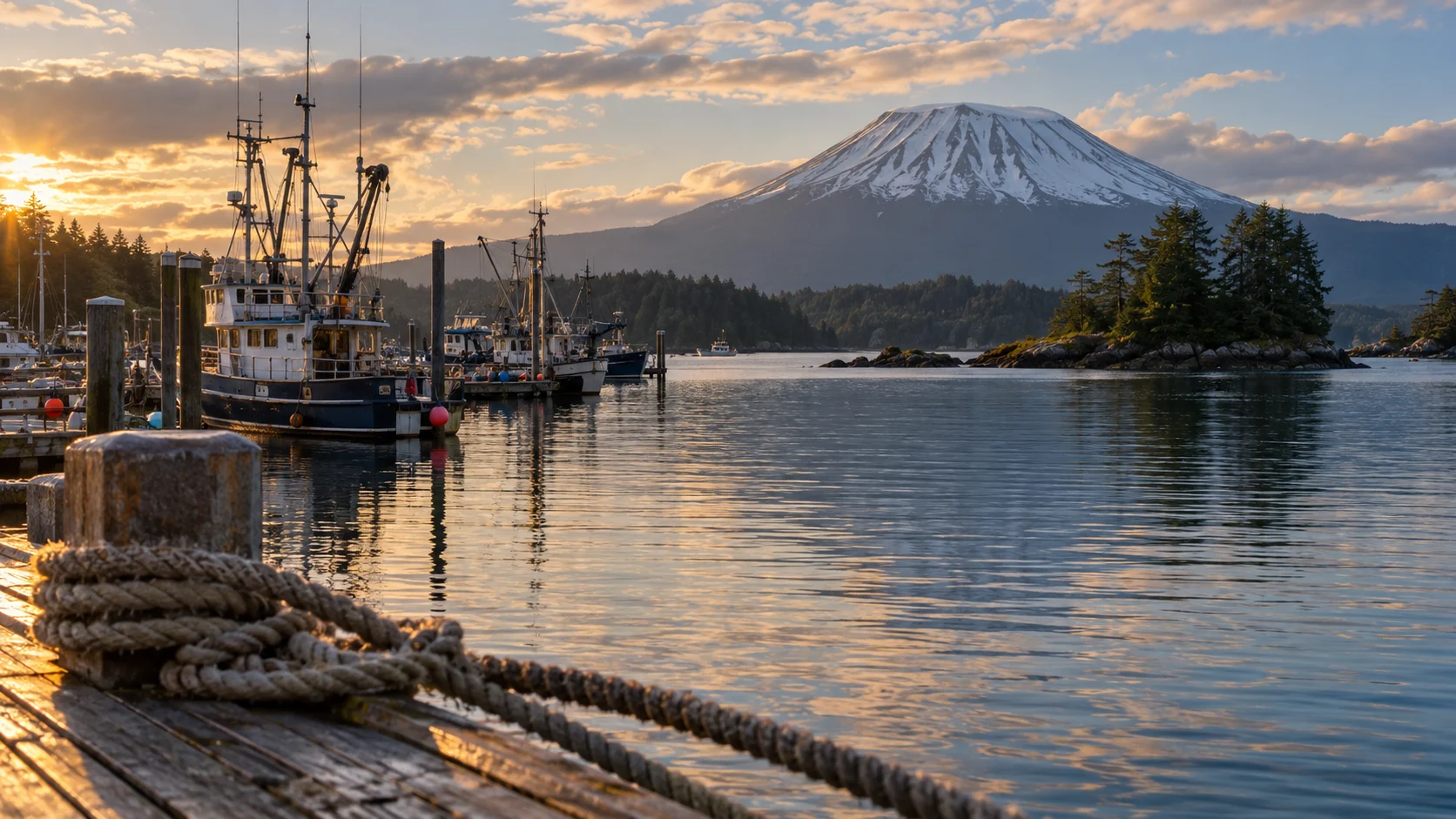
Sitka
Sitka combines Tlingit culture, Russian colonial history, coastal scenery, and wildlife excursions in a way that feels distinct from the other major ports. Most large ships use a terminal outside downtown with shuttle service.
A sea-otter or wildlife boat is a strong paid choice, while the historic center and national historical park support a satisfying lower-cost day. The details are in my Sitka cruise port guide.
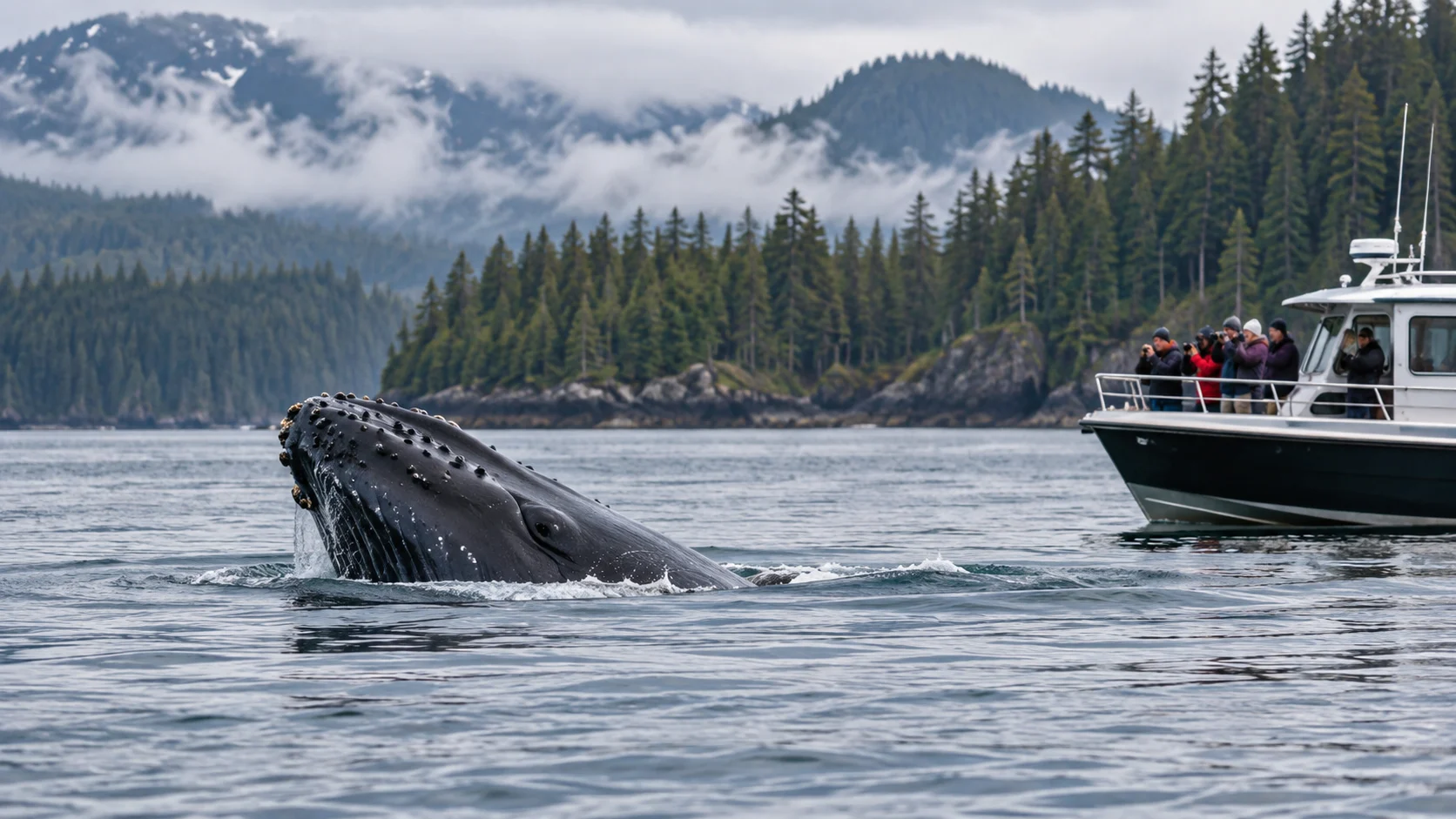
Icy Strait Point
Icy Strait Point offers whale-watching, adventure rides, and access to the community of Hoonah. It feels more purpose-built than downtown Sitka or Juneau, but the natural setting and locally connected experiences can be excellent.
Which cruise line and ship fit Alaska?
Holland America and Princess appeal to travelers who value Alaska programming, traditional cruising, and integrated land-tour networks. Their atmosphere may feel quieter than the newest family megaships.
Royal Caribbean and Norwegian suit families and multigenerational groups wanting big entertainment, varied dining, and active onboard attractions. Check the itinerary carefully because the ship can be stronger than its glacier access or port hours.
Celebrity mixes resort features with a more adult-focused premium feel, while Disney delivers polished family programming at a premium price.
UnCruise, Lindblad, and other small operators prioritize landings, kayaking, wildlife, and remote coves over casinos and production shows. They cost far more per day, but inclusions and access make an apples-to-apples fare comparison misleading.
Within any line, choose the ship after the itinerary. A covered viewing area, forward lounge, promenade, and ample outdoor decks matter more in Alaska than a go-kart track you may use once.
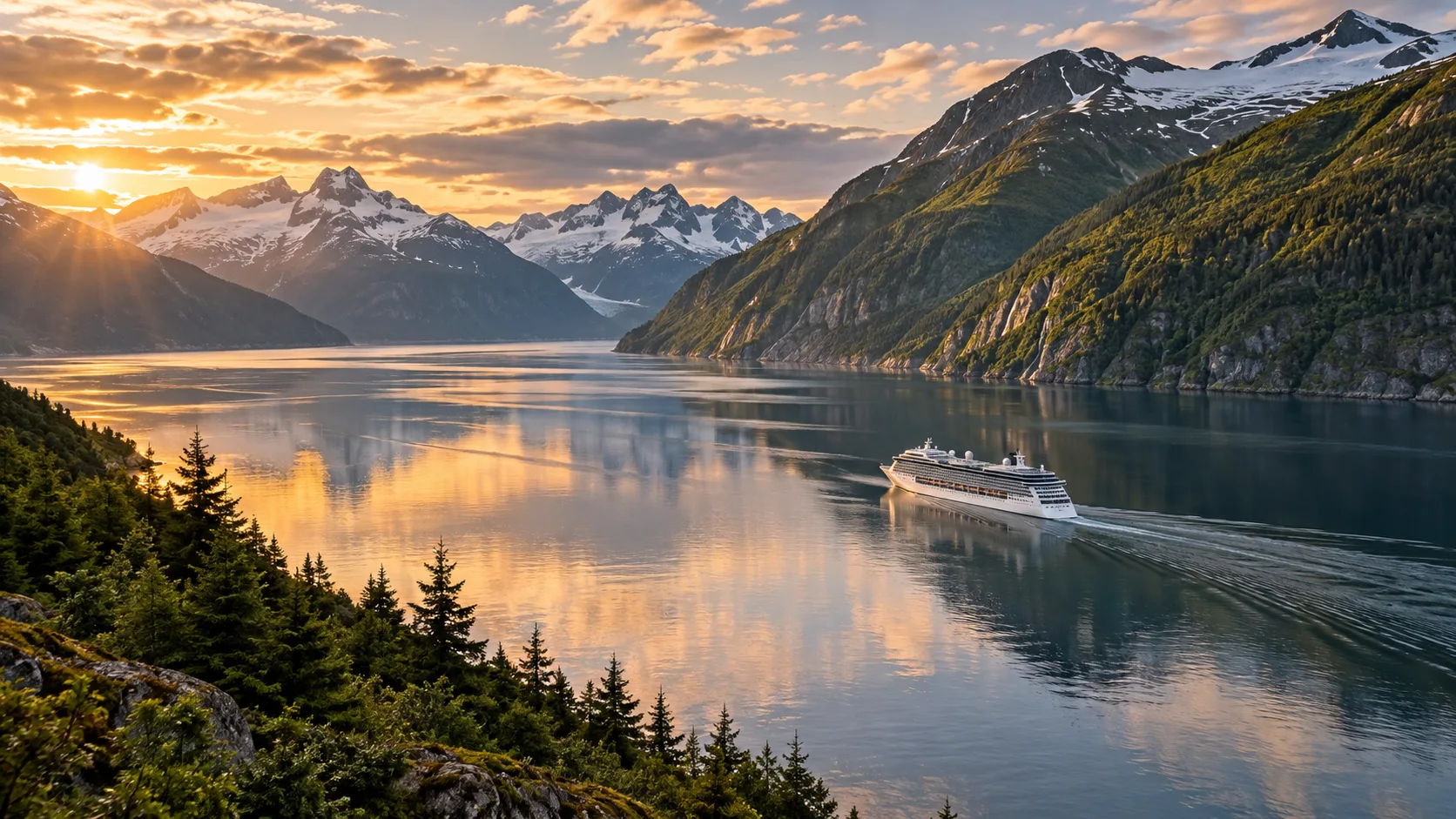
Best month for an Alaska cruise
The core cruise season runs May through September, with some April and October shoulder sailings. State tourism guidance says June through August is most popular, but every month has a useful fit.
- May: long daylight, snowy mountain views, cooler weather, and often lower early-season prices.
- June: very long days and a broad excursion schedule, with strong demand.
- July: warmest average conditions and peak family travel, with high fares and busy ports.
- August: full operations and good wildlife possibilities, with increasing rain in parts of Southeast Alaska.
- September: fewer families and possible lower prices, balanced against shorter days, cooler weather, and more end-of-season variability.
There is no reliably dry week and no month that guarantees whales, bears, calving ice, or a clear mountain. Choose for schedule, price, daylight, and tolerance for cool rain, then treat wildlife as a gift rather than inventory.
Is a balcony worth it in Alaska?
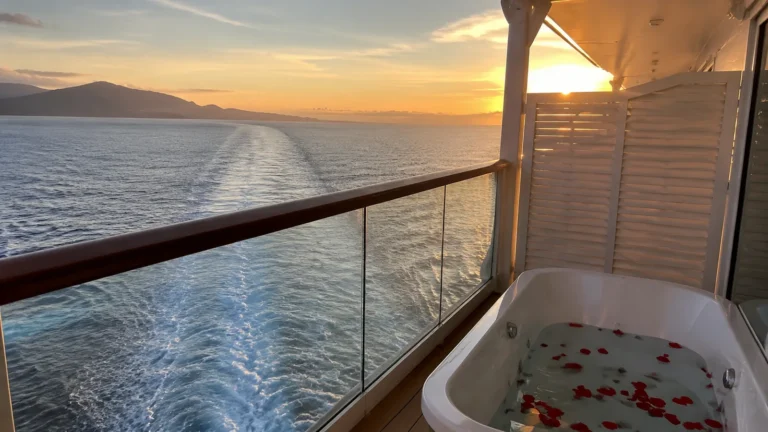
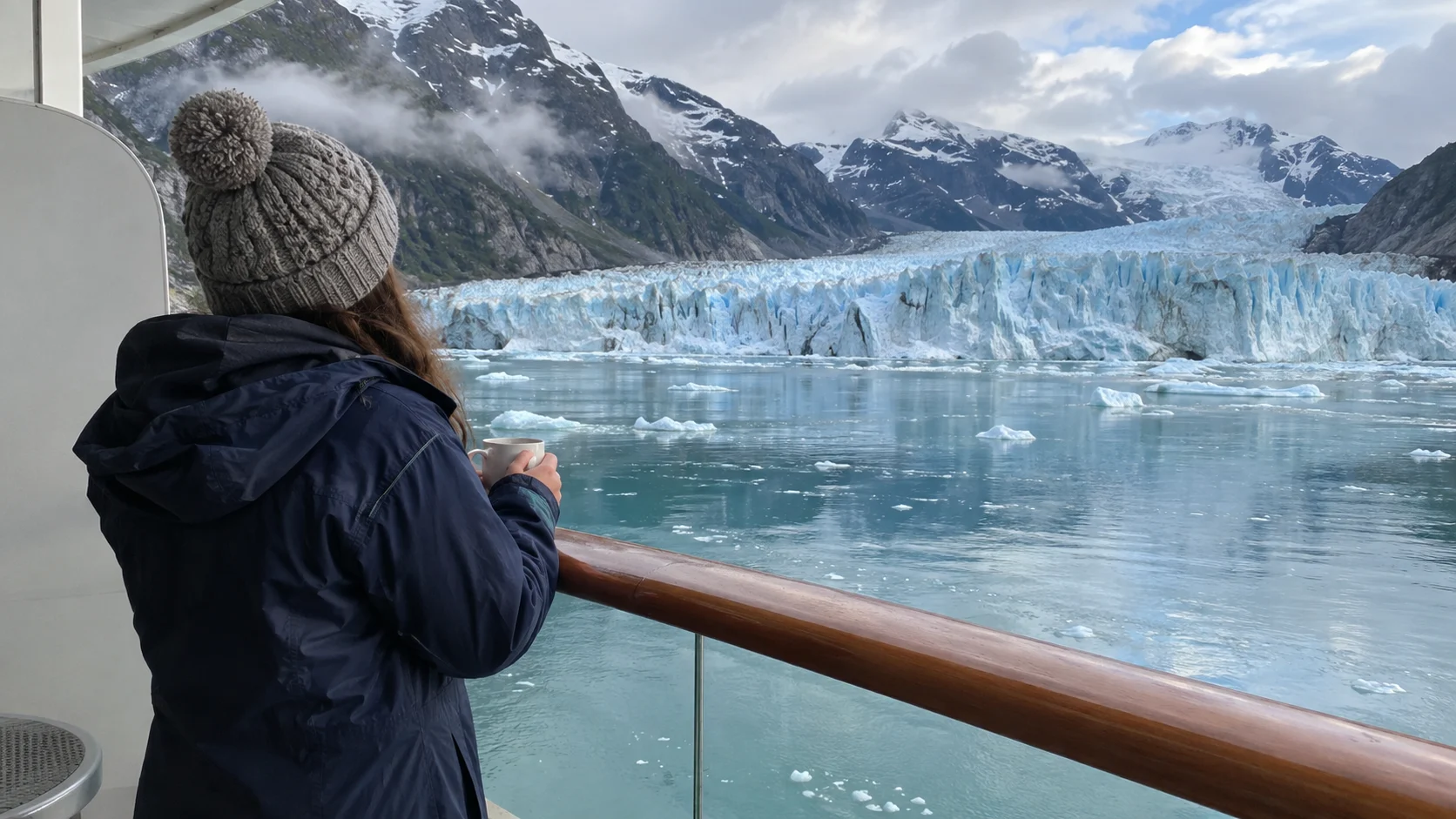
A balcony is worth considering for private scenery, early-morning glacier approaches, and travelers who need a quiet retreat. It is not required, because public decks often provide wider views and let you switch sides as the ship turns.
I would choose a well-located inside cabin plus one excellent excursion over a balcony that consumes the activity budget. For motion concerns, look for a lower cabin near the ship’s center rather than paying only for a high deck.
Budget for more than the cruise fare
Alaska excursions can be the largest variable, especially flightseeing, helicopter landings, fishing, dog-sled experiences, and small wildlife boats. Pick one or two expensive priorities and use walking, museums, hikes, and local transit in the other ports.
My guide to the best Alaska cruise excursions helps match splurges to ports without booking three versions of the same wildlife or glacier experience.
Documents and border details
Many Alaska cruises touch Canada, and document rules depend on citizenship, itinerary, age, and how you enter or leave the country. U.S. Customs and Border Protection explains exceptions for some closed-loop cruises on its cruise document page.
A valid passport is still the least complicated choice and protects you if an emergency requires flying home from Canada. Do not assume a REAL ID driver’s license by itself is enough for an international cruise.
What to pack
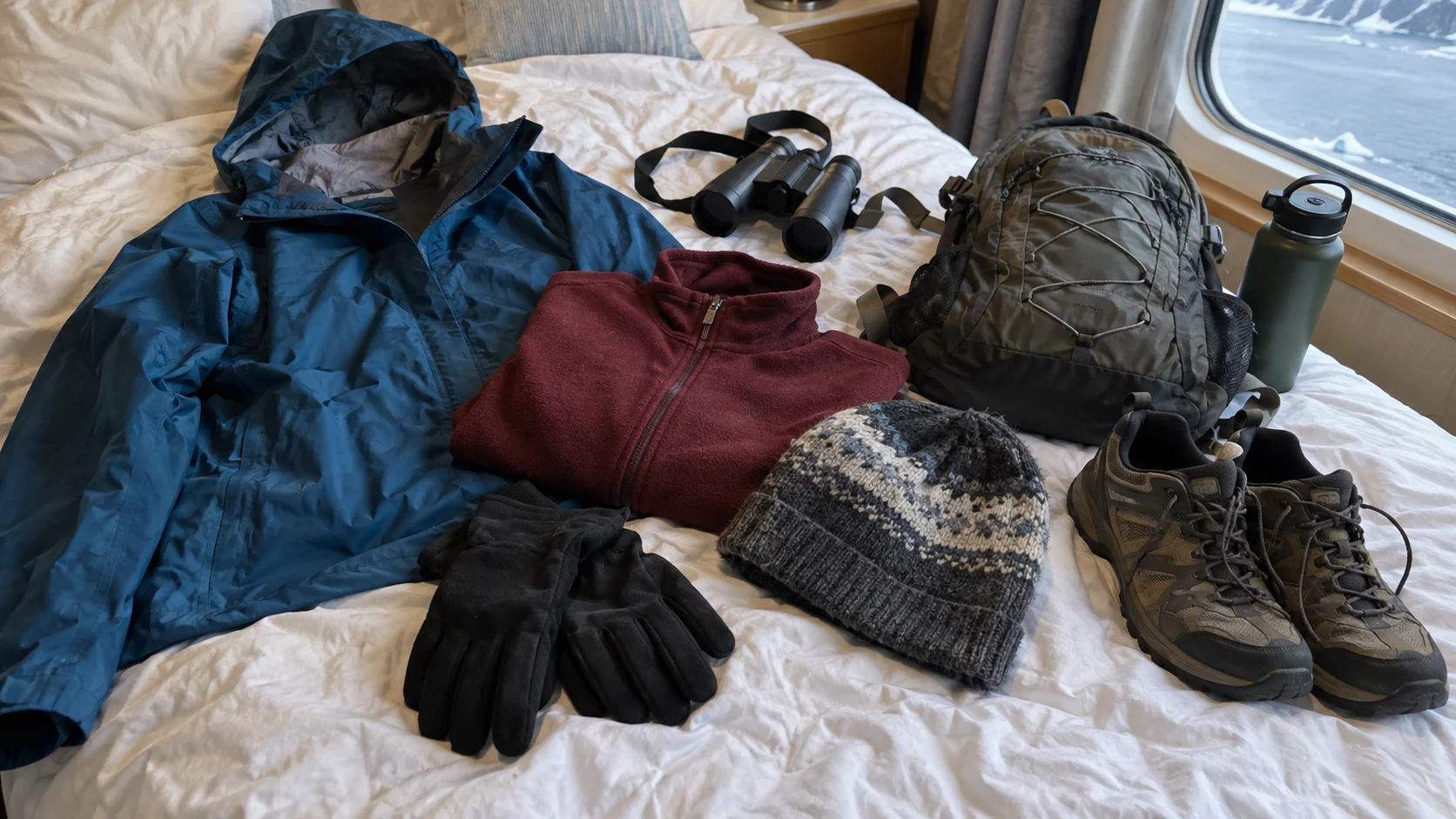
Pack a waterproof shell, warm midlayer, hat, light gloves, comfortable water-resistant shoes, and clothes that layer. Add binoculars, sunscreen, a small day bag, and medication in your carry-on.
Leave the expedition costume at home unless your activities require technical gear. My Alaska cruise outfit guide focuses on useful combinations rather than buying a separate wardrobe.
Alaska cruise questions
How early should you book?
Book early when you need a specific cabin, family room, Glacier Bay itinerary, or limited-capacity excursion. Flexible travelers can find later offers, but the cheapest fare may come after ideal flights and hotels have risen.
Can you cruise Alaska without expensive excursions?
Yes. Port walks, museums, trails, public transit, ranger programs, and the ship’s scenic days provide real value, though budgeting for one wildlife or landscape-focused tour can add depth.
The best Alaska cruise is the right route
Choose a round trip for simplicity, a one-way Gulf sailing for a meaningful land extension, or a small ship for active access. Then prioritize glacier quality and port hours before ship attractions, cabin color schemes, or a temporary sale.
Alaska will keep control of the weather, ice, and wildlife. Your job is to choose an itinerary with enough substance and flexibility that the trip still works when nature changes the view.