14 Dream Vacation Spots Worth Planning Around
A dream trip should make you excited enough to plan, not pressured to copy someone else’s bucket list. Start with the feeling you want, then choose the destination whose season, cost, travel time, and daily rhythm fit your life.
How to choose your dream vacation
Pick the defining experience first: reef snorkeling, a quiet overwater bungalow, world-class art, wildlife at dawn, a mountain trail, or a scenic road. A famous place becomes a disappointing trip when its main experience is not one you actually enjoy.
Next, identify the trip’s hard constraint. School calendars, mobility, altitude tolerance, flight length, rainy seasons, driving confidence, and a fixed budget narrow the list faster than another round of pretty photos.
Finally, price the whole experience at the comfort level you want. Add long-haul flights, internal transportation, required guides, park or attraction tickets, meals, insurance, and the hotel location that makes the days workable.
If the famous choice exceeds your budget, change the season, shorten the trip, or choose a place with a similar feeling. These underrated U.S. vacation ideas can deliver scenery and breathing room without an intercontinental airfare.
Dream beach and island vacations
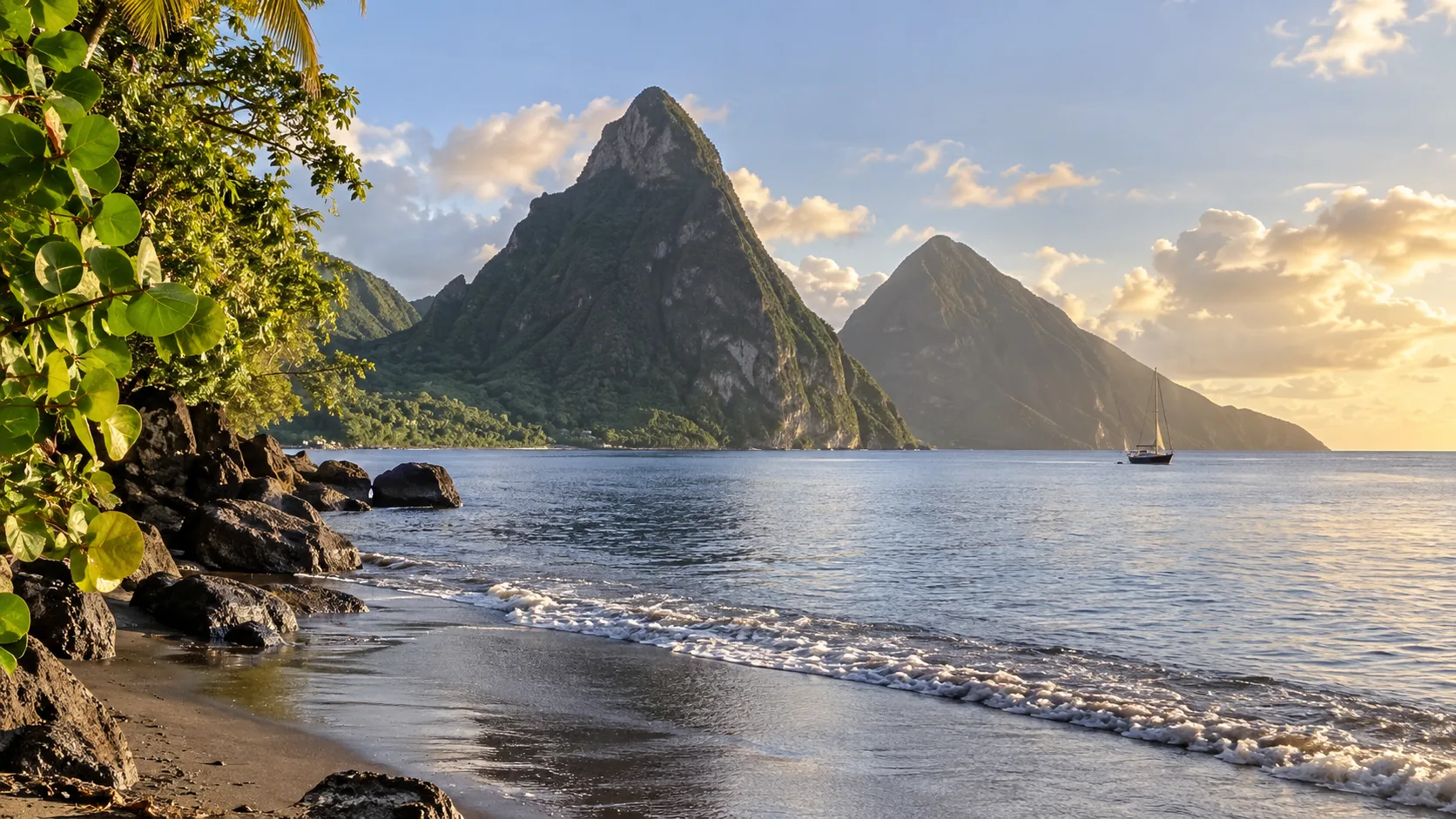
1. Saint Lucia for romance with real adventure
Saint Lucia suits couples who want a resort vacation without spending every day beside the same pool. The Pitons, rainforest, volcanic landscape, snorkeling, and beaches give you strong day-trip options between slow mornings.
Stay near Soufrière when Piton views, diving, and nature matter most, or choose the north for more restaurants and easier access to Rodney Bay. The winding island roads make drive times feel longer than the mileage suggests, so do not schedule cross-island excursions every day.
December through April is the popular drier period, while May and early June can offer a useful balance before the wetter heart of summer. Prices, rainfall, and tropical systems vary, so buy the trip for the season rather than a guaranteed forecast.
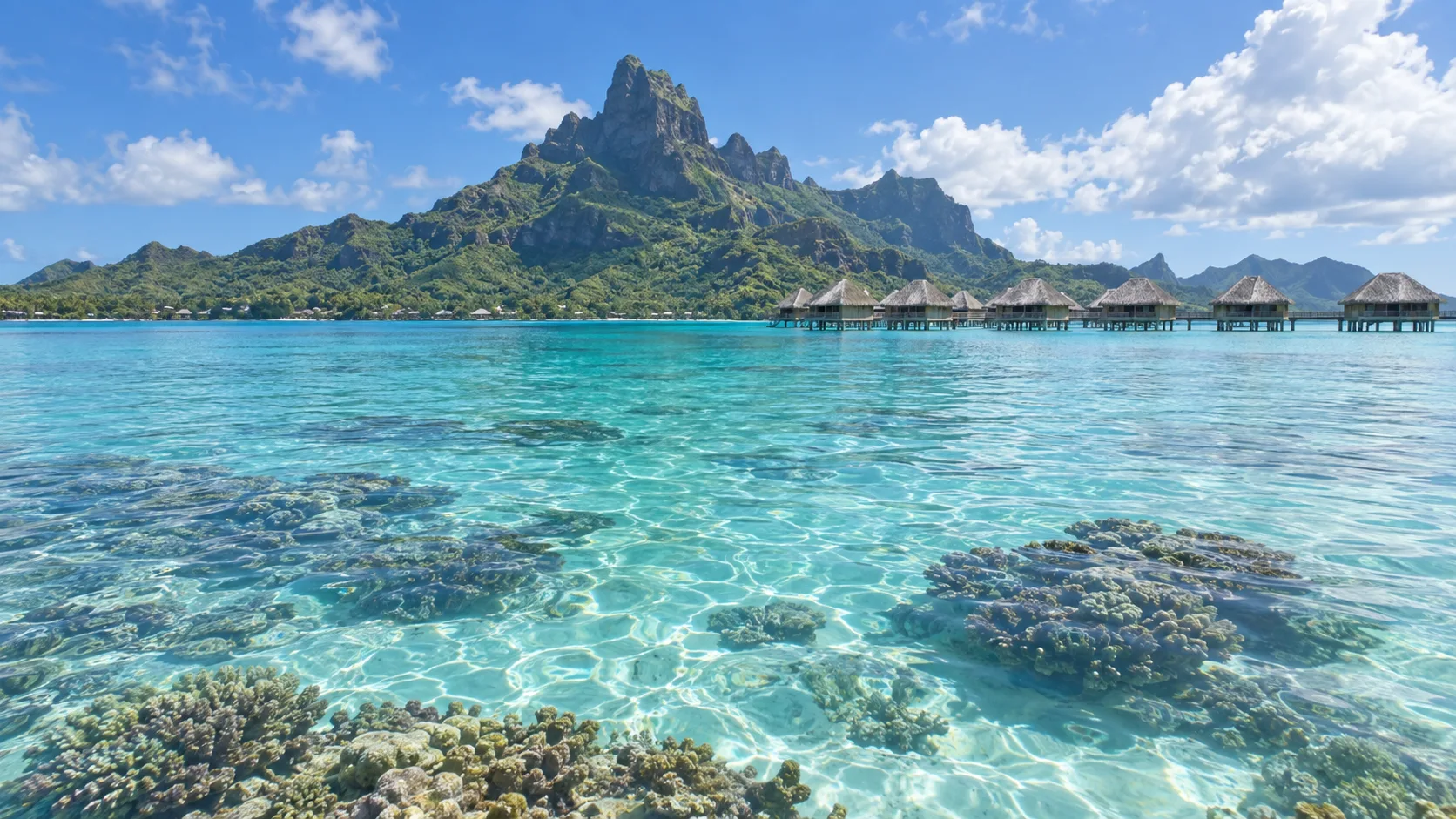
2. Bora Bora and French Polynesia for a true splurge
Bora Bora is the dream when the lagoon and the room are the destination. An overwater bungalow, boat day, snorkeling, and long empty hours make more sense here than a packed sightseeing checklist.
The hard part is cost: international airfare, a domestic connection, boat transfers, resort meals, and excursions stack quickly. Compare a few bungalow nights with a less expensive garden or beach room on Moorea rather than forcing the entire vacation into the highest category.
June through August is popular for drier weather, but May and September can be smart shoulder months. Travelers who need constant nightlife, bargain dining, or independent road trips should spend this dream budget elsewhere.

3. Santorini for views, villages, and a short island stay
Santorini earns its fame with caldera views, whitewashed villages, volcanic cliffs, and sunsets that turn an ordinary dinner into an occasion. It works especially well as a three- or four-night chapter within a longer Greece trip.
Stay in Oia for the iconic setting and premium prices, Fira for transport and activity, or a smaller village for more quiet. The island’s black- and red-toned shores are visually striking, but Santorini is not the Greek choice for miles of soft golden sand.
Late April through May and late September into October generally offer a gentler balance than peak summer. Cruise-ship arrival patterns can transform the busiest villages for a few hours, so schedule your most wanted walk early or late.
Dream vacations for food, art, and culture
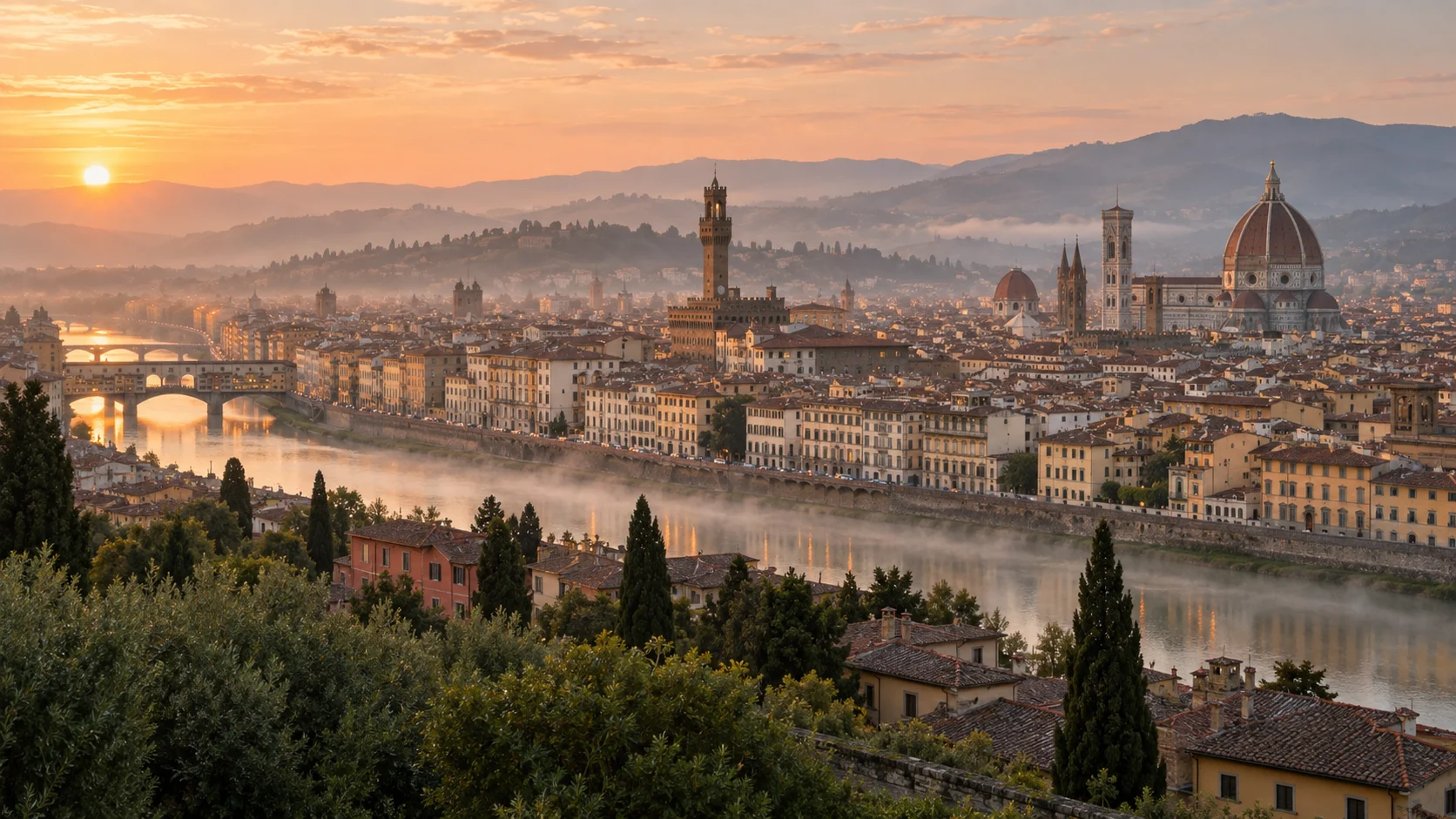
4. Florence and Tuscany for an art-first escape
Florence is for travelers who want the masterpiece, the church, the market, and dinner within the same walkable day. Four city nights plus three or four nights in the Tuscan countryside create a better dream than racing through Florence, Rome, and Venice in one week.
Reserve the Uffizi, Accademia, and any timed dome climb that matters to you, then leave unscheduled space for smaller churches and slow meals. July and August bring heat and crowds, while spring and fall usually reward travelers who can accept some rain.
Choose a countryside base only if you are comfortable driving or have arranged tours. Hill towns look close on a map, but parking restrictions, winding roads, and tasting-room hours shape the day.
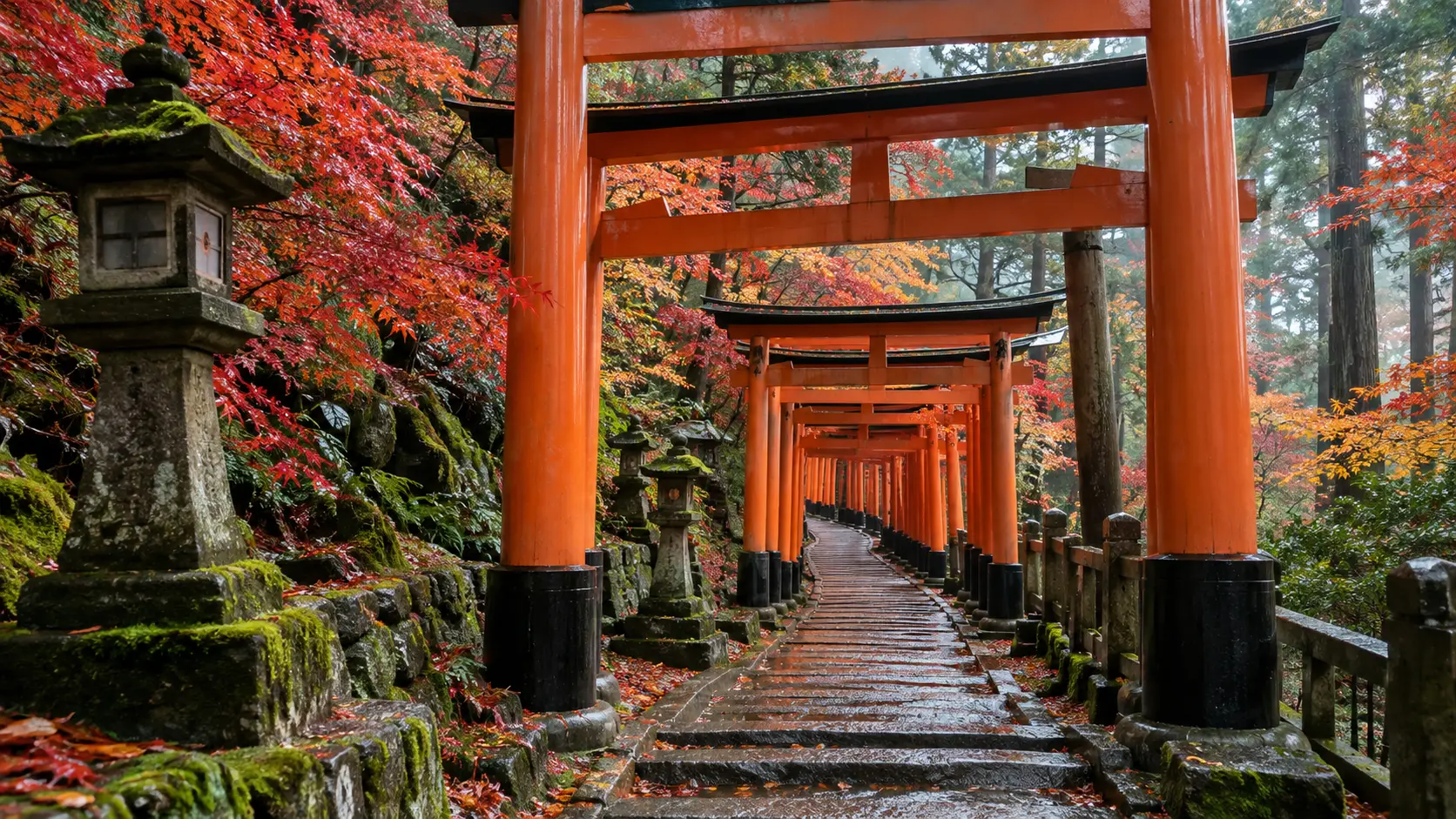
5. Kyoto and Tokyo for a first Japan trip
Tokyo and Kyoto form a strong first pairing because they offer a clear contrast without a complicated internal route. Tokyo brings contemporary neighborhoods, food, design, and scale, while Kyoto rewards early mornings, temples, gardens, and traditional streets.
Cherry blossom timing is beautiful but unpredictable, crowded, and expensive. Late fall foliage can be equally memorable, while winter offers lighter crowds for travelers who do not mind cold days and shorter daylight.
Give Tokyo at least four full days and Kyoto at least three rather than treating both like checklists. Add one smaller place, such as Hakone, Kanazawa, or Hiroshima, only when it supports the experience you want.
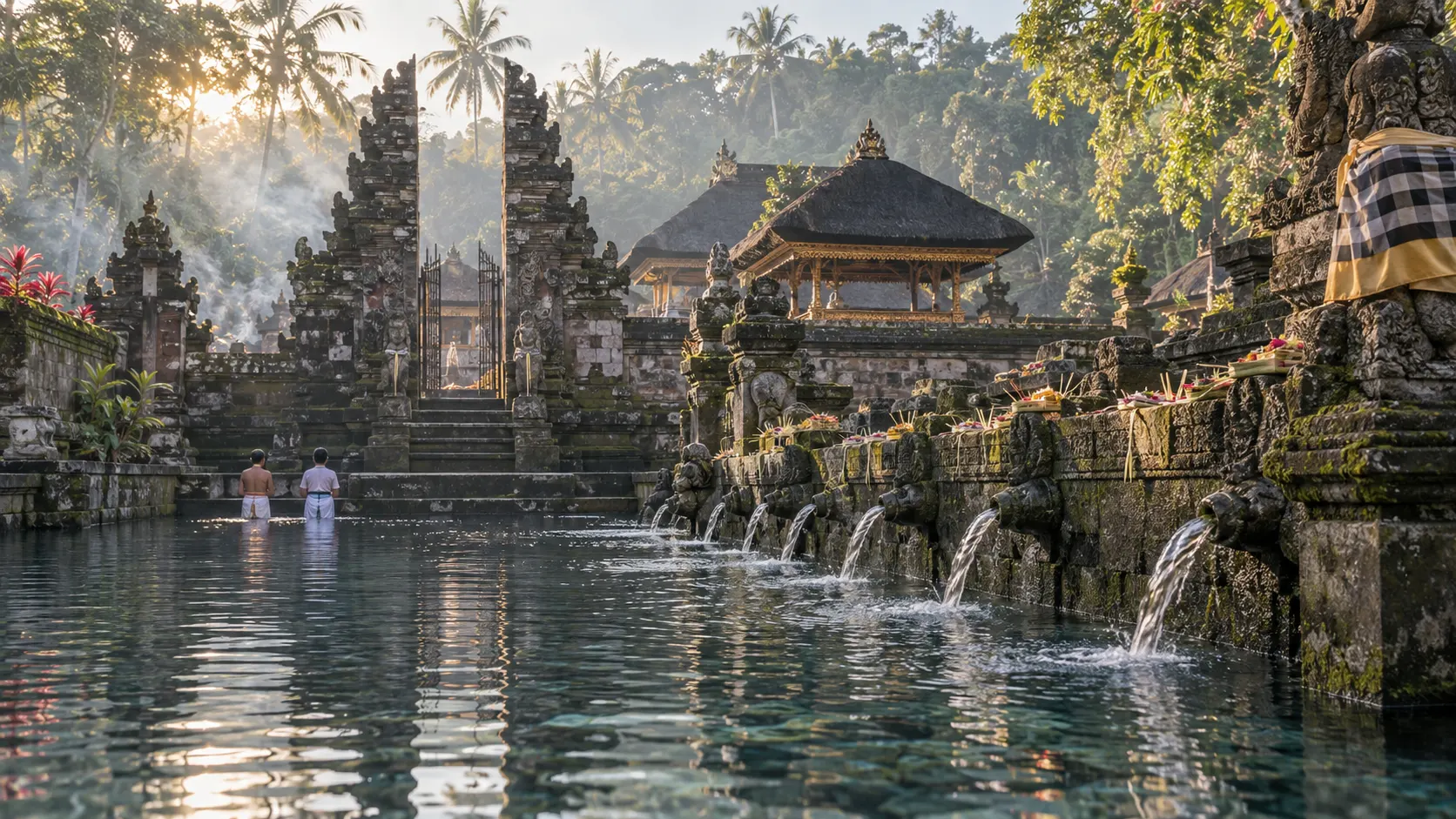
6. Bali for wellness, culture, and tropical variety
Bali is not one interchangeable beach resort. Ubud centers rice-field scenery, arts, temples, food, and wellness, while southern beach areas range from surf towns to polished resorts and late-night scenes.
Split the trip between two bases instead of spending every day in traffic. A driver can simplify longer sightseeing days, but walking conditions and transfer times deserve more attention than the straight-line mileage.
The broadly drier stretch runs from about April through October, with July and August bringing strong demand. If you are still choosing the pace of your trip, compare these relaxing spring vacation ideas, then decide whether inland culture or beach time deserves more nights.
Dream wildlife and nature trips
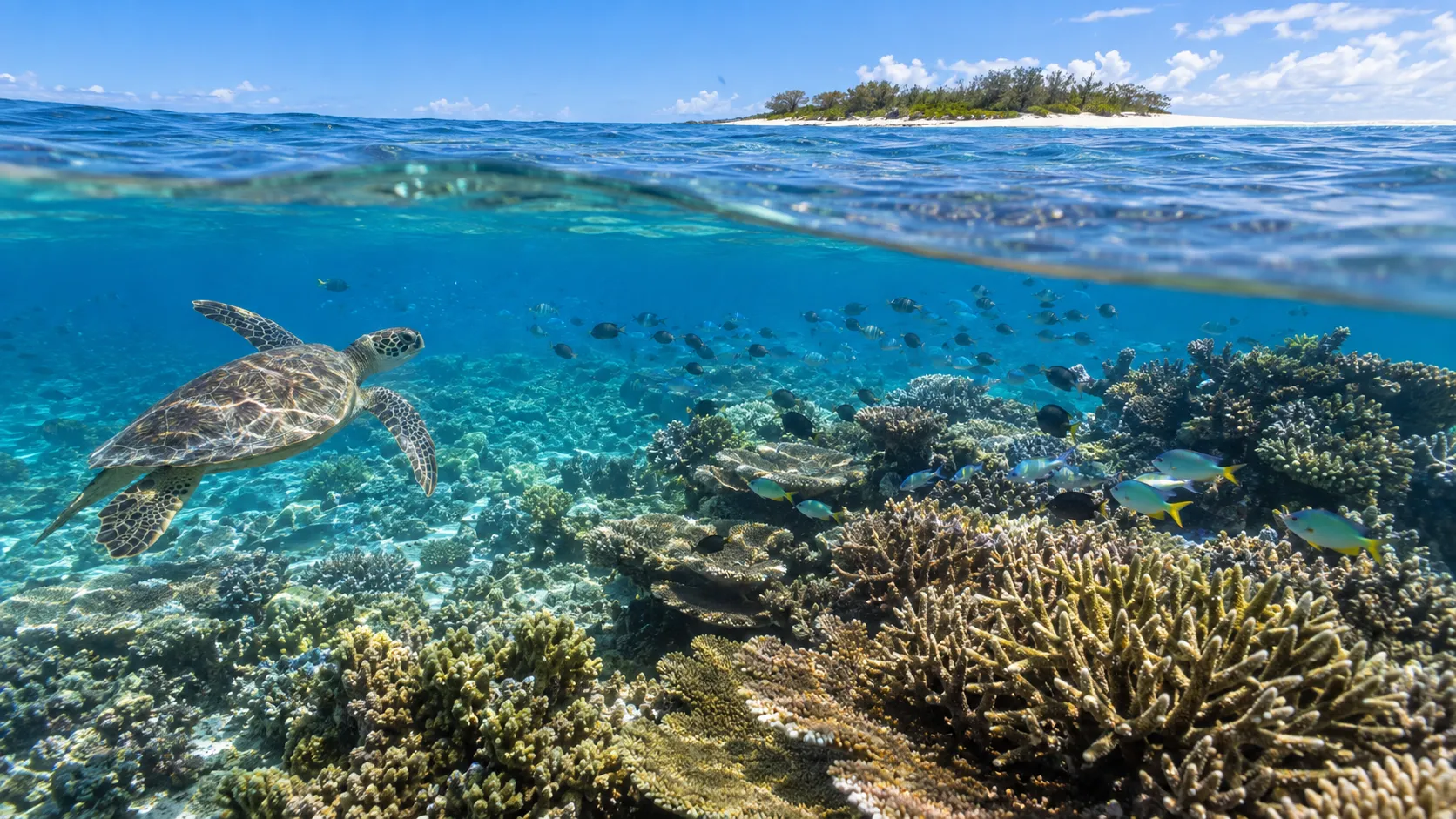
7. The Great Barrier Reef for a water-first vacation
The Great Barrier Reef is not one snorkeling stop but a vast ecosystem along Queensland’s coast. UNESCO describes it as the world’s largest collection of coral reefs, with exceptional biological variety; its World Heritage profile gives useful context for why responsible operator choice matters.
Cairns and Port Douglas are practical gateways to outer-reef trips, while the Whitsundays combine islands, sailing, and reef access farther south. Choose the boat by travel time, site plan, passenger count, accessibility, flotation support, and options for non-swimmers.
May through October is a popular drier window in tropical north Queensland. Coral condition, wind, visibility, marine life, and stinger precautions vary by day and location, so no ethical operator should guarantee a perfect underwater scene.
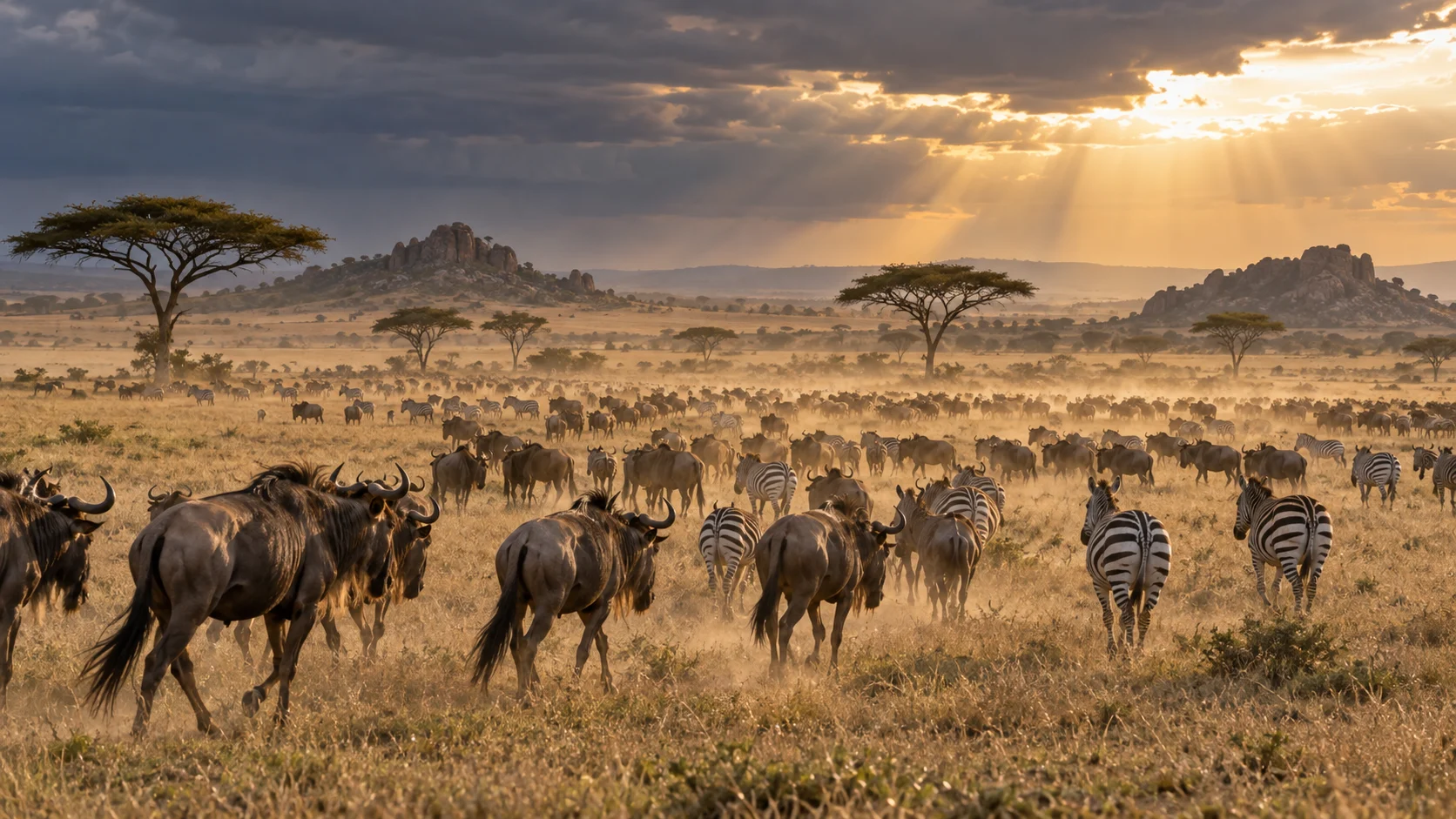
8. Tanzania for safari scale
A northern Tanzania safari can connect the Serengeti, Ngorongoro Conservation Area, and other parks into one wildlife-focused trip. It is a dream for travelers who enjoy early starts, long game drives, dust, changing plans, and the patience to let animals appear on their own schedule.
The Great Migration is a moving natural system, not a performance fixed to a calendar date. Choose the month and camp location around a seasonal pattern, but choose the operator around guide quality, vehicle setup, ethics, and contingency planning.
June through October is popular for drier conditions, while the southern Serengeti’s calving period is often associated with January and February. Add Zanzibar only if you have enough days to enjoy both safari and beach without turning every third day into a flight.
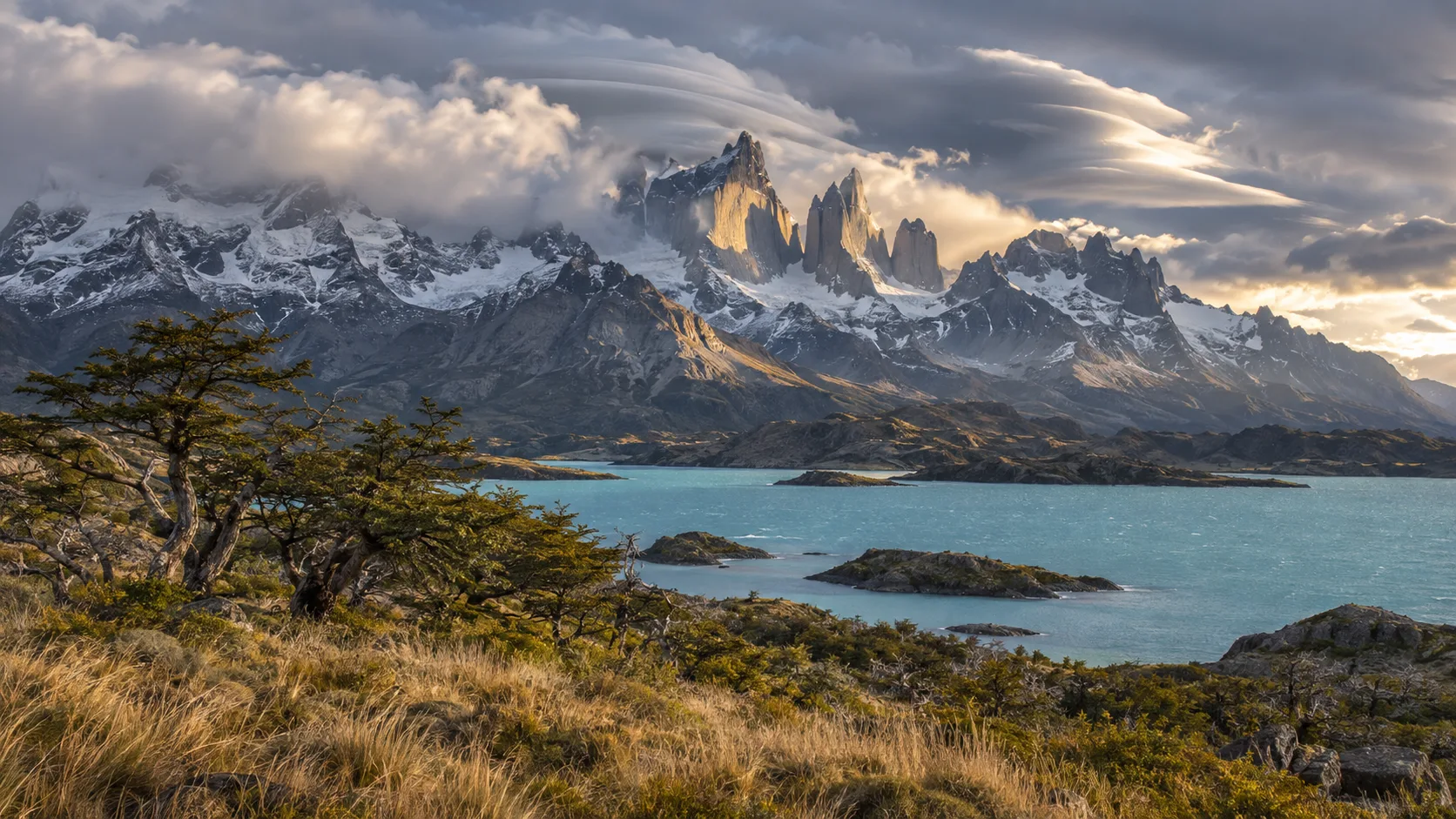
9. Patagonia for hikers who accept weather
Patagonia spans Argentina and Chile, so “going to Patagonia” is not yet an itinerary. Torres del Paine, El Calafate, El Chaltén, Bariloche, and the far south require different flights, border plans, and amounts of time.
Choose one cluster for a trip under ten days. A Torres del Paine circuit demands reservations and hiking preparation, while El Calafate and El Chaltén can combine glacier views with day hikes from fixed lodging.
November through March brings longer days and the main trekking season, along with wind, demand, and fast-changing conditions. Shoulder months can be quieter but require more flexibility around trail, transport, and lodging operations.
Dream trips for history and dramatic landscapes
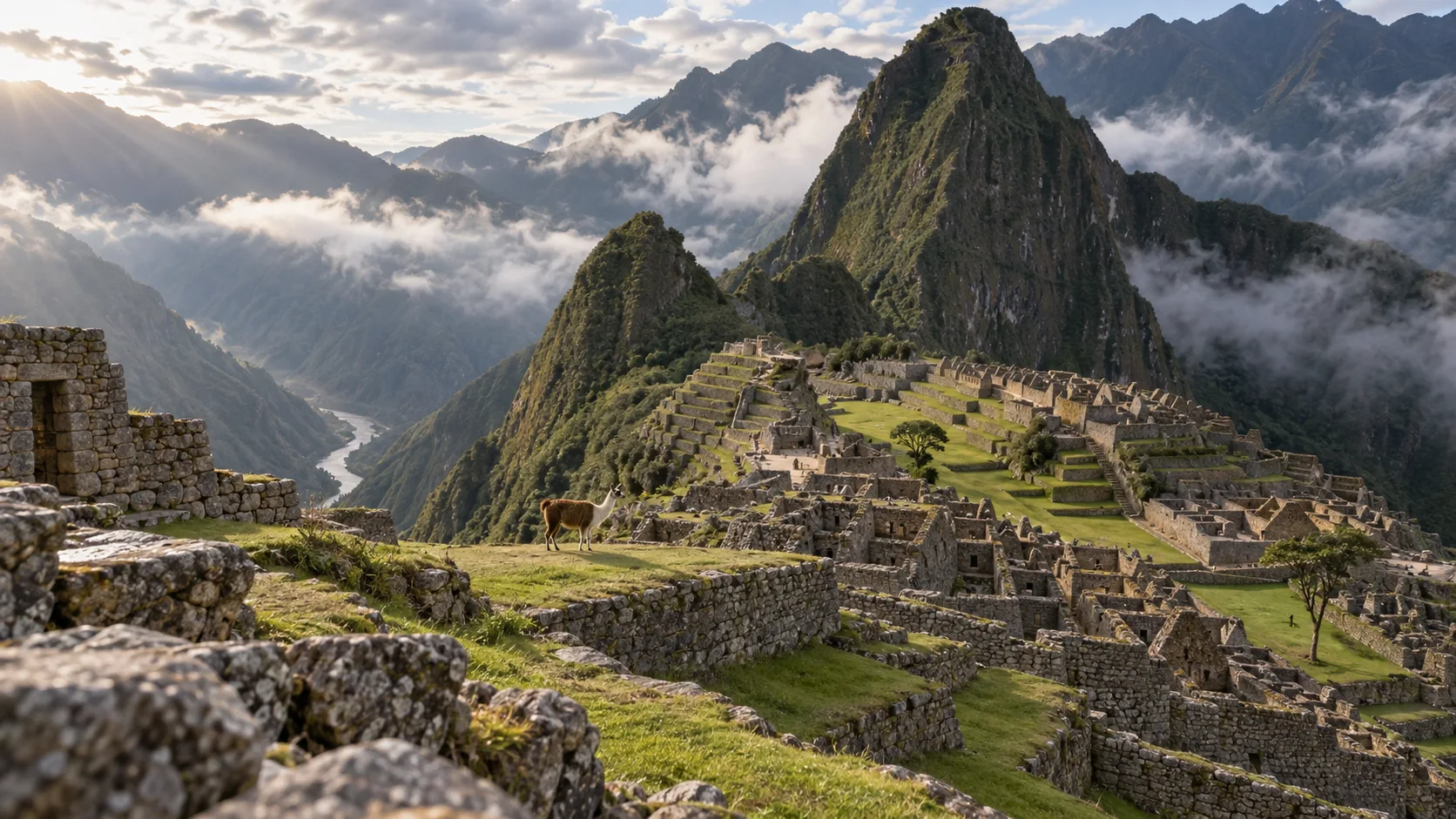
10. Machu Picchu and Peru’s Sacred Valley
Machu Picchu is most rewarding when it is the center of a thoughtful Sacred Valley trip rather than a frantic day from Lima. Cusco, Ollantaytambo, the train route, altitude, and timed entry all need room in the plan.
Peru’s Ministry of Culture sells official entry through its Machu Picchu ticket platform, and visits follow selected circuits and routes. Buy the correct circuit from the official system and match train, bus, guide, and lodging times around it.
May through September is generally drier and busier, while the wetter season can bring greener scenery and more disruption. Spend initial nights at an appropriate elevation, pace physical effort carefully, and discuss altitude concerns with a clinician.
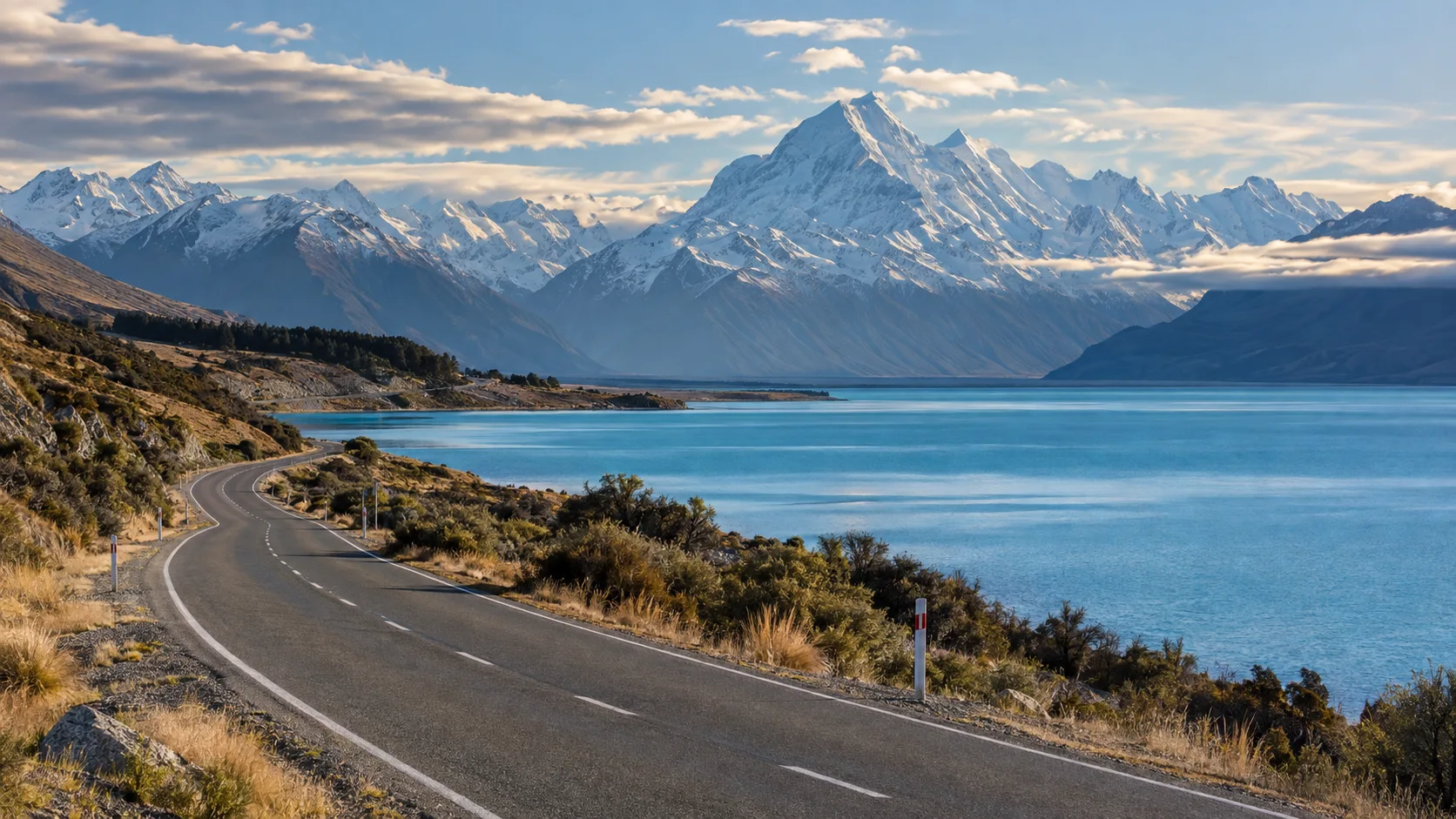
11. New Zealand’s South Island for a cinematic road trip
The South Island suits travelers who want mountains, lakes, coastal roads, hiking, and small towns more than dense urban sightseeing. Queenstown, Wānaka, Aoraki/Mount Cook, the West Coast, and Fiordland can form a spectacular route, but not a quick one.
Roads are often two-lane, weather can alter plans, and scenic stops stretch every drive. Build two-night bases and a spare day instead of copying an itinerary that changes hotels every morning.
December through February brings long days and peak demand, while March and April can offer autumn color and a calmer pace. Winter belongs to snow-sport travelers who are prepared for alpine driving and seasonal access.
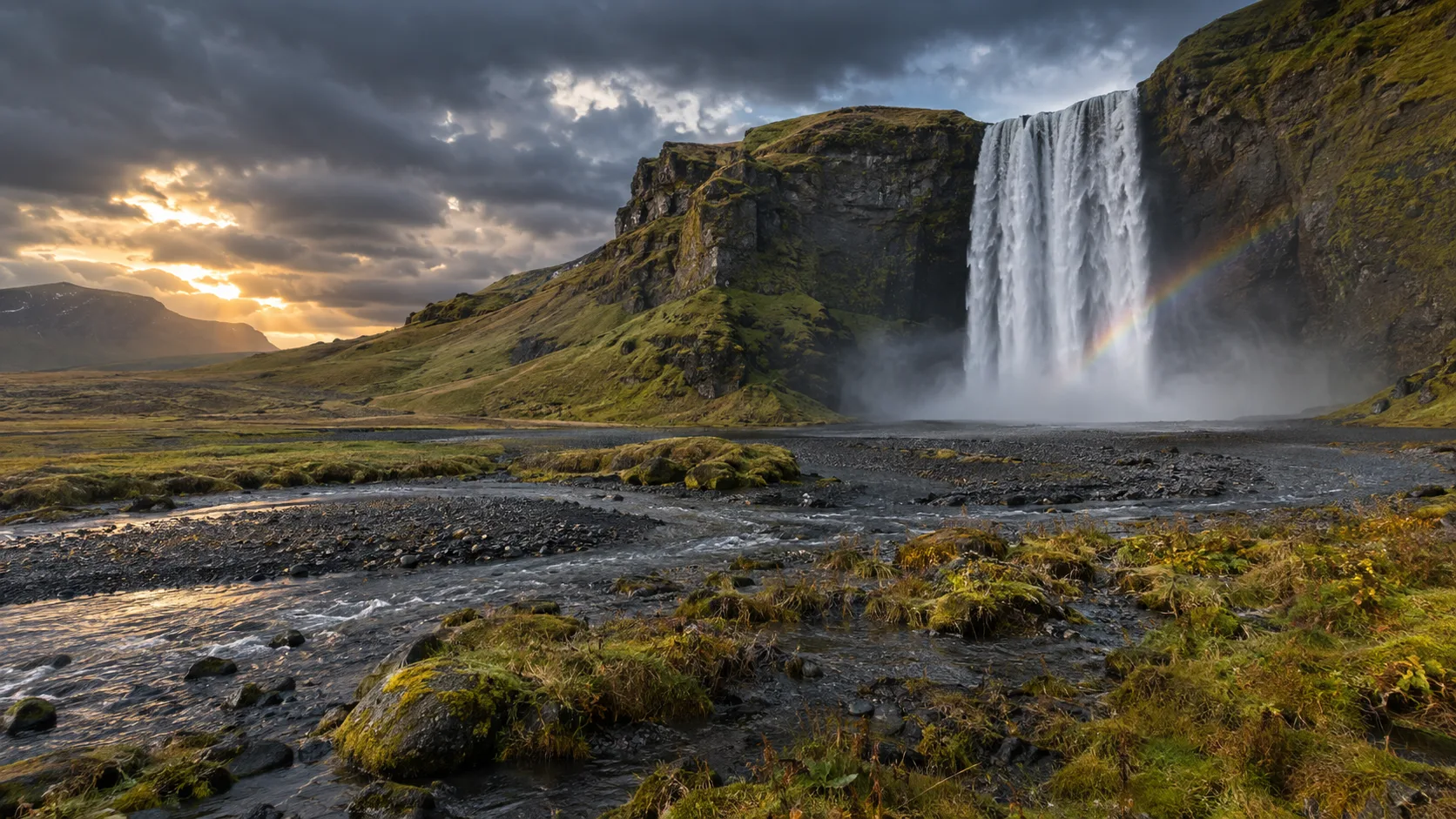
12. Iceland for waterfalls, lava, and northern light possibilities
Iceland works as two different dreams. Summer brings very long daylight and broader road access, while darker months create aurora opportunities but add winter driving, closures, and fewer usable hours.
Do not plan a seven-day Ring Road circuit as if every day will cooperate. Visit Iceland warns that storms with extreme wind, rain, or snow can be frequent and conditions can change suddenly; its weather and climate guidance is a good reminder to keep slack in the route.
For a first winter visit, base around Reykjavík and the south coast with guided days rather than forcing a full self-drive loop. For summer, choose one region beyond the Golden Circle so the trip does not become a parade of parking lots.
Dream vacations closer to home
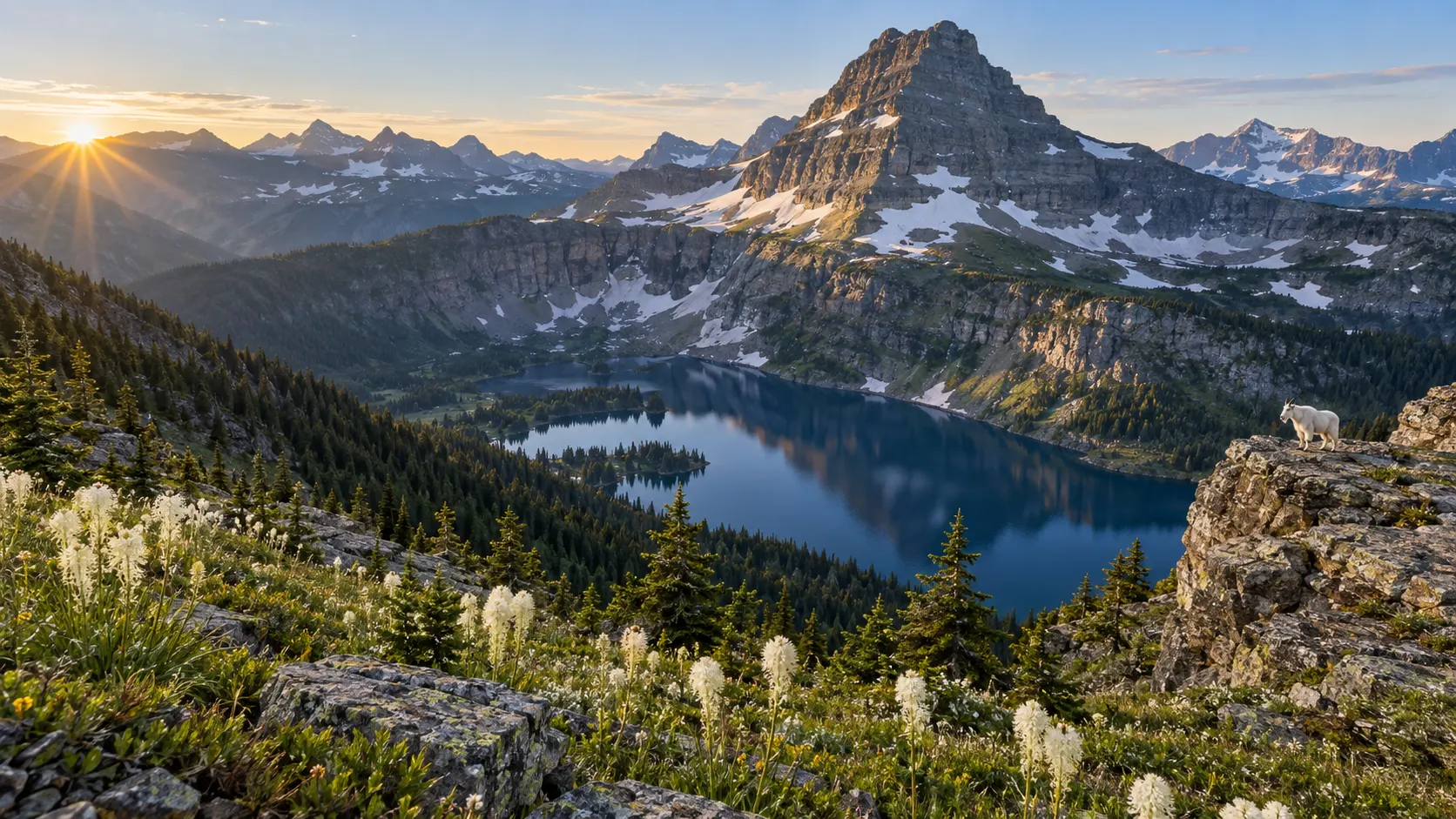
13. Glacier National Park for an alpine U.S. trip
Glacier National Park delivers turquoise lakes, sharp peaks, wildlife, and one of America’s great scenic roads without an international flight. The tradeoff is a short high-country season, limited lodging, congestion, and planning rules that can change each year.
For 2026, the National Park Service says vehicle reservations are not required, but Logan Pass uses limited three-hour parking and a ticketed shuttle system for longer visits. Check the current Glacier access page for your travel year instead of relying on 2026 rules later.
Late June through September usually offers the best chance for broad Going-to-the-Sun Road access, though snow and weather control actual opening and closing. Reserve lodging early, split time between the west and east sides, and keep one weather-flexible day.
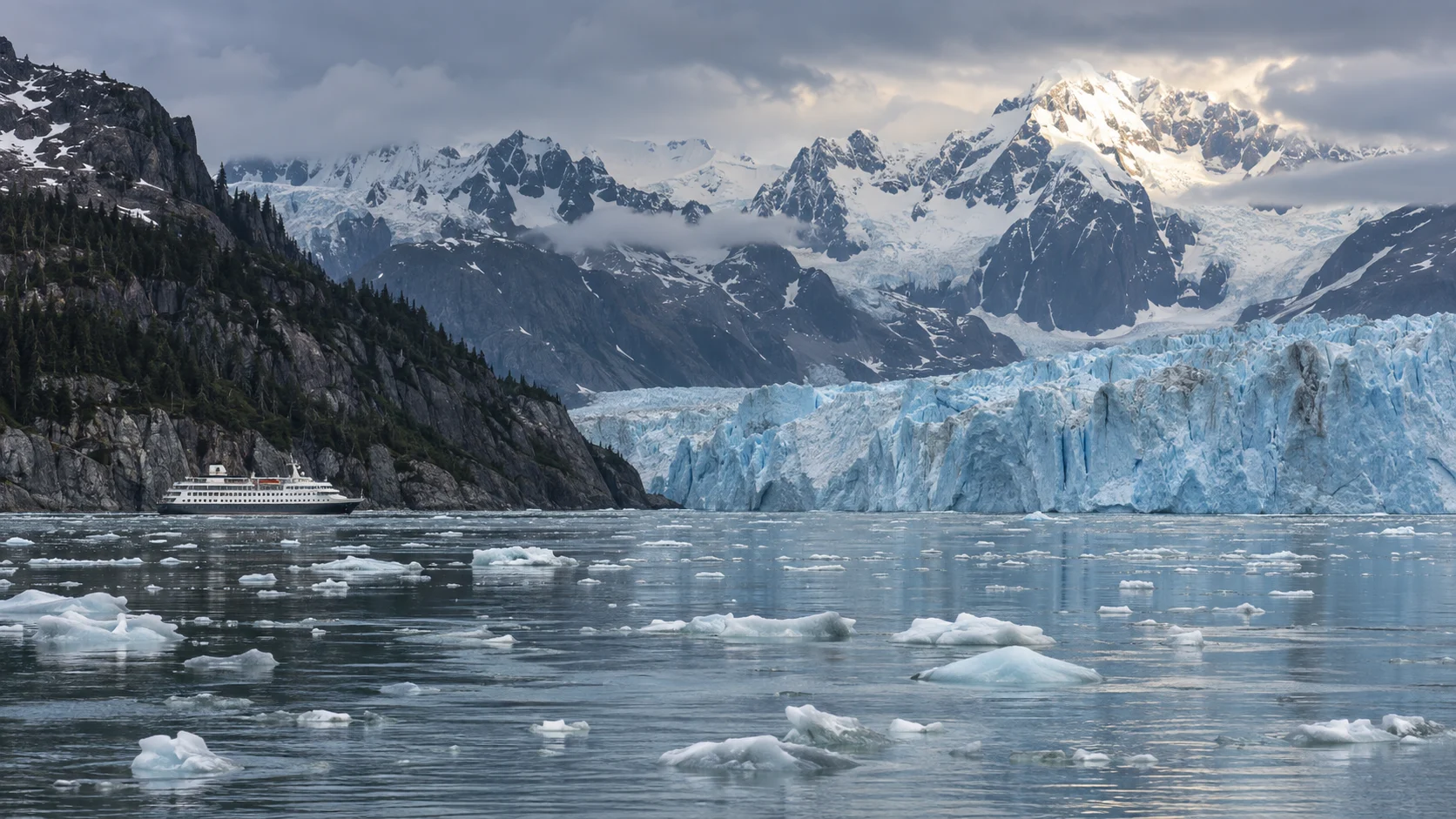
14. Alaska by cruise for scenery without daily repacking
An Alaska cruise is the dream for travelers who want glacier scenery, coastal towns, and wildlife possibilities with one room and predictable meals. It is less ideal for someone who wants deep access to interior Alaska or spontaneous evenings ashore.
Round-trip Seattle sailings simplify flights, Vancouver routes often offer strong Inside Passage geography, and one-way voyages make a land extension possible. The route and glacier-viewing day matter more than a flashy waterslide you may never use.
May and September can cost less but bring cooler weather and more variable operations, while June through August has longer days and peak family demand. The Alaska cruise planning guide separates gateways, routes, glacier days, and land add-ons before you compare ships.
Match the dream to your real travel style
Choose Saint Lucia, Bora Bora, or Santorini when the hotel setting and views are a major part of the value. Choose Florence, Japan, or Bali when food, neighborhoods, and daily cultural discovery should carry the trip.
Choose the Great Barrier Reef or Tanzania when wildlife is the priority and you accept that nature offers no appointment times. Choose Patagonia, New Zealand, Iceland, or Glacier when weather flexibility is not an inconvenience but part of responsible outdoor planning.
Choose Machu Picchu when a tightly managed historic site justifies advance tickets and a carefully sequenced route. Choose an Alaska cruise when you want big scenery with less packing and transportation work.
How to make a bucket-list trip affordable
Protect the defining experience and trim around it. Keep the reef day but choose a simpler hotel, keep the safari guide but shorten the beach extension, or keep the overwater bungalow for two nights instead of seven.
Travel in a shoulder month when the main experience still operates, and compare total trip cost rather than daily room rate. The destination ideas in this lower-cost travel shortlist can also help when the real dream is freedom and discovery rather than one famous pin on a map.
Use a dedicated savings target divided by the months until booking. Price flights and lodging before choosing the target, then add 10 to 15 percent for changes, fees, and the experience you will regret skipping.
Before you put down a deposit
Check passport validity, visa or travel-authorization rules, health needs, local laws, insurance coverage, and cancellation terms. U.S. travelers can use the State Department’s destination information and Travel Advisories as a starting point, then verify requirements with the destination government and providers.
Confirm that the attraction, trail, road, resort, or wildlife season you care about is available on your dates. A dream vacation should survive contact with the calendar.
The best dream vacation spot is specific to you
If you want a restorative week, do not book a five-city sprint because it looks impressive. If you love early trail mornings, do not spend your biggest vacation budget on a resort where leaving the property feels like a chore.
Choose the defining experience, accept the destination’s honest tradeoffs, and give it enough time. That is how a dream trip stops being a saved photo and becomes a plan you can actually take.