15 Best Attractions in Poland for a First Trip
Poland rewards travelers who resist turning the country into one frantic checklist. Its strongest first trip combines a few magnificent cities, one carefully chosen history day, and either the Baltic coast, a medieval castle, or the mountains.
These are the attractions worth building around, with honest guidance on timing, transportation, crowds, and who should skip what.
How to choose Poland’s best attractions
For a first visit of one week, pair Kraków and Warsaw, then add one day trip from each. With 10 to 14 days, continue north to Gdańsk and Malbork or south to Zakopane and the Tatra Mountains.
Poland has more range than its greatest-hits photos suggest. The country’s official tourism organization divides it into city, coast, lake, mountain, and forest experiences, which is a much better planning framework than trying to rank a salt mine against a national park.
- Best first city: Kraków for atmosphere and a compact historic core.
- Best history pairing: Warsaw and Gdańsk, because their museums and rebuilt streets tell different parts of Poland’s modern story.
- Best easy castle trip: Malbork from Gdańsk.
- Best nature add-on: the Tatras for hiking or the Masurian Lakes for slower summer days.
- Best underrated city stop: Wrocław, especially for architecture, food, and an easy-going evening.
Kraków and southern Poland
1. Kraków Old Town and Wawel Hill
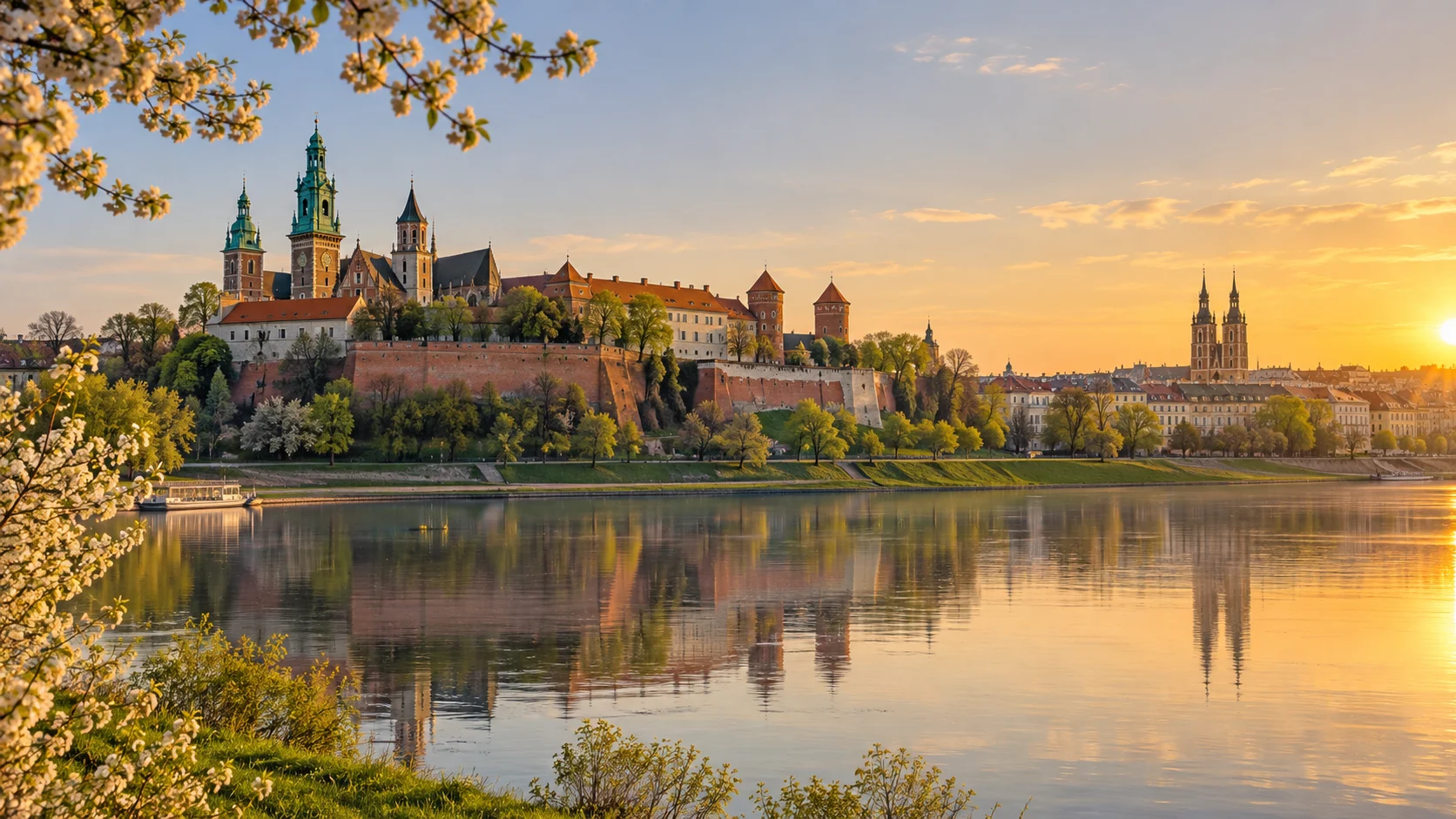
Kraków is the most immediately lovable introduction to Poland. Start at the enormous Main Market Square, walk the Royal Route, and continue to Wawel Hill rather than spending the entire day circling the Cloth Hall.
Give the historic center one full day and Wawel’s ticketed interiors another half day if royal history matters to you. The official Poland tourism page for Kraków confirms how tightly the Market Square, Royal Road, castle, and cathedral fit together, so this is one city where staying central genuinely reduces transport hassle.
2. Kazimierz and Podgórze
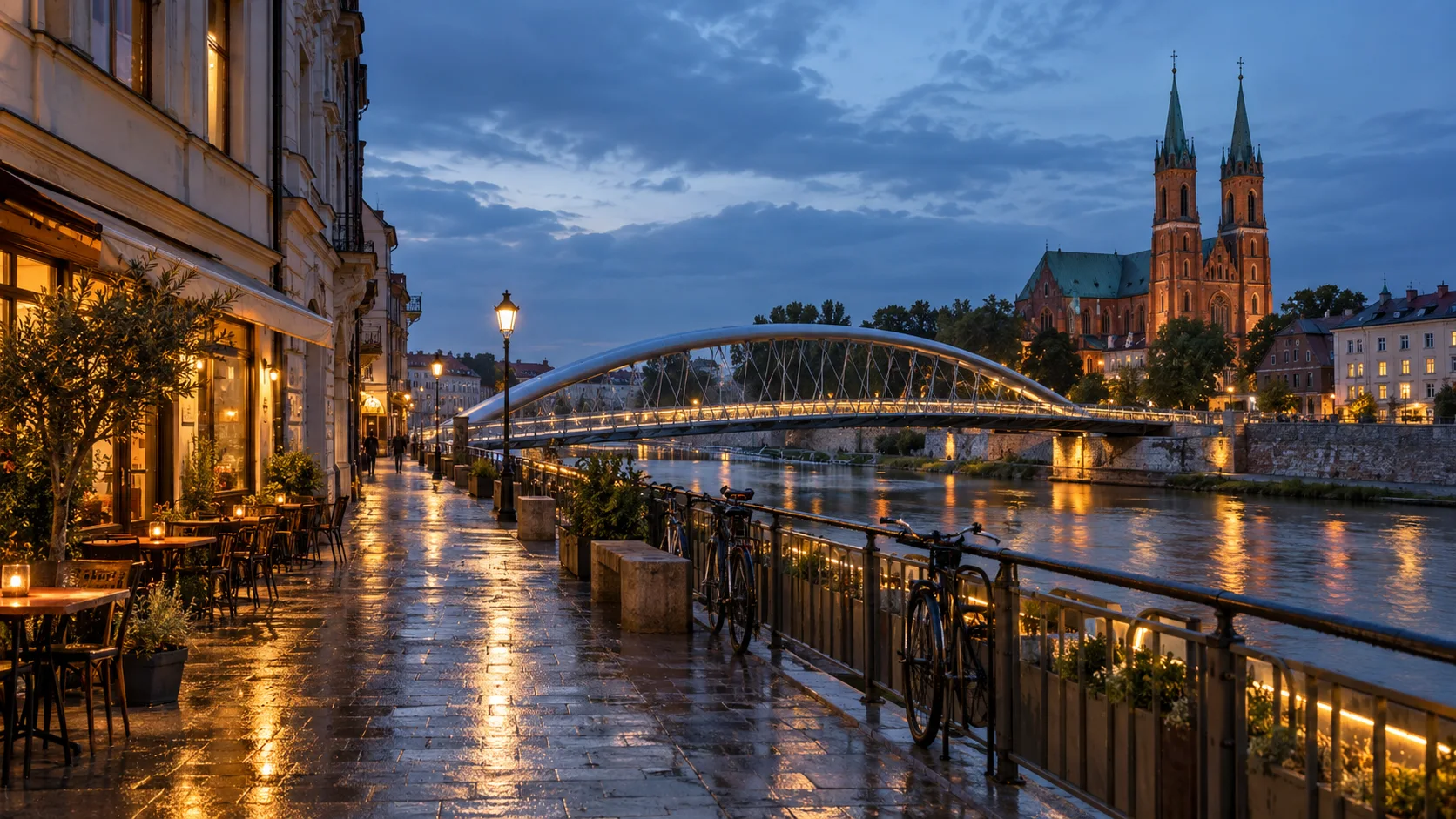
Kazimierz should not be reduced to a restaurant district. Synagogues, Jewish heritage sites, churches, courtyards, and contemporary nightlife overlap here, while a walk across the Vistula reaches Podgórze and another layer of wartime history.
Choose one museum or guided history walk instead of racing between plaques. Allow at least half a day, then stay for dinner when the neighborhood feels less like a tour route and more like a lived-in part of Kraków.
3. Auschwitz-Birkenau Memorial and Museum
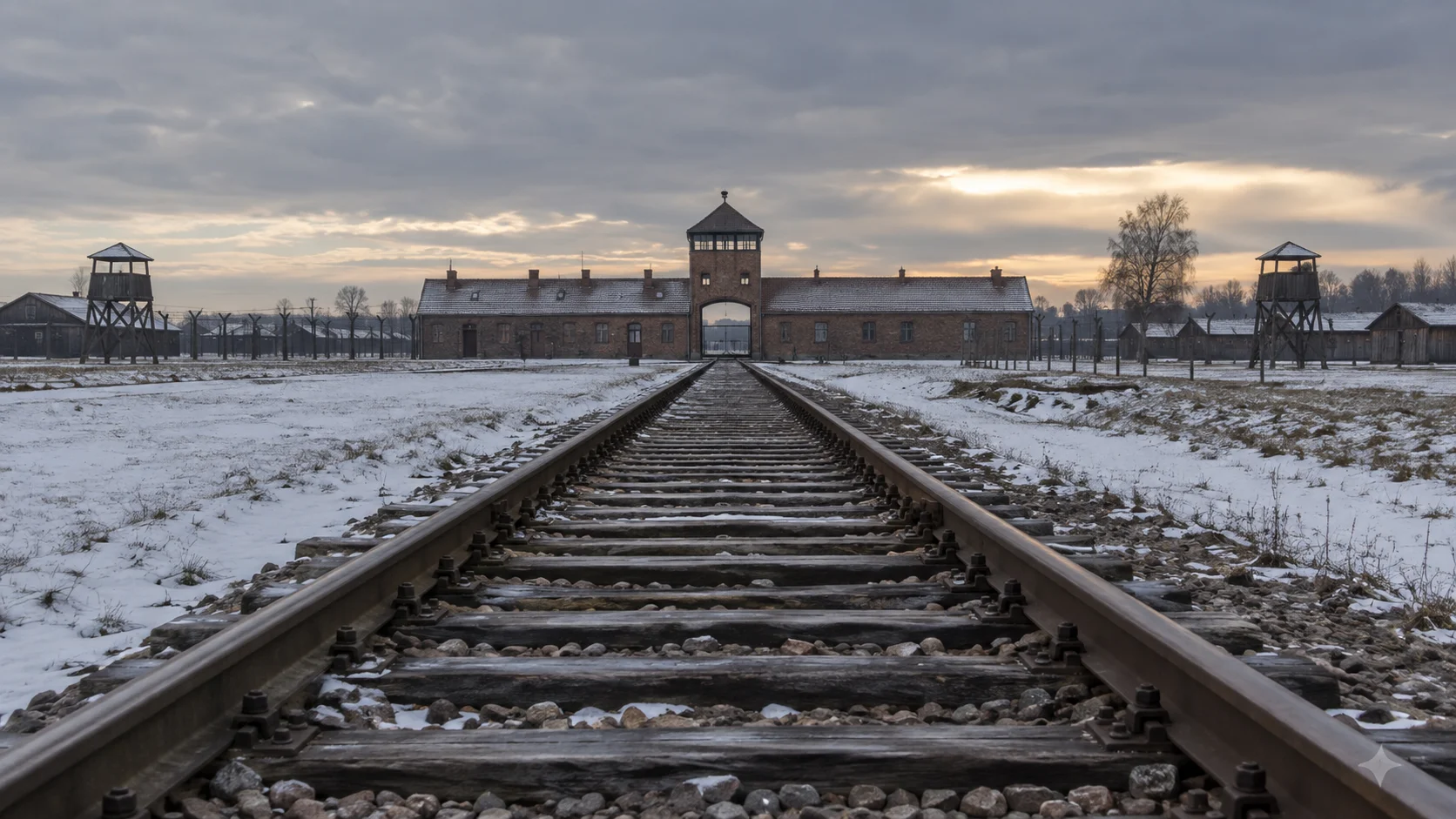
Auschwitz-Birkenau is a place of remembrance and learning, not a box to check between attractions. Reserve a personalized entry pass through the Memorial’s official visiting page, which states that passes are limited, reservations are online only, and the standard guided visit lasts about 3.5 hours.
Allow most of a day from Kraków because the visit covers Auschwitz I and Auschwitz II-Birkenau, with transportation between them. Wear subdued, weather-appropriate clothes, bring only a small bag, and do not plan a cheerful evening attraction immediately afterward.
4. Wieliczka Salt Mine
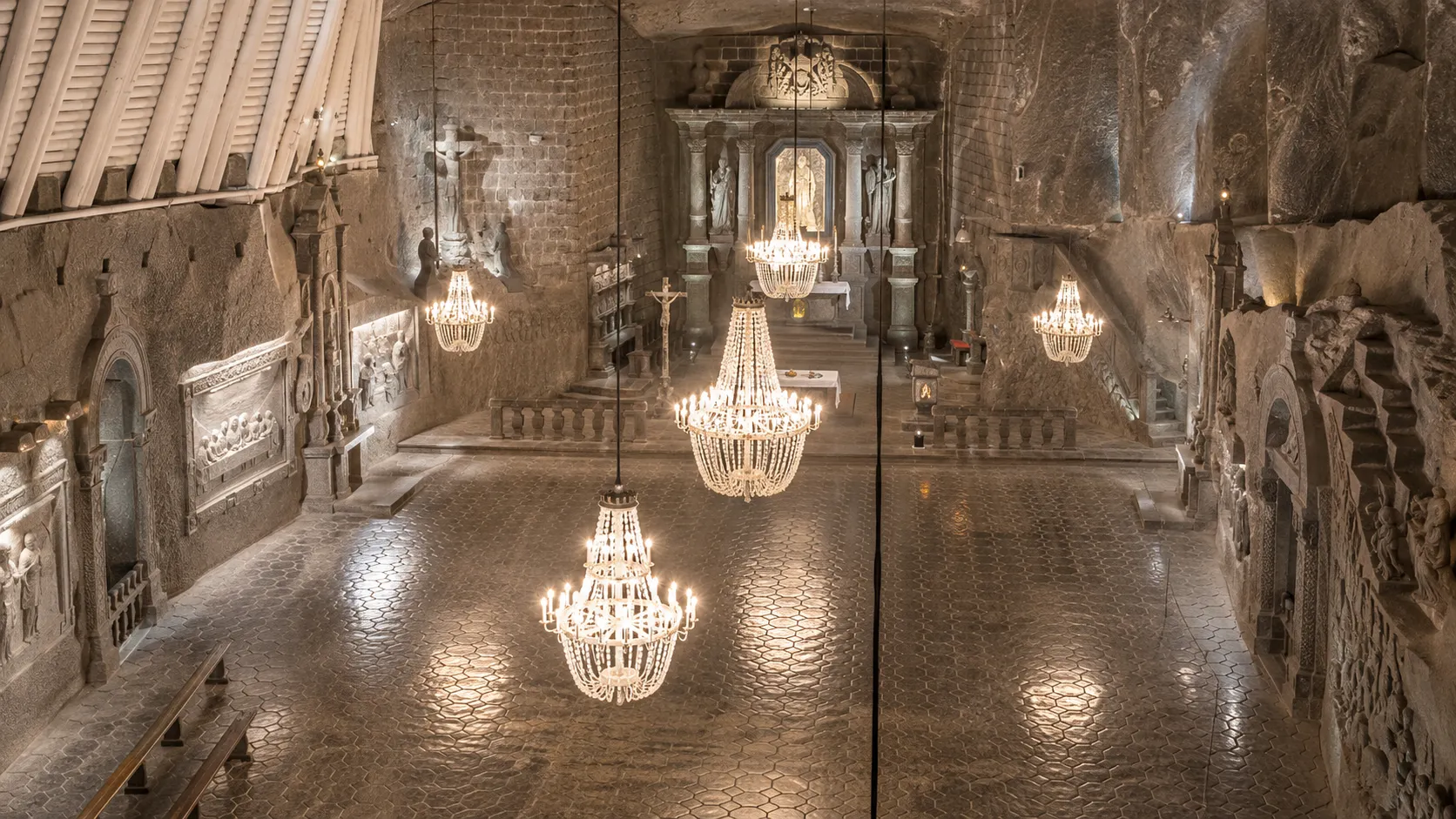
Wieliczka is theatrical in the best sense: salt-carved chambers, underground chapels, timber structures, and long passages turn industrial heritage into a memorable half-day. It is also structured and physical, not a free-roaming cavern visit.
The official Tourist Route takes roughly two to three hours, runs about 2.2 miles, descends to 443 feet, and includes more than 800 stairs in temperatures around 63°F. Comfortable shoes and a light layer matter, while anyone with mobility concerns should check the current accessibility arrangement before purchasing.
5. Zakopane and Tatra National Park
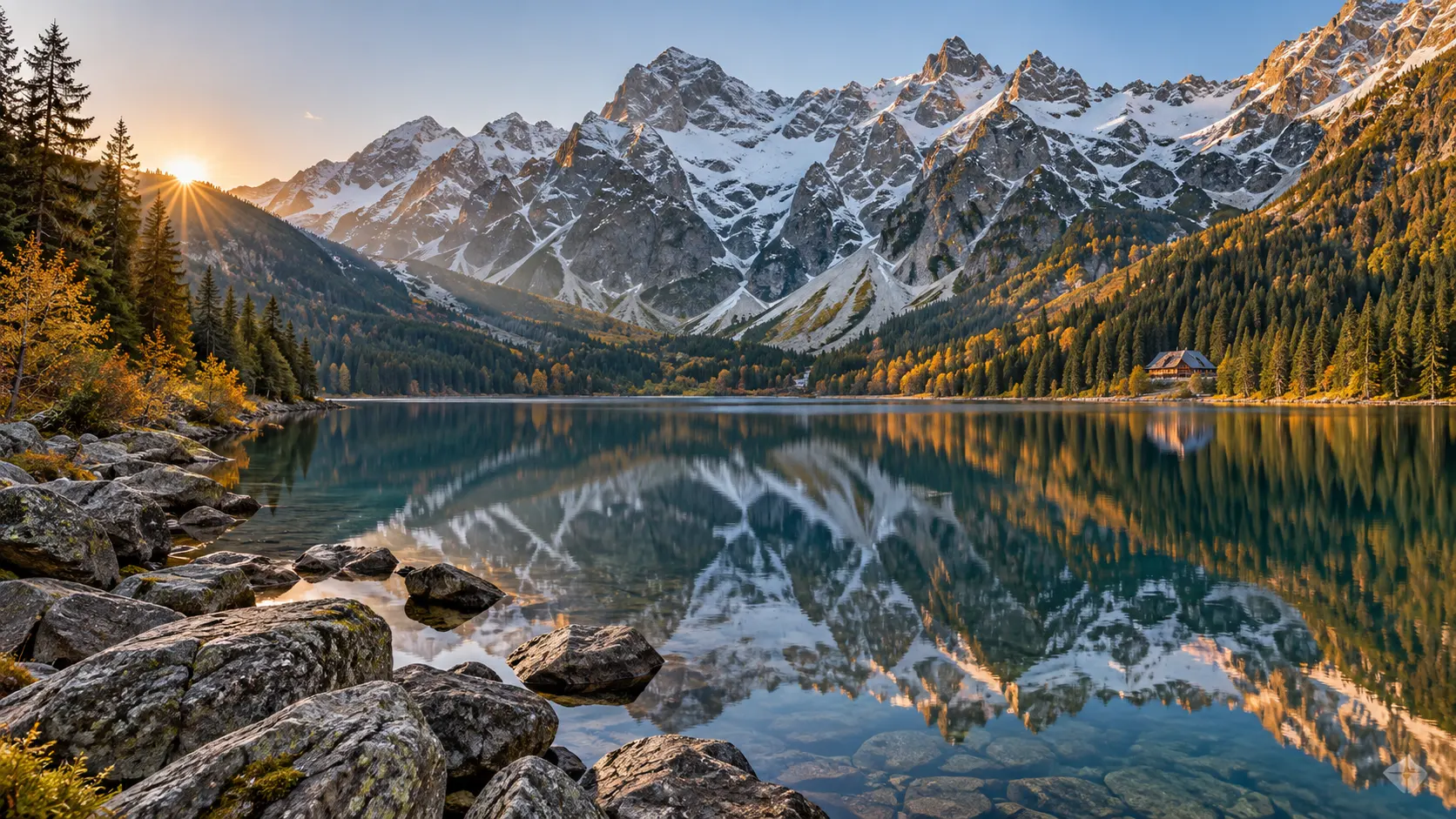
Zakopane is useful as a gateway, but the Tatras are the reason to make the trip. The town’s busy pedestrian street and stylized wooden architecture can fill an afternoon; mountain valleys, lakes, and ridges deserve at least one separate day.
The official Tatra National Park guidance lists 171 miles of marked trails and notes that trails close from dusk to dawn between April 1 and November 30. Weather, snow, avalanche conditions, parking systems, and trail closures can change the sensible plan, so check the park and mountain rescue forecasts rather than assuming a famous route is automatically safe.
Warsaw and central Poland
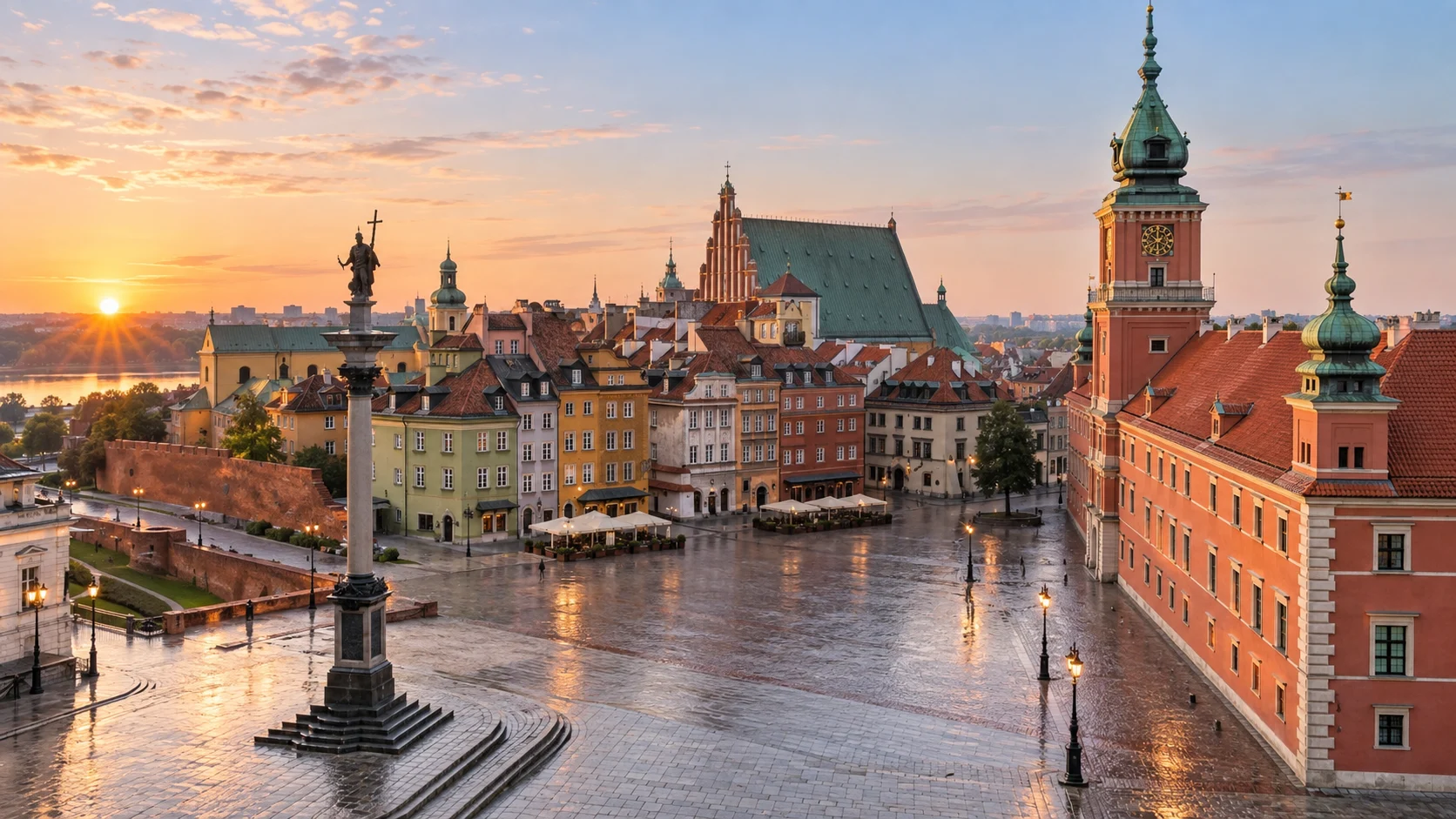
6. Warsaw Old Town and Royal Route
Warsaw’s Old Town is compelling precisely because it was reconstructed after wartime destruction. Walk from Castle Square through the lanes and walls, then continue along the Royal Route so the capital does not become only a pretty square and a museum.
Warsaw needs two full days if you want its story to land. One day can cover the historic core and Łazienki Park, while the second belongs to one major museum, contemporary neighborhoods, and enough unplanned time to see the city as more than a reconstruction.
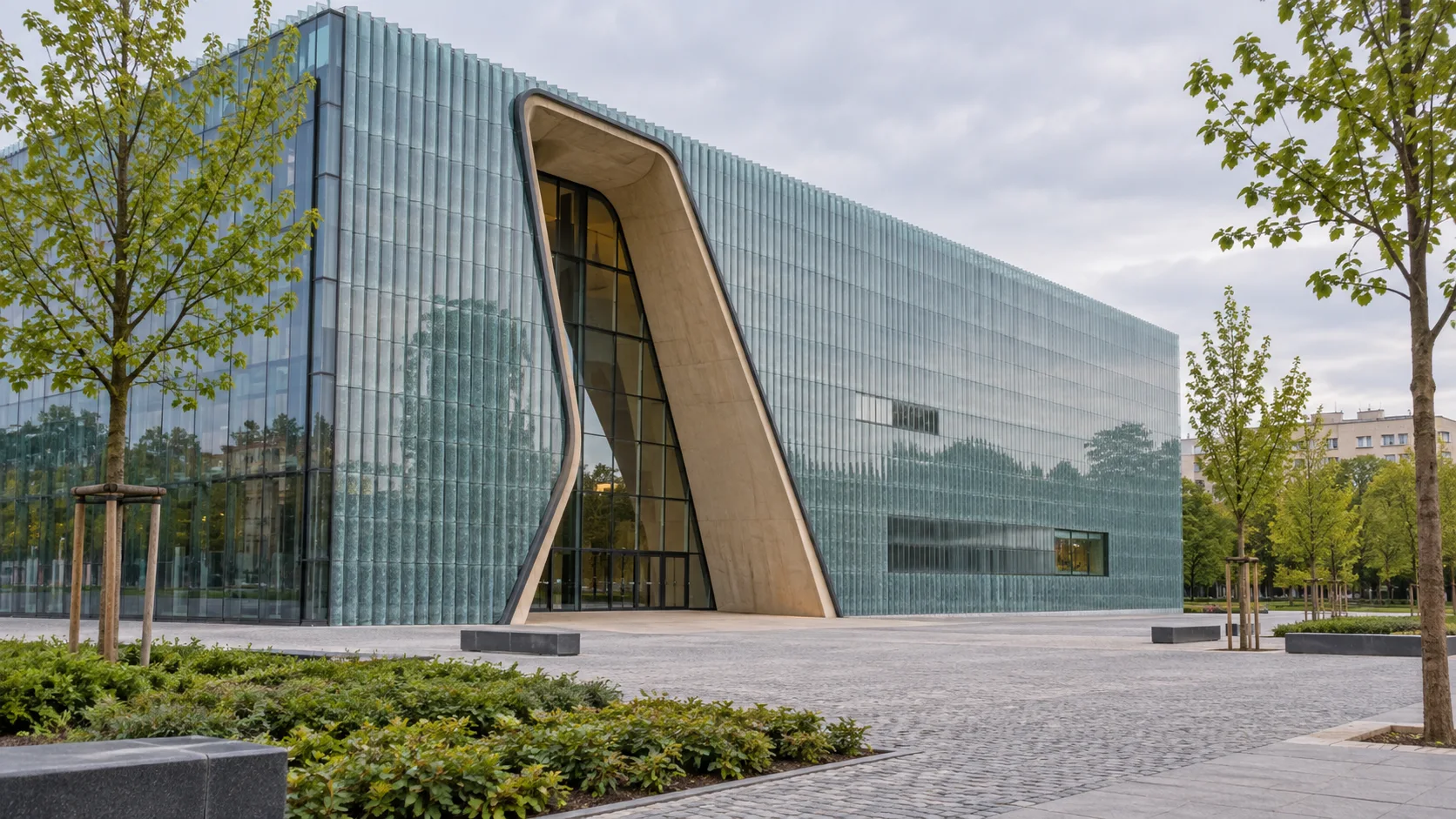
7. POLIN Museum or Warsaw Rising Museum
These are not interchangeable museums, and attempting both in one afternoon shortchanges them. POLIN traces the long history of Polish Jews, while the Warsaw Rising Museum focuses on the 1944 uprising and the experiences of the city under occupation.
Choose according to the question you most want answered, reserve several hours, and verify the weekly closing day before fixing the itinerary. Visitors already planning Auschwitz-Birkenau should still consider POLIN, because a museum about centuries of life provides essential context beyond the history of persecution and murder.
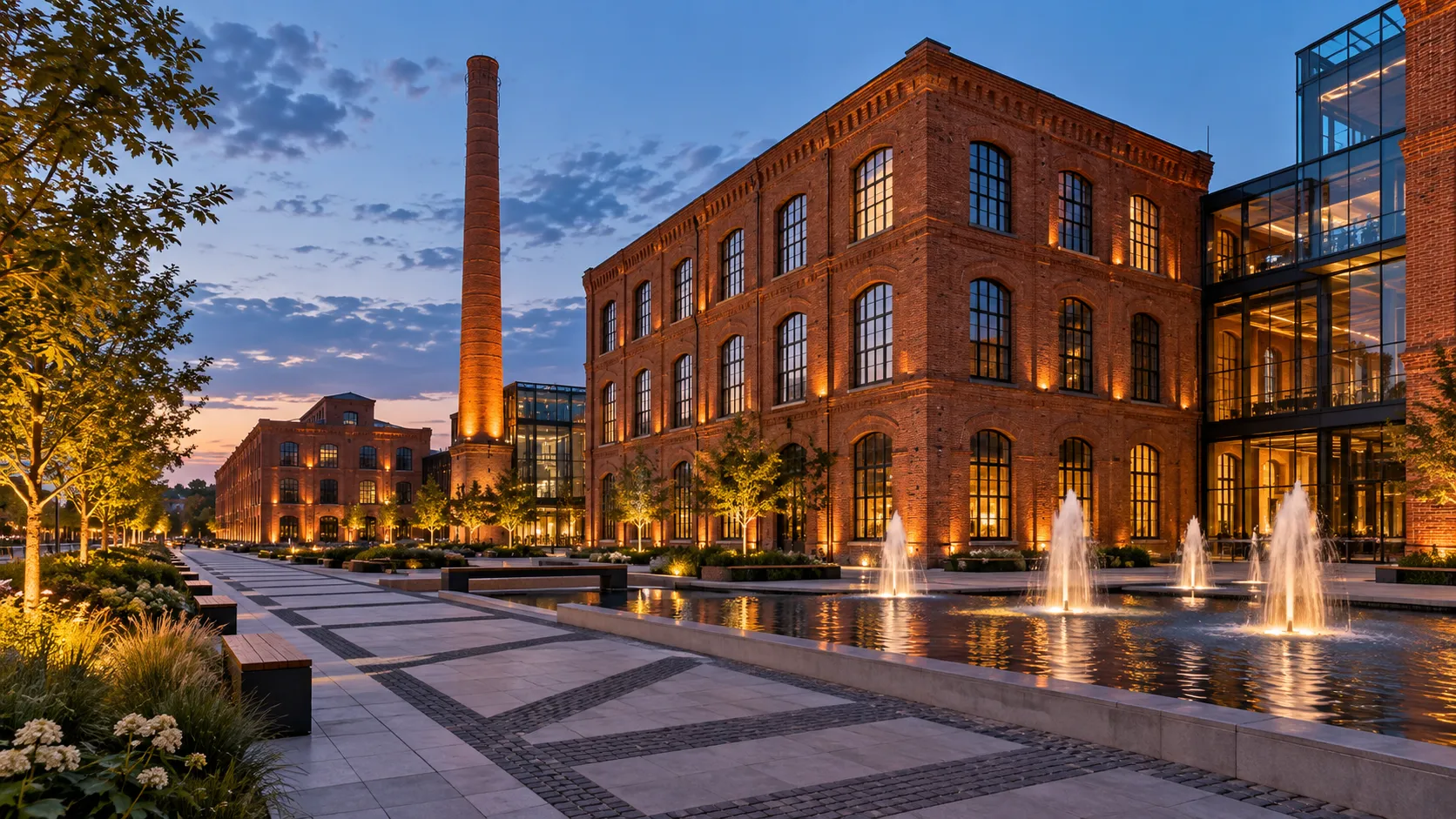
8. Łódź and its industrial revival
Łódź is the right detour for travelers who prefer adaptive reuse, film culture, murals, and industrial architecture to another medieval square. Piotrkowska Street is the spine, while former factory complexes such as Manufaktura show the city’s scale and reinvention.
It works as a long day trip from Warsaw, but an overnight gives the museums and evening scene room to breathe. Budget-minded travelers comparing Polish cities can also place it beside Gdańsk in this site’s guide to the cheapest places to travel, while still checking current hotel and rail prices for their own dates.
Northern Poland and the Baltic
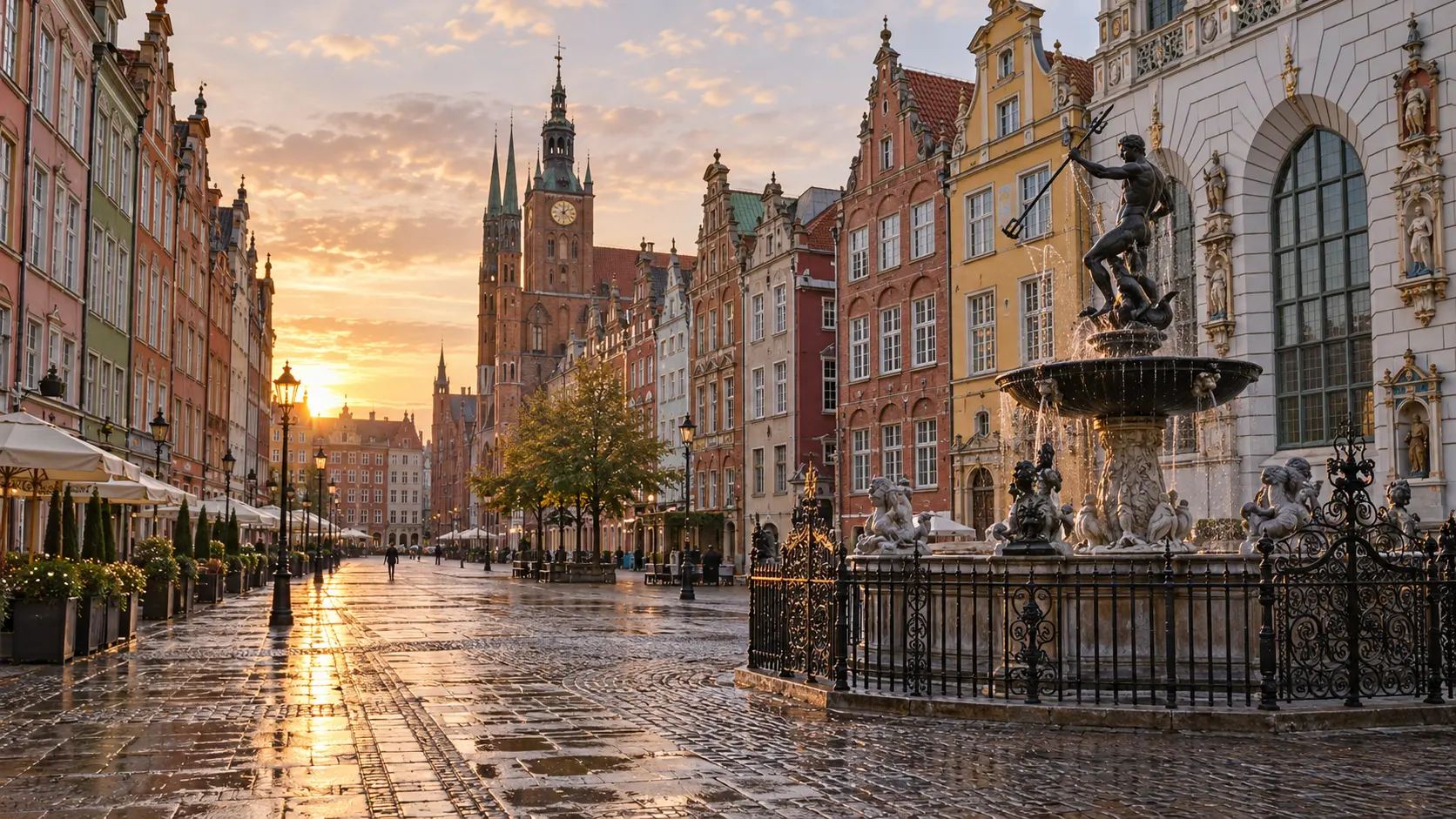
9. Gdańsk Main Town
Gdańsk delivers the strongest city-and-coast combination in Poland. Walk the Royal Route, Long Market, riverfront, and side streets, but remember that the postcard facades are only the opening chapter of a port city shaped by trade, war, and political change.
Stay at least two nights, preferably three if you want a museum and a day trip. Sopot’s broad beach and long pier make a simple warm-weather add-on, while Gdynia suits maritime interests more than travelers seeking another ornate old center.
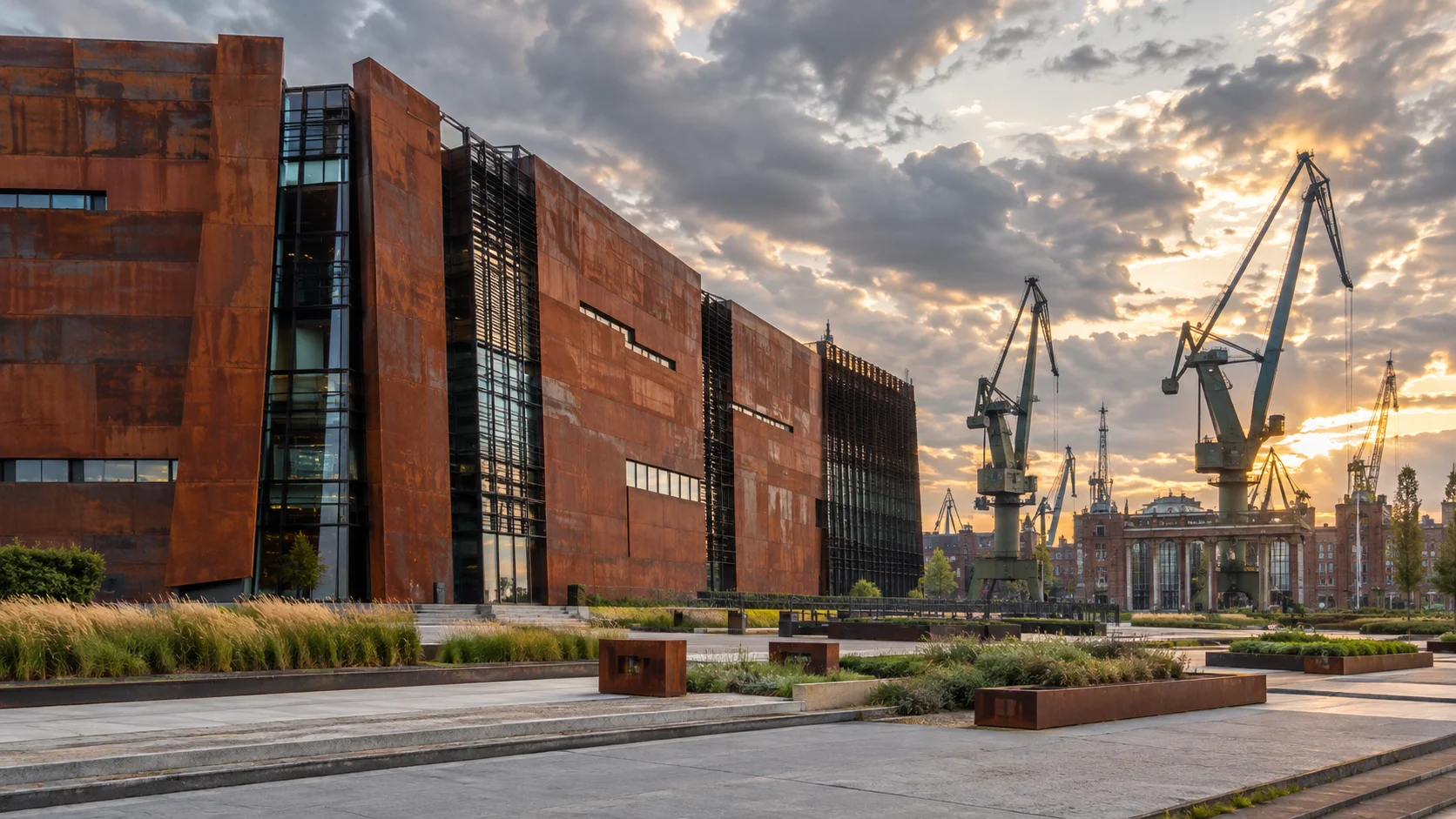
10. European Solidarity Centre
The European Solidarity Centre is my priority museum in Gdańsk for understanding the Solidarity movement and the collapse of communist rule in Central and Eastern Europe. Its shipyard setting connects the exhibitions to the place where the movement grew.
Give it two to three hours, then walk around the surviving shipyard landscape rather than rushing back to Long Market. Pairing it with Warsaw’s museums creates a far more coherent history itinerary than collecting churches without context.
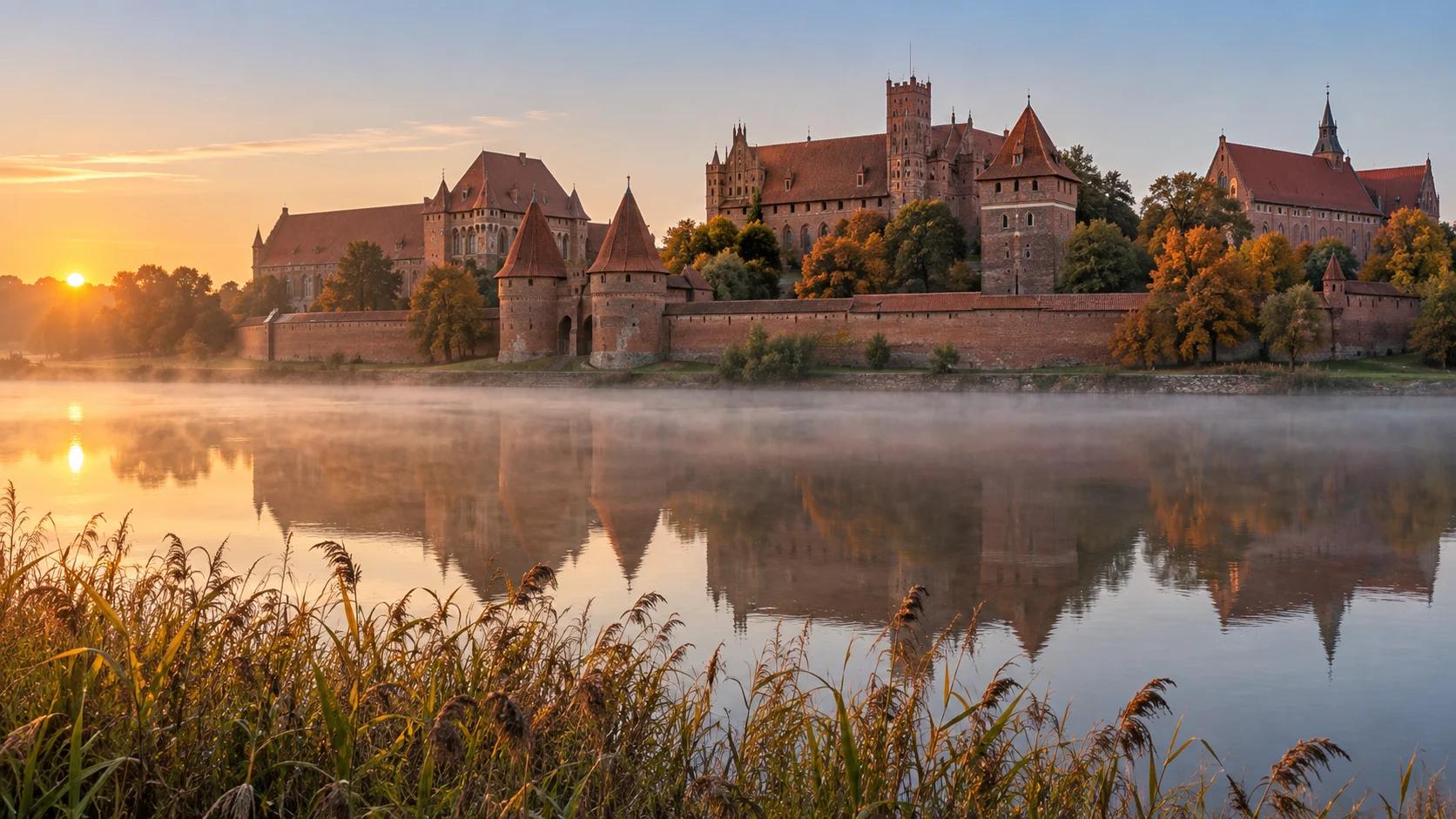
11. Malbork Castle
Malbork is the castle worth rearranging a northern Poland itinerary for. The immense brick complex, associated with the Teutonic Order, feels substantially different from a palace visit and is easy to reach by rail from Gdańsk.
Do not arrive on Monday expecting the full interiors: the castle museum’s 2026 schedule offers only the grounds route that day, while the historical route operates Tuesday through Sunday in the spring-summer season. Set aside at least three hours and confirm the date-specific last entry, because seasonal schedules change.
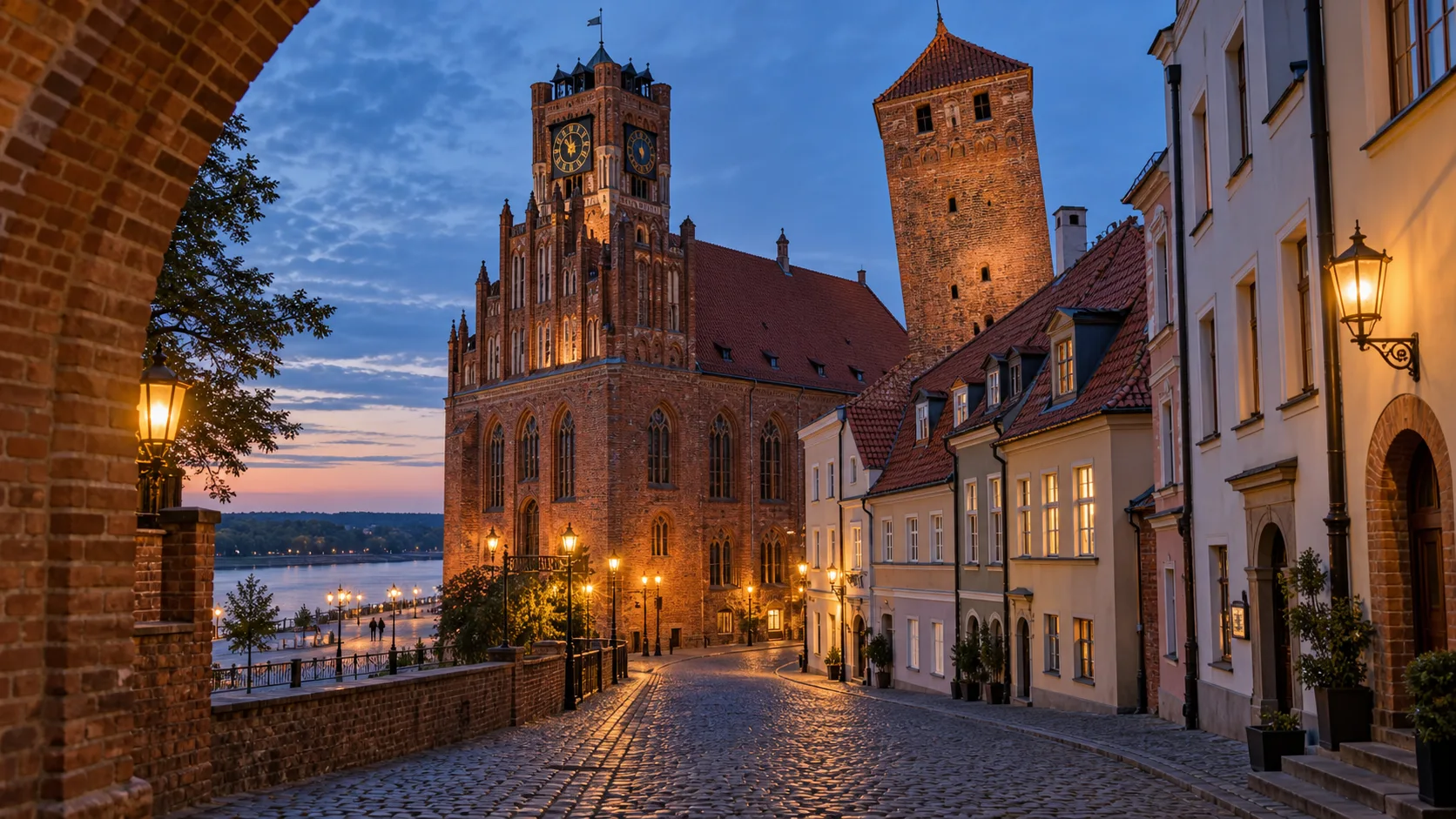
12. Toruń Old Town
Toruń offers Gothic brick architecture, riverside views, Copernicus connections, and gingerbread traditions in a center smaller than Kraków or Gdańsk. It is polished enough for a rewarding day and compact enough that you do not need a long attraction spreadsheet.
An overnight is better if Toruń falls naturally between Warsaw and the north; a forced out-and-back day is less appealing. Travelers who love historic city breaks can compare the rhythm with the site’s Austria landmarks itinerary, though Poland’s long-distance route is generally easier to build around major trains.
Western cities and natural escapes
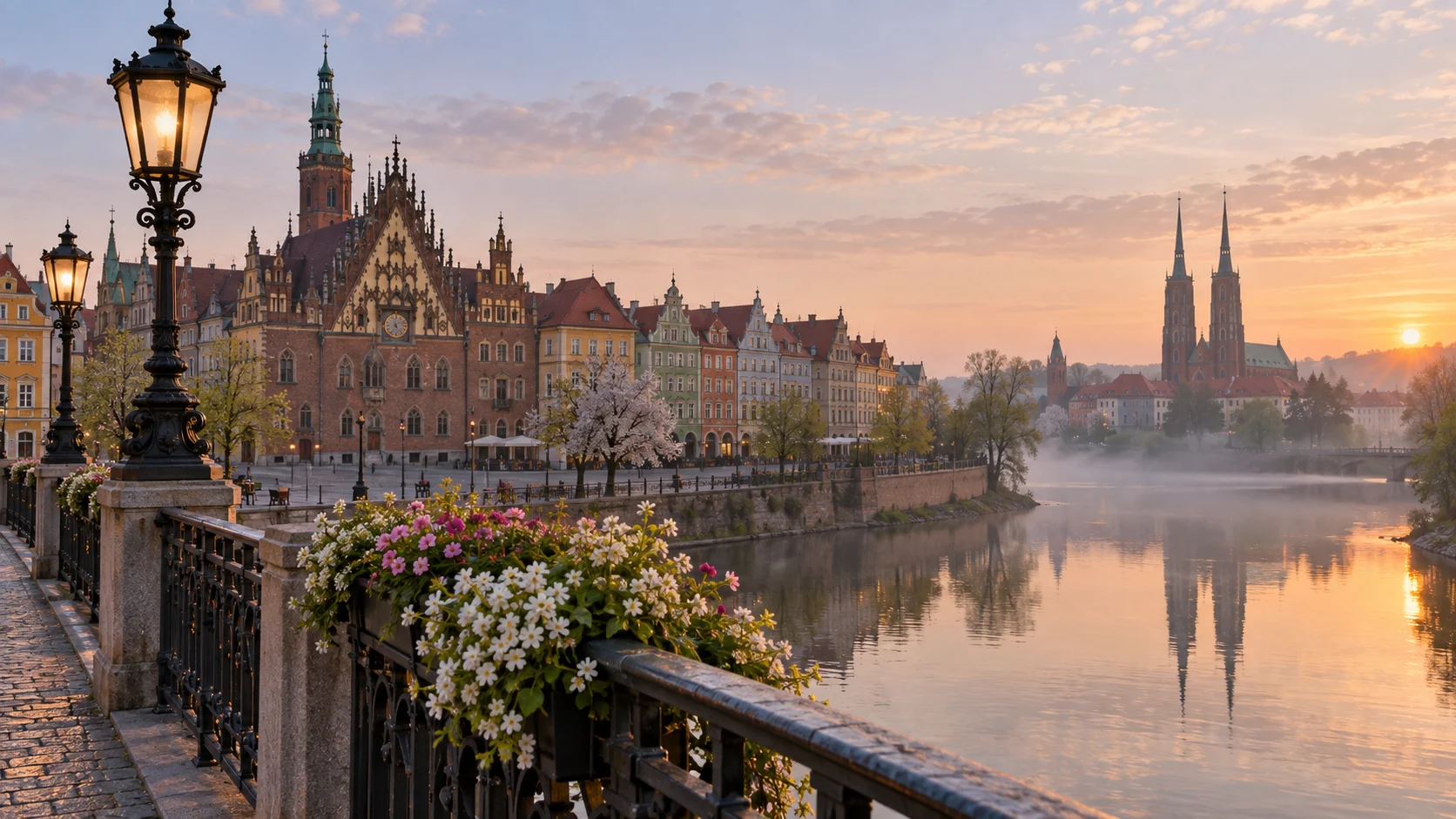
13. Wrocław Market Square and Cathedral Island
Wrocław wins on texture: a colorful market square, bridges across the Oder, islands, Gothic churches, and playful bronze dwarfs that make aimless walking surprisingly fun. Cathedral Island is especially atmospheric near evening, when the pace softens.
Give it two nights rather than using it as an awkward day trip from Warsaw or Kraków. It fits best on a western route with Poznań, Lower Silesian castles, or onward rail travel toward Germany or the Czech Republic.
14. Książ Castle and Lower Silesia
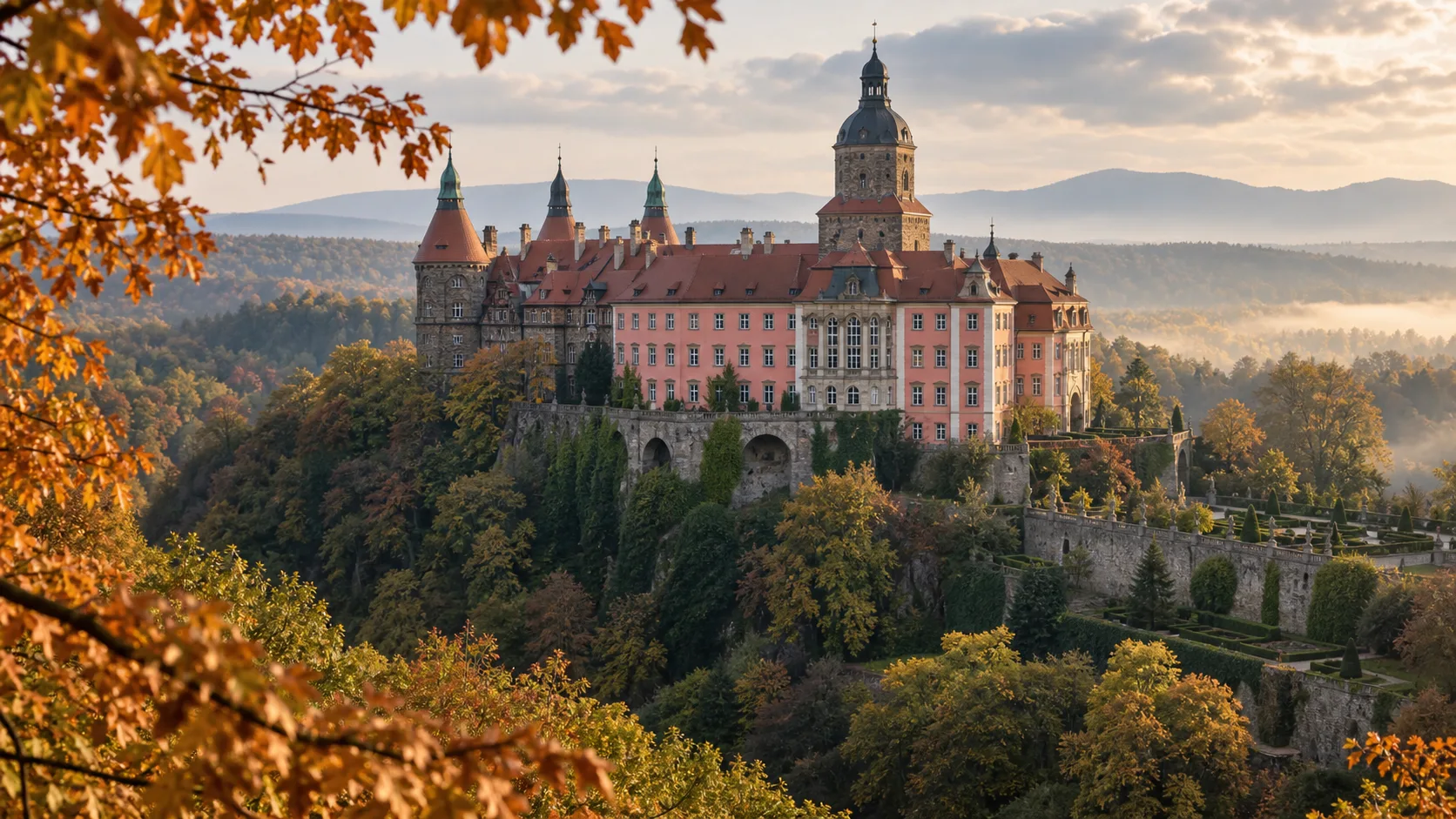
Książ is the castle choice for forested drama, elaborate interiors, terraces, and complicated twentieth-century history. It is less straightforward without a car than Malbork, so compare the final bus, taxi, or guided-transfer leg before committing.
Base in Wrocław and make Książ the day’s anchor instead of pairing it with several distant sights. If ornate estates are your favorite part of Europe, the route also pairs naturally with these European holiday getaway ideas for a future winter trip.
15. The Great Masurian Lakes
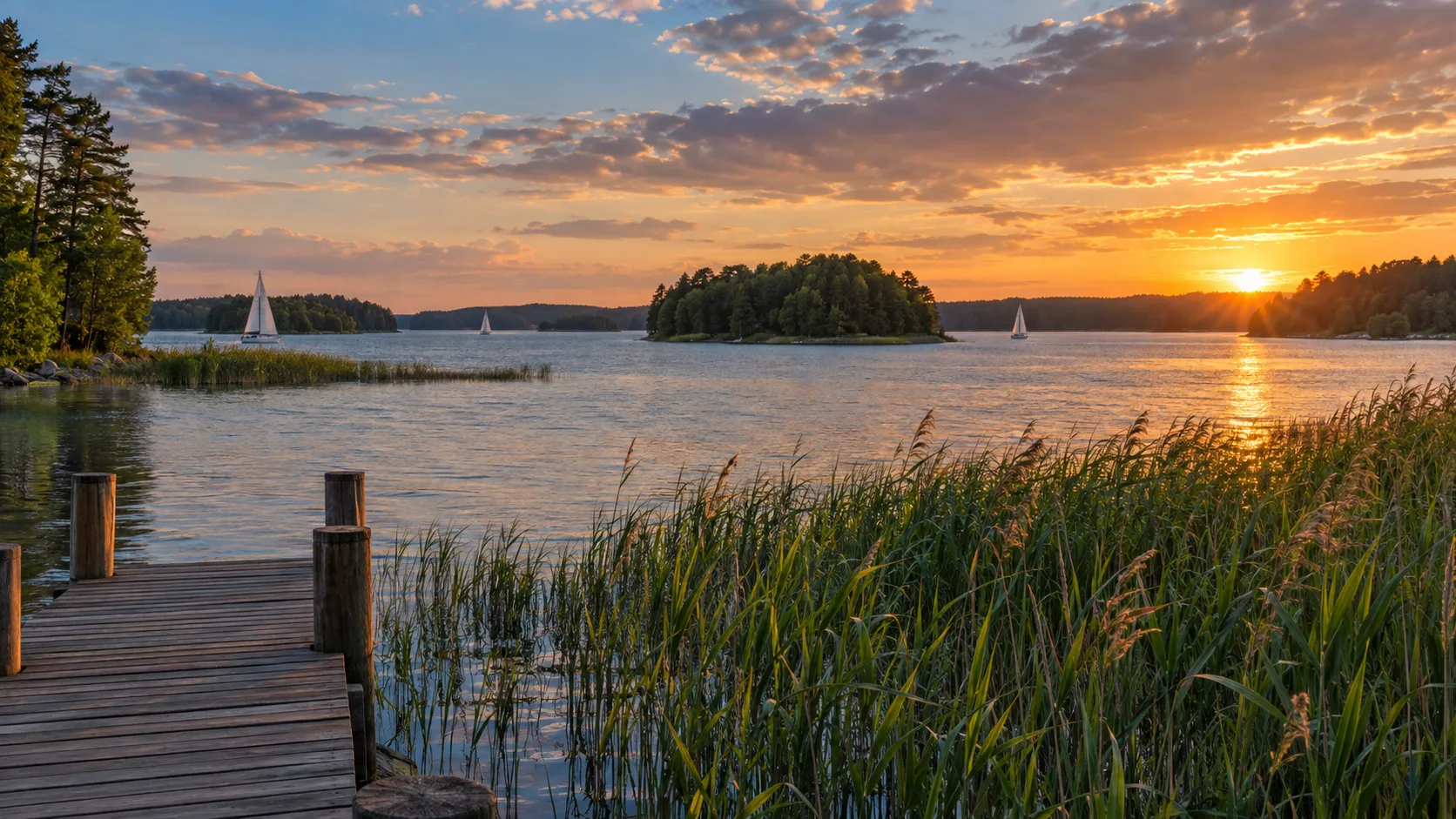
Masuria is not one attraction but a lake district of sailing bases, forests, small towns, swimming spots, and quieter roads. It earns a place because it provides exactly what a city-heavy Poland route lacks: slow mornings and time outside.
Visit in the warmer months, allow at least three nights, and rent a car unless one resort town is the entire plan. Dedicated hikers may prefer the Tatras or one of the landscapes in this collection of the world’s most beautiful national parks, while families and sailors may find Masuria the better vacation.
What to book before arriving
Auschwitz-Birkenau is the nonnegotiable advance reservation because there are no entrance passes at the gate. Wieliczka, Wawel ticketed interiors, Malbork, and the most popular Warsaw museums are also worth booking once the route is fixed, particularly on summer weekends and holidays.
- Book first: international transportation, Auschwitz-Birkenau, and limited-capacity accommodations in the mountains or lake district.
- Book after the route settles: long-distance trains, Wieliczka, Malbork, Wawel interiors, and major museums.
- Keep flexible: Tatra hiking days, Baltic beach time, neighborhood walks, and outdoor viewpoints.
Check the attraction’s own site again 48 hours before visiting. Weekly closing days, timed entry procedures, seasonal routes, conservation work, and mountain conditions are more useful than a screenshot saved months earlier.
Getting around Poland without wasting days
Major city pairs are well suited to rail, and central stations usually make trains more practical than renting a car for the whole trip. A car becomes valuable for Masuria, rural Lower Silesia, and multi-stop nature routes, but it becomes baggage in historic centers with parking restrictions.
A sensible 10-day route is Kraków for four nights, Warsaw for three, and Gdańsk for three, including one day trip from Kraków and Malbork from Gdańsk. Add Wrocław, Toruń, the Tatras, or Masuria only by extending the trip, not by shaving every major city down to a few rushed hours.
When to visit Poland
Late spring and early fall offer the best balance for most city routes, with long enough days and fewer peak-summer crowds. Summer suits the Baltic and Masuria but brings higher demand, while winter works for museums, food, and festive city breaks rather than an ambitious national-park itinerary.
Rain is possible in every season, and mountain conditions are their own category. Pack comfortable walking shoes, a compact rain shell, and layers, then check city forecasts separately from Zakopane or the coast.
My honest first-trip shortlist
If time is tight, choose Kraków, Warsaw, Gdańsk, and one excursion that reflects your interests. That may be Wieliczka for engineering and spectacle, Malbork for medieval history, the Tatras for demanding scenery, or Auschwitz-Birkenau for a serious memorial visit.
The right Poland trip is not the one with the most pins on a map. It is the one that gives the country’s beauty, loss, resilience, food, and everyday city life enough time to register.