How to Choose Road Trip Hotels Without Ruining Your Route
A hotel that saves $35 but adds forty minutes to every outing is the kind of bargain I would happily leave unbooked.
For road trips, I choose hotels as part of the route, not as isolated prices, because the right location can give you back hours of driving and a much better evening.
My First Rule: Choose the Town Before the Hotel
I decide where I want to end the day before I compare properties. Otherwise the cheapest room on a booking site can quietly pull the itinerary into a suburb, airport district, or highway exit that makes tomorrow worse.
The overnight town should make geographic sense and ideally be somewhere I would not mind spending the evening. Once the town is right, I compare the hotels inside it.
I Care About 7 p.m. More Than 7 a.m.
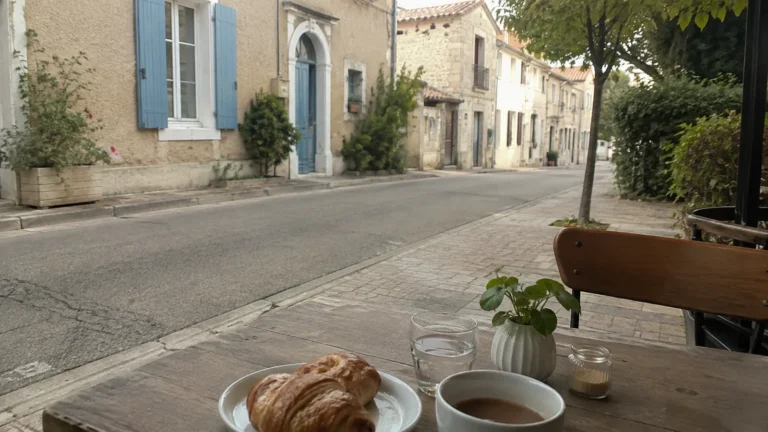
Most road-trip advice chooses hotels based on tomorrow’s first stop. I often care more about whether I can walk to dinner, the waterfront, a small downtown, or a sunset tonight.
A room fifteen minutes farther from tomorrow’s park can still be the better choice if it gives you a genuinely enjoyable evening. This is especially true in places like Door County, Galena, Savannah, Taos, Camden, or Grand Marais.
Walkability Can Be Worth Real Money
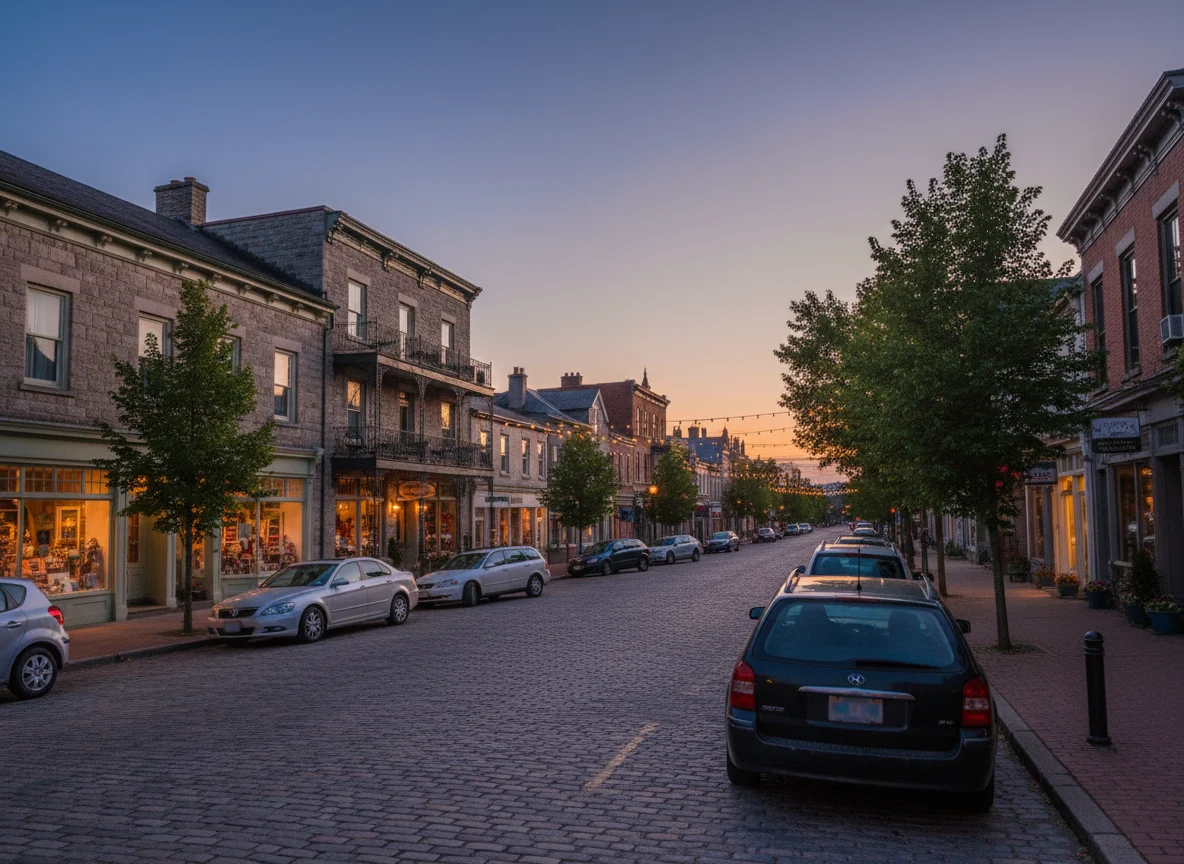
If one hotel is $40 more but lets me park once and walk to dinner, coffee, shops, and the waterfront, I compare that premium with the cheaper hotel’s parking, gas, rideshares, and repeated driving. The more expensive room can easily become the better value.
Walkability also changes the mood of the trip. An evening stroll feels like vacation, while climbing back into the car after ten hours of sightseeing can feel like one more task.
Parking Is Part of the Room Rate
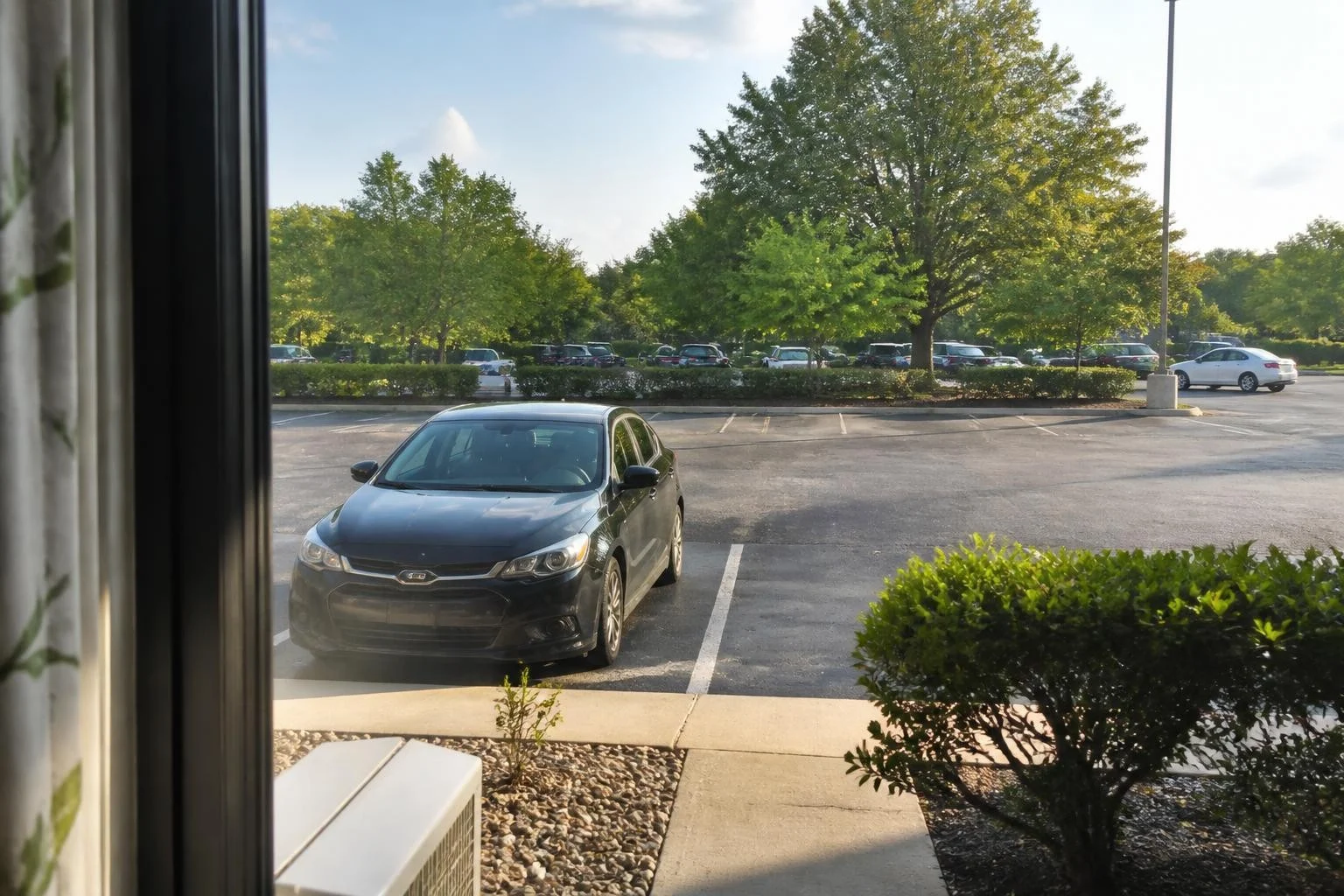
I never compare downtown hotels without checking parking. A $170 room with free parking and a $145 room with $45 nightly parking are not priced the way the search results make them look.
Also check whether parking is self-park, valet-only, off-site, height-restricted, or first-come. Those details matter much more with a loaded road-trip vehicle than on a one-night fly-in city stay.
The FTC Now Requires Required Lodging Fees Upfront
The Federal Trade Commission’s rule on unfair or deceptive fees requires sellers of short-term lodging to show the total price including required fees they know about upfront. That makes comparing hotels easier, but taxes and some conditional charges can still appear later in the booking process.
I still read the final price carefully before paying. The FTC’s current lodging-fee guidance explains what sellers must disclose.
Check the Cancellation Policy Before You Fall in Love With the Rate
Road trips are more vulnerable to weather, road closures, fires, ferry changes, and itinerary shifts than a simple city stay. A nonrefundable hotel can save money and remove flexibility exactly where I value it most.
I am more willing to book nonrefundable rates for a stable city night and much less willing around mountain passes, hurricane-prone coasts, island ferries, or wildfire season. The cheaper rate has to compensate for the real risk I am accepting.
Use Refundable Hotels as Route Insurance
For routes like the Canadian Rockies, Iceland, Olympic Peninsula, Patagonia, or Blue Ridge Parkway, I like refundable lodging when the trip is months away. It gives me room to reroute when a road or region becomes unavailable.
That does not mean I cancel casually. It means the itinerary can adapt to information that did not exist when I booked it.
Do Not Change Hotels Every Night Without a Good Reason
Every hotel change costs more than the checkout time. You repack, load the car, protect valuables, find parking, arrive after check-in, unload again, and figure out a completely new neighborhood.
I prefer two- or three-night bases whenever the region allows it. My road trip route guide explains how fewer bases can dramatically improve the itinerary.
When a One-Night Stay Makes Sense
One-night hotels make sense on linear routes where the next region is genuinely farther along the road. They also work for practical arrival nights, ferry staging, airport positioning, or breaking up a long transfer.
I just do not want every night to be one of those. A road trip needs enough two-night stops that you occasionally wake up and realize the suitcase can stay closed.
Choose the Hotel for the Next Morning When the Morning Is Fragile
There are exceptions to my evening-first rule. If I have a 6 a.m. ferry, timed national-park shuttle, sunrise tour, airport departure, or very early trailhead, I stay where the morning becomes easy.
That might mean an unromantic airport hotel or a simple motel beside the park entrance. Convenience becomes part of the experience when it removes a stressful predawn drive.
Check the Actual Drive, Not the Hotel’s Marketing Copy
“Minutes from downtown” can mean twelve miles of traffic. “Near the national park” can mean forty-five minutes from the entrance you actually need.
I put the hotel into Google Maps and test the drive to the places that matter. My Google Maps planning guide shows how I compare bases before I book them.
Look at the Road Into the Property
This matters for cabins, mountain lodges, desert rentals, and remote inns. A property can be geographically close and still require a steep gravel road, seasonal pass, ferry, or slow final ten miles.
I read the property’s arrival instructions before booking when access looks unusual. If I would not want to drive the final road after dark, I make sure the itinerary gets me there earlier.
Check Check-In Hours
Independent inns and remote properties do not always have a staffed front desk at midnight. If the road trip could arrive late, I verify self-check-in or late-arrival procedures before paying.
I also save the hotel’s phone number and instructions offline. Cell service disappearing near the property is not the moment I want to discover the front door requires a code from an email I never downloaded.
Read the Most Recent Reviews for the Things You Care About
I do not obsess over every negative review, but I scan recent comments for parking, road noise, cleanliness, air-conditioning, elevator access, Wi-Fi, check-in, and construction. Those are the problems that can materially affect a road trip.
A complaint that the lobby decor felt dated barely registers. Ten recent reviews saying the parking garage is inaccessible to SUVs absolutely does.
Road Noise Matters More Than I Expect
A motel beside the highway can be wonderfully convenient and surprisingly loud. If I am already doing long driving days, good sleep is worth protecting.
I look at satellite view and recent reviews when the hotel sits immediately beside an interstate, train line, airport, nightclub area, or busy downtown street. A room location request can sometimes help too.
Free Breakfast Is Only Valuable If You Want It
A useful hotel breakfast can save time and money on early driving days. A bad breakfast you skip every morning is not a meaningful amenity.
I care more about breakfast at practical roadside hotels and less in destinations where local cafes and bakeries are part of the trip. In Portland, Santa Fe, New Orleans, or a small European town, I would rather go outside.
A Refrigerator Is More Valuable Than It Sounds
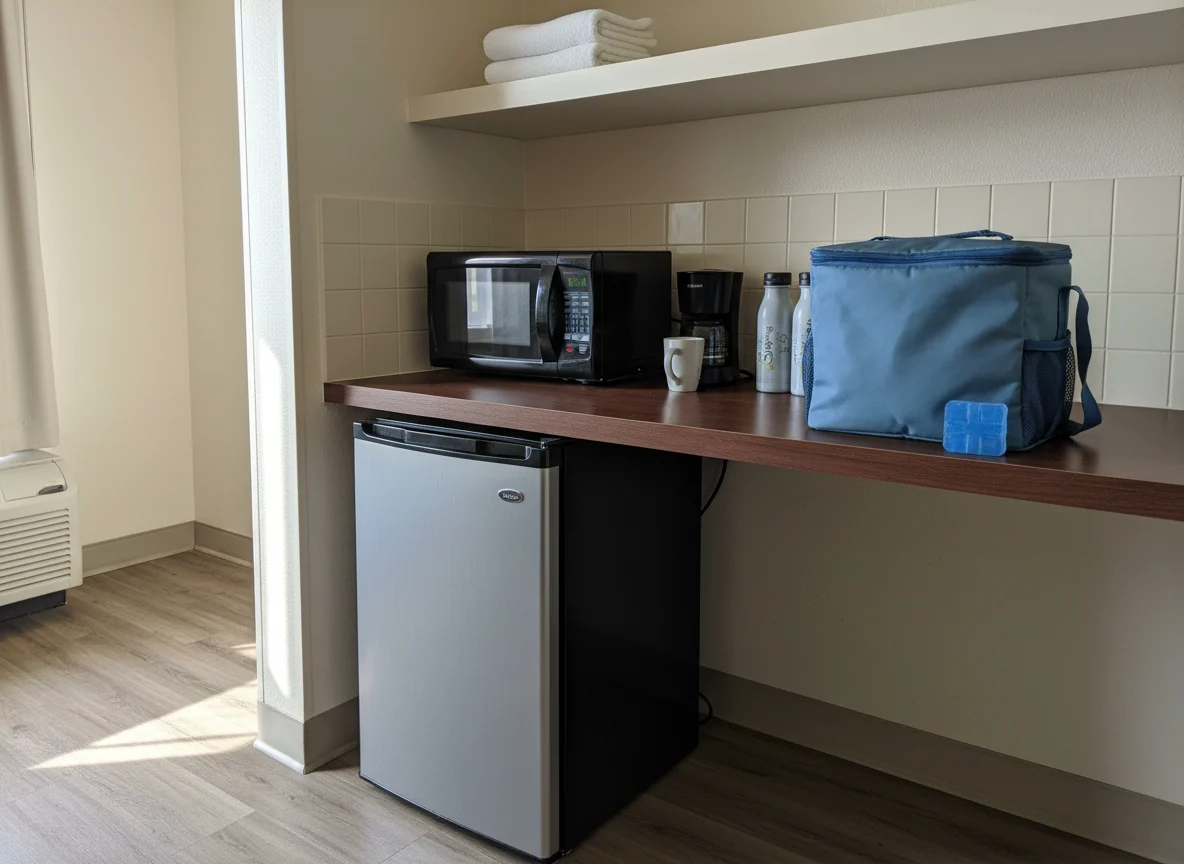
On a road trip, a mini-fridge can store leftovers, cheese, fruit, cold drinks, dog food, or picnic supplies. It can easily save money and reduce cooler maintenance.
I check whether “refrigerator available” means actually in the room or available on request. Road trips have taught me to take hotel amenity wording very literally.
Laundry Can Change a Two-Week Trip
For trips longer than a week, I deliberately choose at least one hotel with guest laundry or a nearby laundromat. That lets me pack far less and gives the middle of the trip a useful reset.
I schedule laundry on a two-night stay, not the one night where I am arriving at 9 p.m. and leaving at 7 a.m. The amenity only helps if the itinerary gives me time to use it.
Pet-Friendly Does Not Mean the Same Thing Everywhere
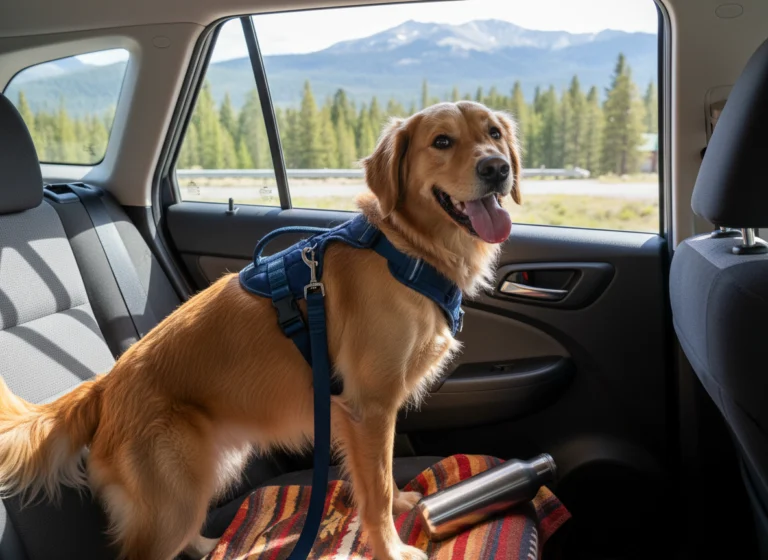
If I am traveling with a dog, I check the fee, weight limits, breed rules, maximum pets, unattended-pet policy, designated rooms, and where the nearest safe walk is. A hotel can call itself pet-friendly and still be completely impractical for the trip.
My road trip with dogs guide has the full planning checklist. I confirm the property’s current policy directly when the dog is essential to the reservation.
Resort Hotels Can Be Worth It When You Use the Resort
I am happy to pay more for a beautiful pool, spa, beach, lodge, or mountain property when I deliberately schedule time there. I am not happy paying a resort premium when the itinerary leaves at sunrise and returns after dinner every day.
Match the hotel level to the amount of time you will actually be on the property. A spectacular room you only see while asleep is not always the best use of the budget.
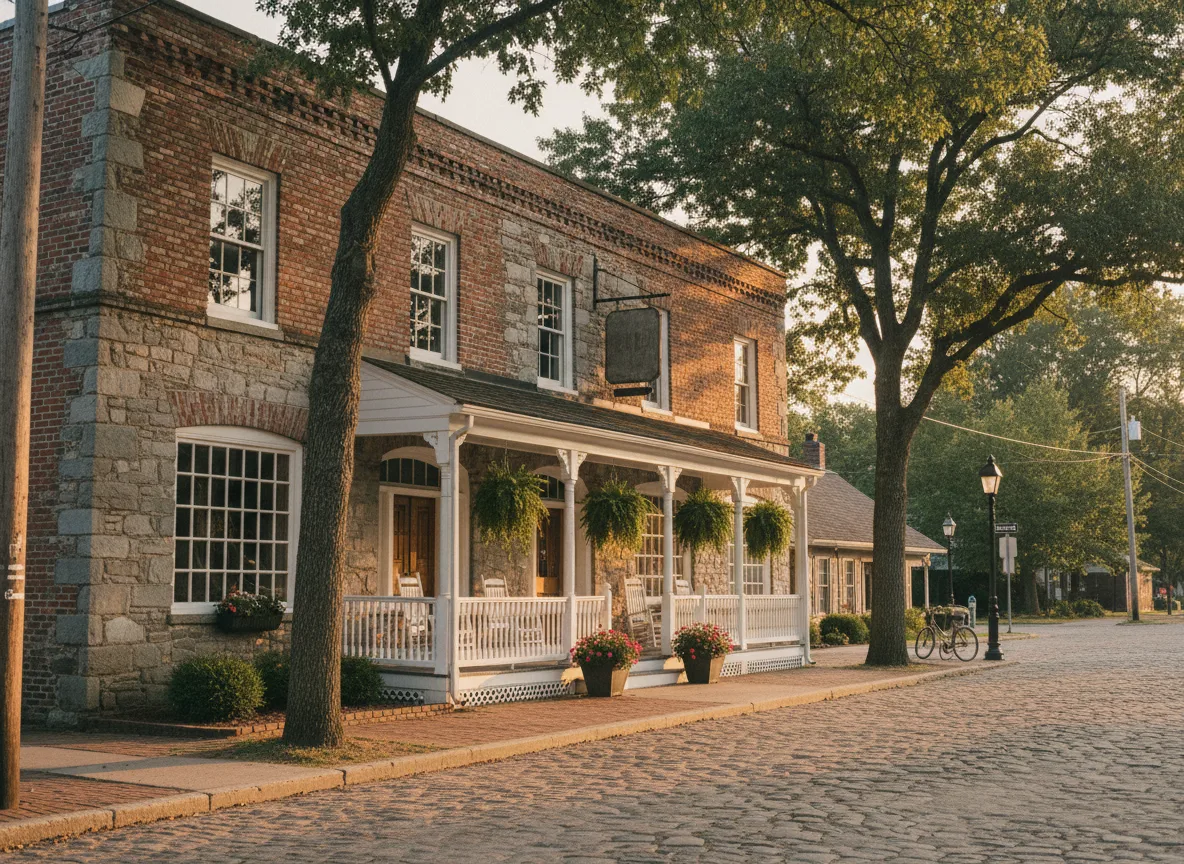
Historic Inns Need a Different Checklist
Historic properties can have tiny rooms, stairs, no elevator, unusual parking, older plumbing, or limited climate control. None of those are automatically bad, but I want to know before I arrive with a giant suitcase and a room on the fourth floor.
That charm can be exactly why I booked it. I just prefer intentional charm over surprise inconvenience.
Vacation Rentals Can Work Better for Groups
A rental can give families or friends bedrooms, a kitchen, laundry, and shared space for less than several hotel rooms. It can also add cleaning fees, stricter cancellation, checkout chores, parking restrictions, and scams.
The FTC warns that scammers can copy real vacation-rental listings or invent properties entirely. Its travel-scam guidance recommends checking the property and seller, reviewing cancellation terms, and avoiding payment methods such as wire transfers, gift cards, or cryptocurrency when demanded by a supposed rental host.
Book Direct or Use a Booking Site?
I use booking sites to compare location and inventory, then I often check the hotel’s own website before purchasing. Sometimes the direct rate is better, while sometimes the booking platform has the more useful cancellation policy.
The important part is knowing who actually holds the reservation. If something changes, the hotel may have less ability to modify a third-party booking than a direct reservation.

Save the Confirmation Offline
I save the address, phone number, reservation number, rate, parking details, and cancellation policy somewhere available without service. This is especially useful at cabins, national-park lodges, rural inns, and international properties.
The FTC’s 2026 travel-scam guidance also recommends verifying the website or contact information you are using because scammers can place fake ads beside legitimate travel companies. I type the known hotel site directly when I am unsure.
My Road Trip Hotel Checklist
- Is this the right town for the route?
- Can I walk to dinner or something enjoyable tonight?
- What does parking actually cost?
- What is the cancellation deadline?
- Does tomorrow require an especially early start?
- What is the real drive to tomorrow’s first stop?
- Is late check-in available?
- Does the access road create a problem after dark?
- Do I care about breakfast, refrigerator, laundry, pool, or pet rules here?
- Have I saved the confirmation offline?
Read Reviews With a Little Skepticism
The FTC’s guidance on evaluating online reviews is useful when a hotel’s recent feedback looks suspiciously perfect or wildly inconsistent. I care much more about repeated recent patterns than one furious review or one glowing sentence.
The Cheapest Room Is Not Always the Cheapest Night
I judge road-trip hotels by what they do to the whole itinerary. A slightly more expensive property can save driving, parking, rideshares, stress, and a completely wasted evening.
The best hotel is not always the nicest one either. It is the one that makes that particular road-trip day easier and more enjoyable.