How to Plan a Road Trip Route Without Spending Your Whole Vacation Driving
I can turn almost any road trip into an exhausting mess if I start by asking how many places I can technically fit instead of how I actually want the days to feel.
The route I want is the one where I remember the towns, hikes, meals, beaches, and overlooks more clearly than I remember the inside of the car.

Start With the Experience, Not the Map
Before I calculate mileage, I decide what the trip is supposed to be. A national-park road trip, a food-and-small-town weekend, a coast drive, and a fall-foliage loop all need different pacing even when the mileage is similar.
Write down the three or four experiences that would make the trip feel worth taking. Those become the anchors, and everything else has to justify the time it takes away from them.
Choose Fewer Overnight Bases
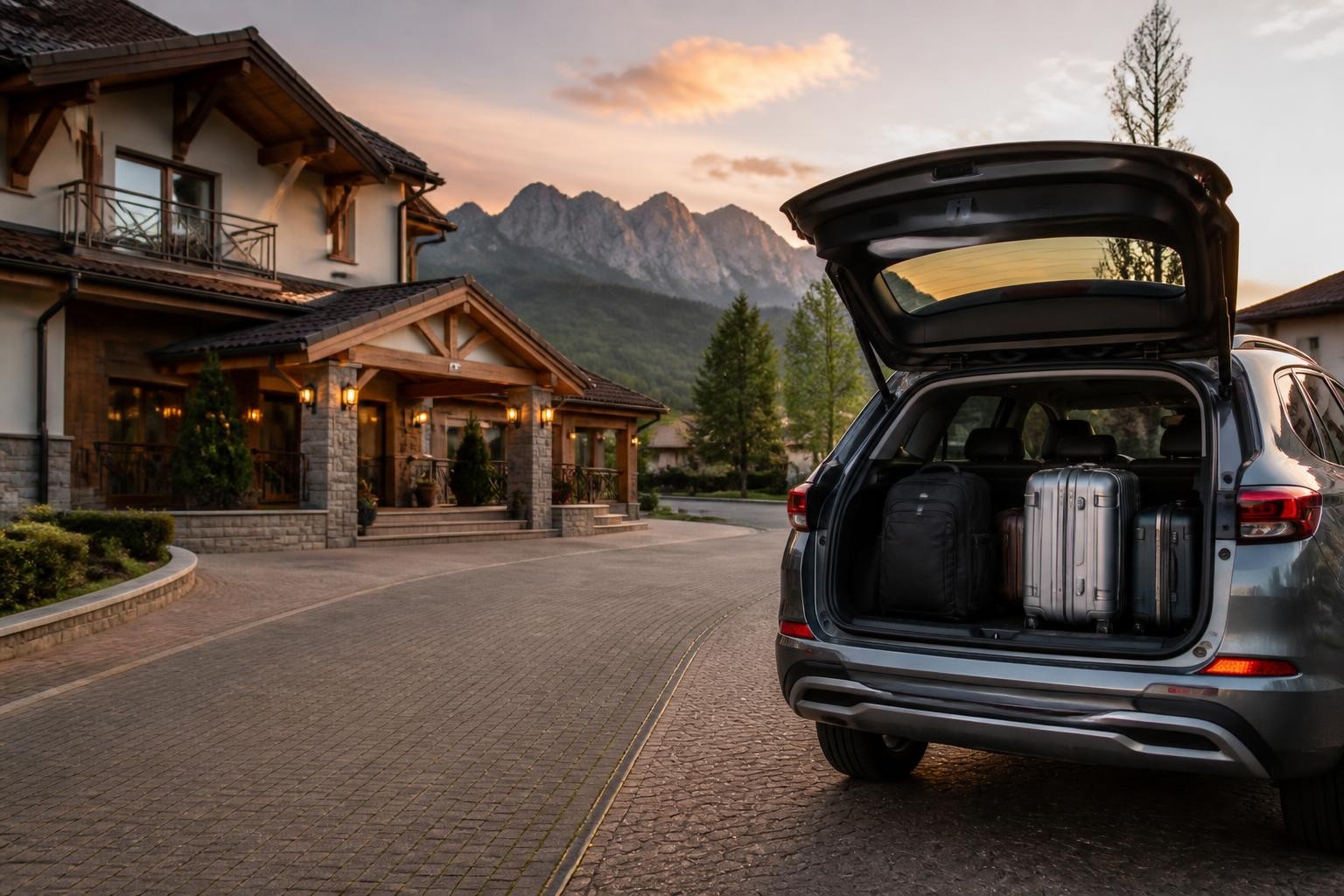
The fastest way to make a road trip feel rushed is changing hotels every night. Checkouts, packing, parking, finding the next room, and reorganizing the car eat more time than they appear to on paper.
I prefer two or three nights in the same base whenever several good destinations sit within day-trip range. That is why routes like my northern Michigan road trip use Traverse City and Petoskey as anchors instead of moving every evening.
My Daily Driving Rule
On a sightseeing day, I usually want no more than about three hours of pure driving and often much less. Four hours can still work when the road itself is scenic, while six hours usually turns the day into a transfer.
I am much more willing to drive five or six hours on the first or last day when the purpose is simply reaching the region. I do not want to repeat that in the middle of a vacation.
Why Map Drive Times Are Too Optimistic
Navigation estimates generally tell you how long the road takes under current or modeled conditions, not how long your actual road-trip day will take. Gas, bathrooms, food, viewpoints, construction, wildlife, parking, and the fact that somebody will want coffee all add time.
For a normal highway transfer, I add at least twenty to thirty minutes for every few hours of driving. For scenic roads, I may double the map time and still expect to arrive later than planned.
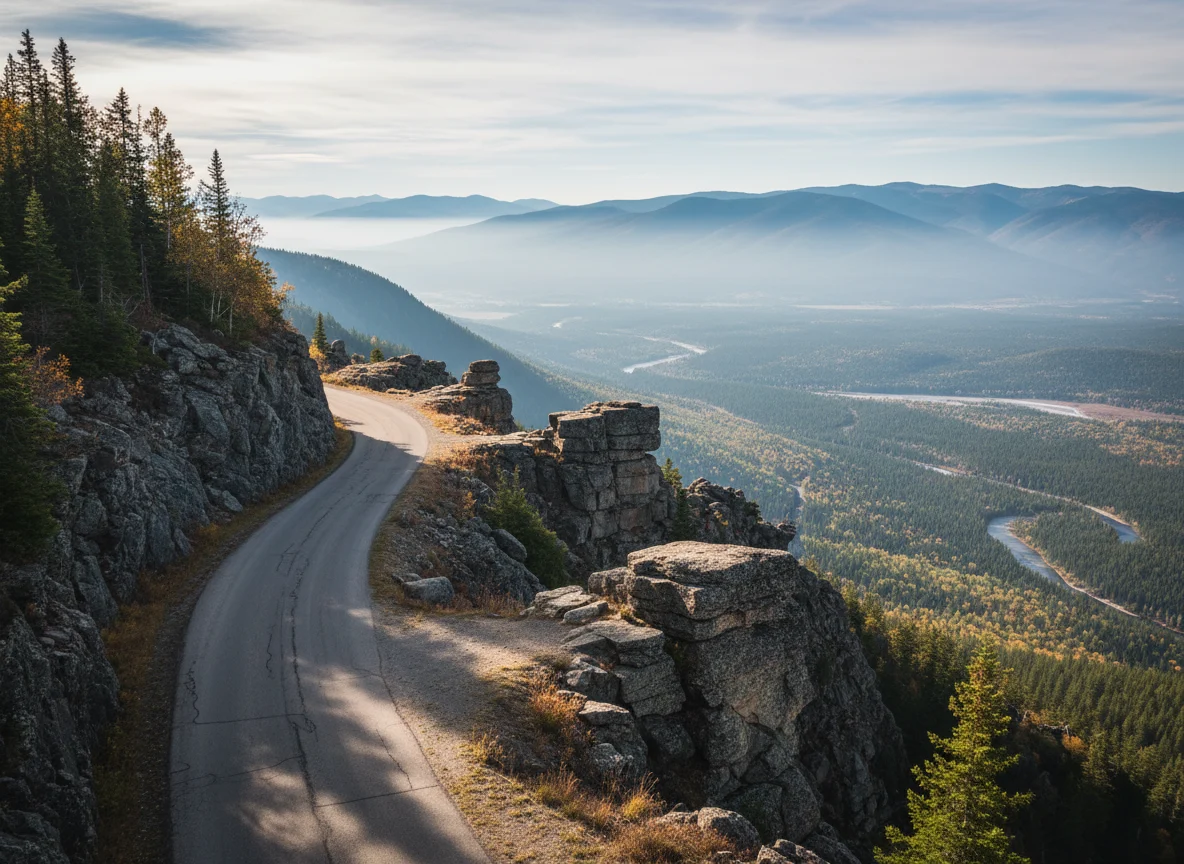
A Three-Hour Scenic Drive Is Usually an All-Day Activity
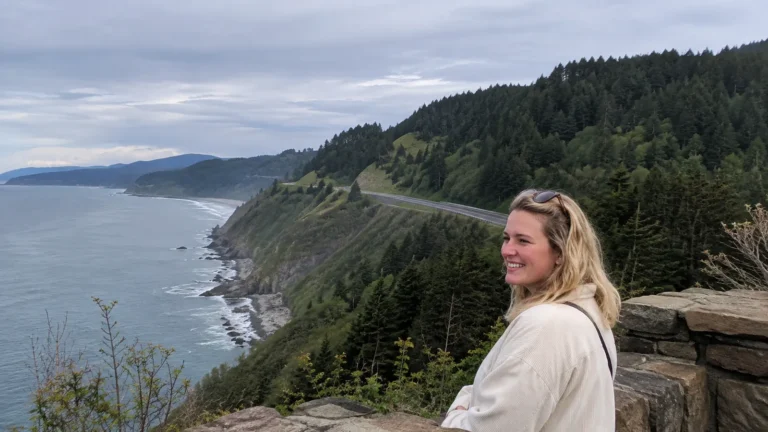
This is especially true on places like the Oregon Coast, Blue Ridge Parkway, Great River Road, and Lake Superior shore. A route showing three hours between hotels can easily fill eight hours once you stop for beaches, overlooks, hikes, and lunch.
My Oregon Coast itinerary deliberately keeps mileage low for exactly that reason. The road is not dead time between attractions when the road is one of the attractions.
Build Each Day Around One Anchor
I like one main activity per day, then one or two flexible stops around it. The anchor might be a national-park hike, a boat trip, a museum, a scenic drive, or a town I want to explore slowly.
If the anchor takes longer than expected, the flexible stops can disappear without ruining the trip. When every stop is a must-do, one delay makes the entire day feel late.
Use Geographic Order, Not Popularity Order
Sometimes the famous stop is not the first stop. I arrange attractions so the route flows logically instead of ranking them by how excited I am to see them.
That means avoiding unnecessary doubling back and grouping places that sit naturally along the same road. A road trip should look like a route, not a child connecting dots randomly on a map.
Do Not Cross the Same Town Three Times
If the itinerary sends you through the same intersection repeatedly, it probably needs another look. Sometimes backtracking is unavoidable, especially in national parks or peninsulas, but repeated unnecessary crossings usually mean the hotel base or stop order is wrong.
Before booking hotels, I draw the rough route and note where the day ends. That catches a surprising number of plans where a cheaper hotel quietly adds an hour of repeated driving.
Choose the Hotel Based on the Evening
I often care more about where I want to be at 7 p.m. than where I want to be at 8 a.m. A walkable harbor, small downtown, or mountain town can make the evening part of the vacation.
My road trip hotel guide goes deeper into this. The short version is that a hotel ten minutes closer to tomorrow’s trailhead is not automatically better than the one where you can walk to dinner tonight.
Plan the Longest Drives First
I mark every drive over about four hours before I add sightseeing. Those are the days most likely to break the rhythm of the trip.
Then I ask whether each long drive can be shortened with a better overnight, turned into a scenic day with worthwhile stops, or moved to the beginning or end. If none of those work, I question whether the destination belongs in the trip at all.
Do Not Add a Destination Just Because It Is Close
This is one of my favorite bad habits. A place that is forty miles away can still add several hours once parking, sightseeing, and returning to the route are included.
I ask whether I would travel to that destination if it were an hour farther away. If the answer is no, it was probably only on the itinerary because the map made it look convenient.
Protect One Slow Morning Every Few Days
On a trip longer than four or five days, I want at least one morning where nobody has to leave the hotel at 7 a.m. That can mean brunch, laundry, a short walk, or simply sitting on a balcony with coffee.
The slow morning is not wasted time. It keeps the next three days from feeling like work.
Use Two-Night Stops as Recovery Points
Two-night bases are especially valuable after the longest transfer days. You arrive, sleep, and then wake up without packing again.
I use this pattern on longer routes such as my Lake Superior Circle Tour. The extra night lets the destination become somewhere you stayed instead of somewhere you refueled.

Keep Weather-Dependent Activities Flexible
Boat trips, mountain roads, ferries, beaches, scenic flights, glacier outings, and exposed hikes should never be the only thing a day can become. I want a nearby backup that still feels worthwhile.
This matters even more when the activity is early in the trip. A canceled boat on day two can sometimes move to day three; a canceled boat on the final morning usually cannot.
Do Not Put the Most Fragile Logistics on Departure Day
I avoid ferries, long mountain passes, border crossings, or weather-sensitive roads immediately before an inflexible flight or cruise. The final day should become simpler as the departure approaches.
My Florida pre-cruise road trips all return to the port area the night before embarkation for exactly this reason.
Build Around Daylight
A six-hour scenic drive in June is not the same trip in November. I check sunset before finalizing rural or mountain days because I want the prettiest roads to happen while I can see them.
I also avoid planning unfamiliar wildlife-heavy roads for dusk when possible. Deer, elk, moose, and other animals are not improved by darkness and fatigue.
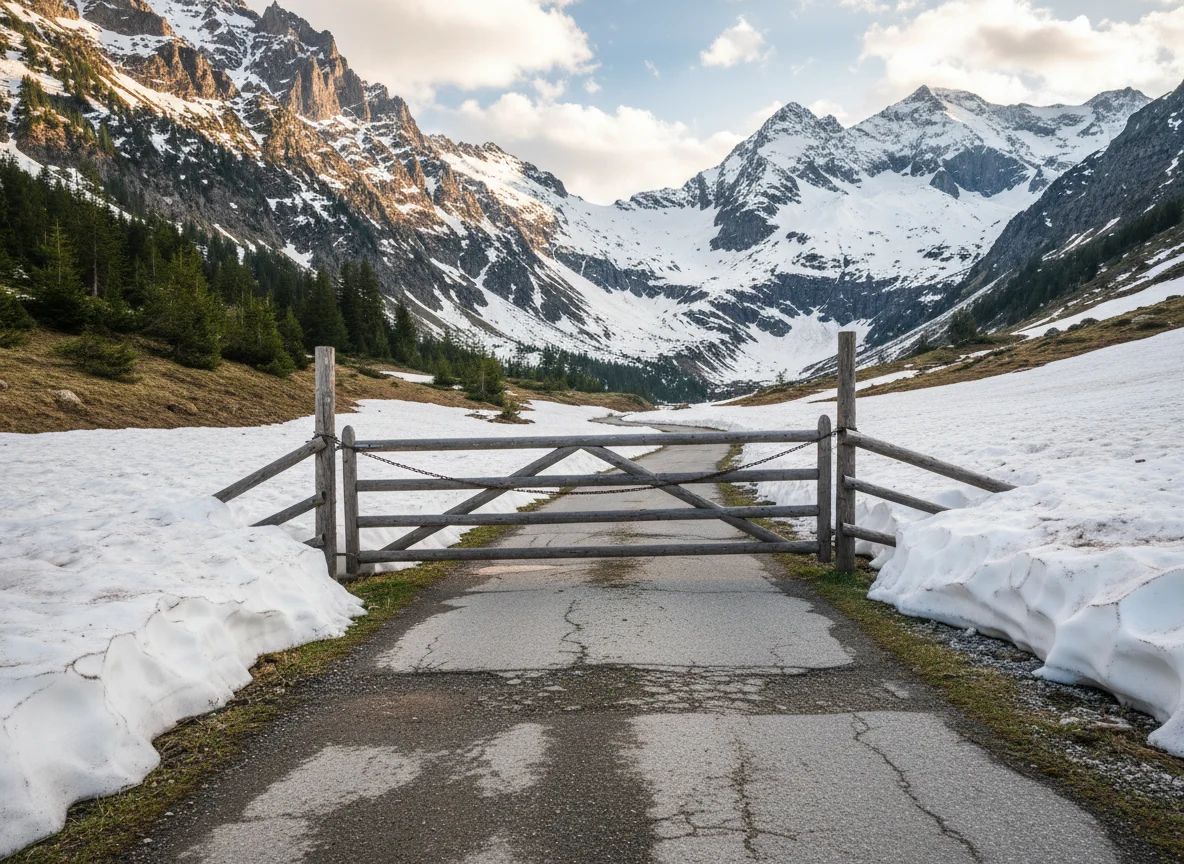
Check Seasonal Road Closures Before Booking
Mountain passes, national-park roads, ferry routes, and scenic highways can be seasonal or weather-dependent. I check the official road authority or park before I book a hotel that depends on one specific road being open.
For U.S. routes, the Federal Highway Administration links to each state’s 511 traveler-information service. I still use the individual park or road agency when a specific seasonal route matters.
Use Google Maps as a Tool, Not the Itinerary
Google Maps is excellent for testing geographic order, estimating driving, saving places, and checking alternatives. It is not excellent at telling you whether you will want two hours in a town or six hours in a national park.
My Google Maps road-trip guide covers the practical setup. I use the map to support the plan, not to decide what deserves my time.
Worked Example: Fixing an Overstuffed Wisconsin Weekend
Imagine a Friday-to-Sunday trip from Madison with Spring Green, Devil’s Lake, Wisconsin Dells, New Glarus, Mineral Point, and Galena on the list. The map makes that look vaguely possible because none of them are cross-country distances.
The itinerary is still terrible. You would spend the weekend repeatedly packing the car, checking the clock, and leaving places you liked because the next dot was waiting.
Step 1: Pick the actual goal
If the goal is Driftless scenery and small towns, remove Devil’s Lake and Wisconsin Dells. They belong to a different kind of weekend.
Step 2: Choose one base
Stay two nights around Spring Green, Mineral Point, or another location that matches your priorities. The hotel becomes a base rather than another stop.
Step 3: Give Saturday one anchor
Make Taliesin, House on the Rock, a long Driftless drive, or Mineral Point the main Saturday plan. Add another town only when time and interest still exist.
Step 4: Keep Sunday on the way home
Choose one stop that moves you naturally toward Madison. The weekend now has a shape instead of a pile of destinations.
Worked Example: Fixing a National Park Week
Another common mistake is putting five national parks into seven days because the driving lines connect. Utah’s Mighty Five is the perfect example.
My Mighty Five road trip uses ten days because every park deserves at least a full day and the scenic roads between them are worth stopping for. The route becomes dramatically better when Capitol Reef is not a lunch break.
How Many Stops Per Day?
For me, three named stops is plenty on most road-trip days, and one may be enough when it is a major park or city. I leave room for places that appear naturally along the way.
An itinerary with eight attractions can still work if most are viewpoints along one road. Eight separate parking, ticketing, and walking experiences usually cannot.
How I Use Reservations
I reserve the things that could ruin the trip if unavailable: the hotel, ferry, permit, famous restaurant I genuinely care about, or timed park entry. I leave lower-stakes meals and stops flexible.
Too many reservations turn a road trip into a chain of appointments. Too few can make the important experience impossible, so the goal is deciding which is which.
Leave a Buffer Day on Long Trips
For a trip of ten days or more, I love having one day that can move. Weather, illness, road closures, or simply loving a destination more than expected can use it better than I can plan from home.
If nothing goes wrong, the buffer becomes a slow day. That is one of the nicest problems a road trip can produce.
My Final Route Check
- Does every destination have a clear reason to be on the trip?
- Are there at least a few two-night hotel stays?
- Are the longest drives placed where they hurt the trip least?
- Does each sightseeing day have one main anchor?
- Are weather-dependent plans flexible?
- Are scenic roads scheduled in daylight?
- Have seasonal roads and ferries been checked?
- Is the last day simpler than the middle of the trip?
Two More Planning Resources I Use
Google’s saved-list guidance is useful when organizing possible stops, while the NHTSA drowsy-driving guidance is worth reading before a route with long transfer days. Route efficiency never matters more than staying alert.
The Route Should Feel Easier Than the Spreadsheet
I love planning, but the finished itinerary should not make you feel like you are managing logistics for a touring band. The route is good when the geography disappears into the trip and you mostly notice the places themselves.
If cutting one destination makes the whole vacation feel calmer, I cut it. There will always be another road trip.