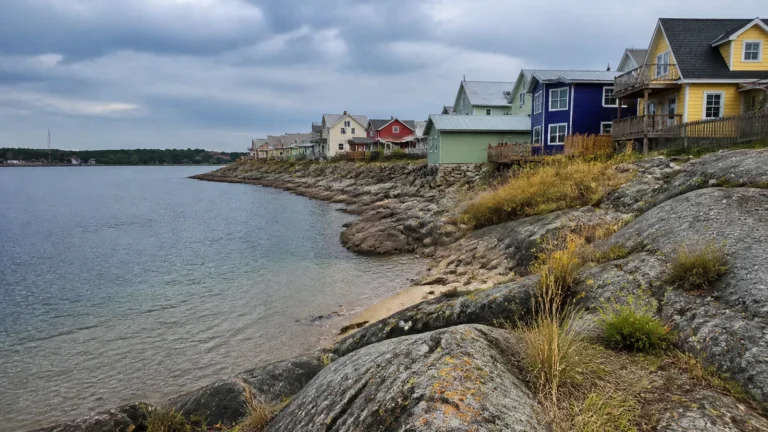
Nova Scotia Road Trip: Coastal Towns, the Cabot Trail, and Memorable Detours
A working harbor, something good from a bakery, and an Atlantic view would make me very happy to take the slower road through Nova Scotia.
I would give the province ten days, spend real nights in the towns you came to see, and save several days for Cape Breton so the Cabot Trail feels like a vacation instead of a very pretty lap around an island.
The Ten-Day Nova Scotia Route
- Day 1: Halifax
- Day 2: Peggy’s Cove, Mahone Bay, and Lunenburg
- Day 3: Lunenburg and the South Shore
- Day 4: Annapolis Valley and Bay of Fundy
- Day 5: drive to Cape Breton and stay in Baddeck
- Day 6: Baddeck to Ingonish
- Day 7: Ingonish through Cape Breton Highlands National Park
- Day 8: Chéticamp and the western Cabot Trail
- Day 9: Cape Breton to mainland Nova Scotia
- Day 10: Halifax or a flexible coastal day
Tourism Nova Scotia itself recommends roughly seven to ten days for first-time visitors who want to combine Halifax, the South Shore, the Bay of Fundy, and Cape Breton. I agree with the slower end of that range because coastal roads have a way of turning one planned stop into four.
If this is part of a bigger Canadian road trip, my Canada road trip guide can help you compare Nova Scotia with other regional routes. This itinerary stays intentionally focused on one province so you can actually enjoy the coast.

Day 1: Halifax
Start with a full day in Halifax and keep the rental car parked once you settle in. The waterfront, historic streets, museums, restaurants, and harbor give you enough to do without beginning the trip with another driving day.
Walk the waterfront first
The Halifax waterfront is the easiest place to get oriented and immediately feel the city’s connection to the Atlantic. Wander, have lunch, and choose one substantial museum or historic stop instead of trying to collect every attraction before dinner.
Stay somewhere useful
I would pay more for a walkable first night if the budget allows. A hotel that lets you reach dinner and the waterfront without moving the car makes arrival day feel much more like a vacation.

Day 2: Peggy’s Cove to Lunenburg
Leave Halifax and follow the South Shore toward Peggy’s Cove, then continue through Mahone Bay to Lunenburg. Tourism Nova Scotia’s own South Shore itineraries use this same sequence because the stops fit naturally without forcing much backtracking.
Peggy’s Cove
The lighthouse is famous, but the exposed granite shoreline is what makes the setting memorable. Stay off wet, dark rocks near the water because Atlantic waves can sweep across the granite far more aggressively than the scene looks from the parking area.
Walk through the working village as well as the lighthouse area, then continue before the day becomes entirely about one photograph. The official South Shore itinerary is a useful live reference for current stops between Halifax and Lunenburg.
Mahone Bay
Mahone Bay makes a good lunch or coffee stop because the compact waterfront and shops are easy to enjoy without a complicated plan. The famous church view is worth seeing, but I would give the town more than a drive-by photo.
Stay in Lunenburg
Old Town Lunenburg is a UNESCO World Heritage Site, and the colorful waterfront feels much better when you can walk it after the day visitors thin out. Book an inn or small hotel in or near the historic center and keep the evening simple.
Day 3: Lunenburg and the South Shore
Give Lunenburg a proper morning rather than checking out immediately. Walk the steep streets, learn some maritime history, and spend enough time at the harbor to understand why this is more than a photogenic collection of buildings.
Choose one maritime experience
A museum, sailing trip, harbor experience, or walking tour can anchor the morning depending on season. If Bluenose II or another sailing experience matters to you, check the current schedule directly rather than assuming a ship will be in port.
Use the afternoon for a smaller coastal stop
Blue Rocks, Chester, or another South Shore community can fill the afternoon without needing a grand itinerary. I would choose one based on the weather and where you want to sleep next instead of zigzagging down every peninsula.
Day 4: Annapolis Valley and the Bay of Fundy
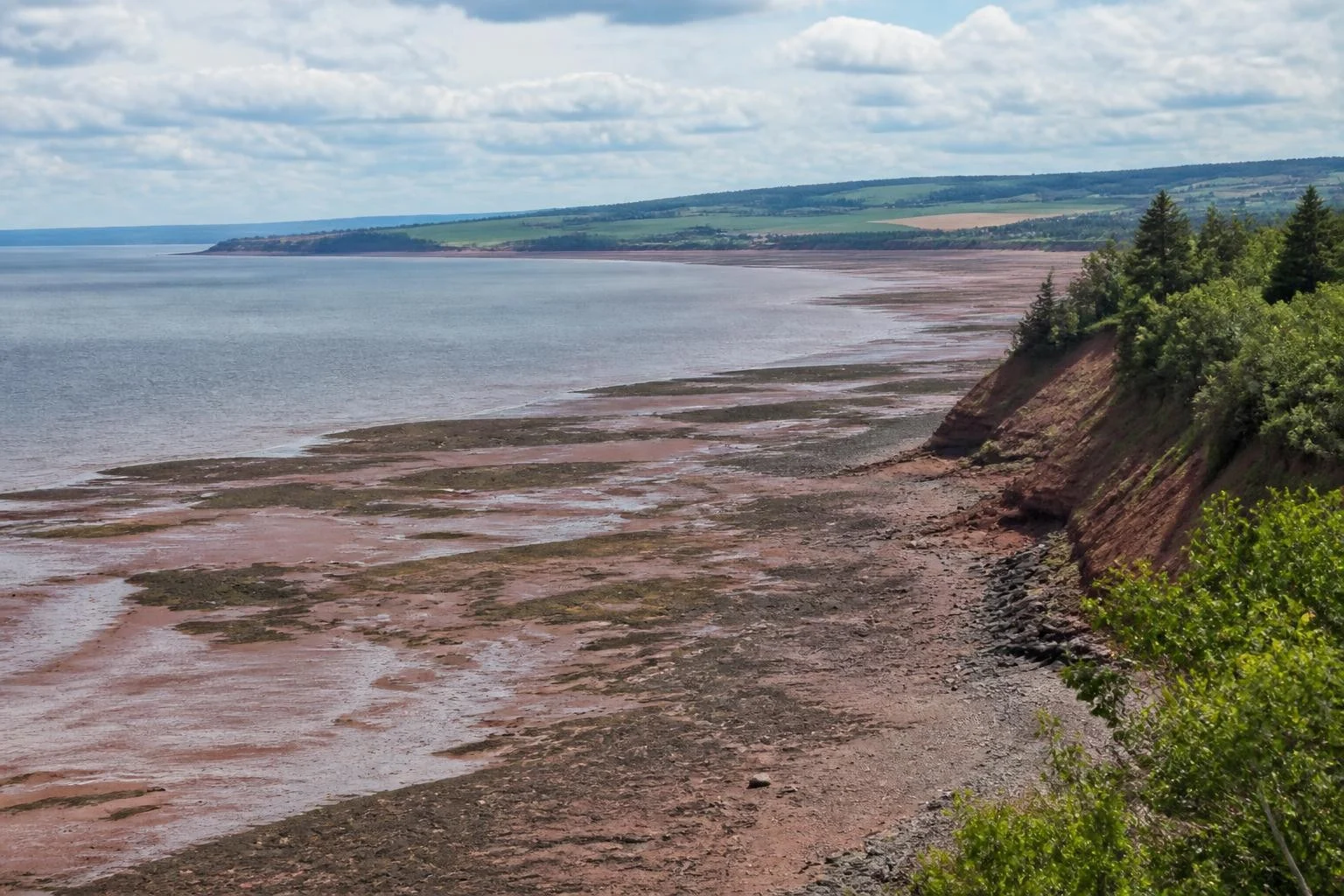
Turn inland toward the Annapolis Valley for a completely different Nova Scotia day. Farms, vineyards, small towns, and the Bay of Fundy give you a break from fishing villages without losing the province’s coastal personality.
Choose wine, tides, or both
If wineries interest you, build a relaxed tasting day with a sober driver or appropriate transportation. If the Bay of Fundy is the priority, research tide timing before choosing a shoreline experience because the visual difference between high and low tide is the whole point.
Do not treat a tide schedule like a normal attraction opening time. Arrive with margin and use official local information when walking on exposed seabed or around tidal areas.
Stay in Wolfville or nearby
Wolfville makes a comfortable overnight because restaurants and lodging are concentrated enough to keep the evening easy. It also positions you well for the longer Cape Breton drive tomorrow.
Day 5: Drive to Cape Breton and Stay in Baddeck
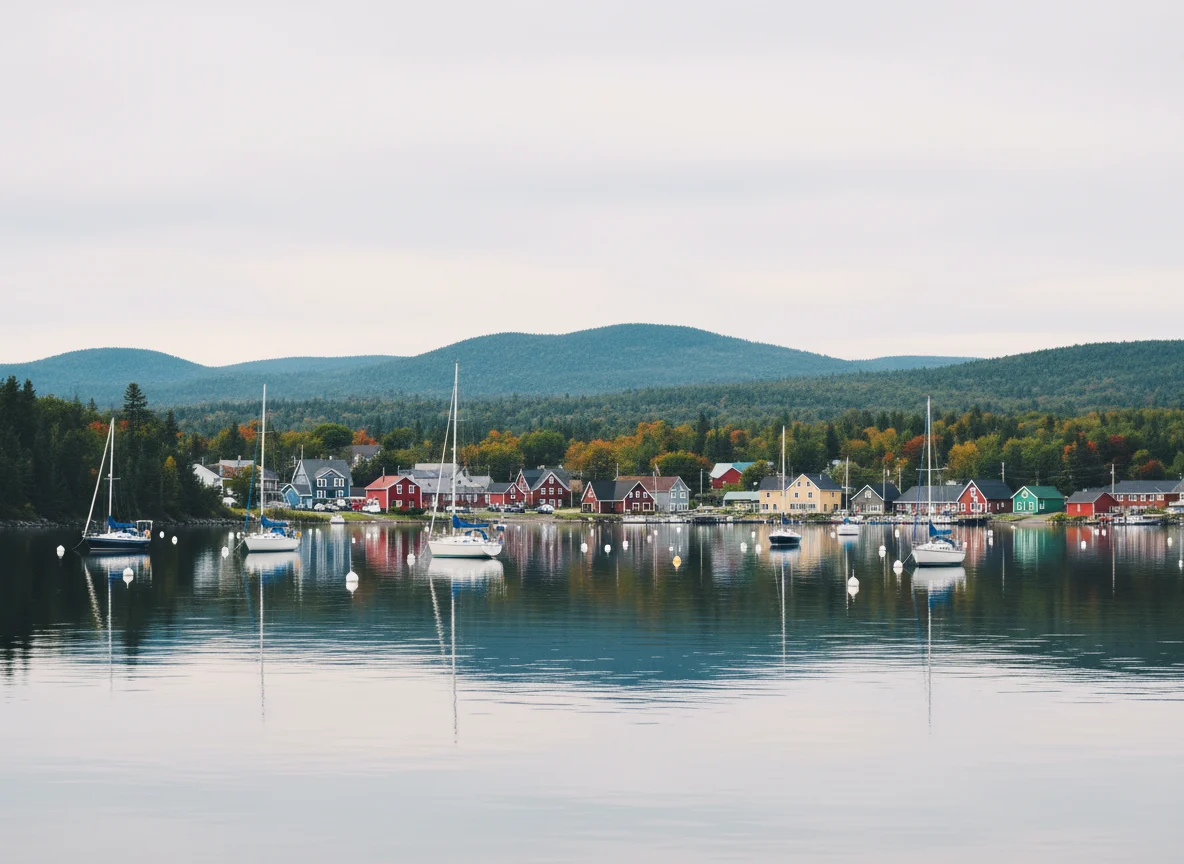
This is one of the longer relocation days, so I would not attach a major Cabot Trail sightseeing plan to it. Reach Baddeck, walk along Bras d’Or Lake, and let the evening be the reward for the drive.
Baddeck is more than a staging area
The town sits on the Bras d’Or Lakes and works beautifully as the gentler introduction to Cape Breton. Tourism Nova Scotia uses Baddeck as the first overnight in its own four-to-five-day Cabot Trail itinerary, which is a pace I much prefer to circling the trail in one day.
If history interests you, the Alexander Graham Bell National Historic Site can be part of the afternoon when timing works. Otherwise, save your energy for the highlands ahead.
Day 6: Baddeck to Ingonish
Begin the Cabot Trail counterclockwise and move toward Ingonish. The official provincial itinerary recommends this direction because it keeps you close to the coastline for much of the route, though either direction can work.
Give the Cabot Trail several days
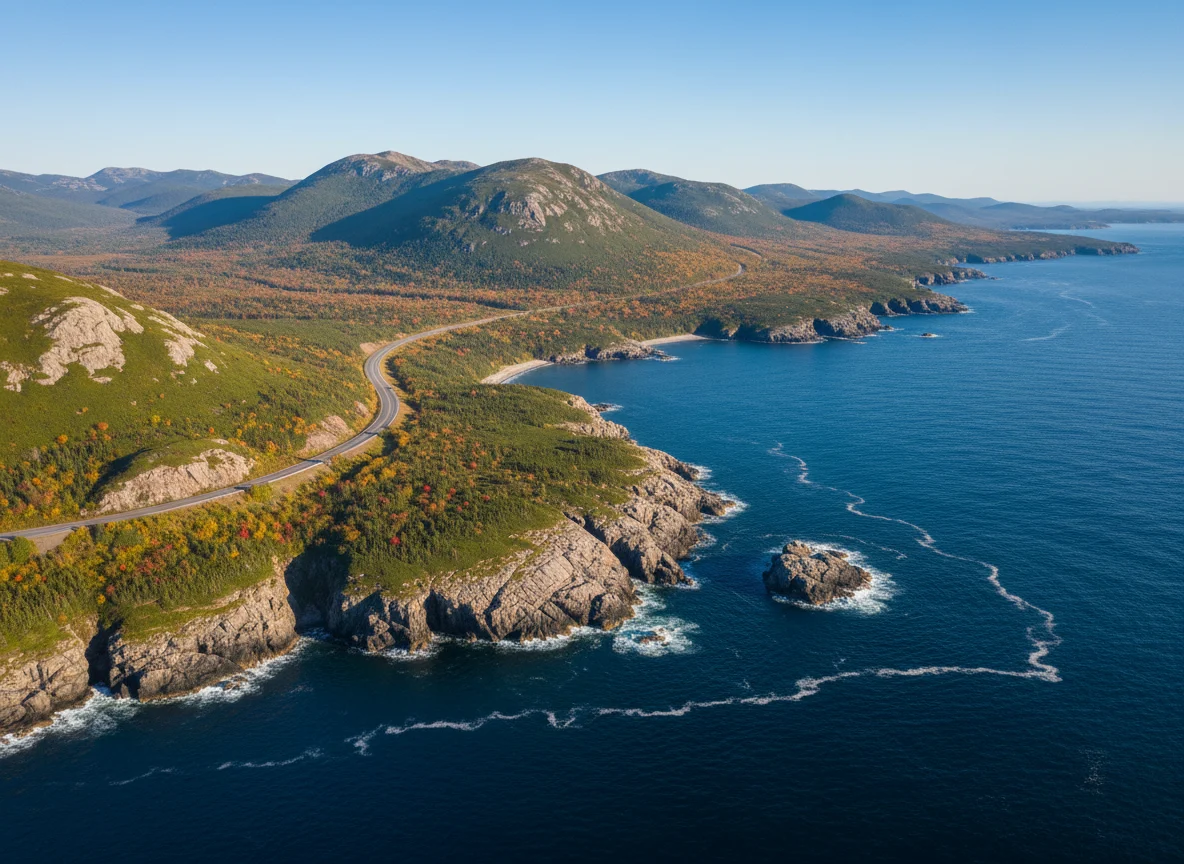
The Cabot Trail makes a loop of about 185 miles around northern Cape Breton. I would spread it across several days so the coastal villages, beaches, overlooks, and trails get more attention than the odometer.
Stay in Ingonish
Give the eastern side of Cape Breton Highlands National Park an afternoon and evening instead of blowing straight through. Beach, trail, and mountain views make this a destination, not simply the next hotel on a loop.
Day 7: Cape Breton Highlands National Park
Today belongs to the national park, and I would choose one significant hike plus several scenic stops. The park has 26 hiking trails, which is more choice than anyone needs in a single day.
Check the park before leaving
Use the Parks Canada page for current trail conditions, closures, fire restrictions, visitor services, and wildlife information. Coastal and highland weather can change quickly, sometimes giving you fog, sun, rain, and wind within the same day.
Do not overpack the hiking day
Pick one trail that matches your ability, then use overlooks and shorter walks for the rest. Cape Breton is beautiful enough that you do not need to prove it by hiking from breakfast until dinner.
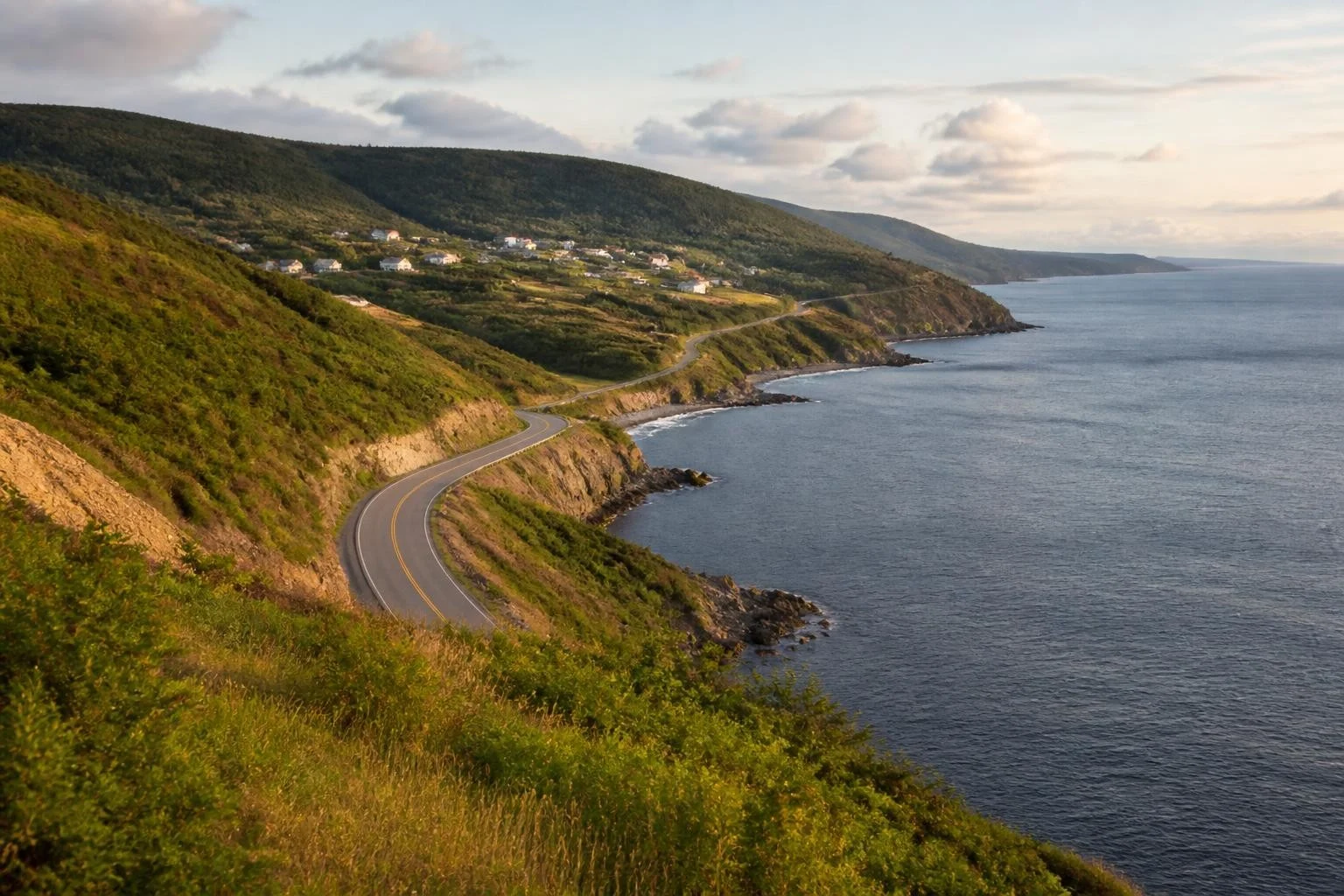
Day 8: Skyline Trail and Chéticamp
Move toward the western side of the park and Chéticamp, with the Skyline Trail as an option if it fits your interests. This famous trail now requires more advance planning than older Nova Scotia itineraries suggest.
Skyline Trail parking reservations are required in peak season
For the 2026 season, Parks Canada requires a paid parking reservation to access the Skyline Trail from June 26 through October 25. Once reservation capacity is full, there is no trail access by roadside parking or drop-off, so check the current Skyline page before your trip.
The reservation system may evolve in future seasons, which is why I would not treat the 2026 procedure as permanent. The habit that should stay permanent is checking before arrival.
Spend the evening in Chéticamp
Chéticamp gives you Acadian culture, restaurants, local crafts, and a comfortable finish to the western park day. Stay the night rather than continuing around the island after a long trail-and-overlook day.
Day 9: Cape Breton Back to Mainland Nova Scotia
Leave Chéticamp or Baddeck and make today the main relocation day back toward the mainland. If you have another night available, I would break the trip somewhere interesting rather than automatically returning to Halifax.
Take one memorable detour, not five
A coastal road, small community, or cultural stop can make the transfer day feel worthwhile. Just remember that Nova Scotia’s winding roads routinely take longer than the straight-line distance suggests.
Day 10: Halifax or Your Weather Buffer
Use the final day for Halifax, a missed South Shore stop, or simply an easy morning before your flight. A buffer at the end is especially valuable on a trip with ferries, boat excursions, coastal weather, and several long rural driving days.
If everything went perfectly, do less. Ten days of scenery does not need one final heroic sightseeing push.
Where I Would Stay
Halifax: one or two nights at the beginning and possibly the final night. A central hotel reduces driving and parking stress.
Lunenburg: at least one night because the historic waterfront is one of the places where evening atmosphere genuinely changes the visit.
Wolfville: ideal for the Annapolis Valley and Bay of Fundy portion, especially if food and wineries matter.
Baddeck: an easy first Cape Breton base and good rest point before the highlands.
Ingonish and Chéticamp: one night on each side of the national park keeps the Cabot Trail from becoming an exhausting loop.
Best Time for a Nova Scotia Road Trip
Summer
Summer offers the broadest range of tours, restaurants, park services, and long daylight. Distinctive inns and Cape Breton lodging book early, especially in July and August.
Early fall
September into October can be beautiful, especially on Cape Breton when fall color develops. The Celtic Colours International Festival also draws visitors in October, so lodging can become scarce even after the main summer season.
Late fall through spring
Parts of the province remain very enjoyable, but seasonal businesses and visitor services can close or reduce hours. The Cabot Trail remains a public road, yet the full summer-style itinerary should not be assumed to operate unchanged.
Coastal Weather Is Part of the Trip
Fog can erase a view you drove an hour to see and then lift twenty minutes later. Pack layers, keep one flexible activity each day, and do not treat changing weather as a failed itinerary.
Before driving, check 511 Nova Scotia for road conditions, construction, incidents, weather alerts, and ferry status. It is the province’s official traveler-information service and much more useful than guessing from a generic navigation app.
Driving Tips That Matter
- Fuel up before long Cape Breton stretches rather than waiting for the warning light.
- Download maps because cell service weakens in remote coastal areas.
- Expect winding roads to take longer than the mileage suggests.
- Watch for wildlife, cyclists, and sudden fog in the highlands.
- Check ferry status before building a day around a coastal crossing.
- Finish unfamiliar scenic driving before dark when possible.
My road trip tips cover the standard car-prep side. In Nova Scotia, I would add a little more fuel margin and a lot less confidence in arrival times.
What to Eat Along the Way
Make room for lobster, scallops, mussels, chowder, local fish, bakery stops, Annapolis Valley produce, and whatever small restaurant looks busiest with locals. One seafood dinner per day is plenty if you want each one to remain memorable.
Baddeck Lobster Suppers is one current example highlighted by Tourism Nova Scotia on the official Cabot Trail itinerary, while Lunenburg and Halifax offer much broader restaurant choices. Confirm days and hours directly because seasonal dining schedules can change quickly.
Keep the Packing Simple for the Coast
My road trip packing list fits Nova Scotia well because layers and rain protection matter much more than bringing a huge amount of clothing. I would leave room in the car for local food, wet jackets, and whatever coastal find makes it home with you.
My Favorite Version of Nova Scotia
For ten days and nine nights, use one Halifax night at the start, two around Lunenburg, one in the Annapolis Valley, four across Cape Breton, and one final night near Halifax. That matches the route above and leaves day ten for an easy departure or a final local stop.
Nova Scotia looks compact because almost everything is near water. Once you start following that water instead of the fastest road, ten days suddenly feels exactly right.