Sedona to the Grand Canyon: A Five-Day Arizona Road Trip
Sedona and the Grand Canyon are close enough to pair beautifully and different enough that the trip feels like Arizona changes scale on you every single day.
I would give this route five days, keep the hiking optional rather than mandatory, and let the drive through Oak Creek Canyon and the high country be part of the vacation instead of a transfer between famous viewpoints.
The Five-Day Arizona Route
- Day 1: arrive in Sedona and explore gently
- Day 2: full day in Sedona
- Day 3: Sedona to Flagstaff and the Grand Canyon South Rim
- Day 4: full day at the Grand Canyon
- Day 5: Desert View Drive and departure
I would stay two nights in Sedona and two near the South Rim. That gives you only one hotel change and protects enough time at the canyon that you are not arriving, taking one photo, and immediately calculating the drive back to Phoenix.
If you enjoy national-park road trips, my Utah Mighty Five itinerary uses a similar slower approach. Arizona works especially well when you let altitude, weather, and heat decide how ambitious each day should be.
Day 1: Arrive in Sedona Without Overplanning It
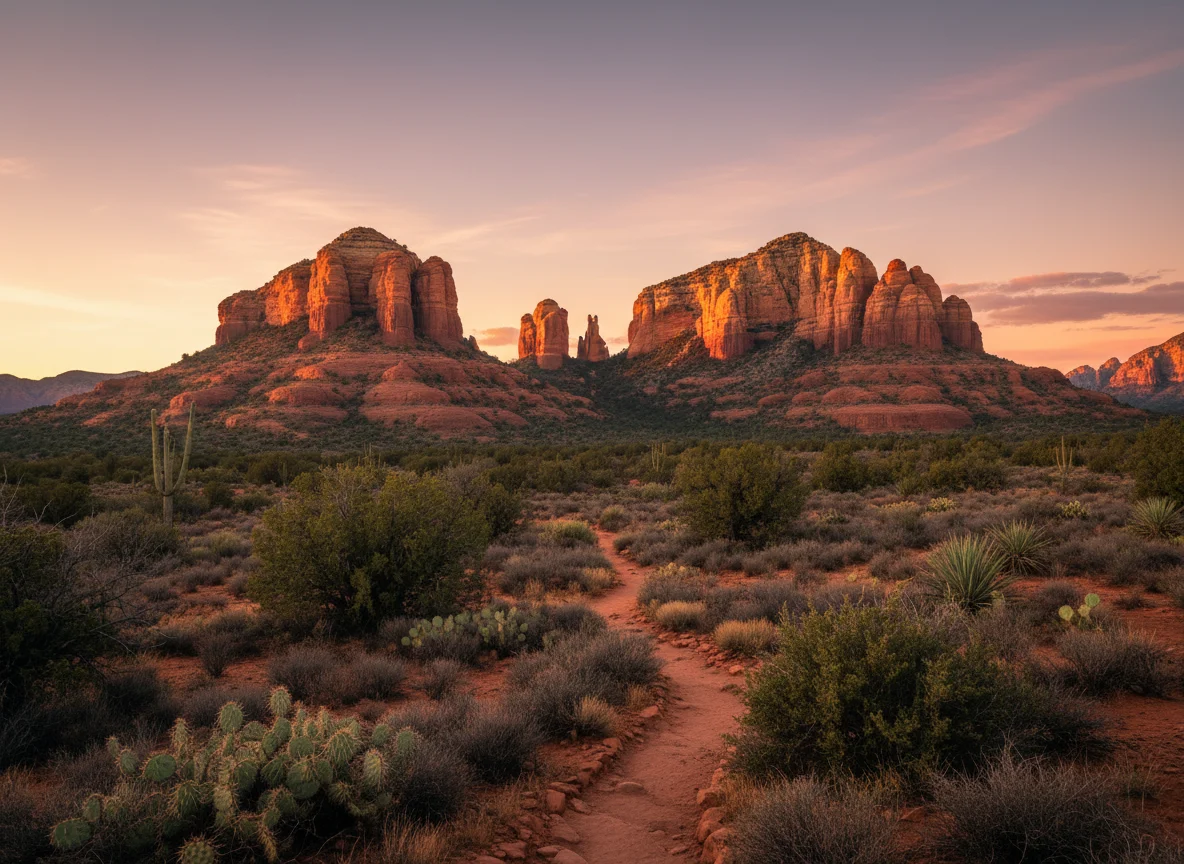
Sedona is visually dramatic before you do anything, which is why I would not schedule a three-hour hike immediately after a flight or long drive. Check in, walk around, find a viewpoint, and let the red rock do some of the work.
Use sunset as the first event
Pick an accessible viewpoint or short walk that does not require fighting for a tiny trailhead parking lot. Sedona’s most popular trailheads can be extremely busy, especially on weekends and holidays.
The free Sedona Shuttle currently serves several popular trailheads Thursday through Sunday year-round. Check the live route and schedule before leaving the hotel because using the shuttle can be much easier than circling for parking.
Day 2: A Full Sedona Day
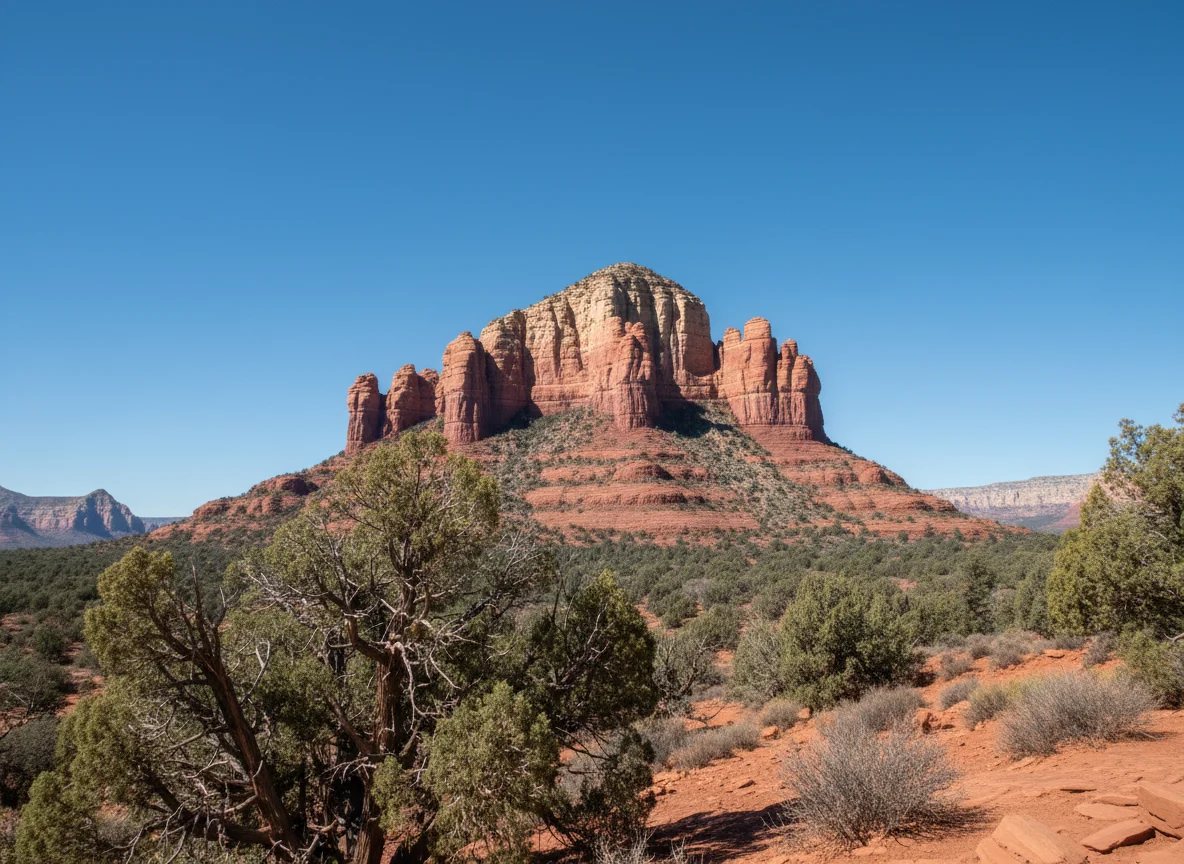
Choose one outdoor anchor and one town or food experience. Sedona becomes exhausting when every beautiful rock formation turns into a separate parking challenge.
If you want a hike
Choose a trail based on heat, elevation gain, parking, and your actual hiking experience. Start early, carry plenty of water, and avoid exposed midday hiking during hot weather.
The Coconino National Forest surrounds much of Sedona, so current forest alerts and closures matter. Check the Coconino National Forest before heading toward a trail or forest road.
If you do not want a big hike
A scenic drive, chapel stop, gallery time, spa afternoon, or shorter trail can make a wonderful day. I would not let social media convince anyone that Sedona only counts if you reached a cliff at sunrise.
Give dinner some room
Sedona is a destination where I would make one dinner reservation I actually care about, then leave the rest flexible. The scenery is better when your afternoon does not end with a frantic sprint back to town.
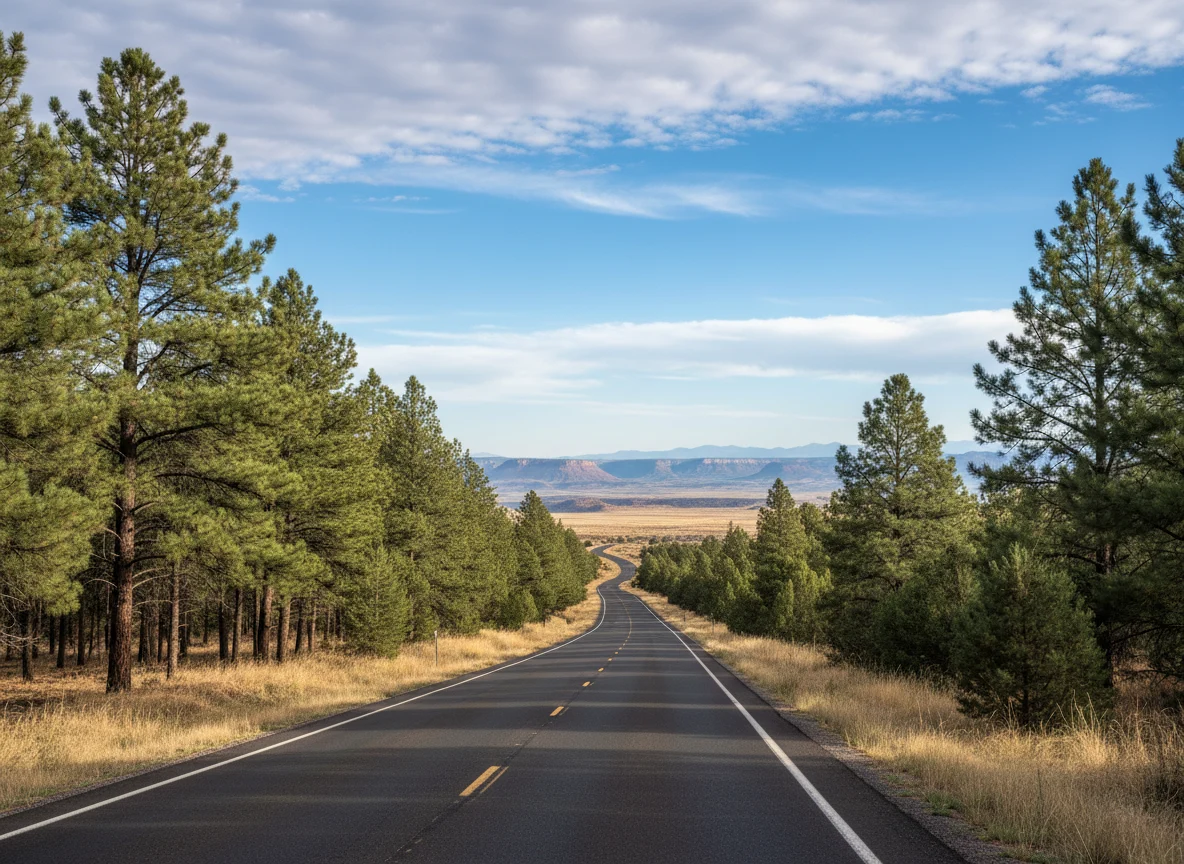
Day 3: Sedona to Flagstaff and the Grand Canyon
Drive north through Oak Creek Canyon toward Flagstaff and give the road enough time for a viewpoint or short stop. Elevation rises significantly between Sedona and Flagstaff, and the landscape changes from desert red rock to ponderosa pine surprisingly quickly.
Stop in Flagstaff
Flagstaff makes an easy lunch and coffee stop before the Grand Canyon. If you want more time here, add a night instead of trying to turn lunch into a mini city itinerary.
Reach the South Rim before sunset
The South Rim is open year-round and gives you the easiest first-time Grand Canyon experience. Check the Grand Canyon current-conditions page before arrival because road, water, fire, and trail conditions can change.
Walk to a nearby rim viewpoint after you check in and let the first canyon view be enough. There is no requirement that your first evening also include a major trail.
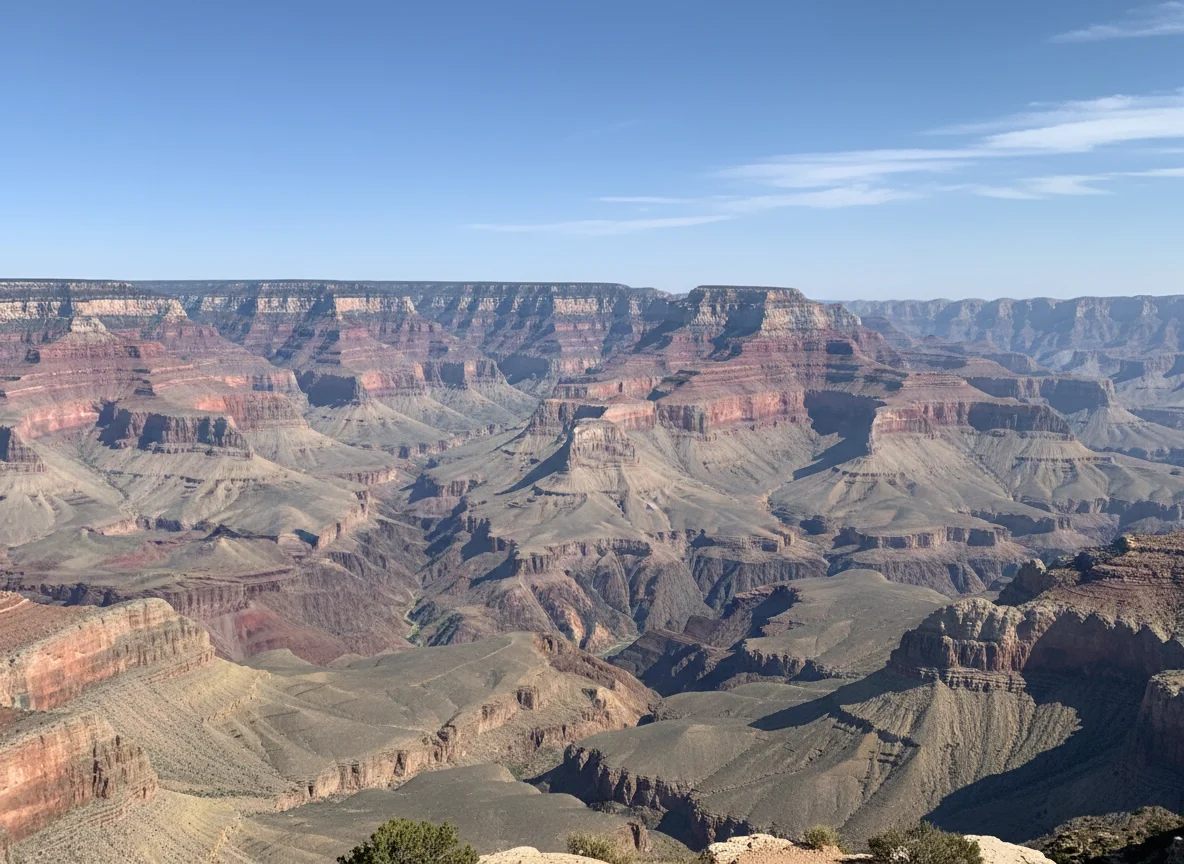
Day 4: A Full Grand Canyon Day
Today should revolve around the rim unless you are specifically trained and prepared for a more serious inner-canyon hike. The canyon is much deeper, hotter, and more strenuous than it looks from above.
Use the shuttle where it makes sense
The South Rim has free shuttle buses connecting visitor areas, trailheads, and viewpoints on seasonal routes. Park once when practical and let the shuttle remove some of the traffic and parking stress.
Walk part of the Rim Trail
The Rim Trail is my favorite recommendation for travelers who want big views without committing to a steep descent. Choose a section, use shuttle stops to shape the distance, and take your time.
If you hike below the rim
Treat every downhill step as a loan you must repay uphill. Heat rises dramatically as you descend, water availability can change, and the National Park Service regularly warns visitors not to attempt a rim-to-river day hike.
Stay for a second sunset or early evening view
The canyon changes constantly with light, clouds, and distance. I would rather see it twice from different viewpoints than spend the entire day driving between every named overlook.
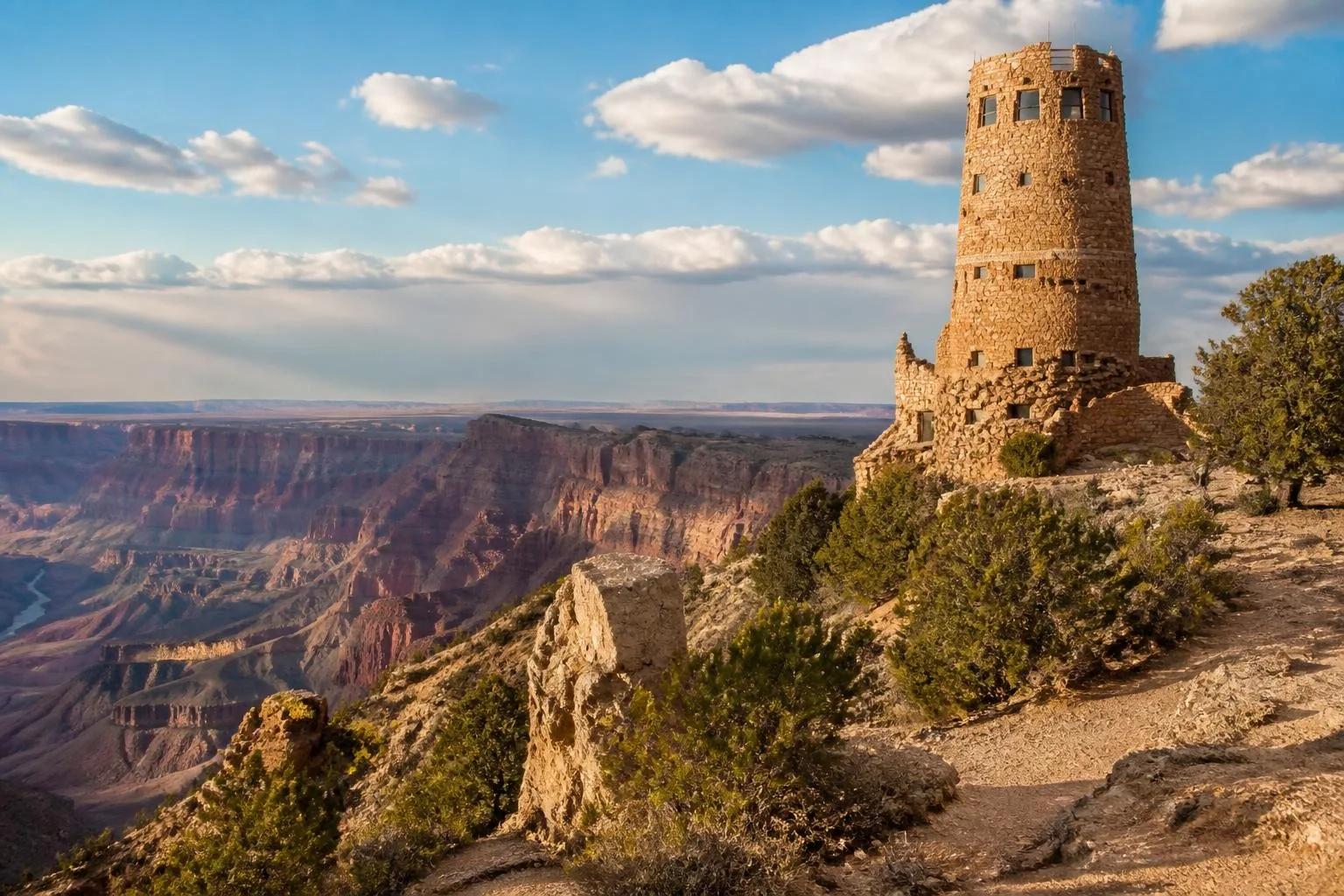
Day 5: Desert View Drive
Use Desert View Drive as your final Grand Canyon morning, especially if you are leaving toward Flagstaff or northern Arizona. The 23-mile scenic road between Grand Canyon Village and Desert View is open to private vehicles year-round unless temporarily affected by snow or other conditions.
Check the current Desert View information before setting out. Individual overlooks can close for rehabilitation even when the road remains open, so I would never build the day around one exact pullout months in advance.
Desert View
Give the eastern end of the rim enough time for the viewpoint and cultural interpretation rather than treating it as a turnaround. The perspective down the canyon and toward the Colorado River feels different from the village area.
Should You Add the North Rim?
Not to a five-day Sedona trip. The North Rim requires a substantial drive around the canyon, operates seasonally with more limited services, and is a separate destination rather than a quick opposite-side viewpoint.
In 2026, select North Rim roads and viewpoints reopened while services remain limited during recovery work. Future access will continue evolving, which is another reason I would check the NPS current-status page if you plan a dedicated North Rim visit.
Where to Stay
Sedona: stay as close as your budget reasonably allows to the part of town where you want to eat and relax. Traffic can make a cheap room on the wrong side of town feel less cheap in time.
Inside Grand Canyon National Park: worth considering if availability and price work because sunrise, sunset, and evening rim walks become much easier. Reserve well ahead for popular seasons.
Tusayan: the practical alternative just south of the park entrance. It gives you hotels and restaurants without a long drive back to Flagstaff.
Best Time for Sedona and the Grand Canyon
Spring
Spring is popular in Sedona, while the South Rim can still see cold weather or snow at roughly 7,000 feet. Pack for two climates in the same trip.
Fall
Fall brings comfortable desert conditions and cooler canyon mornings. It is one of my favorite windows, though weekends remain busy.
Summer
Summer heat makes exposed Sedona hiking much more demanding, while the South Rim is cooler than lower desert areas. Monsoon storms can create flash-flood and lightning hazards, so afternoon weather deserves attention.
Winter
Winter can be beautiful and quieter, but snow and ice are normal possibilities at the South Rim. Carry appropriate clothing and check Arizona road conditions before assuming the drive will feel like a desert vacation.
What to Pack
- Serious water capacity
- Sun protection
- Layers for the Grand Canyon
- Hiking shoes with traction
- Offline maps
- A small cooler
- Rain layer during monsoon season
My road trip tips cover normal driving preparation. For Arizona, I would move water from “nice to have” to one of the first things loaded into the car.
How Much Hiking Do You Need?
None, if hiking is not your thing. Sedona has scenic drives and short walks, while the Grand Canyon rim delivers extraordinary views without requiring you to descend.
If you do want to hike, pick one meaningful route in Sedona and one manageable canyon walk. Two good hikes are more memorable than five rushed ones with sore legs in between.
One More Sedona Stop I Would Keep Flexible
If you have a clear morning and want something gentler than a major hike, Red Rock Scenic Byway viewpoints and shorter walks can fill several hours without turning the day into an endurance test. I like having this option in reserve because Sedona weather and trailhead parking can change the best plan quickly.
Check the Coconino National Forest for current trail, road, fire, and recreation alerts before heading into the red-rock areas. I would rather choose a less famous open trail than spend the morning circling a full parking lot.
How I Would Plan Meals Between Sedona and the Canyon
Sedona is where I would make the nicer dinner reservation, while Flagstaff is a useful lunch and coffee stop on the transfer north. Once you reach the South Rim, I would keep meals simpler so sunset and shuttle timing can drive the evening.
Carry an easy snack and water in the car on the Grand Canyon day even if you plan to eat in the park. Long shuttle waits or a viewpoint that keeps you longer than expected should not turn into a reason to leave early.
One Grand Canyon Timing Tip
If sunrise is important, sleep as close to the rim as your budget allows rather than creating a predawn drive from Flagstaff. If sunset is the priority, stay long enough after the light fades that you are not joining every other visitor leaving at exactly the same minute.
The canyon is one place where the hotel location can materially change the experience. I would spend more for the right night here before spending that same amount on another paid attraction.
One Planning Guide I Would Use Before Leaving
My road trip packing list works well for this Arizona route because Sedona and the South Rim can feel like different seasons in the same week. Keep water, sun protection, and a warmer layer accessible rather than buried beneath the hotel luggage.
My Favorite Version of This Trip
I would spend two nights in Sedona, drive through Flagstaff on day three, and spend two nights at or just outside the Grand Canyon South Rim. That gives each place a complete day plus arrival time without adding another hotel.
Arizona does not need an aggressive itinerary to feel dramatic. The red rocks and canyon are already going to be bigger than whatever you planned.