Scuba Diving Quotes: Original Captions and Public-Domain Lines
The safest quote list is one you can actually use. These scuba lines are mostly original captions written for this article, with a small, clearly labeled group of verified public-domain excerpts, plus practical ways to match the words to reef photos, wreck dives, training days, and dive-buddy memories.
Quick Scuba Captions
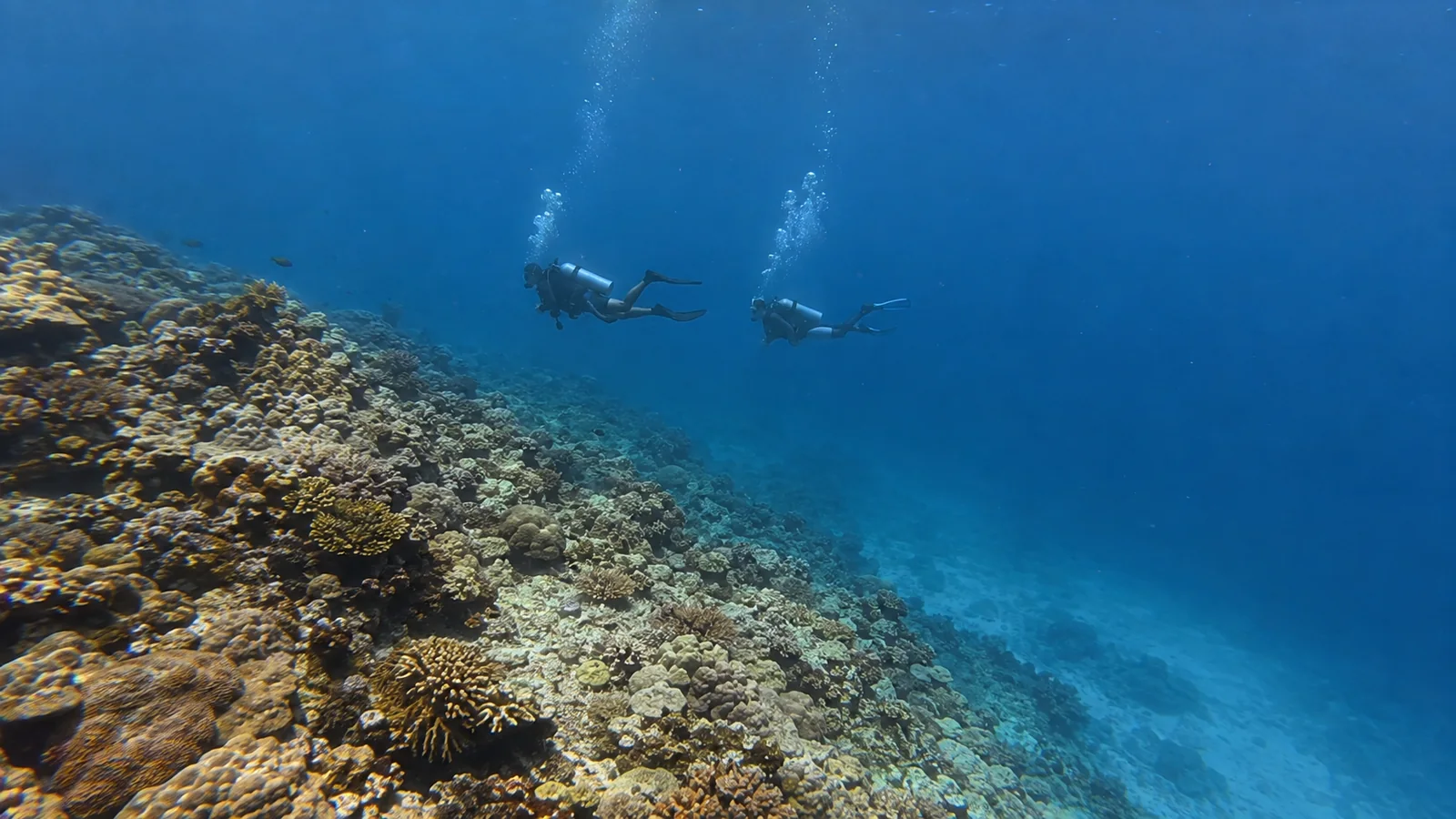
These short lines are original and designed for social posts, albums, trip recaps, and dive-log headings. You may use them as written or personalize the site, species, depth, or buddy.
- Meet me where the bubbles rise.
- Today looked better below the surface.
- Depth changes the view, not the wonder.
- One ocean, one breath at a time.
- Current mood: neutrally buoyant.
- My favorite color is dive-site blue.
- Less scrolling, more slow finning.
- The surface can wait a little longer.
- Another good day under pressure.
- Quiet water, busy reef.
- Down here, attention is everything.
- Salt water clears the calendar.
- Plan the dive, then notice everything.
- Air, buddy, reef, repeat.
- The best souvenir is a careful memory.
Original Quotes for the Feeling of Diving
A strong dive caption does not need to pretend the ocean is effortless. The most believable lines hold wonder and discipline in the same breath.
“The ocean does not become quiet when we enter it. We become quiet enough to notice.”
“A dive lasts less than a day, but it can rearrange what you pay attention to for years.”
“Underwater, wonder arrives through practice: one check, one breath, one careful kick.”
“The reef offers no performance. Its ordinary life is already extraordinary.”
“Buoyancy is the art of being present without leaving a mark.”
“A diver learns that confidence should be quiet, prepared, and willing to turn around.”
“The sea rewards curiosity, but it respects good judgment.”
“Every safe ascent carries two things upward: bubbles and a story.”
All unattributed lines in this article are original editorial copy, not sayings assigned to an “unknown” author. That distinction prevents a modern creator’s words from being stripped of credit simply because a repost lost the name.
Funny Scuba Diving Captions
Scuba humor works best when another diver recognizes the routine immediately. These original lines use familiar boat, gear, and buddy moments without turning unsafe behavior into the joke.
- I came for the reef and stayed because my wetsuit was impossible to remove.
- My dive computer has more opinions than my group chat.
- Nothing says vacation like carrying your body weight in gear.
- I speak fluent hand signal until someone asks what I meant.
- We surfaced with less air and more stories.
- The boat left on time because nobody asked me to assemble gear gracefully.
- My hair has entered its post-dive era.
- Yes, I packed light. The regulator bag does not count.
- Our buddy check included emotional support and one backward fin strap.
- The fish were impressed by my perfect impression of a floating suitcase.
- Surface interval: the part where snacks become safety equipment.
- I found inner peace somewhere between the rinse tank and the missing mask strap.
- My vacation budget is mostly bubbles with a hotel attached.
- Every dive photo begins with a fogged-mask negotiation.
- Neutral buoyancy, highly positive mood.
Keep jokes away from accidents, panic, decompression illness, animals in distress, and a buddy’s genuine fear. A funny caption should make the group feel included, not make someone regret trusting you underwater.
Dive-Buddy Quotes
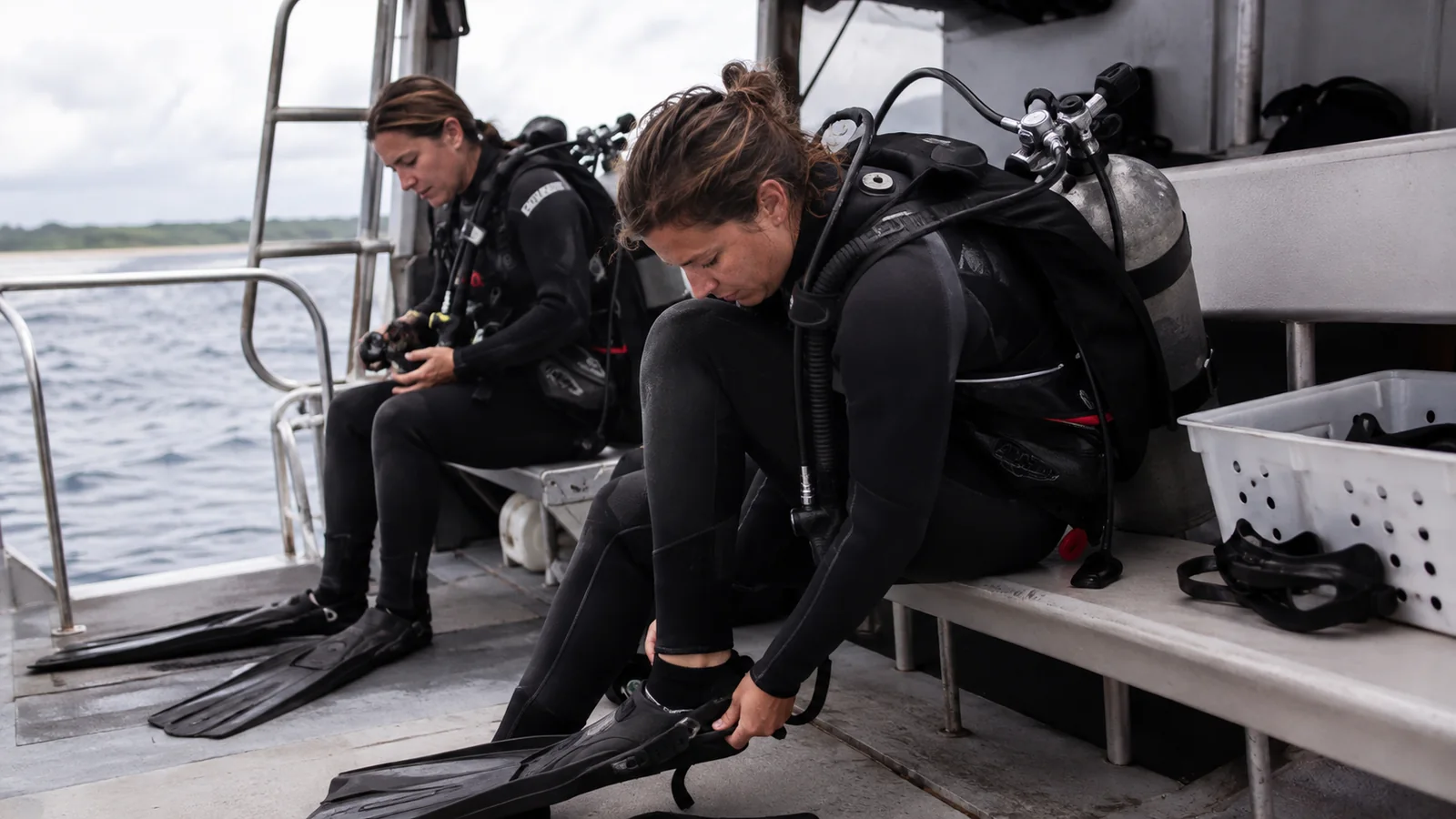
“A good buddy notices the small change before it becomes the big problem.”
“We planned the same dive and came back with two different oceans.”
“Trust underwater is built on ordinary things done carefully.”
“The best dive partner brings calm, curiosity, and the spare O-ring.”
“A buddy is the person who checks your air and remembers the fish you missed.”
“Shared bubbles make excellent friendship stories.”
“Good buddies do not compete with the plan.”
“We descend together, stay aware together, and return together.”
Pair one of these with the specific kindness that mattered, such as a calm gear check, an early turn, or help after a difficult entry. Specific gratitude feels warmer than calling someone the “best buddy ever” beneath every photo.
Captions for Reef and Wildlife Photos
Wildlife captions should not imply touching, chasing, feeding, riding, or crowding an animal. NOAA’s responsible diving guidance tells divers to keep fins, hands, and gear away from coral, leave underwater souvenirs, and view wildlife from a safe distance.
- A visitor in a city built by coral.
- Seen, appreciated, and left exactly where it belonged.
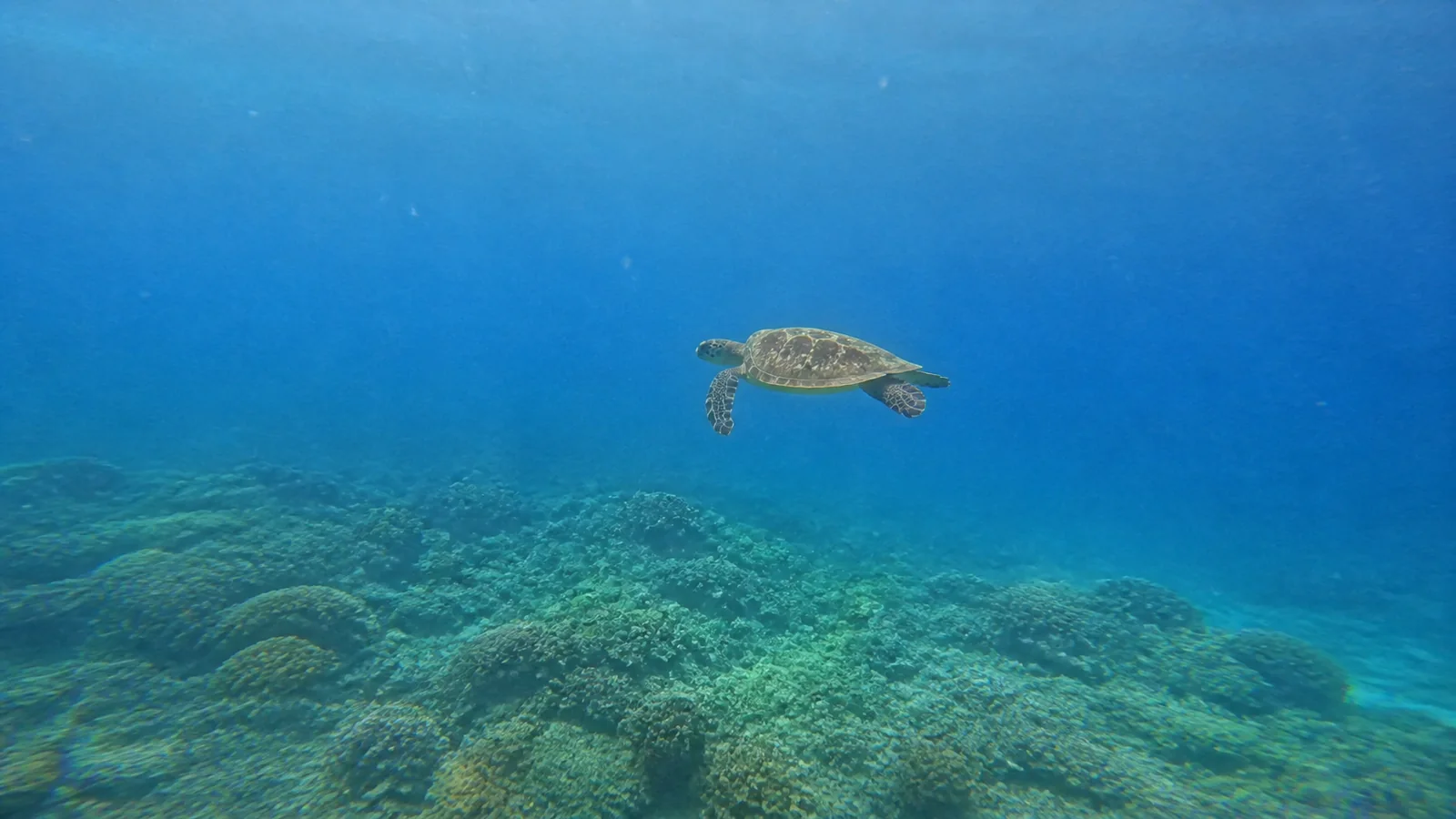
- The turtle chose the route; we kept our distance.
- Small reef, enormous neighborhood.
- Color without a filter and wonder without a touch.
- The best encounter is the one the animal can leave.
- We borrowed the view, not the reef.
- Wildlife first, photograph second.
- No chase, no touch, no souvenir.
- A careful fin kick protects tomorrow’s dive.
- The reef remembers careless contact longer than we do.
- Look closely, move slowly, leave quietly.
A camera does not grant priority over another diver or an animal. If getting the shot requires contact, blocking an escape route, stirring sediment, or losing awareness of the team, the caption should remain unwritten.
Wreck-Diving Captions
Use wreck language with respect because many sites are graves, protected cultural resources, or fragile structures. “Conquering” a wreck sounds especially poor when the safer and more accurate story is observing it within training, local rules, and the dive plan.
- History settles differently underwater.
- A quiet hull with a complicated story.
- Steel fades; the story gathers life.
- We visited the past without taking a piece of it.
- Rust, reef, memory, and time.
- The wreck was the destination; the safe return was the achievement.
- Look, learn, leave every artifact.
- Some histories are best approached slowly.
Do not use a playful line to conceal an untrained penetration or rule violation. Match any wreck caption to what the group was qualified, equipped, permitted, and briefed to do.
Training and First-Dive Captions
- First descent, lifelong curiosity.
- New skills, new world, same careful buddy check.
- The certification card starts the learning.
- Today the hand signals finally made sense.
- Confidence arrived one practiced skill at a time.
- Not fearless, just trained and prepared.
- The pool was chapter one.
- Every experienced diver once practiced this skill slowly.
- A calm reset is still progress.
- There is no prize for pretending to be comfortable.
Dive training and captions serve different jobs. A clever phrase cannot replace current instruction, a site briefing, a functioning buddy system, or a plan matched to conditions and certification.
Divers Alert Network calls advance site research and planning one of the most important predive steps. Its dive-planning guidance is a better pre-trip companion than any motivational saying.
Sunrise, Night-Dive, and Boat Captions
- First boat out, first light down.
- The reef changed shifts when the sun went down.
- Night diving turns familiar water into a new map.
- A dark ocean, a narrow beam, a very bright memory.
- Entry at sunrise, stories by breakfast.
- The horizon was only the beginning.
- Boat hair, salt air, dive everywhere.
- Back roll into the best part of the day.
- The moon stayed above; our lights went below.
- One giant stride away from ordinary.
Boat safety deserves the last word over the clever one. DAN recommends clear communication with the operator, attention to entry and exit procedures, diver-down signaling, surface markers, and constant awareness of propellers and traffic in its boating guidance for divers.
Public-Domain Ocean Lines
The following short excerpts come from editions hosted by Project Gutenberg as public-domain works in the United States. Credit the author and title, and remember that public-domain status can differ by country and by translation.
“The sea is everything.”
Jules Verne, Twenty Thousand Leagues Under the Seas
“The great depths of the ocean are entirely unknown to us.”
Jules Verne, Twenty Thousand Leagues Under the Sea
“Meditation and water are wedded for ever.”
Herman Melville, Moby-Dick
Project Gutenberg provides searchable editions of Verne’s Twenty Thousand Leagues Under the Seas and Melville’s Moby-Dick. Use the wording from the edition you cite rather than combining memorable fragments from unsourced quote sites.
Verne translations can use different English wording, punctuation, and even titles. Naming the edition or linking the text makes the attribution verifiable instead of pretending every version is identical.
How to Personalize a Caption
The easiest formula is place plus one sensory detail plus one honest feeling. “Morning dive in Cozumel” becomes “Cozumel at 8 a.m.: blue current, quiet reef, very awake.”
Add the buddy, site, or species only when identification and spelling are correct. Avoid posting a sensitive animal’s exact location when a guide or conservation manager asks visitors to keep it private.
For destination-specific context, connect the caption to a real plan such as this Dominican Republic diving overview or Panama diving guide. A useful post can celebrate the dive while helping the next traveler understand coast, season, or skill level.
Match the Words to the Photo
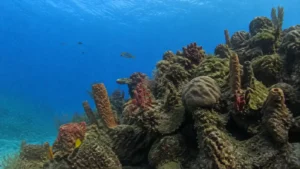
- Wide reef scene: choose wonder, scale, or conservation.
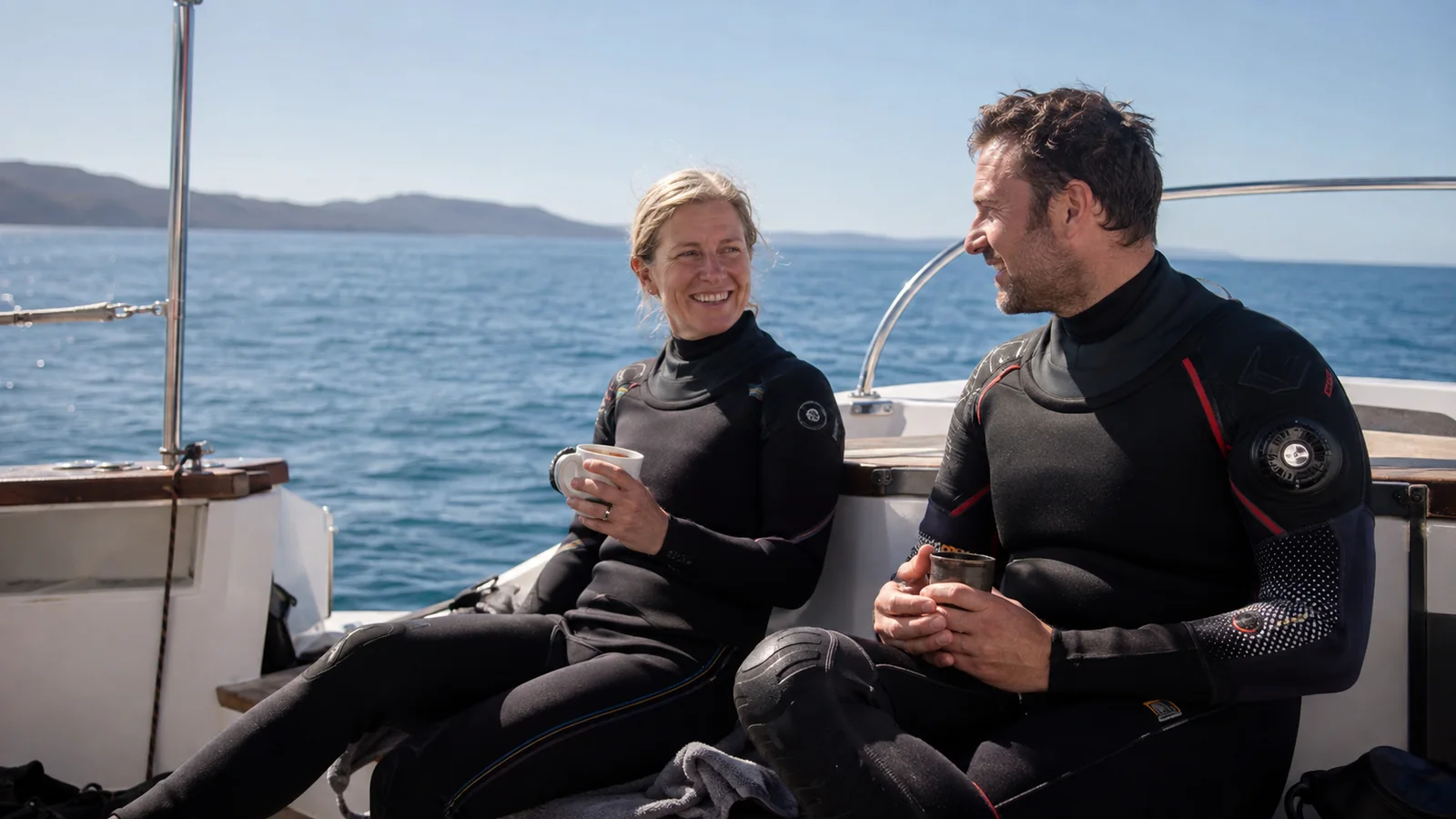
- Buddy portrait: use trust, teamwork, or shared humor.
- Training photo: emphasize practice rather than instant mastery.
- Wildlife image: mention distance and the animal’s freedom.
- Wreck image: favor history and respect over conquest.
- Gear photo: lean into specific diver humor.
- Night dive: use light, attention, and discovery.
One strong sentence is better than five ocean clichés stacked under a photograph. If the image already shows drama, let the caption add context rather than shouting “epic” again.
Caption Mistakes Worth Avoiding
Do not assign “unknown” to a line that may belong to a living writer, artist, instructor, or social creator. Search exact wording before publishing, and use an original alternative when attribution remains uncertain.
Do not imply a depth, certification, species, wreck identity, or unsafe action that the photo does not support. A caption is part of the trip record, and accuracy will age better than exaggeration.
Avoid location tags that expose fragile, illegal, or culturally sensitive sites. Follow the operator, park, sanctuary, and community guidance even when the platform encourages a precise pin.
Finally, do not let photography interfere with trim, gas checks, buddy awareness, or environmental care. NOAA encourages responsible diving and conservation-minded operators through its National Marine Sanctuaries diving resources.
Build a Better Dive Post
Lead with one original line, then add the site, date, conditions, operator credit, and one useful observation. Credit the photographer and identify any public-domain literary excerpt by author and work.
If gear is central to the story, link practical preparation rather than presenting a caption as instruction. This scuba equipment checklist helps readers distinguish personal fit items from destination and operator decisions.
The Bottom Line
The best scuba quote sounds like the actual dive and respects the people, wildlife, history, and safety behind the picture. Choose an original line for easy reuse, or cite a genuinely public-domain work with its exact source.