Pacific Explorer Cabins to Avoid: What the Ship Is Now
You cannot book a current cruise on Pacific Explorer. The former P&O Cruises Australia ship left that fleet in February 2025, was refitted and renamed Star Voyager, and now has different cabin categories and public spaces, so old “cabins to avoid” lists need a careful translation.

The current answer in one minute
Do not search for a Pacific Explorer sailing, fare, or guarantee cabin. If you want this physical ship, search Star Voyager with StarDream Cruises and judge the room from the current operator’s deck plan.
- Current ship name: Star Voyager
- Former identities: Pacific Explorer and, earlier, Dawn Princess
- Current booking rule: use StarDream’s room name, cabin number, and 2026 plan
- Legacy warning that may still help: the hull’s broad forward, midship, aft, and lifeboat geography
- Legacy warning that does not transfer automatically: old category codes, inclusions, decor, venue names, and noise claims
My practical advice is to stop at any travel page that still offers Pacific Explorer as though P&O operates it today. It may be an old review, a stale sales page, or useful historical material, but it is not a current booking source.
What happened to Pacific Explorer?
Carnival Corporation announced that Pacific Explorer would exit the fleet in February 2025 as P&O Cruises Australia was retired. Its official portfolio announcement separated Explorer from Pacific Adventure and Pacific Encounter, which moved into Carnival Cruise Line.
The ship then became Star Voyager after a refit and returned to service in Asia under the revived StarCruises brand. Contemporary industry reporting documented the rename before the March 2025 launch, while the operator’s current site now lists only the Star Voyager identity.
This distinction matters because Pacific Explorer was not simply repainted and left with an identical onboard product. Public venues changed, The Palace suite concept was introduced, cabin names were reorganized, and current sailings use StarDream policies and itineraries.
Use the current Star Voyager sources
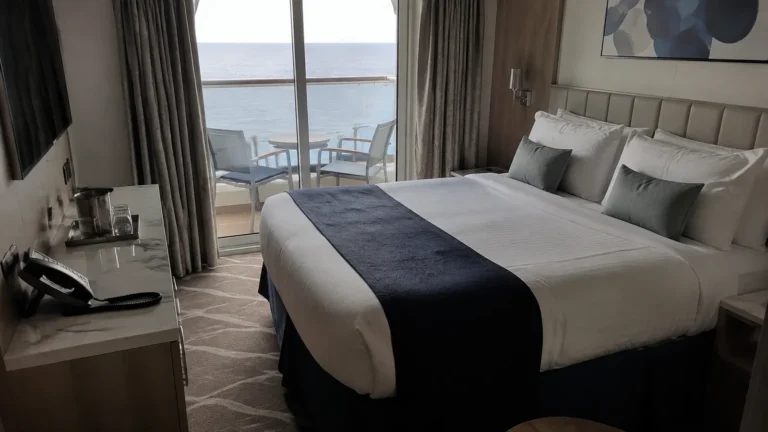
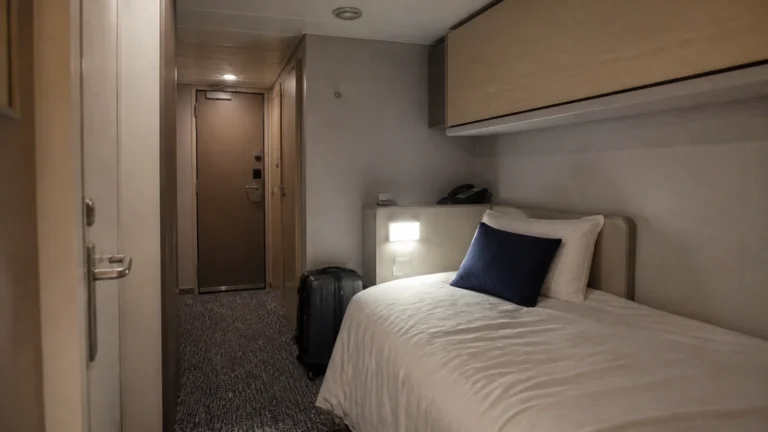
StarDream’s official Star Voyager page currently lists 972 staterooms and 1,944 lower berths. It names Interior, Oceanview, Balcony, Balcony Deluxe, Palace Suite, Palace Deluxe Suite, and Palace Penthouse accommodations.
The same page places standard interiors on Decks 5, 6, 8, 9, 10, and 11; oceanviews on Decks 5, 6, 8, 9, and 10; and balconies on Decks 9, 10, and 11. The listed sizes and occupancy patterns vary even within one broad room type.
Open the current 2026 official Star Voyager brochure for the cabin-number map and symbol key. That is the exact plan to use for today’s ship, not a screenshot carrying the P&O logo.
Why the old Pacific Explorer deck plan is not enough
The final P&O layout remains useful for understanding the basic hull and locating an old cabin review. It shows cabin decks 5, 6, 8, 9, 10, and 11 plus suites on Deck 12, but its venues include names such as The Marquee, Explorer Hotel, Black Circus, The Pantry, and The Oasis.
The current Star Voyager plan instead shows Zodiac Theatre, Palm Court, Velvet Lounge, The Playbook, Red Tail Café, The Lido, The Palace facilities, and other renamed or reworked spaces. If the room above your cabin changed from quiet seating to entertainment, the old noise conclusion may no longer apply.
Cabin numbers can provide a bridge between the two plans, but only after both diagrams are compared. A number that appears in roughly the same shell position does not prove the room has the same category, bed configuration, decor, view label, or benefits.
Current obstructed-view oceanview rooms
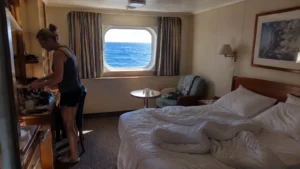
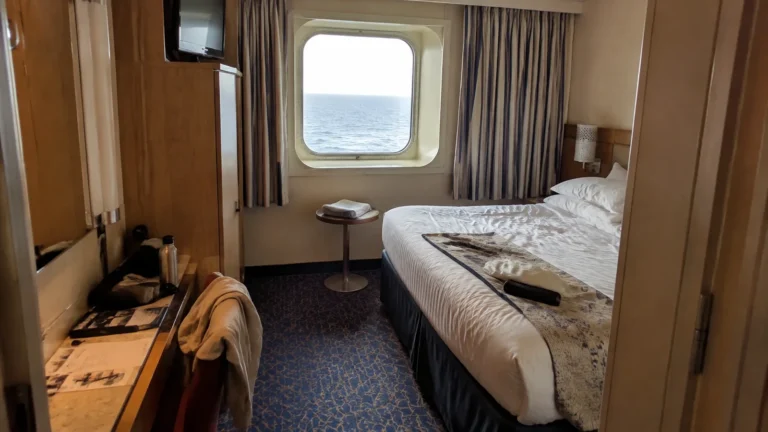
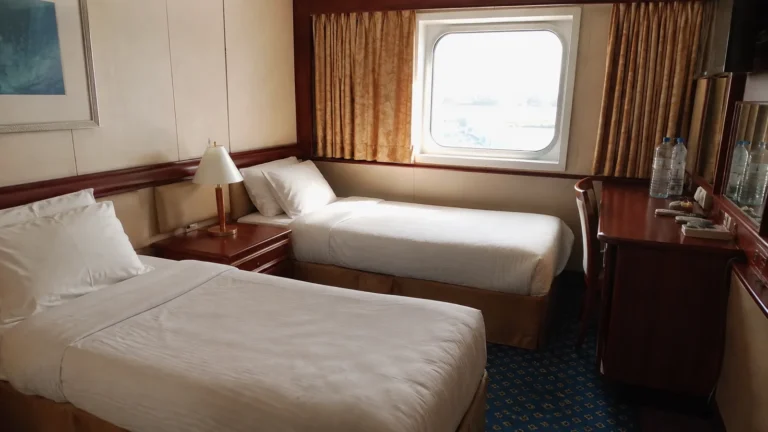
The 2026 Star Voyager brochure includes an Oceanview Stateroom (Obstructed View) category in its key. These rooms sit where lifeboats, tenders, or ship structure interrupt the sightline, and the obstruction can vary by cabin.
Avoid this category if you need a clear horizon, want to photograph from the room, or depend on a broad exterior view to feel comfortable. It may still be a good buy when daylight matters more than scenery and the fare is meaningfully below an unobstructed oceanview.
Do not rely on a generic Oceanview photo, because StarDream states that room images are for illustration. Ask for the exact current view label and a cabin-specific image if the obstruction will make or break the purchase.
My porthole and ship-window guide explains why a real exterior opening can still offer a limited angle. Window type, recess, hardware, and cabin position all shape the result.
Deck 11 beneath the Deck 12 activity zone
Deck 11 is a long cabin deck, but Deck 12 above is not uniform. The current plan places VIP Casino and Palace cabins forward, a pool and Pool Bar in the central zone, then Little Dreamers Club, spa, studio, and fitness facilities toward the aft end.
That makes the directly overhead use more important than the words “Deck 11.” Possible issues include daytime activity, children arriving at the club, pool-deck footsteps, furniture movement, music, exercise equipment, or service work.
Those are adjacency risks, not verified promises that every affected cabin is noisy. Trace the cabin’s exact fore-to-aft position against Deck 12, then look for recent reports tied to that number or immediate neighbors.
Who should avoid upper-deck adjacency
Light sleepers, afternoon nappers, and travelers who retire before evening programming should favor a cabin sandwiched between other rooms. Families who will repeatedly use the pool and children’s club may decide that a short walk is worth the possible traffic.
I would not accept an upper-cabin upgrade without rechecking what sits above it. A higher deck or new category name does not automatically produce a quieter room.
Deck 8 mixes cabins with entertainment
The current Deck 8 plan has cabin blocks forward and aft, with Red Tail Café and The Playbook eGaming occupying the central public section. Lifeboats line much of the sides around this level, reinforcing the need to check both view and public-space proximity.
Rooms beside the boundary of an entertainment area may see more corridor traffic or hear activity through adjacent structure. The plan verifies the boundary, but volume, hours, and sound transmission vary by sailing and cannot be declared from the map alone.
Deck 7 below contains Zodiac Theatre, Palm Court, Velvet Lounge, The Playbook Pub, Photo Corner, and Casino. A Deck 8 room’s position over those venues deserves inspection, especially forward above the theater area and around the central or aft entertainment footprint.
Choose Deck 8 for convenience only if you like being close to public venues. If sleep is the priority, cabin-only portions of Decks 9 or 10 can provide a cleaner starting point after you also inspect their immediate surroundings.
Decks 9 and 10 are not automatically quiet
Decks 9 and 10 contain long stretches of cabins, which is generally reassuring. They also include elevator lobbies, stairwells, interior service voids, and high forward or aft positions that can affect a specific room.
A cabin around the corner from elevators may be extremely convenient without facing the gathering point directly. A door opening onto the lobby can receive more conversation, tour-group, and late-night foot traffic.
Blank white space on a plan is not proof of silence. It may represent equipment, crew circulation, storage, or an inaccessible area, so ask the cruise line when an unexplained space shares your wall.
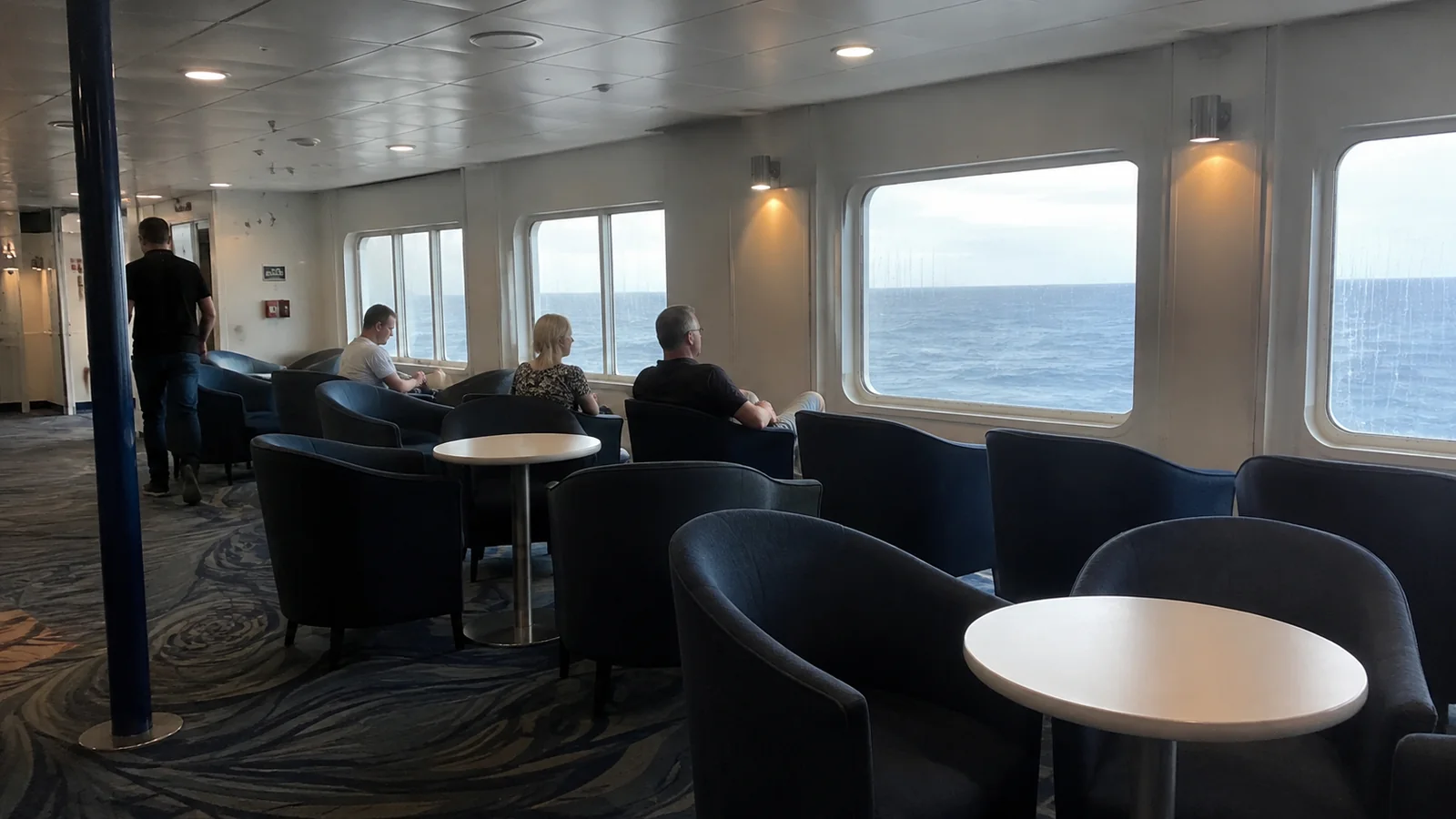
High, forward, and aft rooms need a motion check
No Star Voyager cabin is motion-free, and no former Pacific Explorer review can predict the sea on your itinerary. Wind, swell, speed, route, and ship operations all affect movement.
Travelers sensitive to pitching should start lower and closer to midships, then eliminate rooms with public-space adjacency. High forward and high aft rooms can feel more movement, while aft locations may add vibration under some operating conditions.
This is a comfort judgment rather than an operator warning. A traveler who values a wake-facing or high-deck view may happily accept the tradeoff that another person avoids.
Small rooms at maximum occupancy
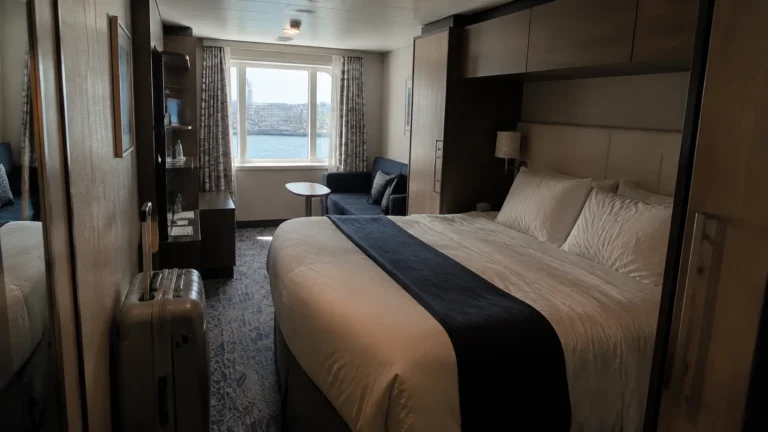
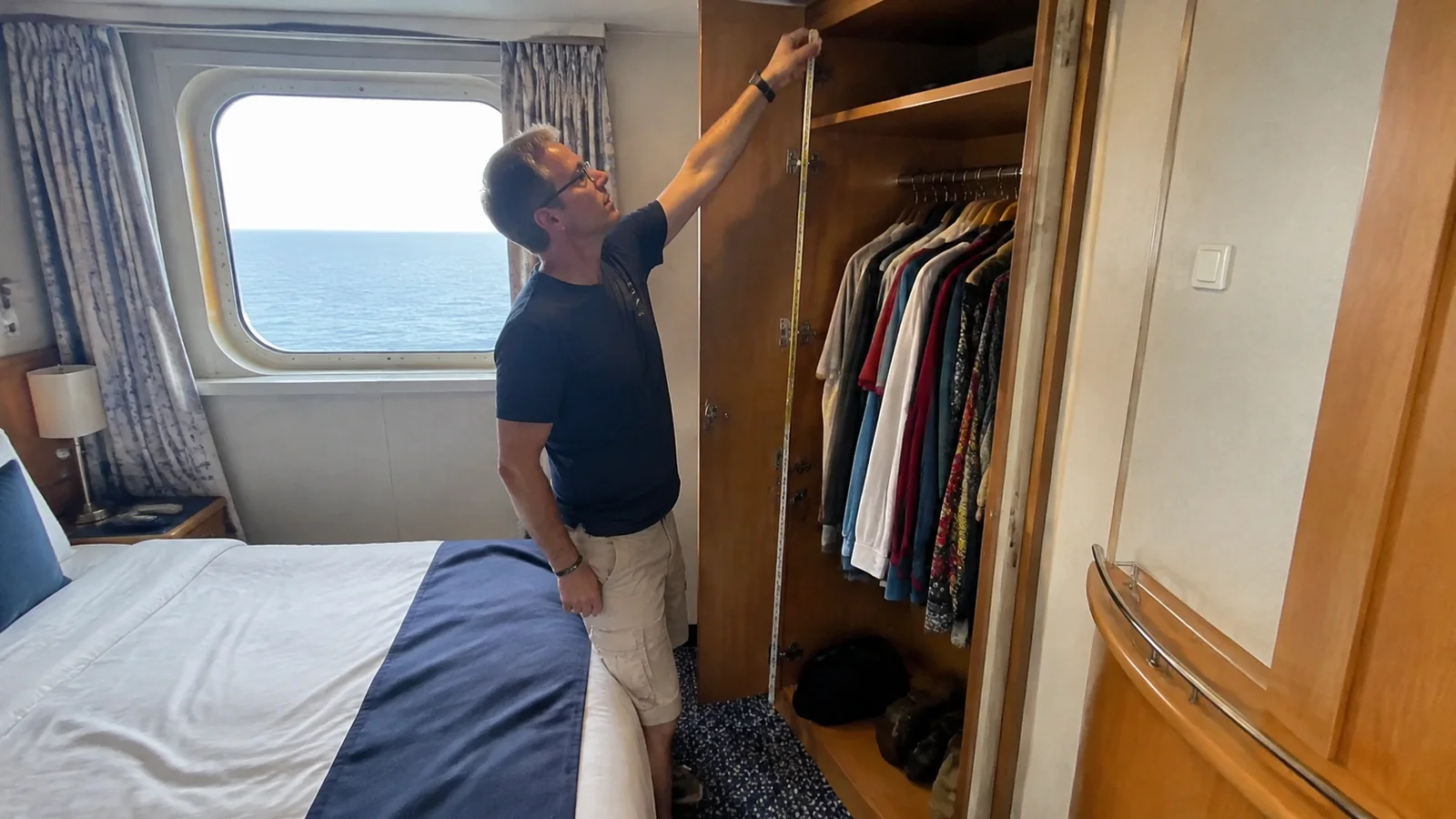
StarDream lists interiors from roughly 135 to 147 square feet and permits two to four guests depending on configuration. Oceanviews start in the same broad size range, while some layouts use Pullman beds or sofa beds.
Maximum legal occupancy does not tell you how the room feels with open beds, luggage, and four people’s routines. I would hesitate to put four adults in the smallest interior unless price clearly outweighs floor space and everyone understands the arrangement.
Ask whether the lower beds can form a queen when upper berths are used, where ladders land, and whether a sofa remains usable. The official page lists several configurations, so a category-level photo cannot answer for every cabin.
Connecting rooms and accessible rooms
The official brochure marks connecting rooms and accessible cabins. A connecting door is useful for a group but can change perceived sound transfer, so couples who do not need it may prefer two solid shared walls.
Accessible rooms should never be treated as a secret space upgrade. Layout, bathroom, thresholds, equipment, and evacuation support exist for functional needs, and travelers should book through the proper process.
If you need step-free access, provide mobility-device dimensions and transfer requirements directly to StarDream. Do not assume a legacy P&O accessible-room description remains operationally current.
Palace suites are a new product decision
The Palace is StarDream’s ship-within-a-ship product with private facilities and 24-hour butler service. Palace Suite inventory is listed on Decks 8 and 10, Palace Deluxe Suite on Deck 12, and Palace Penthouse on Decks 8, 9, and 10.
This is not simply an old Pacific Explorer suite with a new sign. Compare current dining, lounge, service, priority, occupancy, and access terms alongside the exact location.
Some Palace rooms sit closer to casinos, pools, or public venues than the word “suite” suggests. My cruise suite value comparison can help decide whether services justify the total premium.
What legacy reviews can still tell you
An old Pacific Explorer report may still identify a structural column, unusual room shape, solid window obstruction, long walk, or recurring vibration zone. It is strongest when the author gives an exact cabin number, date, photos, and a specific observation.
It is weak when it assigns a broad judgment such as “Deck 10 is noisy” without naming a venue or time. It becomes weaker still when a refit changed the space responsible for the original complaint.
Use legacy evidence as a question generator. Verify the answer against the 2026 Star Voyager plan, current room listing, and recent exact-cabin reports.
How to avoid booking the wrong ship identity
- Confirm the booking says Star Voyager and names StarDream Cruises.
- Match the departure date and itinerary to the current operator’s confirmation.
- Use the 2026 Star Voyager brochure, not a Pacific Explorer or Dawn Princess plan.
- Verify cabin number, current category, occupancy, bed layout, and view label.
- Inspect the deck directly above, below, beside, and across the corridor.
- Check entertainment, casino, pool, children’s, fitness, elevator, and service adjacency.
- Save the listing and plan shown before final payment.
For a complete room-selection process, use my general cabin risk checklist after completing the identity check. The same principles apply, but only the current Star Voyager documents tell you what surrounds the room now.
The bottom line
Pacific Explorer has no current cabins to book because that ship name and P&O product ended in 2025. The vessel survives as Star Voyager, and the current plan shows real risks worth checking, including obstructed oceanviews, Deck 11 under Deck 12 activities, and Deck 8 beside and above entertainment.
Do not throw away every old review, but do not let nostalgia choose your cabin. Translate the exact cabin number to Star Voyager, verify what changed in the refit, and treat noise or motion reports as personal evidence rather than a guarantee.