Carnival Family Harbor Rooms: Perks and What I Would Book
I would consider Carnival Family Harbor when a nearby breakfast-and-snack lounge will make family mornings easier, then choose the room for its actual beds and bathrooms. I would not pay a large premium just for nautical decor or a single evening of childcare.
The exact ship matters because Family Harbor on a Vista-class ship and an Excel-class ship occupies different decks and offers different room choices.
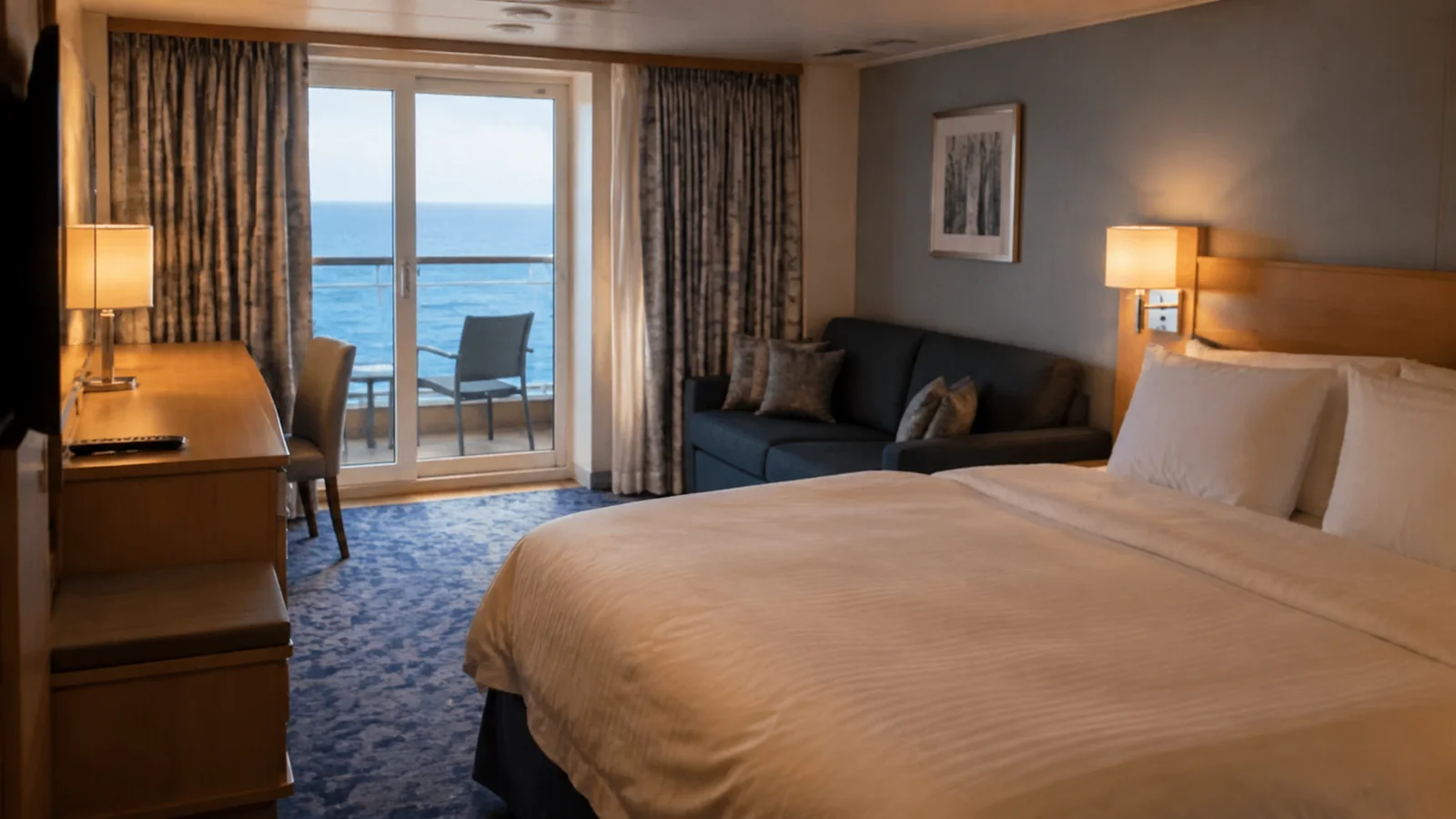
My Family Harbor shortlist
- For lounge convenience: Start with the lowest-priced Family Harbor category that comfortably sleeps your group.
- For busy mornings: Compare the actual bathroom layout, especially in deluxe oceanview and suite categories.
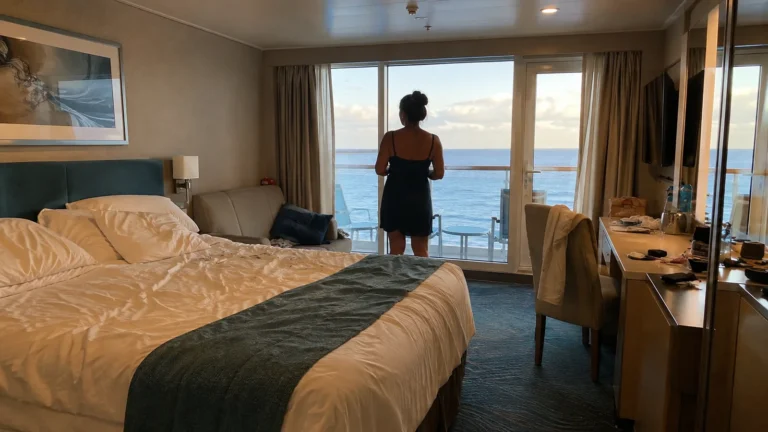
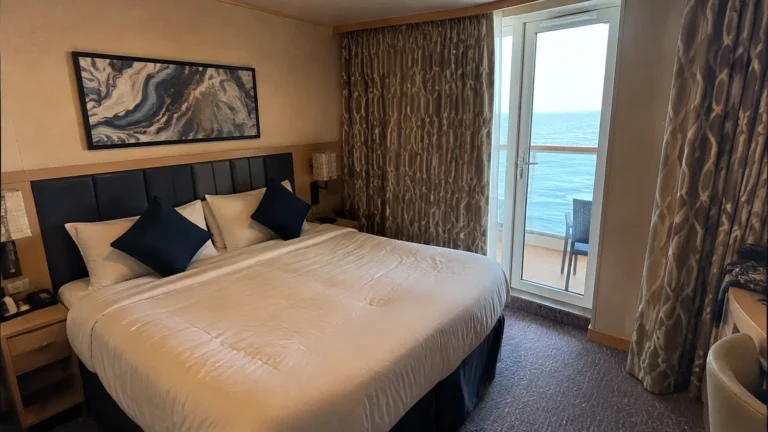
- For a balcony: Check that the chosen ship offers the Family Harbor balcony type you want.
- For light sleepers: Inspect the public venue directly above the room and its distance from the lounge entrance.
- For older children: Price the benefits they can actually use rather than assume every family perk suits teenagers.
What Family Harbor includes
Carnival’s stateroom overview describes an exclusive Family Harbor Lounge with breakfast, snacks, games, movies, and other family activities. It also lists children’s dining benefits at most specialty restaurants and one complimentary evening of Night Owls.
Those are useful conveniences, but I would keep their value in proportion. The ship already offers included meals and family activities, so the upgrade is partly about location and access to a smaller shared space.
The lounge can be particularly helpful when one child needs a quick breakfast while everyone else is still getting ready. I would value that more than a decorative theme inside the cabin.
It is still a shared lounge, not an extension of your private living room. I would expect other families, ordinary conversation, and busier periods before excursions or after activities.
I would also distinguish the lounge from supervised youth programming. Access to snacks and games does not mean a child can be left there under the same arrangements as Camp Ocean.
These are the ships I would compare
Carnival lists Family Harbor on Vista, Horizon, Panorama, Mardi Gras, Celebration, and Jubilee. I would begin with those ships and the intended itinerary before narrowing down the room category.
The Vista-class arrangement places Family Harbor on Deck 2, with several cabin types around the neighborhood. On Carnival Horizon’s official deck plan, the lounge sits among the aft Deck 2 accommodation.
The Excel-class arrangement uses Deck 4. The Carnival Jubilee deck plan shows Family Harbor Lounge and Camp Ocean in that lower-deck setting.
That change affects walking routes and the room types you can book. I would not use a review of Horizon’s Family Harbor balcony to assume Jubilee offers the same accommodation.
For a family choosing between ships, I would compare the overall activities and itinerary first. My family cruise guide can help keep the cabin upgrade in perspective.

Room labels do not tell you the whole bathroom story
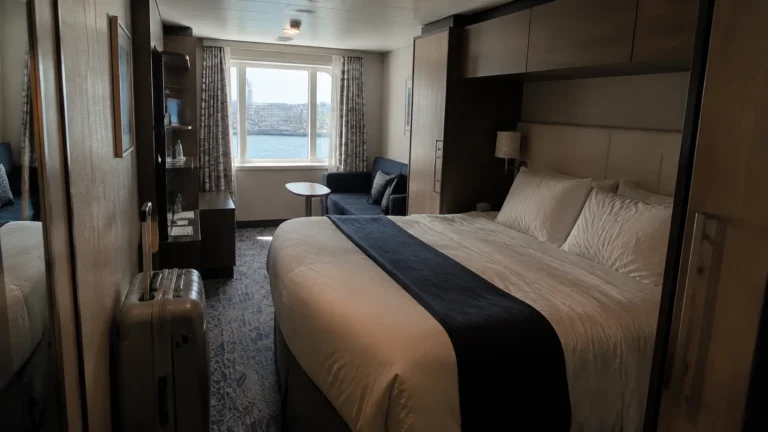
Family Harbor includes different room categories, so I would inspect the bathroom plan for the exact cabin type. I would not promise two bathrooms in every Family Harbor room.
Some deluxe oceanview designs include an additional washing area, which can be helpful for bathing children or preparing for dinner. An extra sink or tub area is not necessarily a second toilet and shower bathroom.
I would ask the seller to identify each fixture rather than simply repeat the phrase extra bathroom. For a family of five, knowing whether two people can use toilets at once may matter much more than the room’s overall square footage.
A suite may provide more space or a different arrangement, but it needs its own comparison. I would not assume that the suite with the most attractive photograph has the layout that best solves our morning routine.
For children who need a bathtub, I would confirm one is actually present. Accessible rooms may use different bathroom arrangements, so necessary mobility features should be checked separately from the standard category image.
Count beds in their nighttime configuration
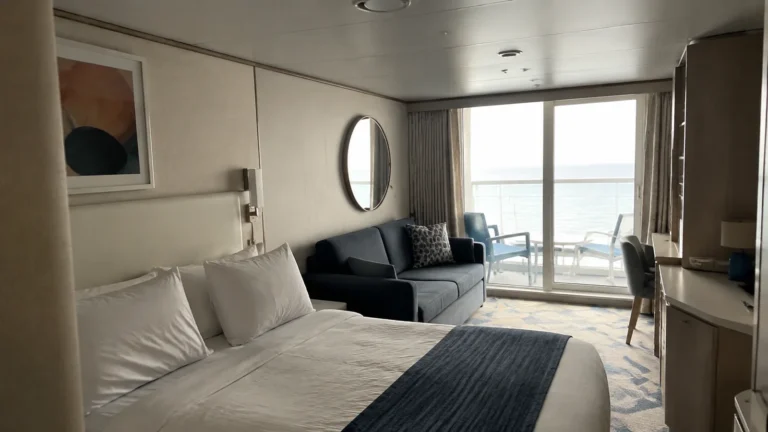
I would check where every person sleeps when the room is fully set up. Sofa beds, upper berths, and any rollaway arrangement change the floor space available after dinner.
Maximum occupancy tells you the permitted number of guests, not how comfortable the room will feel with all beds deployed. I would look for a clear route from each bed to the bathroom and corridor door.
I would also verify whether the main beds can convert to the preferred arrangement when upper beds are used. Carnival’s deck-plan symbols explain configurations that can differ from the usual twin-to-king setup.
For older children or two adults who keep different hours, I would compare two connecting cabins with one larger Family Harbor room. Two bathrooms and separate sleeping spaces may be more valuable than lounge access.
My cruise cabin organization tips can help with storage, but they cannot turn a crowded room into a second bedroom. I would solve the biggest space problem while booking.
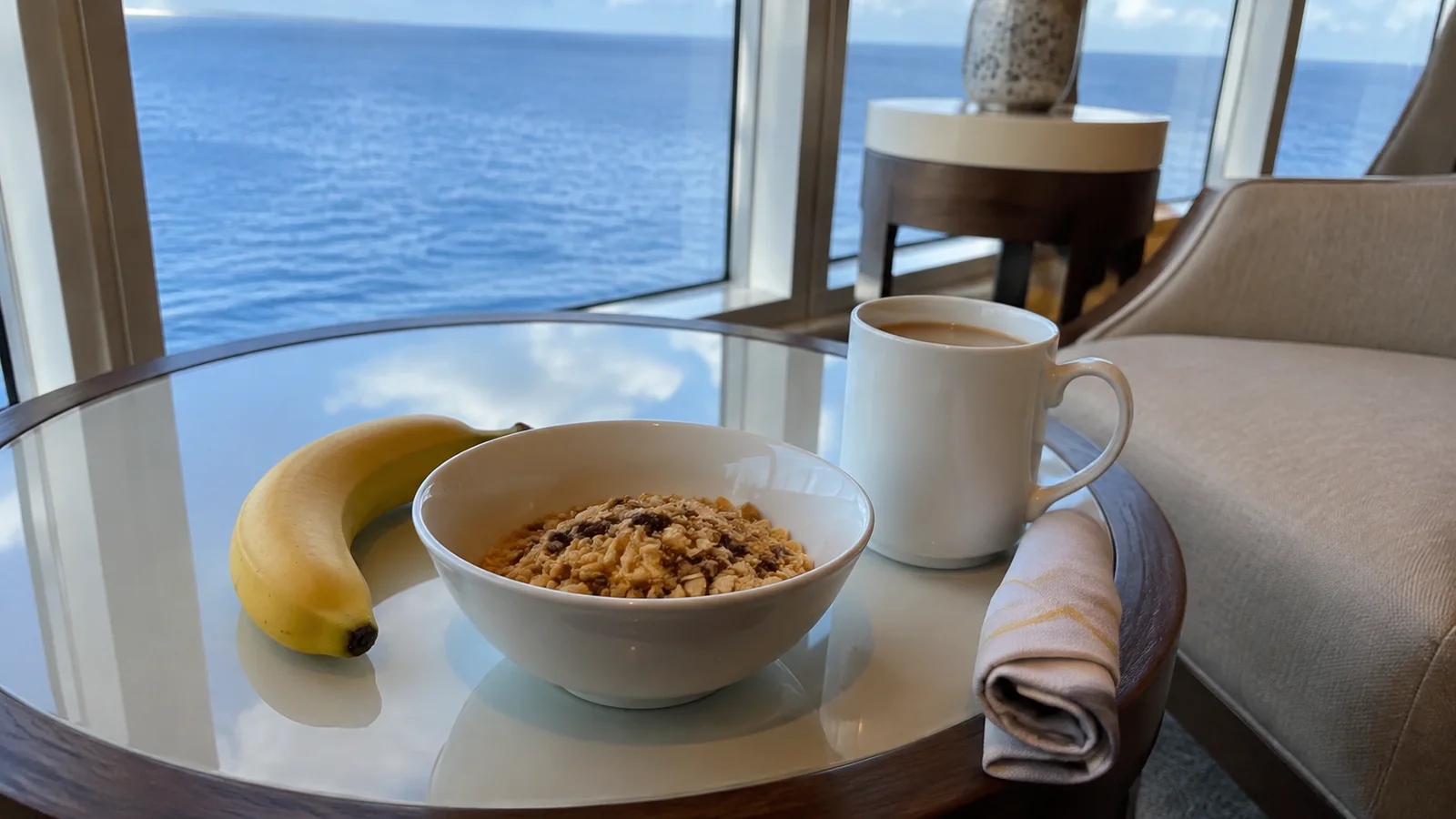
On Vista-class ships, inspect Deck 3 above
Family Harbor’s lower position on Deck 2 can be convenient and may appeal to motion-sensitive travelers. It also means the room above is not automatically another cabin.
On Horizon, Deck 3 contains dining and galley areas over parts of the Family Harbor neighborhood. I would compare the room’s exact footprint with those spaces before calling the whole area quiet.
Food preparation and service can begin early or continue after the meal has ended. I would prefer a room outside an active galley footprint if a comparable Family Harbor option is available.
I would not label every Deck 2 room noisy because only some positions overlap the same public areas. If the evidence is unclear, I would ask for room-specific reports rather than invent a list of bad cabin numbers.
The cruise floor-plan guide explains how to align the decks. I would use each ship’s own plan, even when the room categories look familiar.
On Excel-class ships, compare the neighborhood with your routine
Jubilee’s Deck 4 arrangement puts Family Harbor in the same lower-deck environment as Camp Ocean. That can simplify some family trips, but I would still check the exact route between the room, lounge, and youth-program entrance.
I would also compare Deck 5 above the room instead of borrowing a Vista-class galley warning. The layout of the public and accommodation decks is different.
Being close to the lounge entrance can save steps but may bring more passing families. I would generally choose a little farther along the corridor if the room is otherwise equivalent and quiet sleep is important.
I would not reject a room near elevators automatically. A convenient route to pools, dining, and the gangway can matter when managing a stroller, tired children, or a mobility aid.
The cabins-to-avoid checklist helps evaluate those tradeoffs. Family-friendly means useful for a family, not a guarantee that every room shares the same noise level.
Children’s dining benefits need the actual rules
Carnival describes free children’s meals at most specialty restaurants, which is narrower than every meal for every guest everywhere. I would confirm the eligible ages, menus, venues, and any conditions before assigning a dollar value to it.
If the children mainly prefer included casual food, the dining perk may save very little. I would not value several specialty meals at full price when the family would not have booked them otherwise.
For a teenager, I would ask specifically whether the advertised children’s benefit applies. A room called Family Harbor does not mean every age receives the same children’s menu arrangement.
I would also check the restaurant’s reservation availability. An included meal is only useful if we can book a suitable time and the food appeals to the people eating it.
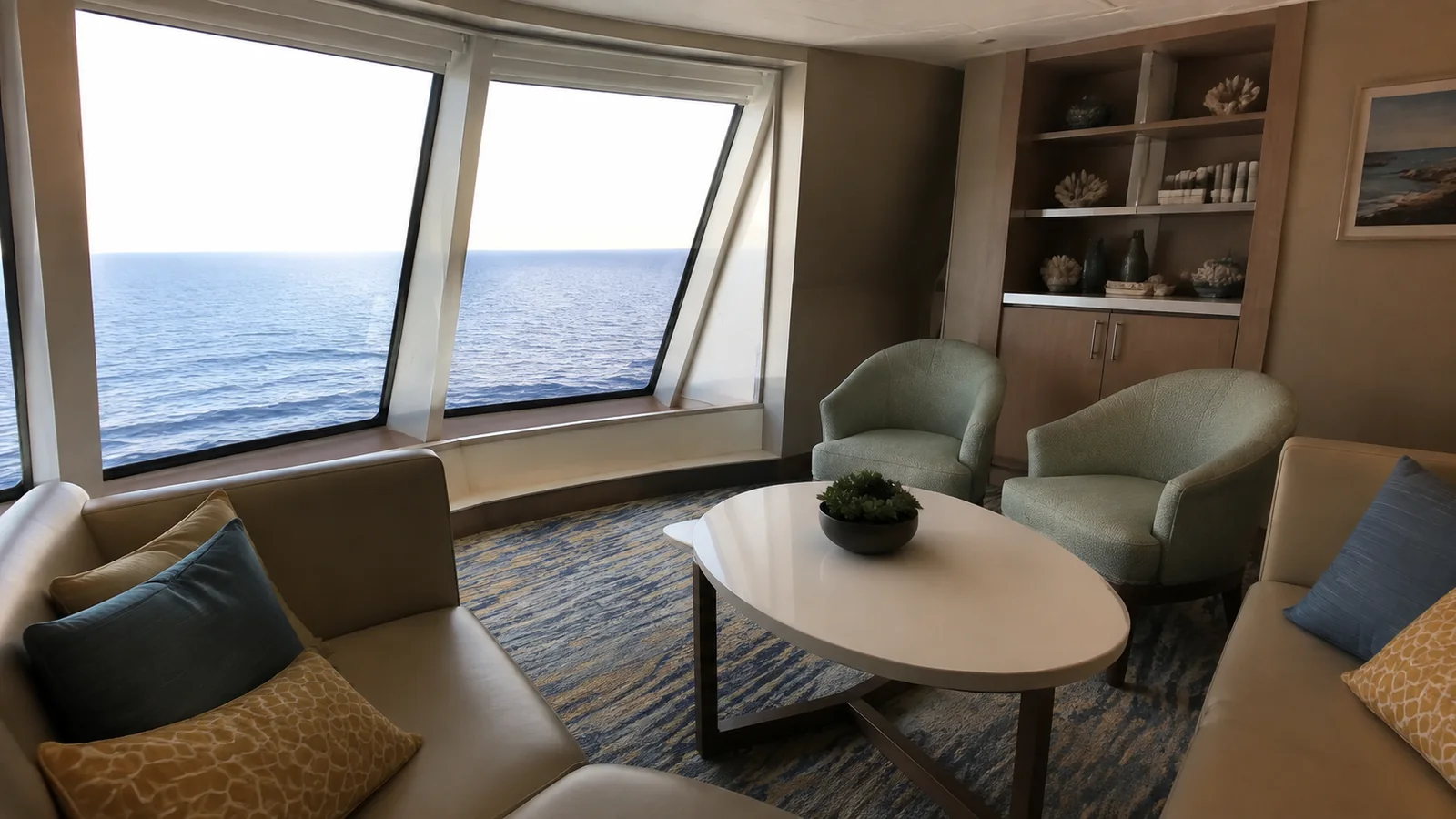
One evening of Night Owls is a modest extra
Carnival’s Night Owls description identifies the program for children from 6 months through 11 years. It is a supervised onboard program, not a private babysitter sent to the cabin.
I would confirm registration, the available evening, and any applicable conditions with the youth staff. The Family Harbor benefit does not remove the need to follow the program’s normal procedures.
For parents who want one quiet dinner, that can be a pleasant addition. I would not let a single included evening justify hundreds of dollars in extra cabin cost by itself.
For families with older teenagers, I would leave that perk out of the savings calculation. For younger children, I would also consider whether they are comfortable participating before counting on the adults’ evening plans.
How I would price the upgrade
I would compare Family Harbor against the nearest equivalent standard room, with the same occupancy and fare conditions. Comparing a Family Harbor suite with a standard interior mixes several upgrades into one price difference.
If a hypothetical Family Harbor oceanview costs $350 more for seven nights, I would consider whether the lounge convenience and eligible benefits are worth $50 per room per day. I would then adjust for any differences in bathroom layout or location.
A larger premium would need stronger practical benefits. I would want the room itself to be a better fit, not merely a way to access snacks already available elsewhere on the ship.
I would also check access for relatives in other rooms. The lounge benefit should not be assumed to extend to everyone traveling under linked reservations.
My five-minute Family Harbor check
- Confirm that the selected ship and category actually provide Family Harbor access.
- Identify the lounge deck and the exact room’s distance from its entrance.
- Count toilets, showers, tubs, and usable nighttime beds from the room plan.
- Check the deck above for galley, dining, public, or accommodation space.
- Verify the ages and conditions for children’s dining and Night Owls.
- Compare the whole-family total with a standard room and a connecting pair.
Questions I would settle first
Is Family Harbor a children’s club?
No, the lounge and the supervised youth programs are different facilities. I would follow the youth-program registration and supervision rules separately.
Are all Family Harbor rooms bigger?
I would not assume so. Compare the actual dimensions, beds, and bathroom layout with the standard category you are considering.
Is Family Harbor worth it with teenagers?
It can be if the room and lounge are useful, but I would not count younger-child perks they cannot use. Separate sleeping space may be the more valuable upgrade.
What I would book
I would choose a Family Harbor room with a practical bed and bathroom arrangement, a checked ceiling, and an easy walk to the lounge. I would pay a sensible premium for smoother family mornings, while keeping the room layout ahead of the decor and small promotional extras.